pronationwristkinetic chain
Why "Snap Your Wrist" Is a Risky Way to Explain the Serve
Rapid rotation of the racquet face is the result of a whole-body sequence, not a whip from one wrist joint.
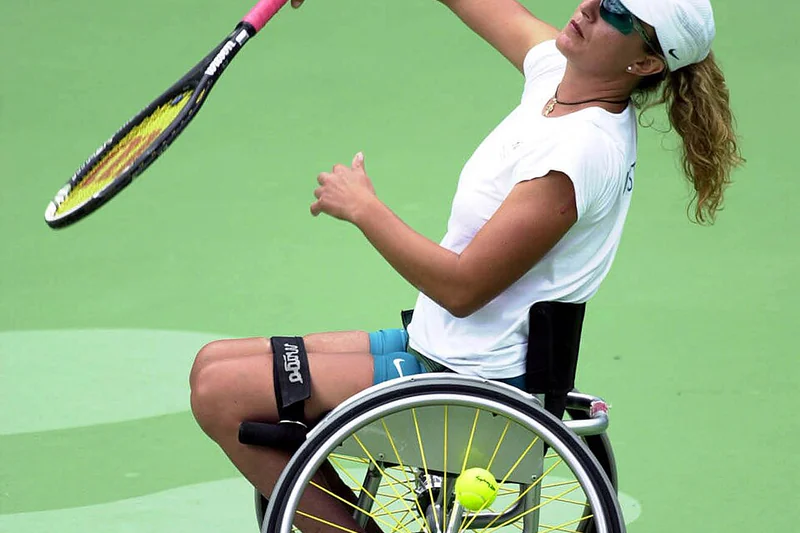
Start with this check
Serve acceleration links the legs, trunk, shoulder, elbow, and forearm; forcing a copy of one isolated frame disrupts the timing.
Try these steps in order
- First learn a natural racquet path with relaxed half-speed serves.
- Film from behind and review the path of the racquet face and arm before and after impact with a coach.
- Increase speed gradually only when the motion feels comfortable and repeats reliably.
Bottom line
Serve speed comes from the whole body linking at the right time, not from a single command to the wrist.
Reviewed sources
Technical evidence is shown separately from community topic signals.
Technical evidence
- Sports BiomechanicsReview of tennis serve motion analysis and the biomechanics of three serve types with implications for injury
- International Journal of Environmental Research and Public HealthRisk Factors for Upper Limb Injury in Tennis Players: A Systematic Review
- Sports HealthSports-Related Wrist Injuries in Adults
TENNIS TENSION LAB
Check your racquet’s tension today.
Get a high-precision tension reading in under 10 seconds. Tension Lab tracks changes from your first reading and helps you see when to restring.
- High-precision tension measurement. Ready in under 10 seconds.
- Track every change in feel. See the full story over time.
- Time to restring? Never leave it to guesswork.