serve-and-volleyreturnat the feet
Why Going Only for Passing Shots Is Difficult Against a Serve-and-Volleyer
A low first return at the feet can make the second ball an easier pass.
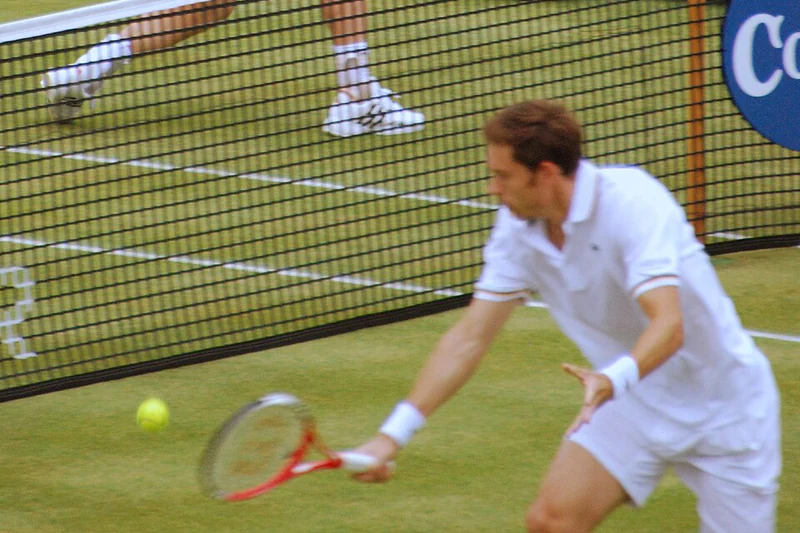
Start with this check
Aiming for a narrow passing angle immediately after a fast serve adds free errors and may give the opponent a comfortable high volley.
Try these steps in order
- Shorten the return preparation and target either deep through the middle or low at the feet of the advancing player.
- After a low first volley, move inside the court to widen the angle available on the next ball.
- Occasionally mix in a high lob return to push the opponent's starting position back.
Bottom line
Beating serve-and-volley is not about a return winner; it is a pattern that creates a difficult first volley and finishes with the second shot.
Reviewed sources
Technical evidence is shown separately from community topic signals.
TENNIS TENSION LAB
Check your racquet’s tension today.
Get a high-precision tension reading in under 10 seconds. Tension Lab tracks changes from your first reading and helps you see when to restring.
- High-precision tension measurement. Ready in under 10 seconds.
- Track every change in feel. See the full story over time.
- Time to restring? Never leave it to guesswork.