
ATP · Historical · Australia
Rod Laver
Career-high ranking: 3
Player at a glance
For Rod Laver, this snapshot records 727 matches and 580 wins from 1968 through 1979. The highest verified singles ranking is world No. 3. The data records 5 Grand Slam singles titles and 72 tour titles. On Grass, the snapshot shows a 84.9% win rate across 106 matches.
- Status
- Historical
- Age
- —
- Height
- 173 cm
- Playing hand
- Left-handed
- Tour wins
- 580 / 727
- Tour titles
- 72
- Grand Slam titles
- 5
- Career win rate
- 79.8%
Results by surface
Read each win rate together with its recorded match sample.
- Carpet
- 79.3%232 matches
- Hard
- 81.4%204 matches
- Clay
- 75.2%165 matches
- Grass
- 84.9%106 matches
Player at a glance
How they play
Rod Laver is the only player to complete two calendar Grand Slams, in 1962 and 1969. By competing through the amateur, professional, and Open eras, he became a reference point connecting generations.
A powerful left-handed topspin game, quick feet, and attacking serve-and-volley skills made him a true all-court player. He moved freely between baseline and net according to the opponent and court conditions.
Featured video
 US Open Tennis Championships · Aug 21, 2026Rod Laver in the spotlight · US Open profile
This official video gives a concise account of the only player to complete two calendar Grand Slams. It is a useful introduction to a legend with relatively little modern footage.
Watch on YouTube ↗What to watch
If you are new to this player
- Rather than focusing on height or strength, watch how quickly he arrives and establishes balance around the ball.
- After a strong baseline shot, notice the decision to follow it forward to the net.
For a closer look
- Even within one rally, watch how changes of topspin and forward timing disturb the opponent’s contact point.
- On serve-and-volley points, track the position that closes passing lanes rather than only the depth of the first volley.
Career timeline by age
· Age 29
First recorded tour match
The first main-draw tour match covered by the current data set.· Age 29
First tour title
A verified tour-title milestone in this player’s career.· Age 29
First Grand Slam singles title
A verified Grand Slam milestone in this player’s career.· Age 31
Second calendar Grand Slam
He won all four major singles titles in one year for a second time, repeating his 1962 achievement.· Age 36
Career-high ranking: No. 3
The highest position found in the available weekly singles rankings.· Age 40
Most recent recorded match
The latest tour match included in the current snapshot.
Racquet and string history
Verified equipment history is being added
Pro paint jobs can differ from the frame underneath. We separate observed use, endorsements, and comparable retail models, with sources and dates.
Worth knowing
- His “Rocket” nickname began as coach Harry Hopman’s ironic description of the small young Laver, not his speed.
- Turning professional barred him from the majors from 1963 through 1967, but he returned in the Open era to complete another calendar Grand Slam in 1969.
Verified sources
What to borrow for your game
- Copy the sequence of preparation, contact point, and recovery rather than only the final shot.
- On Grass, identify the repeated starting position and purpose of the first two shots before borrowing the pattern.
- Compare footage from different career stages to see how positioning and shot selection evolved.
Notable numbers
- Reached a verified career-high singles ranking of world No. 3.
- This page uses 727 recorded matches from the 1968–1979 seasons.
- The snapshot records 6 Grand Slam finals and 5 titles.
Reviewed sources
A result-based profile built from surface results, rankings, titles, and playing hand. Missing shot-speed, spin-rate, and point-pattern data are not invented.
Player reference page ↗Players to explore next
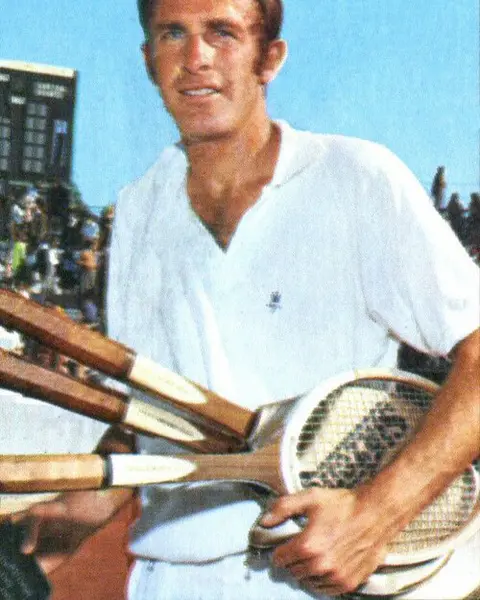 John NewcombeAustralia · 1968–19815 Grand Slam titles
 Allan StoneAustralia · 1968–1979Career-high ranking: 38
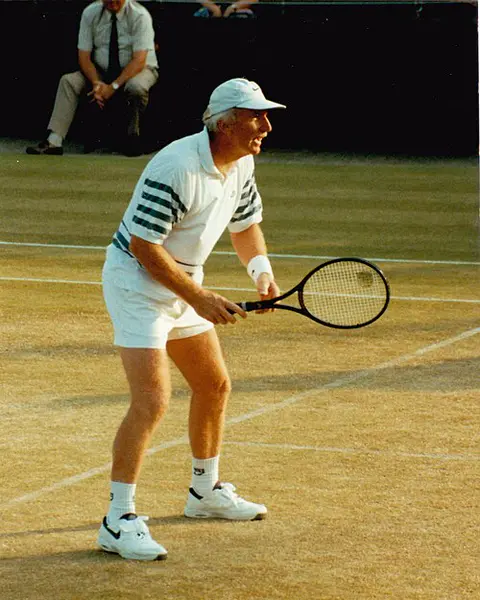 Bob CarmichaelAustralia · 1968–1979Career-high ranking: 55
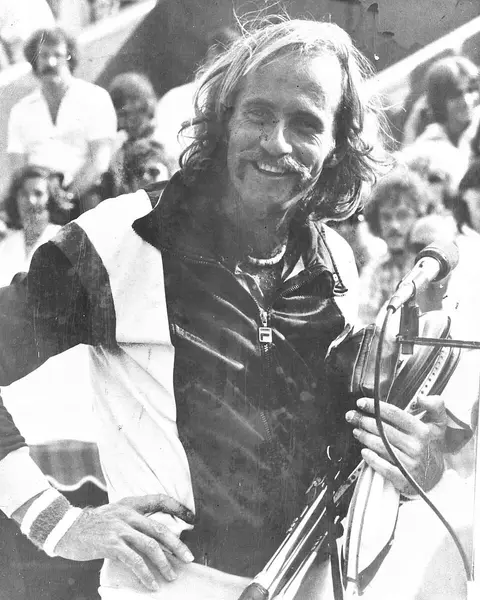 Bob GiltinanAustralia · 1968–1979Career-high ranking: 43
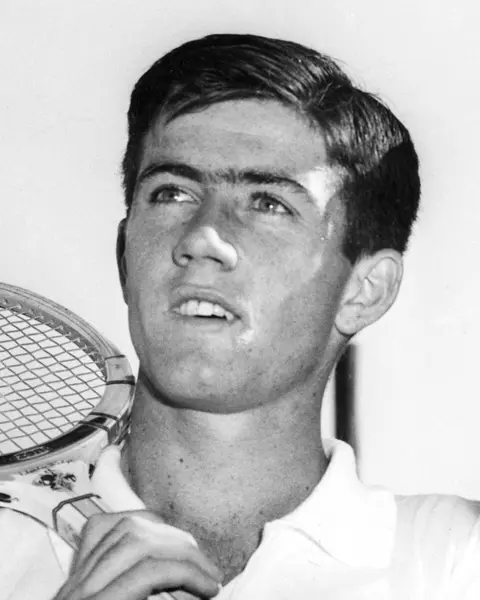 Ken RosewallAustralia · 1968–19804 Grand Slam titles
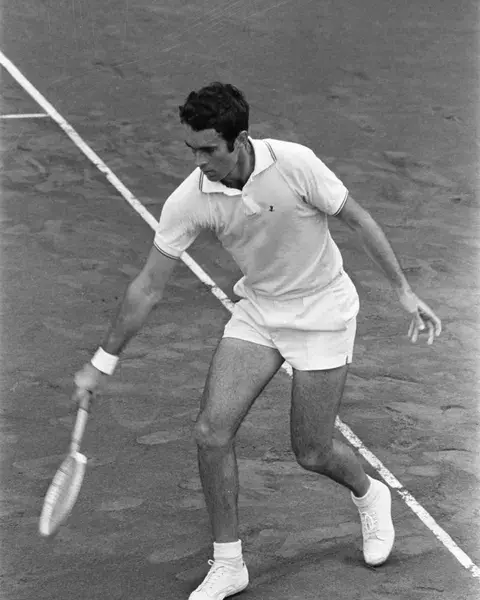 Bill BowreyAustralia · 1968–19751 Grand Slam titles
TENNIS TENSION LAB
Check your racquet’s tension today.
Get a high-precision tension reading in under 10 seconds. Tension Lab tracks changes from your first reading and helps you see when to restring.
- High-precision tension measurement. Ready in under 10 seconds.
- Track every change in feel. See the full story over time.
- Time to restring? Never leave it to guesswork.