What to inspect before buying a used racquet
Frame cracks, grommets, bumper wear, and handle deformation matter more than paint chips.
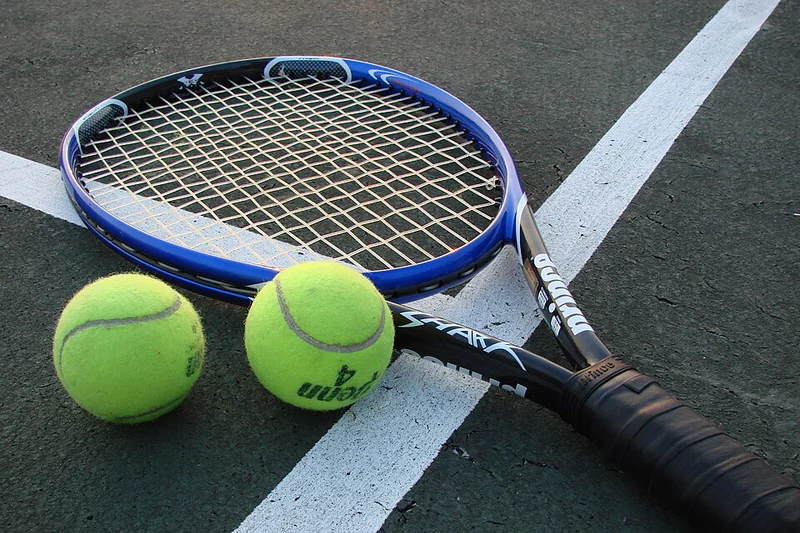
Start with this check
The currently linked TWU racquet test method and Wilson stringing worksheet cannot certify the internal structure or remaining safe life of a used frame shown in photographs. The Wilson document identifies knot locations and skipped holes for the applicable Wilson model; it is not a structural safety certificate for a used racquet. This guide is not a technical standard for confirming cracks. It is an observation checklist for verifying the exact model, separating cosmetic concerns from replaceable-part costs, and retaining unresolved uncertainty in the decision to buy.
Try these steps in order
- Ask the seller for bright, focused photographs of the entire racquet's front and back, the head at 12, 3, and 9 o'clock, both sides of the throat, the butt end, and the model code. If heavy filters or framing conceal possible cracks, do not pay before receiving clearer evidence. Shine light obliquely to distinguish paint loss from a line that continues across the frame and from dents, bulges, or side-to-side asymmetry. Mark suspect areas and retain them separately from the seller's description.
- Look for a worn bumper exposing the frame, cracked or sunken grommets, and strings touching a sharp edge. Before purchase, ask a shop for the exact replacement-part model and whether it is available. Gently shake the handle to check for play or an internal rattle, and inspect whether the pallet or butt cap is twisted. Ask the seller in writing about any lengthening, silicone, or lead customization and whether it can be reversed.
- When possible, have a specialty shop inspect the exterior and measure weight and balance in the current strung condition; discuss any stringing work only if the frame appears safe. Some concerns become visible only after the existing strings are removed, so agree on the sale terms and inspection order first. Only after no structural abnormality is found should a short playtest check sound, side-to-side response, and handle movement. Add replaceable-part costs to the unresolved risk, compare the total with a new racquet or another listing, and do not buy if doubt remains.
Bottom line
Inspecting a used racquet is not about grading its paint. Verify model identity, flag structural concerns, and separate the condition of the grommets, bumper, and handle from customization history. Damage that cannot be ruled out is a reason to stop the transaction, not merely a bargaining point.
TENNIS TENSION LAB
Check your racquet’s tension today.
Get a high-precision tension reading in under 10 seconds. Tension Lab tracks changes from your first reading and helps you see when to restring.
- High-precision tension measurement. Ready in under 10 seconds.
- Track every change in feel. See the full story over time.
- Time to restring? Never leave it to guesswork.
Reviewed sources
Technical evidence is shown separately from community topic signals.