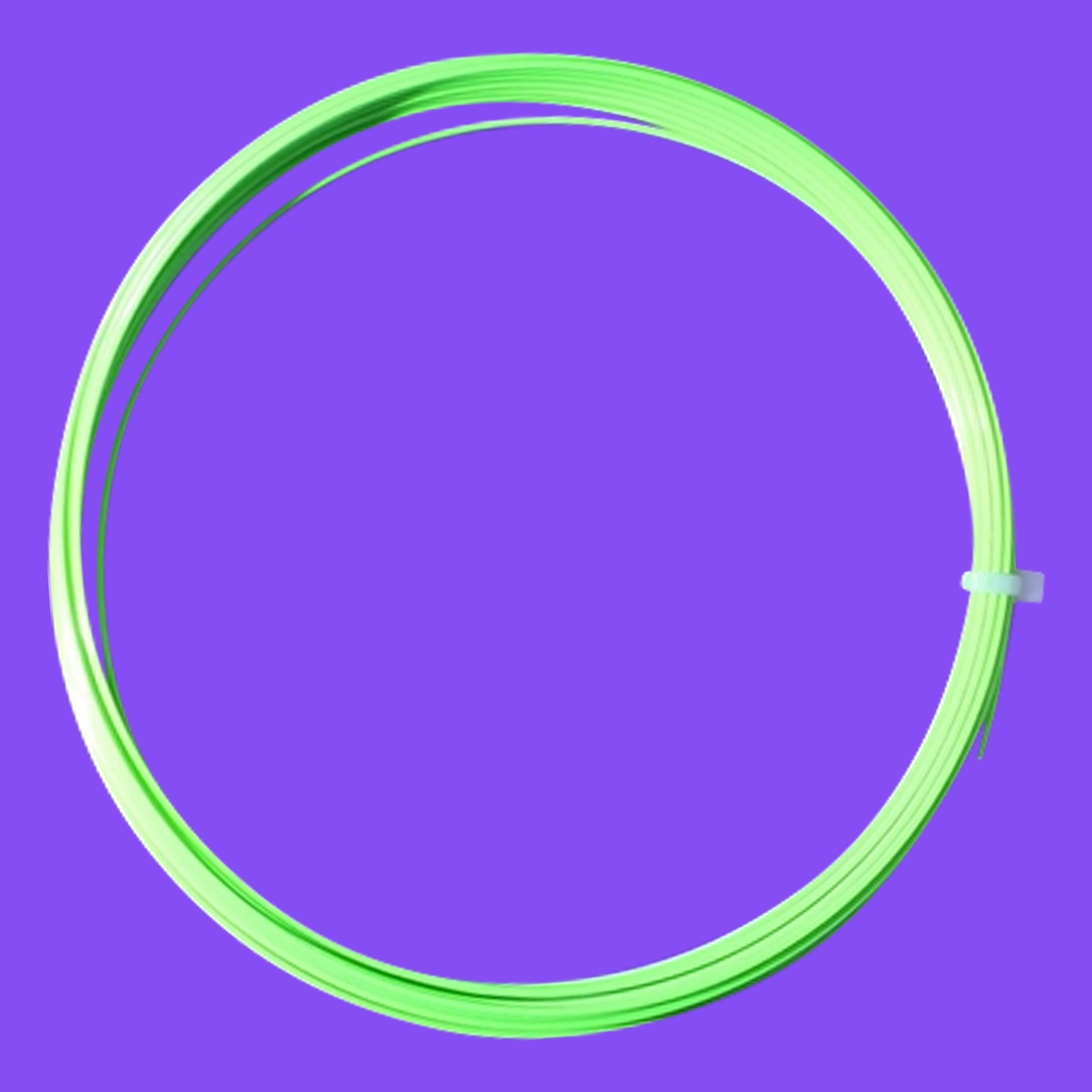
Toroline · Current range
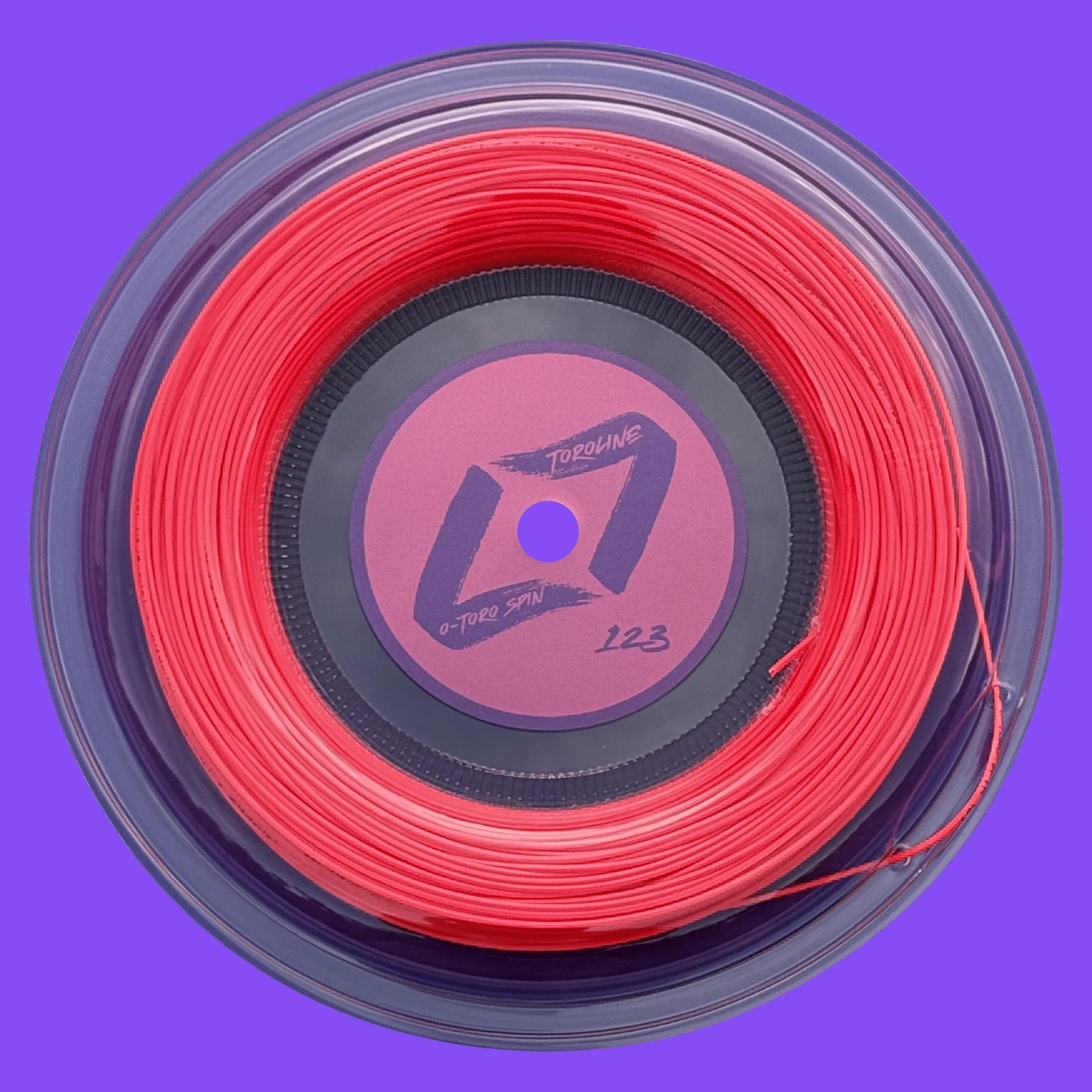
Toroline O-TORO
TWU’s O-TORO 1.23 mm sample records 165.7 lb/in stiffness, 44.4% tension loss and a 9.4 spin-potential ratio. Interpreting a large advertised improvement requires checking both the comparison gauge and the metric’s definition.
Product details
- Material
- Polyester
- Gauge
- 1.23 mm
- Construction
- co-polyester monofilament
- String cross-section
- 6-sided (hexagonal)
- Surface features
- Not published by the manufacturer
- Surface treatment / coating
- Low-friction / slick treatment
- Product status
- Current range
- Stock status
- Stock not verified
Laboratory measurements
Lower stiffness means less resistance to deformation in this test. Tension loss is measured under a laboratory protocol, not a prediction of playing hours. Spin potential is a friction-based ratio, not ball RPM.
| Tested sample | Stiffness lb/in | Tension loss % | Spin potential ratio |
|---|---|---|---|
| Toroline O-Toro 17 (1.23)Test conditions: 51 lb · Fast (TWU) | 165.7 | 44.4 | 9.4 |
The test tension is not a stringing recommendation. Compare the same gauge and test conditions; the racquet, stroke and stringing method also affect the result on court. On the source page, select All in the material filter to see results for every material.
Compare samples tested under the same conditions
Up to three products with nearby measured stiffness, matching diameter, material and test conditions. This is a data comparison, not a ranking of suitability.
| Tested sample | Stiffness lb/in | Tension loss % | Spin potential ratio |
|---|---|---|---|
| Toroline O-Toro 17 (1.23) | 165.7 | 44.4 | 9.4 |
| Toroline O-Toro Spin 17 (1.23) | 173.2 | 38.3 | 8.2 |
| Toroline Super Toro 17 (1.23) | 189.7 | 34.7 | 7.8 |
| Toroline Snapper 17 (1.23) | 190.9 | 35.9 | 7.3 |
The comparison behind a 104% spin-potential claim
The manufacturer page advertises 104% higher spin potential and 29% lower stiffness than RPM Blast. The public O-TORO 1.23 and RPM Blast 1.25 results—ratios of 9.4 and 4.6, stiffnesses of 165.7 and 233.7 lb/in—approximately reproduce that calculation. The sample diameters differ, however.
This is a relative difference in a friction-based ratio, not evidence of twice the ball’s actual rotation. Retain the comparison conditions and gauge distinction when interpreting the promotional claim.
O-TORO TOUR permits a matched 1.23 mm comparison
At 51 lb and Fast speed, TOUR 1.23 records 216.6 lb/in, 25.0% loss and a 7.7 ratio. Original O-TORO combines lower stiffness, greater loss and a higher ratio. Those three properties should not be collapsed into one performance ranking.
The manufacturer’s TOUR description also mentions approximately 15% more stiffness. The two current 1.23 mm table values give about 30.7%. The comparison bases have not been reconciled, so the percentages should not be presented as the same test result.
Test the higher ratio through your frequent shots
Include short returns and low defensive balls alongside aggressive topspin. Record whether you can maintain sufficient net clearance while repeatedly reaching the target depth, and where the ball instead falls short.
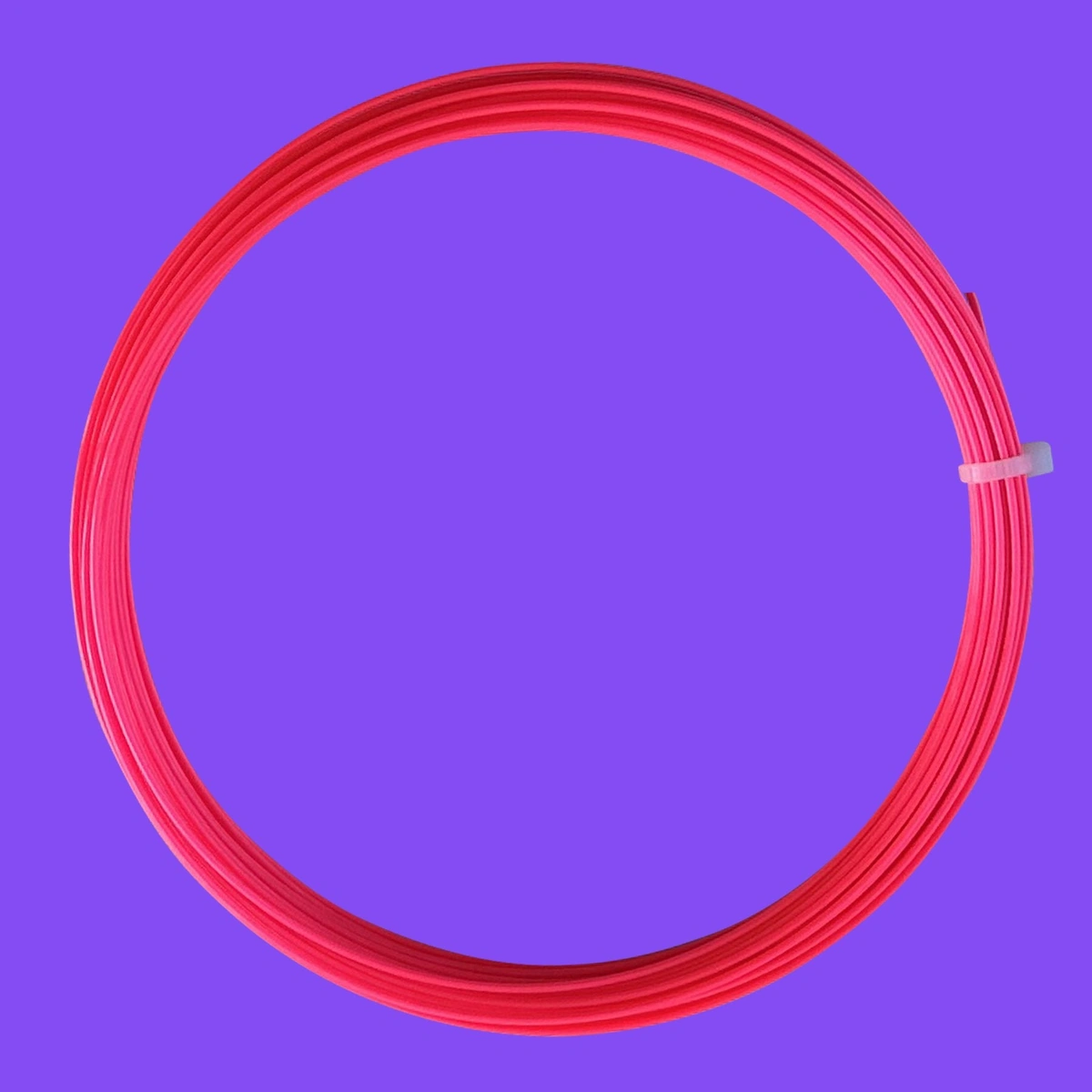
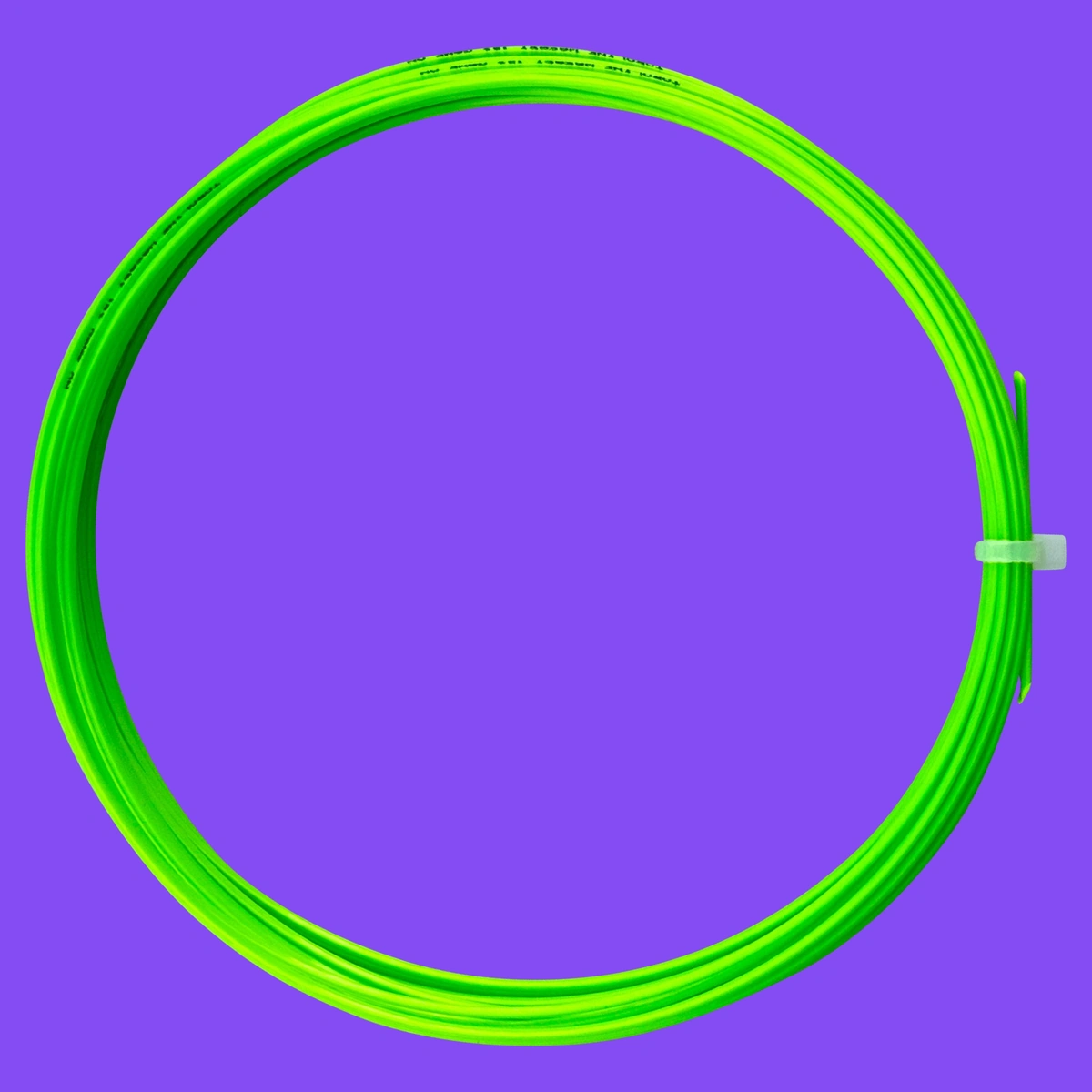
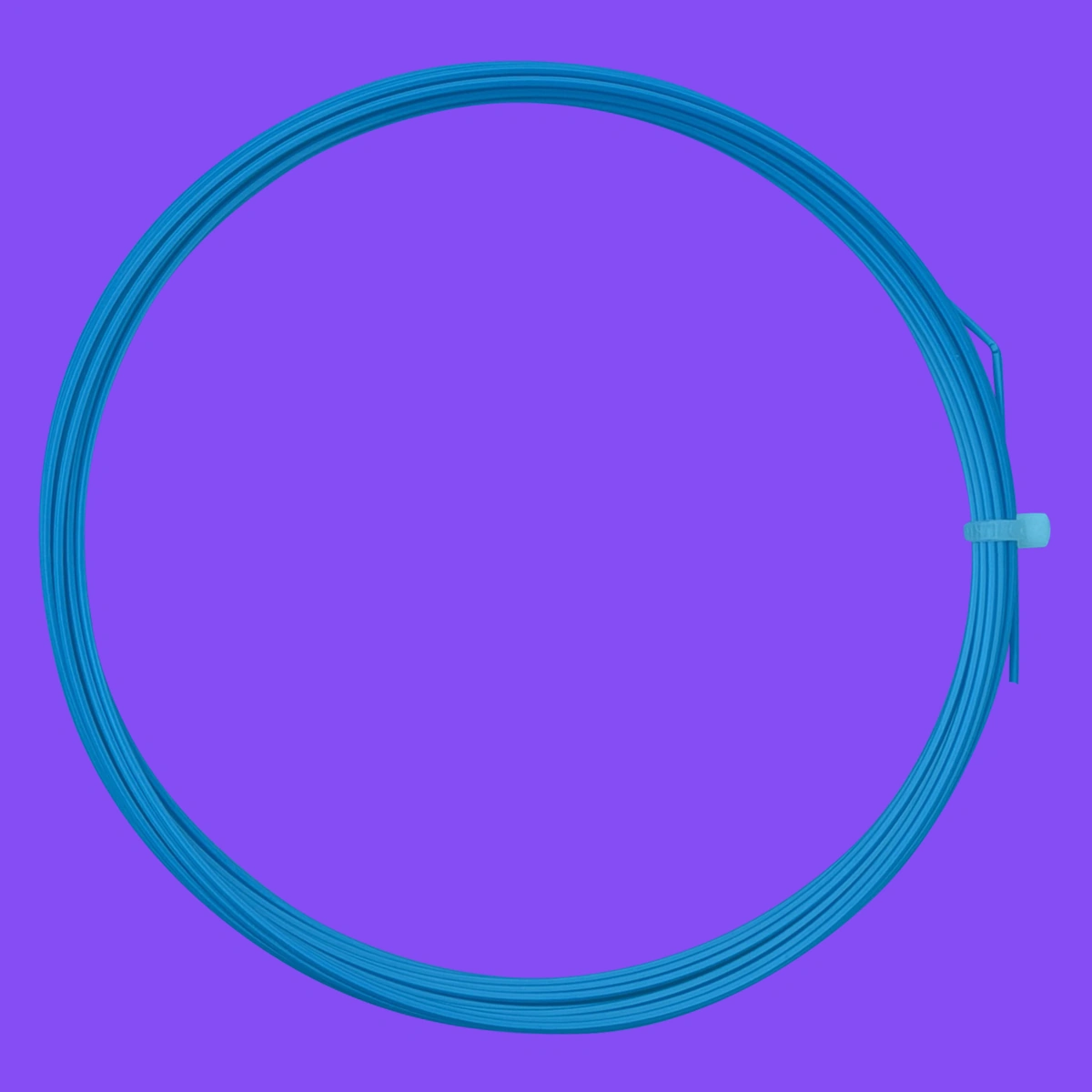
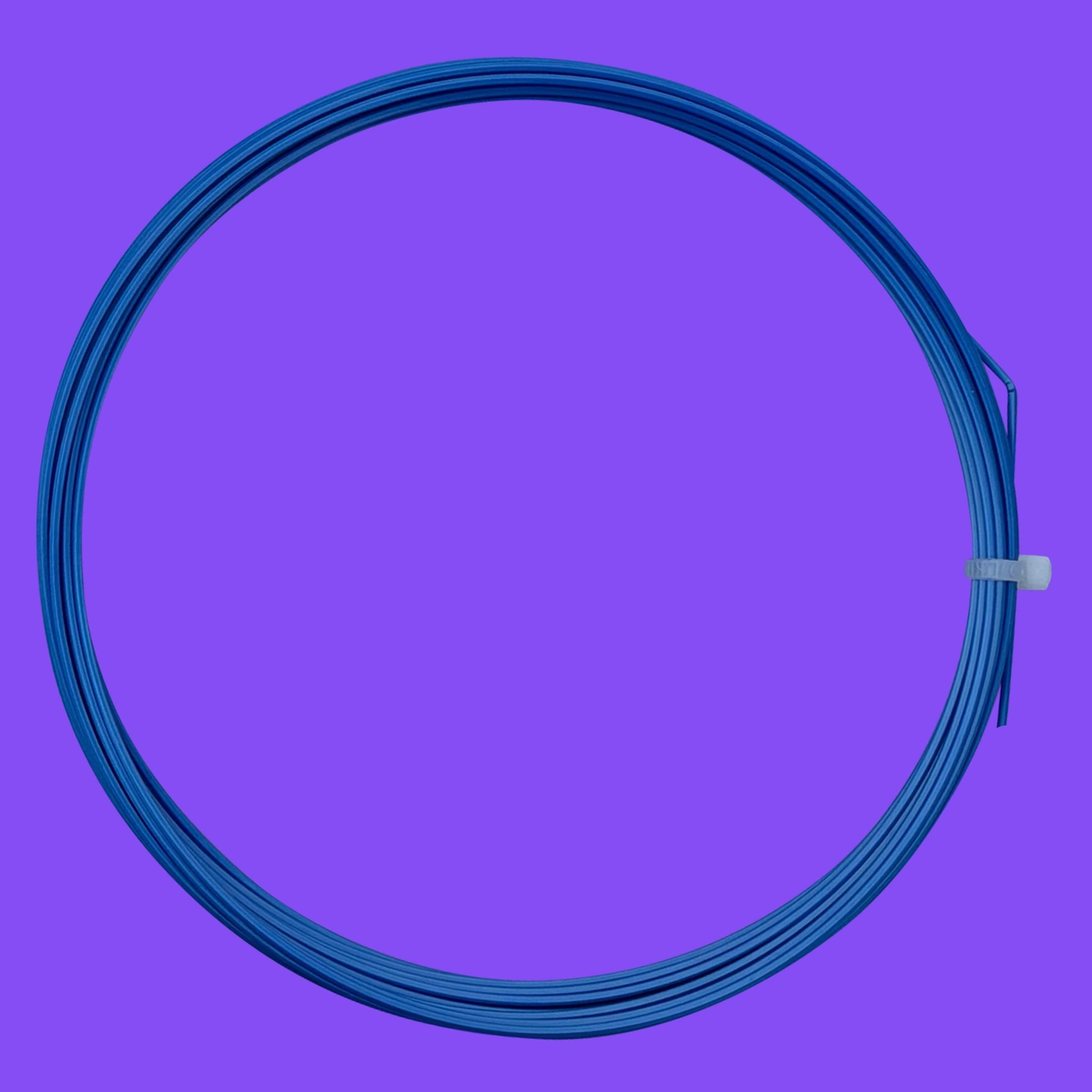
Retain colour and gauge in your notes. Several colours are sold, but a sample label without a colour cannot establish identical measurements for every colourway.
Do not turn 44.4% loss into a lifespan
Even if the low initial stiffness suits you, trajectory changes with use may decide the purchase. Record main-string return, intersection notching and depth as actual hitting time accumulates.
If choosing between original and TOUR, identify whether original’s initial response or TOUR’s lower test loss addresses your problem more directly. A repeatable setup record supports replacement timing more usefully than converting laboratory percentages into hours.
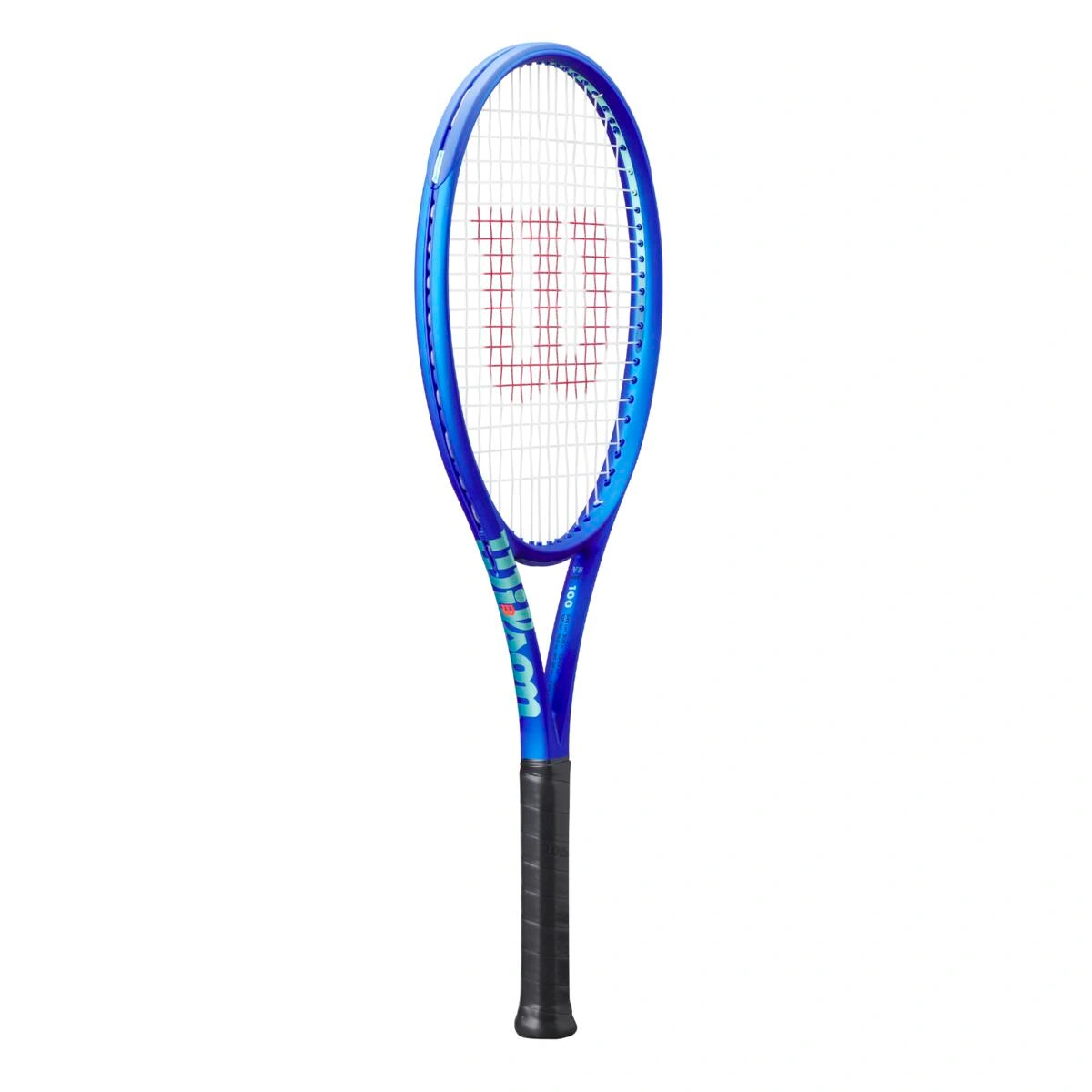
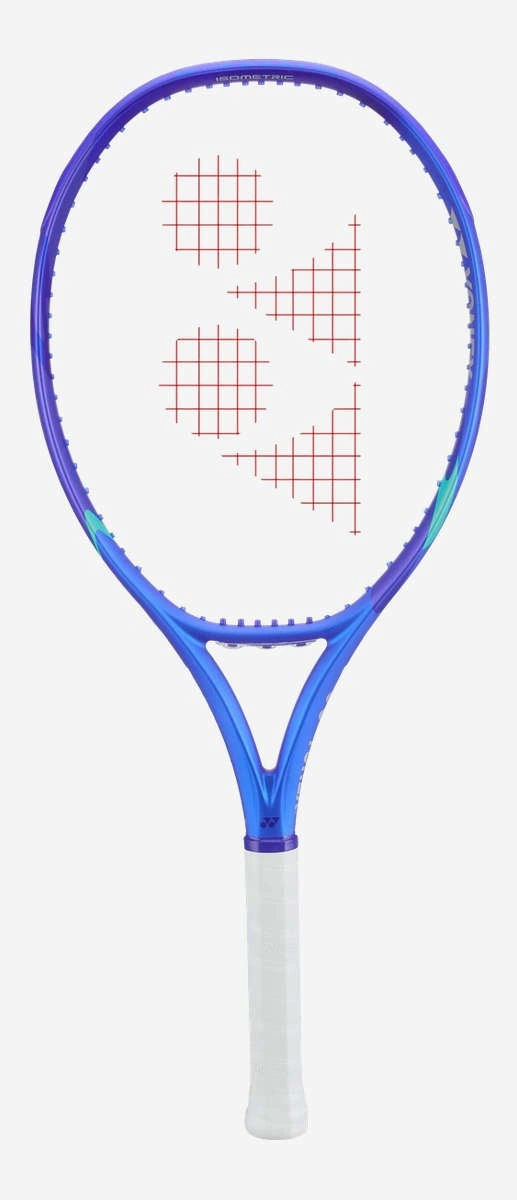
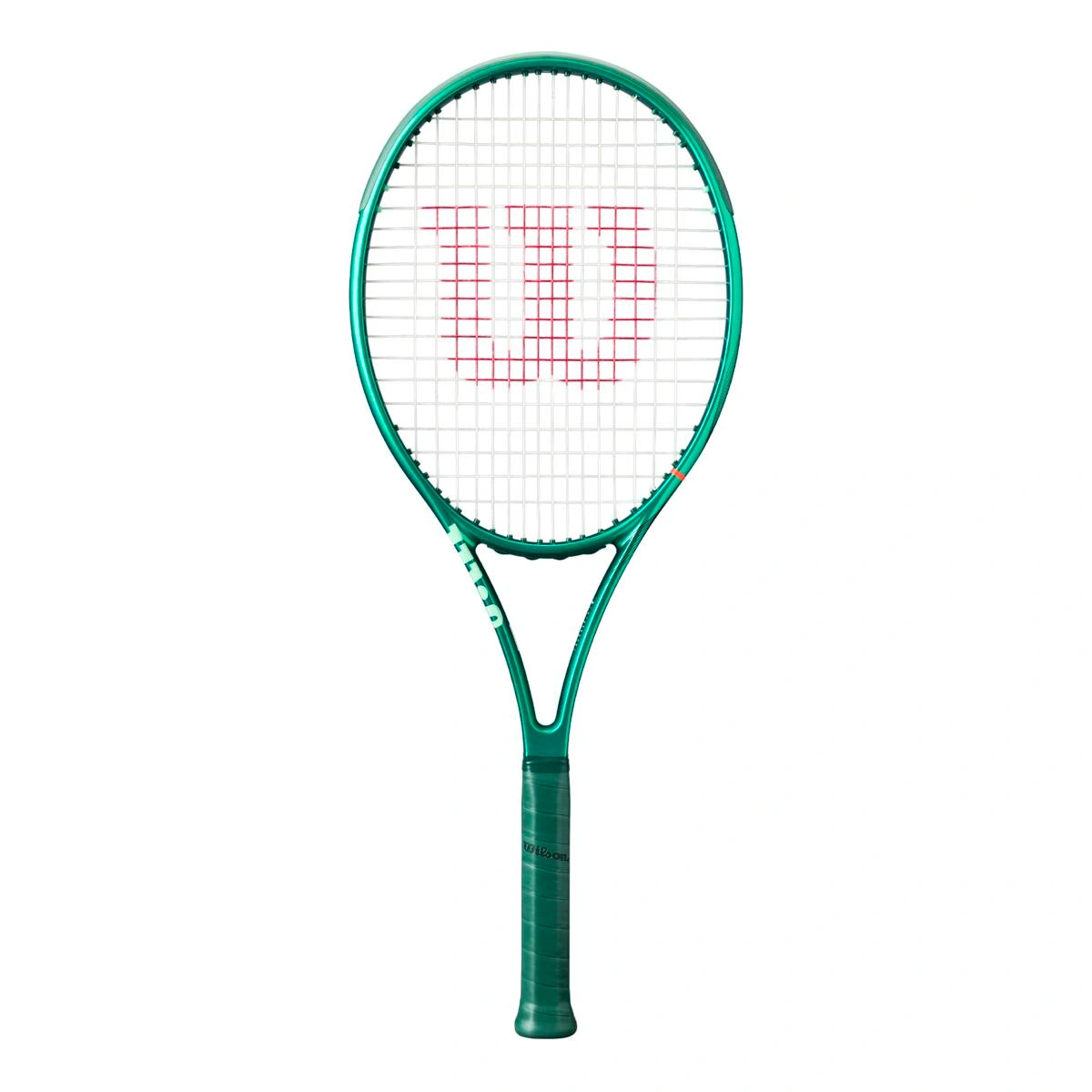
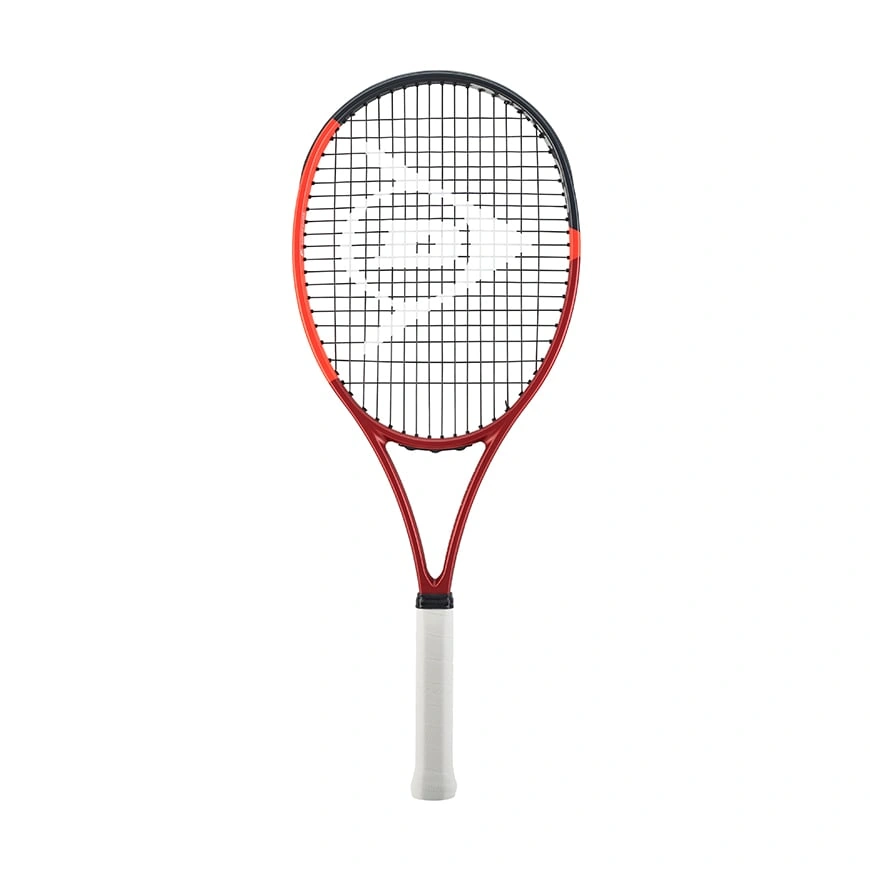
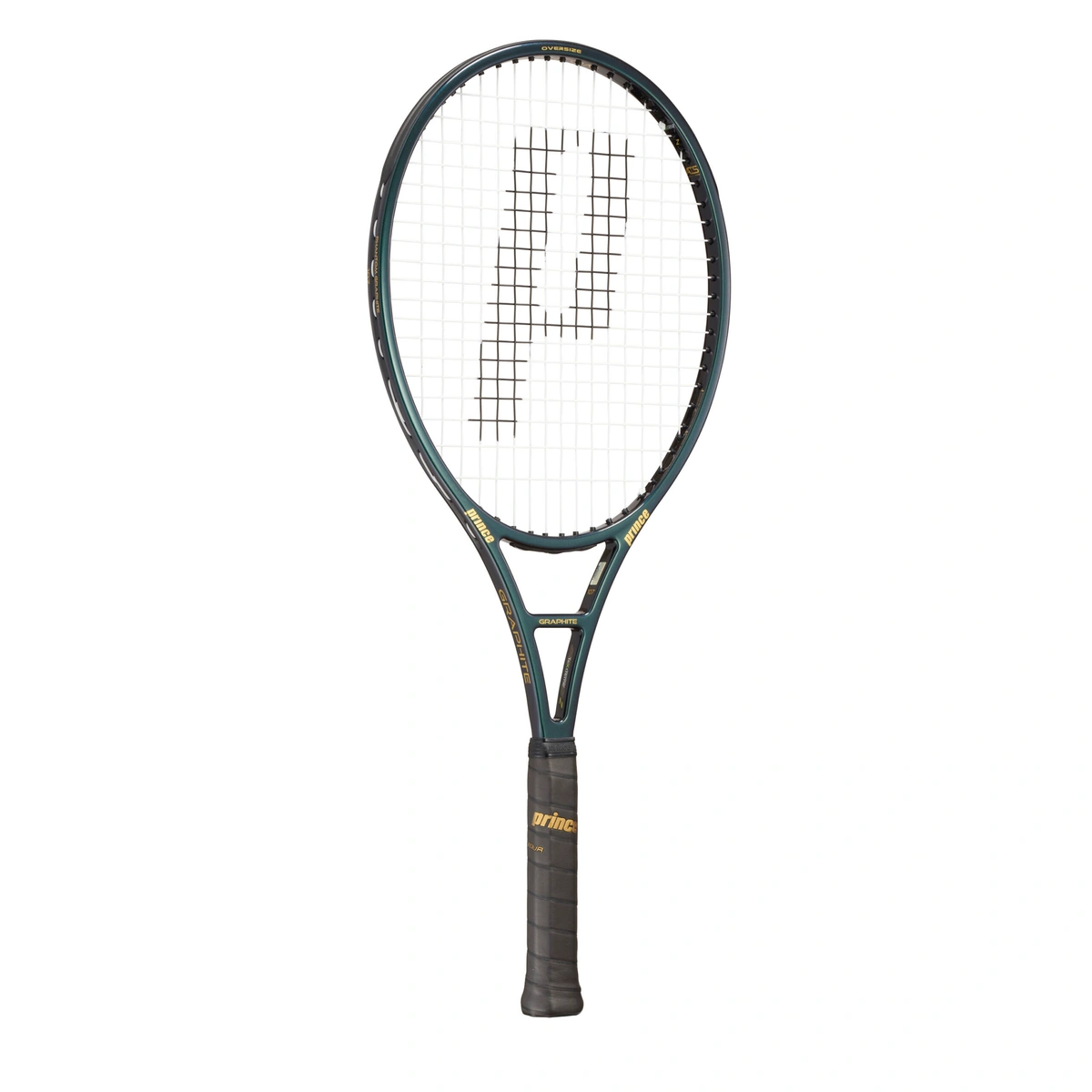
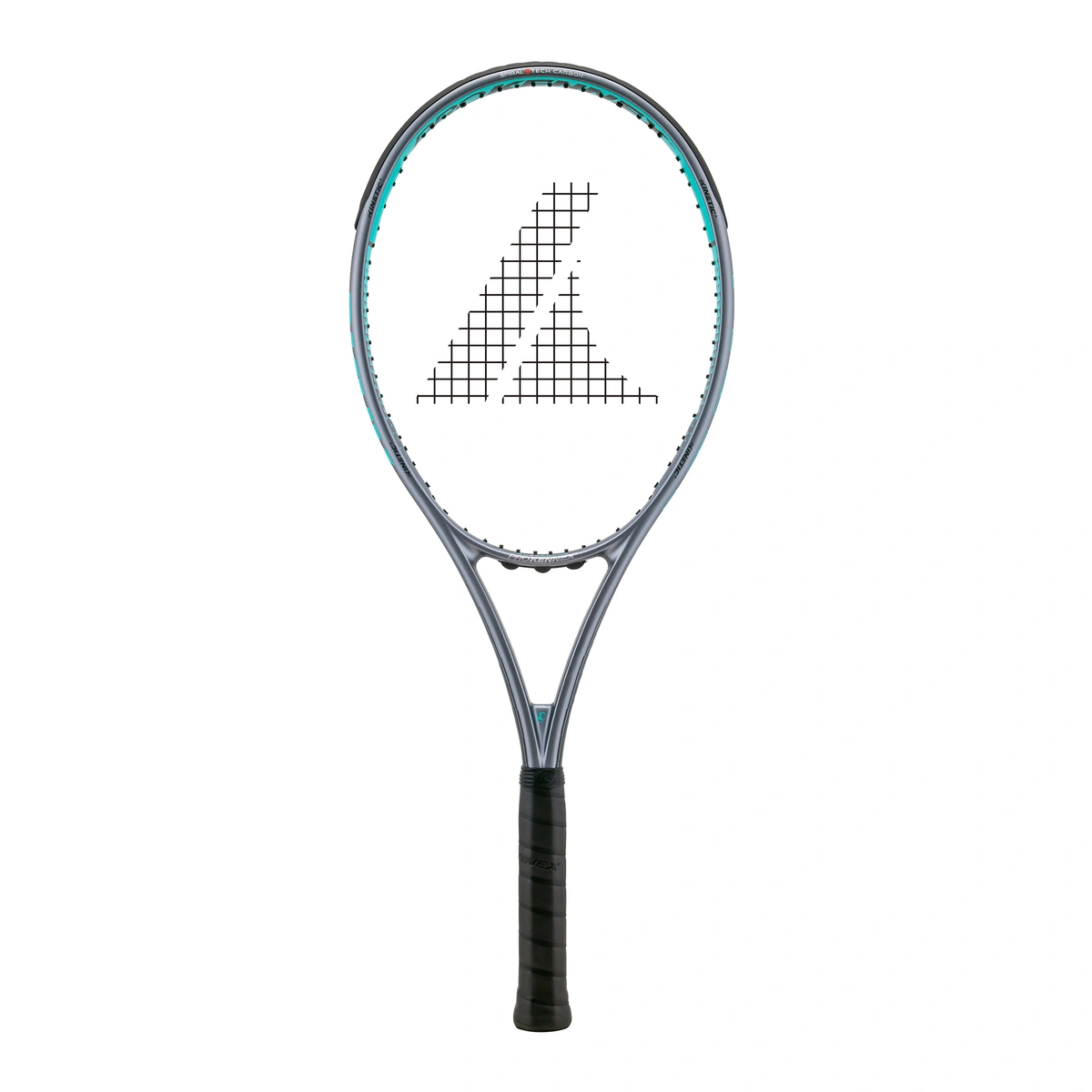
Racquets to compare
Numbers are suggested only when the maker publishes a tension range.
Reviewed sources
Toroline · View source ↗Similar strings

TENNIS TENSION LAB
Check your racquet’s tension today.
Get a high-precision tension reading in under 10 seconds. Tension Lab tracks changes from your first reading and helps you see when to restring.
- High-precision tension measurement. Ready in under 10 seconds.
- Track every change in feel. See the full story over time.
- Time to restring? Never leave it to guesswork.