Wilson · Current model
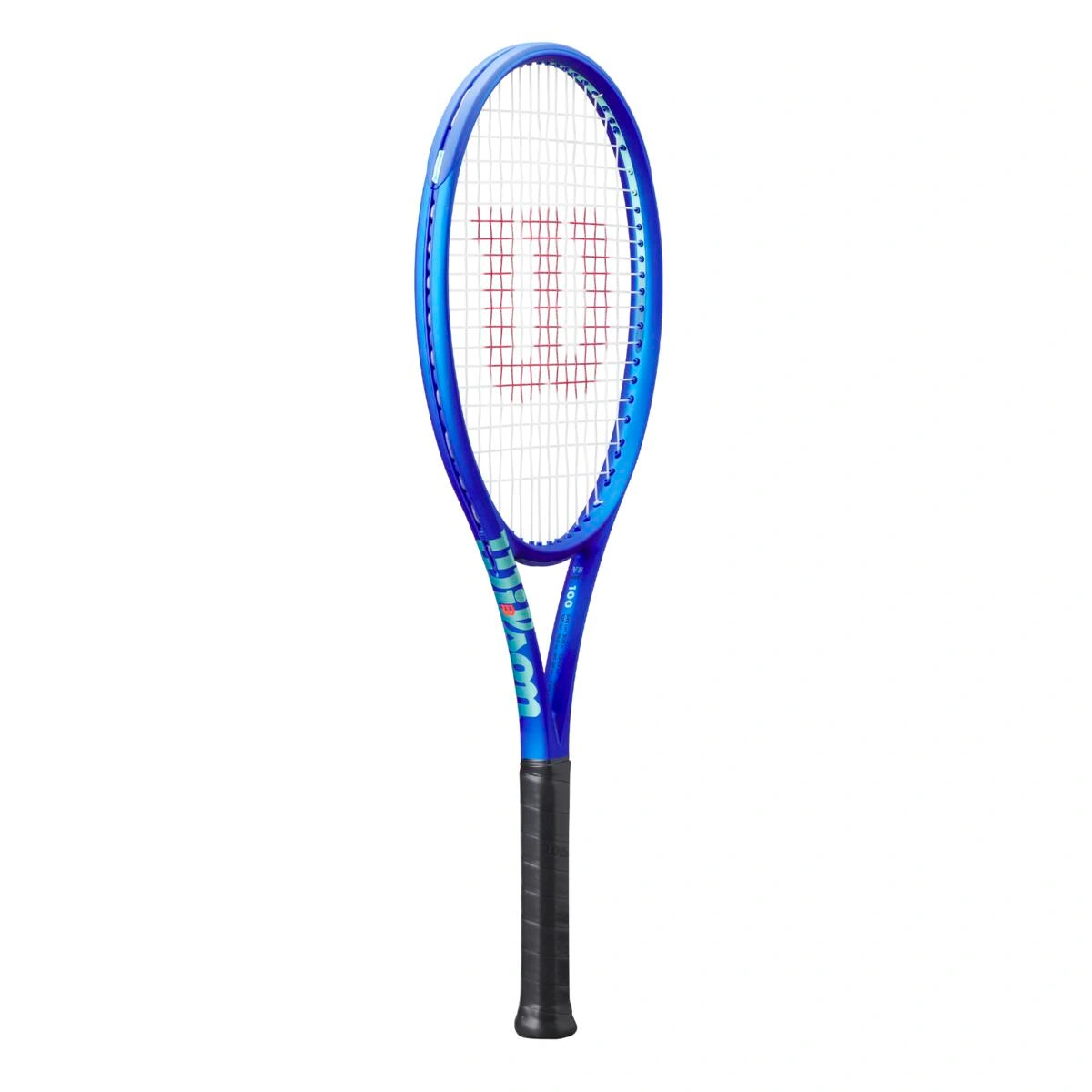
Wilson ULTRA 100 V5
Wilson specifies the Ultra 100 V5 at 300 g with 100 in² and 16×19. TW publishes 318 g strung, 322 swingweight and 67 RA. Its comparison with the Blade 100 V10 shows why matching weight, head area and pattern does not produce an identical response.
Key specs
- Head size
- 100 in²
- String pattern
- 16 × 19
- Weight
- 300 g · Unstrung
- Length
- 27 in
- Frame profile
- 24 / 26.5 / 24.5 mm
- Balance
- 320 mm · Unstrung
- Recommended tension
- 50–60 lb
- Status
- Current model
When comparing products
| Racquets | Head size in² | String pattern | Weight g | Swingweight | RA |
|---|---|---|---|---|---|
| Wilson ULTRA 100 V5 | 100 | 16×19 | 300 | — | — |
| Babolat Pure Drive Gen11 | 100 | 16×19 | 300 | — | 72 |
| Babolat Pure Strike 100 Gen4 | 100 | 16×19 | 300 | — | 68 |
| Dunlop CX 400 Tour | 100 | 16×19 | 300 | — | 68 |
The three-part beam is a meaningful difference from the Blade
Wilson Japan and TW both publish 24/26.5/24.5 mm for the Ultra. The Blade 100 V10 instead has a constant 22 mm profile. Both manufacturers’ weight references are 300 g, and both frames use 100 in²/16×19. The shared label leaves a substantial geometry difference open.
TW lists 67 RA for Ultra and 61 RA for Blade. Those describe frame bending; beam dimensions describe section geometry. Do not translate the six-point gap into a percentage of arm comfort, ball speed or torsional stability. Evaluate feel alongside where repeated shots land.
FORTYFIVE and Crush Zone describe mechanisms rather than a spin score
TW describes the V5’s refined FORTYFIVE layup as allowing greater vertical flex, Crush Zone grommets as compressing at impact, and a full-carbon handle as contributing to torsional stability. These are construction descriptions and intended effects, not a published personal spin gain.
Extra perceived pocketing does not create time to steer the ball while it is on the strings. Prepare face angle and spacing beforehand. Check whether a high-clearance crosscourt ball still reaches a repeatable depth; a higher launch and a faster-spinning ball are different observations.
Two 318 g retailer references still differ in swingweight
TW gives Ultra and Blade 100 V10 318 g strung and 33.02 cm balance, but swingweights of 322 and 319. Identical mass and centre of mass do not define the complete mass distribution. These are reference values, not guaranteed differences between every pair of retail units.
Test consecutive shots: serve and first volley, short-ball attack and recovery, body return and next forehand. A racquet that feels quick on the first swing still needs to reset in time. Record strings and accessories when measuring the finished demo.
Use the published 50–60 lb range as a starting boundary
Wilson Japan and TW both list 50–60 lb. That does not prescribe 55 lb, nor require a firm polyester to tame the frame. Start from a known string and gauge, then identify whether the problem is excessive depth, insufficient clearance or an unwanted impact response.
Compare a full swing with a compact return and a touch volley. If attacking depth is useful but short replies fly long, isolate those strokes for the next adjustment. Recheck after use so string ageing is not confused with a permanent frame characteristic.
Keep the exact V5 identity for a second frame or grommet order
The reviewed manufacturer SKU WR178811U1 belongs to the retail family WR178811U; the suffix identifies the grip variant. Wilson Japan lists grommet part WR8450401001. Ultra 100L, 100UL and differently named editions should not inherit these specifications merely because they share Ultra branding.
Before buying a second frame, record finished weight, balance and, if available, swingweight of the first. Checking the complete setup is more useful than expecting the same colour and nominal 300 g to reproduce the demo perfectly.
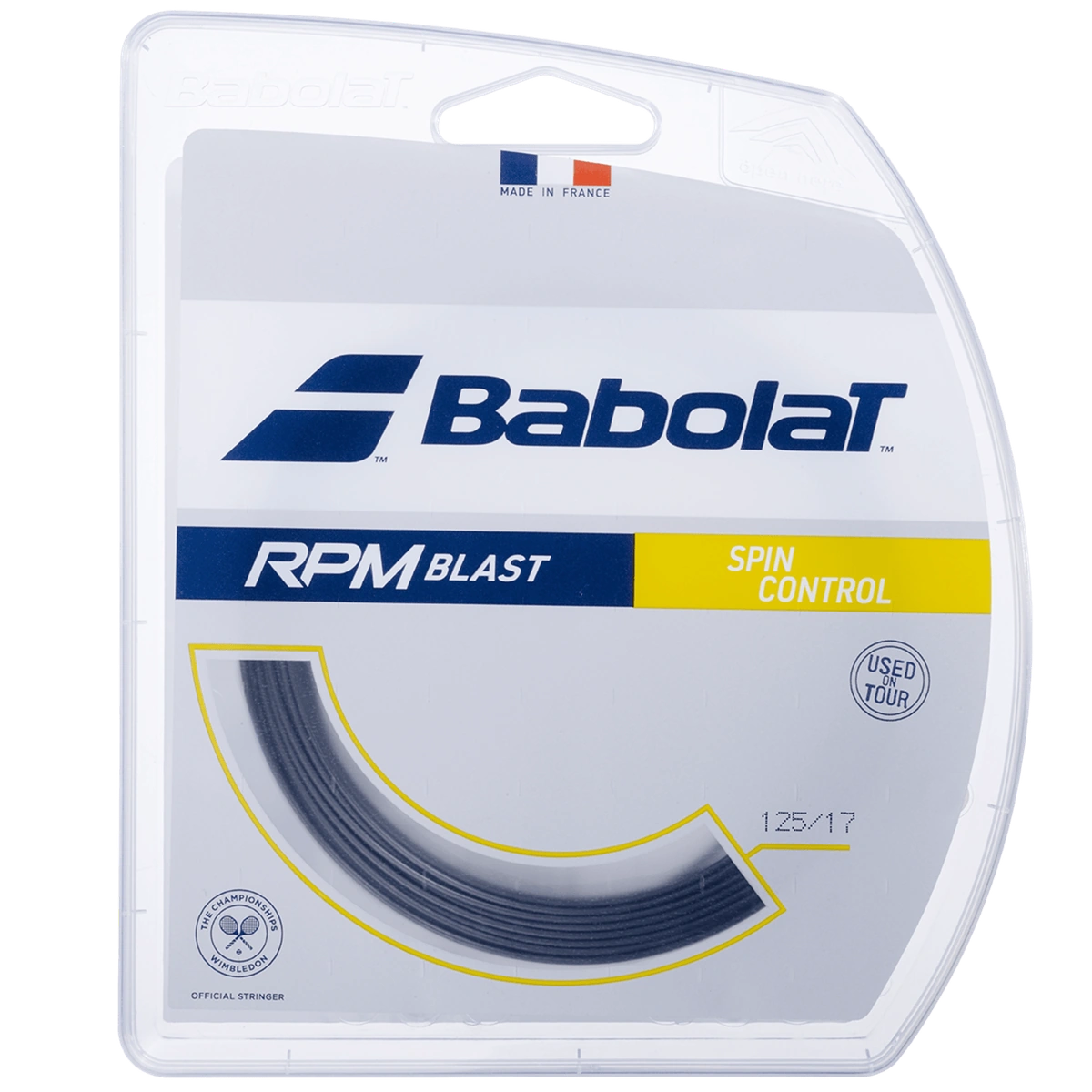
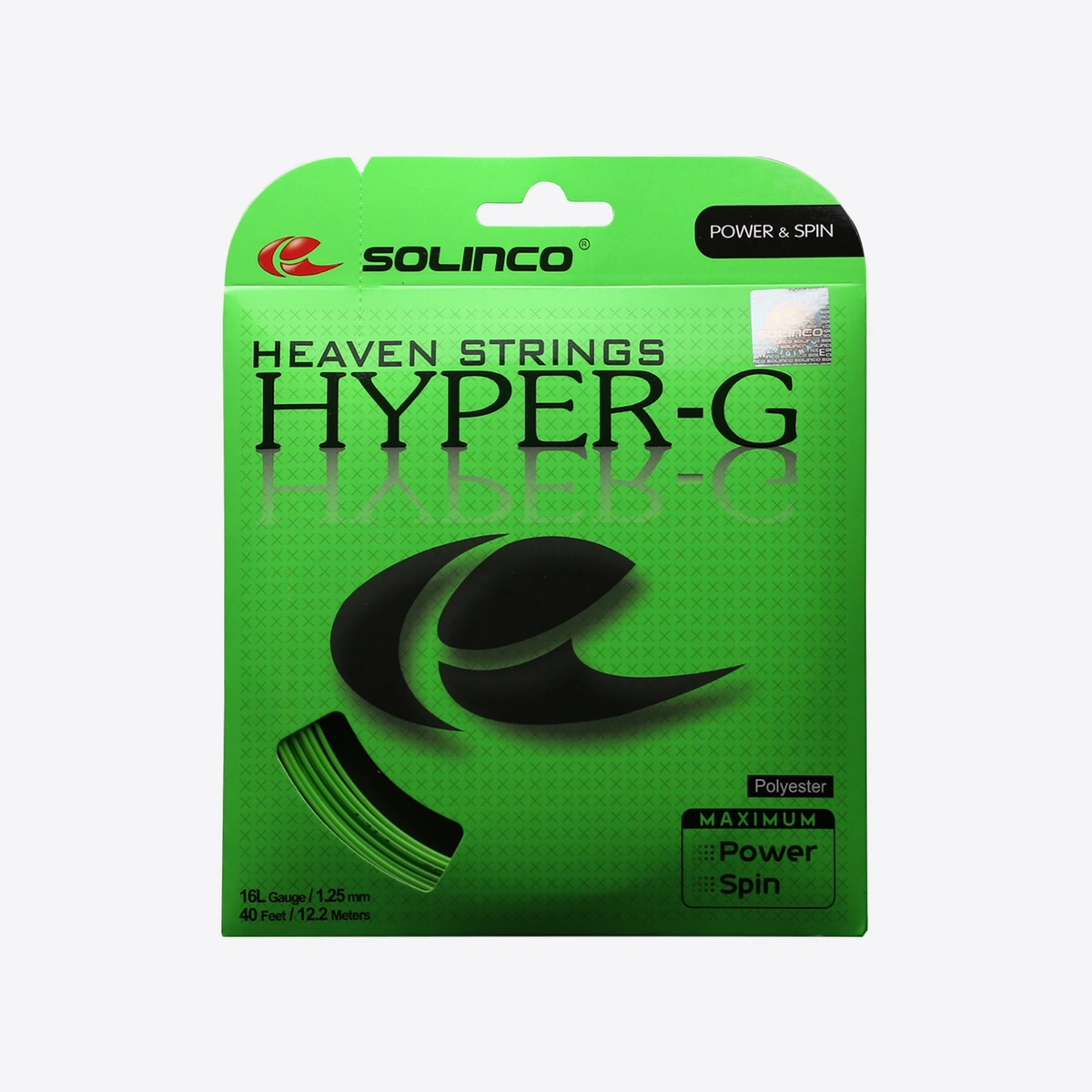
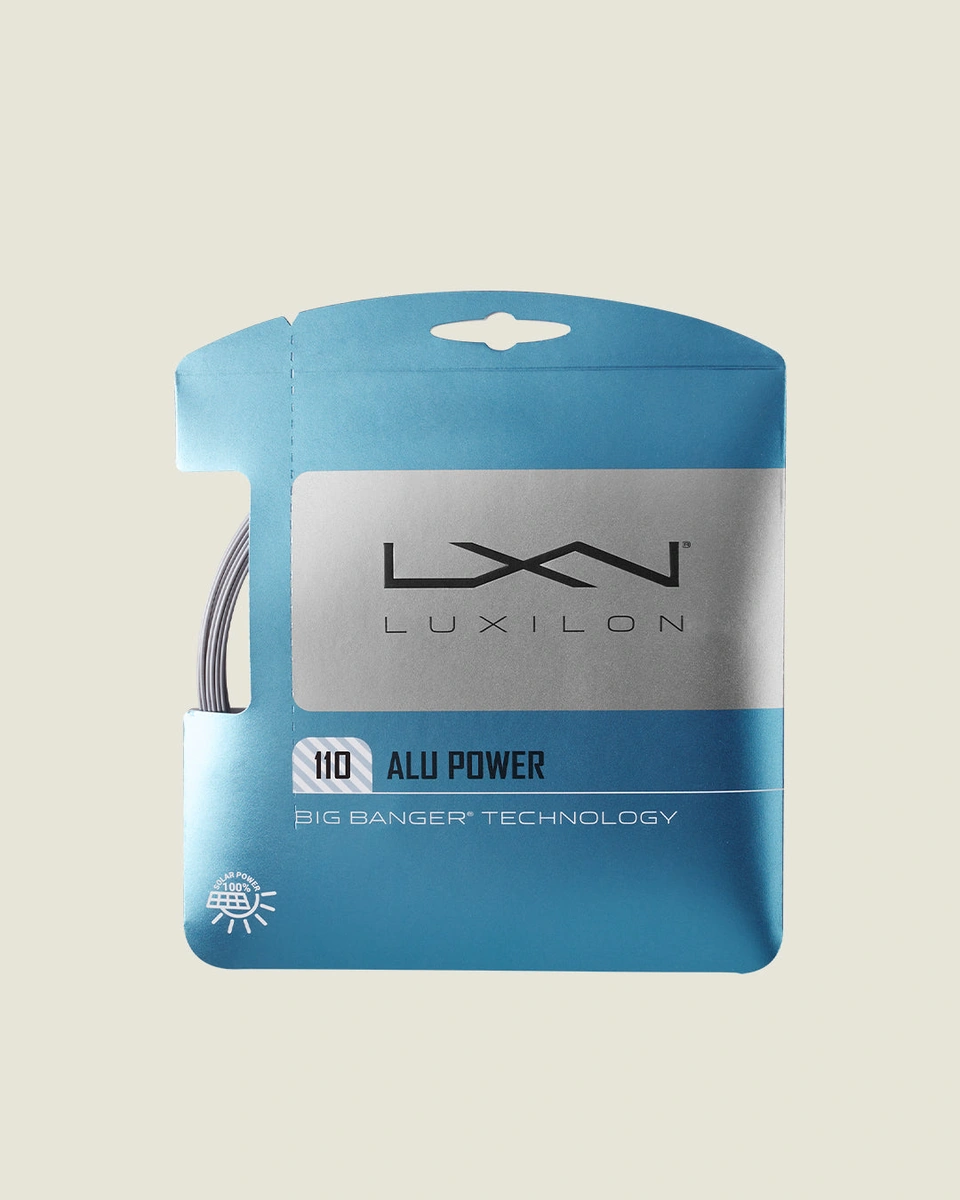
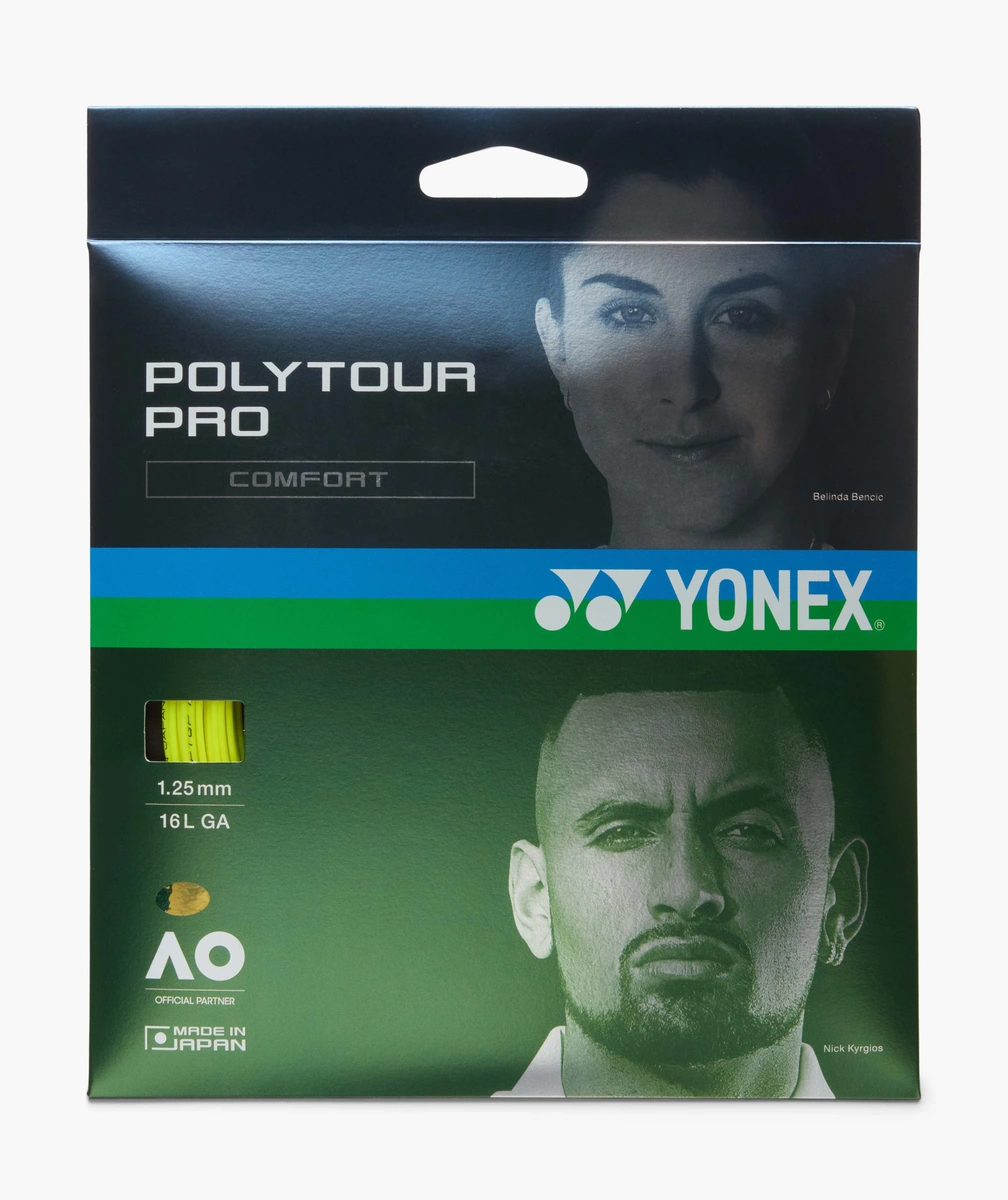
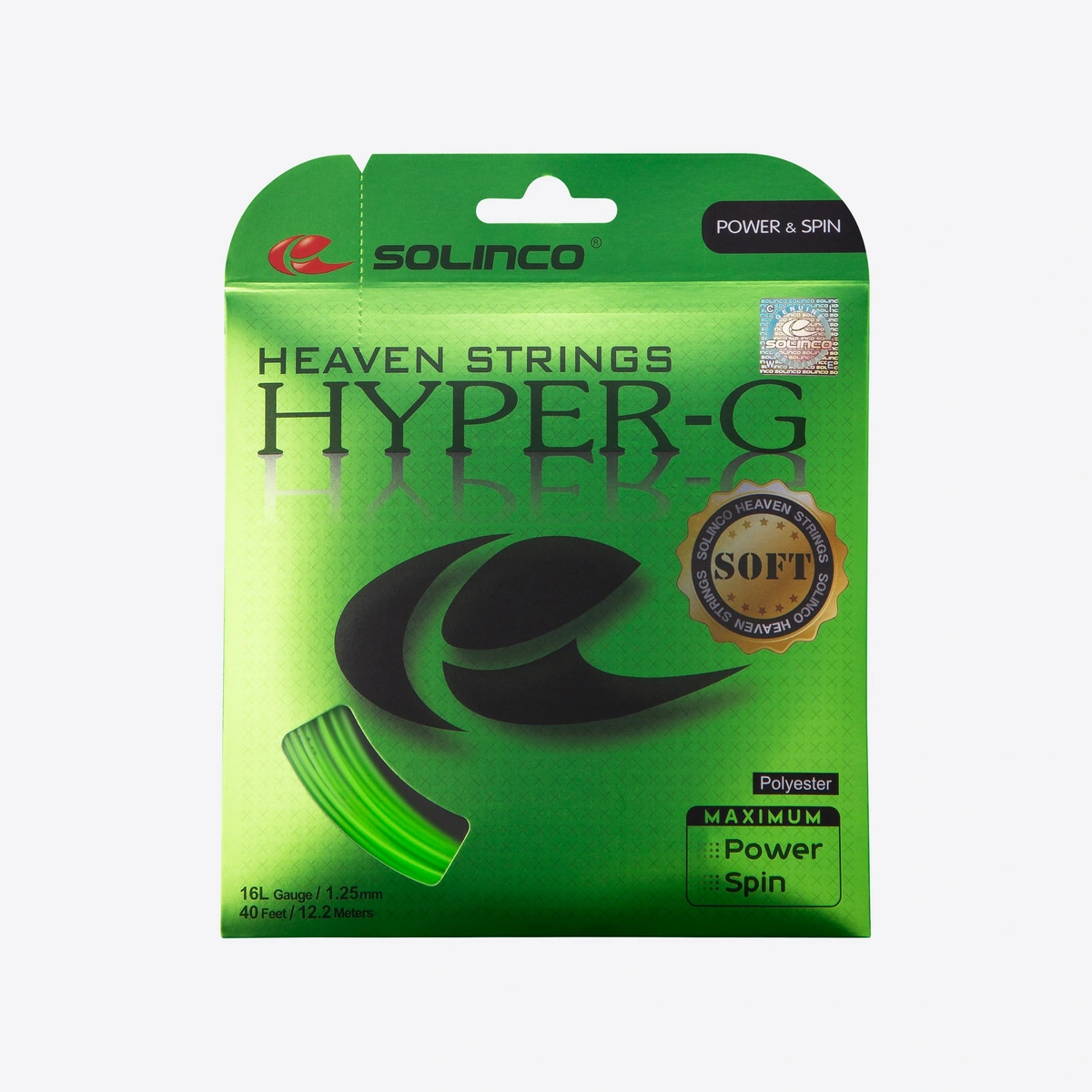
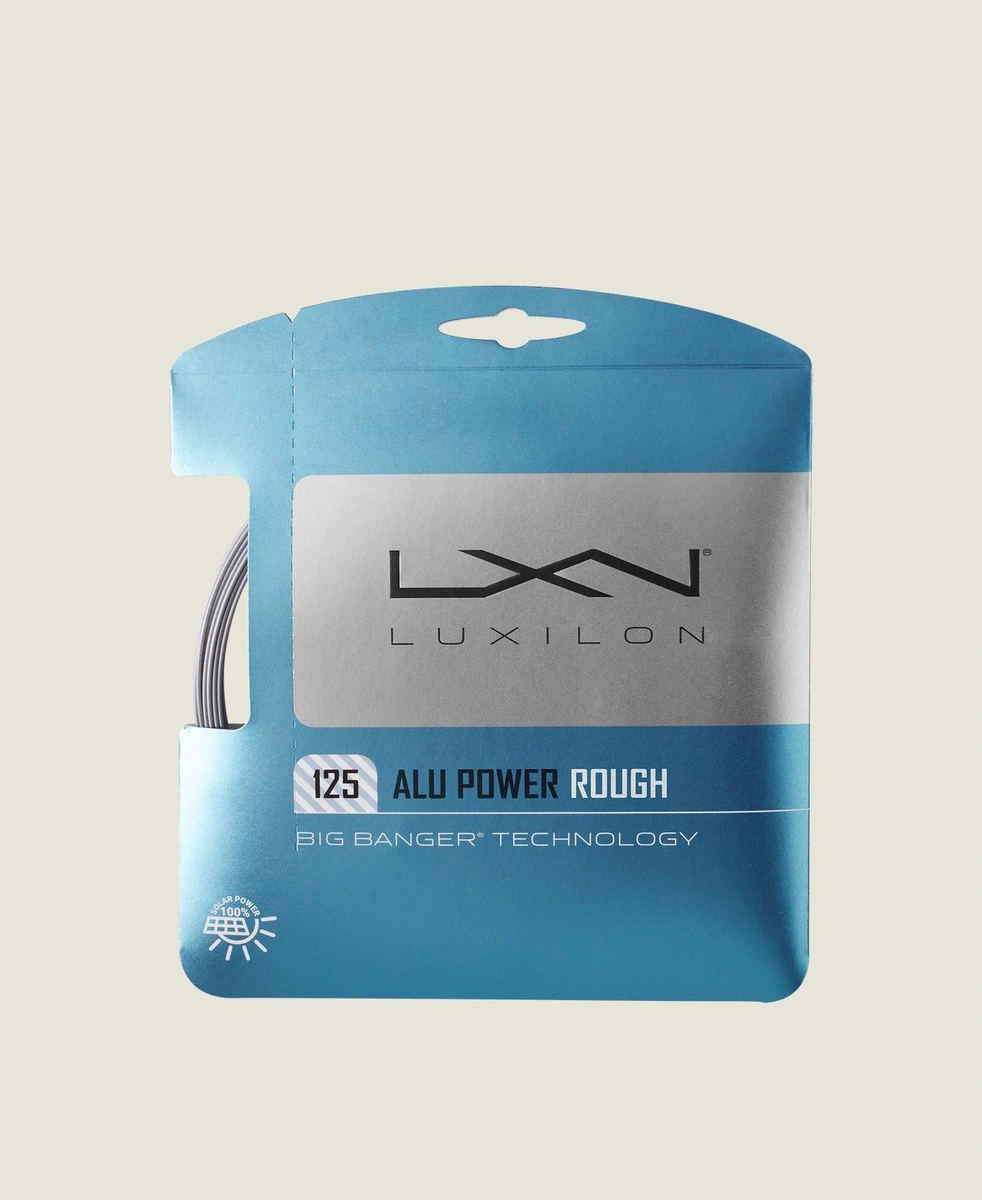
Strings to compare
A specs-based shortlist. Feel, fitness, and playing style still matter.
Reviewed sources
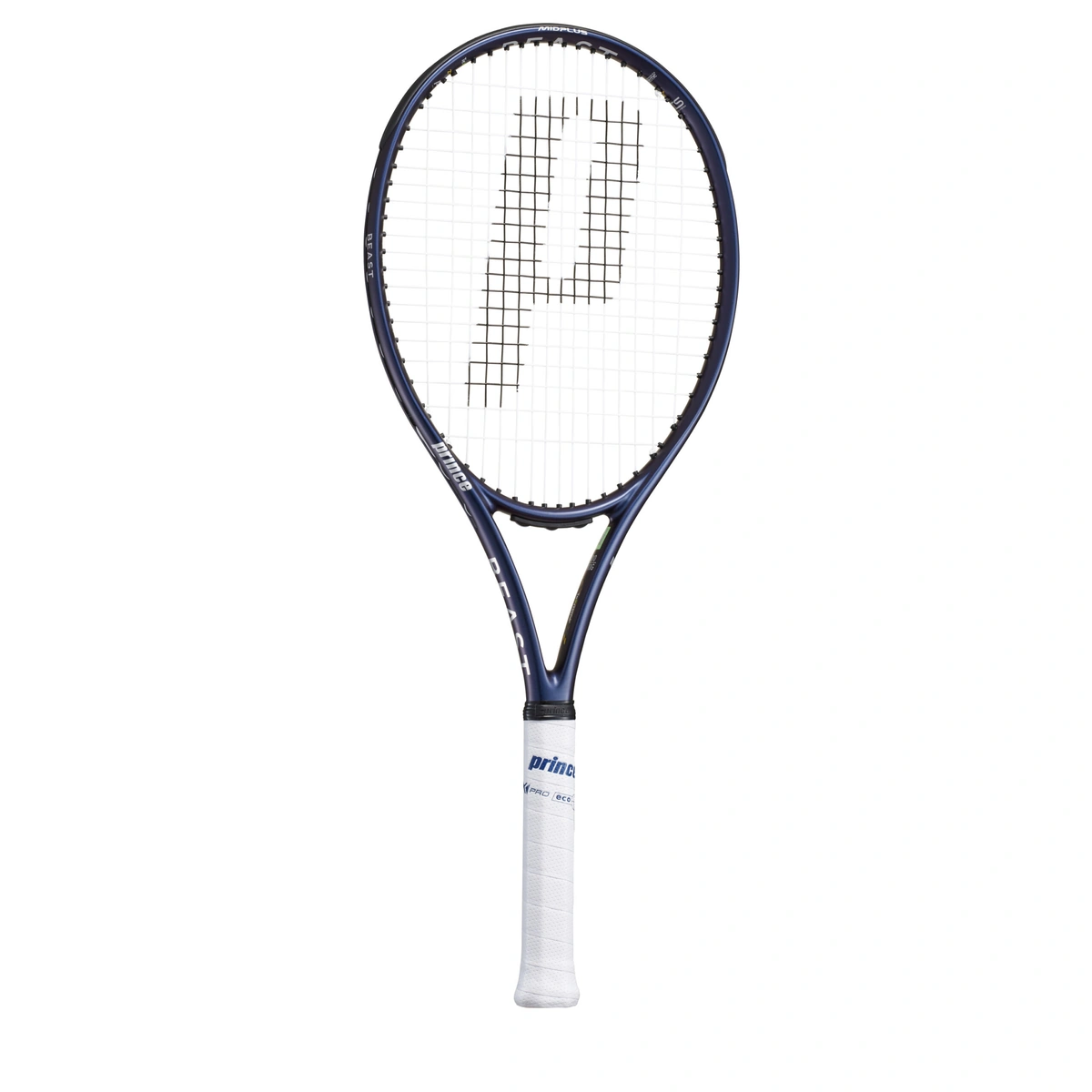
Wilson · View source ↗Similar racquets
TENNIS TENSION LAB
Check your racquet’s tension today.
Get a high-precision tension reading in under 10 seconds. Tension Lab tracks changes from your first reading and helps you see when to restring.
- High-precision tension measurement. Ready in under 10 seconds.
- Track every change in feel. See the full story over time.
- Time to restring? Never leave it to guesswork.