Völkl · Current range
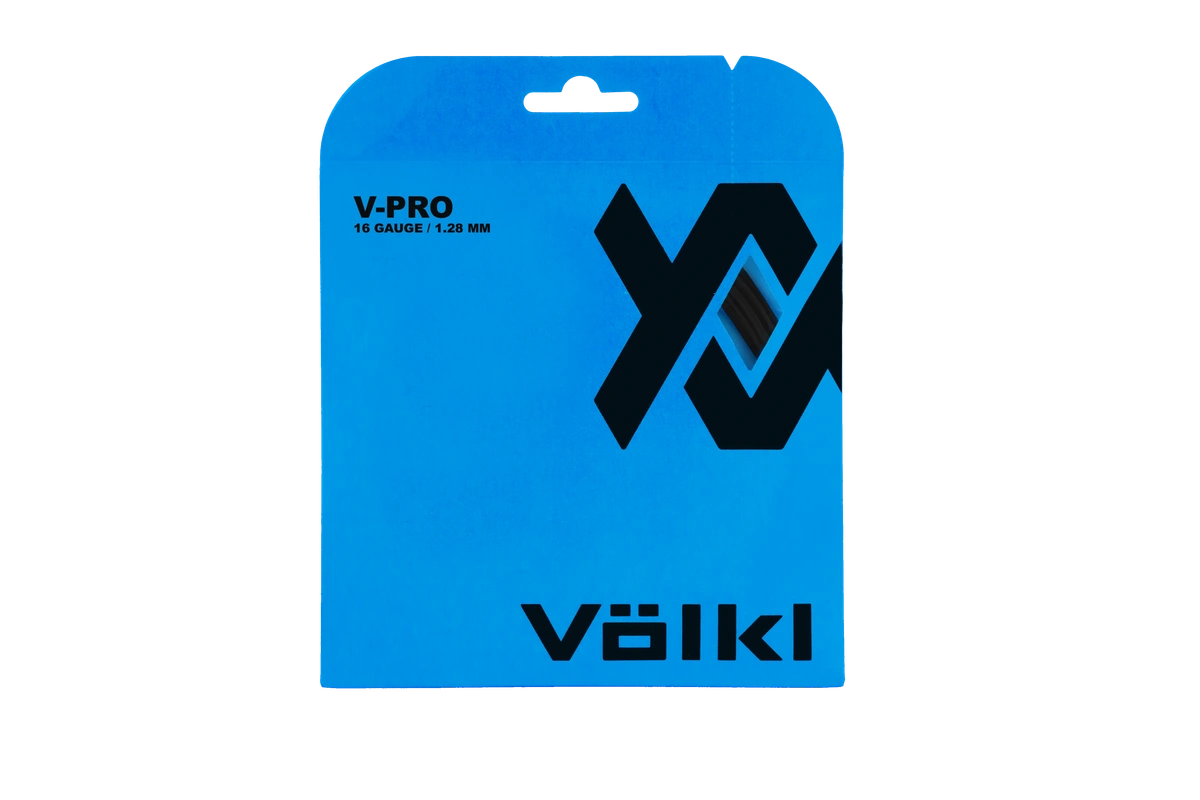
Völkl V-Pro
Völkl V-Pro is listed as Polyester in 1.20 mm / 1.25 mm / 1.30 mm. Among the material-based catalog traits we can compare, Control stands out most. Surface features: Smooth. Construction: co-polymer monofilament · Surface features: Smooth.
Product details
- Material
- Polyester
- Gauge
- 1.2 / 1.25 / 1.3 mm
- Construction
- co-polymer monofilament
- String cross-section
- Not published by the manufacturer
- Surface features
- Smooth
- Surface treatment / coating
- Not published by the manufacturer
- Product status
- Current range
- Stock status
- Stock not verified
Laboratory measurements
Lower stiffness means less resistance to deformation in this test. Tension loss is measured under a laboratory protocol, not a prediction of playing hours. Spin potential is a friction-based ratio, not ball RPM.
| Tested sample | Stiffness lb/in | Tension loss % | Spin potential ratio |
|---|---|---|---|
| Volkl V-Pro 17Test conditions: 51 lb · Fast (TWU) | 188 | 47.7 | 5.1 |
| Volkl V-Pro 16Test conditions: 51 lb · Fast (TWU) | 233.7 | 39.2 | 5 |
| Volkl V-Pro 18Test conditions: 51 lb · Fast (TWU) | 213.2 | 33.1 | 4.9 |
The test tension is not a stringing recommendation. Compare the same gauge and test conditions; the racquet, stroke and stringing method also affect the result on court. On the source page, select All in the material filter to see results for every material.
What material and construction establish
Polyester strings generally resist deformation more than softer string families, but individual products vary substantially. Spin depends on ball-to-string friction, inter-string friction and string movement during impact. Edges or a polyester label alone do not establish how much spin a player will produce.
Matching gauges before comparing
Use the stated diameter in millimetres. Nominal 16 or 17 gauge can correspond to different diameters across brands. A thinner version is not guaranteed to be softer or generate more spin. Results for a different colour or generation should not be silently merged with this product.
Reference tension is not measured stiffness
The machine setting is a pulling force during installation. Laboratory stiffness describes resistance to deformation under specified conditions. A test tension is not a stringing recommendation. Match test conditions and sample gauge; for a hybrid, also record which string is in the mains and which is in the crosses.
Track changes, not a promised lifespan
An unbroken stringbed can still change through tension loss, notching and friction. Log playing time, trajectory and how the mains return after displacement under similar conditions. Laboratory tension-loss percentages cannot be converted into a guaranteed number of playing hours.
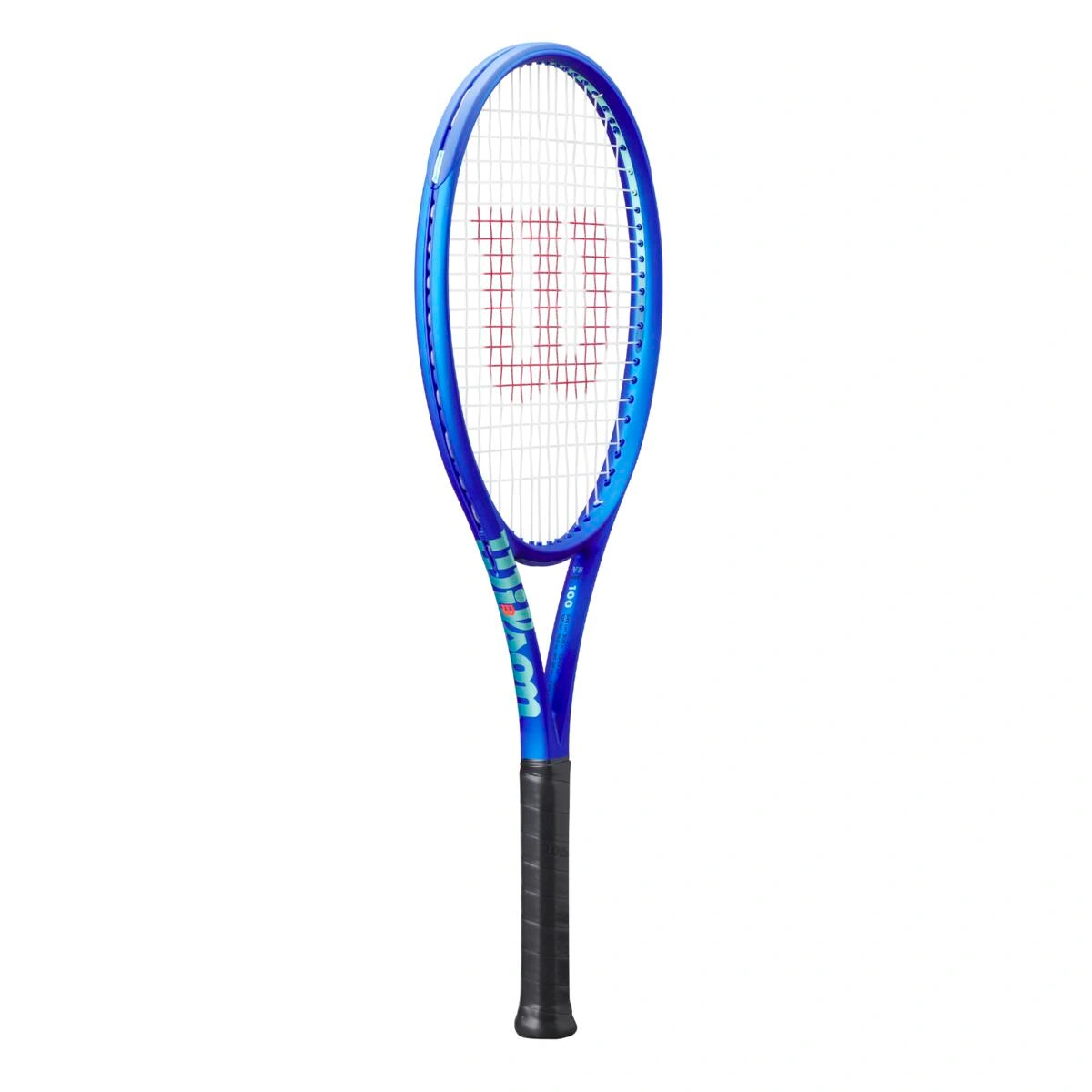
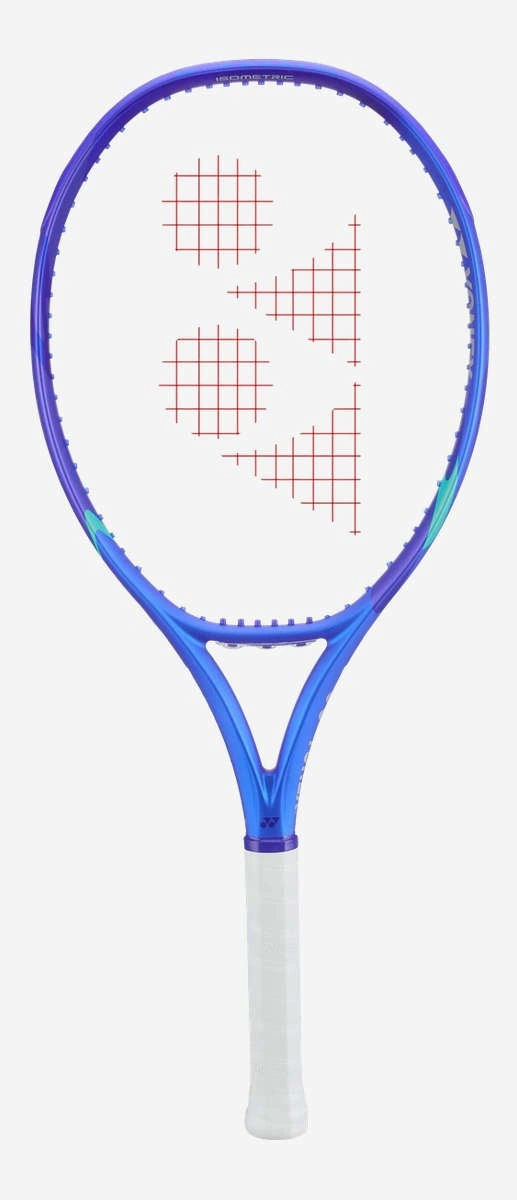
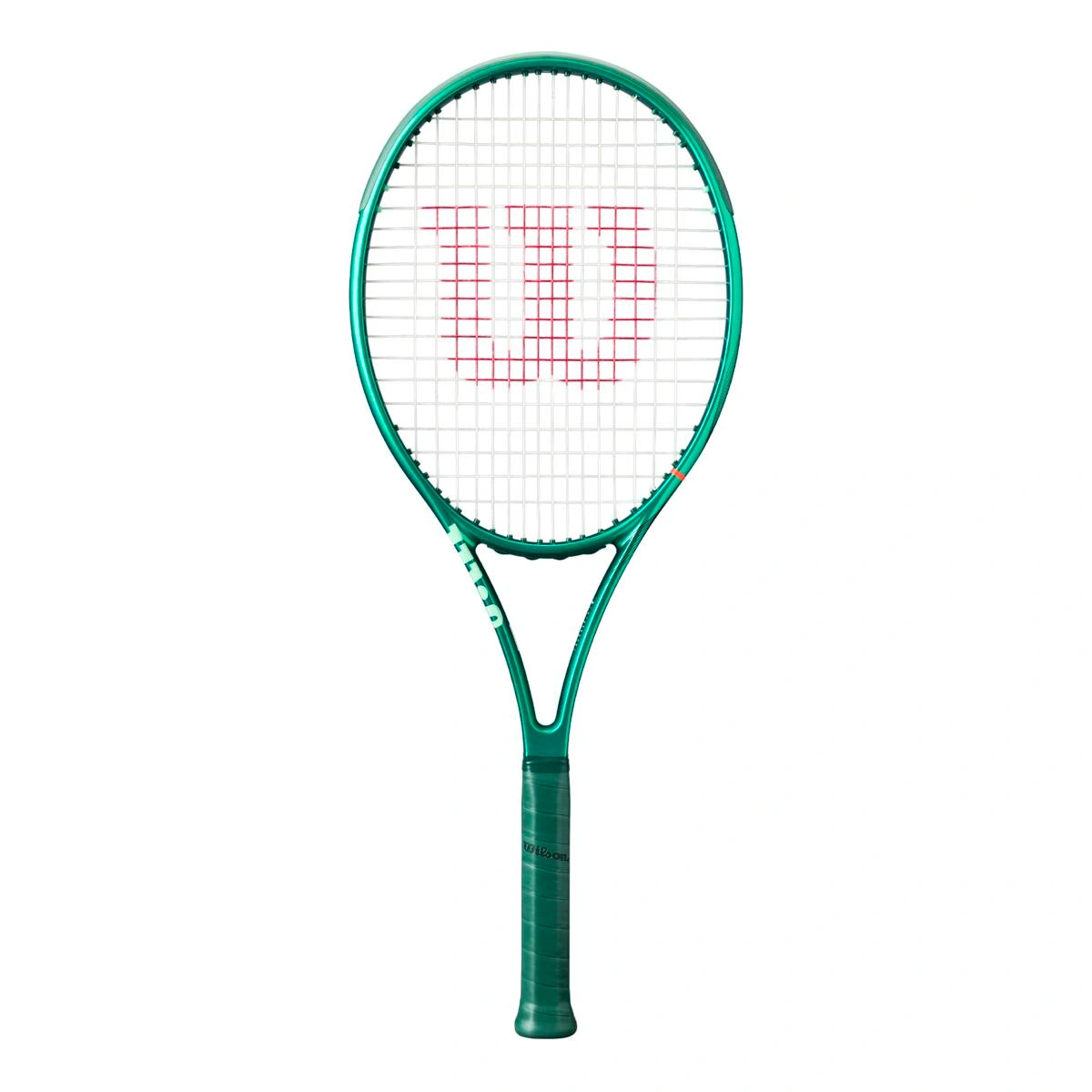
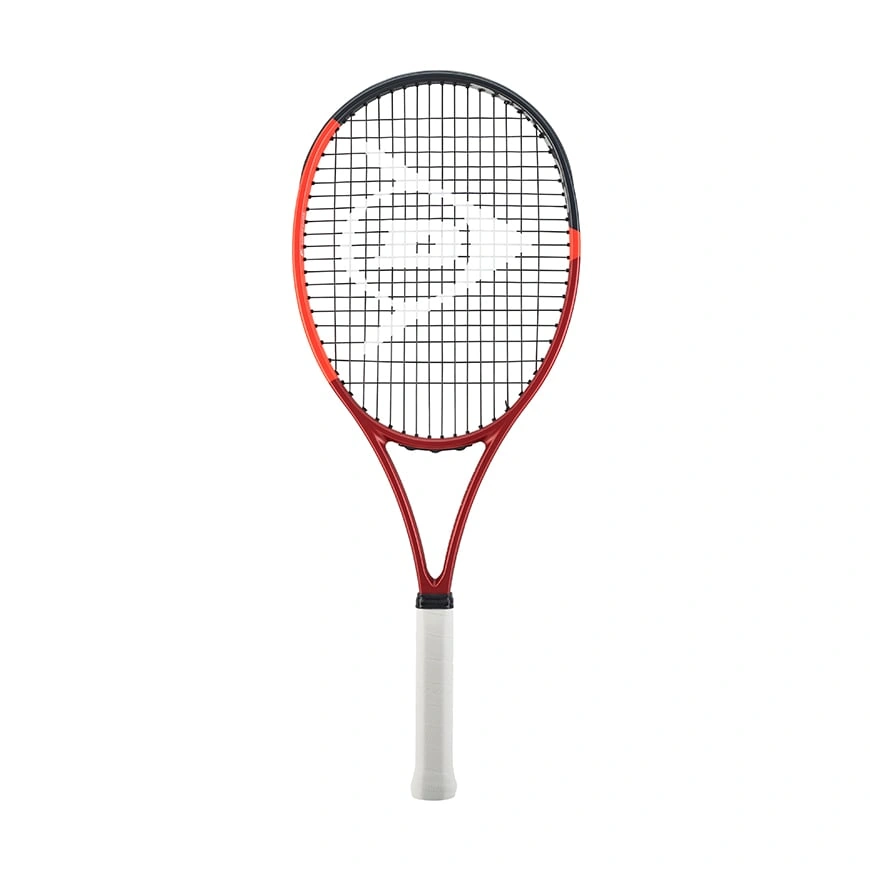
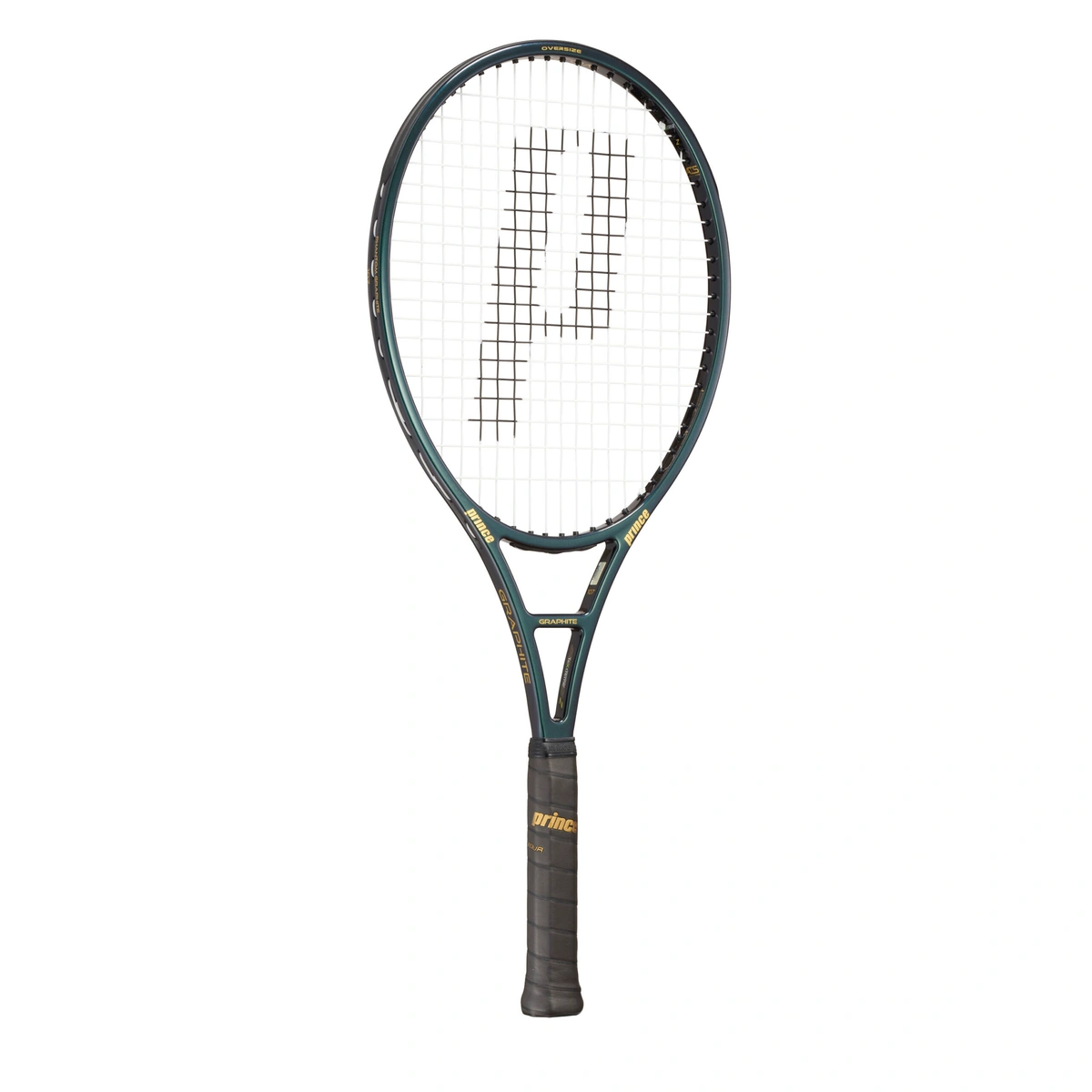
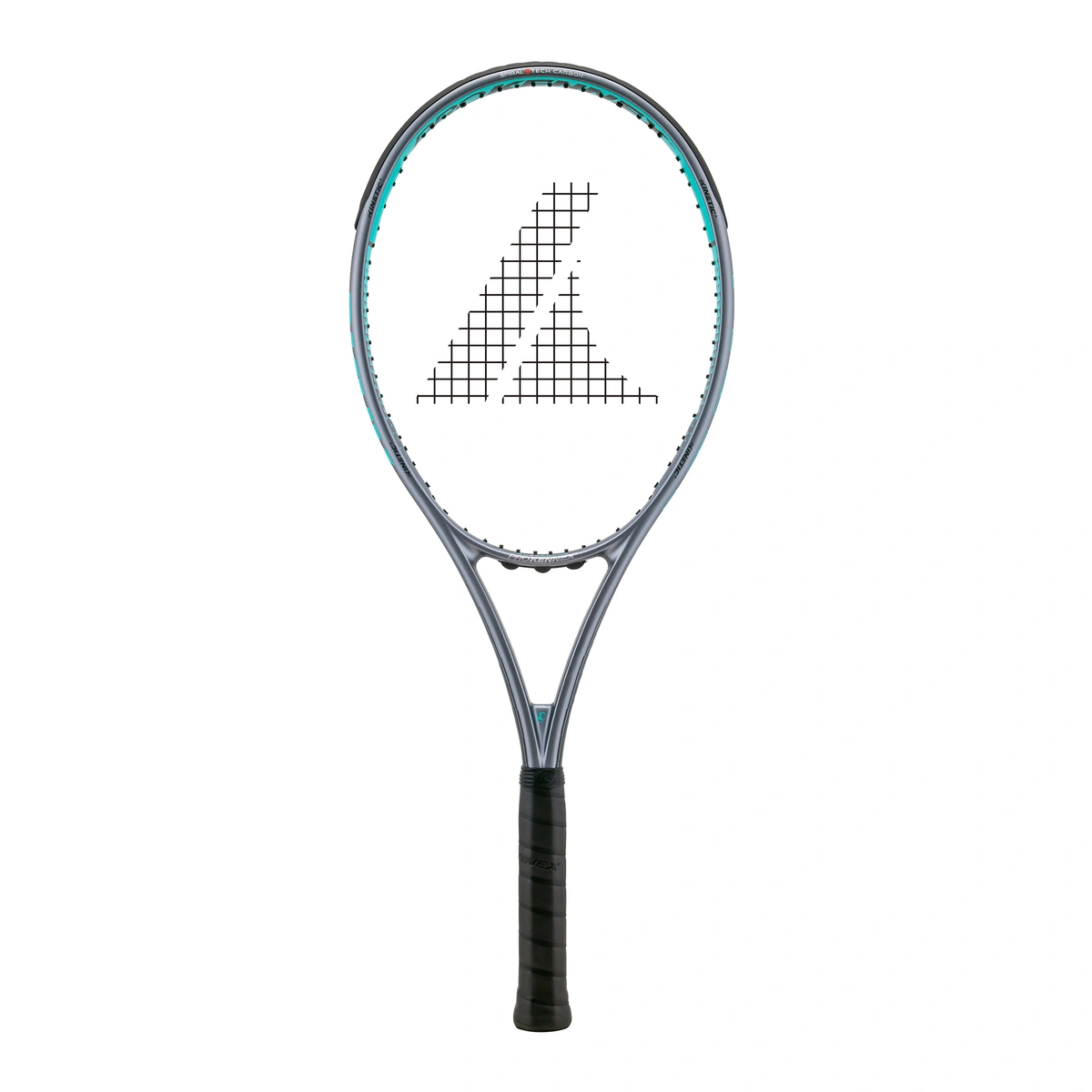
Racquets to compare
Numbers are suggested only when the maker publishes a tension range.
Reviewed sources
Völkl · View source ↗Similar strings
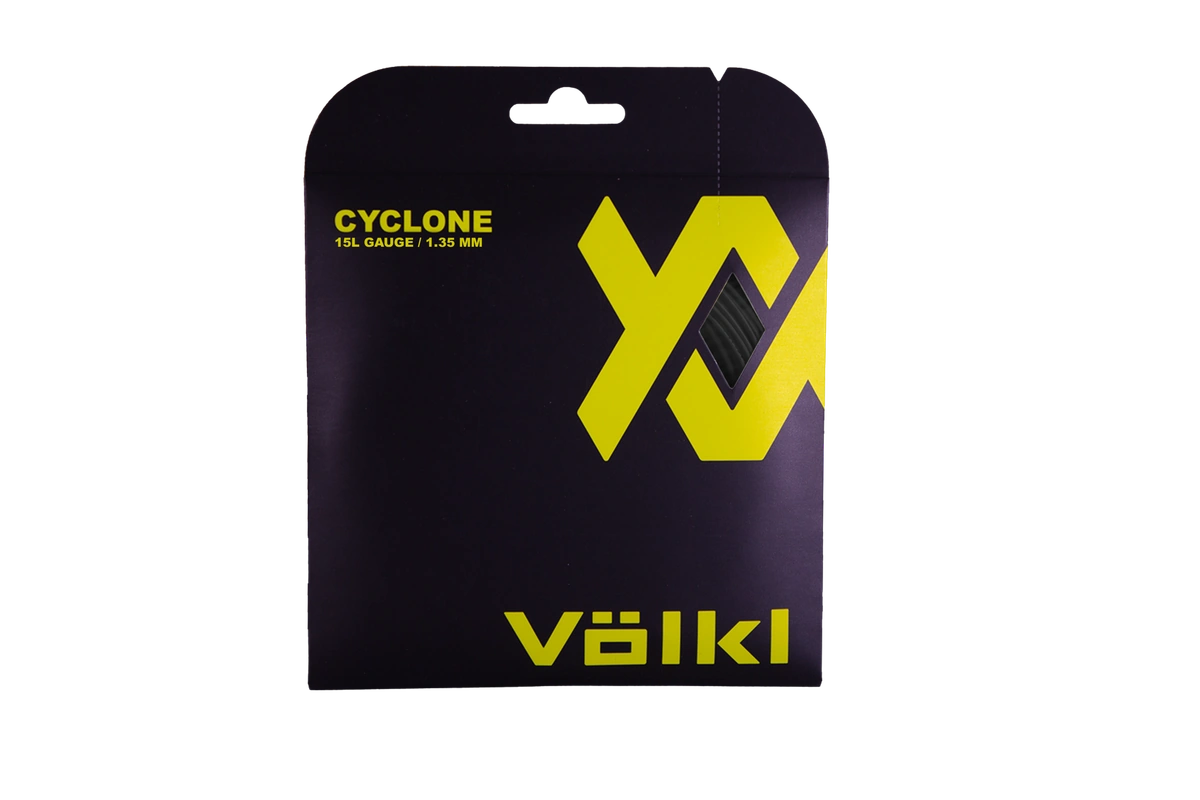 Völkl CyclonePolyester · 1.1 / 1.15 / 1.2 / 1.25 / 1.3 / 1.35 mm
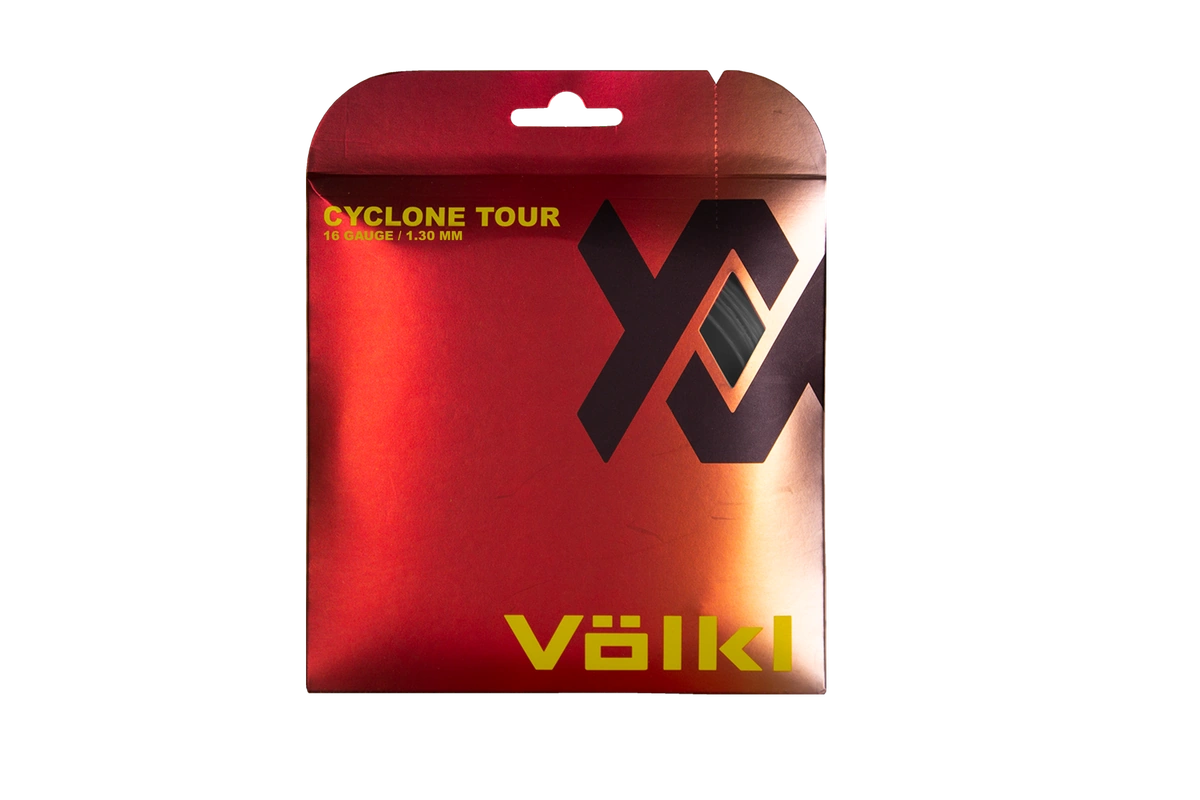 Völkl Cyclone TourPolyester · 1.2 / 1.25 / 1.3 mm
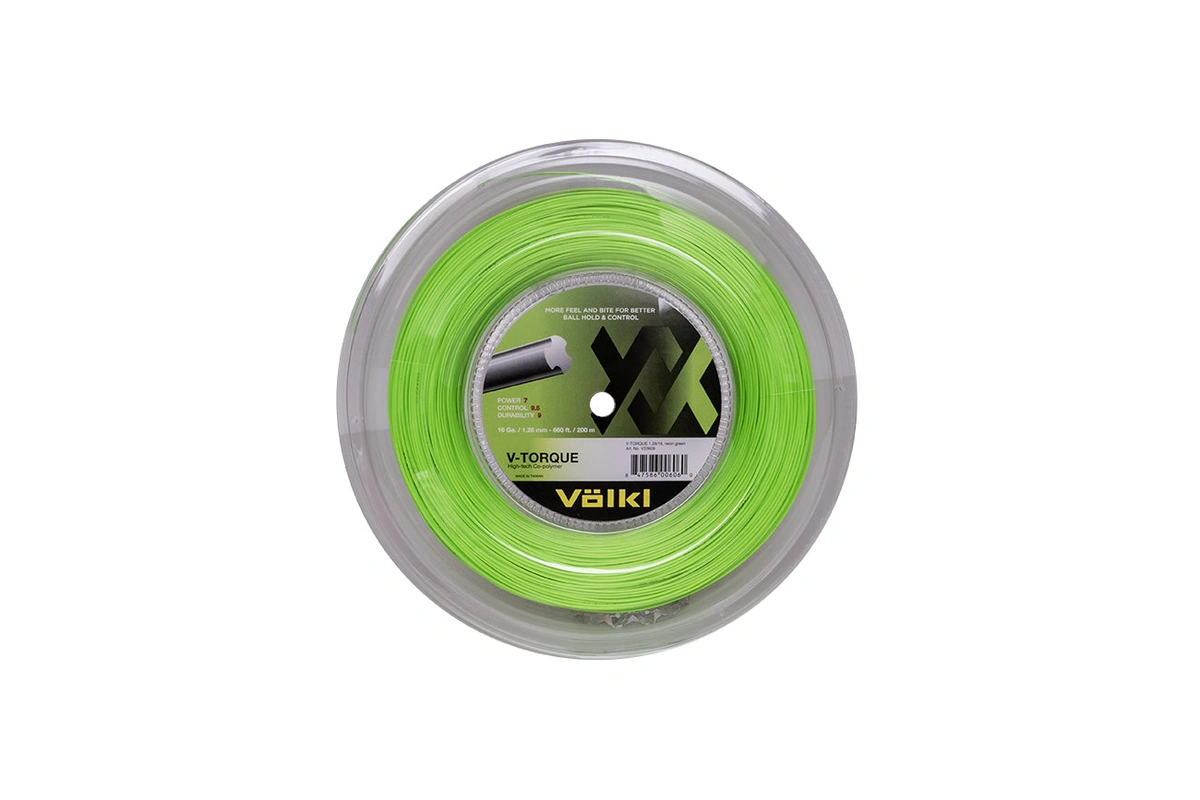 Völkl V-TorquePolyester · 1.2 / 1.25 / 1.3 mm
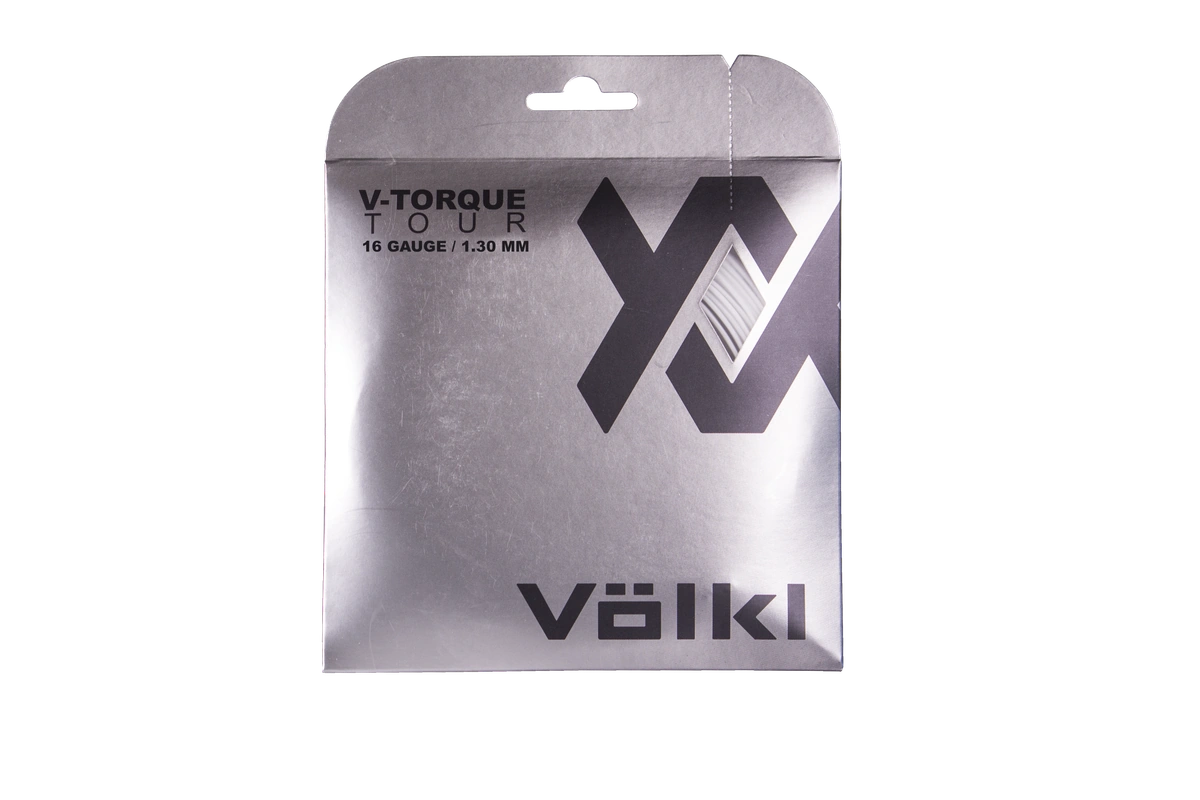 Völkl V-Torque TourPolyester · 1.1 / 1.2 / 1.25 / 1.3 mm
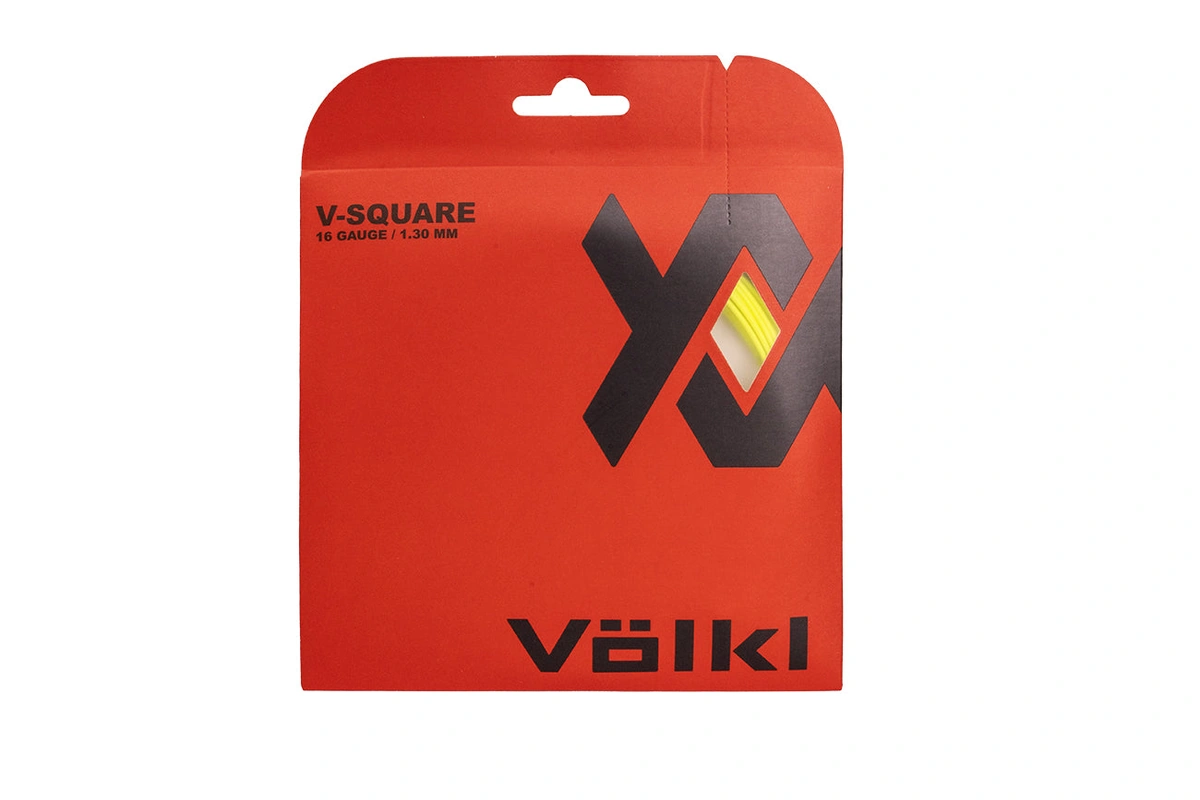 Völkl V-SquarePolyester · 1.1 / 1.2 / 1.25 / 1.3 mm
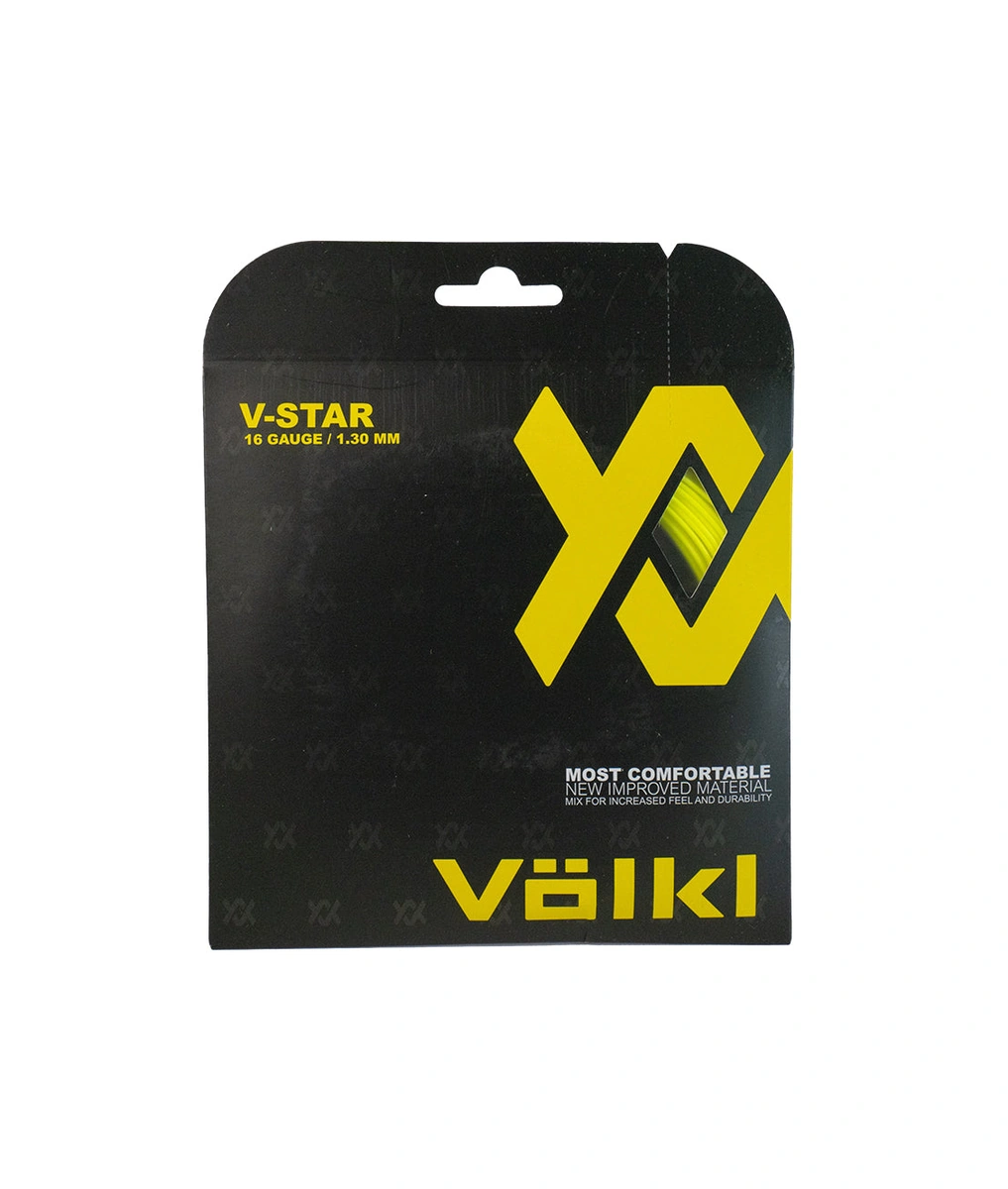 Völkl V-StarPolyester · 1.1 / 1.15 / 1.2 / 1.25 / 1.3 mm
TENNIS TENSION LAB
Check your racquet’s tension today.
Get a high-precision tension reading in under 10 seconds. Tension Lab tracks changes from your first reading and helps you see when to restring.
- High-precision tension measurement. Ready in under 10 seconds.
- Track every change in feel. See the full story over time.
- Time to restring? Never leave it to guesswork.