Babolat · Current range
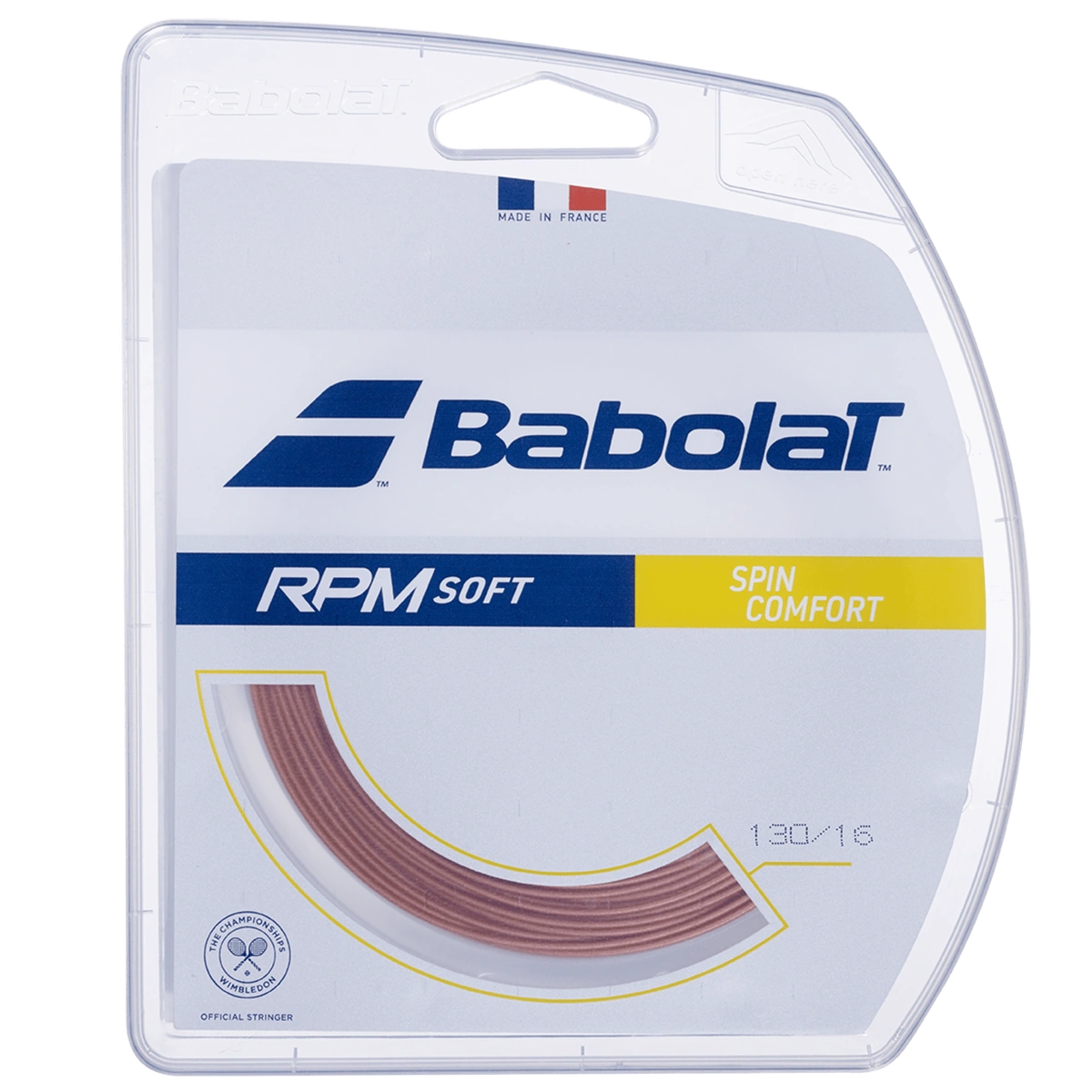
Babolat RPM Soft
Babolat specifies RPM Soft as a polyamide monofilament. Understanding it solely as a softer RPM Blast misses the material distinction. TWU’s 1.30 mm sample records 154.9 lb/in stiffness, 18.5% tension loss and a 5.9 spin-potential ratio.
Product details
- Material
- Synthetic gut
- Gauge
- 1.25 / 1.3 mm
- Construction
- polyamide monofilament
- String cross-section
- Not published by the manufacturer
- Surface features
- Not published by the manufacturer
- Surface treatment / coating
- Not published by the manufacturer
- Product status
- Current range
- Stock status
- Stock not verified
Laboratory measurements
Lower stiffness means less resistance to deformation in this test. Tension loss is measured under a laboratory protocol, not a prediction of playing hours. Spin potential is a friction-based ratio, not ball RPM.
| Tested sample | Stiffness lb/in | Tension loss % | Spin potential ratio |
|---|---|---|---|
| Babolat RPM Soft 16 (1.30)Test conditions: 51 lb · Fast (TWU) | 154.9 | 18.5 | 5.9 |
The test tension is not a stringing recommendation. Compare the same gauge and test conditions; the racquet, stroke and stringing method also affect the result on court. On the source page, select All in the material filter to see results for every material.
Compare samples tested under the same conditions
Up to three products with nearby measured stiffness, matching diameter, material and test conditions. This is a data comparison, not a ranking of suitability.
| Tested sample | Stiffness lb/in | Tension loss % | Spin potential ratio |
|---|---|---|---|
| Babolat RPM Soft 16 (1.30) | 154.9 | 18.5 | 5.9 |
| Yonex Dynawire 16 (1.30) | 154.9 | 13.7 | — |
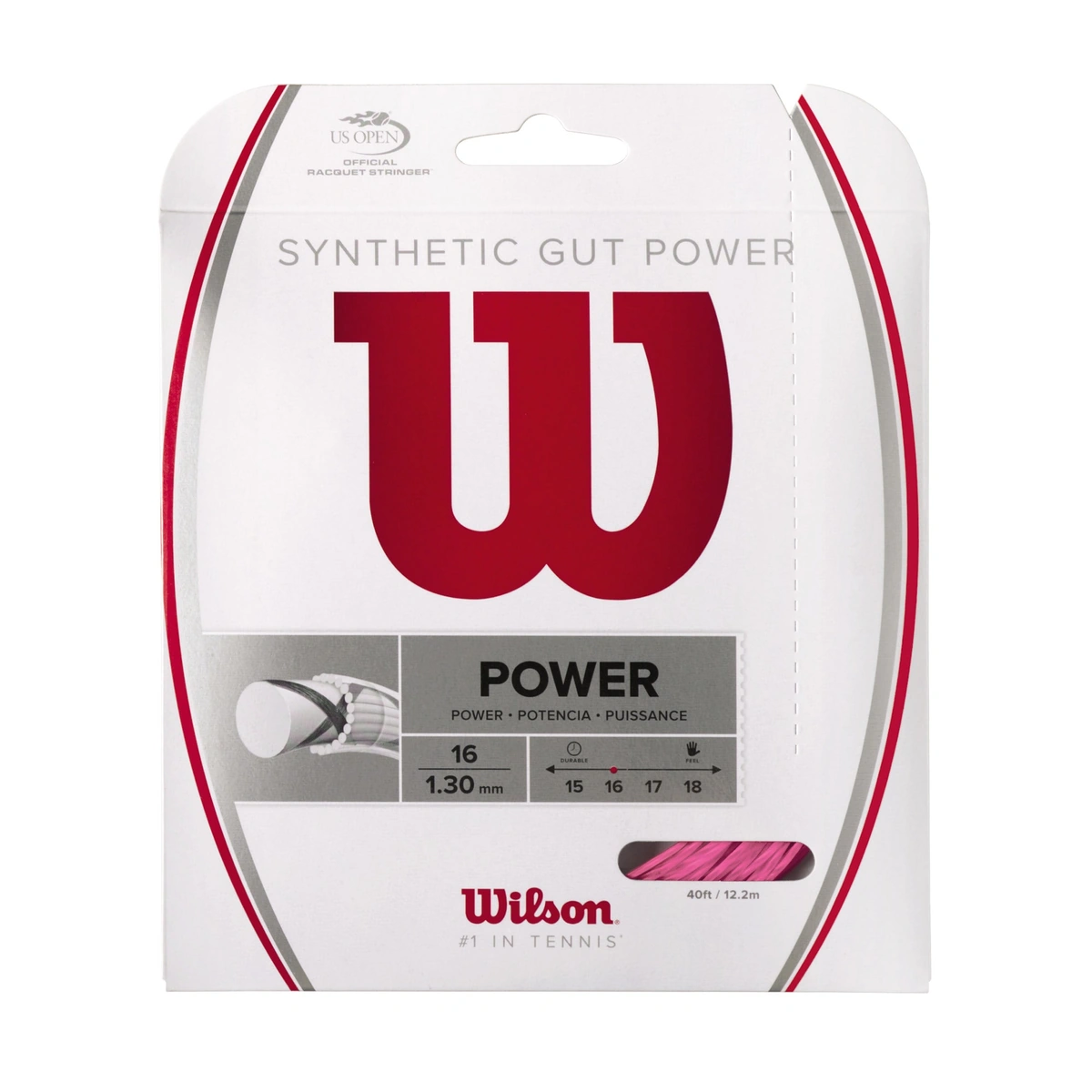
| Wilson Synthetic Gut Power 16 (1.30) | 156 | 15.2 | 4.9 |
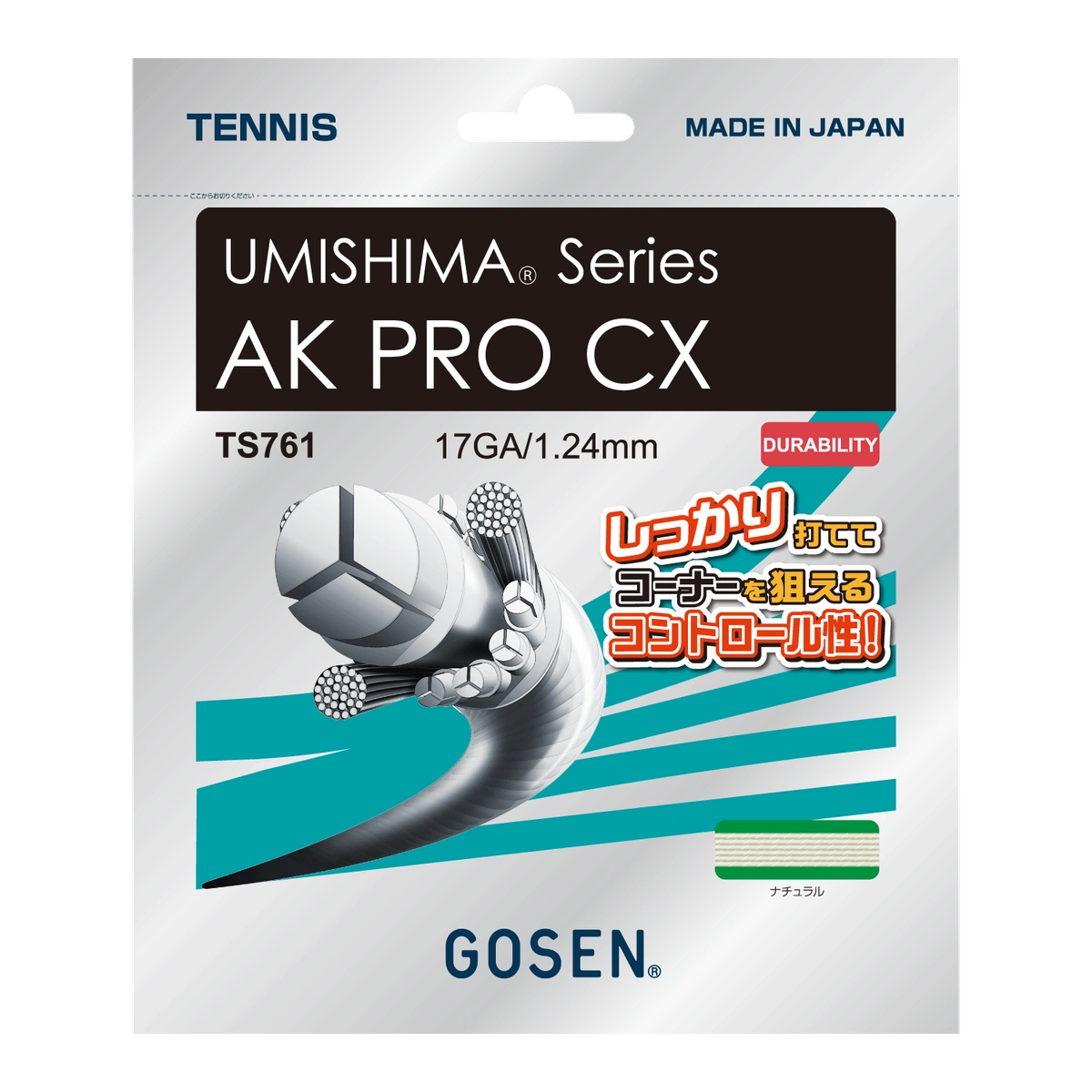
| Gosen AK Pro CX 16 (1.30) | 158.3 | 14.1 | 6.5 |
Read the material before the RPM family name
Babolat’s description and Composition field specify polyamide. Monofilament describes construction; polyamide describes material. A monofilament is not necessarily a polyester string.
The manufacturer positions it between multifilaments and polyester monofilaments. That positioning does not guarantee a durability or comfort improvement for every player.
The measured 1.30 mm response
At 51 lb and Fast speed, stiffness is 154.9 lb/in and loss is 18.5%. Wilson Synthetic Gut Power at the same 1.30 mm diameter records 156.0 lb/in and 15.2%. Similar test stiffness can coexist with different tension loss.
RPM Soft’s 5.9 spin-potential ratio is neither actual RPM nor a review score. It also cannot calculate the playing-spin difference against another gauge of RPM Blast.
What to observe when leaving a multifilament
If the previous string frequently broke at intersections, log the wear location with the new setup too. You can then check whether the manufacturer’s construction goals appear in your own pattern of use.
Include depth on short defensive balls and touch volleys. Even when reducing breakage is the purpose, the new setup still needs to preserve your frequent shots.
Make hybrids and replacements reproducible
Record the materials, positions, gauges and tensions of both strings. A shared RPM name does not predict the combination; inspect intersections and main-string return.
Do not convert the 18.5% test loss into service hours. Actual hitting time and trajectory changes provide a better basis for deciding whether to repurchase or adjust the next setup.
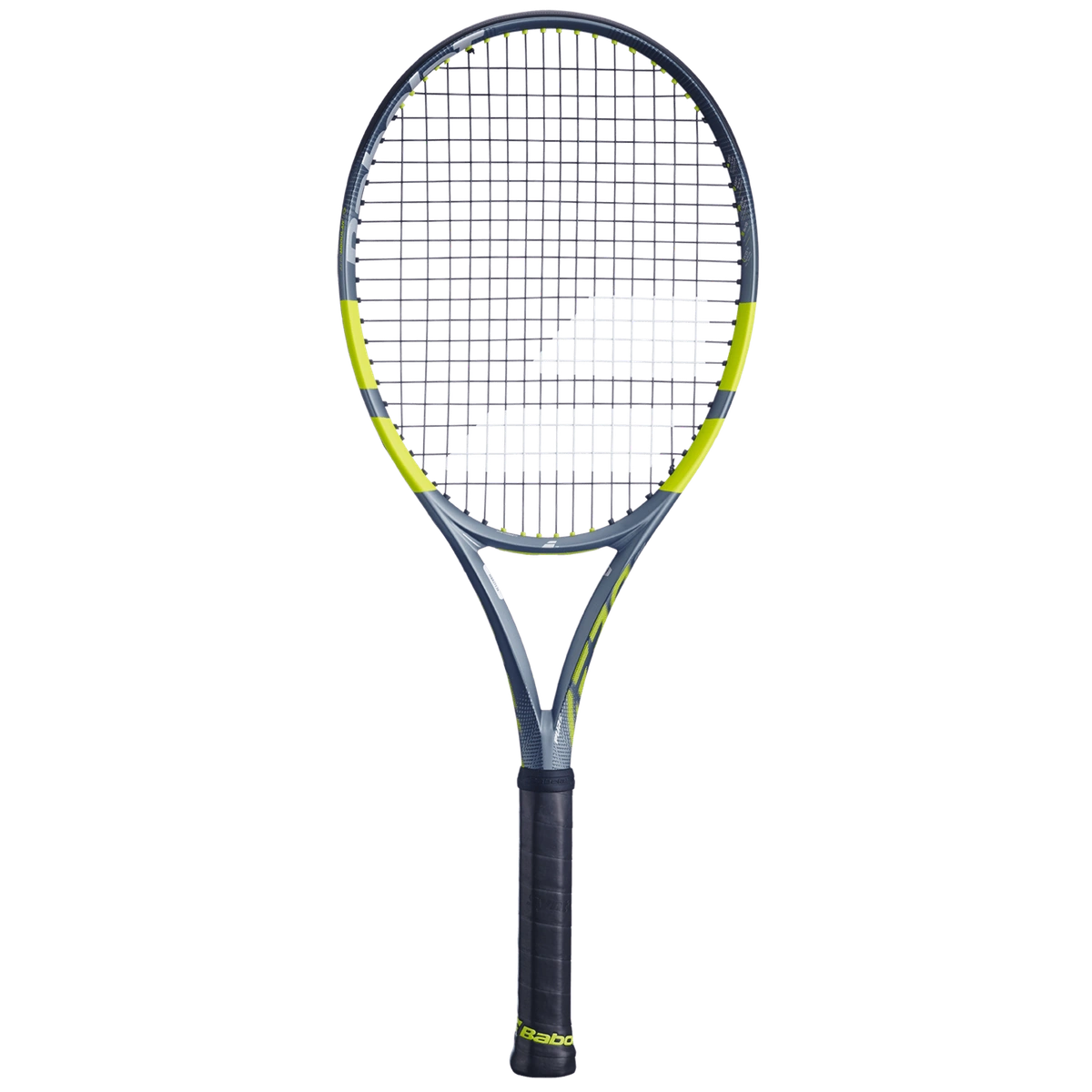
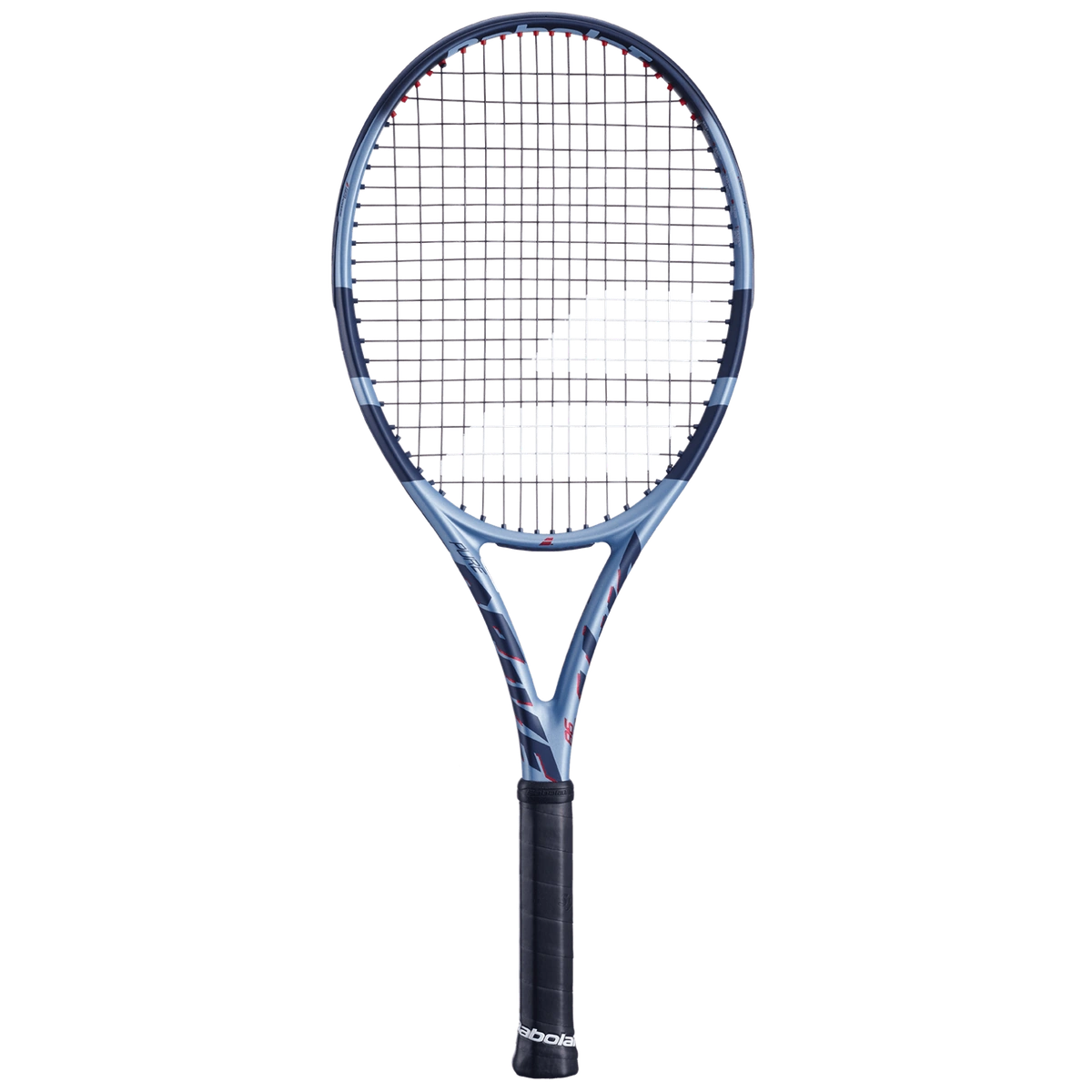
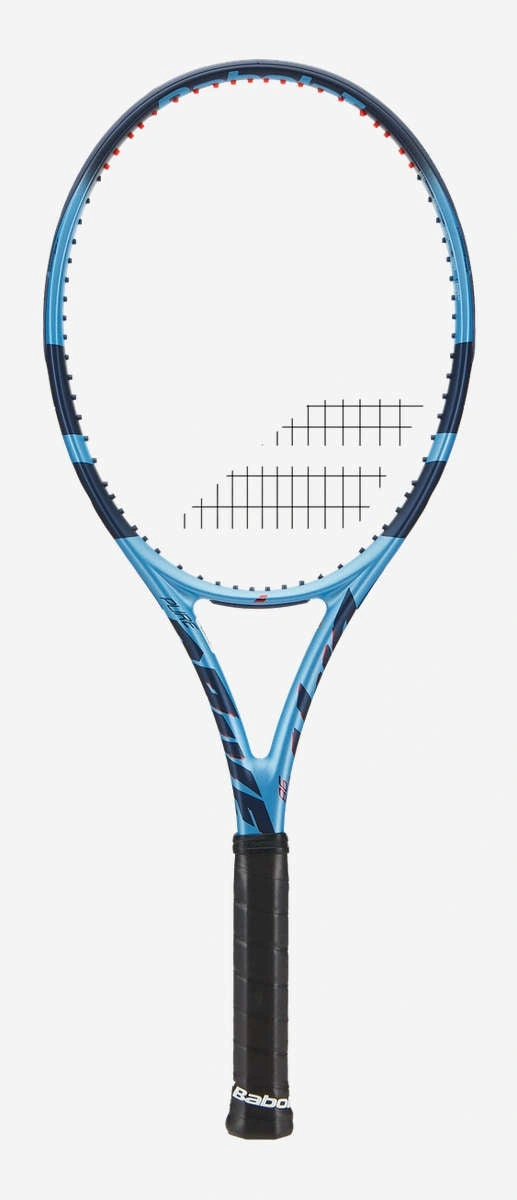
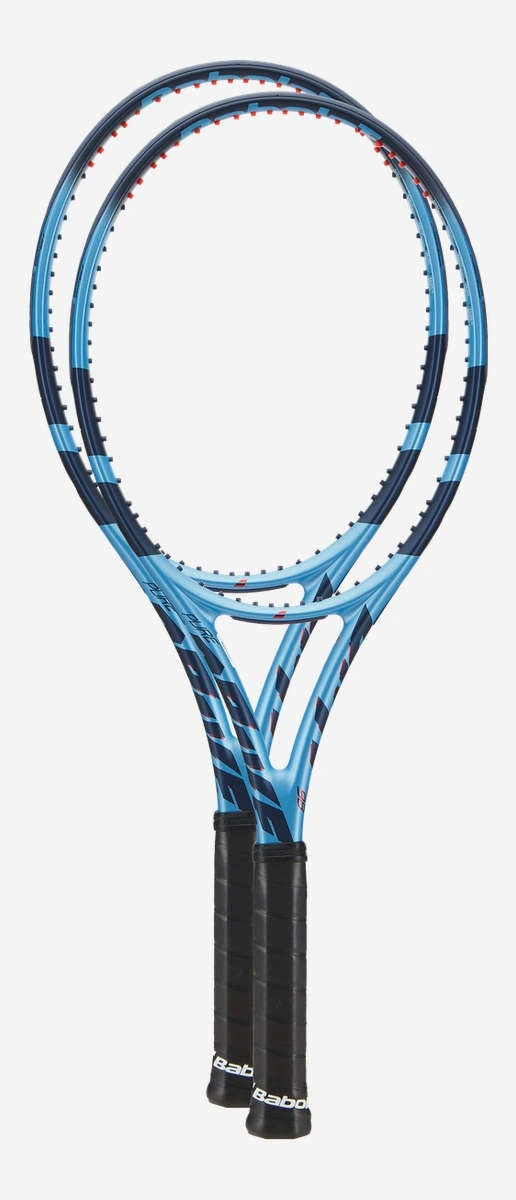
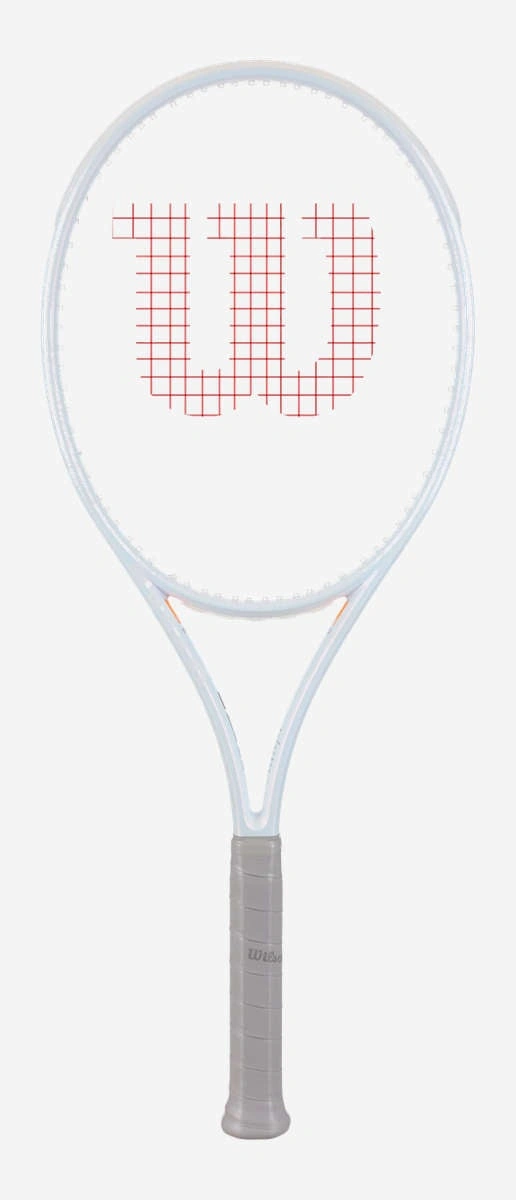
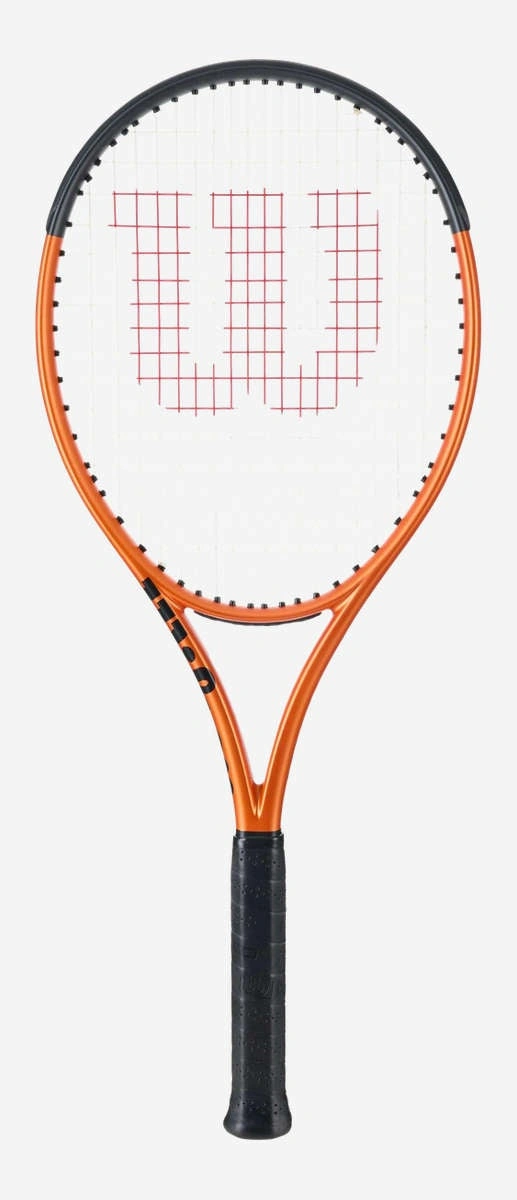
Racquets to compare
Numbers are suggested only when the maker publishes a tension range.
Reviewed sources
Babolat · View source ↗Similar strings
TENNIS TENSION LAB
Check your racquet’s tension today.
Get a high-precision tension reading in under 10 seconds. Tension Lab tracks changes from your first reading and helps you see when to restring.
- High-precision tension measurement. Ready in under 10 seconds.
- Track every change in feel. See the full story over time.
- Time to restring? Never leave it to guesswork.