Wilson · Current range
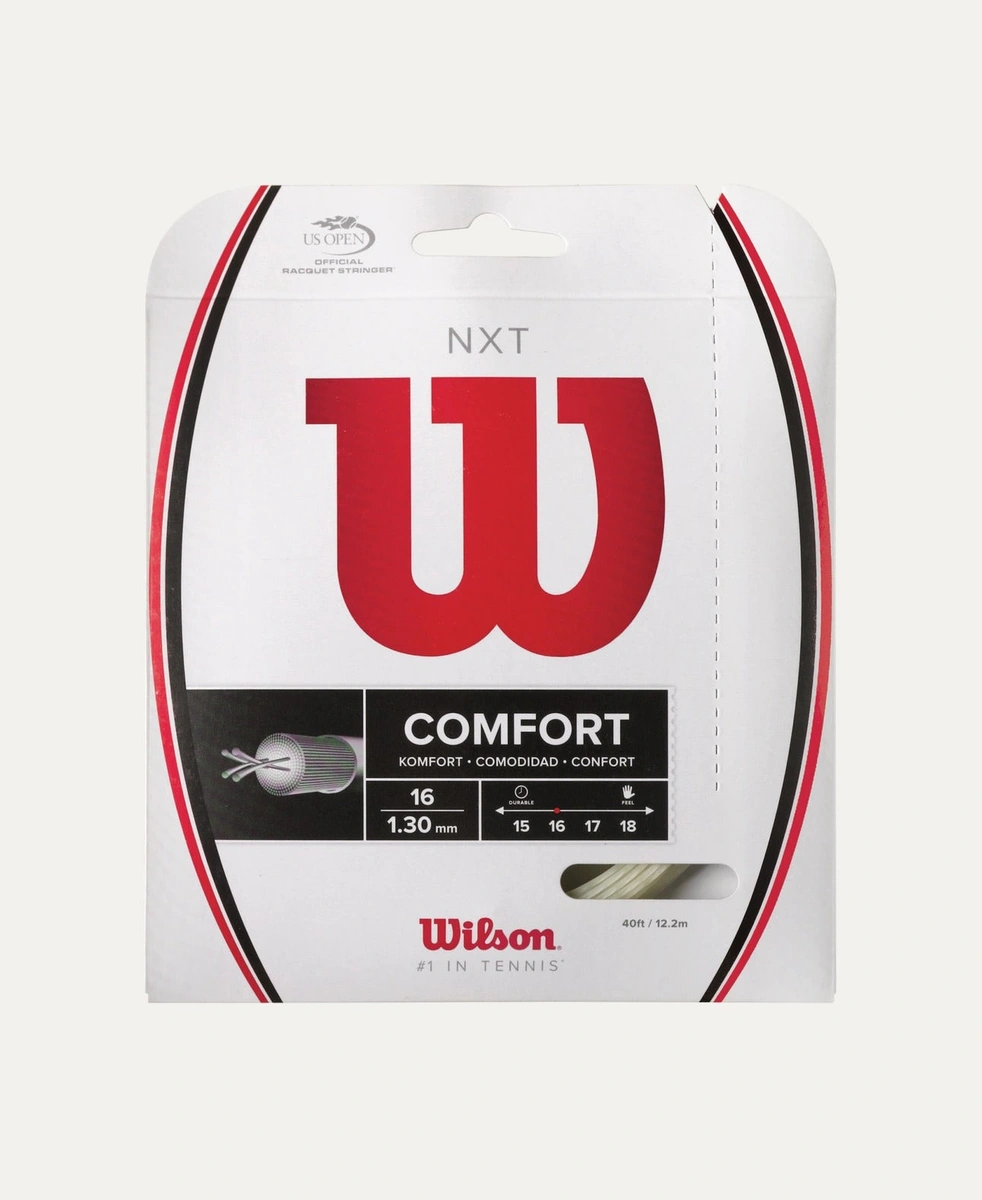
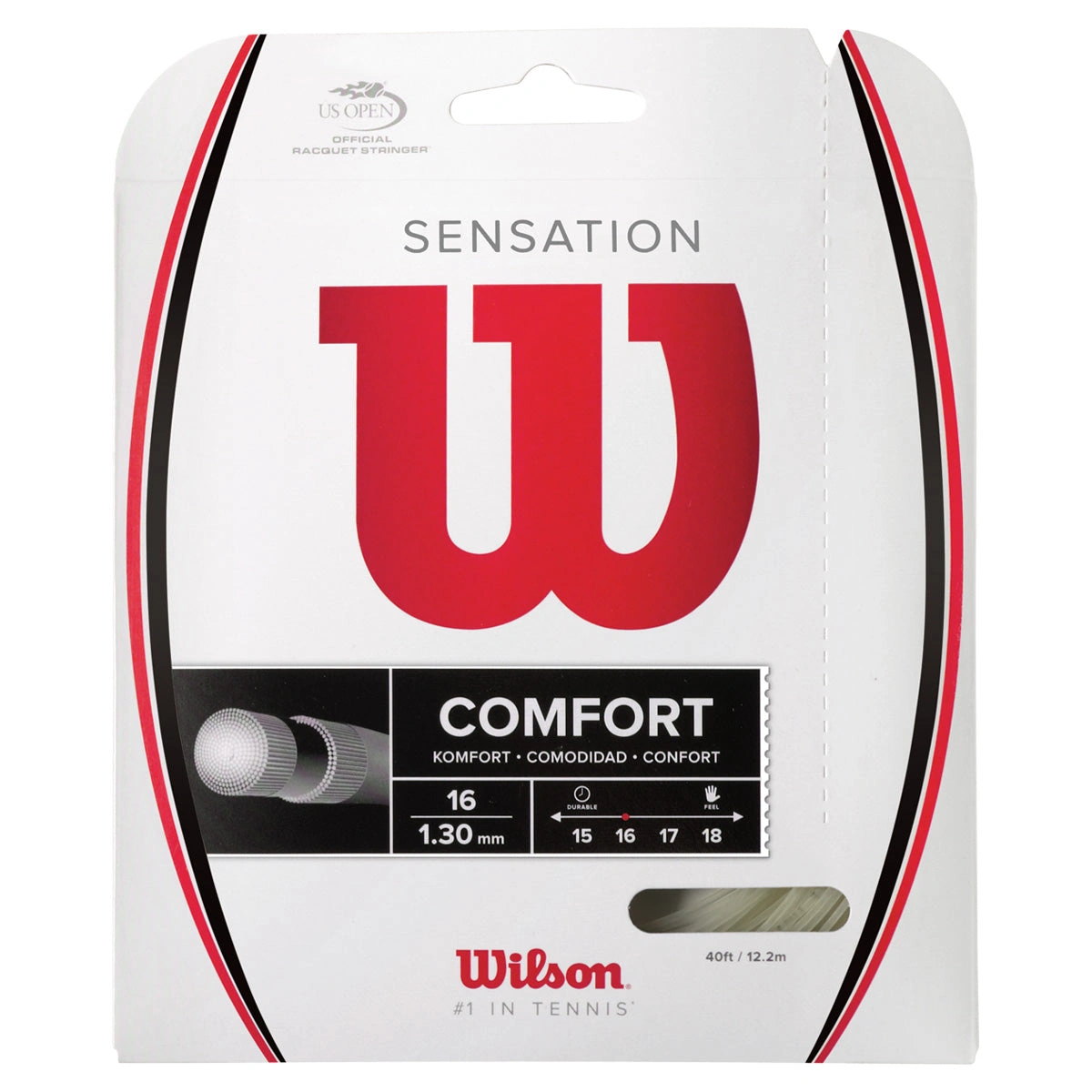
Wilson NXT
Wilson describes NXT through polyurethane resin and X-Bonded Technology. TWU publishes NXT 16 and 17 observations; samples without explicit metric diameters remain nominal-gauge records.
Product details
- Material
- Multifilament
- Gauge
- 1.24 / 1.3 mm
- String cross-section
- Not published by the manufacturer
- Surface features
- Not published by the manufacturer
- Surface treatment / coating
- Not published by the manufacturer
- Product status
- Current range
- Stock status
- Stock not verified
Laboratory measurements
Lower stiffness means less resistance to deformation in this test. Tension loss is measured under a laboratory protocol, not a prediction of playing hours. Spin potential is a friction-based ratio, not ball RPM.
| Tested sample | Stiffness lb/in | Tension loss % | Spin potential ratio |
|---|---|---|---|
| Wilson NXT 16Test conditions: 51 lb · Fast (TWU) | 173.7 | 20.5 | 3.9 |
| Wilson NXT 17Test conditions: 51 lb · Fast (TWU) | 156 | 23 | 2 |
The test tension is not a stringing recommendation. Compare the same gauge and test conditions; the racquet, stroke and stringing method also affect the result on court. On the source page, select All in the material filter to see results for every material.
Current retail specifications and historical samples have different scopes
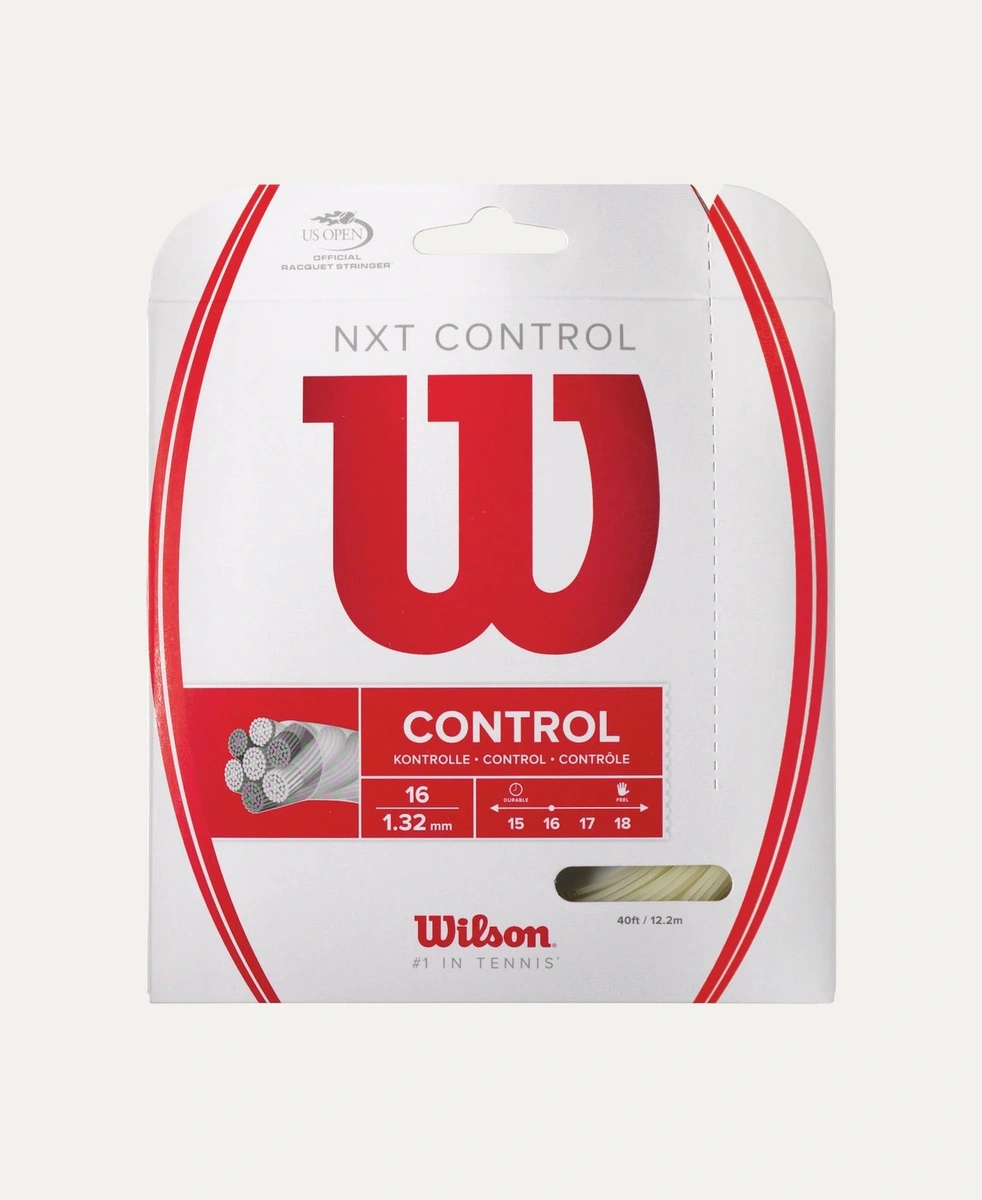
Wilson Japan’s NXT 16 page specifies 1.30 mm and 12.2 m. The TWU label NXT 16 does not itself state a metric diameter, so the current retail listing cannot independently confirm the diameter of that historical test sample.
The records can be read together without asserting that generation, gauge and sample are all identical. This page retains the laboratory’s full label instead of guessing missing diameters.
The different NXT 16 and 17 results
At 51 lb and Fast speed, NXT 16 records 173.7 lb/in stiffness, 20.5% loss and a 3.9 spin-potential ratio; NXT 17 records 156.0 lb/in, 23.0% and 2.0. The nominal-17 sample is less stiff here but has greater loss and a lower ratio.
A nominally thinner label does not establish improvement in every property. The figures address deformation resistance, tension change during a procedure and a friction-related metric.
Useful shots when switching from polyester
Separate depth from a short return swing from acceleration you supply against a slower ball. Decide whether the aim is easier depth or a change in the firm response of the previous setup.
Keep the frame familiar and avoid making large simultaneous tension and grip changes. Different materials can produce different stringbed responses at the same machine setting.
Record fraying, notching and direction changes
Inspect surface fraying separately from intersection notches. Replacement decisions should also consider whether depth and main-string return have changed before breakage.
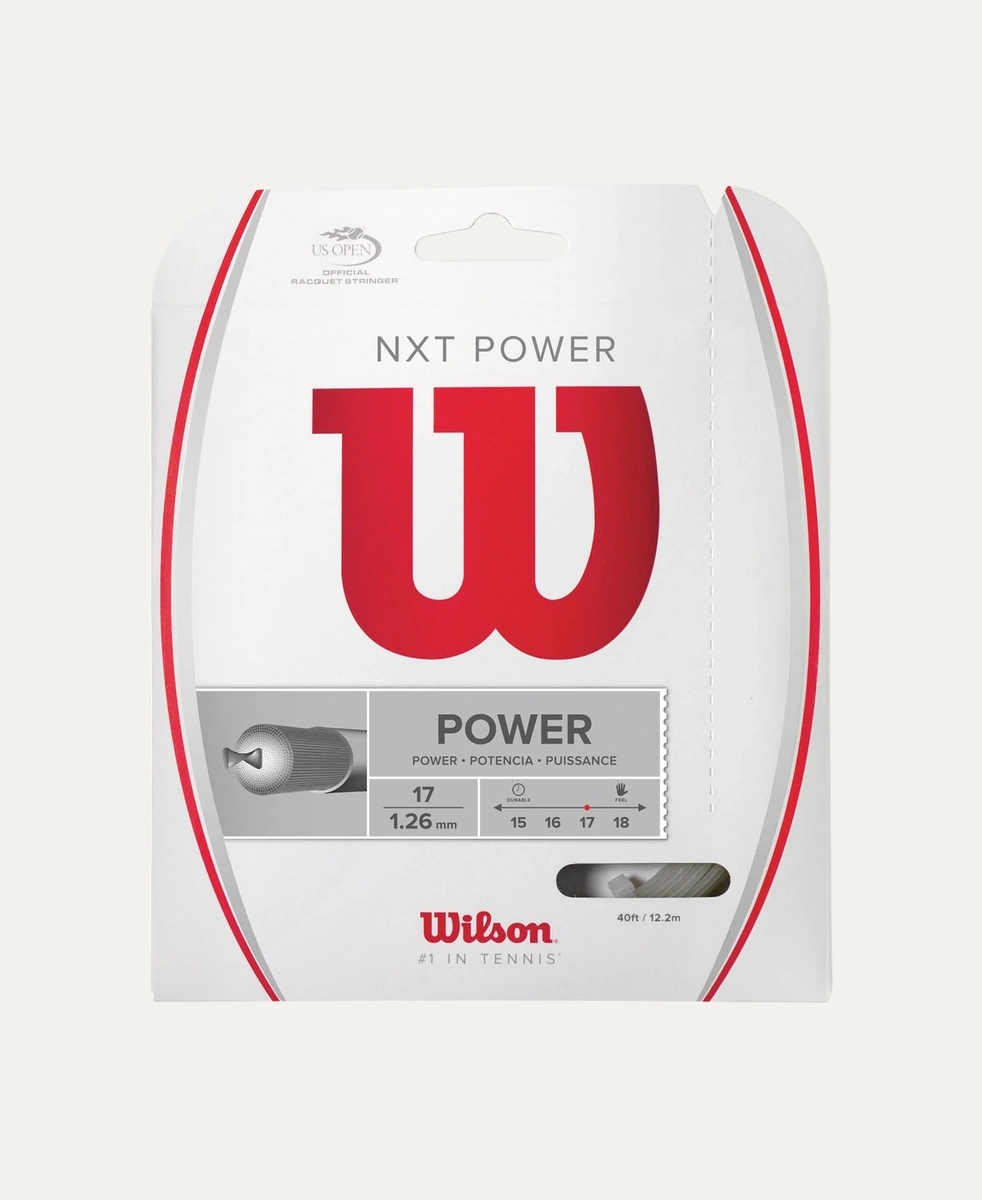
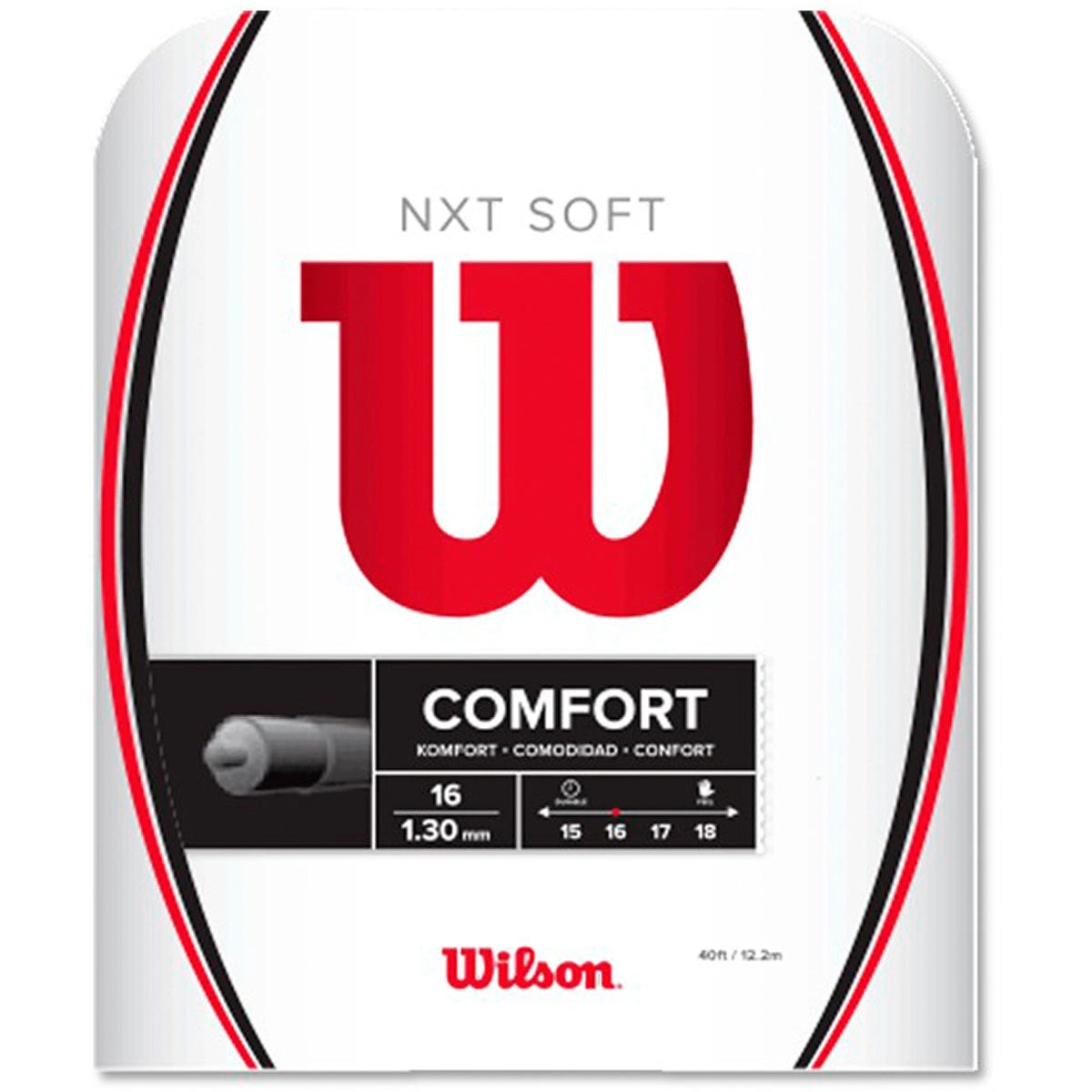
NXT Power, Control and Duramax are distinct products; their characteristics do not automatically describe original NXT. Retain the exact model, colour, packaged gauge and installation date for the next comparison.
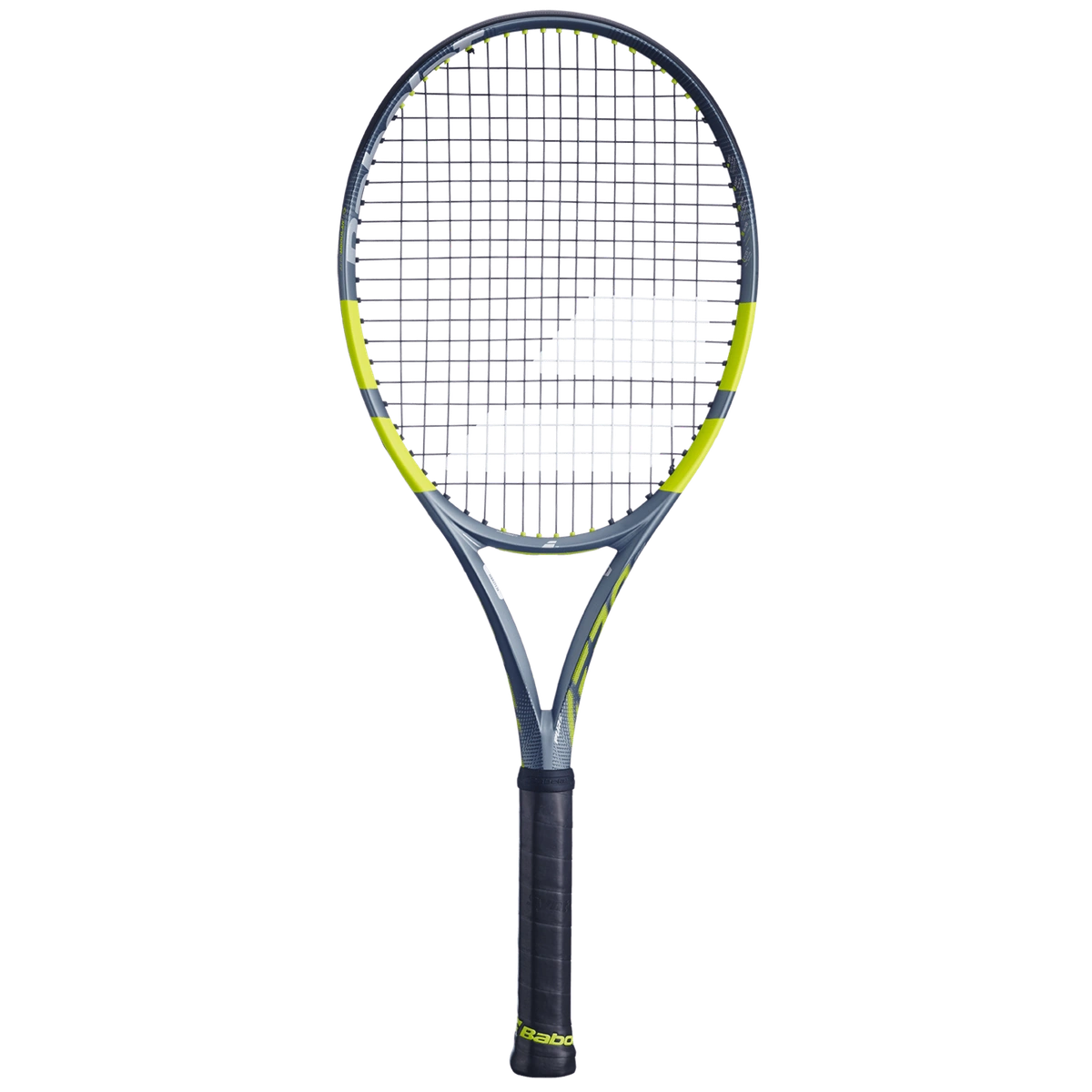
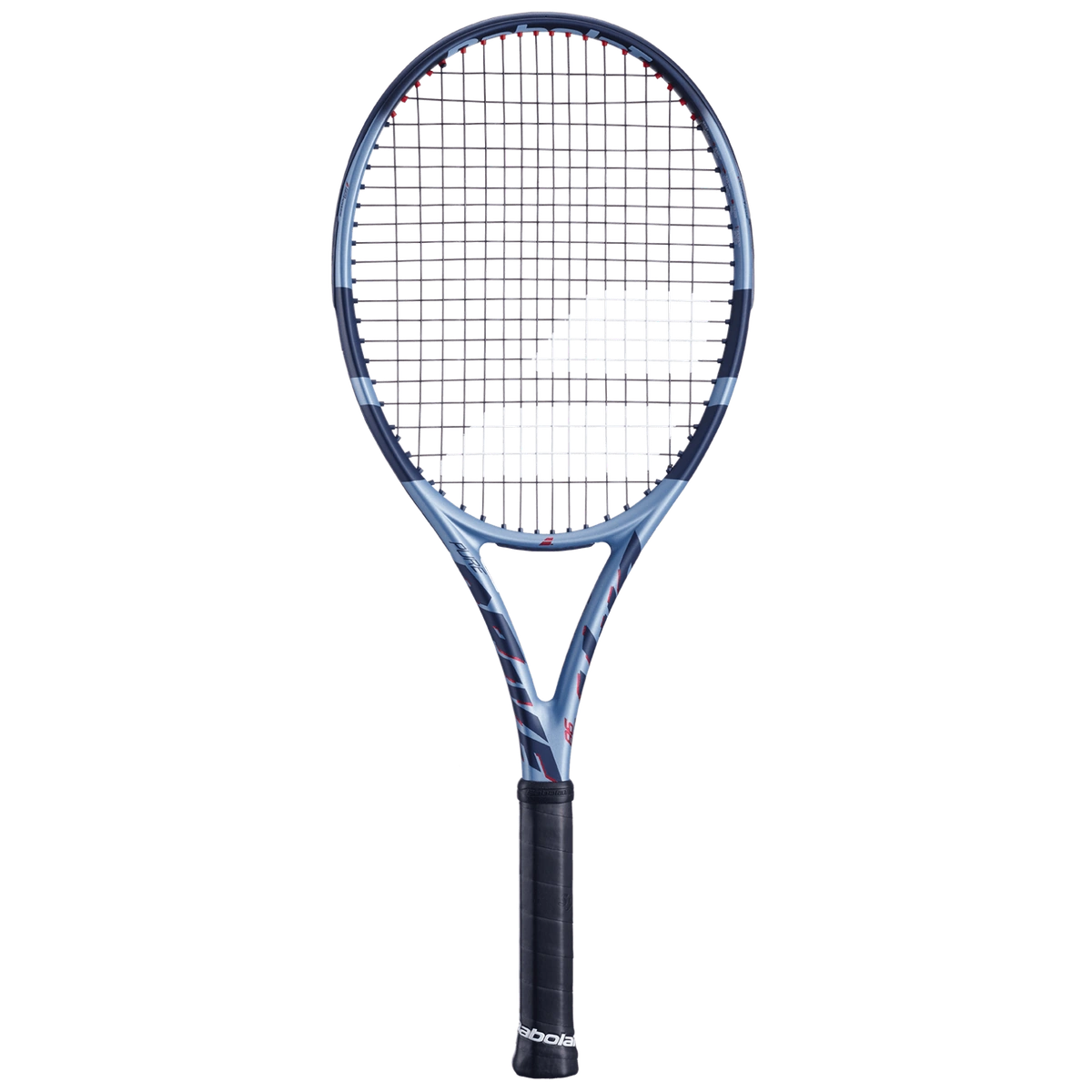
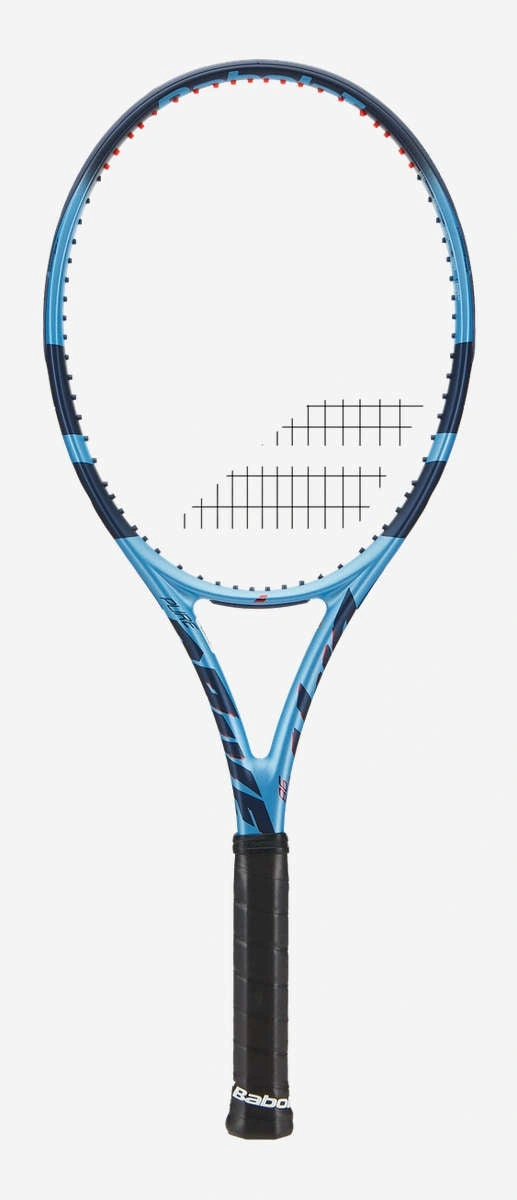
Racquets to compare
Numbers are suggested only when the maker publishes a tension range.
Reviewed sources
Wilson · View source ↗Similar strings
TENNIS TENSION LAB
Check your racquet’s tension today.
Get a high-precision tension reading in under 10 seconds. Tension Lab tracks changes from your first reading and helps you see when to restring.
- High-precision tension measurement. Ready in under 10 seconds.
- Track every change in feel. See the full story over time.
- Time to restring? Never leave it to guesswork.