HEAD · Current range
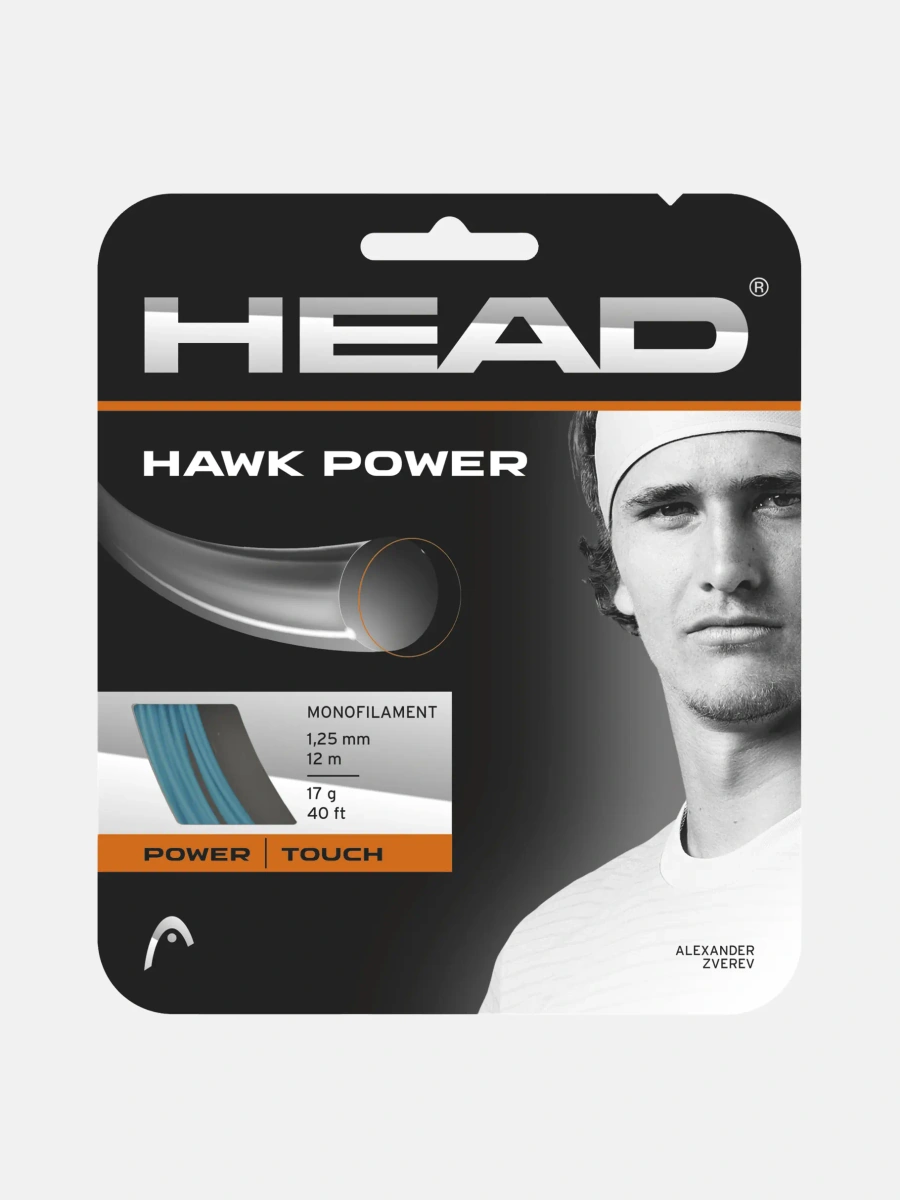
HEAD Hawk Power
Hawk Power 1.25 measures 203.5 lb/in stiffness, 48.3% tension loss and 7.5 spin potential in TWU's selected test. Those values invite a different trial from Lynx Tour: compare short-swing response, then revisit the same shots after use.
Product details
- Material
- Polyester
- Gauge
- 1.25 / 1.3 mm
- Construction
- monofilament
- String cross-section
- Round
- Surface features
- Smooth
- Surface treatment / coating
- Not published by the manufacturer
- Product status
- Current range
- Stock status
- Stock not verified
Laboratory measurements
Lower stiffness means less resistance to deformation in this test. Tension loss is measured under a laboratory protocol, not a prediction of playing hours. Spin potential is a friction-based ratio, not ball RPM.
| Tested sample | Stiffness lb/in | Tension loss % | Spin potential ratio |
|---|---|---|---|
| Head Hawk Power 17 (1.25)Test conditions: 51 lb · Fast (TWU) | 203.5 | 48.3 | 7.5 |
The test tension is not a stringing recommendation. Compare the same gauge and test conditions; the racquet, stroke and stringing method also affect the result on court. On the source page, select All in the material filter to see results for every material.
Compare samples tested under the same conditions
Up to three products with nearby measured stiffness, matching diameter, material and test conditions. This is a data comparison, not a ranking of suitability.
| Tested sample | Stiffness lb/in | Tension loss % | Spin potential ratio |
|---|---|---|---|
| Head Hawk Power 17 (1.25) | 203.5 | 48.3 | 7.5 |
| Luxilon Adrenaline 16L/1.25 | 202.9 | 44.3 | 3.5 |
| Head Hawk 17 (1.25) | 204.6 | 32.9 | 4.7 |
| Yonex Poly Tour Strike 16L (1.25) | 199.5 | 27.9 | 4.6 |
Compare the exact Hawk Power version and diameter
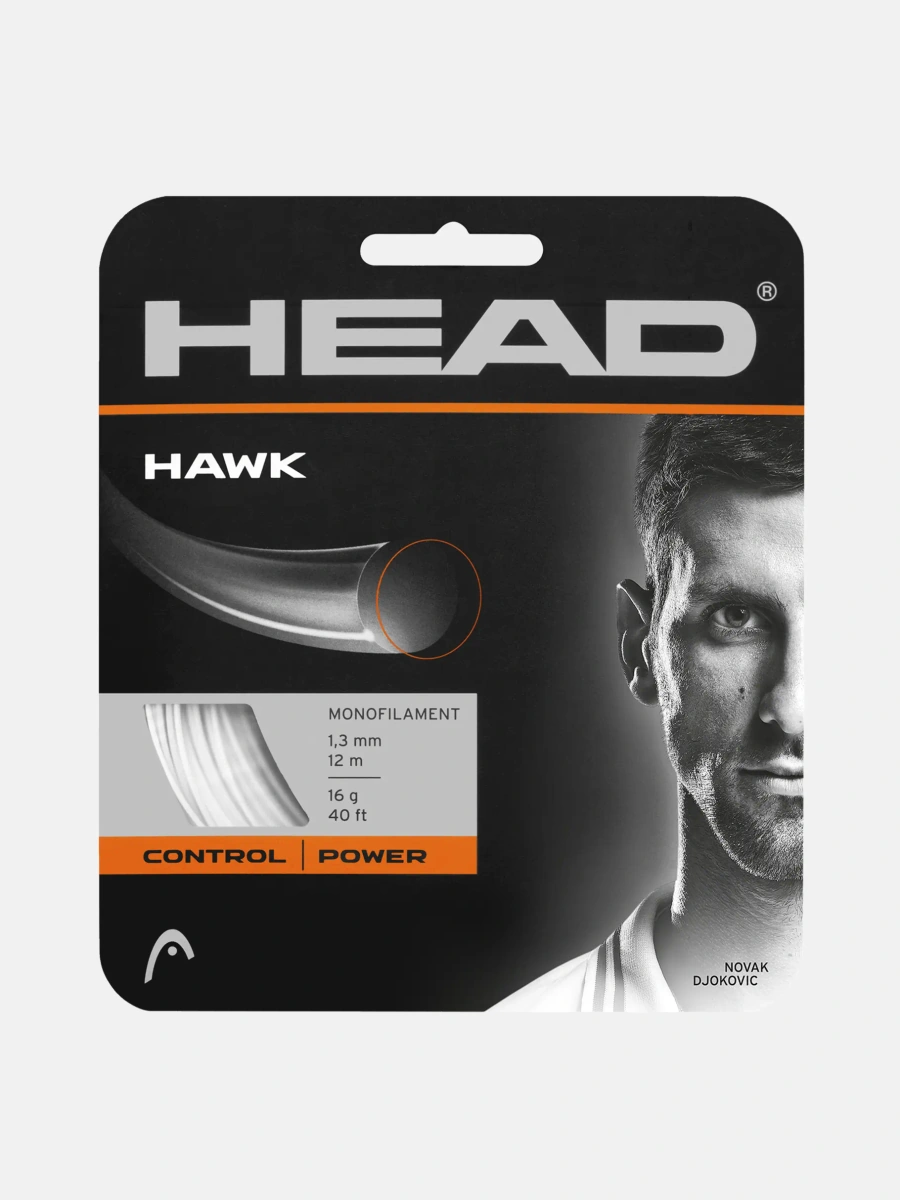
Tennis Warehouse lists Hawk Power as a co-polyester monofilament made in the USA, and its editorial review describes a round profile. This is Hawk Power, a distinct product from Hawk or Hawk Touch. Retailer pages identify both 17/1.25 mm and 16/1.30 mm versions.
The laboratory observation discussed here is Head Hawk Power 17 (1.25), not the 1.30 mm version. The larger diameter is an available comparison option, but this selected dataset supplies no matched Hawk Power 1.30 observation. Product availability and laboratory coverage should be read separately.
Lower than Lynx Tour in this stiffness test does not quantify ball speed
At 51 lb reference tension with the Fast condition, Hawk Power 1.25 measures 203.5 lb/in against Lynx Tour 1.25's 217.7 lb/in, a difference of 14.2 lb/in. That is a useful starting point for a player comparing poly strings, but neither the name Power nor the stiffness difference states the outgoing speed of their ball.
Tennis Warehouse's testers describe responsiveness on slower strokes as well as control on full swings. Treat that as their experience to investigate: try a blocked return, a touch volley and a fully accelerated groundstroke. Your response also depends on the frame, tension and how the sensation changes your swing.
The 48.3% loss result makes the second hitting session important
The selected test reports 48.3% tension loss for Hawk Power 1.25 and 24.6% for Lynx Tour 1.25, a difference of 23.7 percentage points. This is a laboratory comparison under the selected conditions. It does not mean your racquet will lose exactly 48.3% overnight or provide half as many playable hours.
Repeat the same deep crosscourt and short return tasks after the setup has been used. Track whether balls begin flying longer, whether you shorten your swing to compensate, and whether the mains still return. The initial loss rate and later changes in friction are different reasons for a setup to feel different over time.
A round profile can still support string movement and spin
Hawk Power's published spin-potential value is 7.5 in the selected table, compared with Lynx Tour's 7.1. The round-versus-shaped distinction therefore cannot be used as a shortcut to rank these particular laboratory values. Nor does the small numerical gap establish a personal spin advantage.
TWU's friction research distinguishes grip on the ball from friction that resists strings moving across each other. Observe whether you can retain net clearance and depth with a normal swing. More upward launch, a sharper sensation and more ball rotation are related questions, but are not interchangeable measurements.
Choose it for a repeatable shot response, not only first-hit softness
If you are already comfortable using polyester and want to compare a less stiff sample, keep the frame and diameter fixed first. Record the tension and installation date, and change one setup variable at a time. The laboratory's 51 lb reference is a test condition, not a stringing instruction for every frame.
A useful decision is whether both the opening-session touch and later-session depth fit your needs. If you must repeatedly slow the swing to keep the same ball in, include that adaptation in the verdict. A positive feel on day one alone cannot establish the replacement interval or whether a whole reel is a sensible purchase.
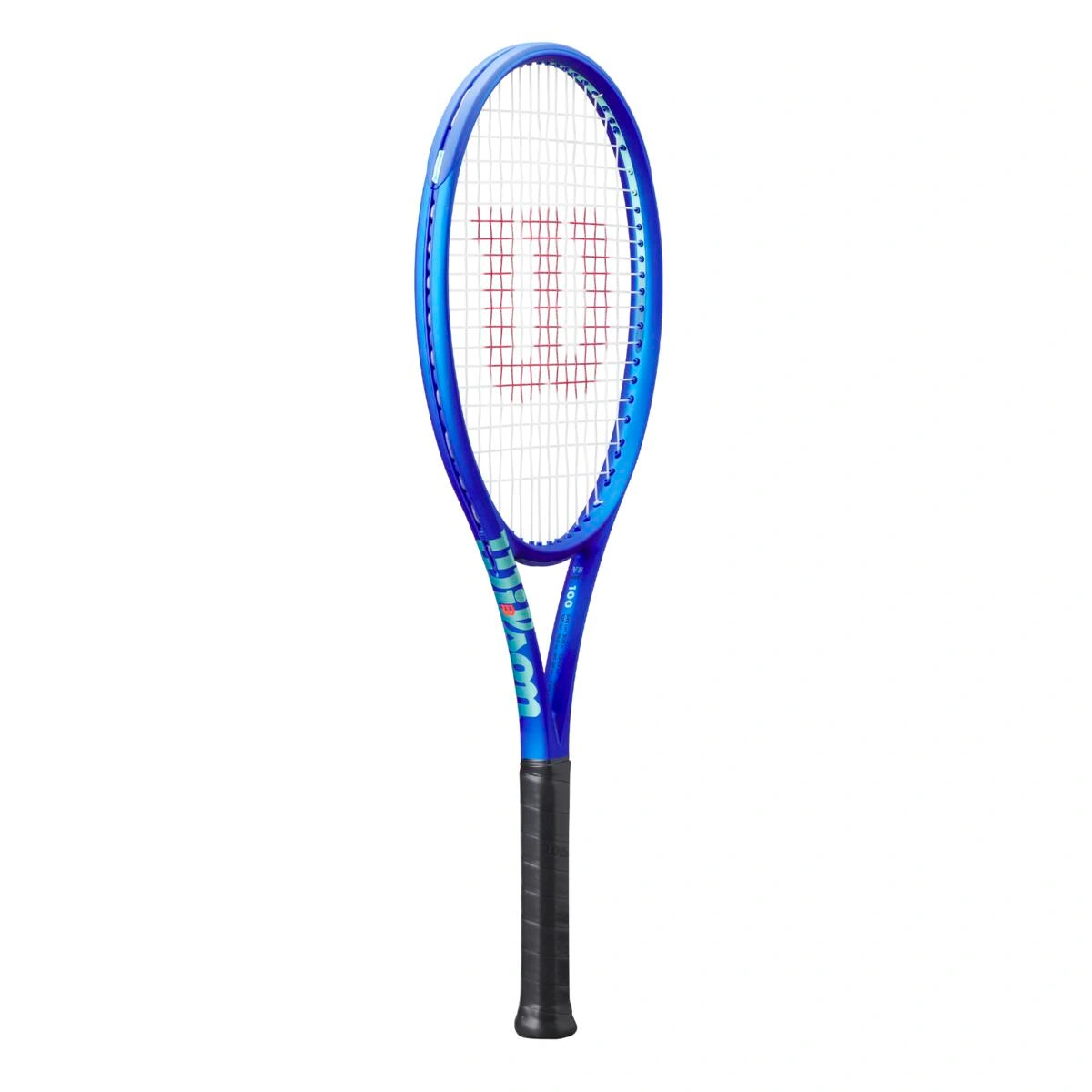
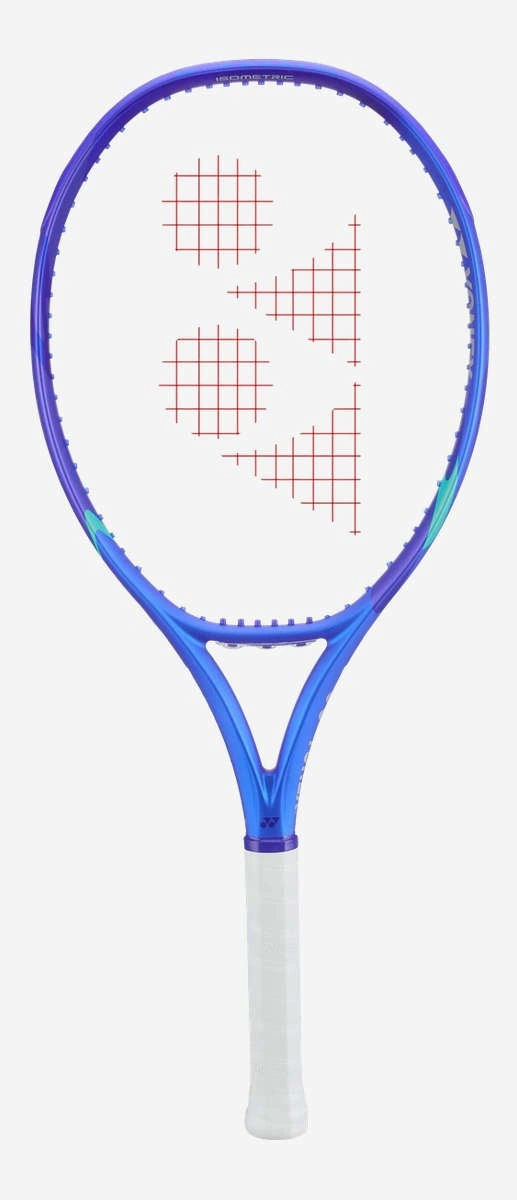
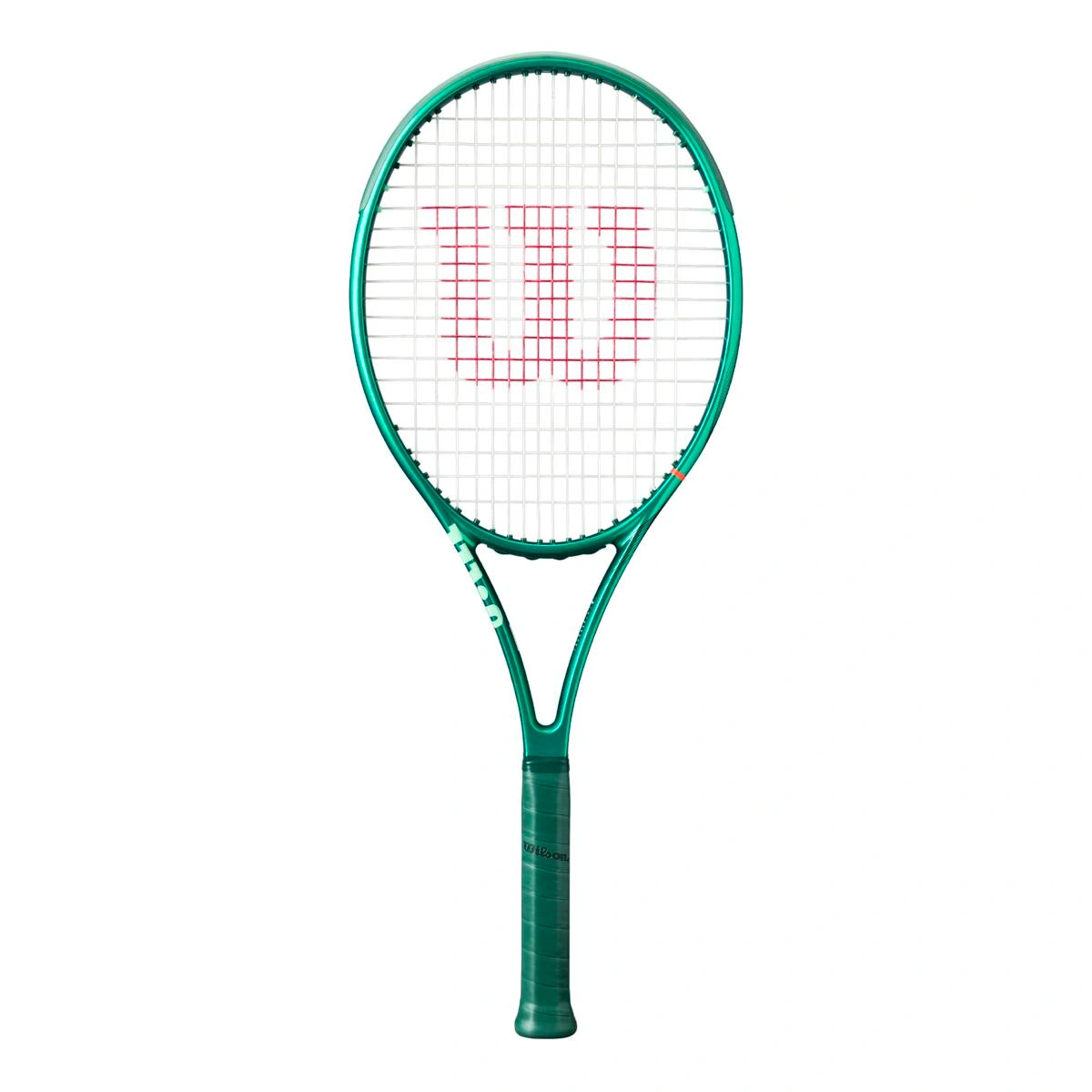
Racquets to compare
Numbers are suggested only when the maker publishes a tension range.
Reviewed sources
HEAD · View source ↗Similar strings
TENNIS TENSION LAB
Check your racquet’s tension today.
Get a high-precision tension reading in under 10 seconds. Tension Lab tracks changes from your first reading and helps you see when to restring.
- High-precision tension measurement. Ready in under 10 seconds.
- Track every change in feel. See the full story over time.
- Time to restring? Never leave it to guesswork.