HEAD · Current range
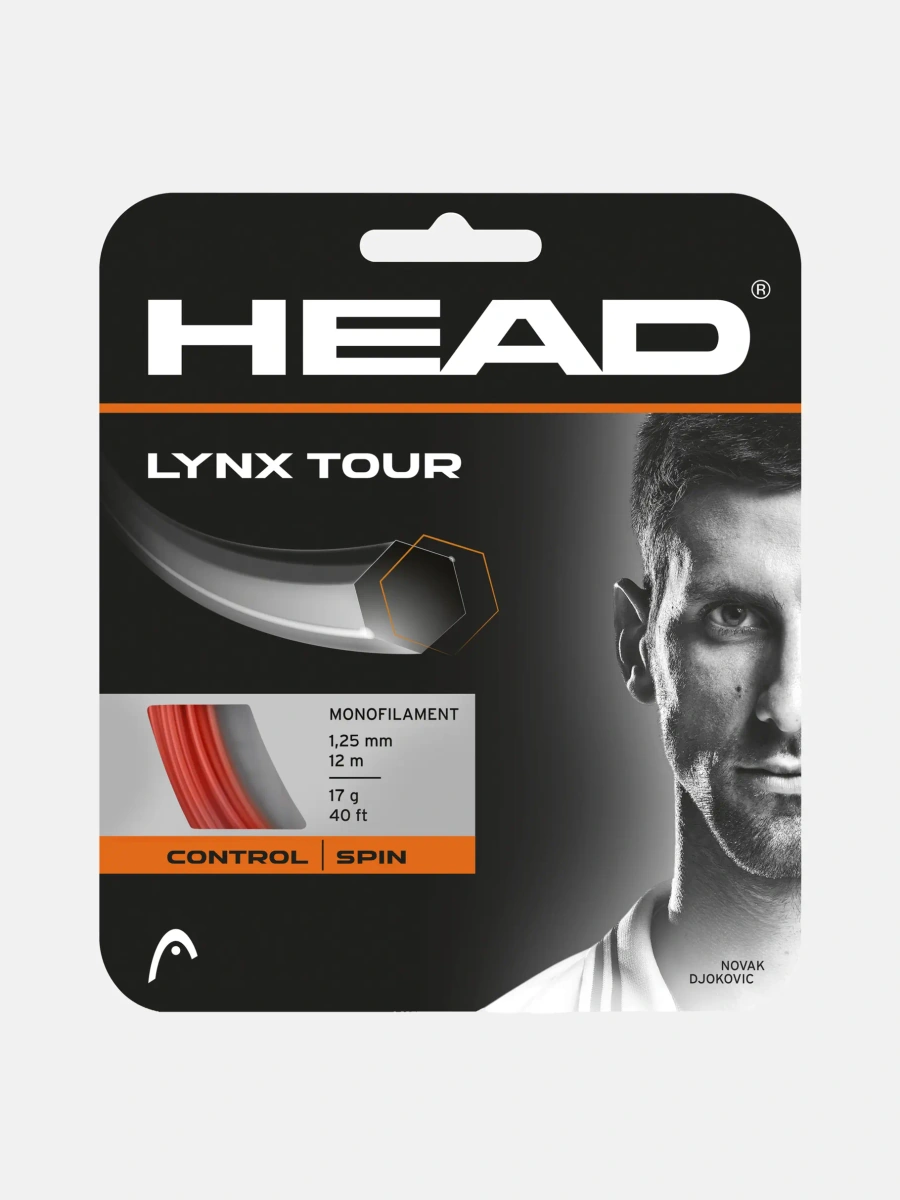
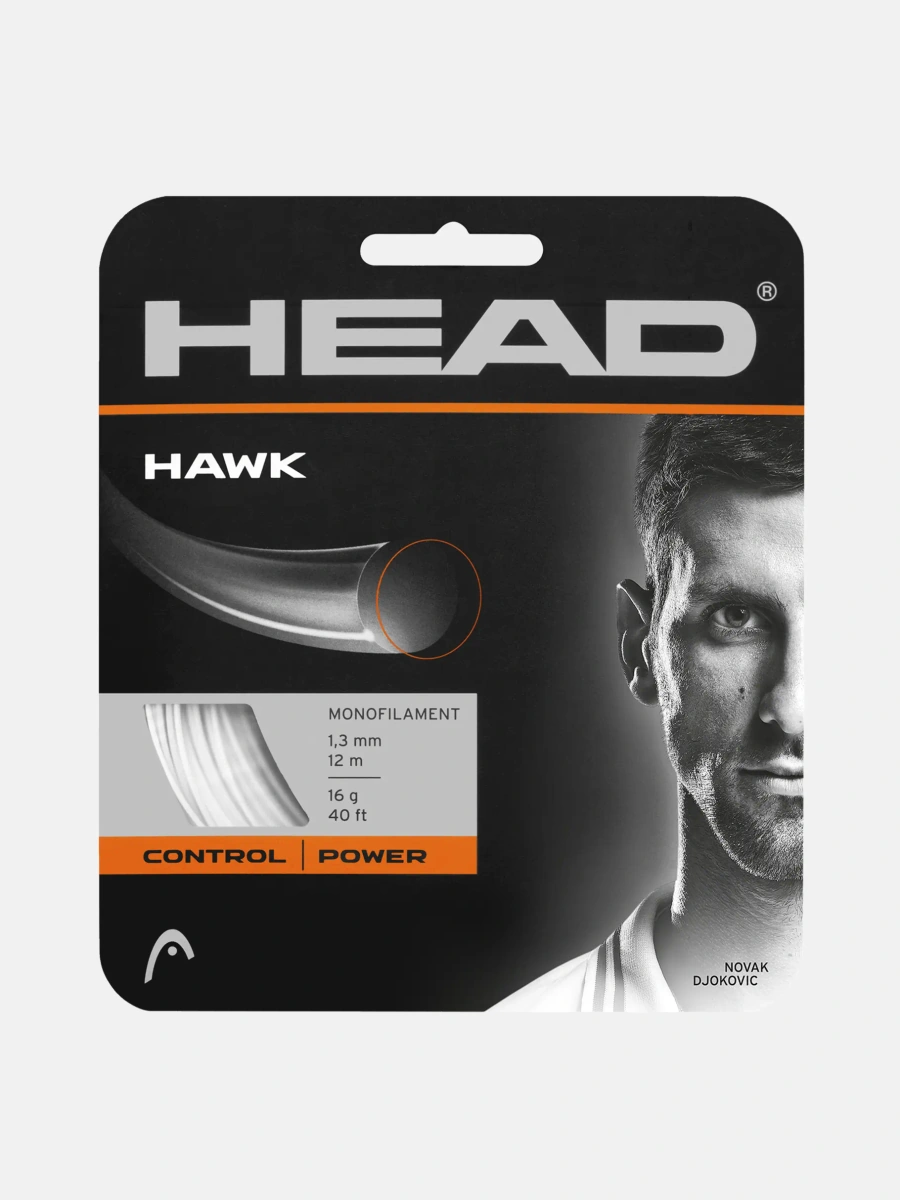
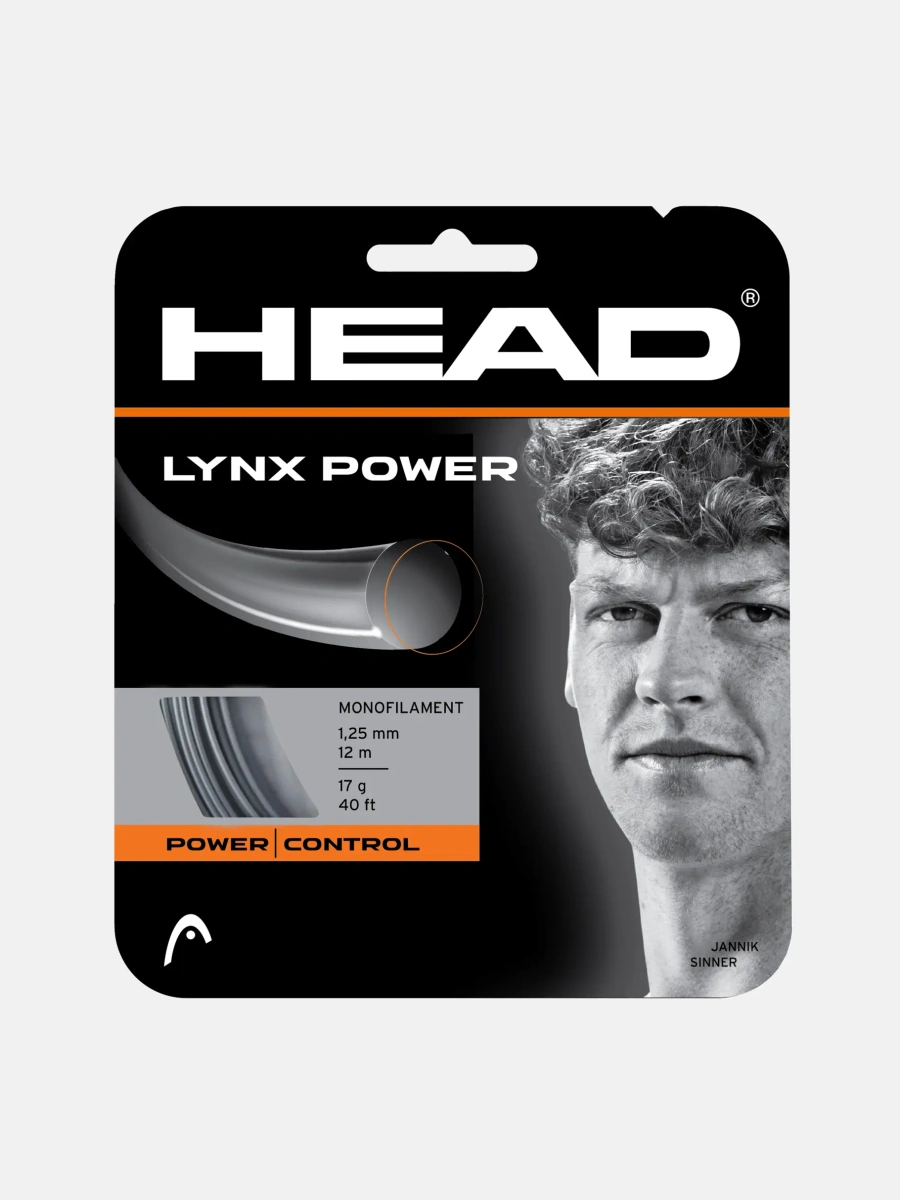
HEAD Lynx Tour
At 1.25 mm, TWU's 51 lb / Fast test lists Lynx Tour at 217.7 lb/in stiffness and 24.6% tension loss. Compare it with Hyper-G at the same diameter, then examine why the 1.30 mm version is a separate setup decision.
Product details
- Material
- Polyester
- Gauge
- 1.2 / 1.25 / 1.3 mm
- Construction
- monofilament
- String cross-section
- 6-sided (hexagonal)
- Surface features
- Not published by the manufacturer
- Surface treatment / coating
- Not published by the manufacturer
- Product status
- Current range
- Stock status
- Stock not verified
Laboratory measurements
Lower stiffness means less resistance to deformation in this test. Tension loss is measured under a laboratory protocol, not a prediction of playing hours. Spin potential is a friction-based ratio, not ball RPM.
| Tested sample | Stiffness lb/in | Tension loss % | Spin potential ratio |
|---|---|---|---|
| Head Lynx Tour 17 (1.25)Test conditions: 51 lb · Fast (TWU) | 217.7 | 24.6 | 7.1 |
| Head Lynx Tour 16 (1.30)Test conditions: 51 lb · Fast (TWU) | 228.6 | 30.5 | 6.1 |
The test tension is not a stringing recommendation. Compare the same gauge and test conditions; the racquet, stroke and stringing method also affect the result on court. On the source page, select All in the material filter to see results for every material.
Compare samples tested under the same conditions
Up to three products with nearby measured stiffness, matching diameter, material and test conditions. This is a data comparison, not a ranking of suitability.
| Tested sample | Stiffness lb/in | Tension loss % | Spin potential ratio |
|---|---|---|---|
| Head Lynx Tour 17 (1.25) | 217.7 | 24.6 | 7.1 |
| Grapplesnake Alpha 17 (1.25) | 218.3 | 29.4 | 6.7 |
| Solinco Hyper-G 16L (1.25) | 218.3 | 24.7 | 6.1 |
| Kirschbaum Black Shark 17 (1.25) | 216.6 | 38.4 | 5.8 |
Six sides describe the profile, not the whole response
Tennis Warehouse identifies Lynx Tour 17 as a 1.25 mm co-polyester monofilament with a six-sided profile. Its description emphasises controlled full swings and tension maintenance. The profile is a useful physical distinction, but counting edges does not establish the spin you will produce.
Ball-to-string contact and the mains sliding across the crosses are different interactions. A shaped surface can affect the first; friction between strings affects their movement and return. Evaluate depth and trajectory with your normal swing instead of treating a more pronounced bite sensation as a measurement of rotation.
Hyper-G 1.25 is a useful near-stiffness comparison
Under TWU's 51 lb reference tension and Fast condition, Head Lynx Tour 17 (1.25) records 217.7 lb/in stiffness, 24.6% tension loss and 7.1 spin potential. Solinco Hyper-G 16L (1.25) records 218.3 lb/in, 24.7% and 6.1 respectively. Match millimetres rather than the 17/16L labels across brands.
The stiffness and loss values are close in this published comparison; their tiny differences do not establish a meaningful advantage without repeatability information. The different spin-potential values offer another comparison dimension, but are neither on-court RPM nor a promise that your shot will spin proportionally more. Compare both strings freshly installed in the same frame model.
The thicker sample was stiffer, but did not lose less tension
The same selected TWU table lists Lynx Tour 16 (1.30) at 228.6 lb/in, 30.5% tension loss and 6.1 spin potential. Against its 1.25 mm sample, stiffness rises by 10.9 lb/in and loss by 5.9 percentage points. These observations do not support assuming that the thicker option always retains tension better.
Choose a gauge trial around your actual problem: repeated breakage, an unwanted launch response or the effort needed for depth. Changing gauge alters the stringbed as well as the amount of material. These results do not measure hours until breakage, and the table used here provides no 1.20 mm Lynx Tour observation to fill in by extrapolation.
51 lb is the laboratory setting, not your prescribed tension
The 51 lb label makes these laboratory rows comparable; it is not a universal recommendation for Lynx Tour. Head size, string pattern, material and your existing setup all affect the practical choice. Within your frame's stringing guidance, begin from a familiar setup before changing both gauge and tension.
Use two tasks: a committed crosscourt drive to a deep target, followed by a compact return with little preparation time. If full swings stay in but shorter swings repeatedly land shallow, record that trade-off. Asking only whether the string feels controlled can hide the effort needed to keep defensive depth.
Tension maintenance and playable life answer different questions
A 24.6% laboratory loss result cannot tell you to replace the string after a particular number of hours. TWU's work on ageing strings considers tension change alongside friction and notching. A string that remains unbroken may still develop a different launch or movement response.
Record total hitting time, depth under pressure and whether displaced mains return normally. For a hybrid, record both strings and which occupies the mains; the single-string table does not measure that complete pairing. Repeat your depth test as the setup ages, rather than keeping it solely because it has not snapped.
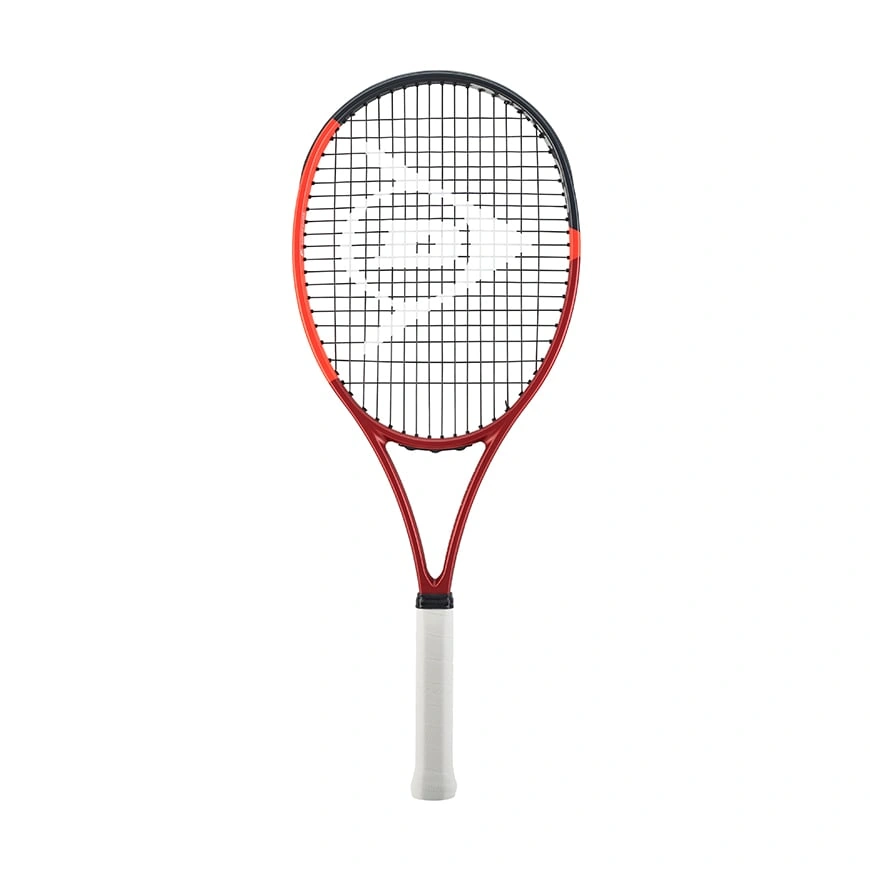
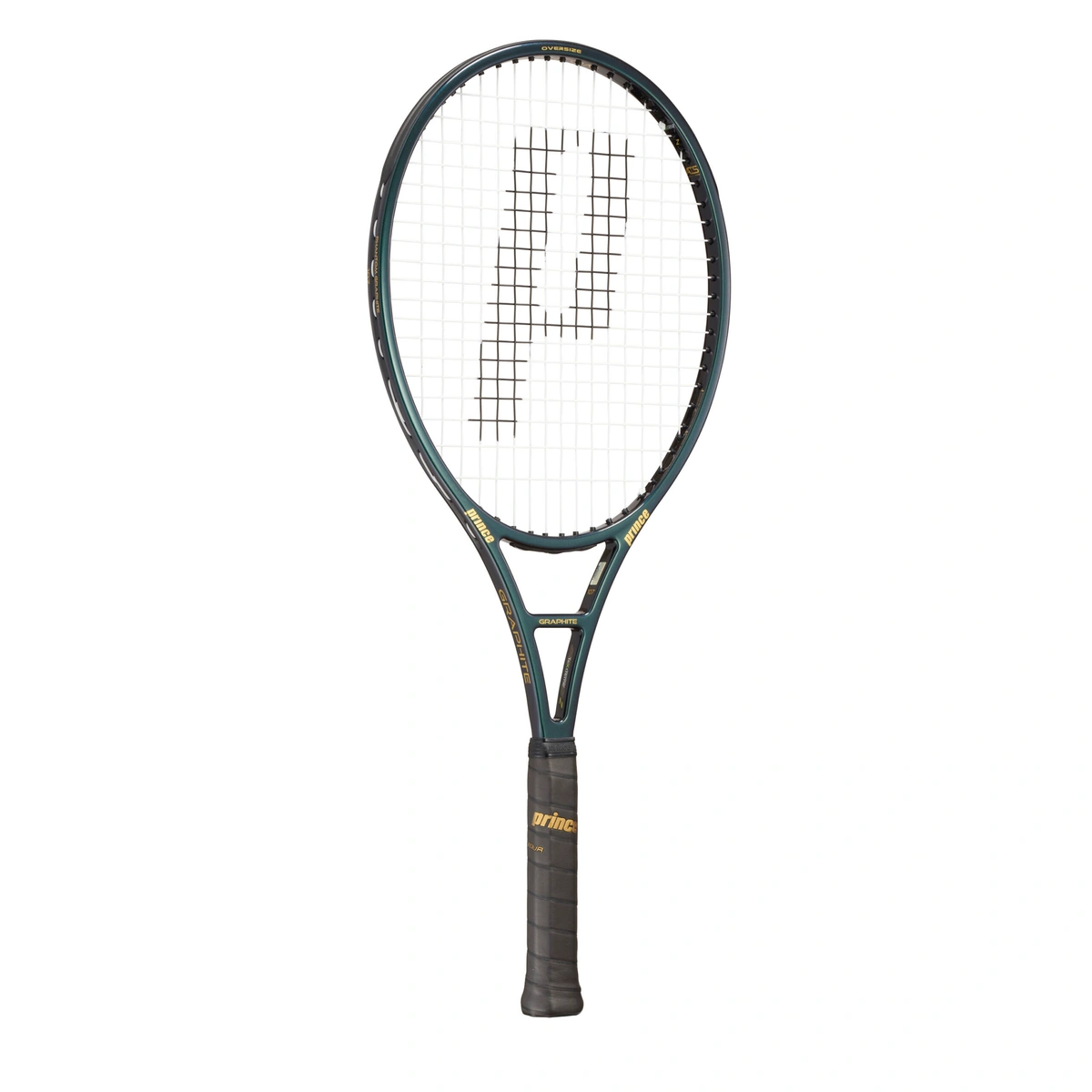
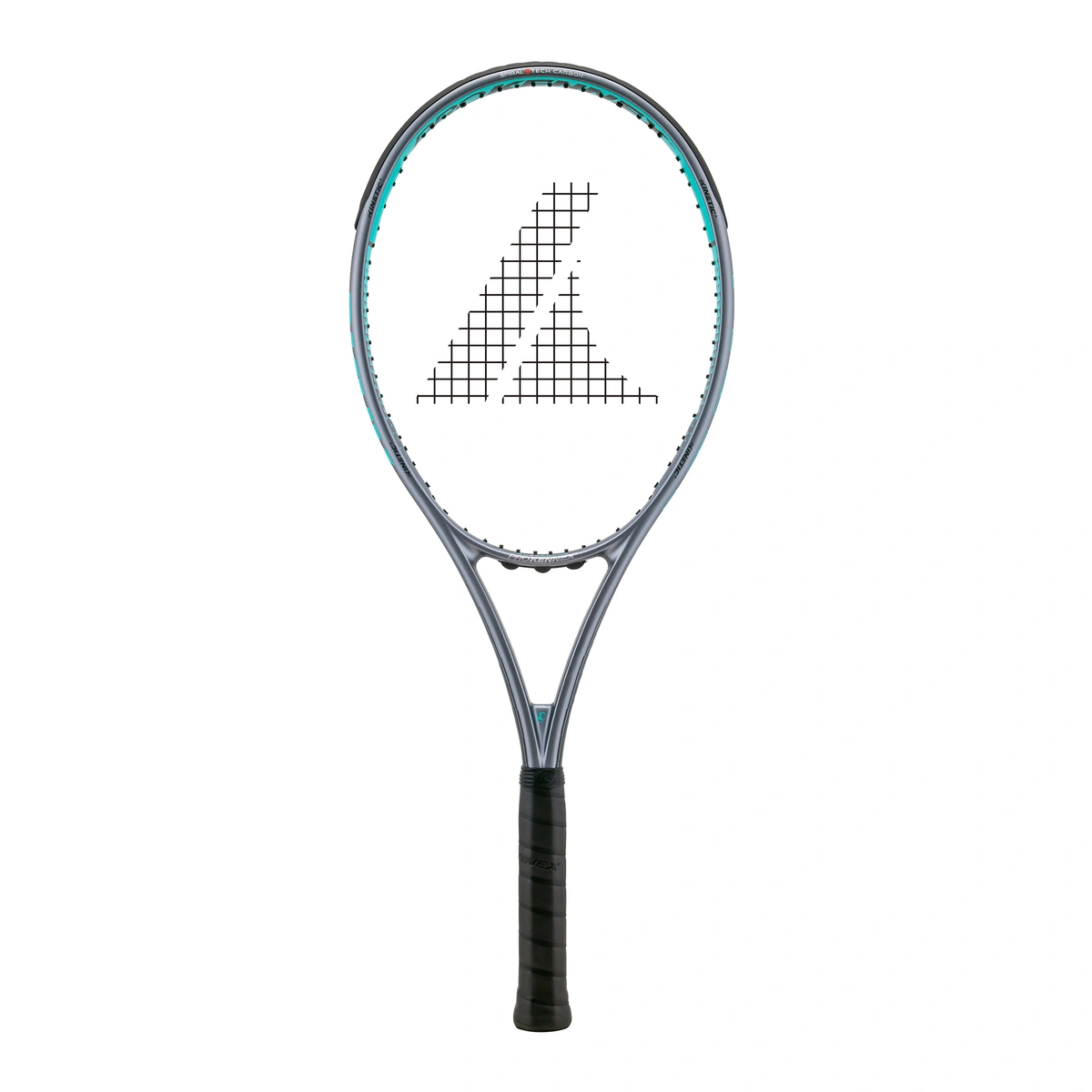
Racquets to compare
Numbers are suggested only when the maker publishes a tension range.
Reviewed sources
HEAD · View source ↗Similar strings
TENNIS TENSION LAB
Check your racquet’s tension today.
Get a high-precision tension reading in under 10 seconds. Tension Lab tracks changes from your first reading and helps you see when to restring.
- High-precision tension measurement. Ready in under 10 seconds.
- Track every change in feel. See the full story over time.
- Time to restring? Never leave it to guesswork.