Yonex · Current range
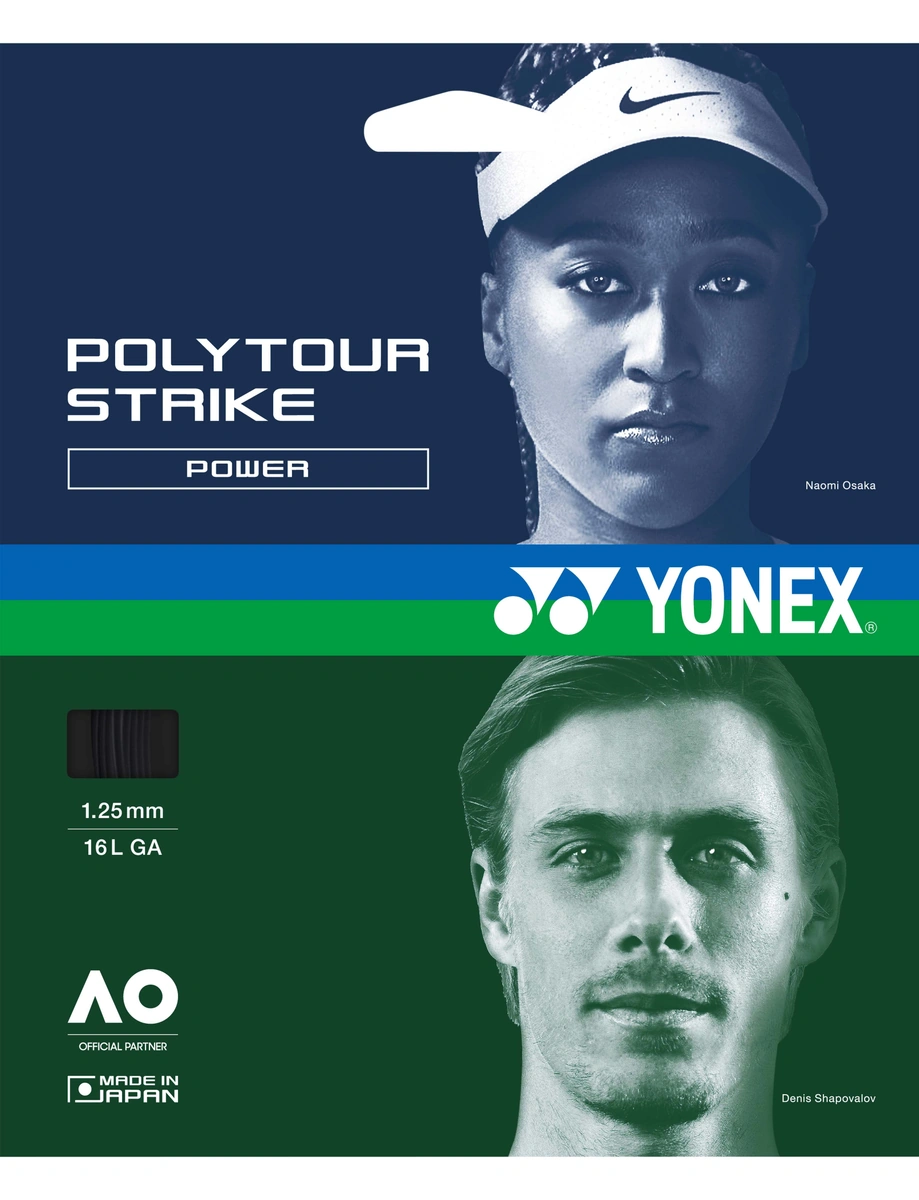
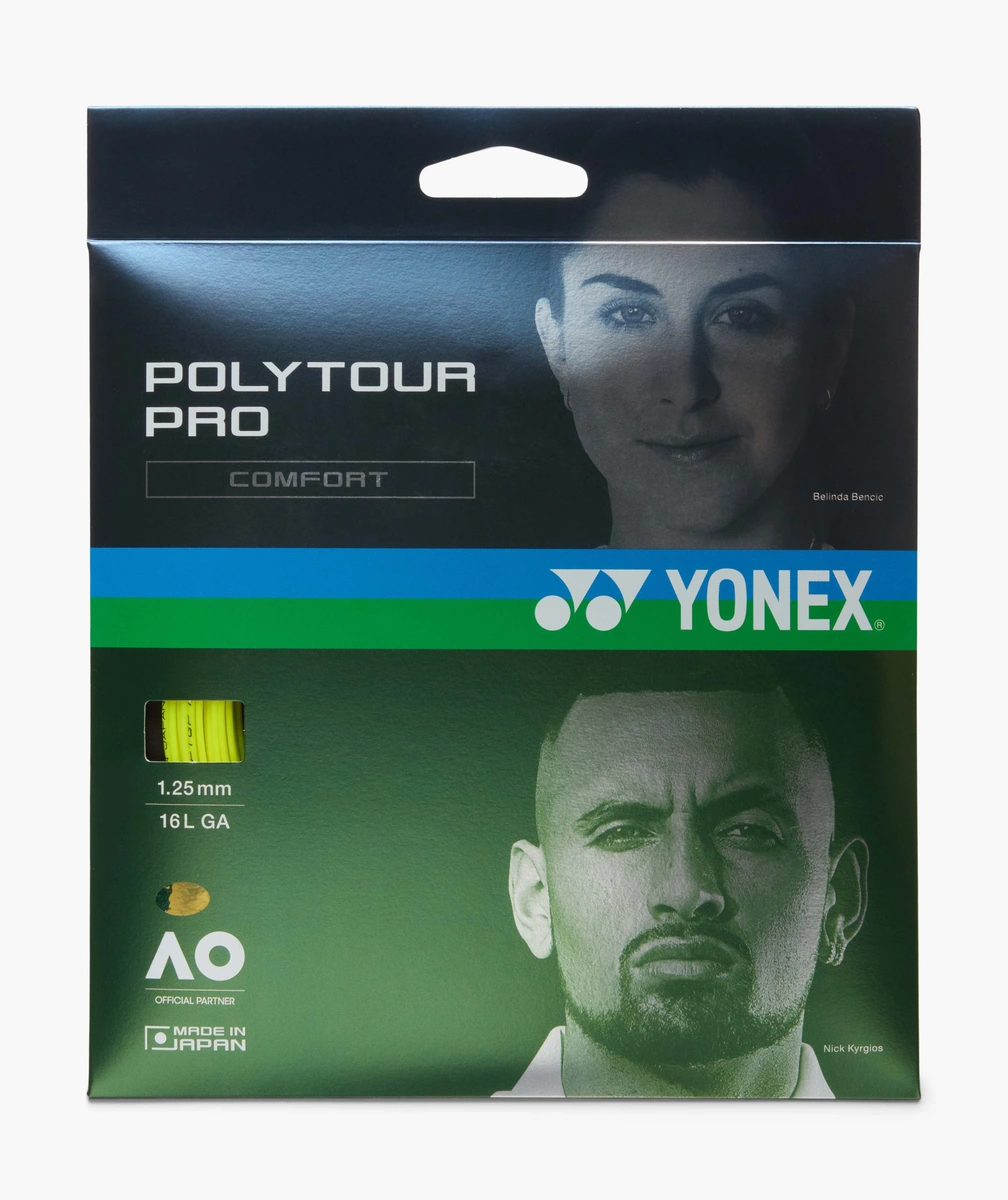
Yonex POLYTOUR STRIKE
Yonex positions STRIKE around sustained response for medium-to-fast swings. TWU's 1.25 mm sample records 199.5 lb/in stiffness, 27.9% tension loss and 4.6 spin potential. Compare those dimensions separately with REV and Lynx Tour.
Product details
- Material
- Polyester
- Gauge
- 1.2 / 1.25 / 1.3 mm
- Construction
- monofilament
- String cross-section
- Not published by the manufacturer
- Surface features
- Not published by the manufacturer
- Surface treatment / coating
- Not published by the manufacturer
- Product status
- Current range
- Stock status
- Stock not verified
Laboratory measurements
Lower stiffness means less resistance to deformation in this test. Tension loss is measured under a laboratory protocol, not a prediction of playing hours. Spin potential is a friction-based ratio, not ball RPM.
| Tested sample | Stiffness lb/in | Tension loss % | Spin potential ratio |
|---|---|---|---|
| Yonex Poly Tour Strike 16L (1.25)Test conditions: 51 lb · Fast (TWU) | 199.5 | 27.9 | 4.6 |
The test tension is not a stringing recommendation. Compare the same gauge and test conditions; the racquet, stroke and stringing method also affect the result on court. On the source page, select All in the material filter to see results for every material.
Compare samples tested under the same conditions
Up to three products with nearby measured stiffness, matching diameter, material and test conditions. This is a data comparison, not a ranking of suitability.
| Tested sample | Stiffness lb/in | Tension loss % | Spin potential ratio |
|---|---|---|---|
| Yonex Poly Tour Strike 16L (1.25) | 199.5 | 27.9 | 4.6 |
| Luxilon Adrenaline 16L/1.25 | 202.9 | 44.3 | 3.5 |
| Head Hawk Power 17 (1.25) | 203.5 | 48.3 | 7.5 |
| Luxilon ECO Power 17 (1.25) | 194.9 | 34.5 | 8.3 |
Start with the 125 monofilament and the claim being evaluated
Yonex lists POLYTOUR STRIKE 125 as a polyester monofilament, 16L/1.25 mm and 12 m per set. Its product description targets medium-to-fast swings and long-lasting tension maintenance. That positions the product; the laboratory data and your own repeated shots are the next pieces of evidence.
Do not transfer another POLYTOUR model's profile or response just because the names share a family. REV's official octagonal description is specific to REV. For STRIKE, the comparison here rests on the confirmed monofilament identity and its exact 1.25 mm test sample.
27.9% loss is lower than REV's result, not zero loss
At TWU's 51 lb reference tension and Fast condition, Yonex Poly Tour Strike 16L (1.25) records 199.5 lb/in stiffness and 27.9% tension loss. REV 1.25 records 193.2 lb/in and 34.4% loss. STRIKE is 6.3 lb/in stiffer and loses 6.5 percentage points less in this selection.
A lower loss result supports a relative comparison within this test; it does not establish an exact number of stable playing hours. TWU distinguishes tension changes with time and impact from an individual's perception. Keep installation date and hitting time when comparing your first and later sessions.
A 4.6 spin-potential value does not diagnose a lack of topspin
The table's STRIKE 1.25 spin-potential value is 4.6, against REV 1.25's 7.2. These are laboratory indicators rather than court RPM. They cannot tell you how much rotation remains after changing swing speed, path, frame or string tension.
Try to send a normal rally ball through your usual net-clearance window into a deep target. Then redirect down the line without adding unnecessary lift. If direction and depth repeat well, those are useful personal findings even when another sample has a higher laboratory indicator.
Lynx Tour offers a different stiffness-versus-loss comparison
Head Lynx Tour 17 (1.25) measures 217.7 lb/in stiffness and 24.6% loss in the same selection. STRIKE is 18.2 lb/in lower in stiffness, while its loss is 3.3 percentage points higher. A product can therefore be less stiff in this test without retaining more tension than every alternative.
Use this comparison when you want to investigate a less stiff poly sample while still following response over time. Keep the millimetre gauge fixed: HEAD's 17 label and Yonex's 16L label both identify 1.25 mm here. A change of brand label is not necessarily a change of diameter.
Judge sustained response with the same demanding shots
Choose two repeatable tasks: a full forehand to a deep target and a compact reply to an incoming deep ball. Repeat them after comparable hitting time. Record whether you adjust swing length, face angle or effort to preserve the landing zone; that adaptation is part of the result.
Change material, gauge or reference tension one at a time within the frame's guidance. The laboratory's 51 lb condition is not a universal recommendation, and a loss percentage does not specify when a string becomes unplayable. A consistent personal log is more useful for that decision than a product name or a single good session.
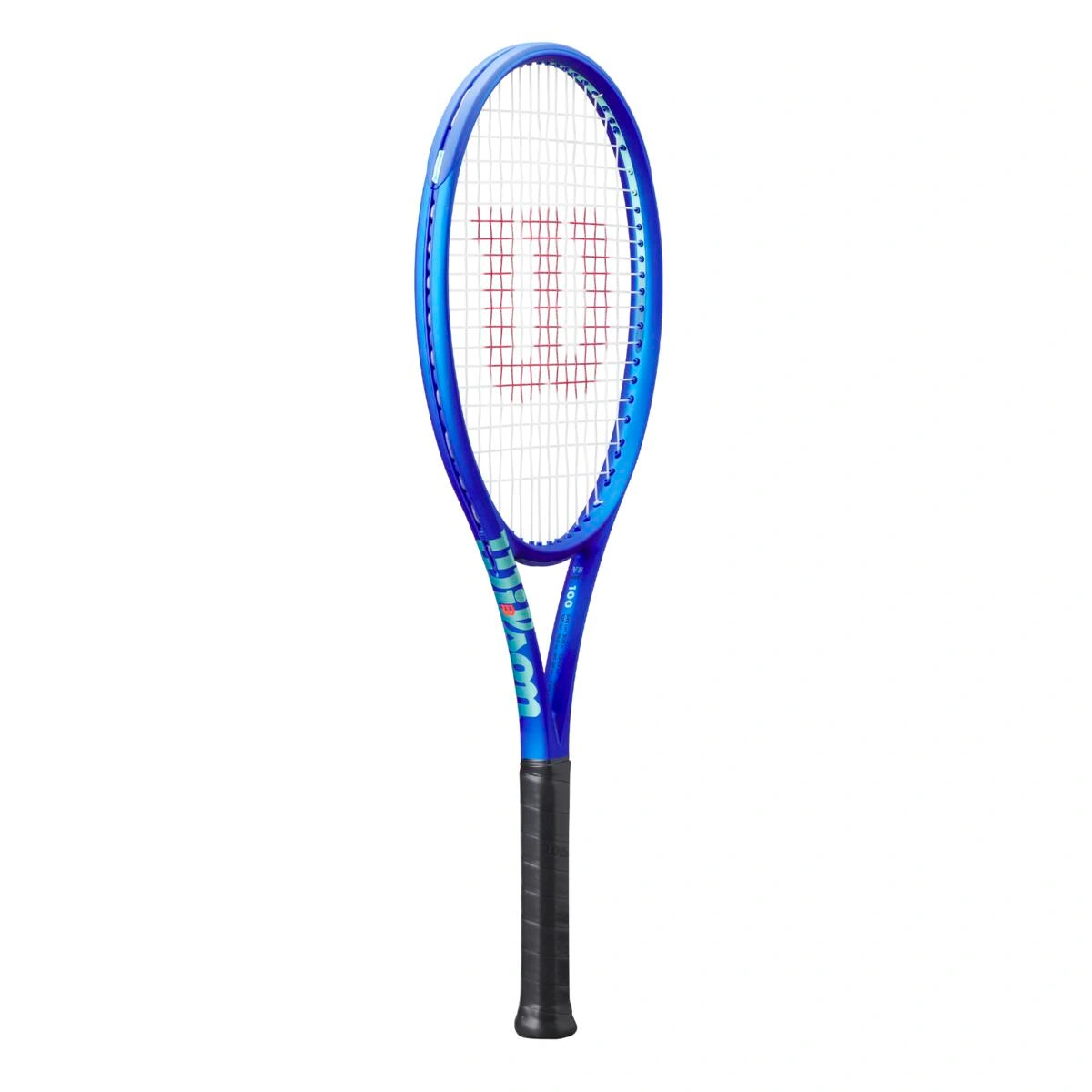
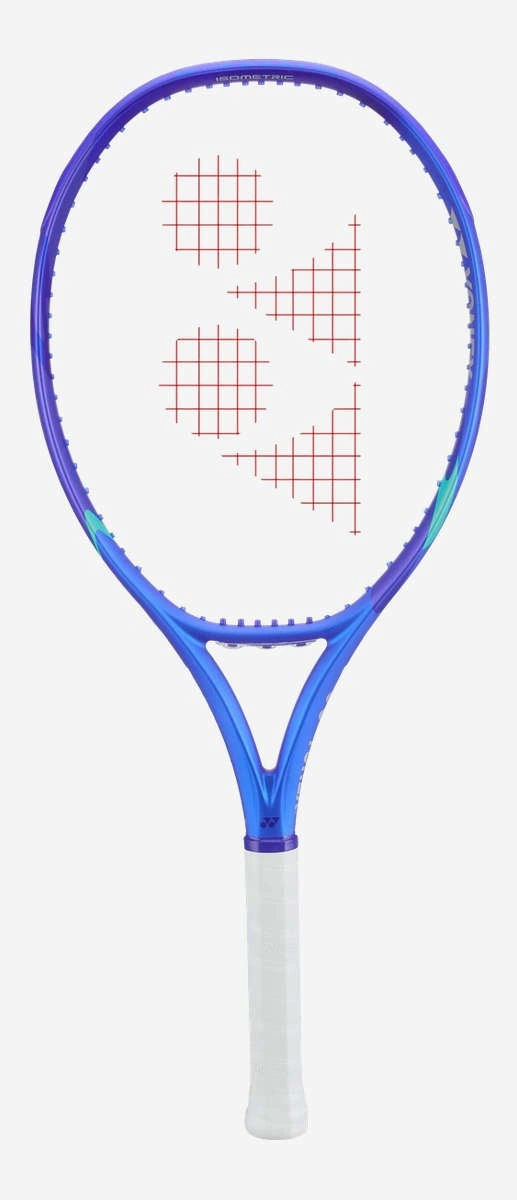
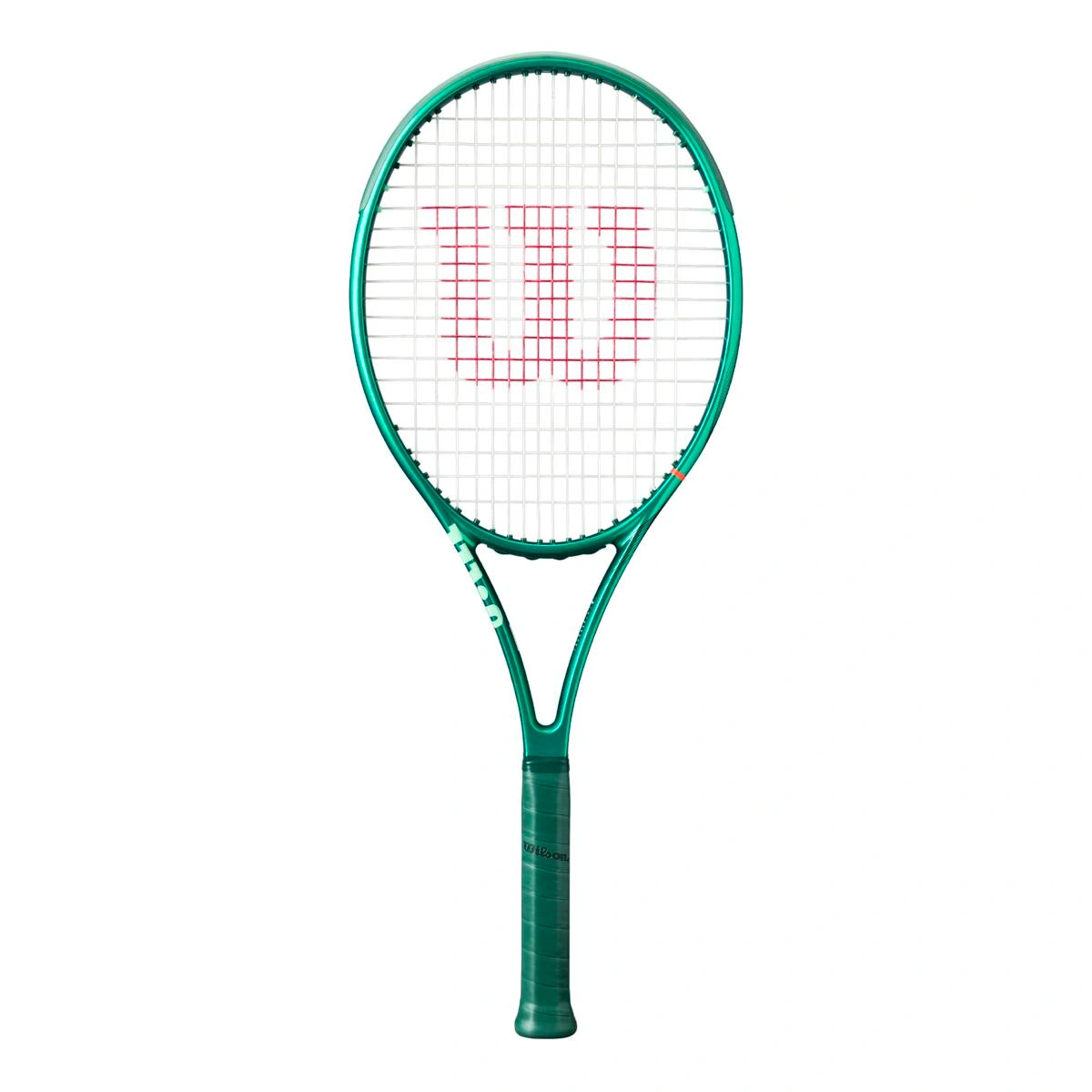
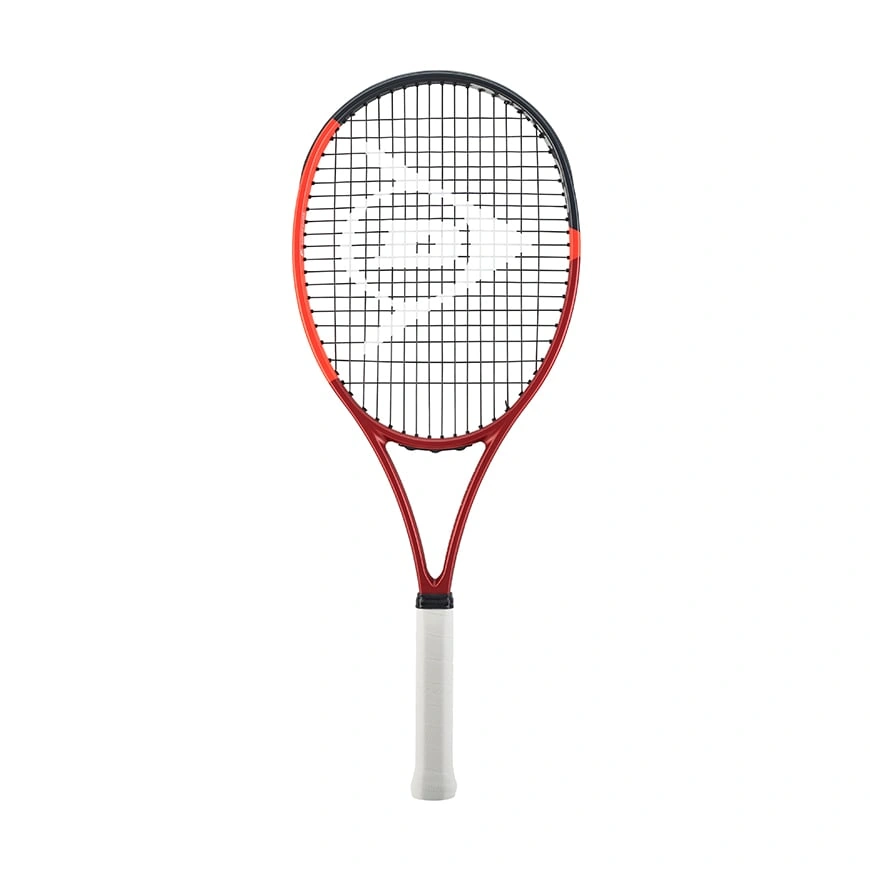
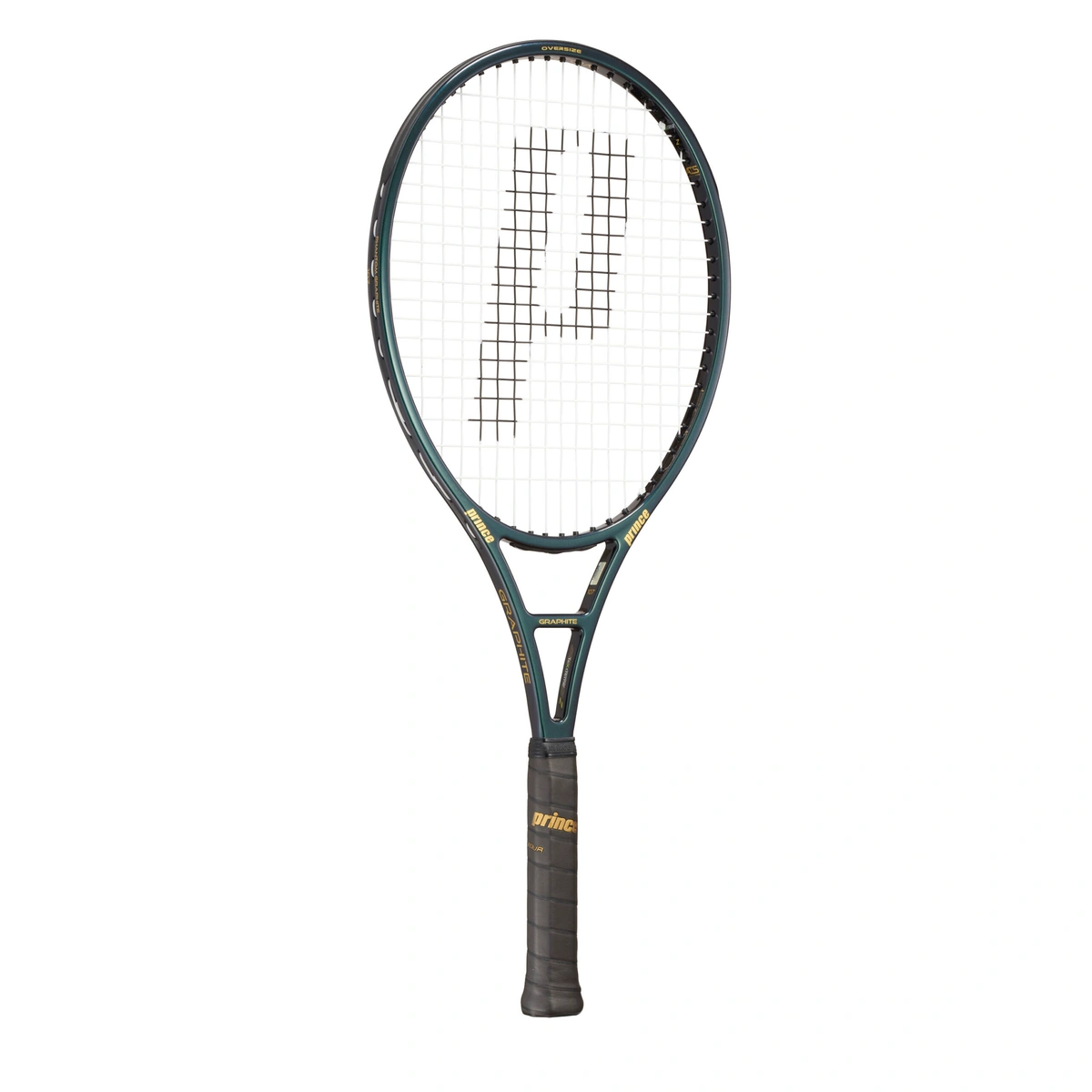
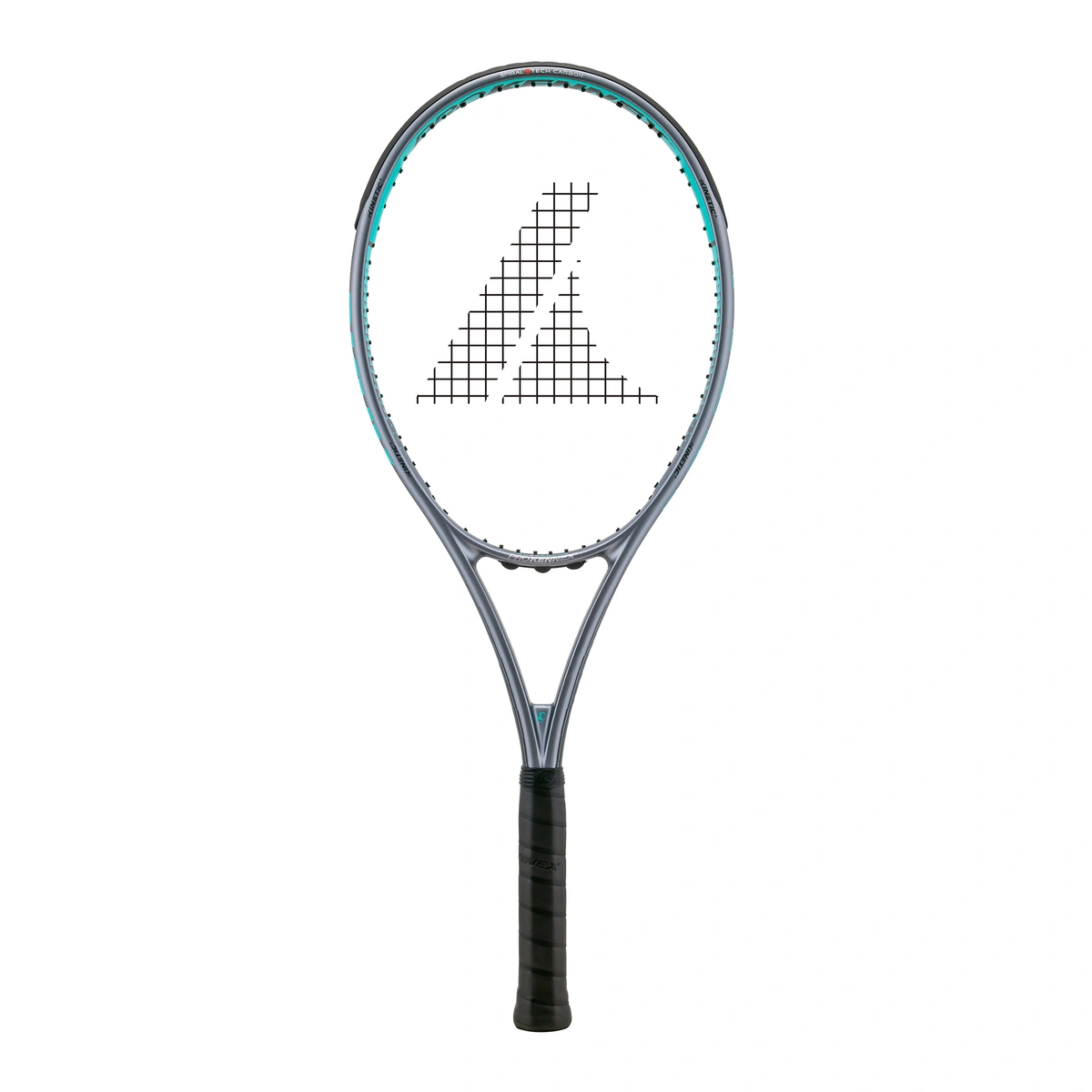
Racquets to compare
Numbers are suggested only when the maker publishes a tension range.
Reviewed sources
Yonex · View source ↗Similar strings
TENNIS TENSION LAB
Check your racquet’s tension today.
Get a high-precision tension reading in under 10 seconds. Tension Lab tracks changes from your first reading and helps you see when to restring.
- High-precision tension measurement. Ready in under 10 seconds.
- Track every change in feel. See the full story over time.
- Time to restring? Never leave it to guesswork.