Luxilon · Current range
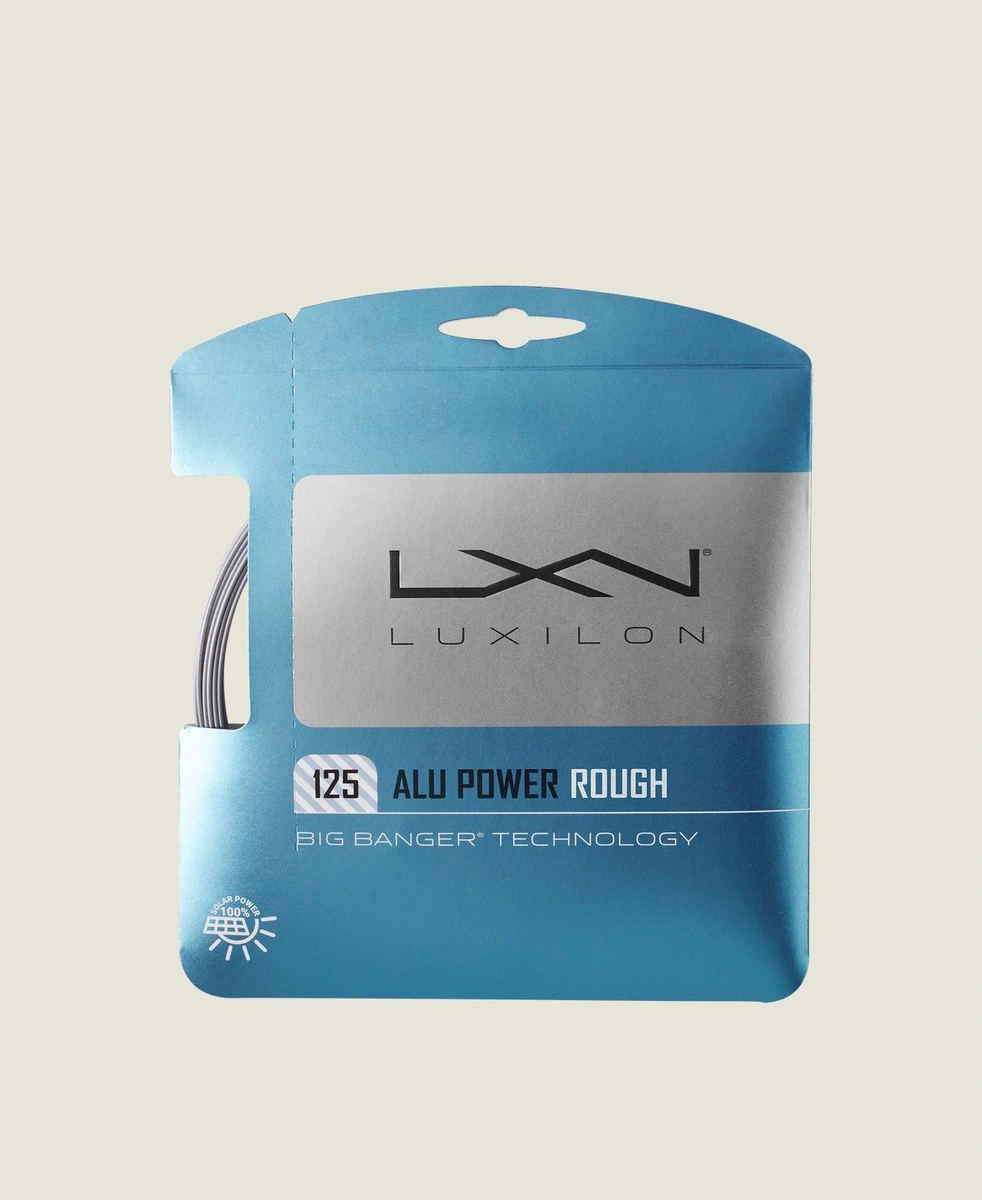
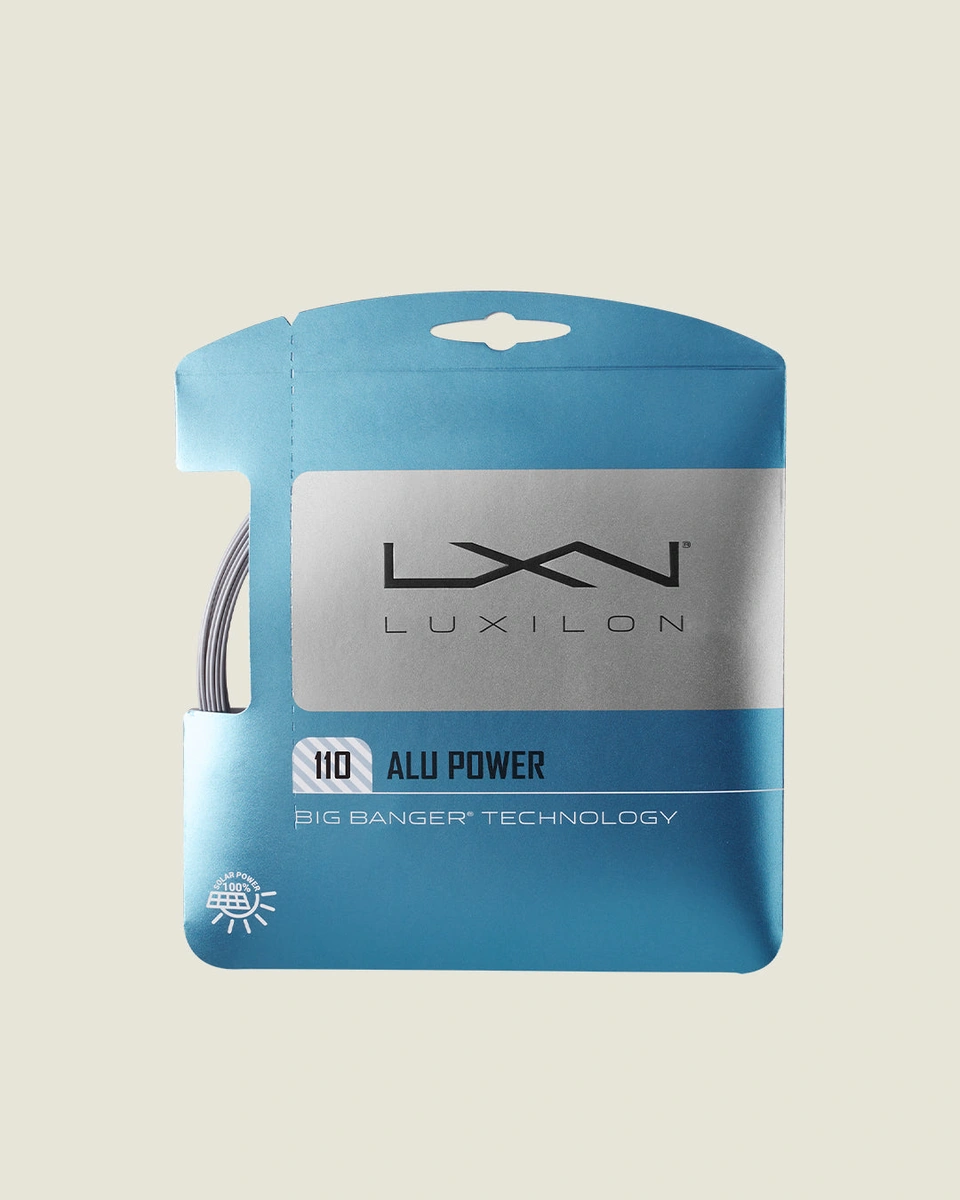
Luxilon ALU Power Rough
TWU’s ALU Power Rough 1.25 mm sample records 209.2 lb/in stiffness, 39.6% tension loss and a 6.5 spin-potential ratio. Understanding its texture and checking how its useful response lasts are separate tasks.
Product details
- Material
- Polyester
- Gauge
- 1.25 / 1.3 mm
- Construction
- monofilament
- String cross-section
- Not published by the manufacturer
- Surface features
- Textured
- Surface treatment / coating
- Not published by the manufacturer
- Product status
- Current range
- Stock status
- Stock not verified
Laboratory measurements
Lower stiffness means less resistance to deformation in this test. Tension loss is measured under a laboratory protocol, not a prediction of playing hours. Spin potential is a friction-based ratio, not ball RPM.
| Tested sample | Stiffness lb/in | Tension loss % | Spin potential ratio |
|---|---|---|---|
| Luxilon ALU Power Rough 16L (1.25)Test conditions: 51 lb · Fast (TWU) | 209.2 | 39.6 | 6.5 |
The test tension is not a stringing recommendation. Compare the same gauge and test conditions; the racquet, stroke and stringing method also affect the result on court. On the source page, select All in the material filter to see results for every material.
Compare samples tested under the same conditions
Up to three products with nearby measured stiffness, matching diameter, material and test conditions. This is a data comparison, not a ranking of suitability.
| Tested sample | Stiffness lb/in | Tension loss % | Spin potential ratio |
|---|---|---|---|
| Luxilon ALU Power Rough 16L (1.25) | 209.2 | 39.6 | 6.5 |
| Grapplesnake Tour M8 17 (1.25) | 210.3 | 34.3 | 8.2 |
| Kirschbaum Competition 17 (1.25) | 210.3 | 47.5 | 4.5 |
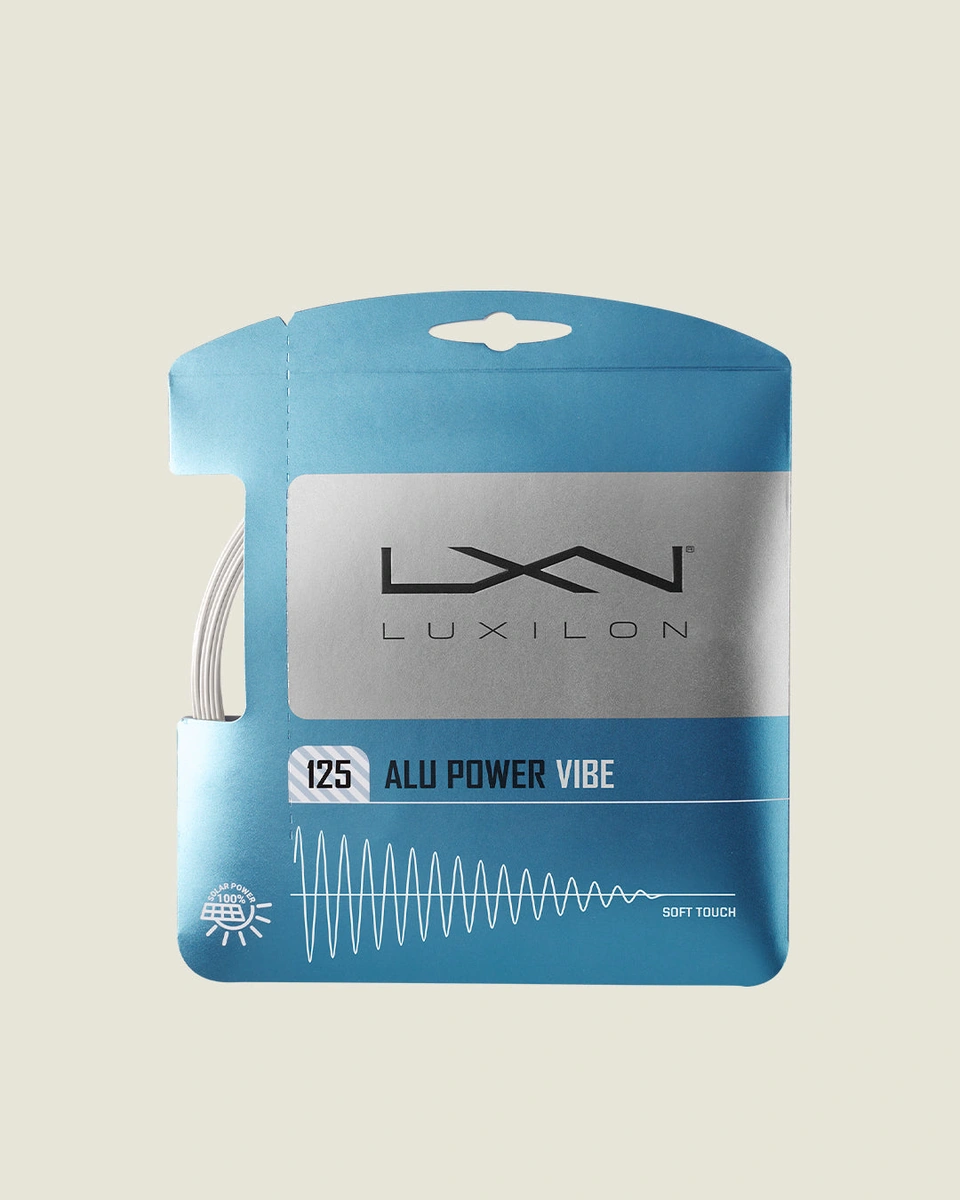
| Luxilon Alu Power Vibe 16 (1.25) | 208 | 34.3 | 5 |
What Rough changes and what the test measures
Wilson Japan describes the model as adding surface texture to ALU Power and specifies 1.25 mm. Texture is construction information; friction and string movement provide further evidence about its effects.
The 6.5 spin-potential ratio belongs to this sample at 51 lb and Fast speed. It is not playing RPM or a skill score, and the Rough name does not establish greater spin than every alternative.
A same-gauge comparison with Hyper-G
Hyper-G 1.25 under the same conditions records 218.3 lb/in, 24.7% loss and a 6.1 ratio. Rough is 9.1 lb/in less stiff but loses 14.9 percentage points more tension. Initial response and maintenance need separate attention.
The ratio difference cannot establish actual playing RPM. Whether a less-firm test response or changes in depth after use are more relevant depends on the problem you want to address.
The missing details in a professional-use example
A model name alone cannot establish main–cross placement, both gauges, reference tensions at that time or the customised frame. The partner string also changes the contacts in a hybrid.
For your own comparison, document the arrangement and inspect main-string return and intersection wear. Reproducing a known setup is more useful than sharing only a professional’s model name.
Find where the initial response changes
Separate launch, depth and main-string movement when fresh and after use. Friction and tension changes can alter response before a string breaks.
The 39.6% loss is not a fixed lifespan. A reason to choose Rough again is whether the appealing initial response also lets you repeat the required length under your actual usage conditions.
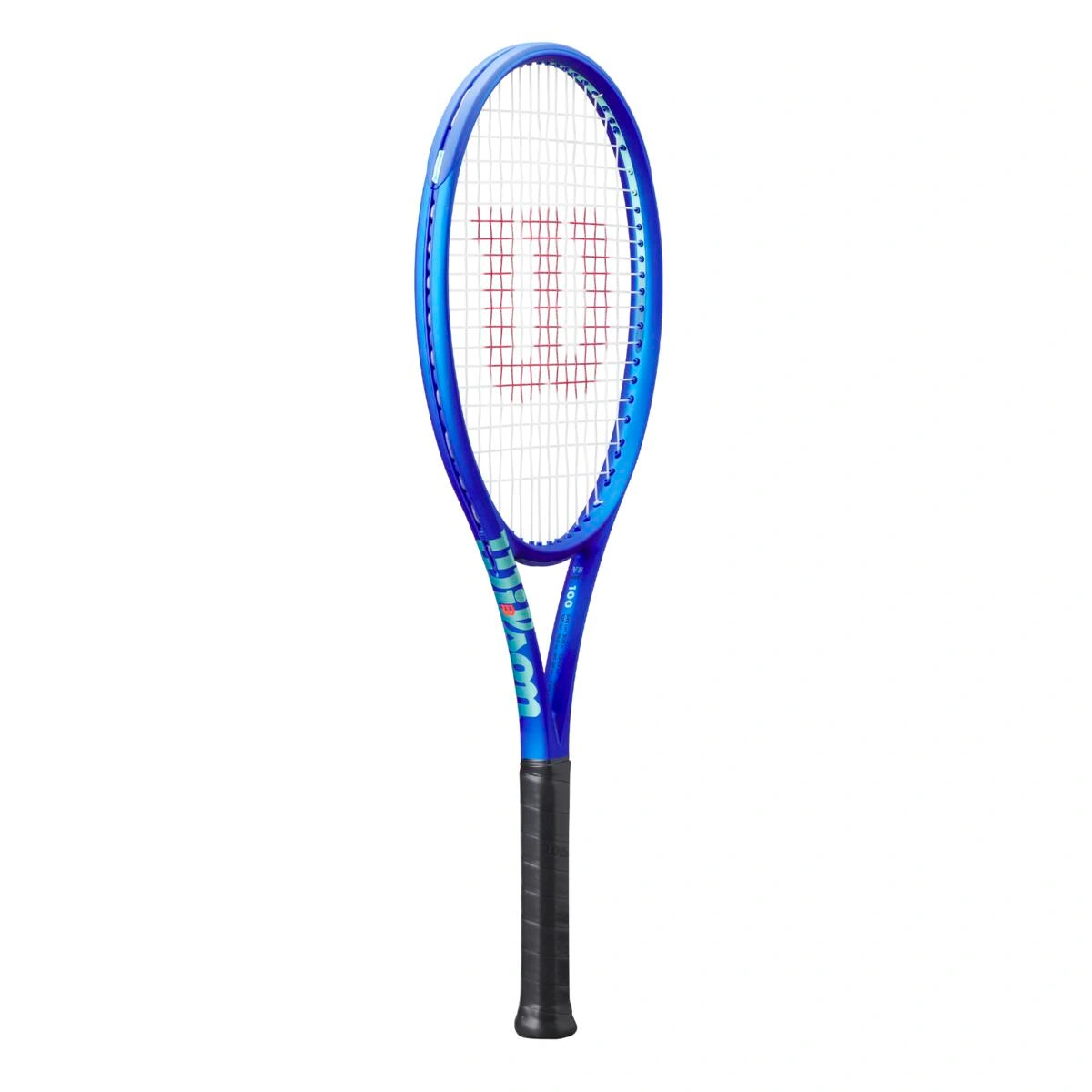
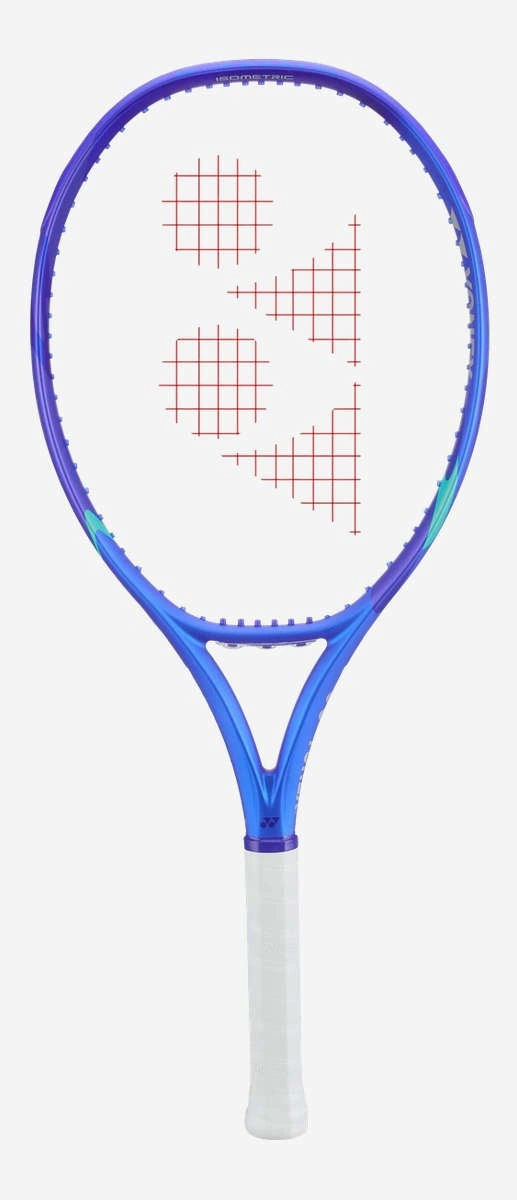
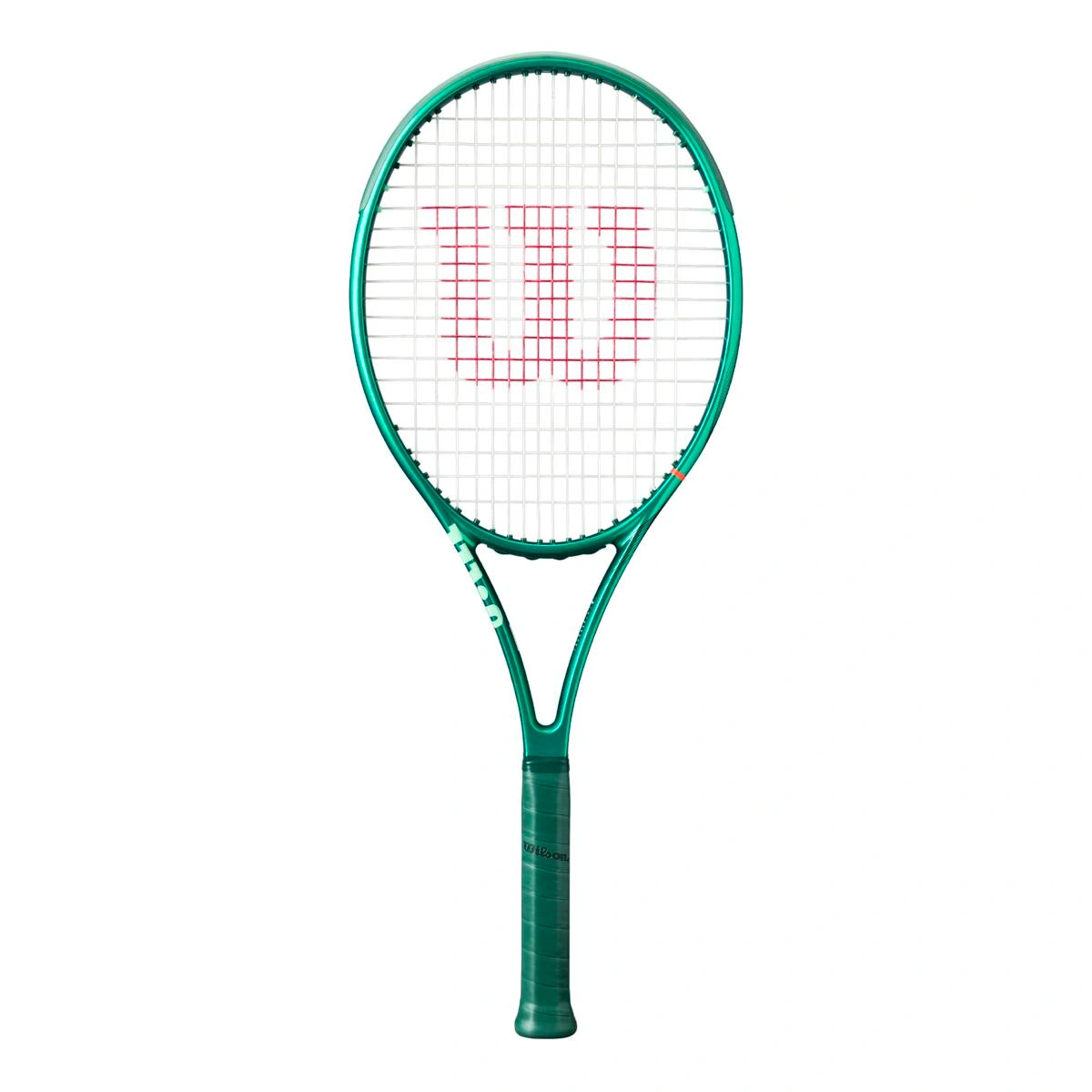
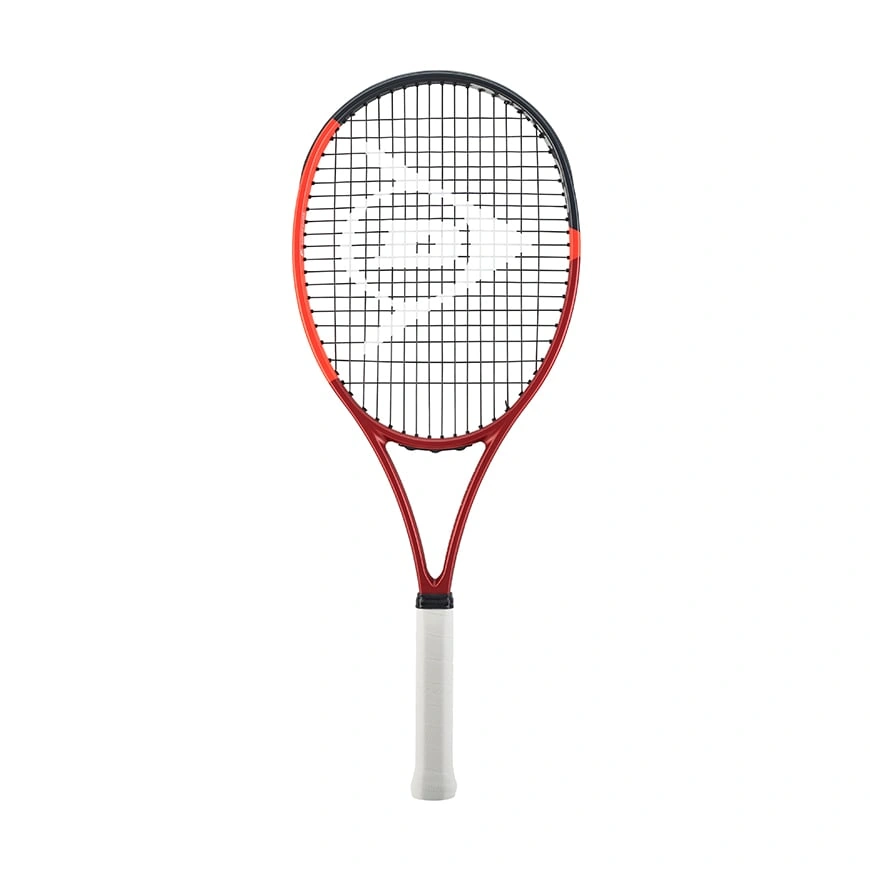
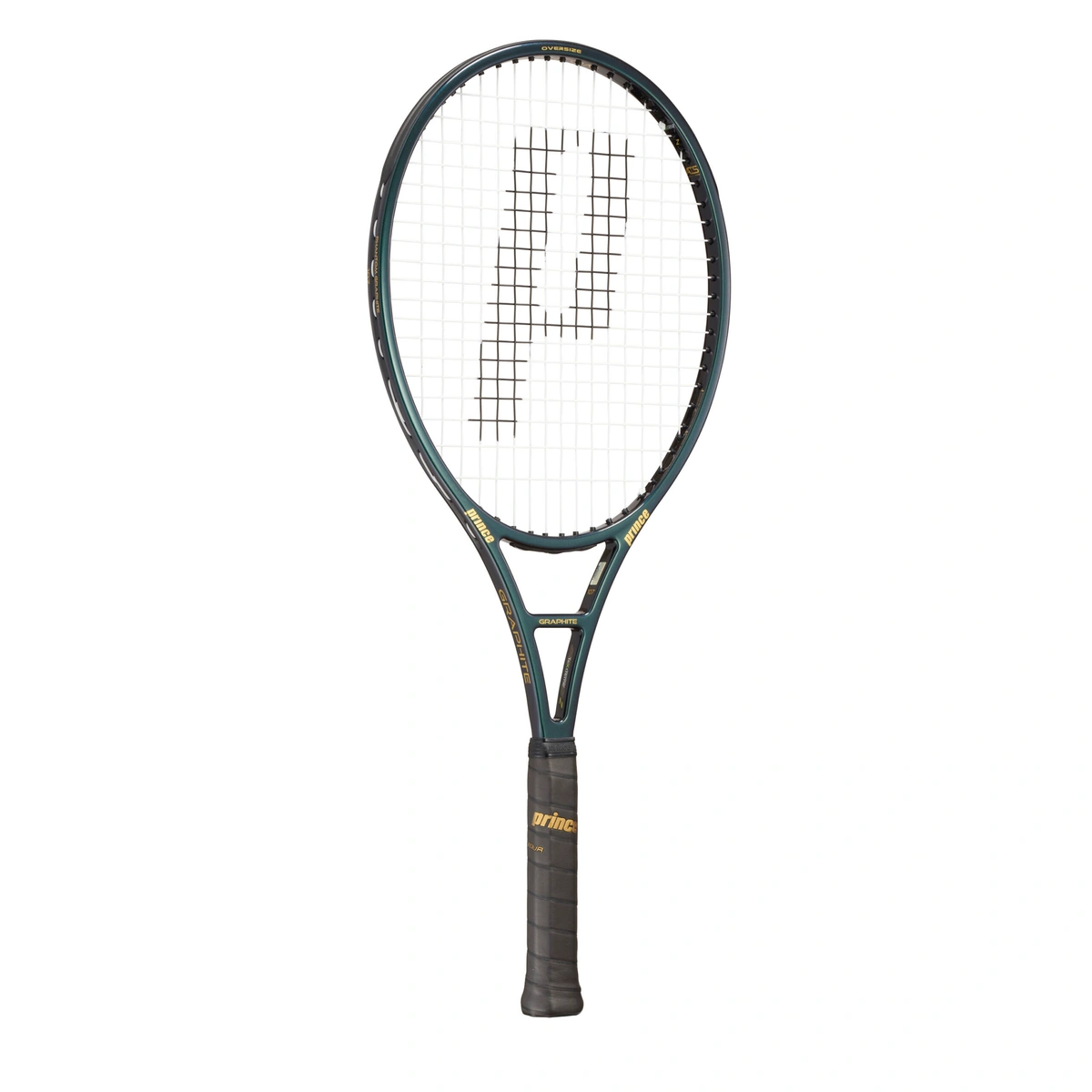
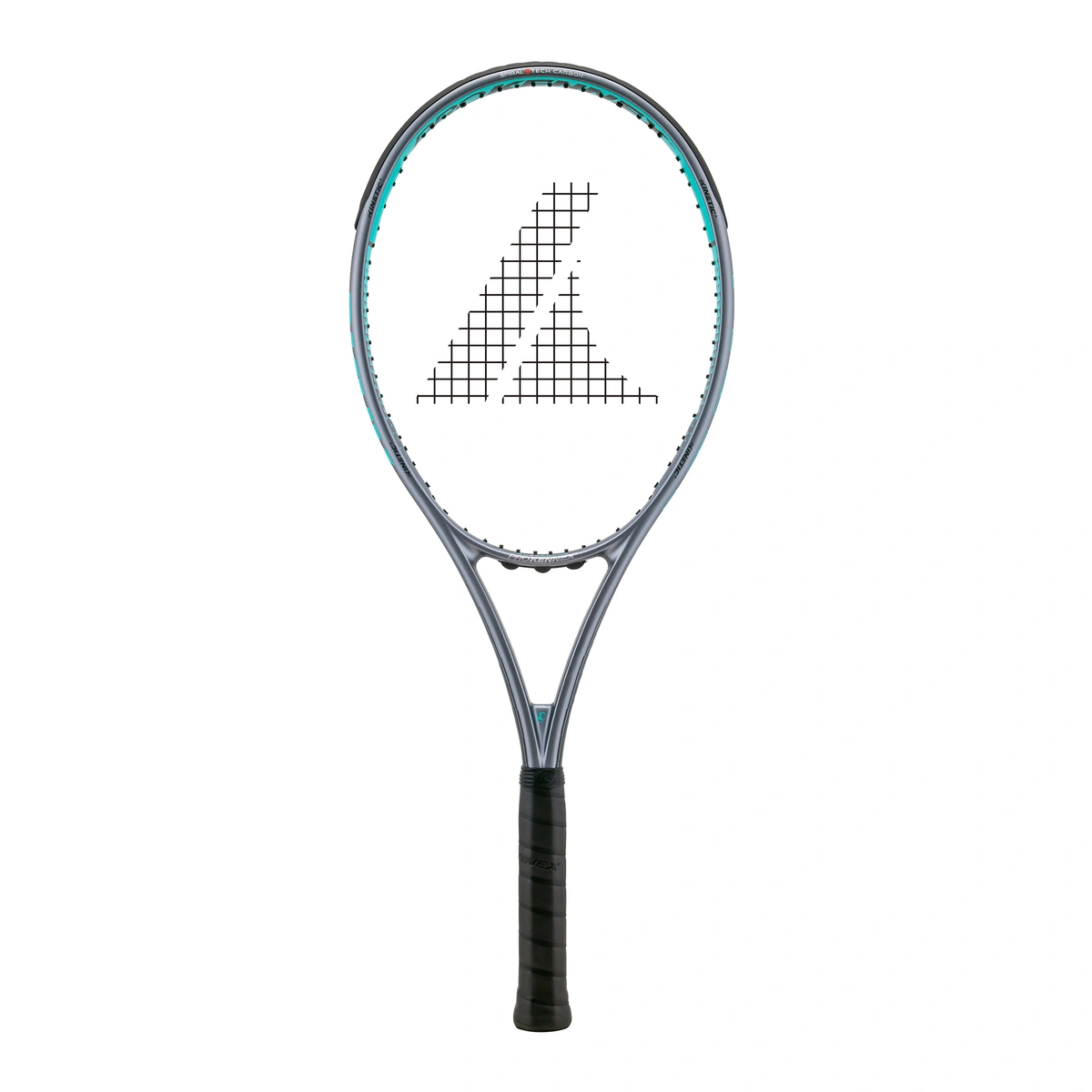
Racquets to compare
Numbers are suggested only when the maker publishes a tension range.
Reviewed sources
Luxilon · View source ↗Similar strings
TENNIS TENSION LAB
Check your racquet’s tension today.
Get a high-precision tension reading in under 10 seconds. Tension Lab tracks changes from your first reading and helps you see when to restring.
- High-precision tension measurement. Ready in under 10 seconds.
- Track every change in feel. See the full story over time.
- Time to restring? Never leave it to guesswork.