Tecnifibre · Current range
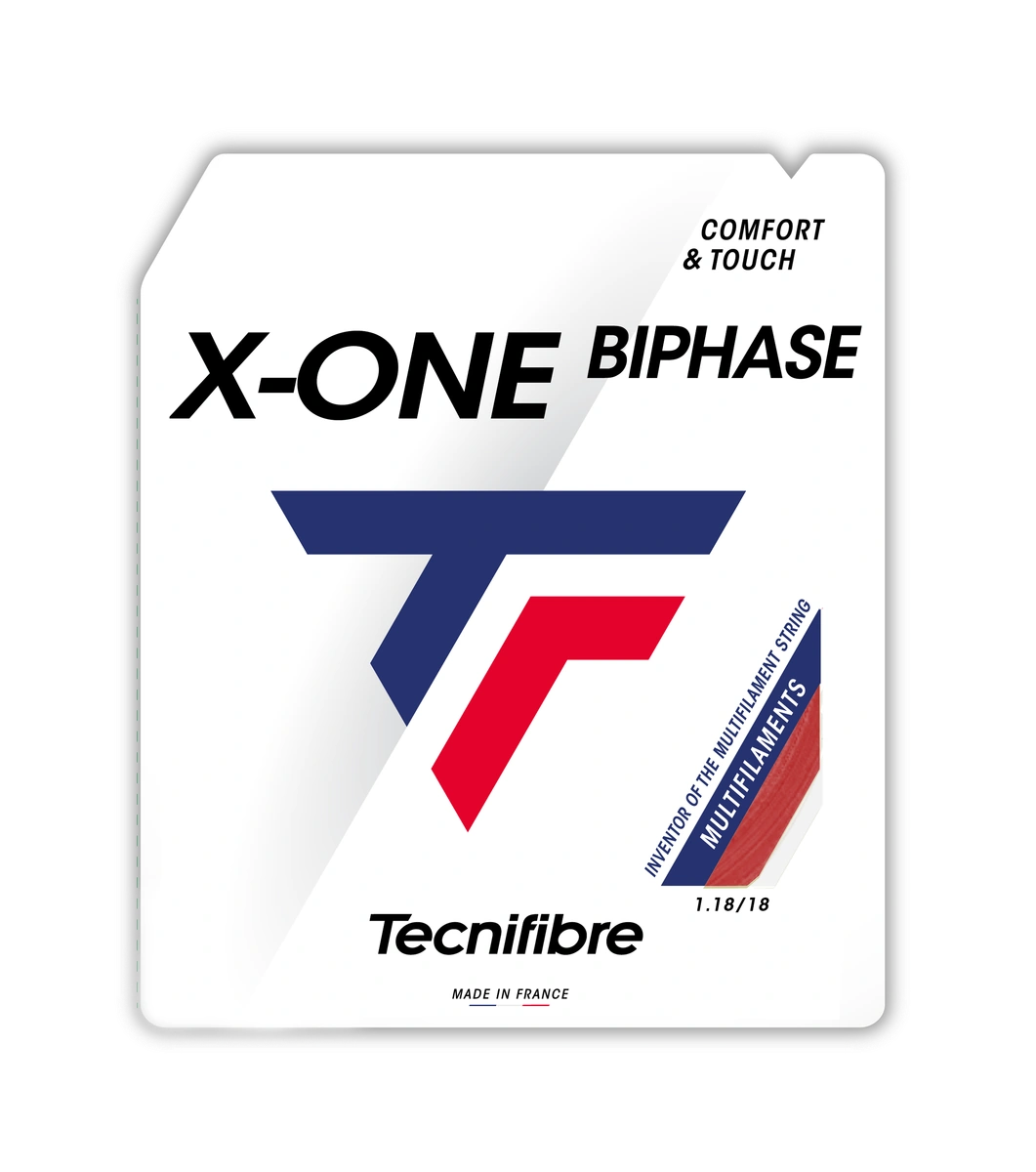
Tecnifibre X-One Biphase
Tecnifibre describes X-One Biphase through its fibres, polyurethane and prestretching process. That helps distinguish its construction, but manufacturing specifications should not be converted into percentage improvements in playing performance.
Product details
- Material
- Multifilament
- Gauge
- 1.18 / 1.24 / 1.3 / 1.34 mm
- Construction
- multifilament
- String cross-section
- Not published by the manufacturer
- Surface features
- Not published by the manufacturer
- Surface treatment / coating
- Not published by the manufacturer
- Product status
- Current range
- Stock status
- Stock not verified
Laboratory measurements
Lower stiffness means less resistance to deformation in this test. Tension loss is measured under a laboratory protocol, not a prediction of playing hours. Spin potential is a friction-based ratio, not ball RPM.
| Tested sample | Stiffness lb/in | Tension loss % | Spin potential ratio |
|---|---|---|---|
| Tecnifibre X-One Biphase 17Test conditions: 51 lb · Fast (TWU) | 166.9 | 15.1 | 2.1 |
| Tecnifibre X-One Biphase 16Test conditions: 51 lb · Fast (TWU) | 162.9 | 17.7 | 1.6 |
| Tecnifibre X-One Biphase 18Test conditions: 51 lb · Fast (TWU) | 145.7 | 18.9 | 1.6 |
The test tension is not a stringing recommendation. Compare the same gauge and test conditions; the racquet, stroke and stringing method also affect the result on court. On the source page, select All in the material filter to see results for every material.
What the Biphase name describes
The manufacturer specifies more than 1,400 filaments, Elastyl and H²C fibres, liquid-polyurethane impregnation and a Biphase prestretching process. These are published construction and production details.
A stated polyurethane elongation figure is not a percentage increase in the completed stringbed’s power. Technology names and manufacturing figures are different kinds of information from measured stiffness or ball speed.
Soft response and breakage are separate questions
Assess response and wear independently. The manufacturer explicitly advises against the product for frequent string breakers, particularly those breaking strings in under ten hours. That is not a guarantee that every player will receive ten hours of use.
Inspect wear in notching-prone frames and when using polyester crosses. Fraying alone cannot establish remaining life; check intersections and damage near the frame as well.
Do not confuse recommended tension with the maximum
The manufacturer lists a recommended 22–25 kg and a separate maximum of 32 kg. The maximum is not a target setting; the frame’s limits and installation conditions also apply.
A different response from polyester at the same machine setting is unsurprising. Material and construction can change dynamic stiffness and energy return. Compare one variable at a time in a familiar frame.
Record nominal gauge and colour separately
The TWU X-One Biphase samples are labelled 16, 17 and 18. At 51 lb and Fast speed their stiffnesses are 162.9, 166.9 and 145.7 lb/in respectively, but the labels do not state metric diameters. Do not turn 17 into a guessed 1.25 mm or average the three observations into one product value.
The linked manufacturer page concerns a red version, while the sample labels do not specify colour. Keep that scope visible, and record the exact model, colour, metric gauge and reference tension when buying or stringing, followed by hitting time and response.
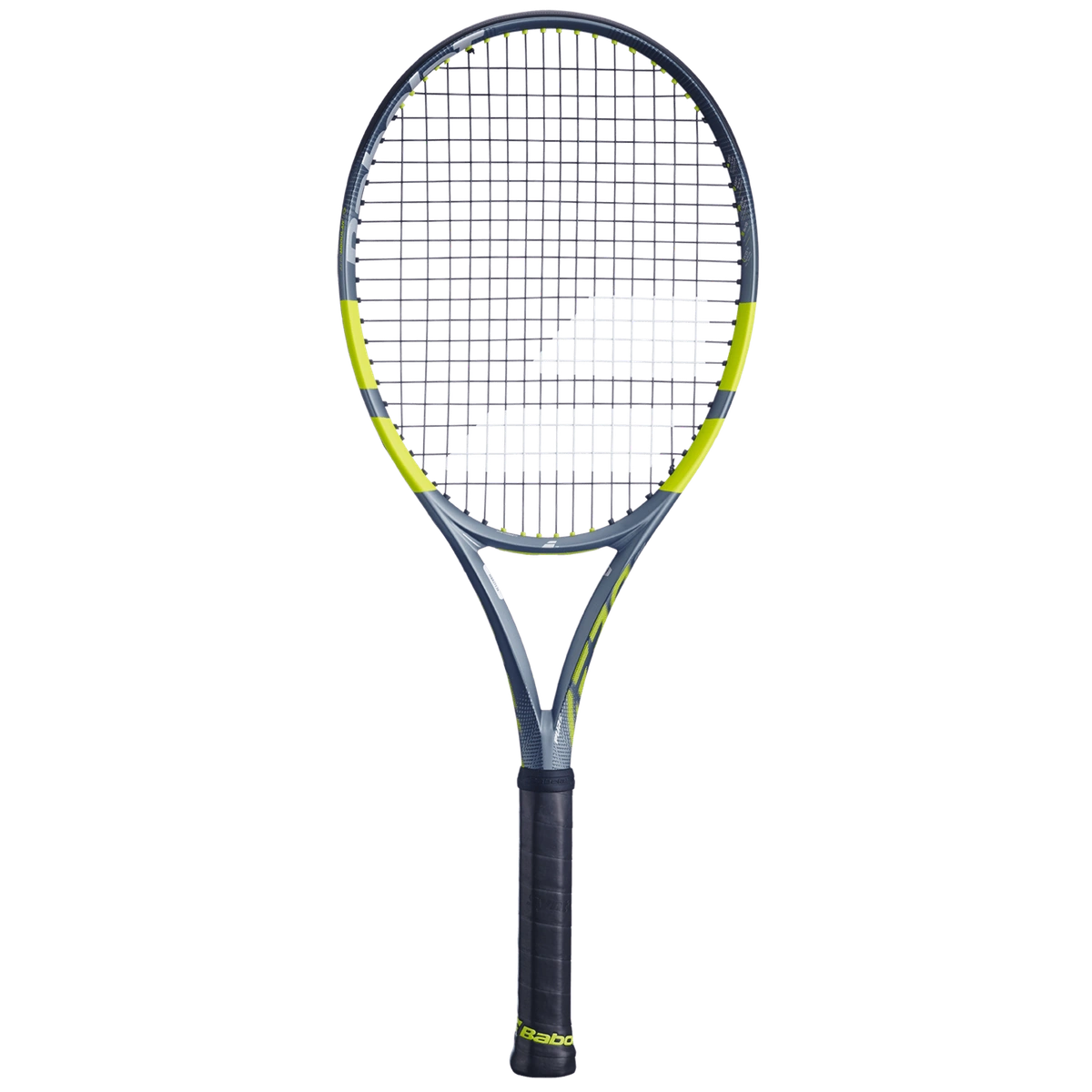
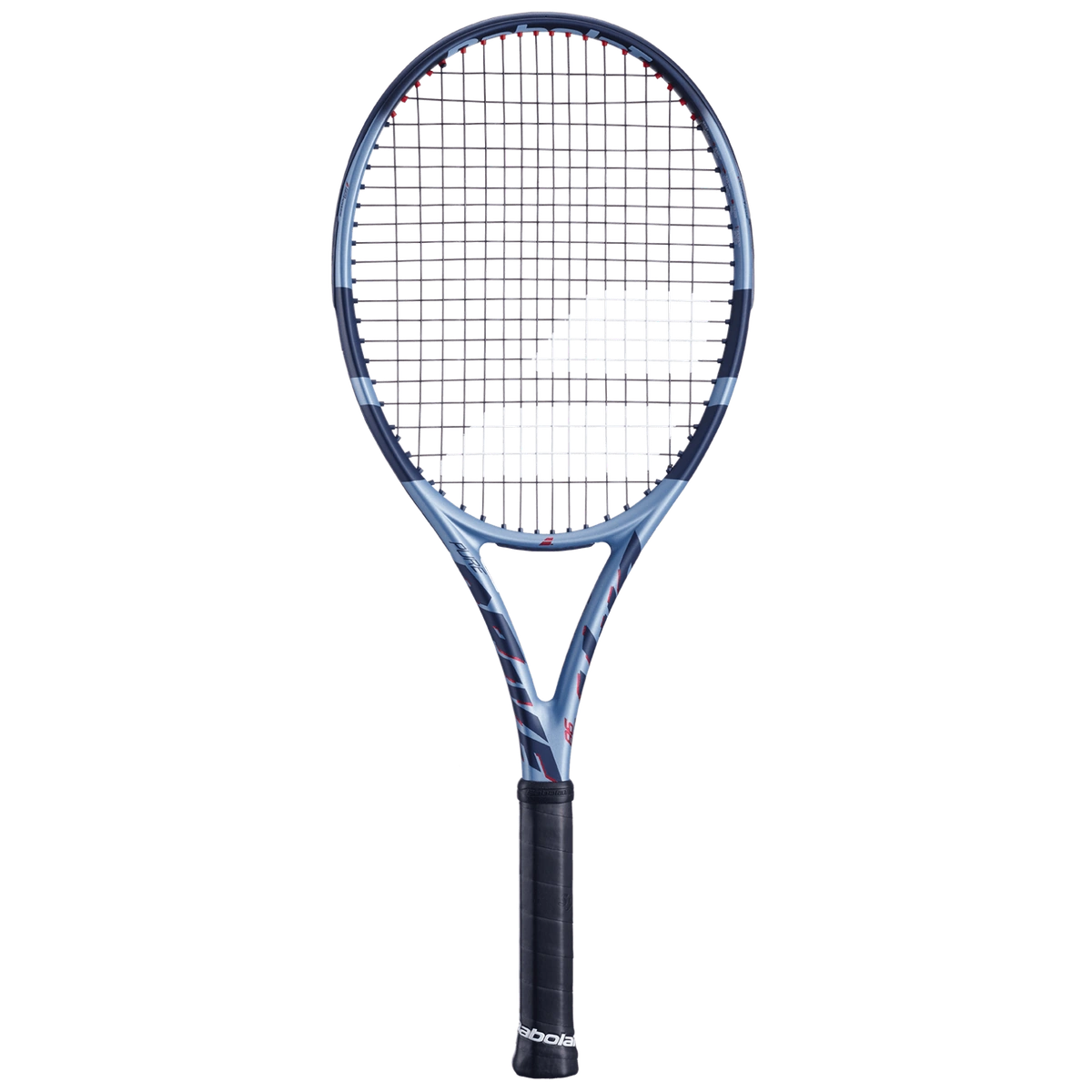
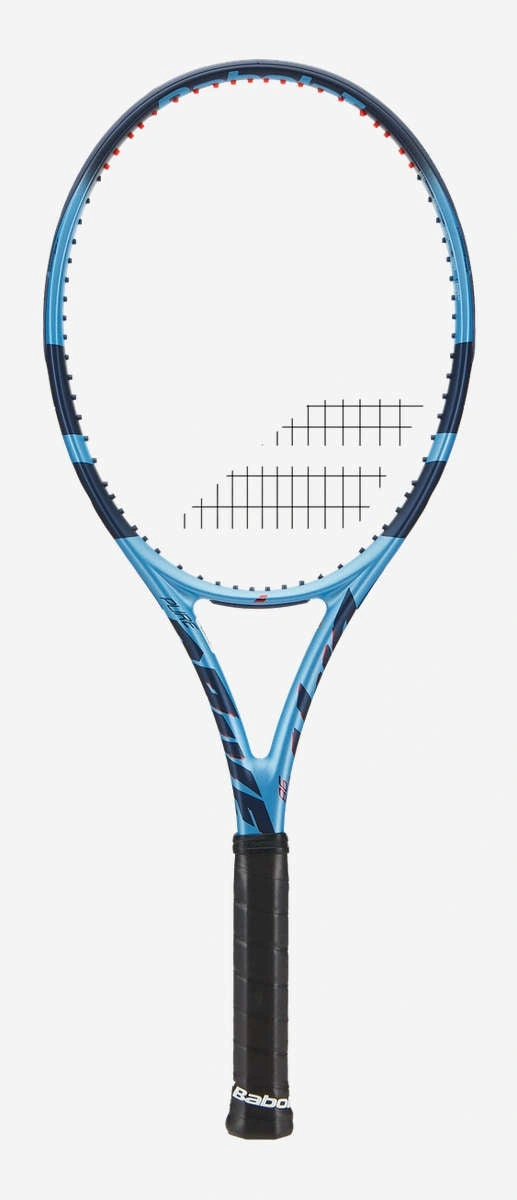
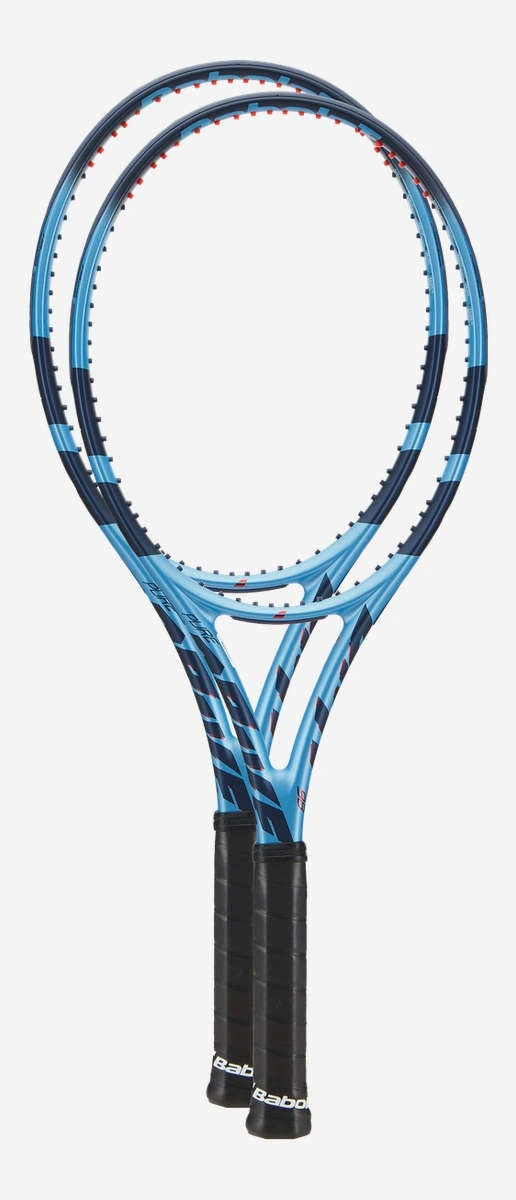
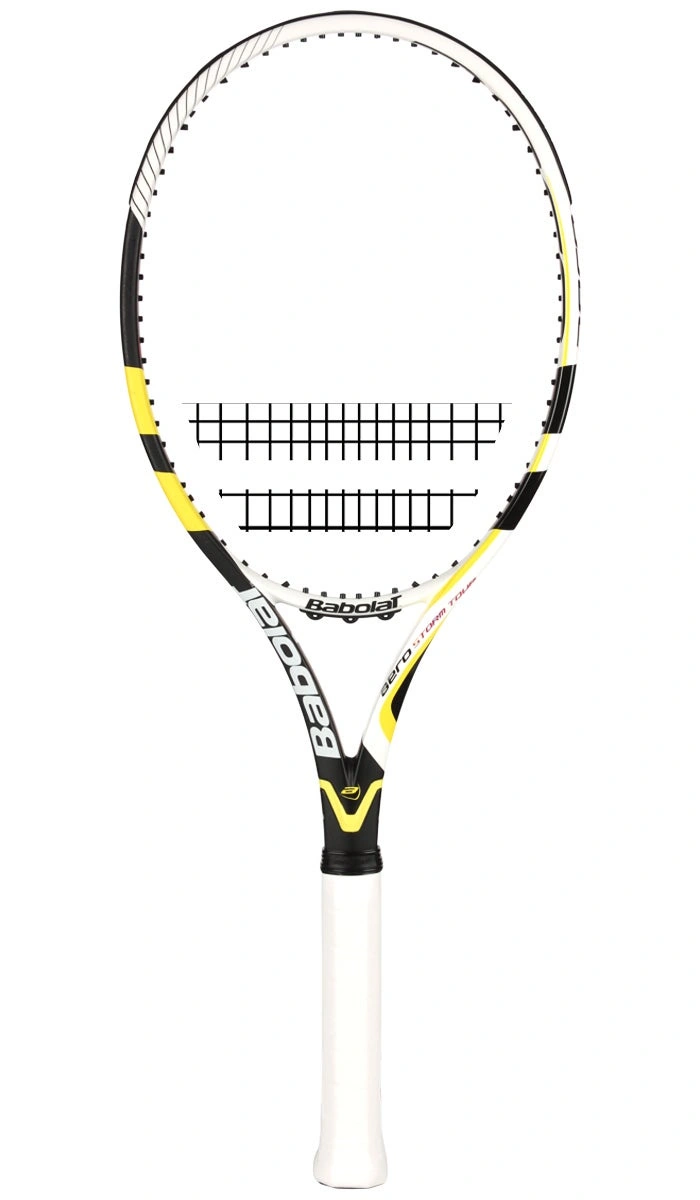
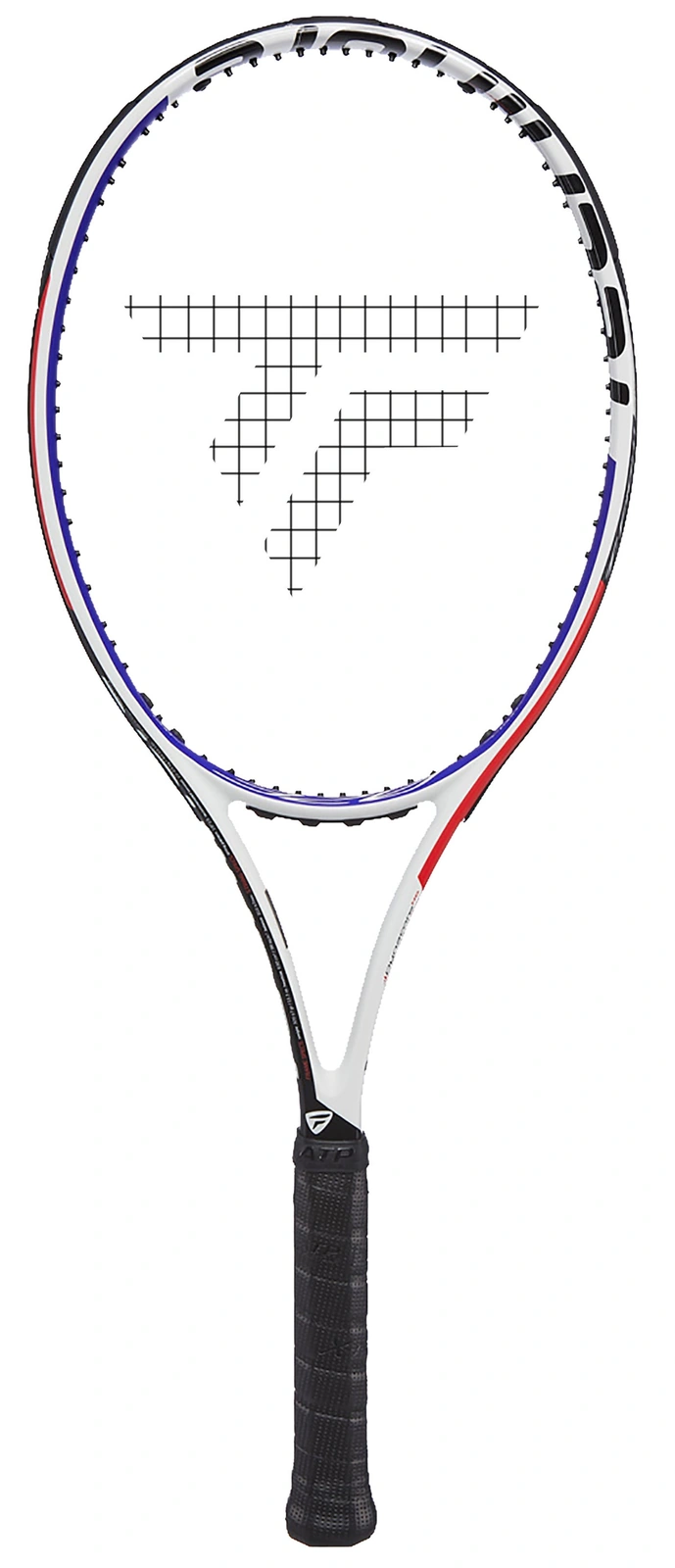
Racquets to compare
Numbers are suggested only when the maker publishes a tension range.
Reviewed sources
Tecnifibre · View source ↗Similar strings
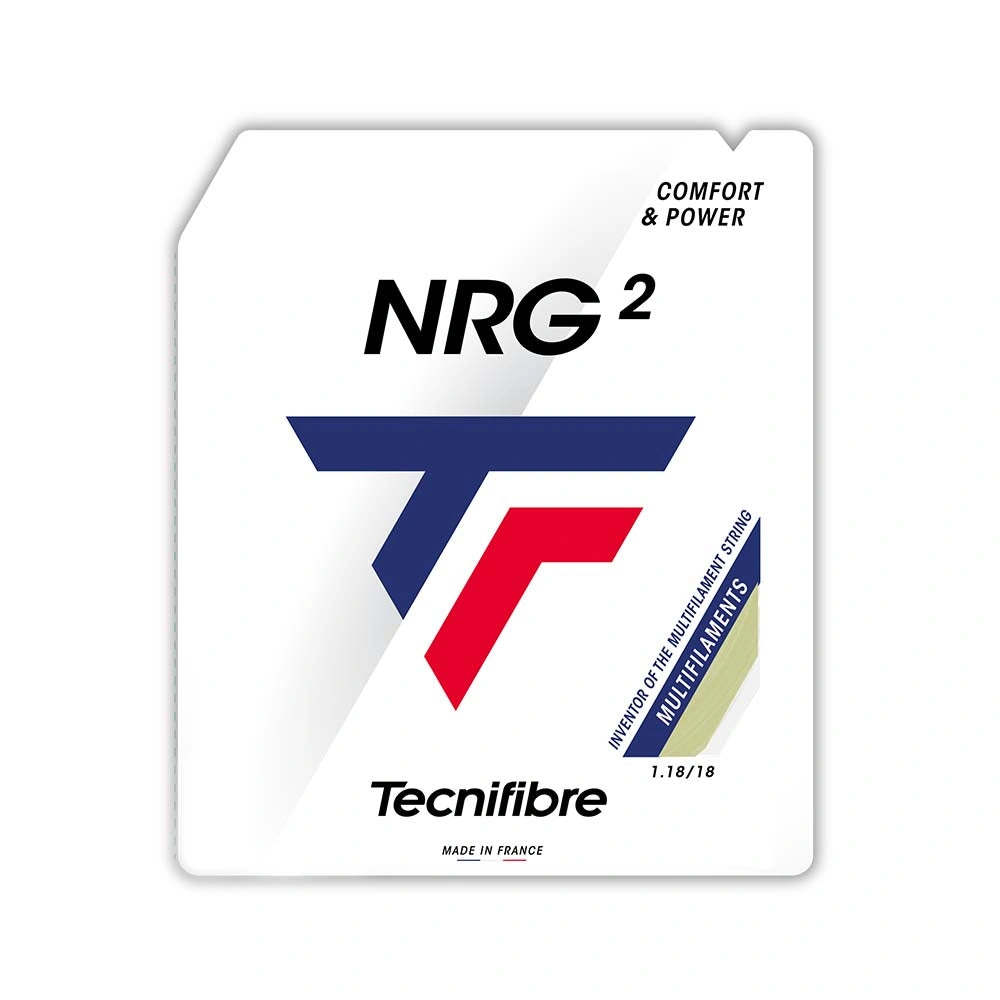 Tecnifibre NRG²Multifilament · 1.18 / 1.24 / 1.32 mm
 Tecnifibre TGVMultifilament · 1.25 / 1.3 / 1.35 / 1.4 mm
 Tecnifibre MultifeelMultifilament · 1.25 / 1.3 / 1.35 mm
 Tecnifibre Duramix HDMultifilament · 1.25 / 1.3 / 1.35 / 1.4 mm
 Tecnifibre XR3Multifilament · 1.25 / 1.3 mm
 HEAD Velocity MLTMultifilament · 1.25 / 1.3 mm
TENNIS TENSION LAB
Check your racquet’s tension today.
Get a high-precision tension reading in under 10 seconds. Tension Lab tracks changes from your first reading and helps you see when to restring.
- High-precision tension measurement. Ready in under 10 seconds.
- Track every change in feel. See the full story over time.
- Time to restring? Never leave it to guesswork.