Tecnifibre · Current range
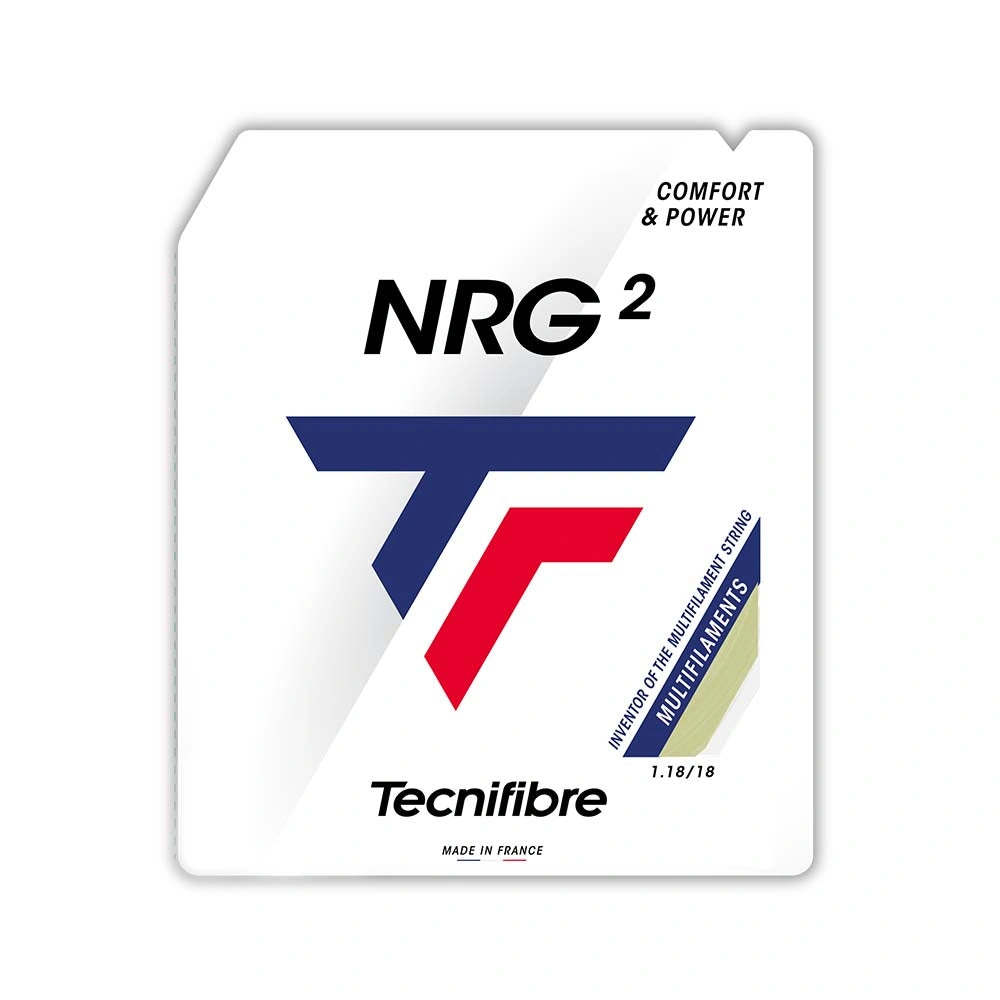
Tecnifibre NRG²
Tecnifibre describes more than 1,200 Elastyl microfilaments, polyurethane impregnation and an SPL surface treatment. These explain construction; they do not directly establish a percentage increase in shot speed.
Product details
- Material
- Multifilament
- Gauge
- 1.18 / 1.24 / 1.32 mm
- Construction
- multifilament
- String cross-section
- Not published by the manufacturer
- Surface features
- Not published by the manufacturer
- Surface treatment / coating
- Not published by the manufacturer
- Product status
- Current range
- Stock status
- Stock not verified
Laboratory measurements
Lower stiffness means less resistance to deformation in this test. Tension loss is measured under a laboratory protocol, not a prediction of playing hours. Spin potential is a friction-based ratio, not ball RPM.
| Tested sample | Stiffness lb/in | Tension loss % | Spin potential ratio |
|---|---|---|---|
| Tecnifibre NRG2 17/1.24Test conditions: 51 lb · Fast (TWU) | 164 | 15.1 | 3.5 |
| Tecnifibre NRG2 16Test conditions: 51 lb · Fast (TWU) | 158.3 | 18.3 | 3.2 |
| Tecnifibre NRG2 18 (1.18)Test conditions: 51 lb · Fast (TWU) | 150.9 | 20 | 2.6 |
The test tension is not a stringing recommendation. Compare the same gauge and test conditions; the racquet, stroke and stringing method also affect the result on court. On the source page, select All in the material filter to see results for every material.
Compare samples tested under the same conditions
Up to three products with nearby measured stiffness, matching diameter, material and test conditions. This is a data comparison, not a ranking of suitability.
| Tested sample | Stiffness lb/in | Tension loss % | Spin potential ratio |
|---|---|---|---|
| Tecnifibre NRG2 17/1.24 | 164 | 15.1 | 3.5 |
| Gosen Multi CX 17 (1.24) | 149.7 | 18.1 | 4.3 |
What the 12% and 400% figures describe
The manufacturer describes Elastyl as 12% more elastic than standard polyamide and also publishes an elasticity figure for PU 400. Those are material descriptions, not claims that a completed stringbed launches the ball 12% or 400% faster.
SPL is the stated surface treatment. It is relevant to examining friction and string return, but its name is not a measurement of playing spin. Keep the scope of construction details separate from test results.
Two explicitly identified metric gauges
At 51 lb and Fast speed, NRG2 1.24 records 164.0 lb/in stiffness, 15.1% loss and a 3.5 spin-potential ratio. The 1.18 sample records 150.9 lb/in, 20.0% and 2.6. The less-stiff sample also has greater loss in this comparison.
The gauges differ, so neither result represents the other. A separate sample labelled simply 16 remains nominal; it should not be converted by guesswork and averaged into an explicit metric observation.
The questions behind choosing a thin multifilament
Distinguish a need for easier deformation from a need to preserve depth and direction for longer. Judging a thinner gauge only by its initial feel leaves out wear and changes after use.
Test low volleys, short returns and full crosscourt swings separately. A soft sensation in the hand and the ability to reproduce length on frequent shots are related but different assessment items.
SPL does not replace observing wear
Continue inspecting intersection notches, fraying and how the mains return after movement. Contact and sliding can change with use despite a surface treatment.
Keep the exact gauge and hitting time in the stringing record. Your own trajectory, depth and wear observations provide a more direct basis for changing gauge or tension than manufacturing percentages alone.
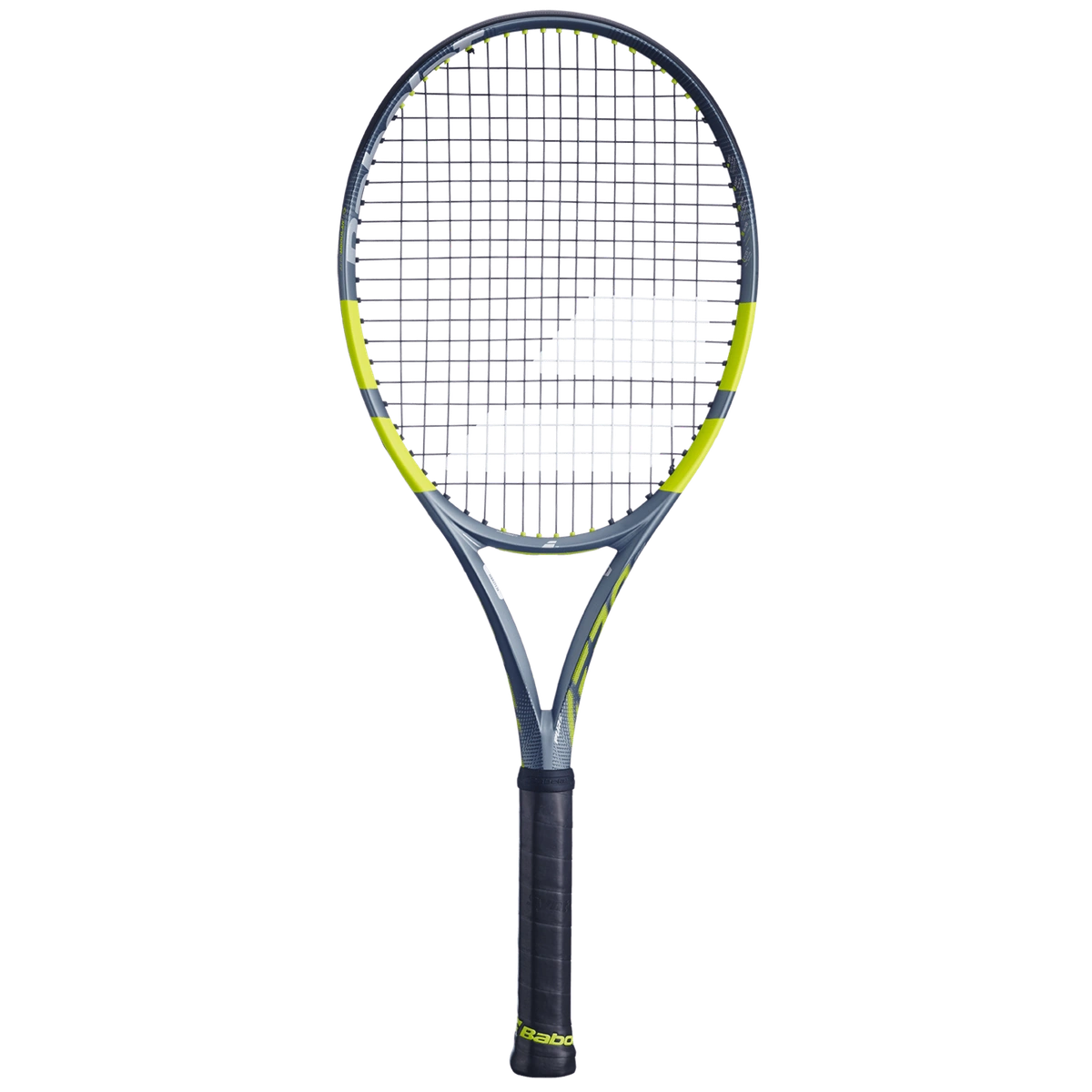
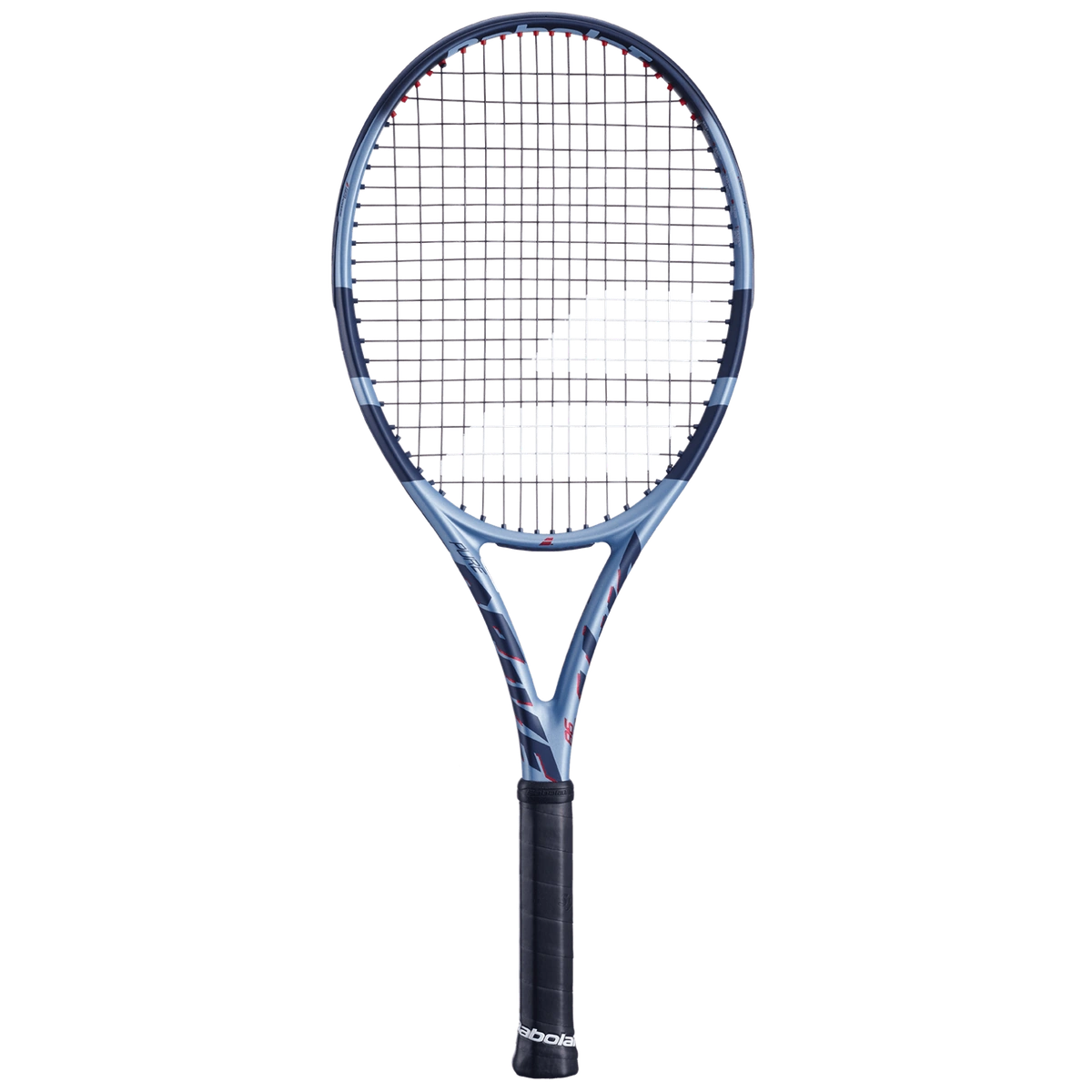
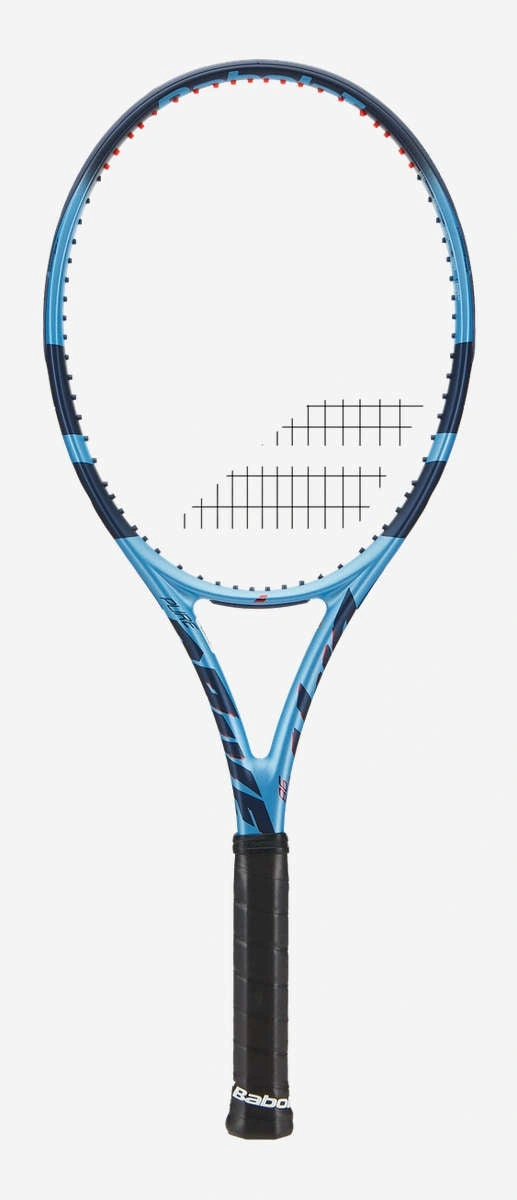
Racquets to compare
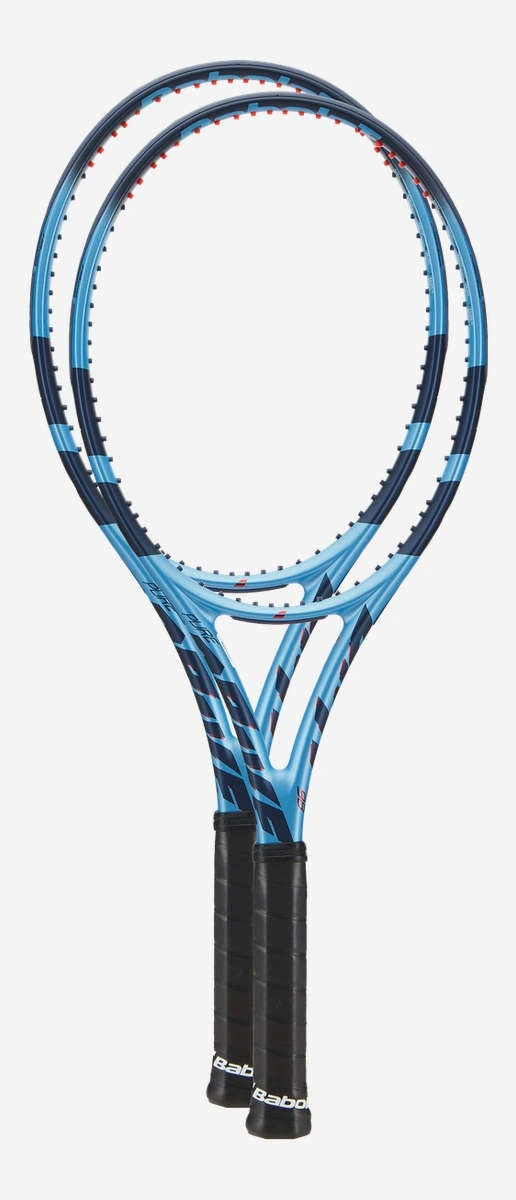
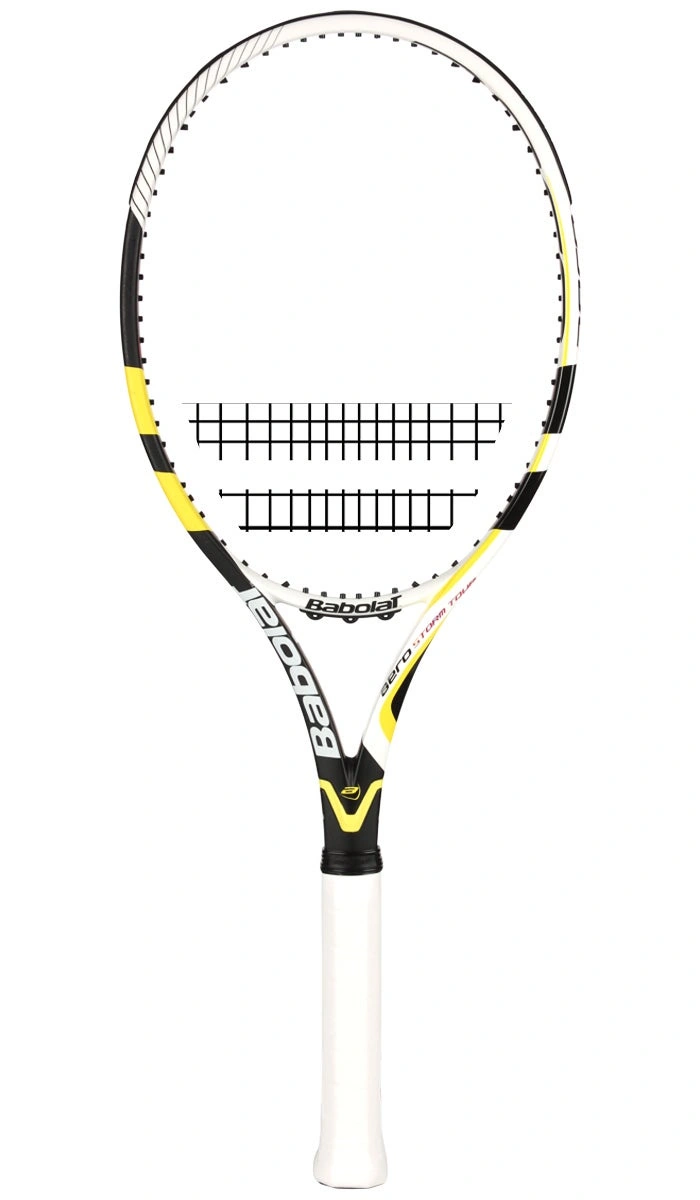
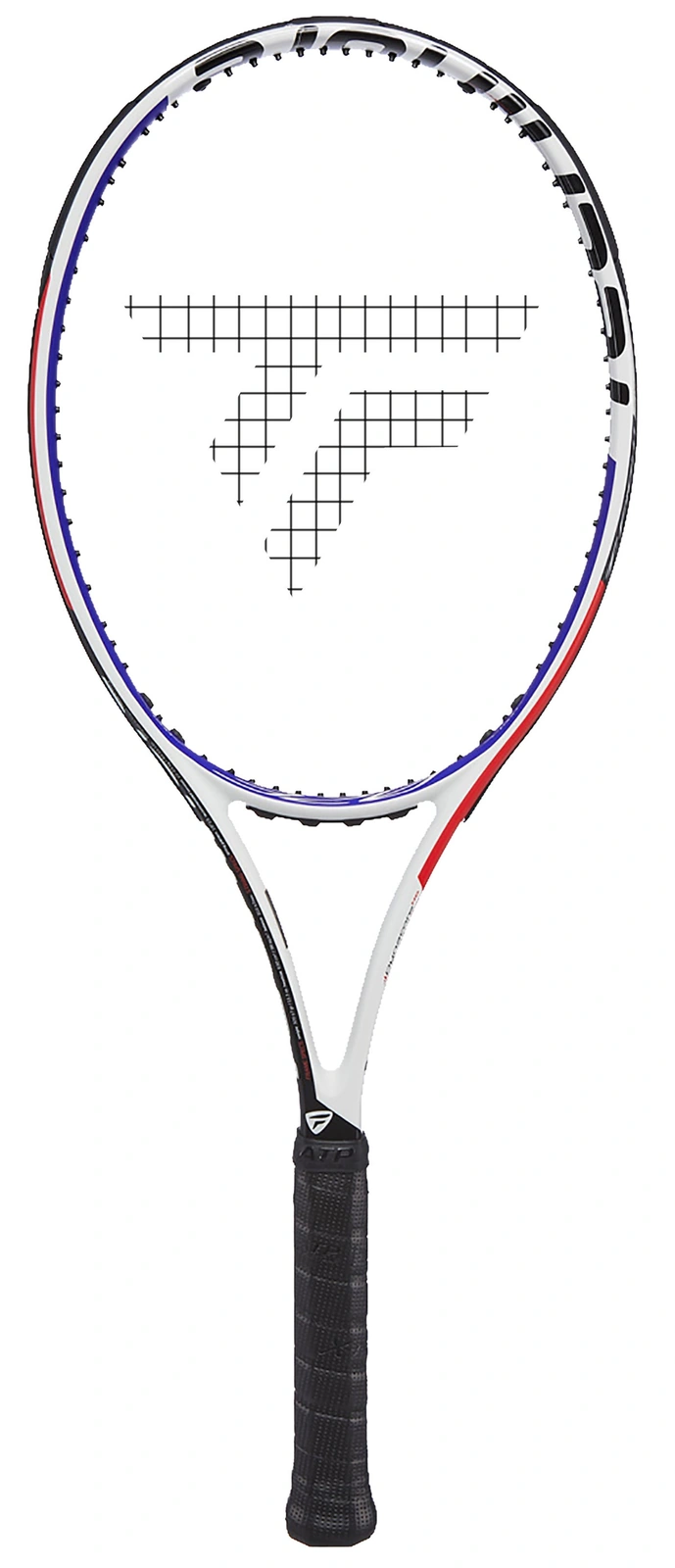
Numbers are suggested only when the maker publishes a tension range.
Reviewed sources
Tecnifibre · View source ↗Similar strings
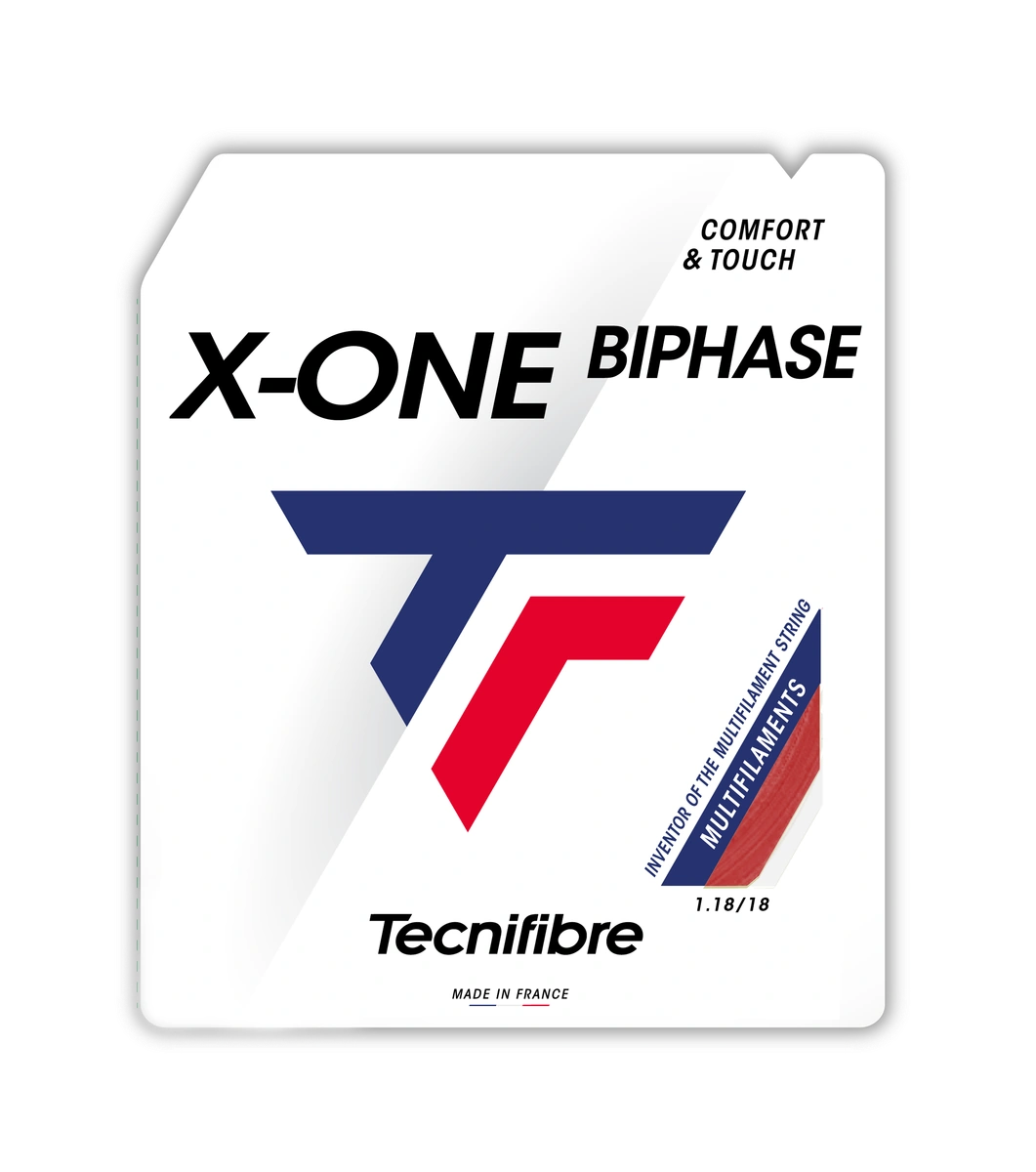 Tecnifibre X-One BiphaseMultifilament · 1.18 / 1.24 / 1.3 / 1.34 mm
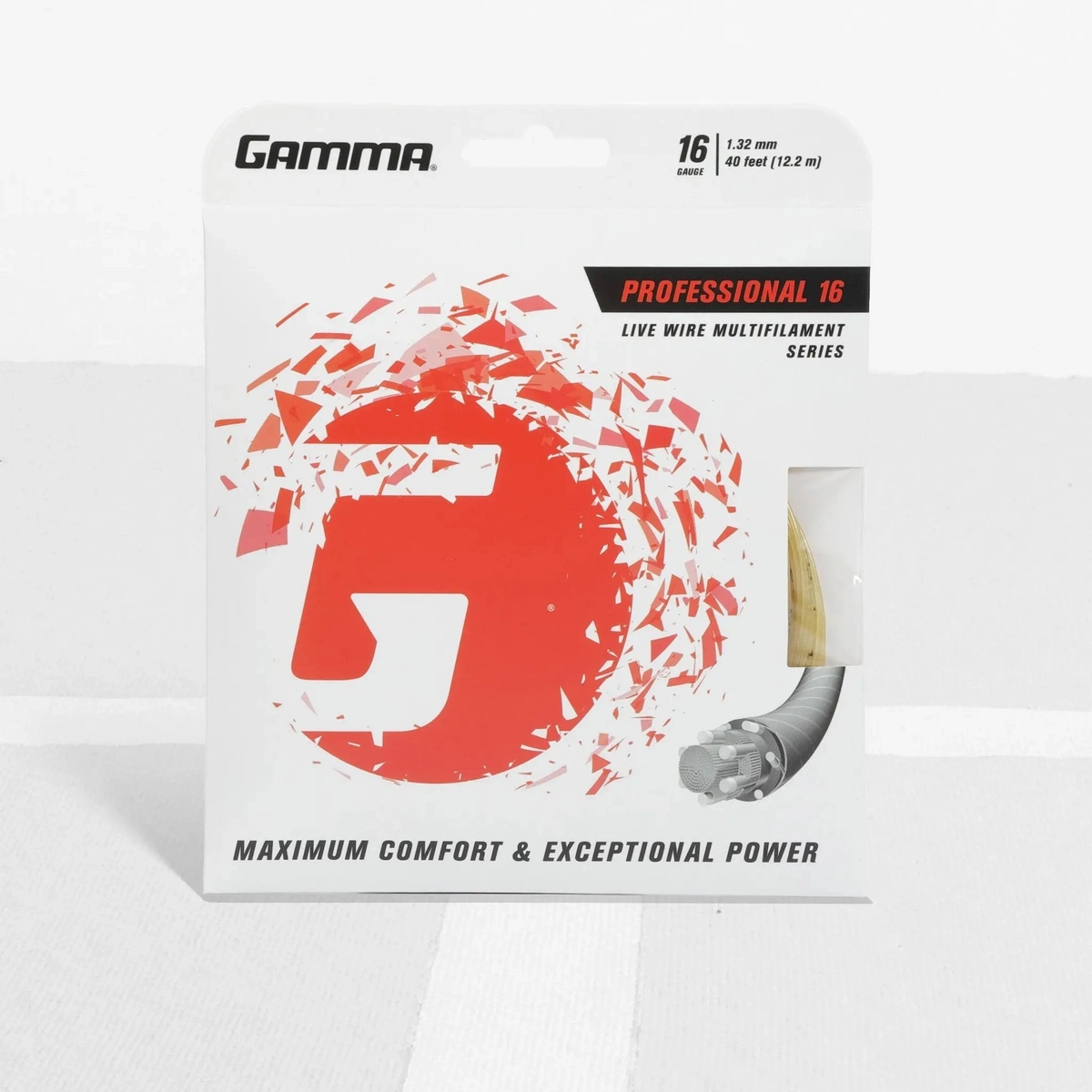 Gamma ProfessionalMultifilament · 1.22 / 1.27 / 1.32 mm
 Gamma Live WireMultifilament · 1.27 / 1.32 mm
 Tecnifibre TriaxMultifilament · 1.28 / 1.33 / 1.38 mm
 Tecnifibre TGVMultifilament · 1.25 / 1.3 / 1.35 / 1.4 mm
 Tecnifibre MultifeelMultifilament · 1.25 / 1.3 / 1.35 mm
TENNIS TENSION LAB
Check your racquet’s tension today.
Get a high-precision tension reading in under 10 seconds. Tension Lab tracks changes from your first reading and helps you see when to restring.
- High-precision tension measurement. Ready in under 10 seconds.
- Track every change in feel. See the full story over time.
- Time to restring? Never leave it to guesswork.