Wilson · Current range
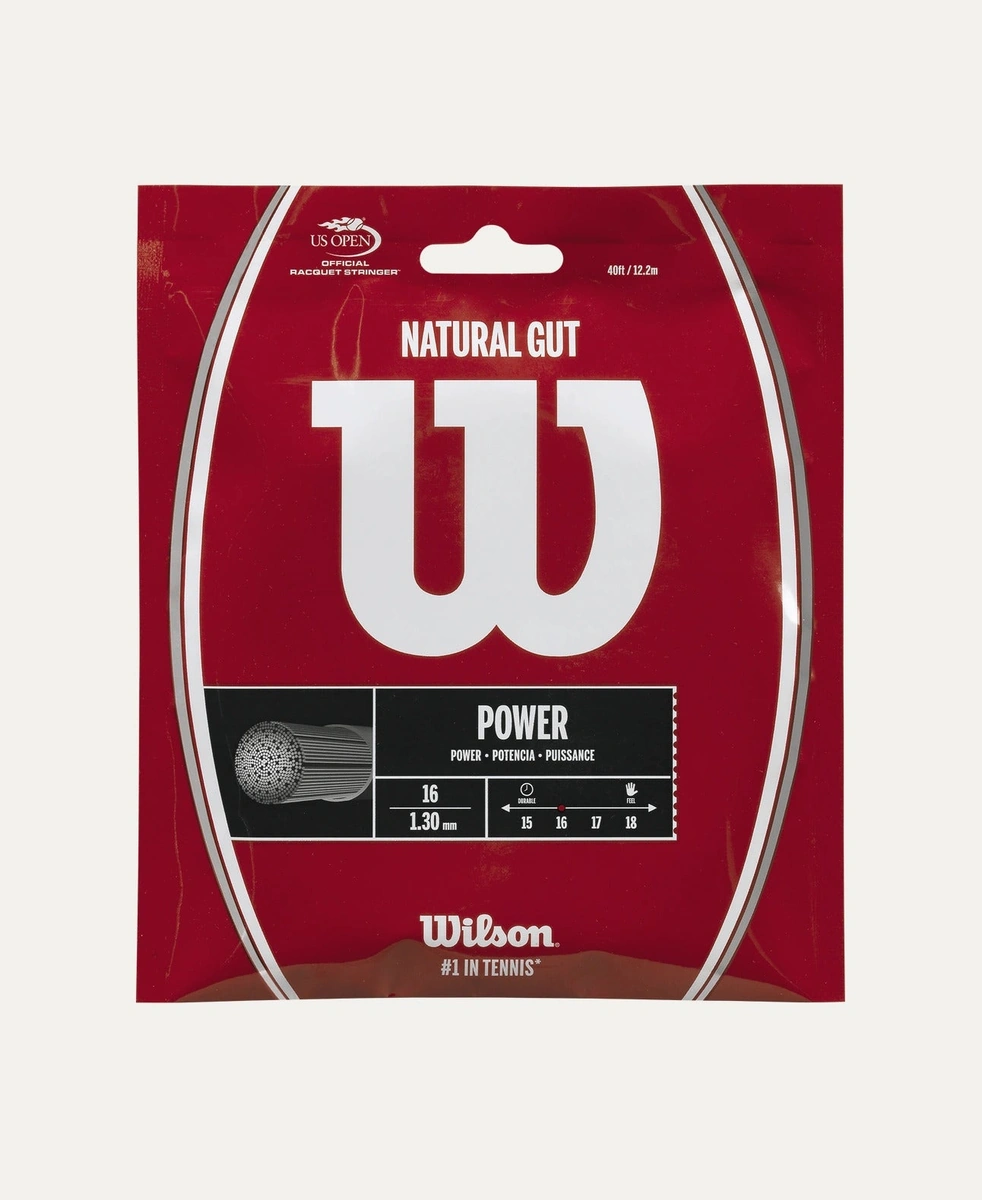
Wilson Natural Gut
TWU’s Wilson Natural Gut 16 (1.30) sample records 92.6 lb/in stiffness, 12.1% tension loss and a 4.0 spin-potential ratio. It offers evidence about the material response, while a completed hybrid remains a separate arrangement.
Product details
- Material
- Natural gut
- Gauge
- 1.25 / 1.3 mm
- String cross-section
- Not published by the manufacturer
- Surface features
- Not published by the manufacturer
- Surface treatment / coating
- Not published by the manufacturer
- Product status
- Current range
- Stock status
- Stock not verified
Laboratory measurements
Lower stiffness means less resistance to deformation in this test. Tension loss is measured under a laboratory protocol, not a prediction of playing hours. Spin potential is a friction-based ratio, not ball RPM.
| Tested sample | Stiffness lb/in | Tension loss % | Spin potential ratio |
|---|---|---|---|
| Wilson Natural Gut 16 (1.30)Test conditions: 51 lb · Fast (TWU) | 92.6 | 12.1 | 4 |
| Wilson Natural Gut 17Test conditions: 51 lb · Fast (TWU) | 80.6 | 15.2 | 2.2 |
| Wilson Natural Gut 16Test conditions: 51 lb · Fast (TWU) | 96.6 | 17.3 | 1.3 |
The test tension is not a stringing recommendation. Compare the same gauge and test conditions; the racquet, stroke and stringing method also affect the result on court. On the source page, select All in the material filter to see results for every material.
Changing material at the same 1.30 mm diameter
At 51 lb and Fast speed, Wilson Synthetic Gut Power 1.30 records 156.0 lb/in and Luxilon 4G 1.30 records 286.9 lb/in. Natural gut’s 92.6 lb/in means less resistance to deformation in this test and illustrates the differences between these materials.
These values cannot diagnose personal comfort or injury risk. The frame, reference tension, contact location and main–cross arrangement also contribute to the completed stringbed’s response.
Why two labels containing 16 are not one sample
The table also contains samples labelled simply 16 or 17. A result with an explicit metric diameter remains separate from a nominal gauge label; they are not automatically repeated measurements of the same 1.30 mm string.
For example, the separate nominal-16 observation is 96.6 lb/in with 17.3% loss. Averaging it with 92.6 lb/in and 12.1% would replace distinct sample identities with a manufactured product average.
Choose and record the hybrid arrangement
Natural-gut mains with polyester crosses are different from the reversed arrangement. Record each position, gauge and reference tension so the next installation can reproduce the setup.
Inspect the partner string’s surface and the intersections. Low stiffness in the single gut string does not transfer unchanged to the measured stiffness of an entire hybrid stringbed.
Judge cost through observed use
Check moisture exposure, coating damage, kinks and worn grommets. Storage and installation can change damage locations and results even for the same natural-gut product.
The 12.1% loss belongs to the laboratory procedure. Assess value through how consistently the setup provides the depth and direction you need, rather than assuming its price guarantees a long replacement interval.
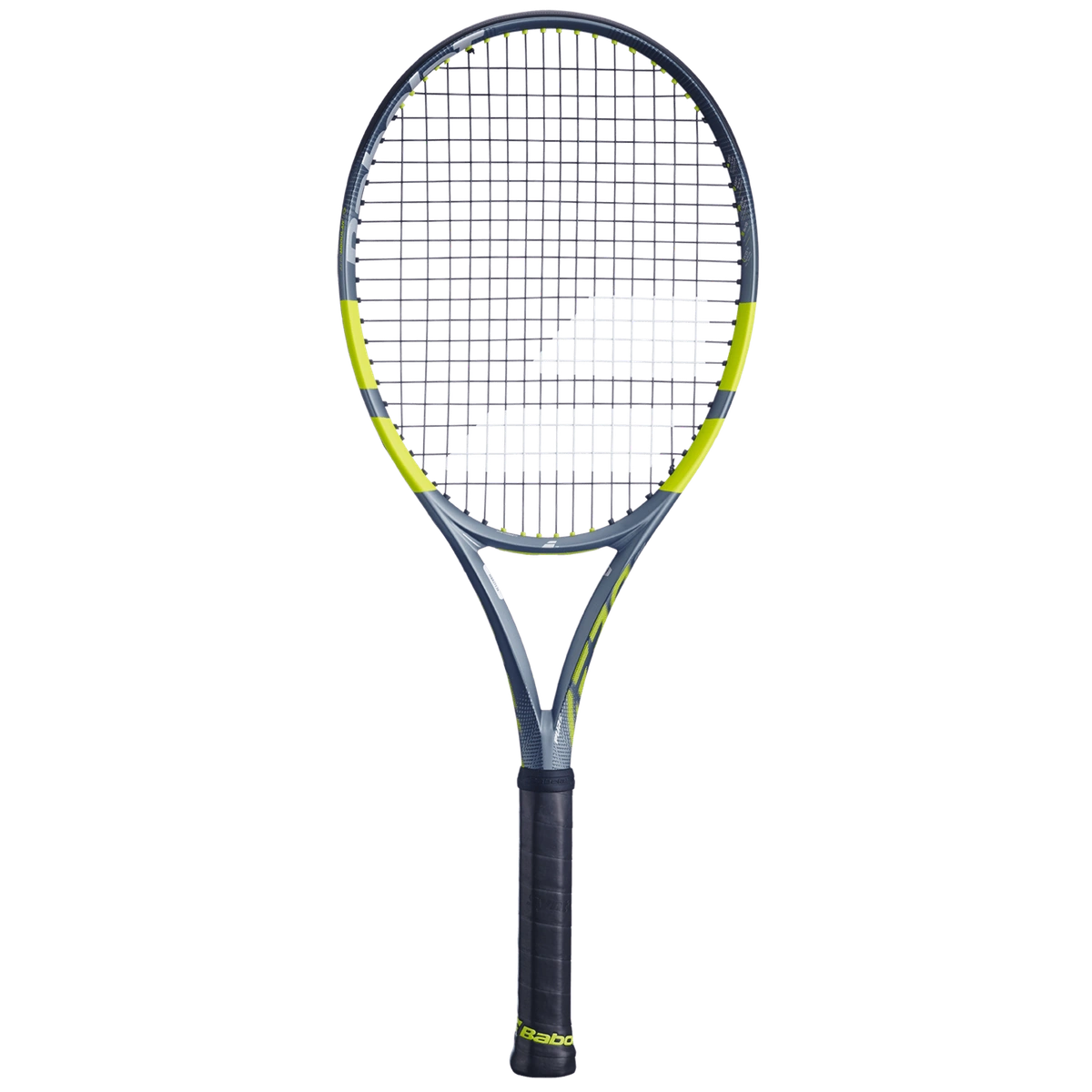
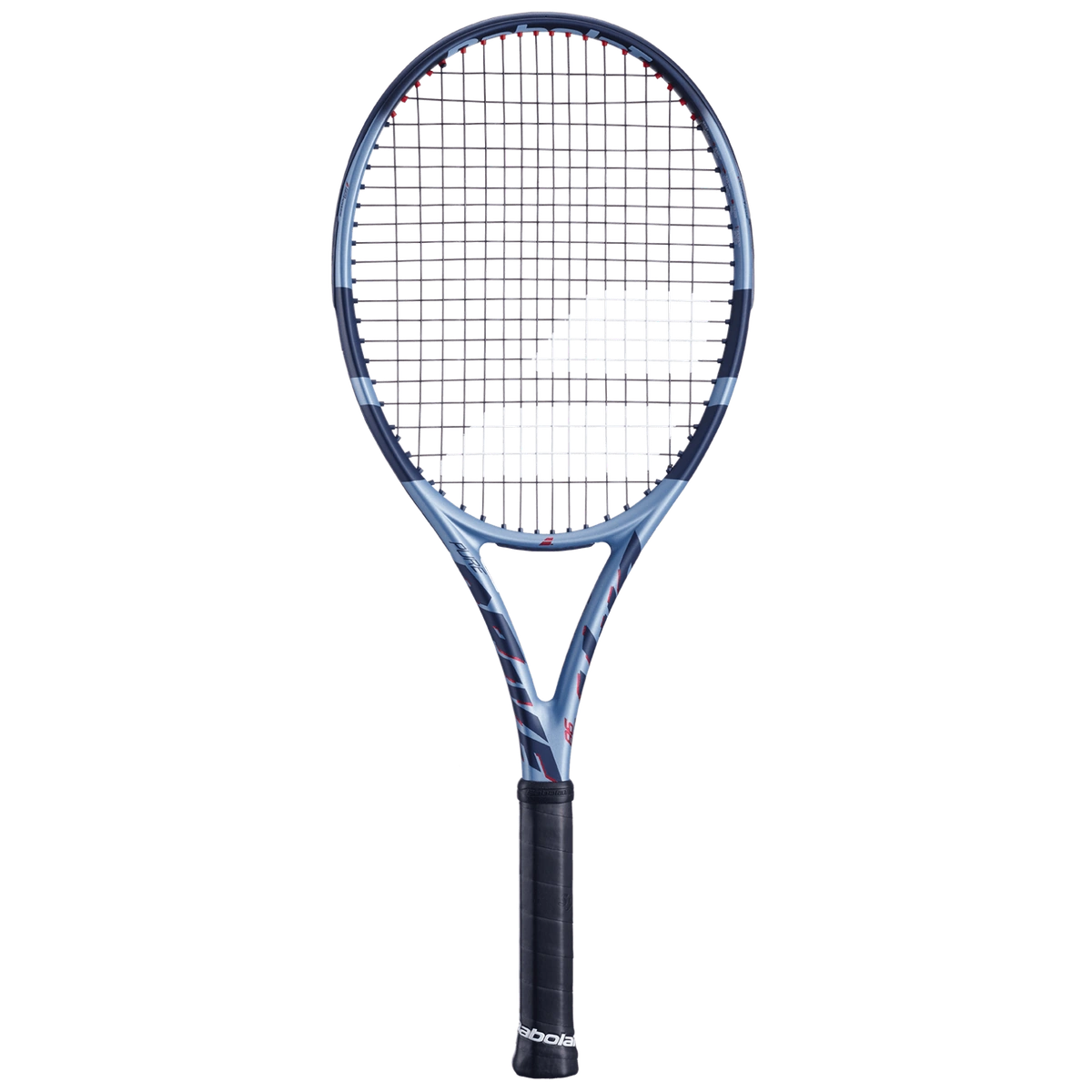
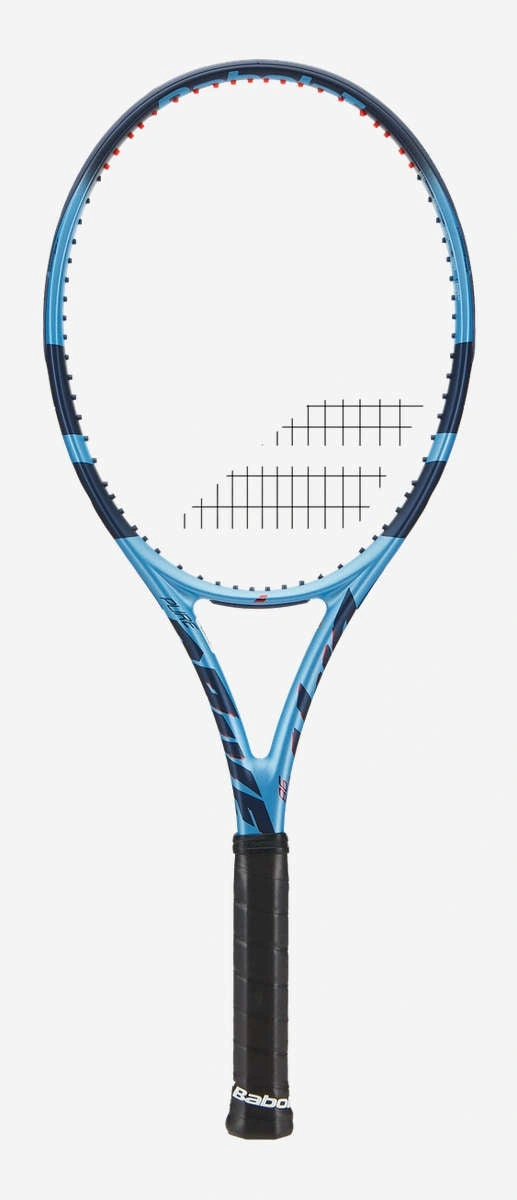
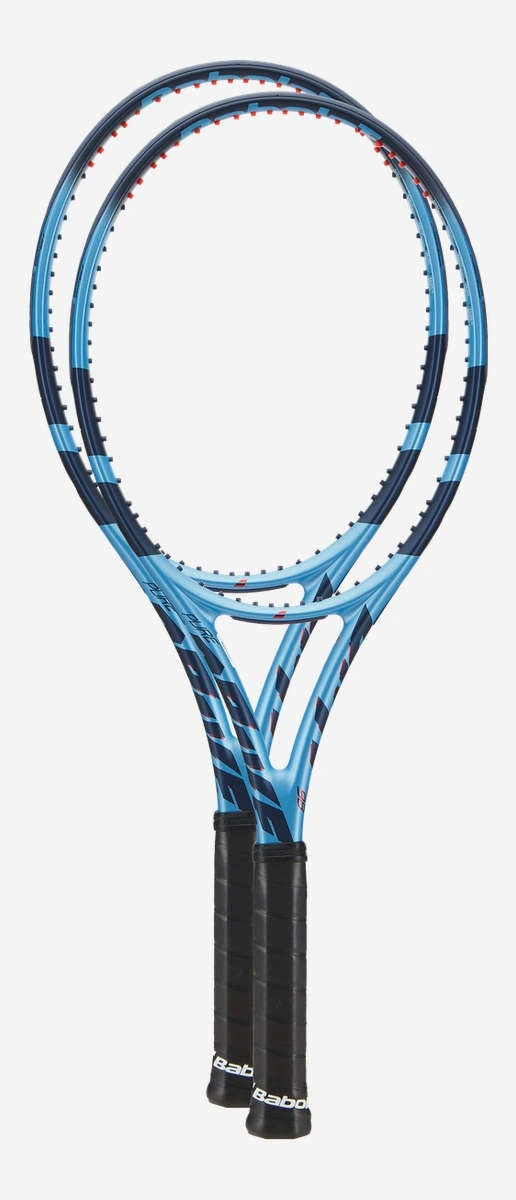
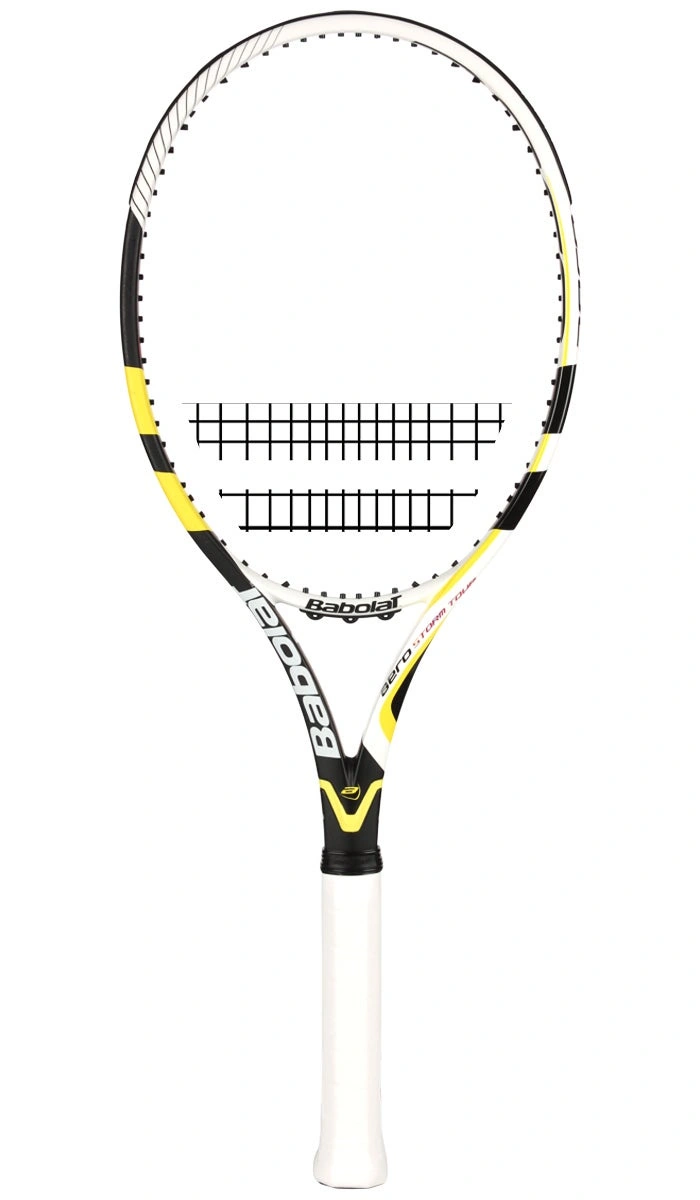
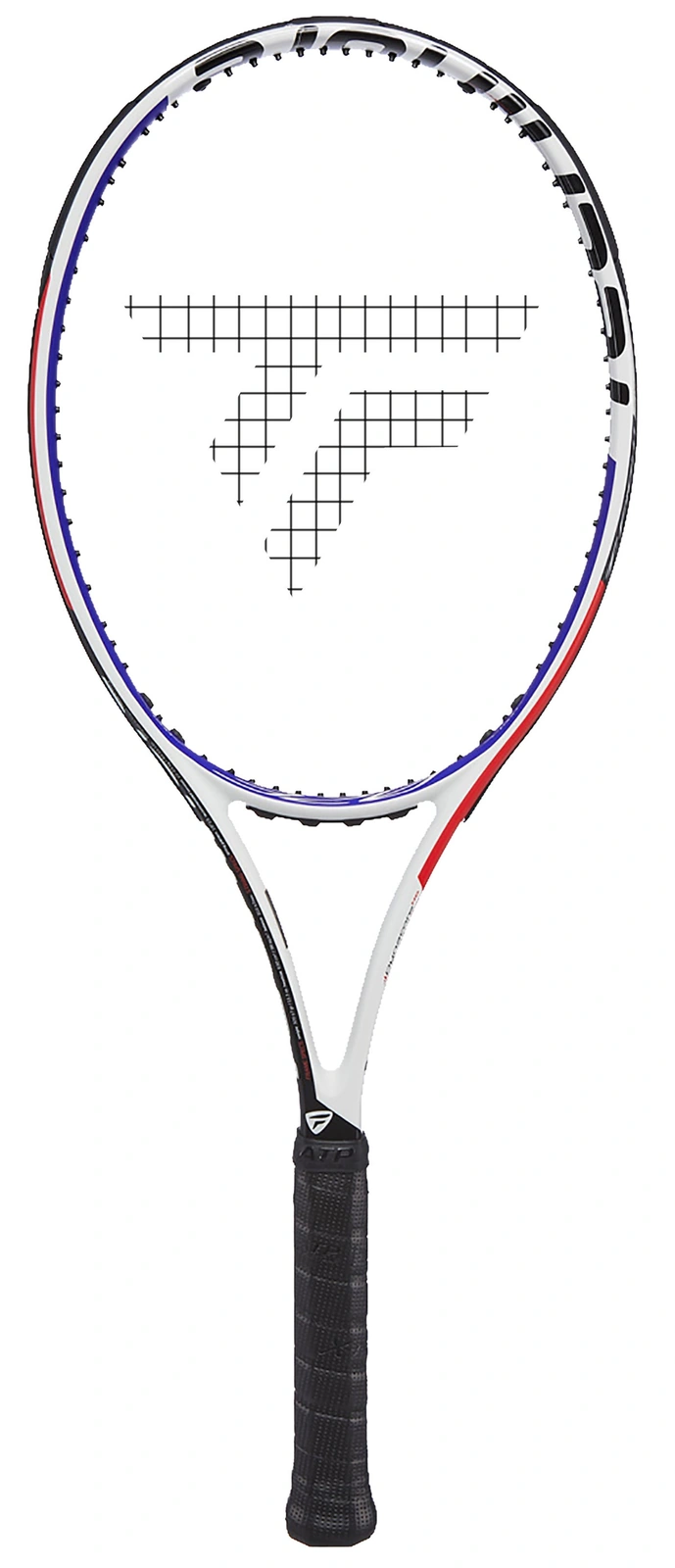
Racquets to compare
Numbers are suggested only when the maker publishes a tension range.
Reviewed sources
Wilson · View source ↗Similar strings
TENNIS TENSION LAB
Check your racquet’s tension today.
Get a high-precision tension reading in under 10 seconds. Tension Lab tracks changes from your first reading and helps you see when to restring.
- High-precision tension measurement. Ready in under 10 seconds.
- Track every change in feel. See the full story over time.
- Time to restring? Never leave it to guesswork.