Yonex · Current range
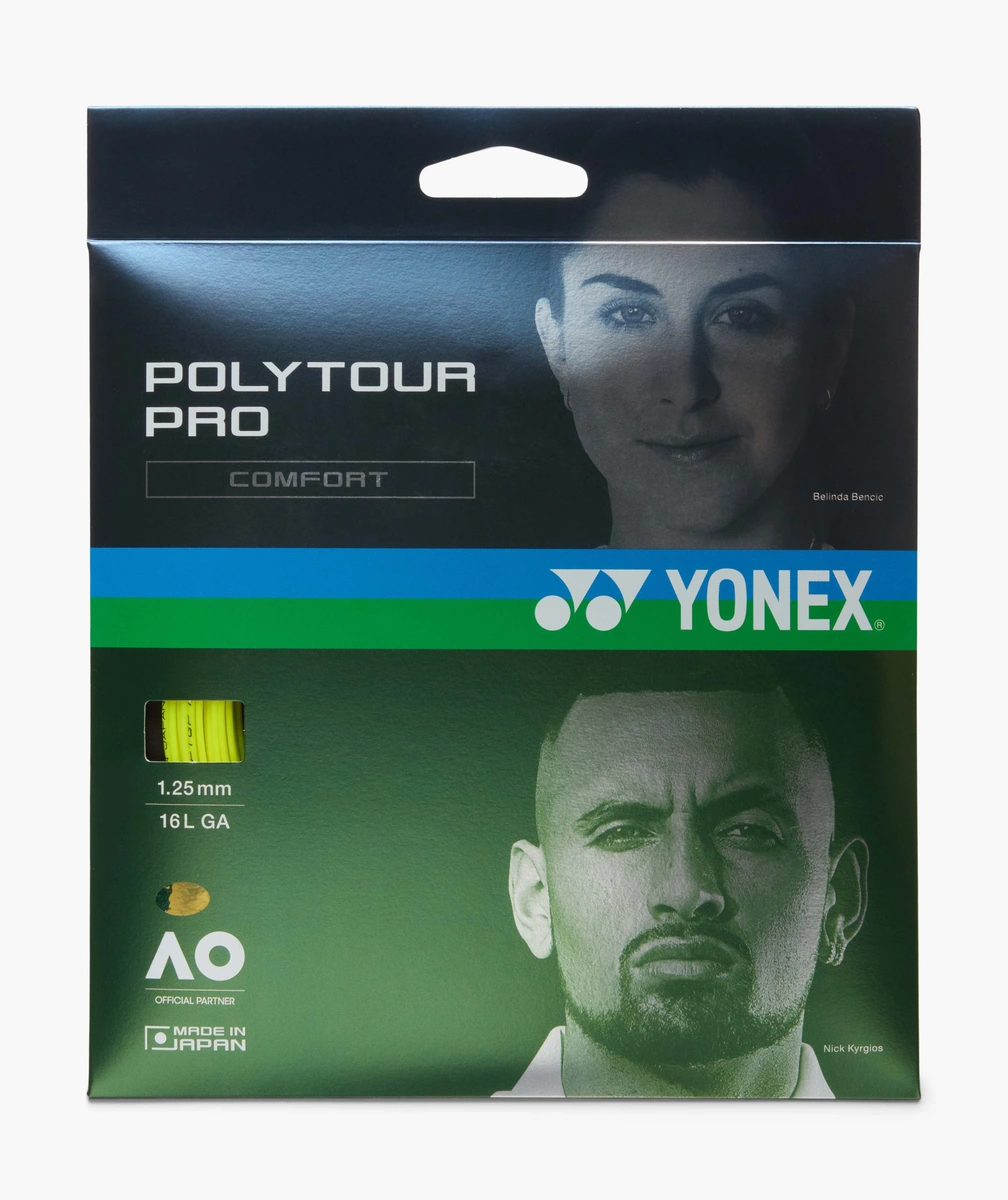
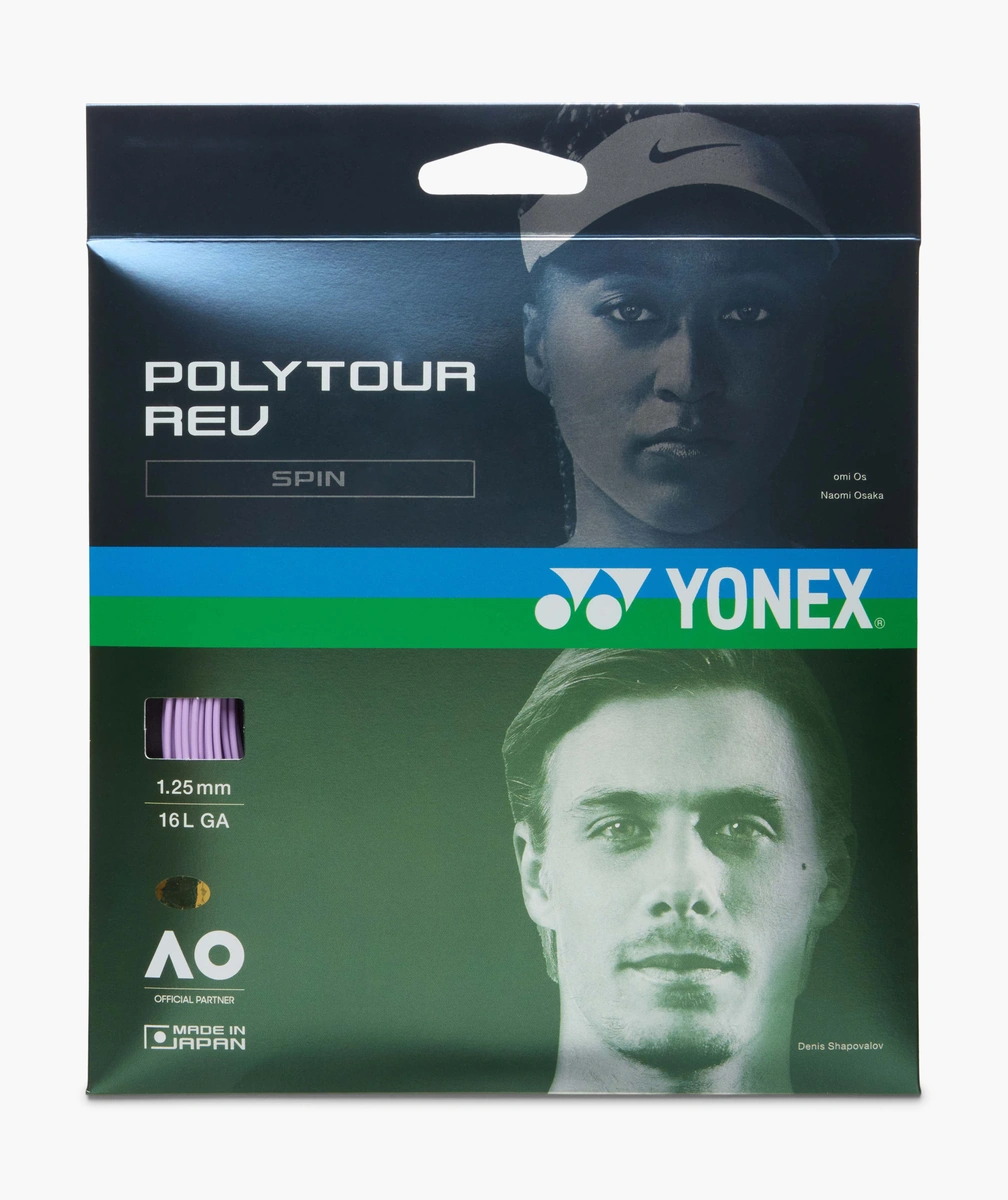
Yonex POLYTOUR PRO
The matched TWU observation is Poly Tour Pro 17 (1.20): 188.6 lb/in stiffness, 33.3% tension loss and a 5.2 spin-potential ratio. A retail link to a 1.25 mm set does not make those measurements a 1.25 mm result.
Product details
- Material
- Polyester
- Gauge
- 1.15 / 1.2 / 1.25 / 1.3 mm
- Construction
- monofilament
- String cross-section
- Not published by the manufacturer
- Surface features
- Not published by the manufacturer
- Surface treatment / coating
- Not published by the manufacturer
- Product status
- Current range
- Stock status
- Stock not verified
Laboratory measurements
Lower stiffness means less resistance to deformation in this test. Tension loss is measured under a laboratory protocol, not a prediction of playing hours. Spin potential is a friction-based ratio, not ball RPM.
| Tested sample | Stiffness lb/in | Tension loss % | Spin potential ratio |
|---|---|---|---|
| Yonex Poly Tour Pro 17 (1.20)Test conditions: 51 lb · Fast (TWU) | 188.6 | 33.3 | 5.2 |
The test tension is not a stringing recommendation. Compare the same gauge and test conditions; the racquet, stroke and stringing method also affect the result on court. On the source page, select All in the material filter to see results for every material.
Compare samples tested under the same conditions
Up to three products with nearby measured stiffness, matching diameter, material and test conditions. This is a data comparison, not a ranking of suitability.
| Tested sample | Stiffness lb/in | Tension loss % | Spin potential ratio |
|---|---|---|---|
| Yonex Poly Tour Pro 17 (1.20) | 188.6 | 33.3 | 5.2 |
| Babolat RPM Blast 18 (1.20) | 189.2 | 36.1 | 5.1 |
| Kirschbaum Competition 17L (1.20) | 190.3 | 45 | 4.1 |
| Solinco Barb Wire 17 (1.20) | 186.3 | 42.6 | 4.9 |
Separate the retail listing from the tested sample
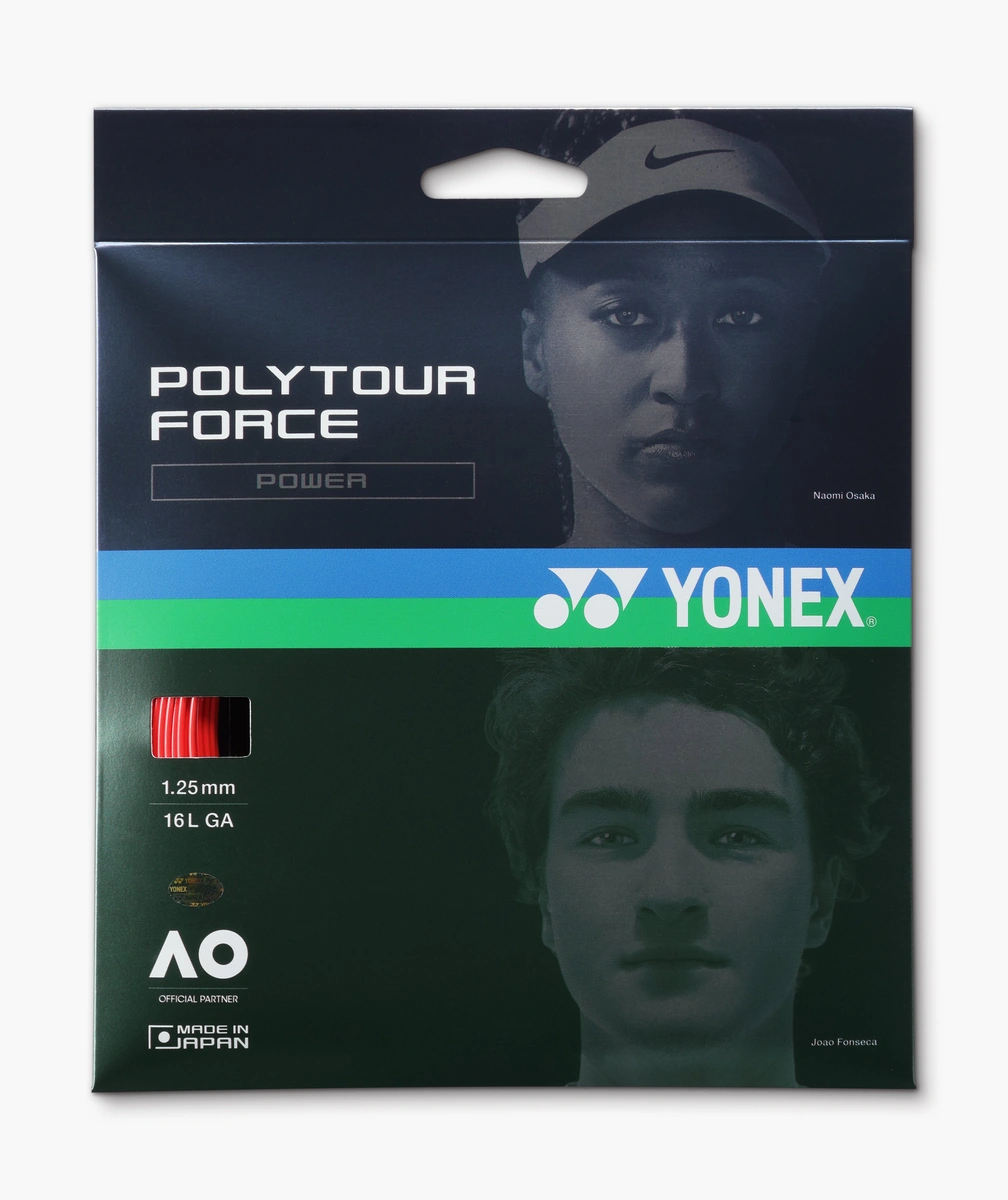
The catalog includes 1.15, 1.20, 1.25 and 1.30 mm, while the manufacturer link is a 1.25 mm set. The precisely matched laboratory sample shown here is 1.20 mm. These scopes can coexist without describing the same gauge.
A colour suffix in another sample name is not silently removed to merge its results. Keep colour and gauge distinctions visible when deciding whether a comparison is matched.
How to use 188.6 lb/in
At 51 lb and Fast speed, 188.6 lb/in describes resistance to deformation in that test. It is neither the final stiffness of an installed stringbed nor a representative value for every gauge. It is most useful against samples tested at the same gauge and conditions.
Do not raise reference tension simply because a product has a soft reputation. First document depth and comfort in your current setup and identify the response you want to change.
Do not combine the POLYTOUR family into one product
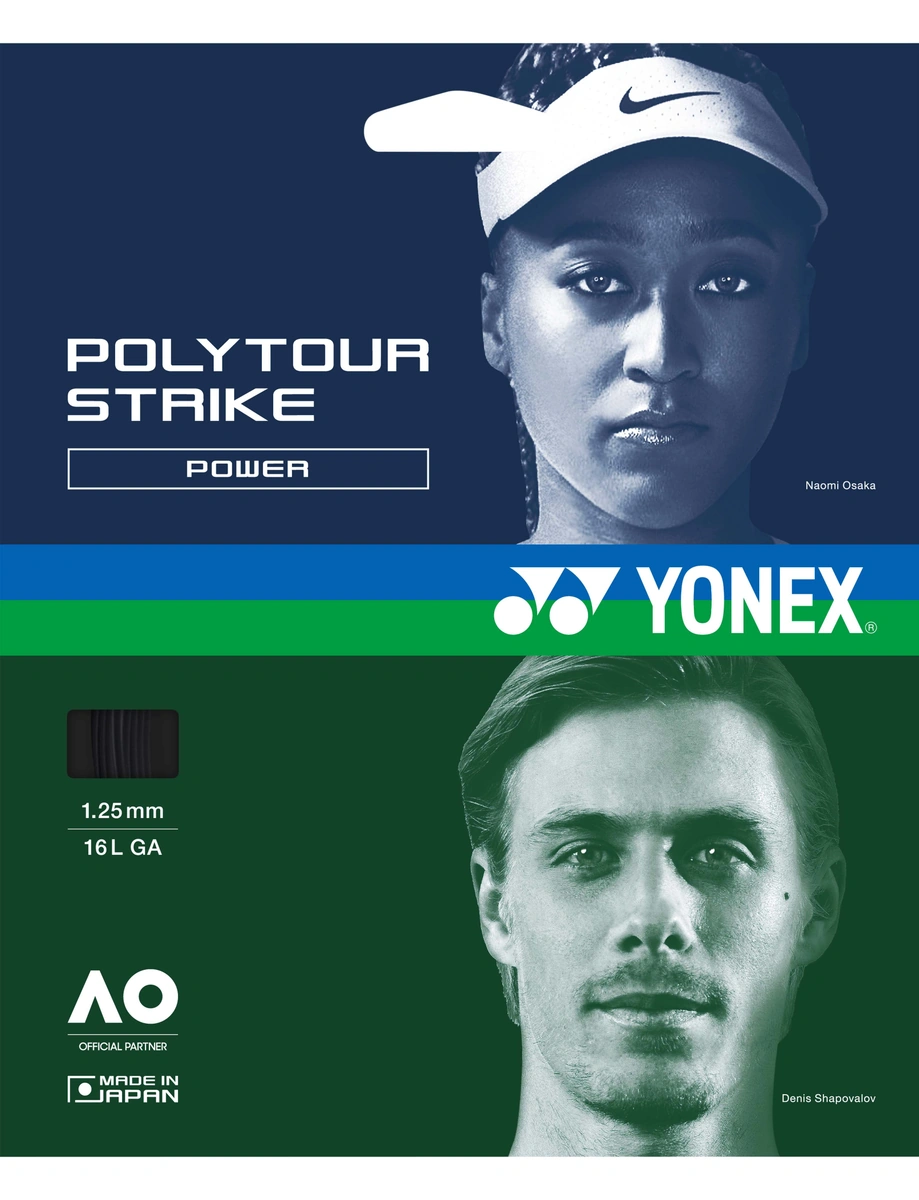
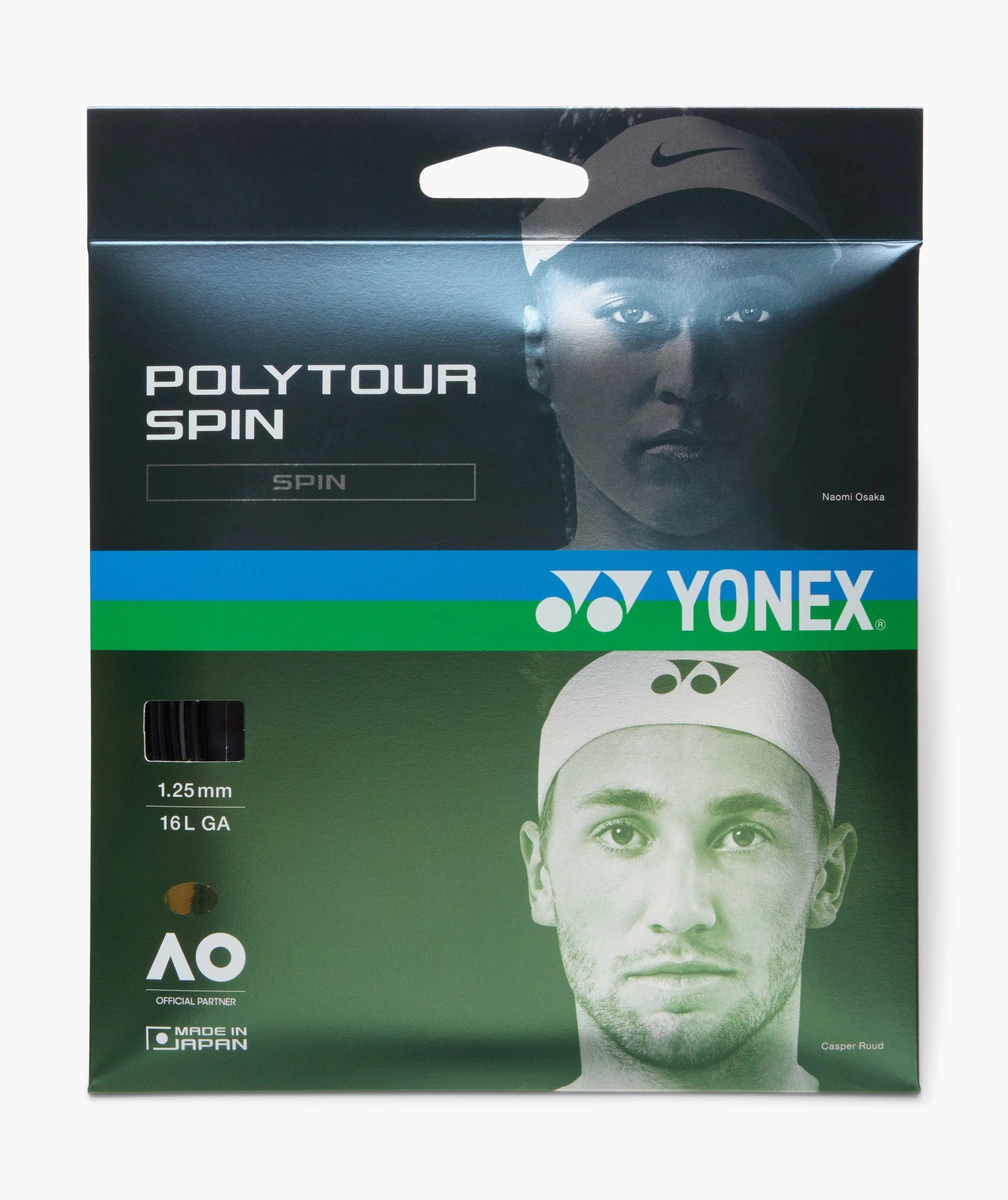
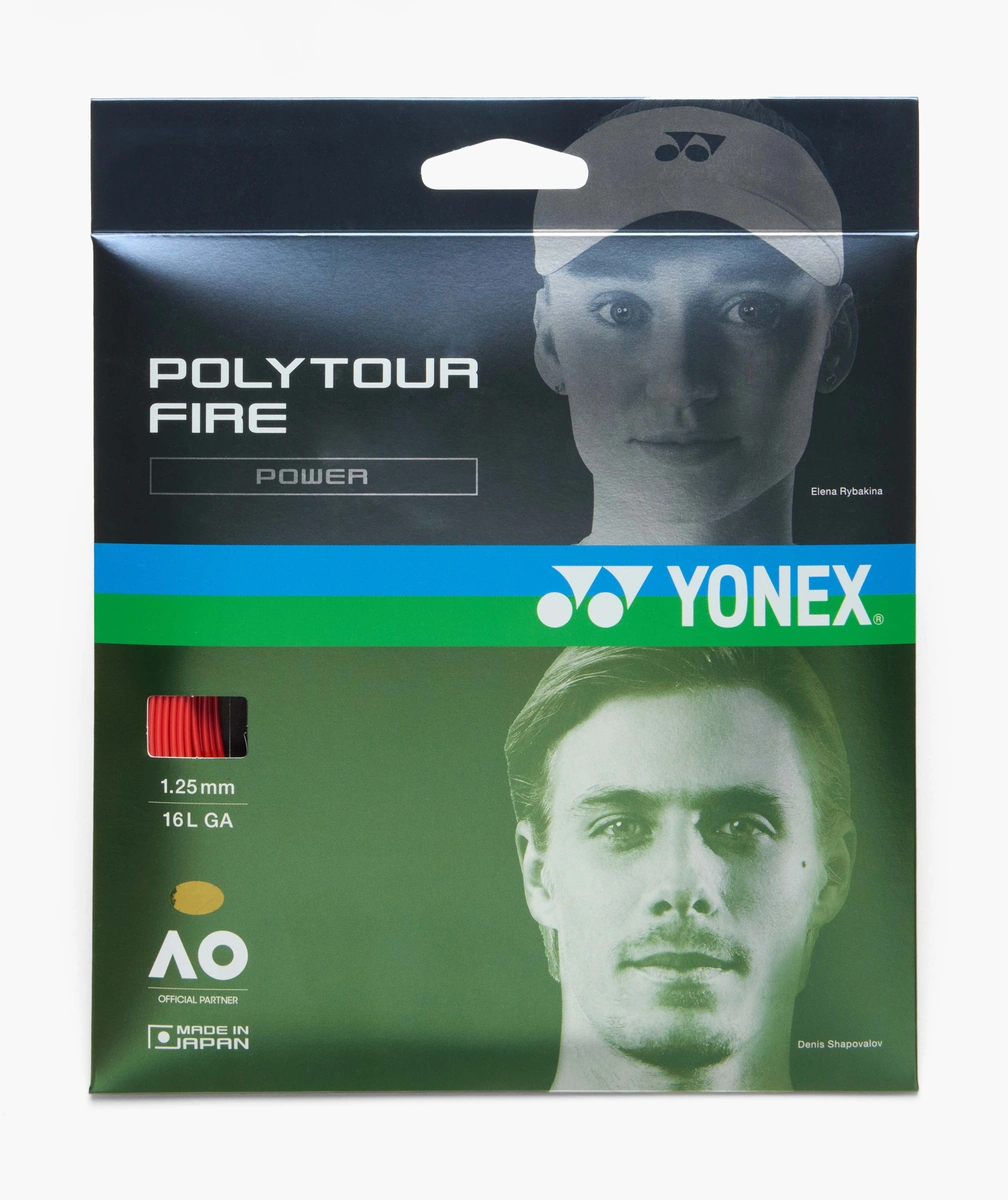
PRO, STRIKE, REV and FIRE are distinct models. Similar family names do not establish identical construction, surface treatment or results. Player-use claims also need a specific model, gauge and observation date.
Matching a racquet and string brand is not evidence of an optimal pairing. Evaluate the frame, gauge, reference tension and swing together.
Record the first response and its evolution
The 33.3% loss result is not service life. Track main-string return, notching, height and depth after repeated use. Wear can vary with frame pattern and hitting style even for one string model.
For the next setup, match the previous metric gauge before changing one variable. That makes it easier to attribute the result to the intended change.
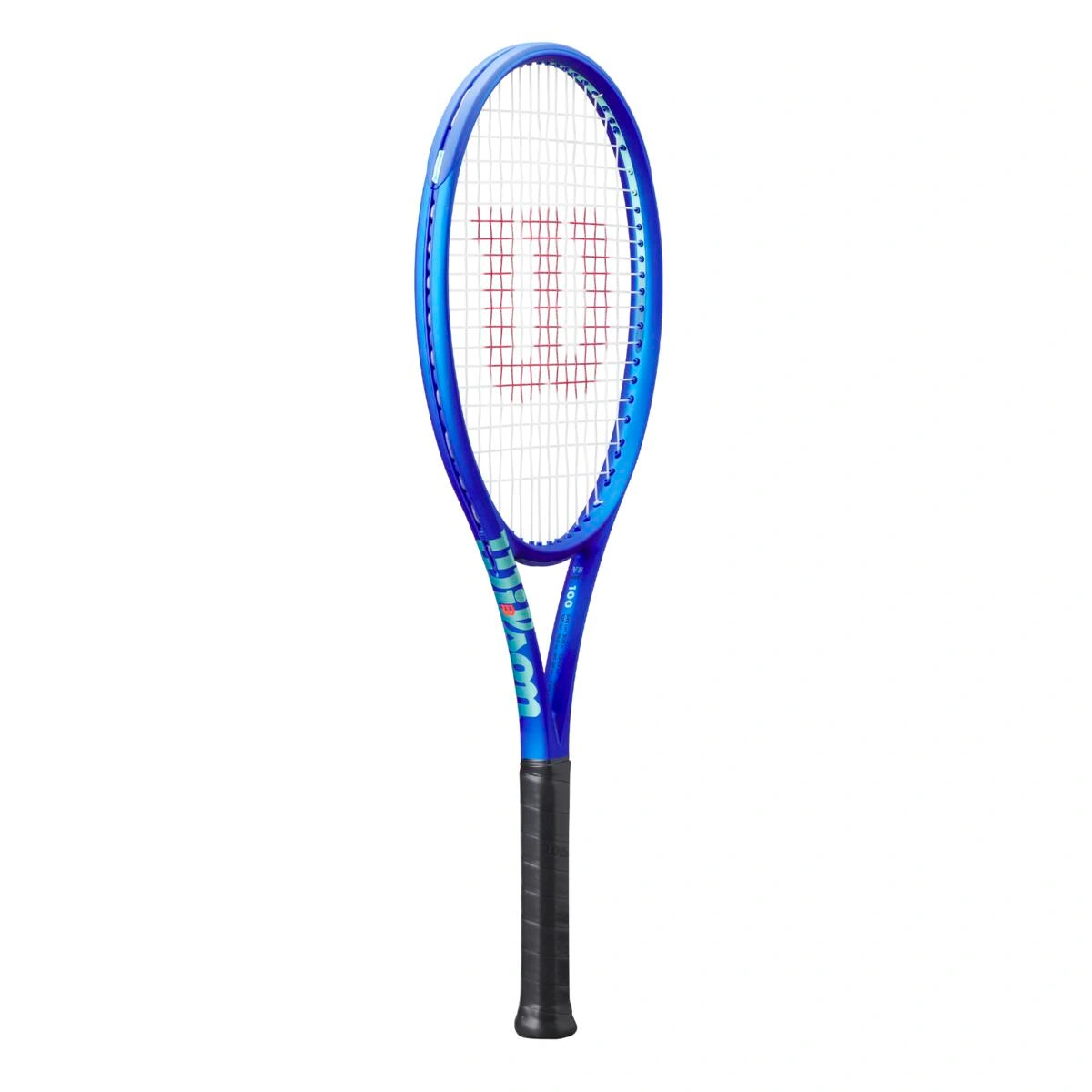
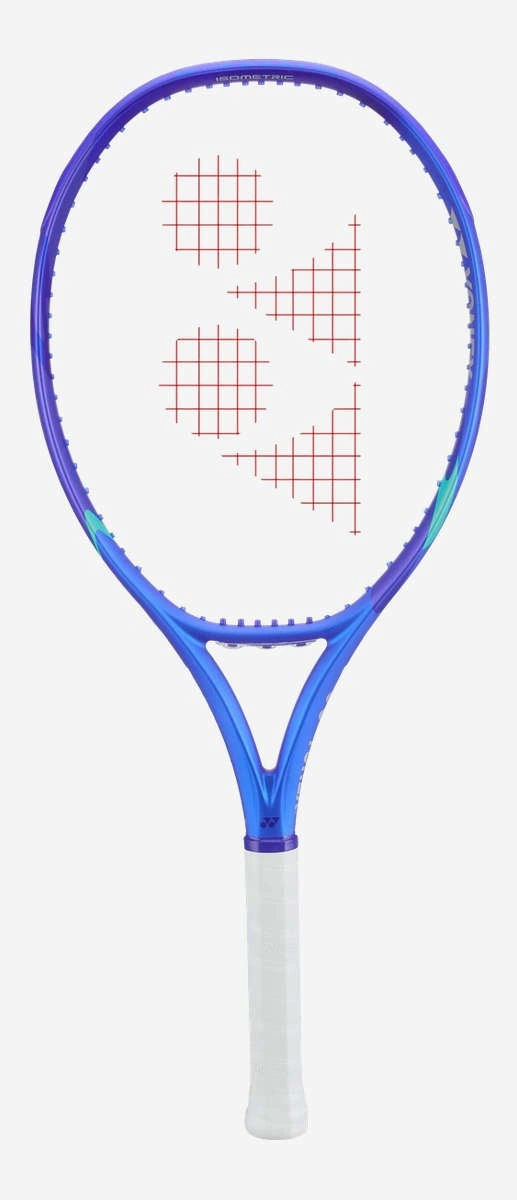
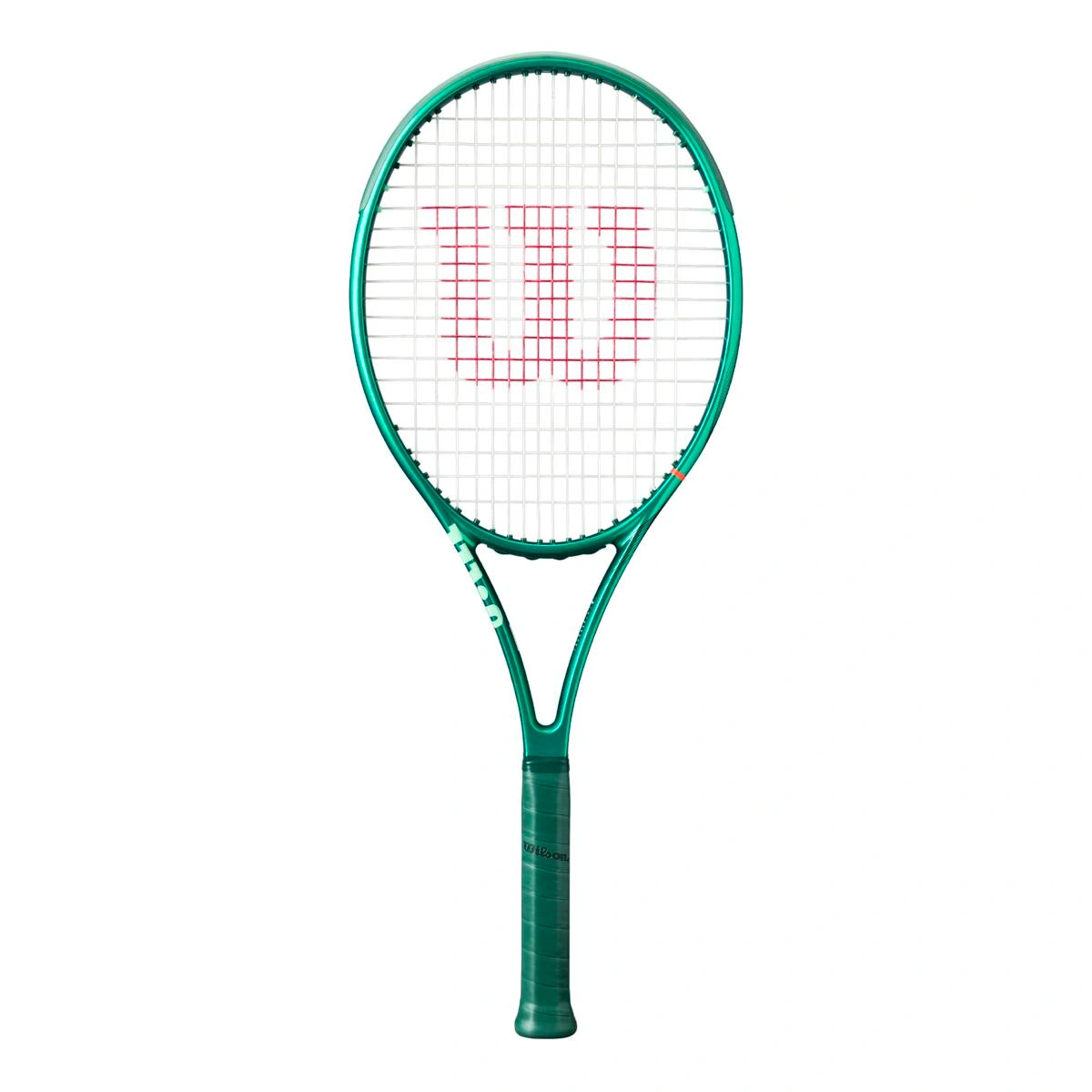
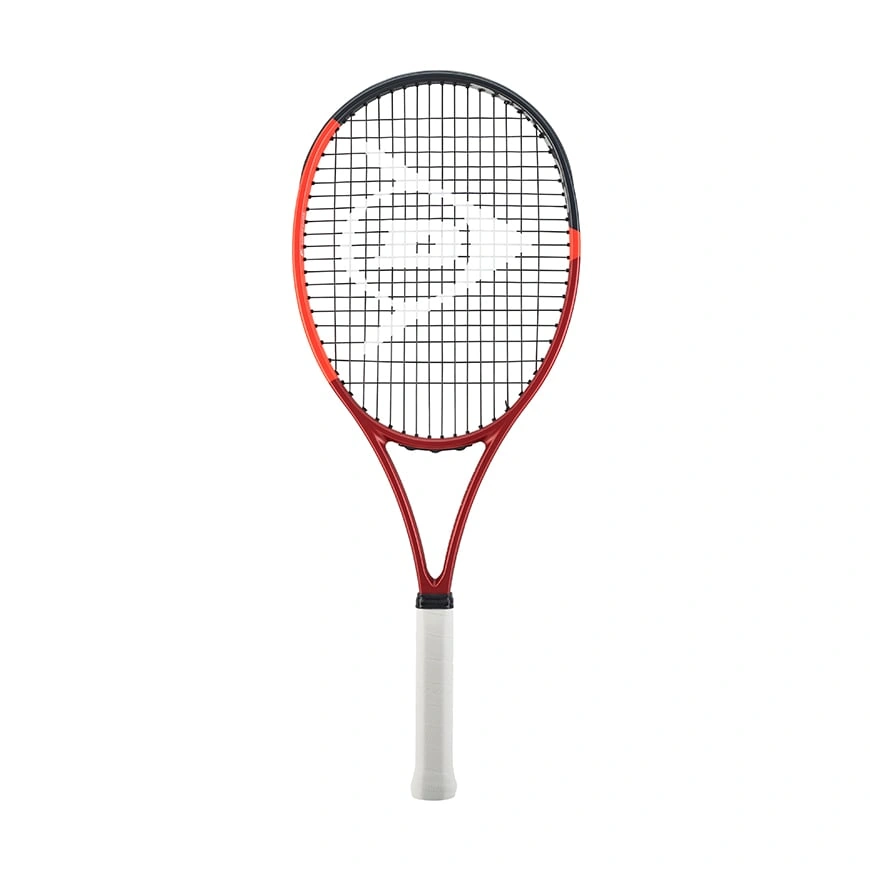
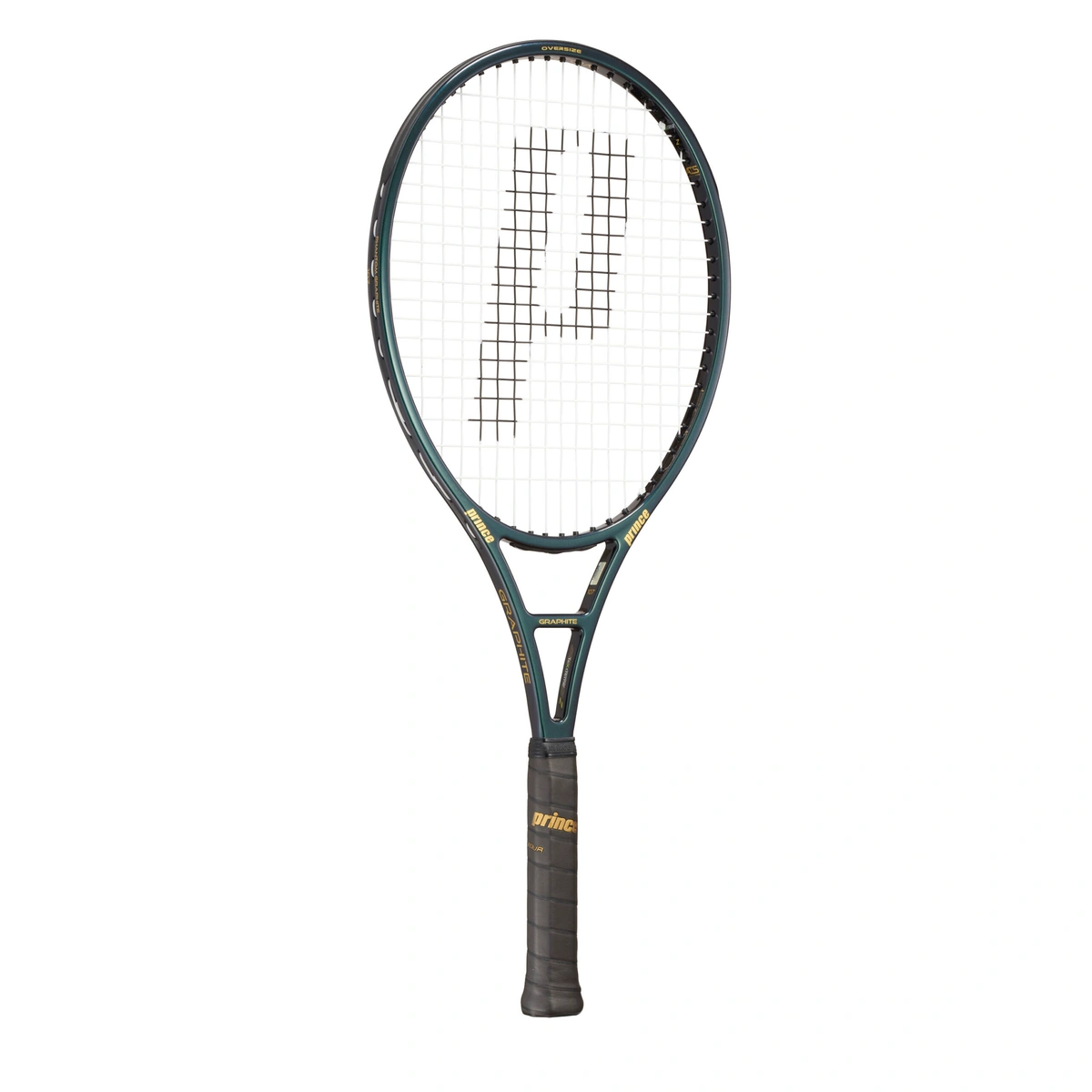
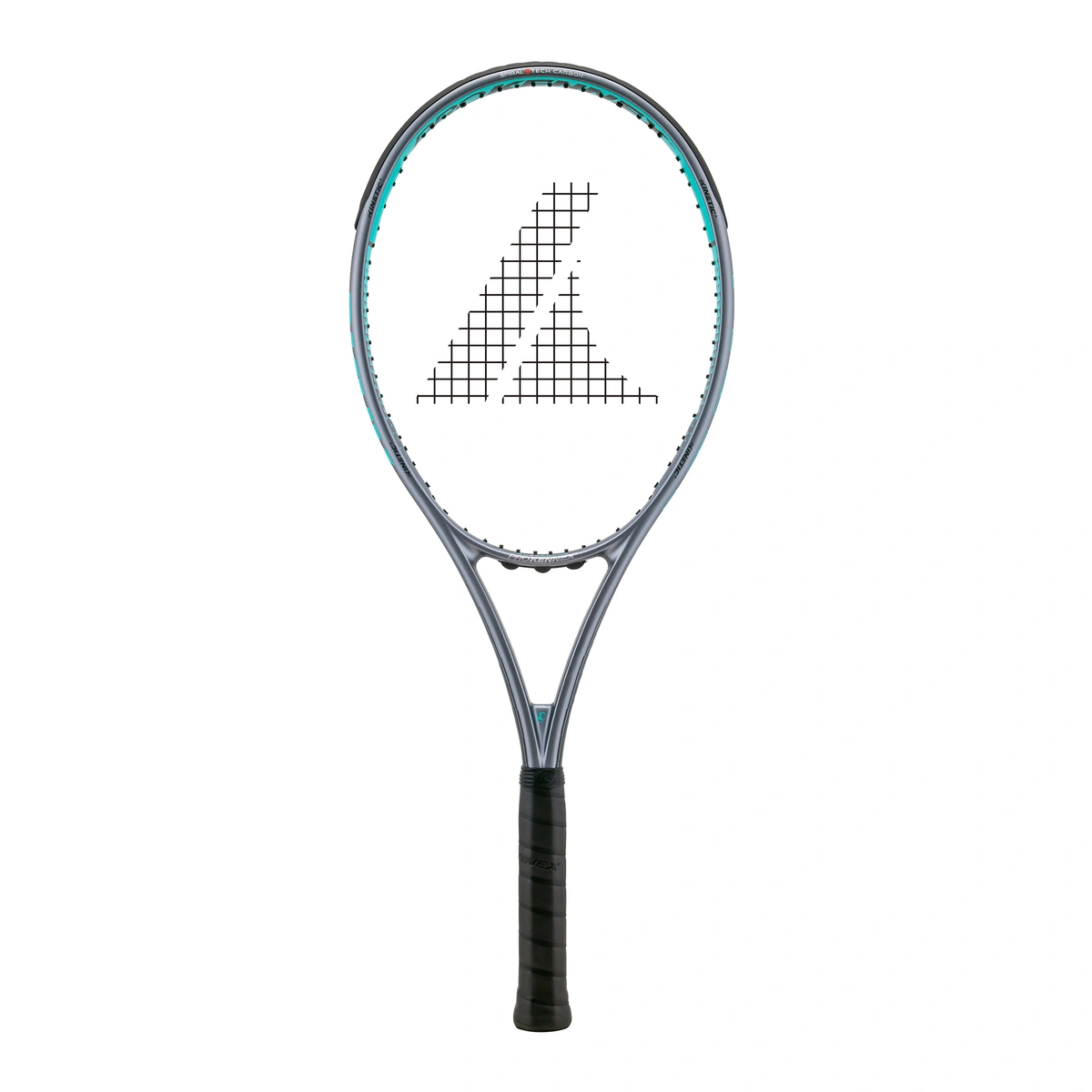
Racquets to compare
Numbers are suggested only when the maker publishes a tension range.
Reviewed sources
Yonex · View source ↗Similar strings
TENNIS TENSION LAB
Check your racquet’s tension today.
Get a high-precision tension reading in under 10 seconds. Tension Lab tracks changes from your first reading and helps you see when to restring.
- High-precision tension measurement. Ready in under 10 seconds.
- Track every change in feel. See the full story over time.
- Time to restring? Never leave it to guesswork.