Yonex · Current range
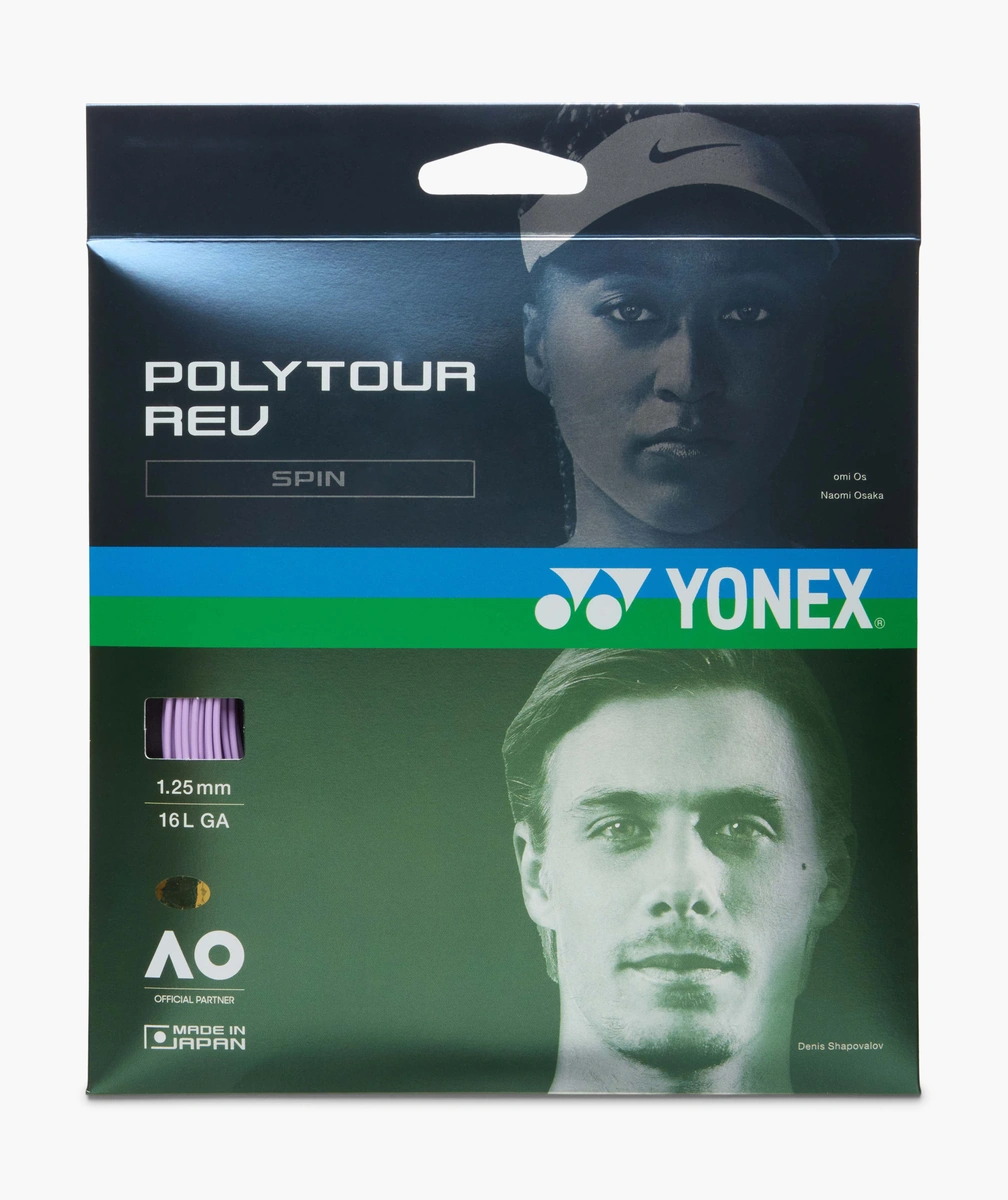
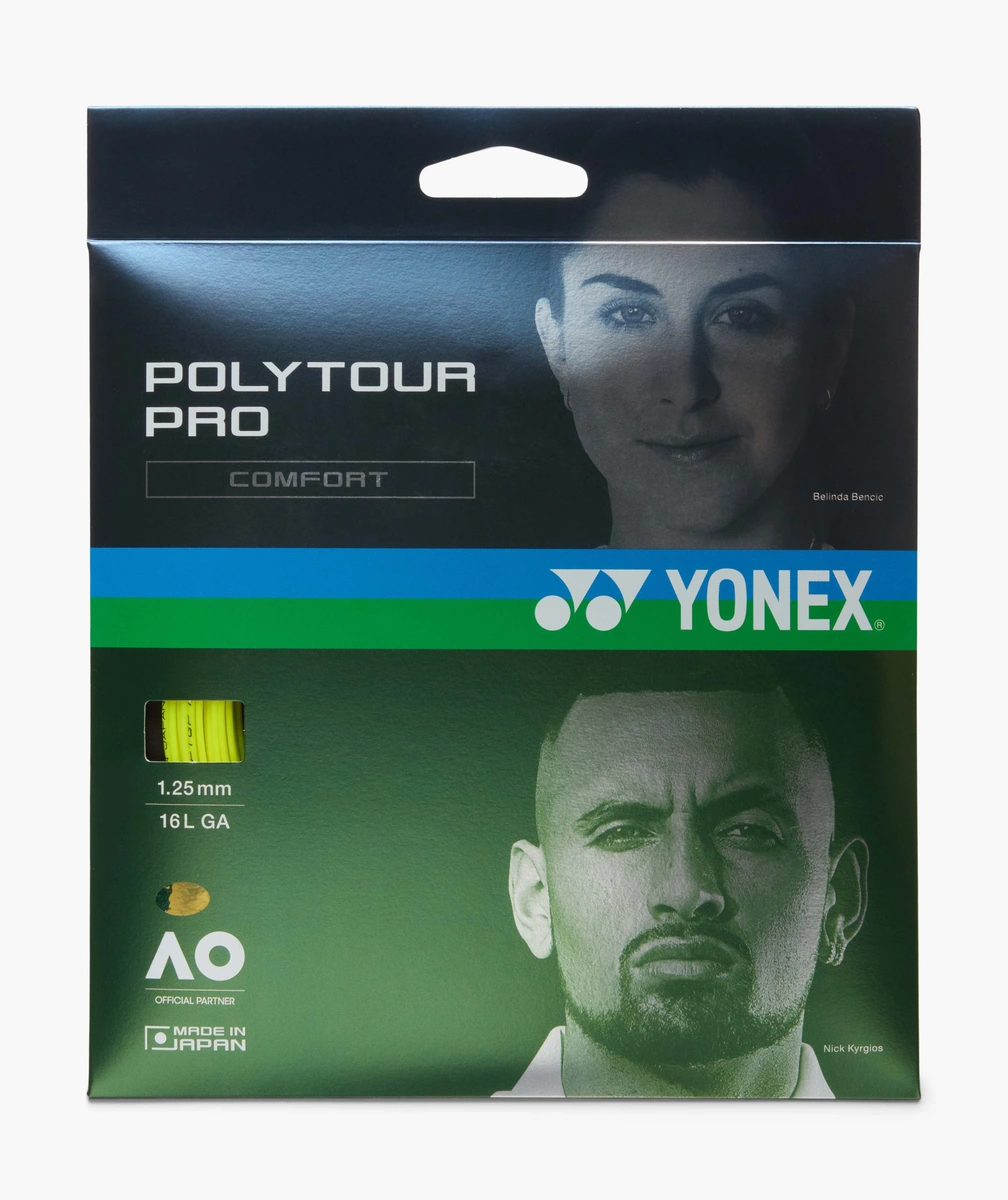
Yonex POLYTOUR REV
REV combines an octagonal polyester monofilament with SIF technology. Its 1.25 mm TWU sample records 193.2 lb/in stiffness, 34.4% tension loss and 7.2 spin potential; the 1.30 mm sample has no published spin value in this selection.
Product details
- Material
- Polyester
- Gauge
- 1.2 / 1.25 / 1.3 mm
- Construction
- monofilament
- String cross-section
- 8-sided (octagonal)
- Surface features
- Not published by the manufacturer
- Surface treatment / coating
- Low-friction / slick treatment · Silicone infused into the material
- Product status
- Current range
- Stock status
- Stock not verified
Laboratory measurements
Lower stiffness means less resistance to deformation in this test. Tension loss is measured under a laboratory protocol, not a prediction of playing hours. Spin potential is a friction-based ratio, not ball RPM.
| Tested sample | Stiffness lb/in | Tension loss % | Spin potential ratio |
|---|---|---|---|
| Yonex Polytour Rev 16L (1.25)Test conditions: 51 lb · Fast (TWU) | 193.2 | 34.4 | 7.2 |
| Yonex PolyTour REV 16 (1.30)Test conditions: 51 lb · Fast (TWU) | 208.6 | 33.3 | — |
The test tension is not a stringing recommendation. Compare the same gauge and test conditions; the racquet, stroke and stringing method also affect the result on court. On the source page, select All in the material filter to see results for every material.
Compare samples tested under the same conditions
Up to three products with nearby measured stiffness, matching diameter, material and test conditions. This is a data comparison, not a ranking of suitability.
| Tested sample | Stiffness lb/in | Tension loss % | Spin potential ratio |
|---|---|---|---|
| Yonex Polytour Rev 16L (1.25) | 193.2 | 34.4 | 7.2 |
| Solinco Confidential Soft 16L (1.25) | 194.3 | 27.7 | 6.5 |
| Solinco Tour Bite Soft 16L (1.25) | 192 | 29.3 | 5.8 |
| Wilson Revolve 17 (1.25) | 192 | 36.2 | 7.7 |
Eight sides and SIF address different contact surfaces
Yonex identifies POLYTOUR REV 125 as an octagonal polyester monofilament, 16L/1.25 mm, using Silicone Oil Infused Filament technology. The global series page explains that silicone oil is incorporated into the string polymers to create a smoother surface and reduce friction between strings.
The shaped profile concerns contact with the ball, while the low-friction design concerns strings moving against each other. These mechanisms can coexist. Neither eight sides nor SIF alone specifies your spin increase: stroke path, speed, contact conditions and the stringbed's ability to move and return still matter.
The 1.25 and 1.30 samples have different, incomplete data
In TWU's 51 lb / Fast selection, Yonex Polytour Rev 16L (1.25) measures 193.2 lb/in stiffness, 34.4% tension loss and 7.2 spin potential. Yonex PolyTour REV 16 (1.30) measures 208.6 lb/in and 33.3% loss, with the spin entry marked NA. NA is missing information, not zero spin.
The thicker sample is 15.4 lb/in stiffer, while its recorded loss is 1.1 percentage points lower. That does not establish a wear-life advantage, and the 1.25 spin value cannot be copied onto the 1.30 version. The manufacturer also lists 1.20 mm; the selected table used here does not supply a matching REV 1.20 observation.
Against STRIKE 1.25, stiffness and loss point in different directions
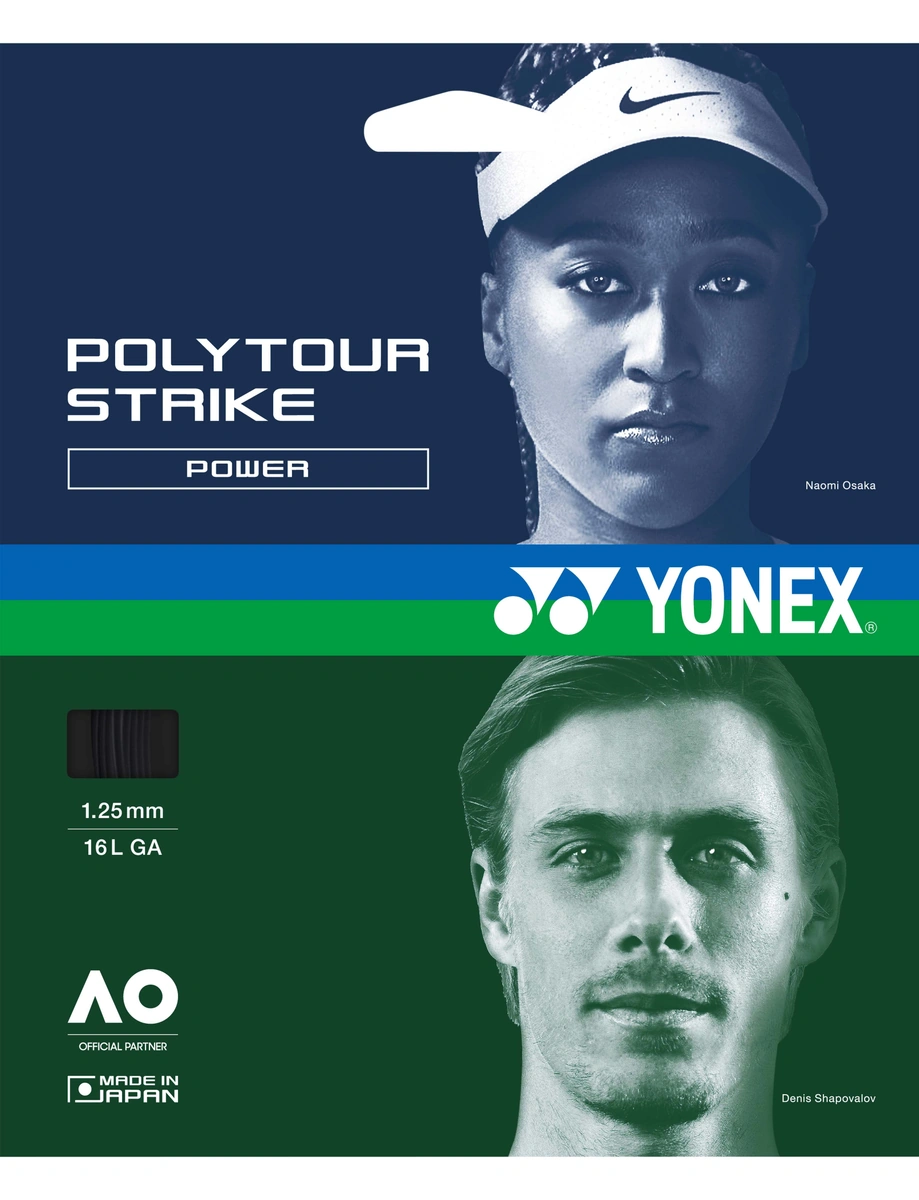
Under the same selected conditions, Poly Tour Strike 16L (1.25) measures 199.5 lb/in, 27.9% loss and 4.6 spin potential. REV 1.25 is 6.3 lb/in lower in stiffness but 6.5 percentage points higher in recorded loss. These are separate laboratory dimensions, not one overall score.
Compare them when you want to investigate initial response versus response after use. The spin-potential values can help frame the trial, but 7.2 versus 4.6 is not a forecast of proportional RPM. Look at the depth and trajectory you can repeatedly produce before choosing the result that matters most for your game.
A hybrid changes the system that the single-string result describes
The published REV row is not a test of every cross string paired with REV mains. Changing the cross changes an interacting surface and can also change stringbed stiffness. Reversing mains and crosses is another setup; the two arrangements should not inherit one performance claim.
Record the exact model, millimetre gauge and reference tension on both sides of a hybrid. If the goal is retaining a familiar trajectory, establish the frame response first and then change one component. Comparing a fresh REV hybrid with an old full-poly setup mixes material, wear and tension history.
Follow the movement response as the string wears
SIF is a manufacturer design feature, not a guarantee that the contact surfaces remain unchanged throughout use. TWU's ageing-string work considers notching and friction alongside tension loss. A fresh setup's movement response should not be assumed to persist merely because the strings are intact.
Use the same high crosscourt target and defensive reply during successive sessions. Note changes in landing depth, swing compensation and whether displaced mains return. Those observations help set your own replacement decision; neither the laboratory loss percentage nor the number of sides provides an hourly replacement rule.
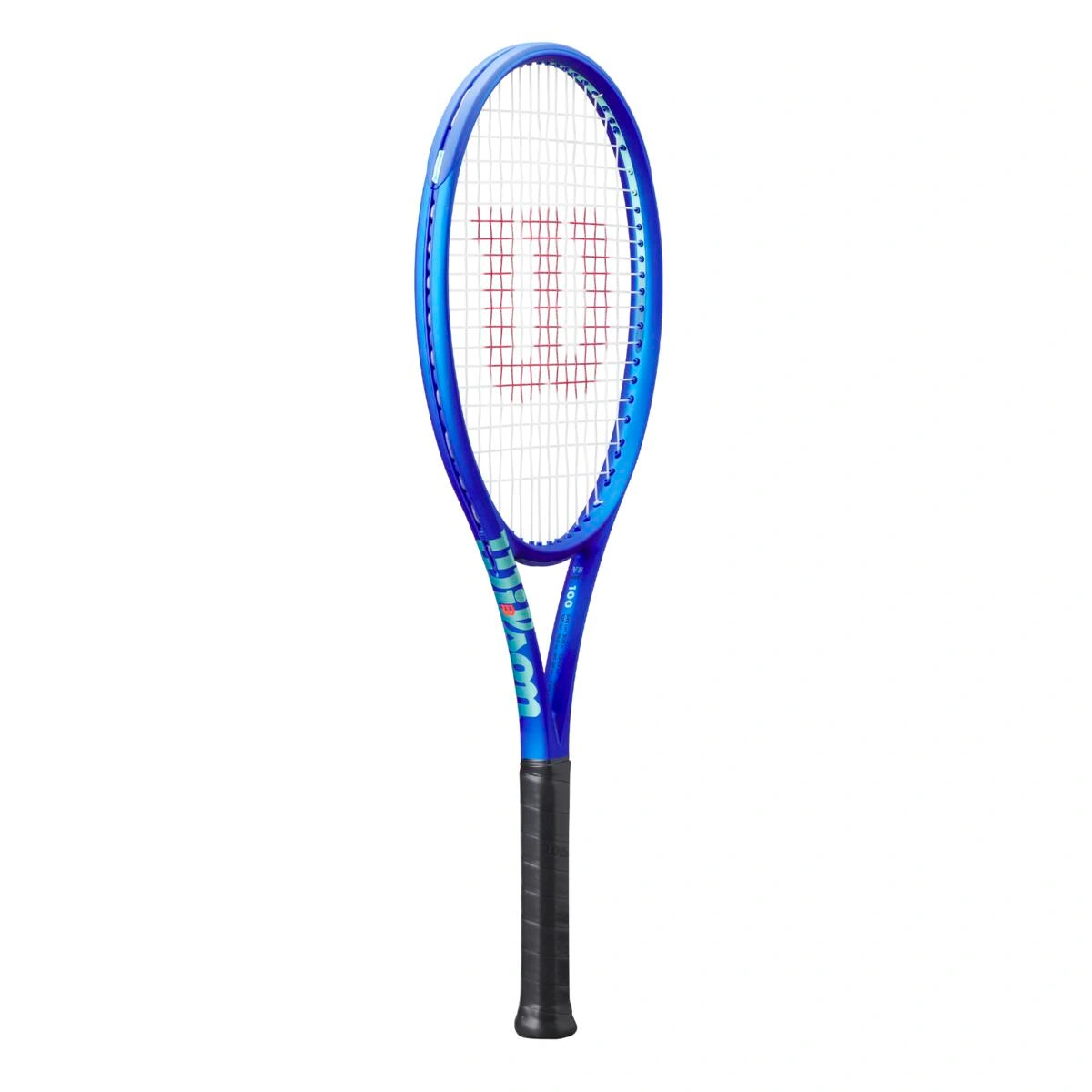
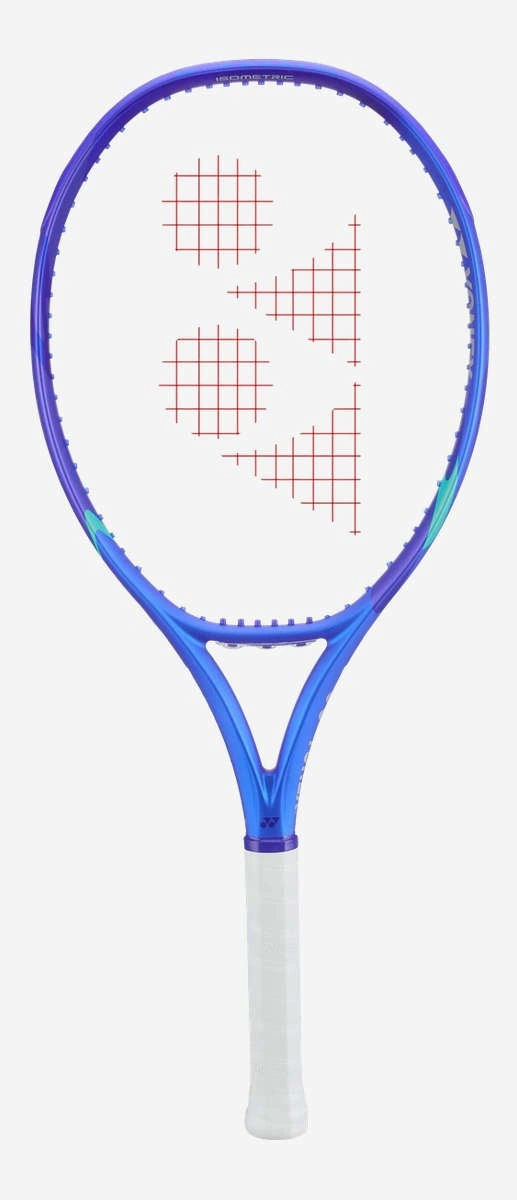
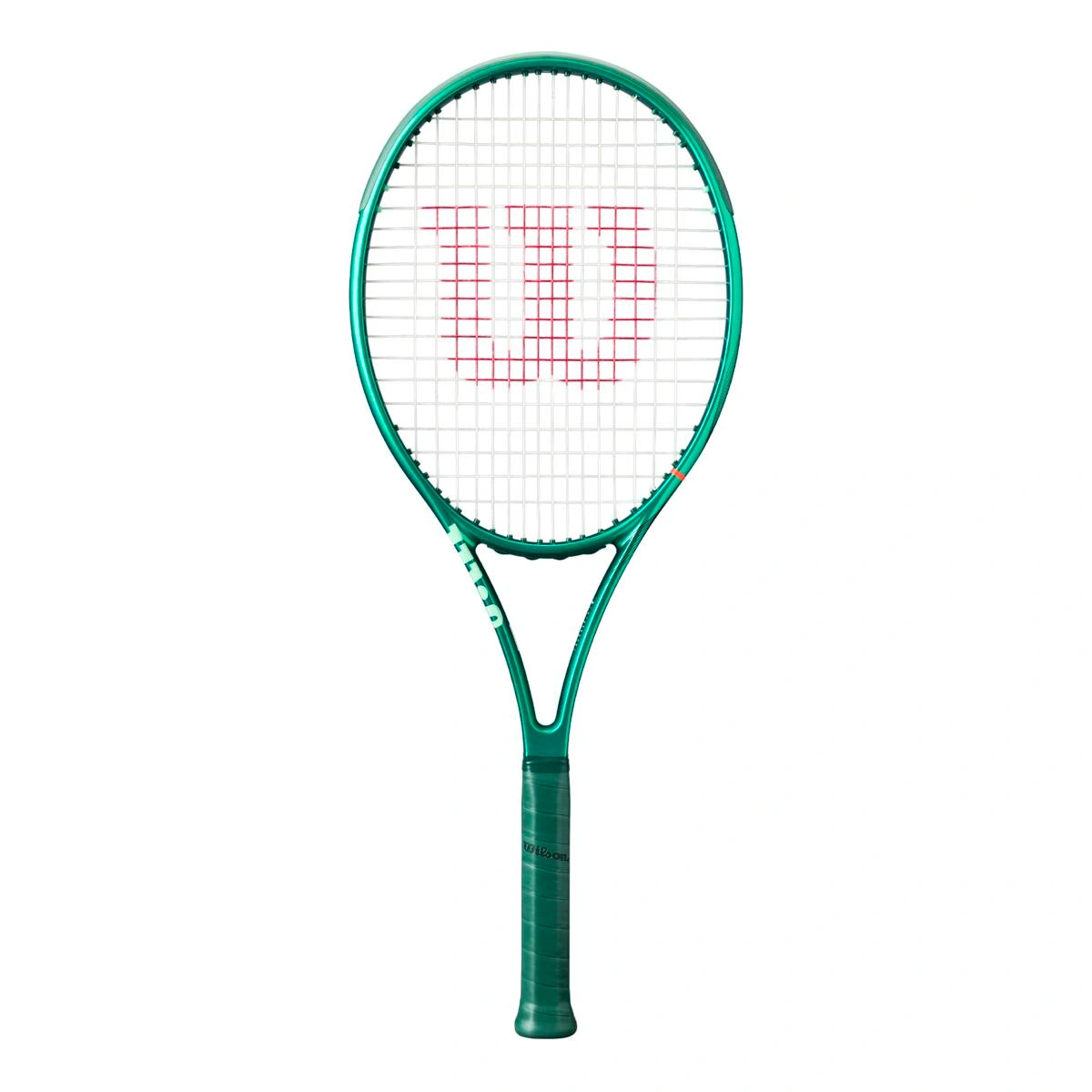
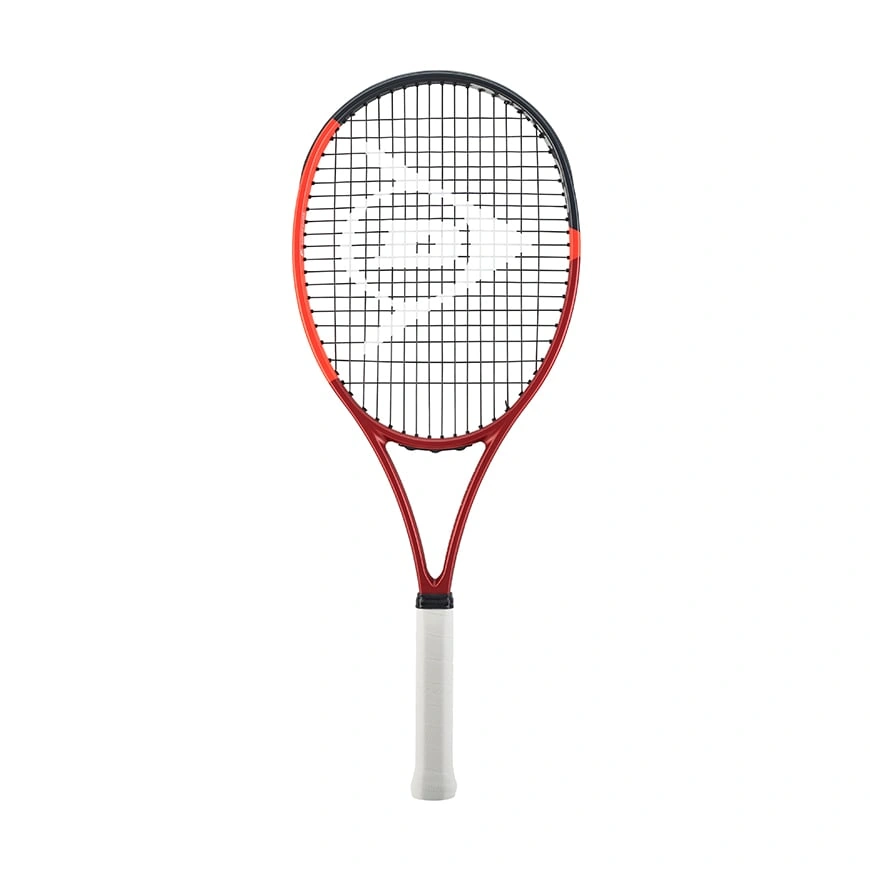
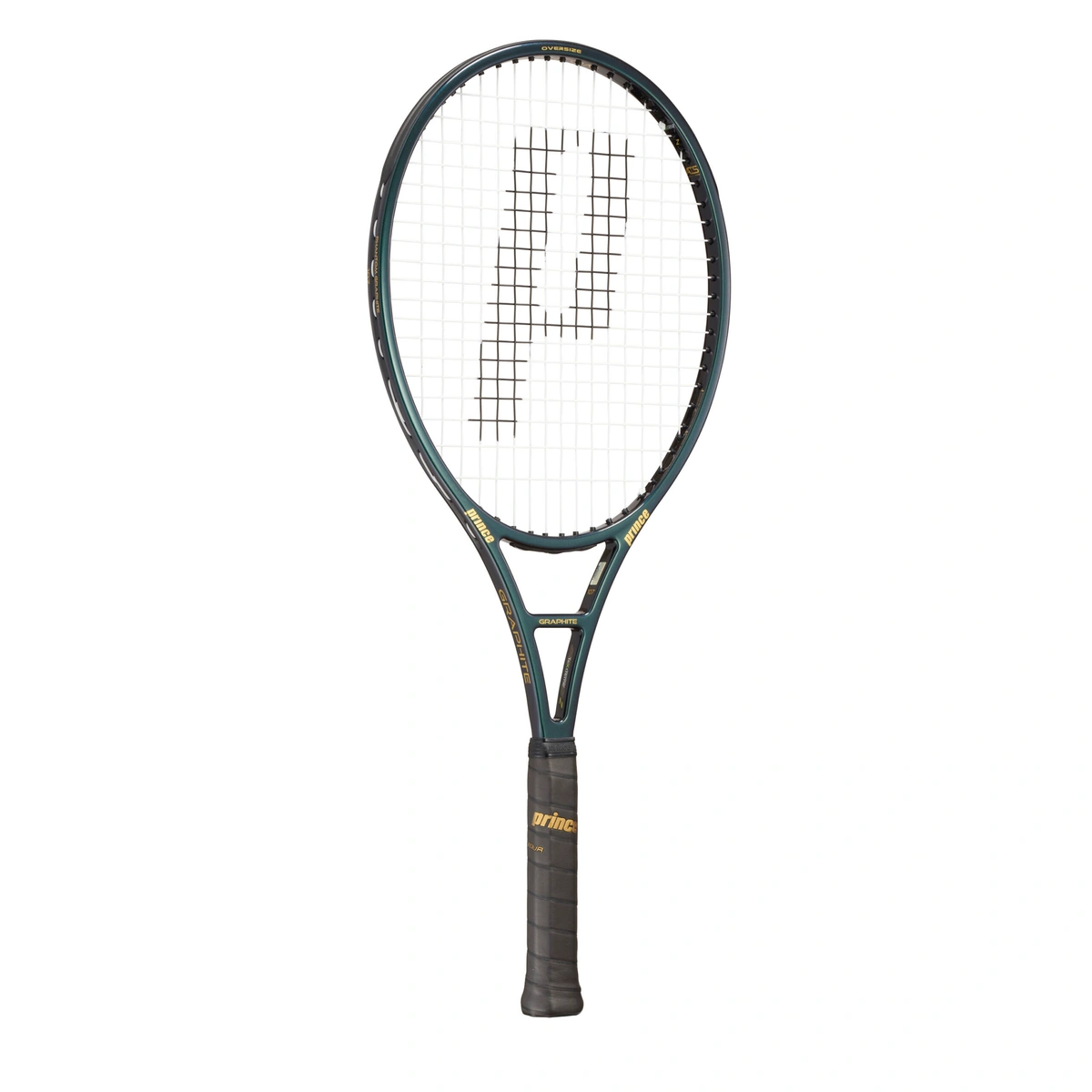
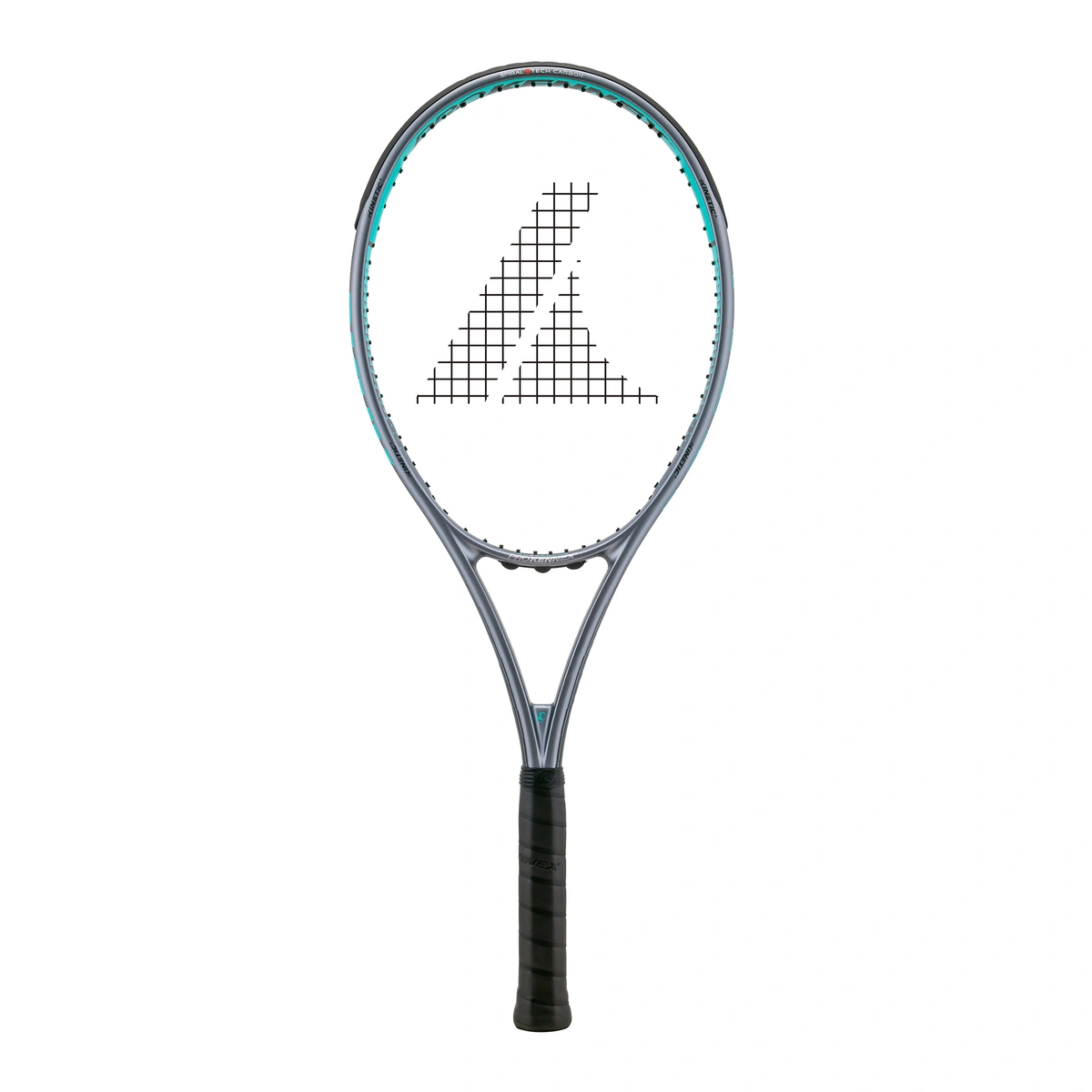
Racquets to compare
Numbers are suggested only when the maker publishes a tension range.
Reviewed sources
Yonex · View source ↗String cross-section
String cross-section: 8-sided (octagonal) · Surface features: Not published by the manufacturer · Surface treatment / coating: Low-friction / slick treatment · Silicone infused into the material
View source ↗Similar strings
TENNIS TENSION LAB
Check your racquet’s tension today.
Get a high-precision tension reading in under 10 seconds. Tension Lab tracks changes from your first reading and helps you see when to restring.
- High-precision tension measurement. Ready in under 10 seconds.
- Track every change in feel. See the full story over time.
- Time to restring? Never leave it to guesswork.