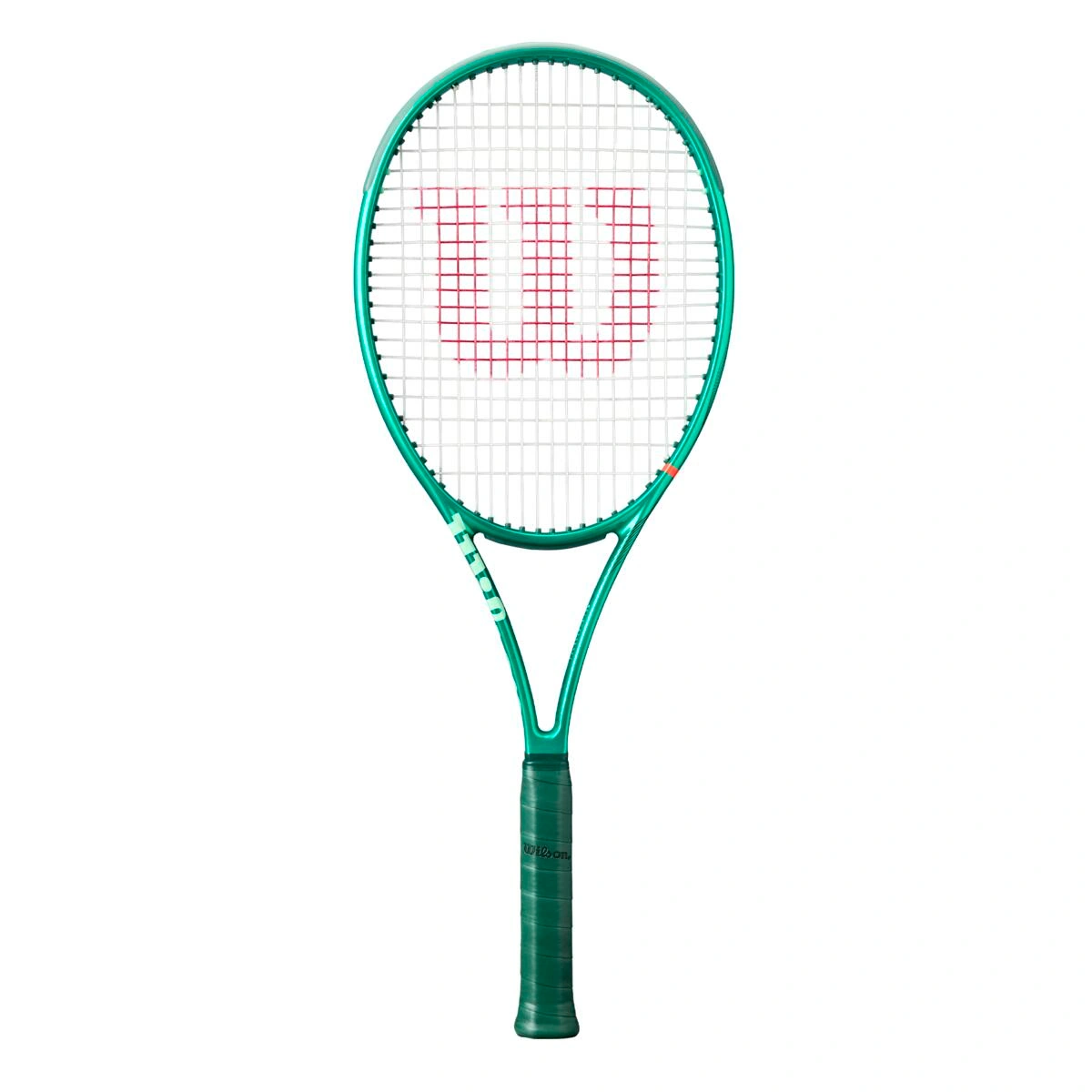
Wilson · Current model
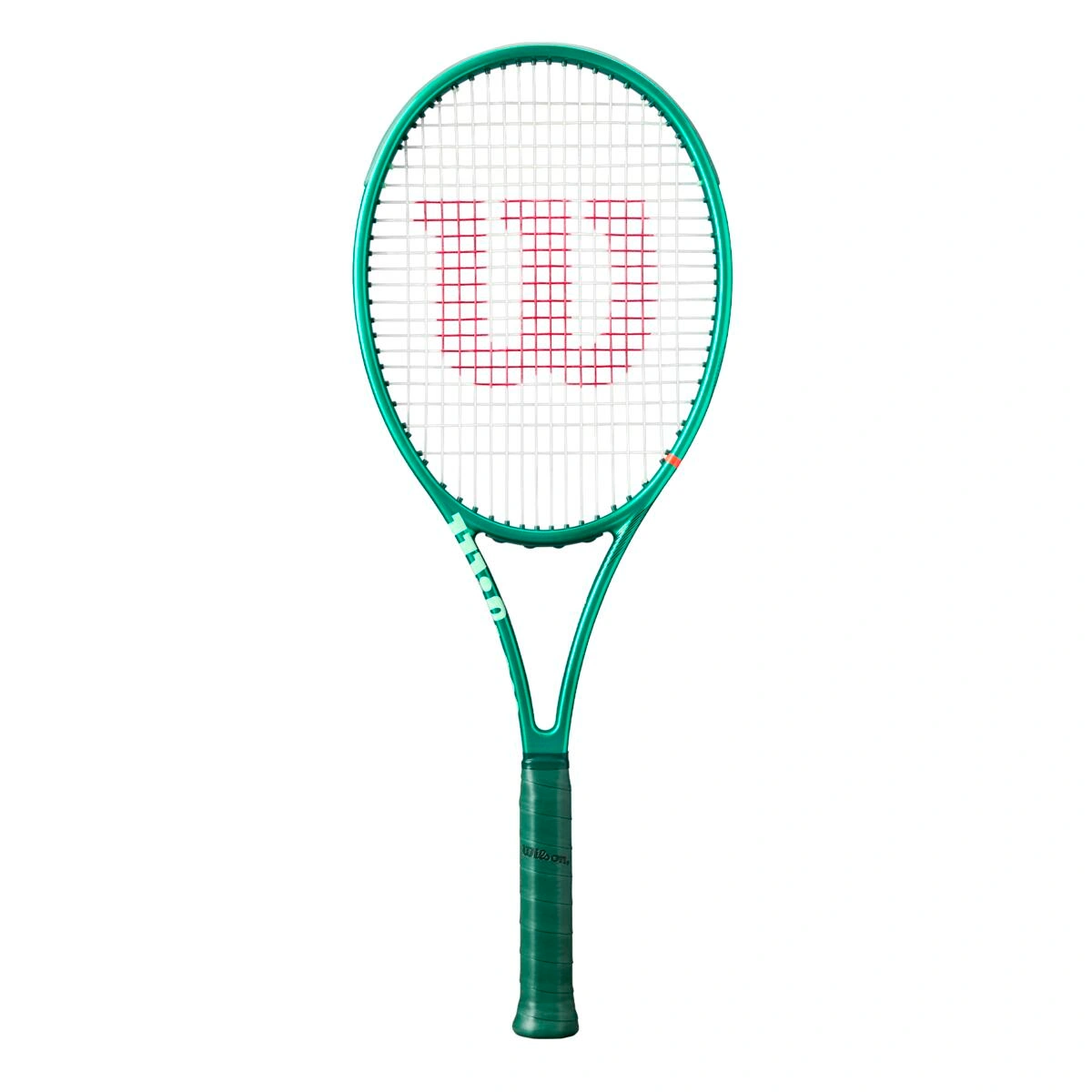
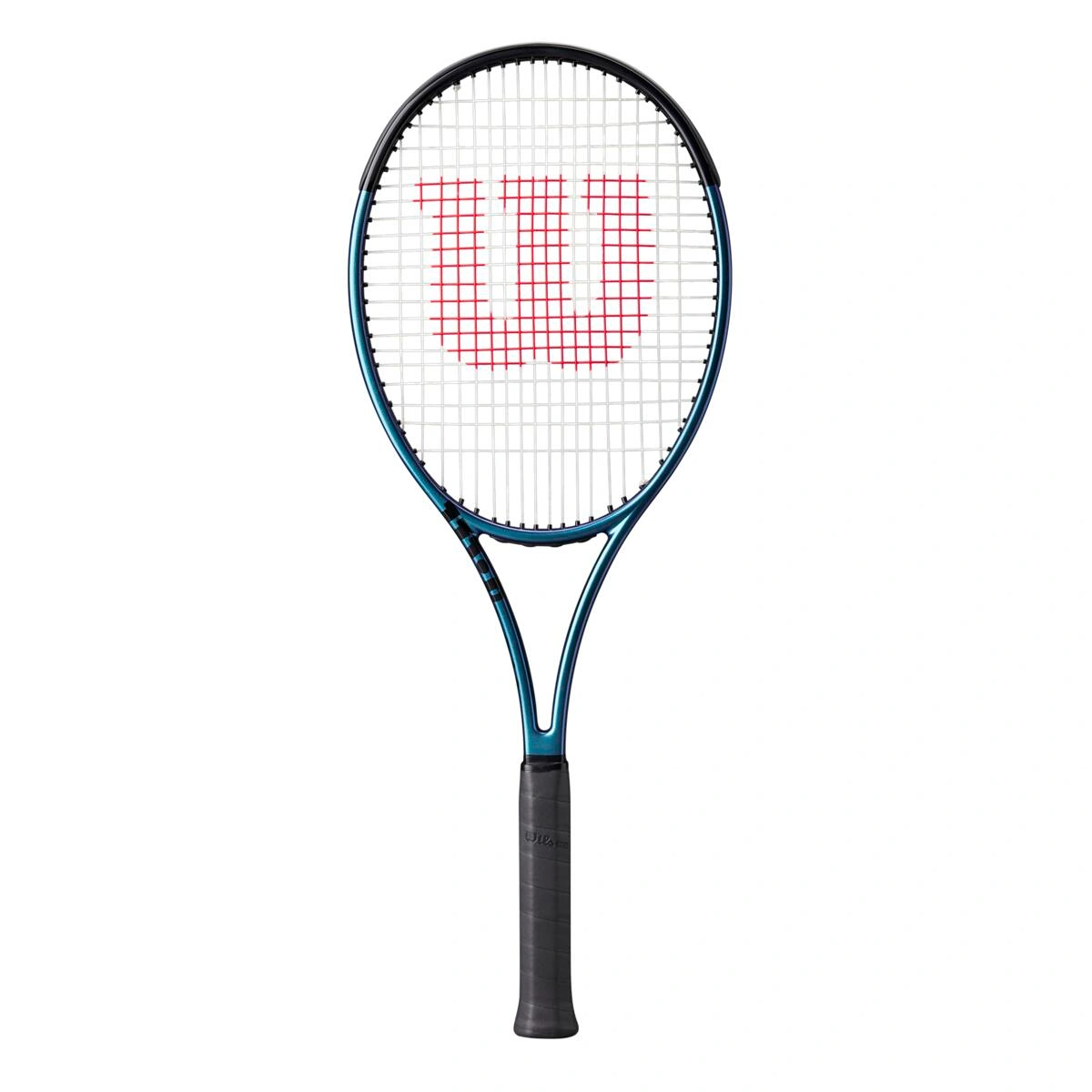
Wilson BLADE 98 18X20 V10
Wilson specifies the Blade 98 18×20 V10 at 305 g and 32.0 cm unstrung. TW's strung references are 323 g, 325 swingweight and 61 RA. Beyond matching the 16×19's weight, the useful question is whether prepared drives and rushed defensive balls both retain their required depth.
Key specs
- Head size
- 98 in²
- String pattern
- 18 × 20
- Weight
- 305 g · Unstrung
- Length
- 27 in
- Frame profile
- 21.5 / 20.5 mm
- Balance
- 320 mm
- Status
- Current model
When comparing products
| Racquets | Head size in² | String pattern | Weight g | Swingweight | RA |
|---|---|---|---|---|---|
| Wilson BLADE 98 18X20 V10 | 98 | 18×20 | 305 | — | — |
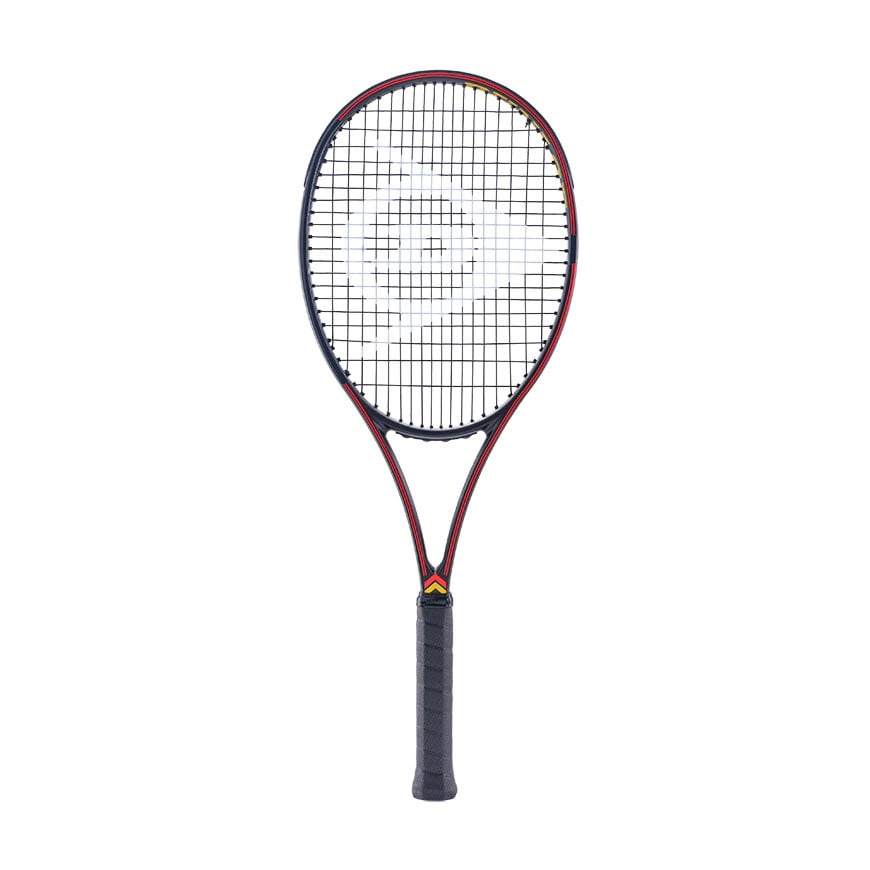
| Dunlop CX 200 18x20 Limited | 98 | 18×20 | 305 | — | 65 |
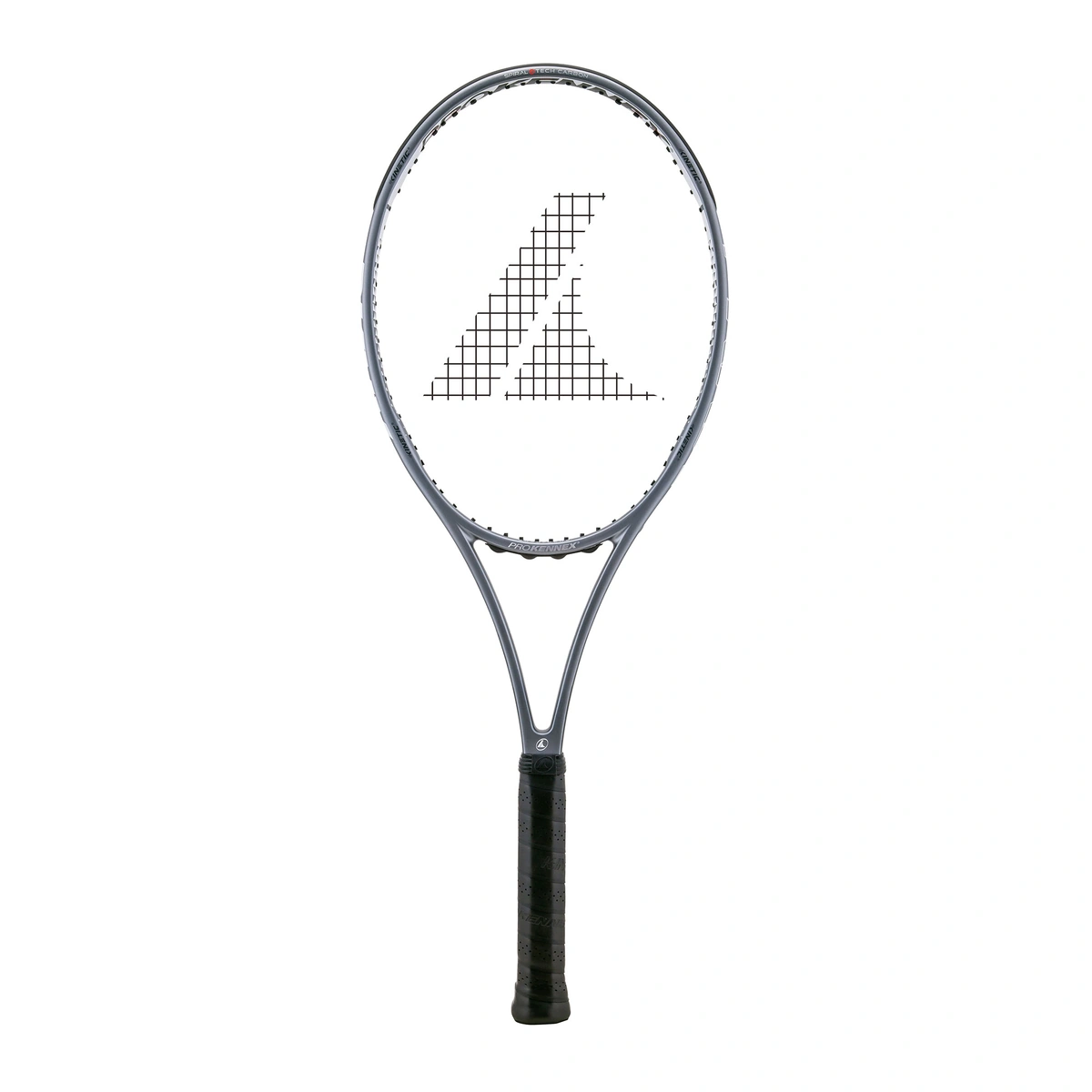
| ProKennex Q+TOUR PRO | 98 | 18×20 | 305 | — | — |
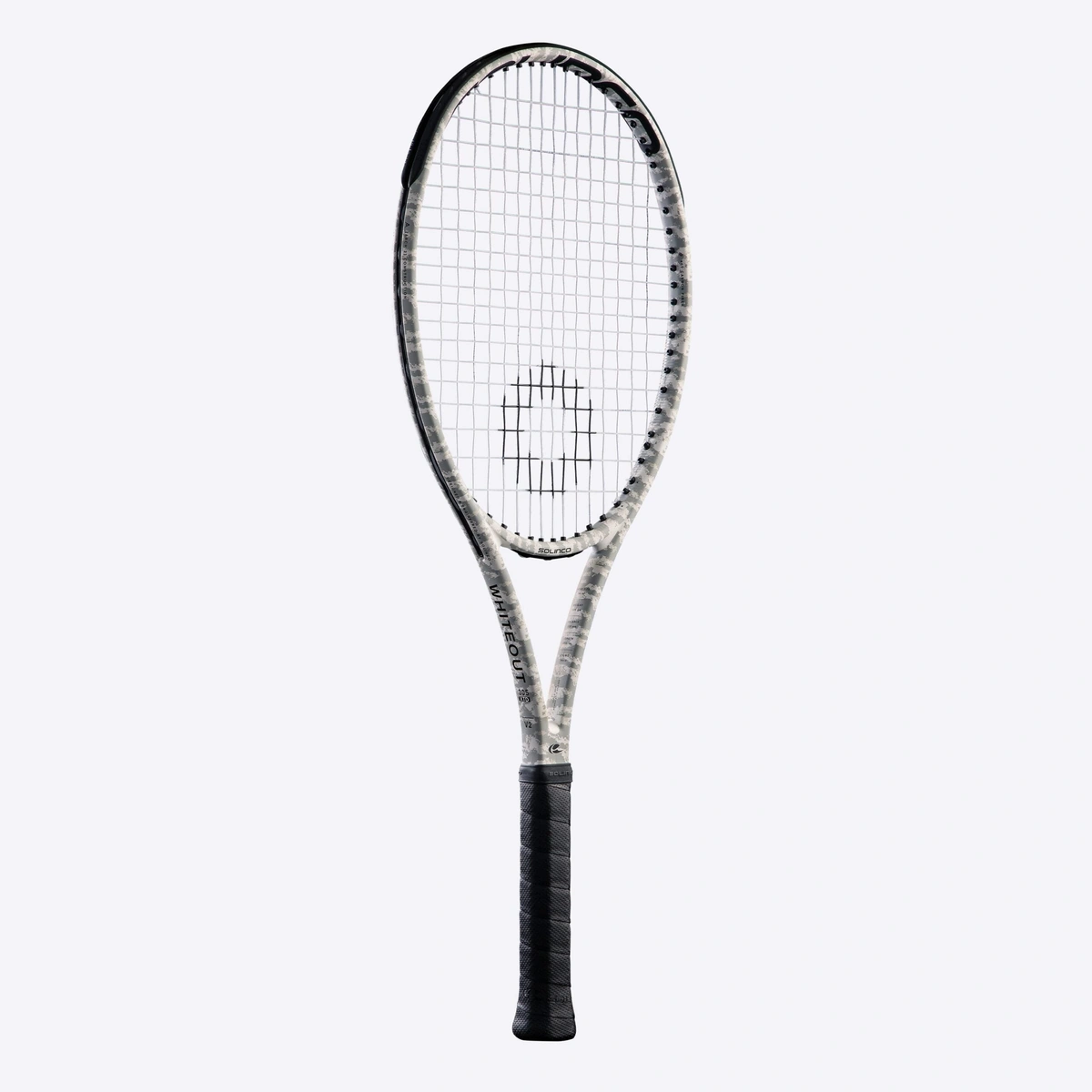
| Solinco Whiteout V2 305 18x20 | 98 | 18×20 | 305 | — | — |
Matching weight does not guarantee matching swing demand
Wilson lists both V10 98 patterns at 305 g and 32.0 cm unstrung. TW also matches them at 323 g strung, 33.02 cm and 61 RA, but lists 325 swingweight for the 18×20 and 322 for the 16×19. Equal total mass can coexist with different distributions and installed setups.
Do not turn three points into a guaranteed handling difference for every unit. Different strings and accessories on demo frames also change the comparison. Record the finished weight, balance and swingweight of the demo you liked when checking a purchase.
Describe the reason for choosing 18×20 through landing locations
TW positions this model as a control-focused member of the Blade family. The 18×20 count alone cannot calculate a change in launch angle or spin. Material, gauge, central spacing, reference tension and the stroke all contribute.
Start with the spread of landing depth on fully prepared crosscourt drives. Then test whether a rushed reply from a low contact reaches the opponent's baseline area. Whether the repeatable attacking length is worth any recurring loss of defensive depth is a concrete selection question.
Do not combine the new taper and low RA into one softness score
Wilson describes TURBO TAPER as 21.5–20.5 mm, while TW lists 21.5/21.5/20.5 mm. TW describes the section change as adding power but supplies no measured percentage increase in ball speed over the previous model. Construction information and shot outcomes remain different kinds of evidence.
The 61 RA value is a frame-bending reference. It does not guarantee a soft stringbed response with high-tension polyester. Record clean-contact feel, vibration at the hand and blocked-shot depth separately to identify which property actually needs adjustment.
Why the Blade 100 belongs in the comparison
The Blade 100 V10 uses 100 in² and 16×19, with TW strung references of 318 g, 319 swingweight and 61 RA. Changing to it alters mass and rotational inertia as well as head and pattern. One unsuccessful tension setting is not enough to establish that the smaller 18×20 frame is unsuitable.
With the same string model and gauge, connect a return to the first attack, and a high backhand to the next forehand. Check whether preparation becomes easier with the 100 and how much of the 18×20's repeatable drive length remains. Contact over two or three consecutive shots is more revealing than one forceful central hit.
Match the full model when choosing strings and grommets
TW lists 47–57 lb. A dense pattern alone does not prescribe a low tension or a particular gauge. Begin with a familiar string and separate its initial response from changes with use. Adjusting tension alone cannot remove a preparation problem associated with mass.
A grommet order needs more than 'Blade 98 V10'. Wilson Japan lists WR8454101001 for the 18×20 and WR8454001001 for the 16×19. Check both pattern and exact part number. Skipped holes and tie-off locations require the complete stringing instructions for the specific model.
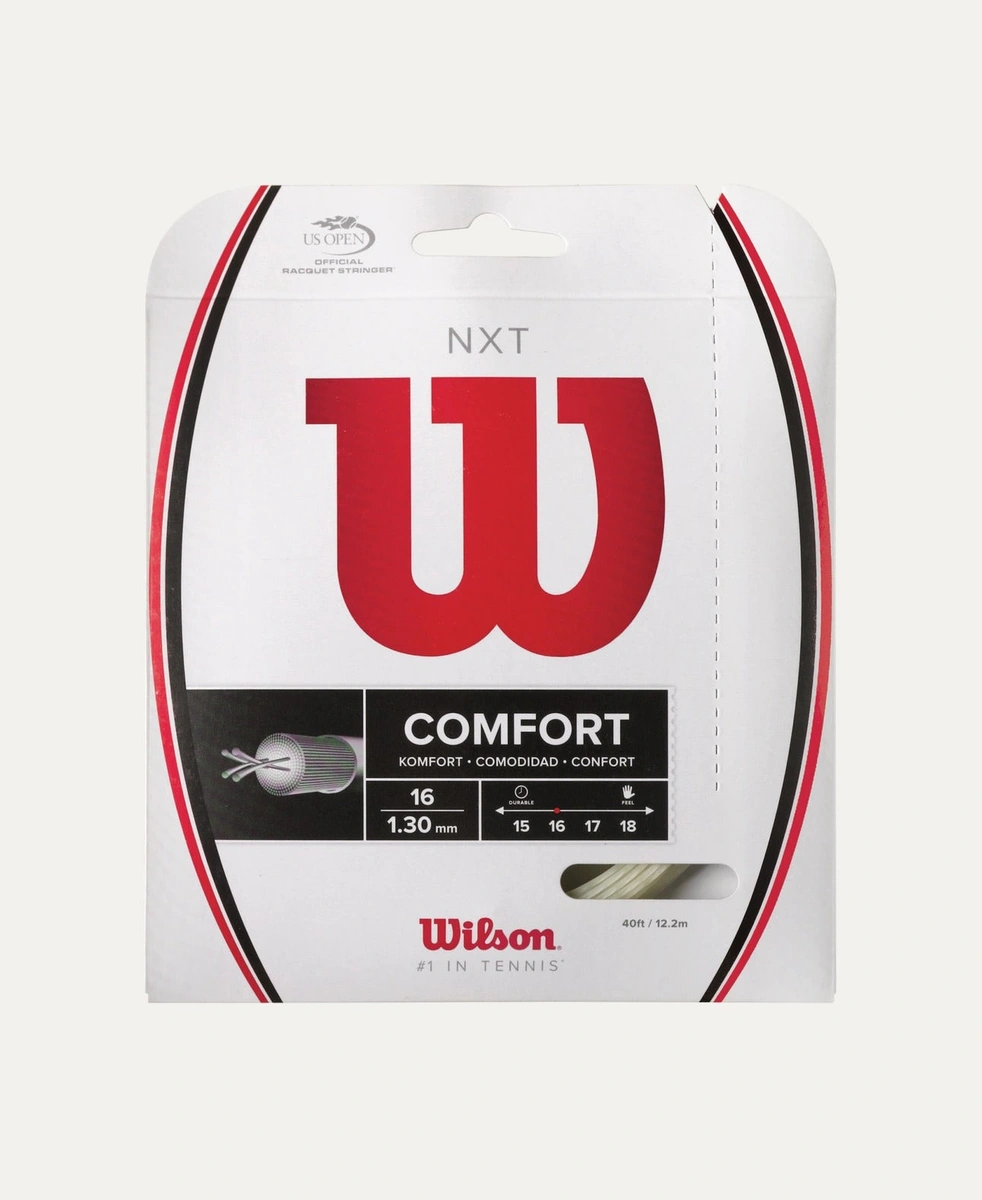
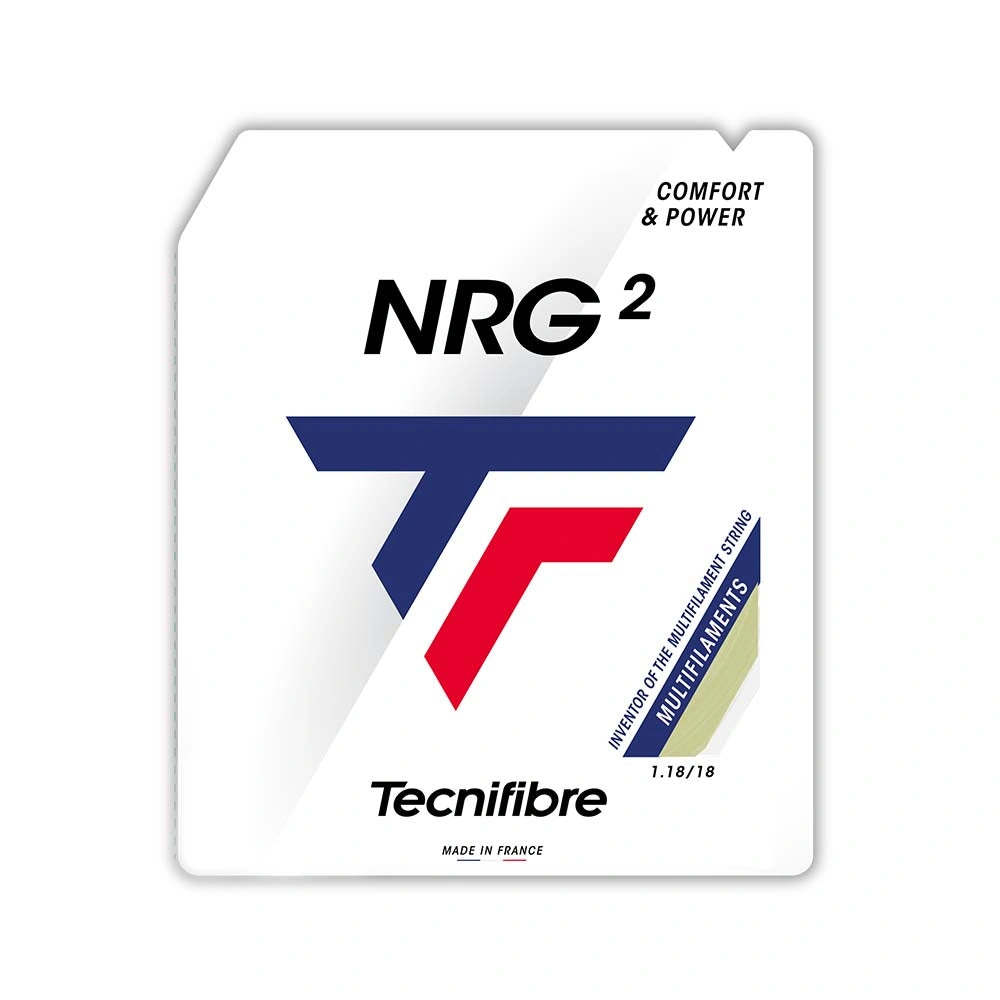
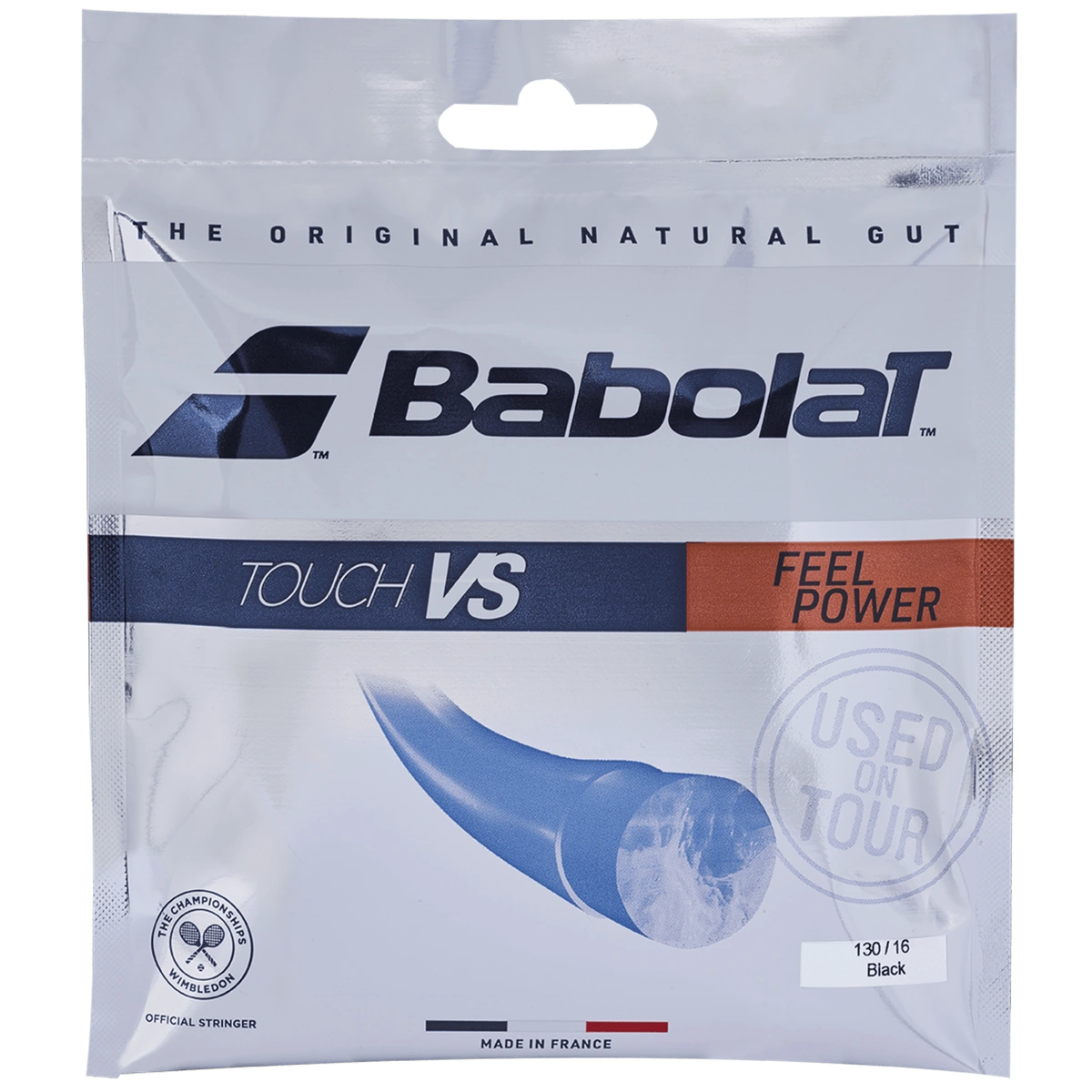
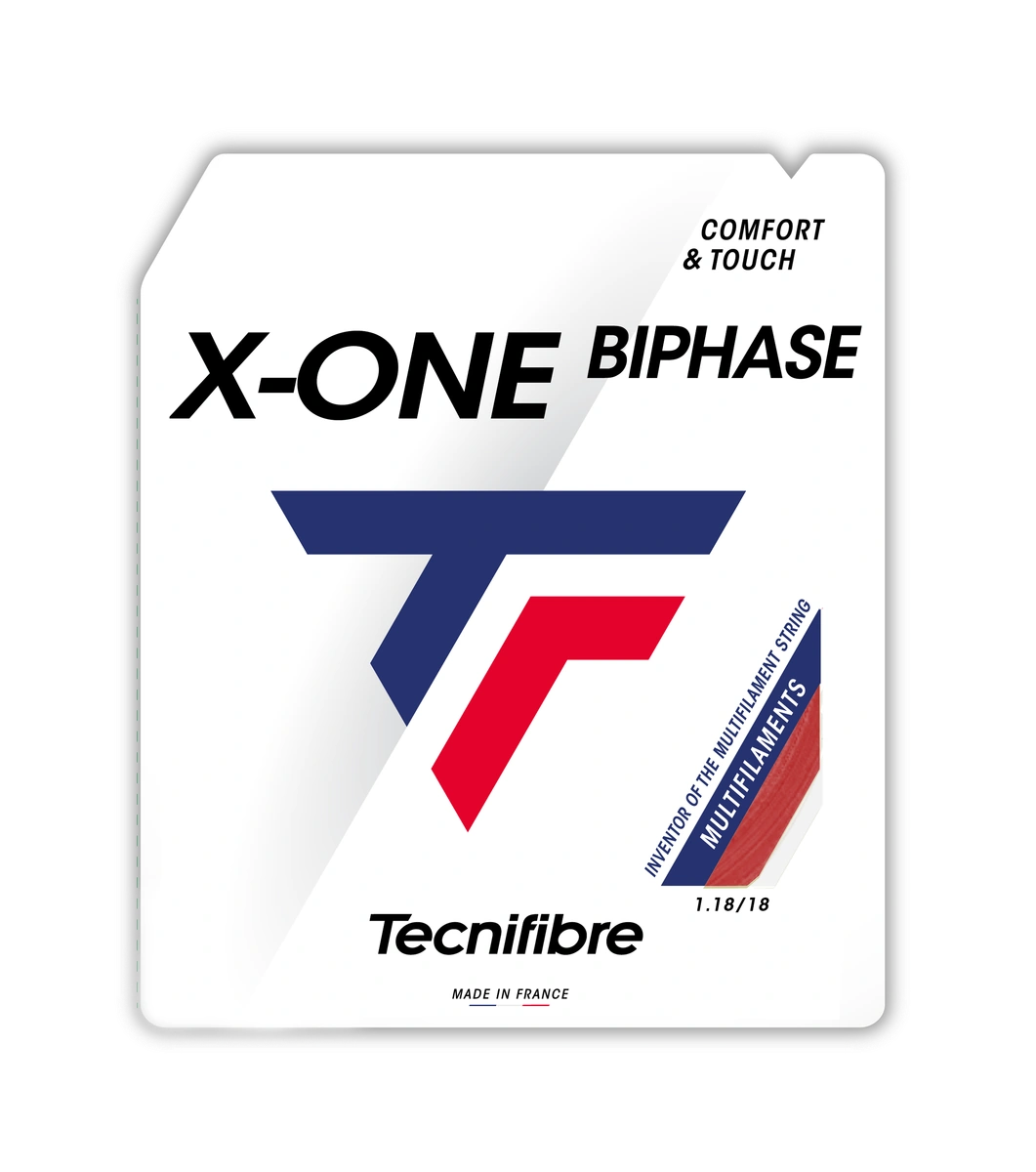
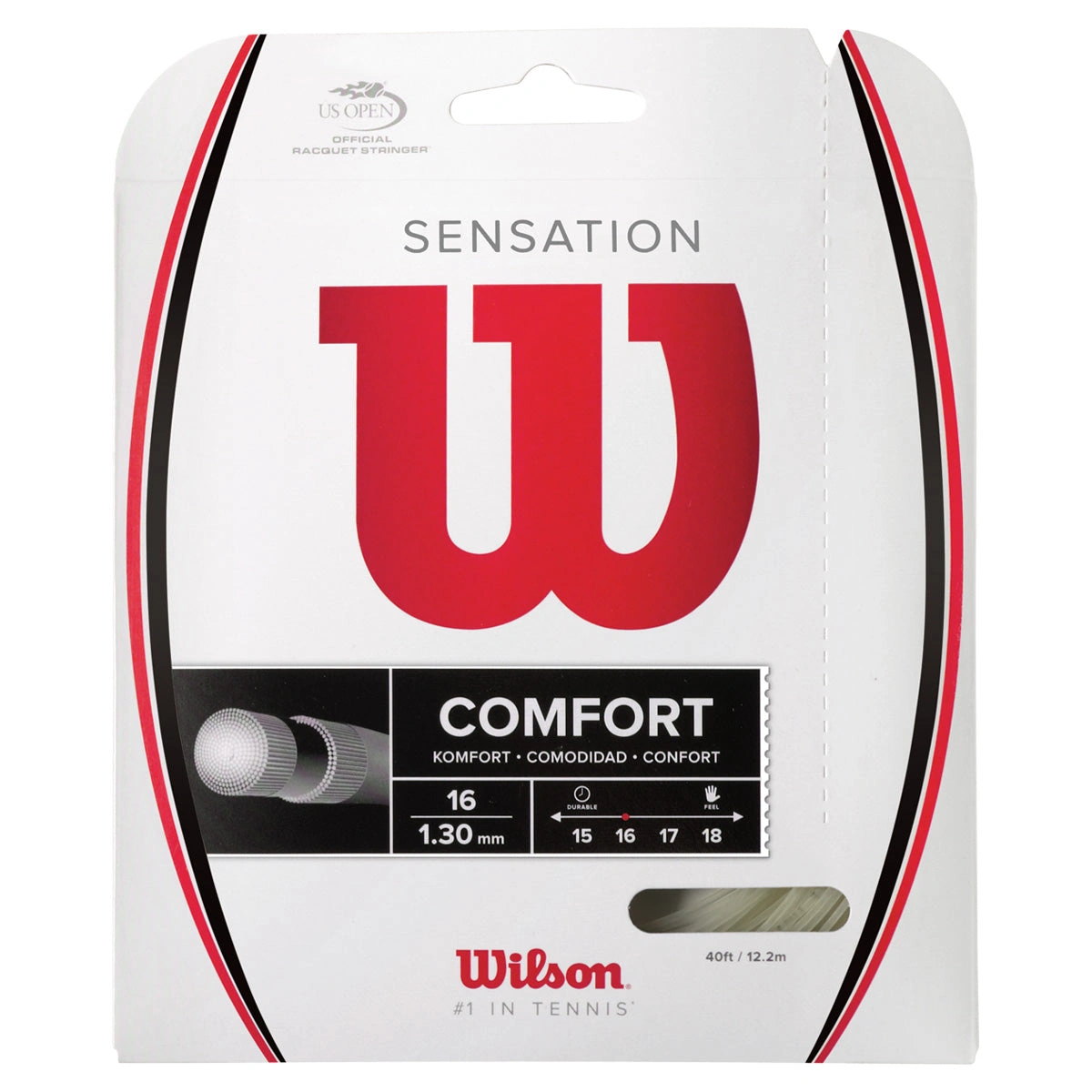
Strings to compare
A specs-based shortlist. Feel, fitness, and playing style still matter.

Reviewed sources
Wilson · View source ↗Similar racquets
TENNIS TENSION LAB
Check your racquet’s tension today.
Get a high-precision tension reading in under 10 seconds. Tension Lab tracks changes from your first reading and helps you see when to restring.
- High-precision tension measurement. Ready in under 10 seconds.
- Track every change in feel. See the full story over time.
- Time to restring? Never leave it to guesswork.