Solinco · Current range
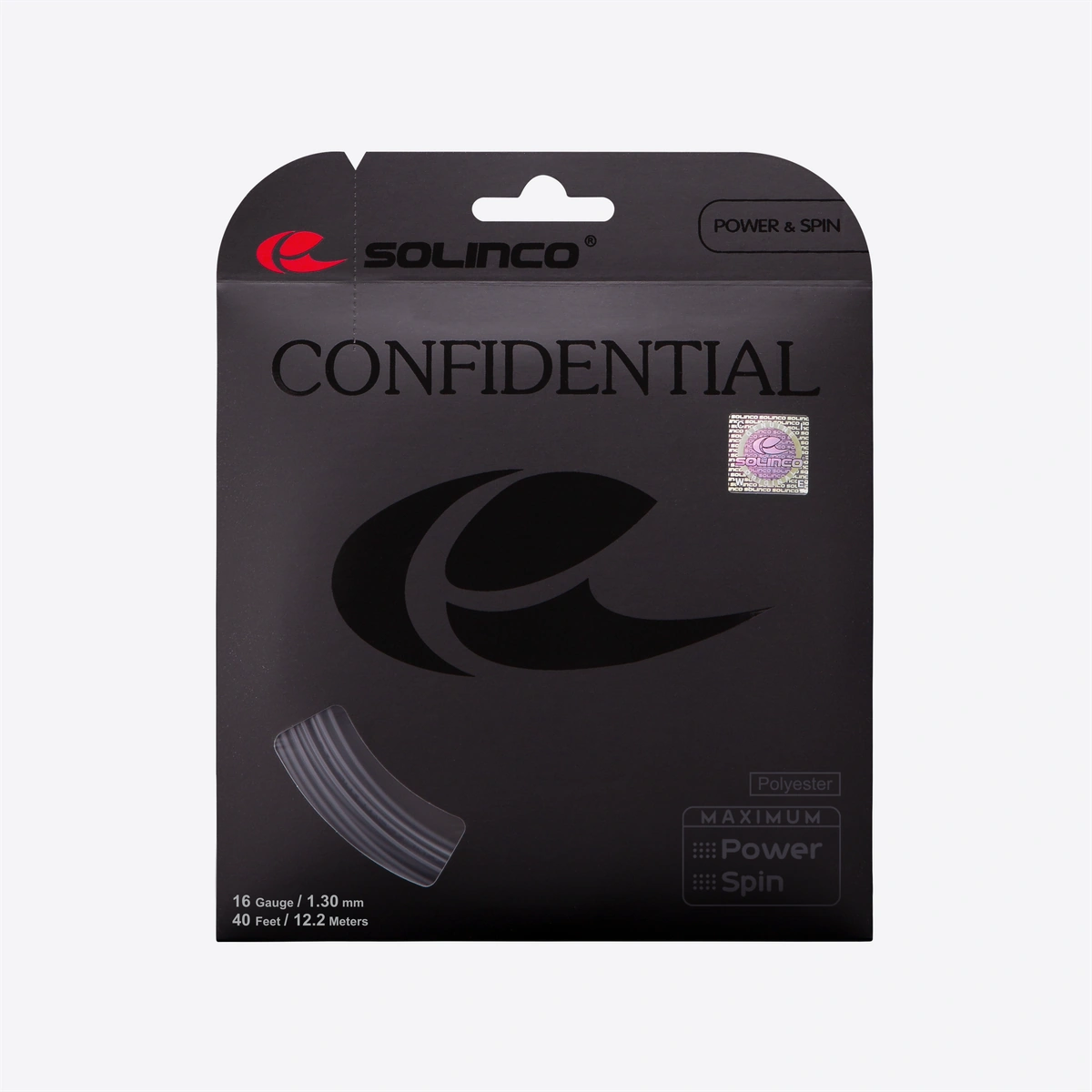
Solinco Confidential
TWU’s 1.30 mm samples of Confidential and Mach-10 both record 222.3 lb/in stiffness. Their tension losses are 22.2% and 26.3%, respectively. Firmness alone cannot explain the distinction between these two Solinco products.
Product details
- Material
- Polyester
- Gauge
- 1.15 / 1.2 / 1.25 / 1.3 mm
- Construction
- co-polyester monofilament
- String cross-section
- Other polygonal profile
- Surface features
- Not published by the manufacturer
- Surface treatment / coating
- Not published by the manufacturer
- Product status
- Current range
- Stock status
- Stock not verified
Laboratory measurements
Lower stiffness means less resistance to deformation in this test. Tension loss is measured under a laboratory protocol, not a prediction of playing hours. Spin potential is a friction-based ratio, not ball RPM.
| Tested sample | Stiffness lb/in | Tension loss % | Spin potential ratio |
|---|---|---|---|
| Solinco Confidential 16 (1.30)Test conditions: 51 lb · Fast (TWU) | 222.3 | 22.2 | 6.4 |
The test tension is not a stringing recommendation. Compare the same gauge and test conditions; the racquet, stroke and stringing method also affect the result on court. On the source page, select All in the material filter to see results for every material.
Compare samples tested under the same conditions
Up to three products with nearby measured stiffness, matching diameter, material and test conditions. This is a data comparison, not a ranking of suitability.
| Tested sample | Stiffness lb/in | Tension loss % | Spin potential ratio |
|---|---|---|---|
| Solinco Confidential 16 (1.30) | 222.3 | 22.2 | 6.4 |
| Solinco Mach 10 16 (1.30) | 222.3 | 26.3 | 6 |
| Tecnifibre Ice Code 16 (1.30) | 221.2 | 35 | 5.6 |
| Kirschbaum Black Shark 16 (1.30) | 223.5 | 41.2 | 5.4 |
How to read the identical 222.3 figure
The comparison uses 1.30 mm samples at 51 lb and Fast speed. Matching stiffness means that one measured property coincides in this test; it does not establish identical sound, vibration, energy return or completed stringbeds.
Confidential’s tension loss is 4.1 percentage points lower. Spin-potential ratios are 6.4 and 6.0. Without repeatability or uncertainty information, the small ratio difference should not become a claim of on-court superiority.
Keep the 1.30 mm boundary when comparing Hyper-G
Putting familiar Hyper-G 1.25 figures beside this Confidential 1.30 sample changes both model and diameter. The result cited here belongs specifically to 1.30 mm and should not be reassigned to Confidential 1.25.
Confidential Soft is also a separate product. A shared family name or similar colour does not establish identical surface structure, stiffness or tension loss.
Separate fresh response from response after use
Compare crosscourt depth first with fresh strings, then at matched playing time. If tension maintenance is the question, fresh Confidential against an old comparison string is a poor experiment.
Record how often you reach the target area and how the mains return after movement. Friction and notching also affect response, so increasing length should not automatically be attributed to tension alone.
Two questions before buying
Can you produce the required depth initially, and can you repeat it after use? Confidential’s lower test loss is relevant to the second question, but cannot answer the first by itself.
Start with the frame, gauge and reference tension documented, then adjust one variable at a time. The laboratory’s 51 lb condition is not an individually optimal stringing recommendation.
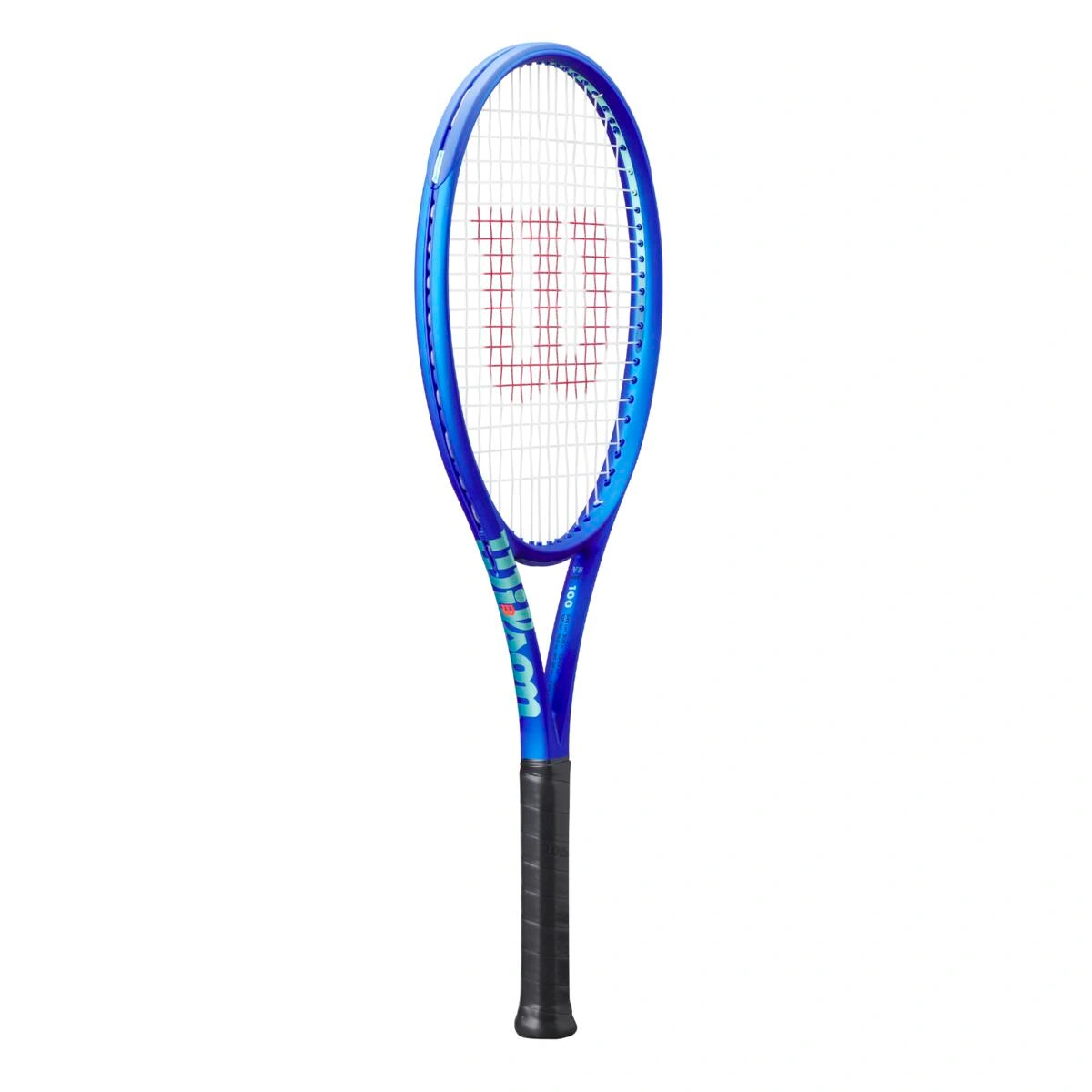
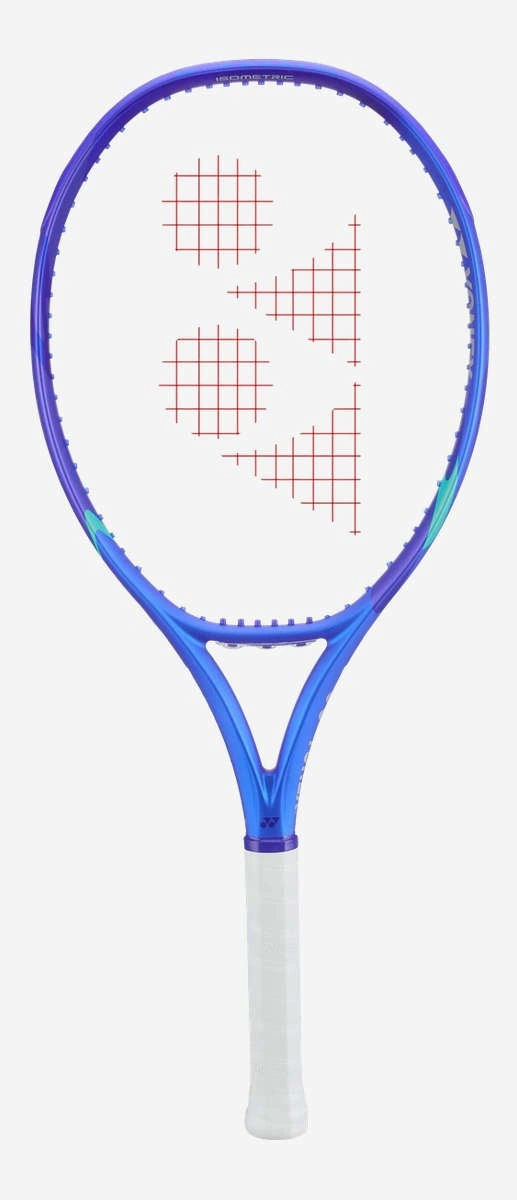
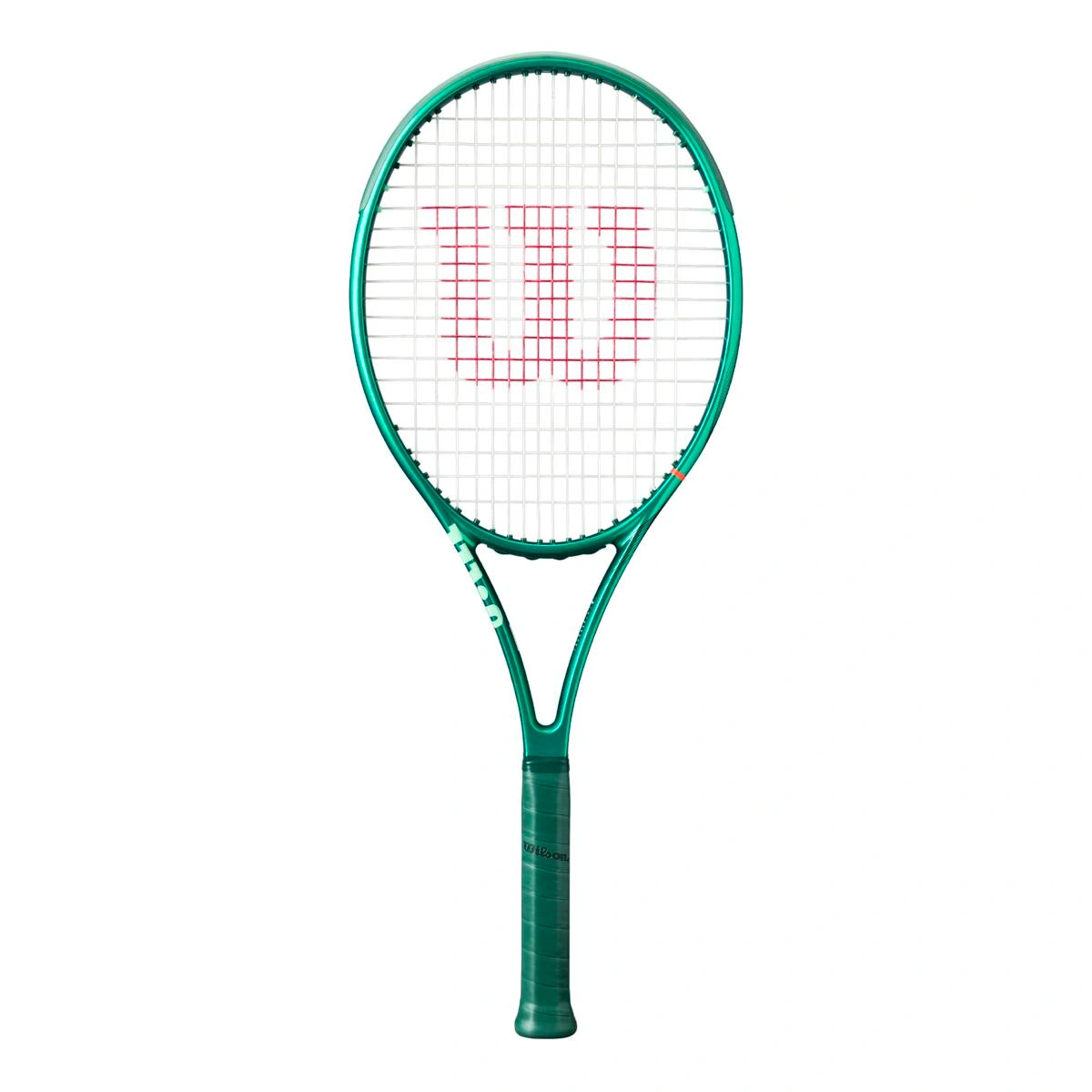
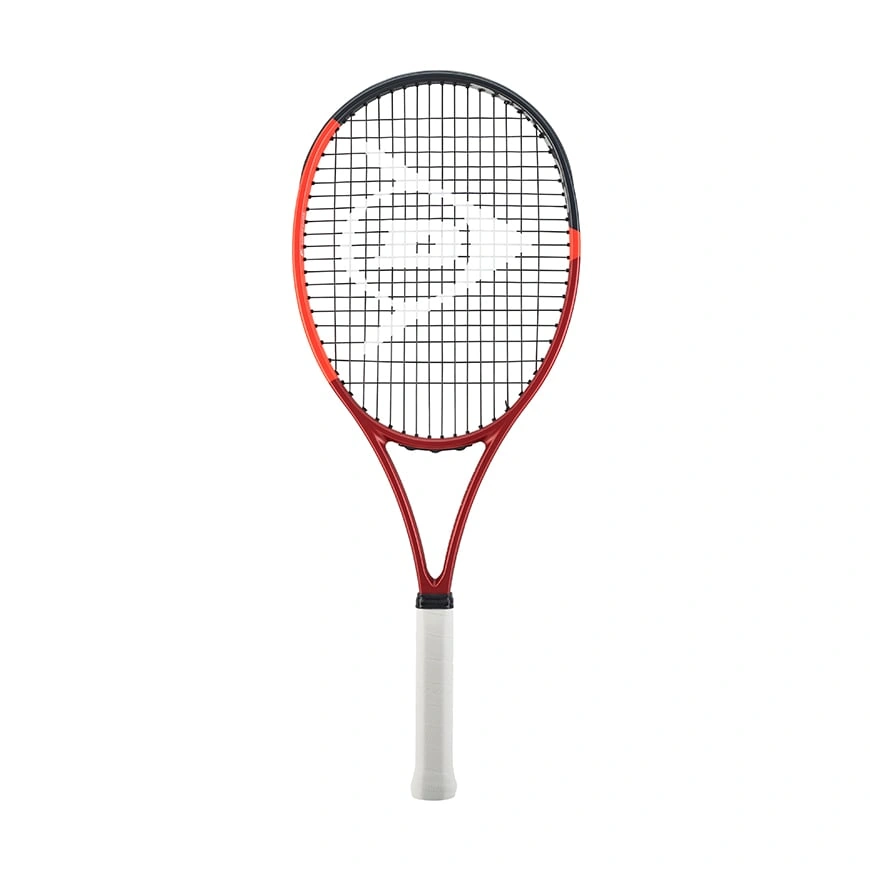
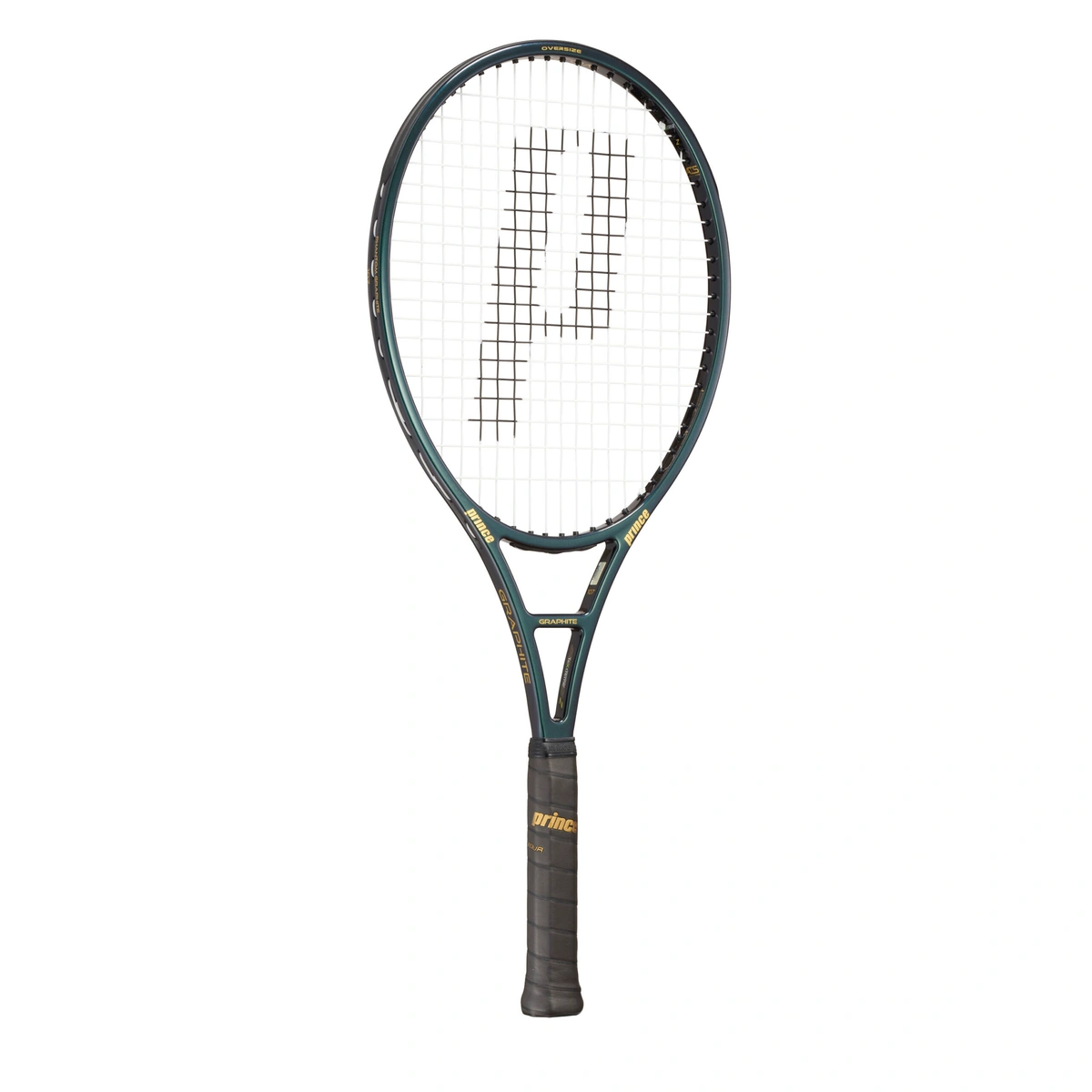
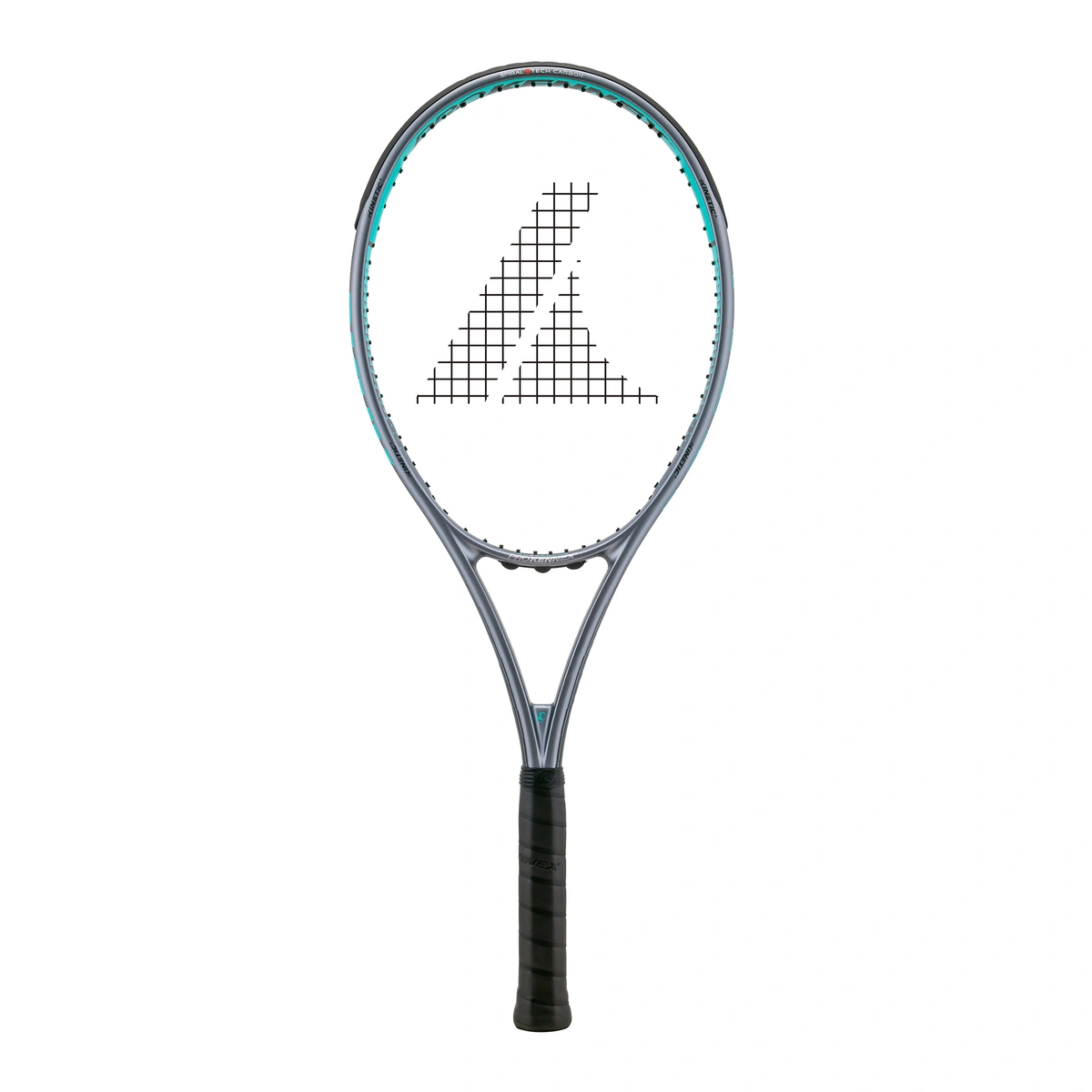
Racquets to compare
Numbers are suggested only when the maker publishes a tension range.
Reviewed sources
Solinco · View source ↗Similar strings
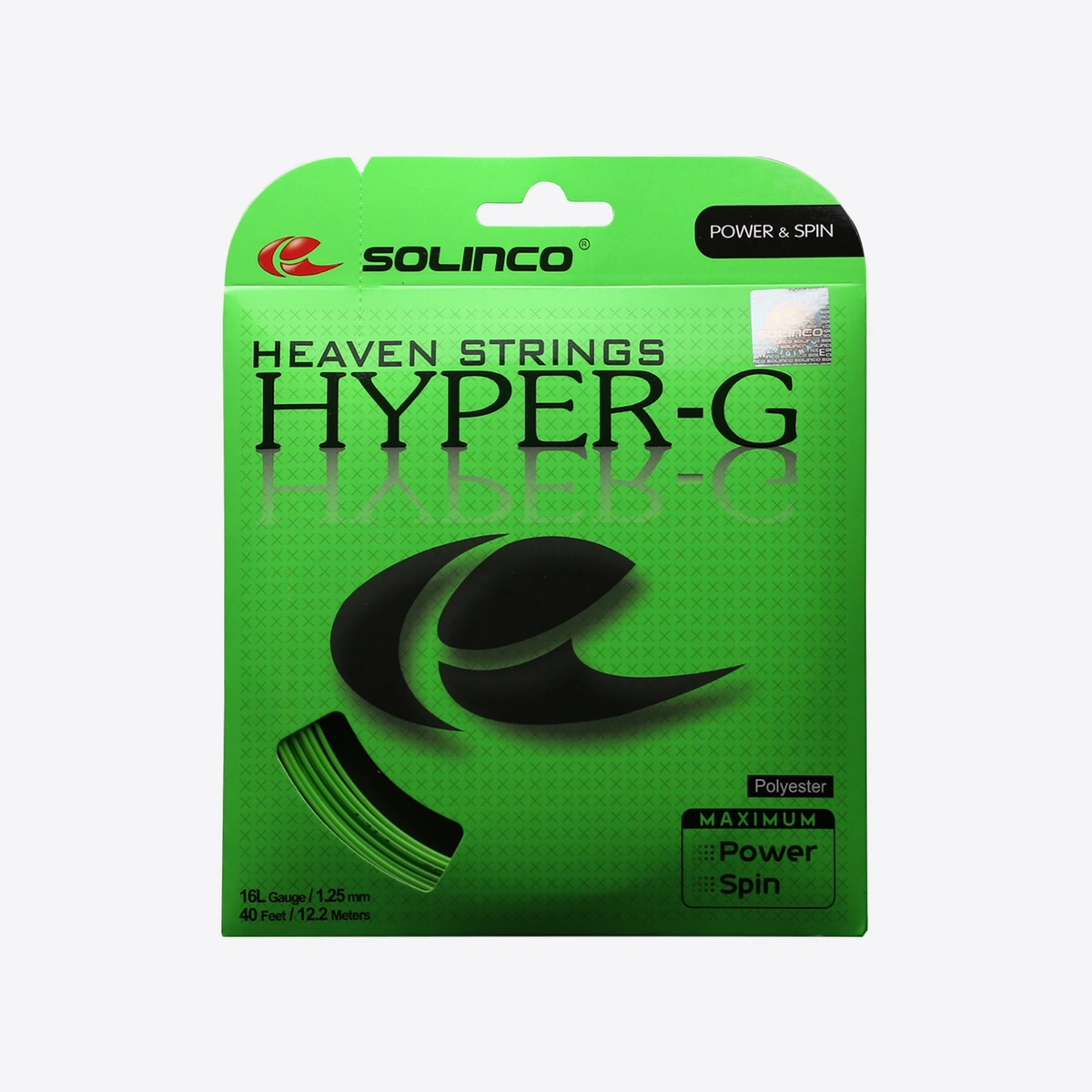 Solinco Hyper-GPolyester · 1.05 / 1.1 / 1.15 / 1.2 / 1.25 / 1.3 / 1.35 mm
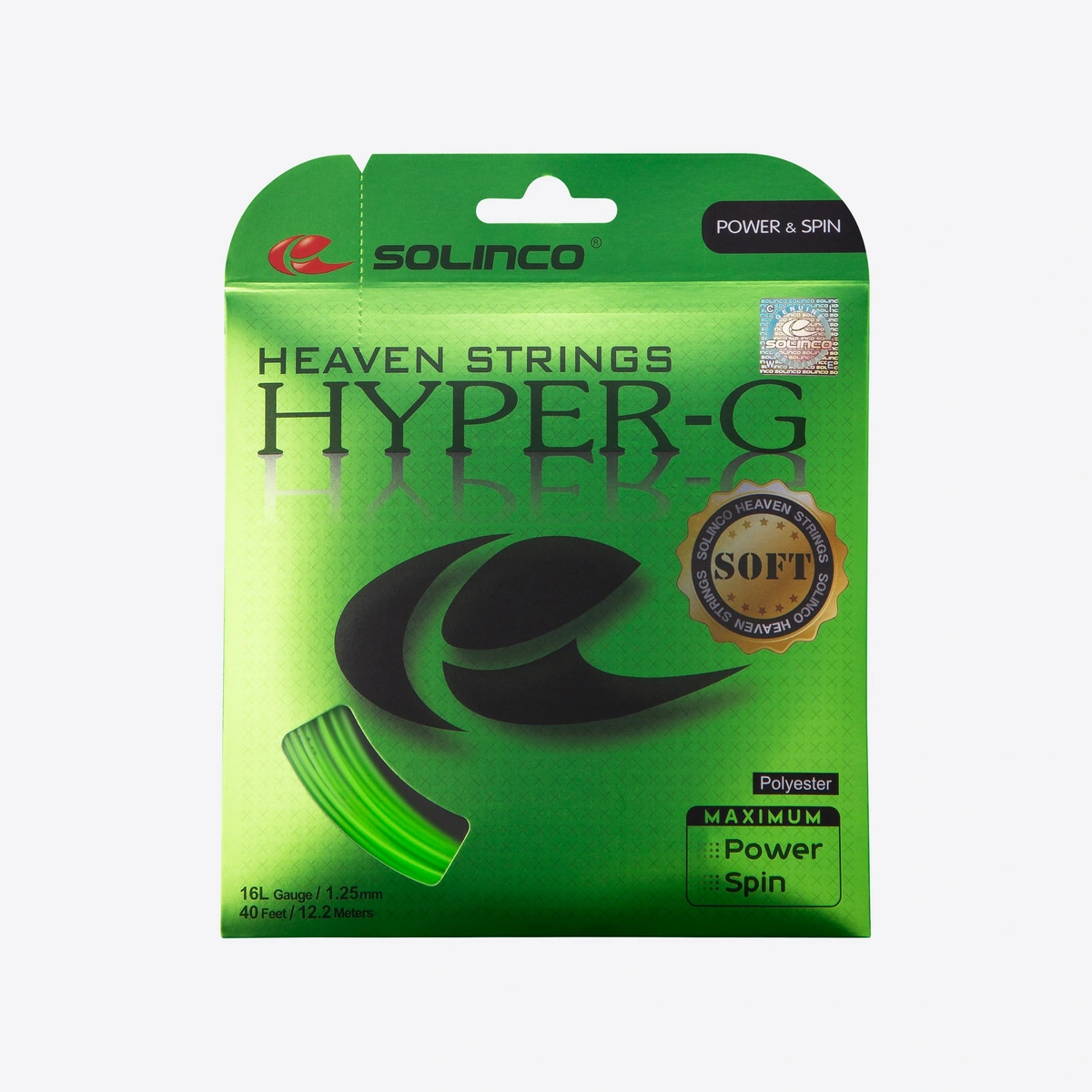 Solinco Hyper-G SoftPolyester · 1.15 / 1.2 / 1.25 / 1.3 mm
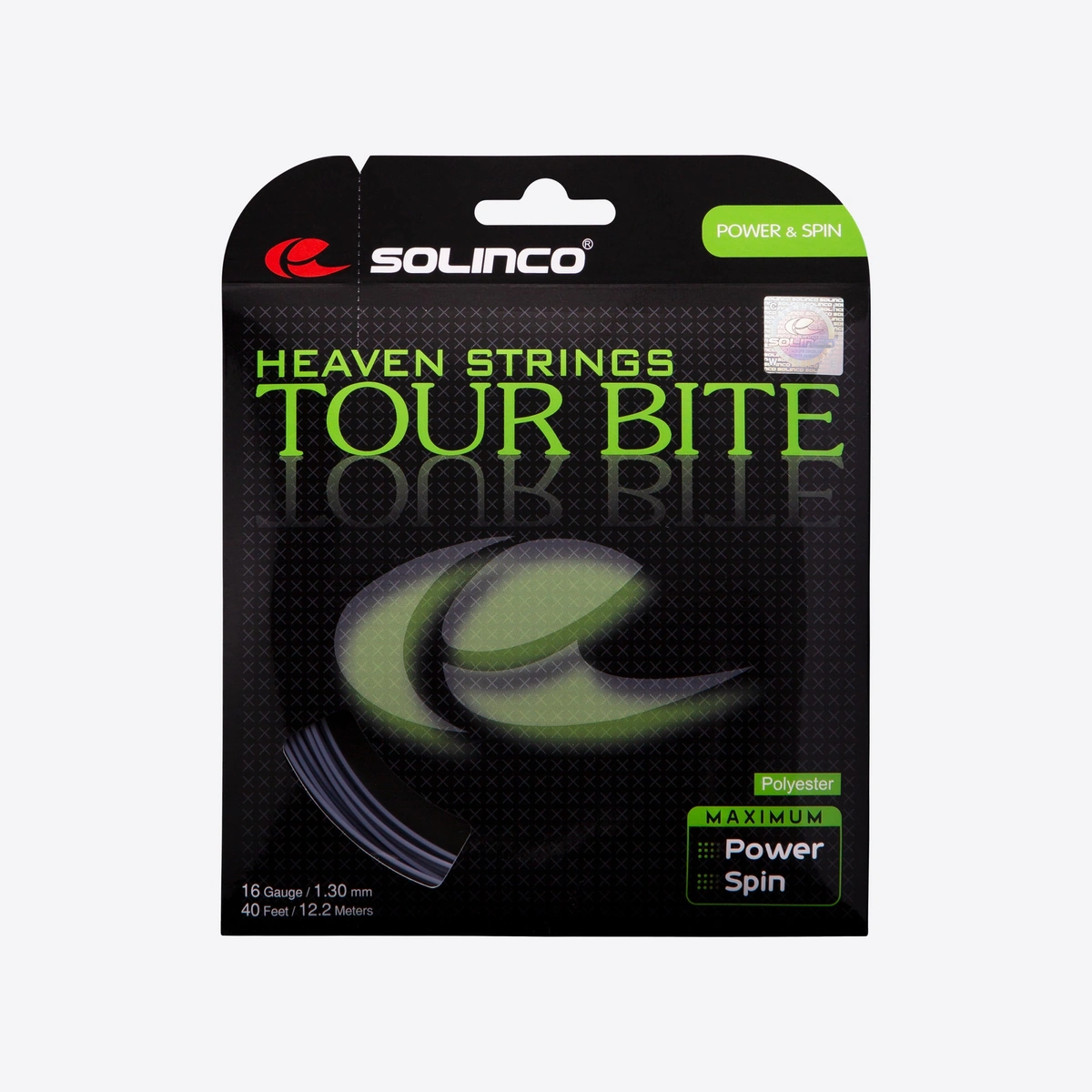 Solinco Tour BitePolyester · 1.05 / 1.1 / 1.15 / 1.2 / 1.25 / 1.3 / 1.35 mm
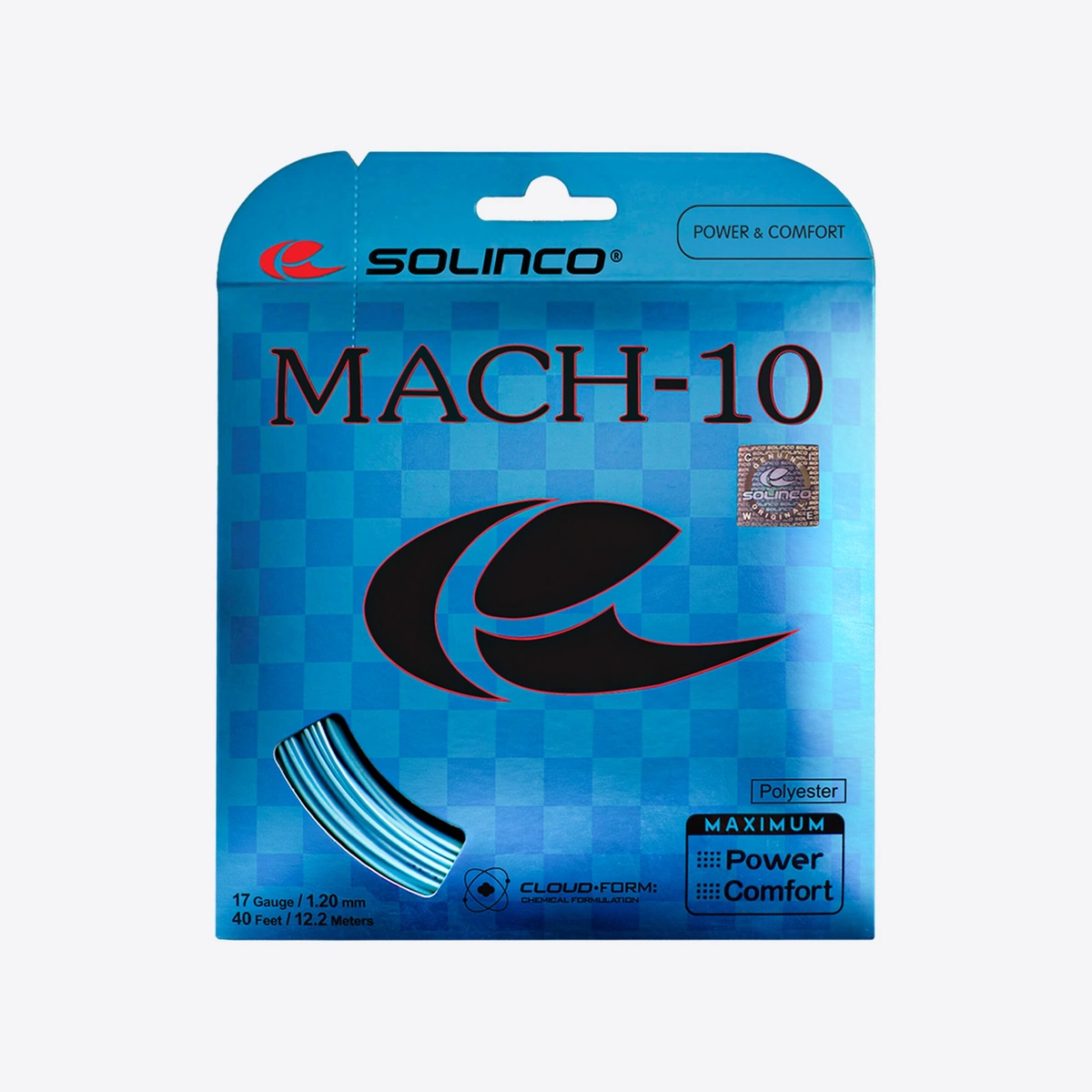 Solinco Mach-10Polyester · 1.15 / 1.2 / 1.25 / 1.3 mm
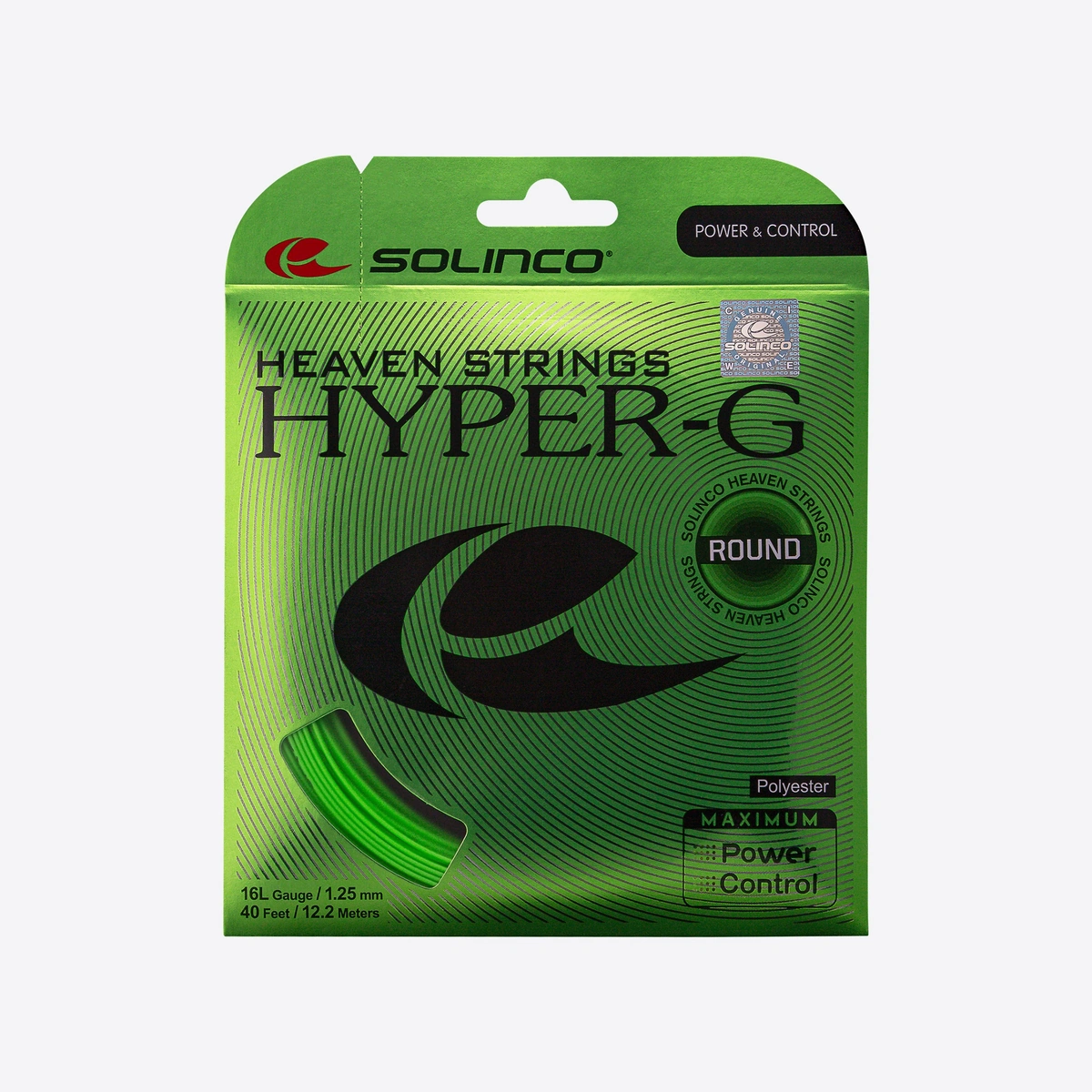 Solinco Hyper-G RoundPolyester · 1.15 / 1.2 / 1.25 / 1.3 mm
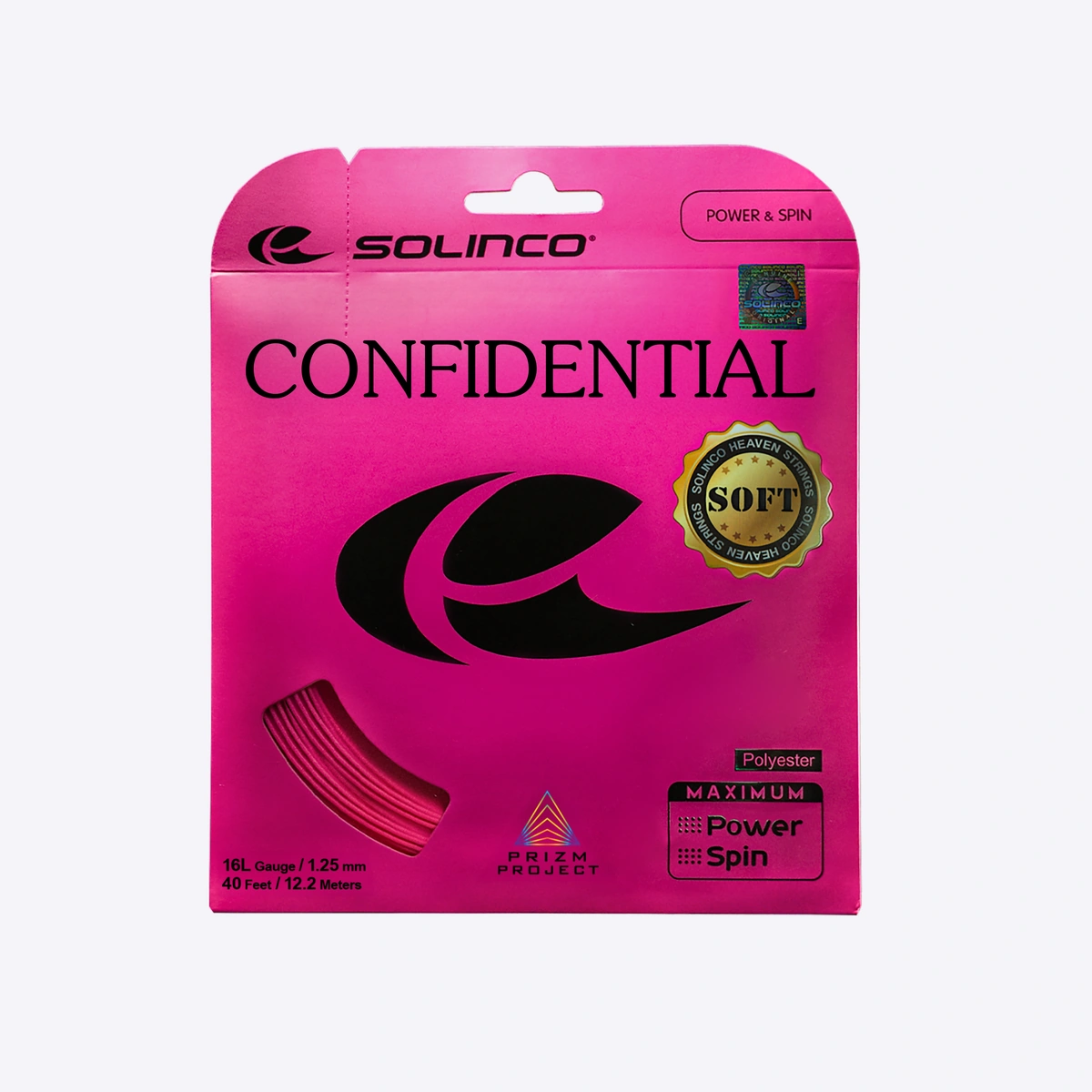 Solinco Confidential SoftPolyester · 1.15 / 1.2 / 1.25 / 1.3 mm
TENNIS TENSION LAB
Check your racquet’s tension today.
Get a high-precision tension reading in under 10 seconds. Tension Lab tracks changes from your first reading and helps you see when to restring.
- High-precision tension measurement. Ready in under 10 seconds.
- Track every change in feel. See the full story over time.
- Time to restring? Never leave it to guesswork.