Solinco · Current range
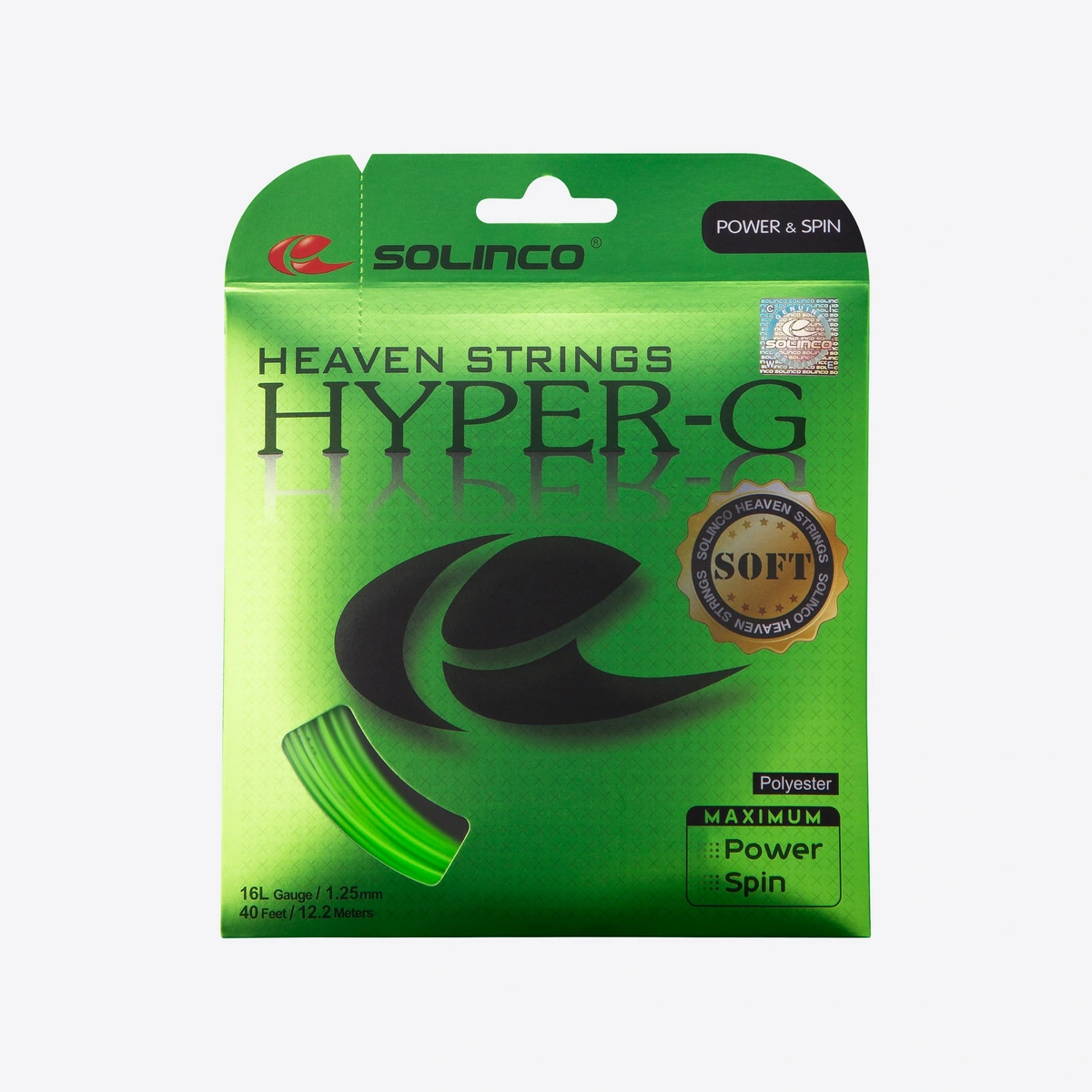
Solinco Hyper-G Soft
TWU’s Hyper-G Soft 1.25 mm sample records 172.0 lb/in stiffness and 28.7% tension loss. Original Hyper-G at the same diameter records 218.3 lb/in and 24.7%. These properties change in different directions, so the reason for switching matters.
Product details
- Material
- Polyester
- Gauge
- 1.15 / 1.2 / 1.25 / 1.3 mm
- Construction
- co-polyester monofilament
- String cross-section
- Other polygonal profile
- Surface features
- Not published by the manufacturer
- Surface treatment / coating
- Not published by the manufacturer
- Product status
- Current range
- Stock status
- Stock not verified
Laboratory measurements
Lower stiffness means less resistance to deformation in this test. Tension loss is measured under a laboratory protocol, not a prediction of playing hours. Spin potential is a friction-based ratio, not ball RPM.
| Tested sample | Stiffness lb/in | Tension loss % | Spin potential ratio |
|---|---|---|---|
| Solinco Hyper-G-Soft 16L (1.25)Test conditions: 51 lb · Fast (TWU) | 172 | 28.7 | 5.2 |
The test tension is not a stringing recommendation. Compare the same gauge and test conditions; the racquet, stroke and stringing method also affect the result on court. On the source page, select All in the material filter to see results for every material.
Compare samples tested under the same conditions
Up to three products with nearby measured stiffness, matching diameter, material and test conditions. This is a data comparison, not a ranking of suitability.
| Tested sample | Stiffness lb/in | Tension loss % | Spin potential ratio |
|---|---|---|---|
| Solinco Hyper-G-Soft 16L (1.25) | 172 | 28.7 | 5.2 |
| Volkl Cyclone Tour 17 (1.25) | 170.9 | 52.6 | 6.1 |
| Toroline O-TORO Snap 16L (1.25) | 164.6 | 41.7 | 8.7 |
| Head Lynx 17 (1.25) | 179.5 | 47 | 5.7 |
What actually becomes less stiff
At 51 lb and Fast speed, Soft 1.25 is 46.3 lb/in less stiff than original Hyper-G 1.25. That describes lower resistance to deformation in this test. It cannot be converted into a comfort score or a reduction in pain.
Tension loss is 28.7% against 24.7%, a difference of 4.0 percentage points. A player addressing a firm initial response and one addressing changing trajectory after use should therefore give different weight to the measurements.
Does the softer version also have the higher spin figure?
The spin-potential ratios are 5.2 for Soft and 6.1 for original Hyper-G under these conditions. Deformation resistance and a friction-related spin metric describe different properties. A softer response does not establish a higher spin result.
On court, separate a high, deep crosscourt drive from a short return swing. Record whether one becomes easier while the other becomes less repeatable. This makes the decision less dependent on one appealing contact sensation.
A useful order when switching from original Hyper-G
The manufacturer describes Soft as a co-polyester using a distinct softening formulation. Starting with the same gauge helps isolate the model change. Changing gauge and tension at the same time makes the cause of the result harder to identify.
For a hybrid, record whether Soft is in the mains or crosses. The partner string changes friction and intersection wear, so a single-string test does not calculate the stiffness of the completed hybrid.
Track changes before breakage
Record main-string return, intersection notching and repeated long or short misses alongside playing time. If the initial response suits you, the next question is when and under what conditions it remains useful.
The 28.7% laboratory loss is not a replacement timetable. Compare in the same frame, with similar balls and court conditions, to identify when the depth and direction you need begin to change.
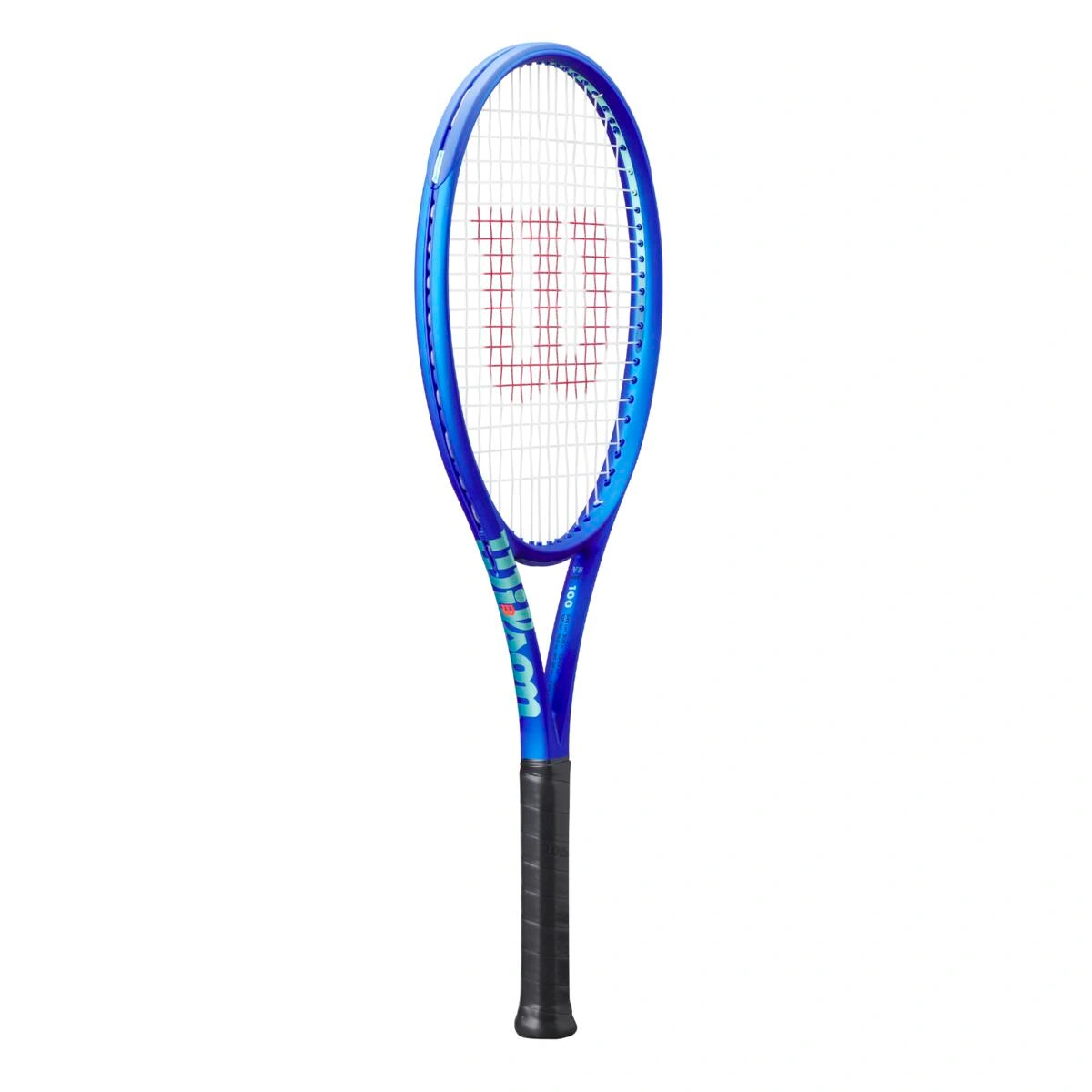
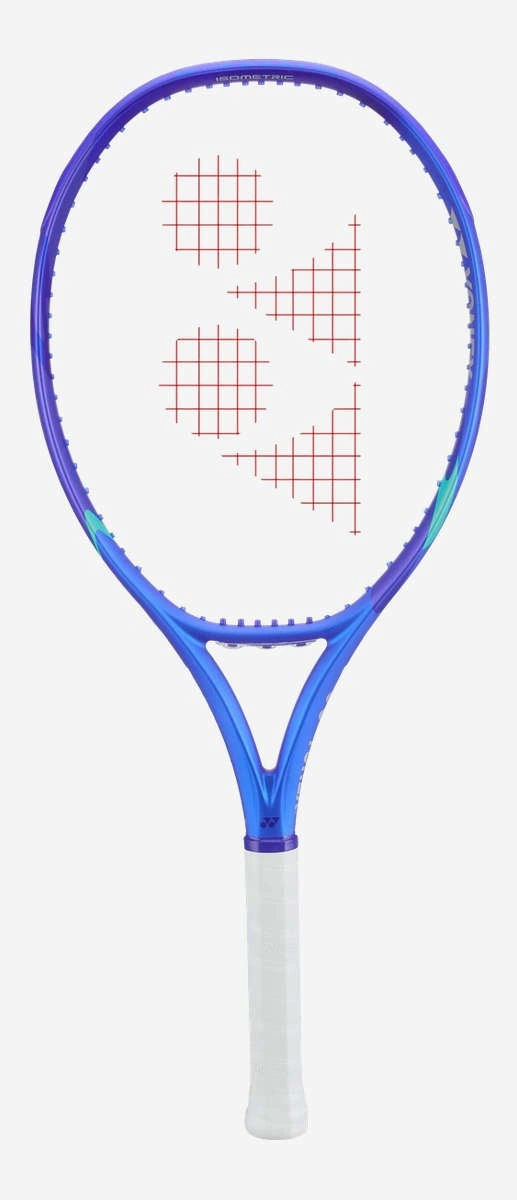
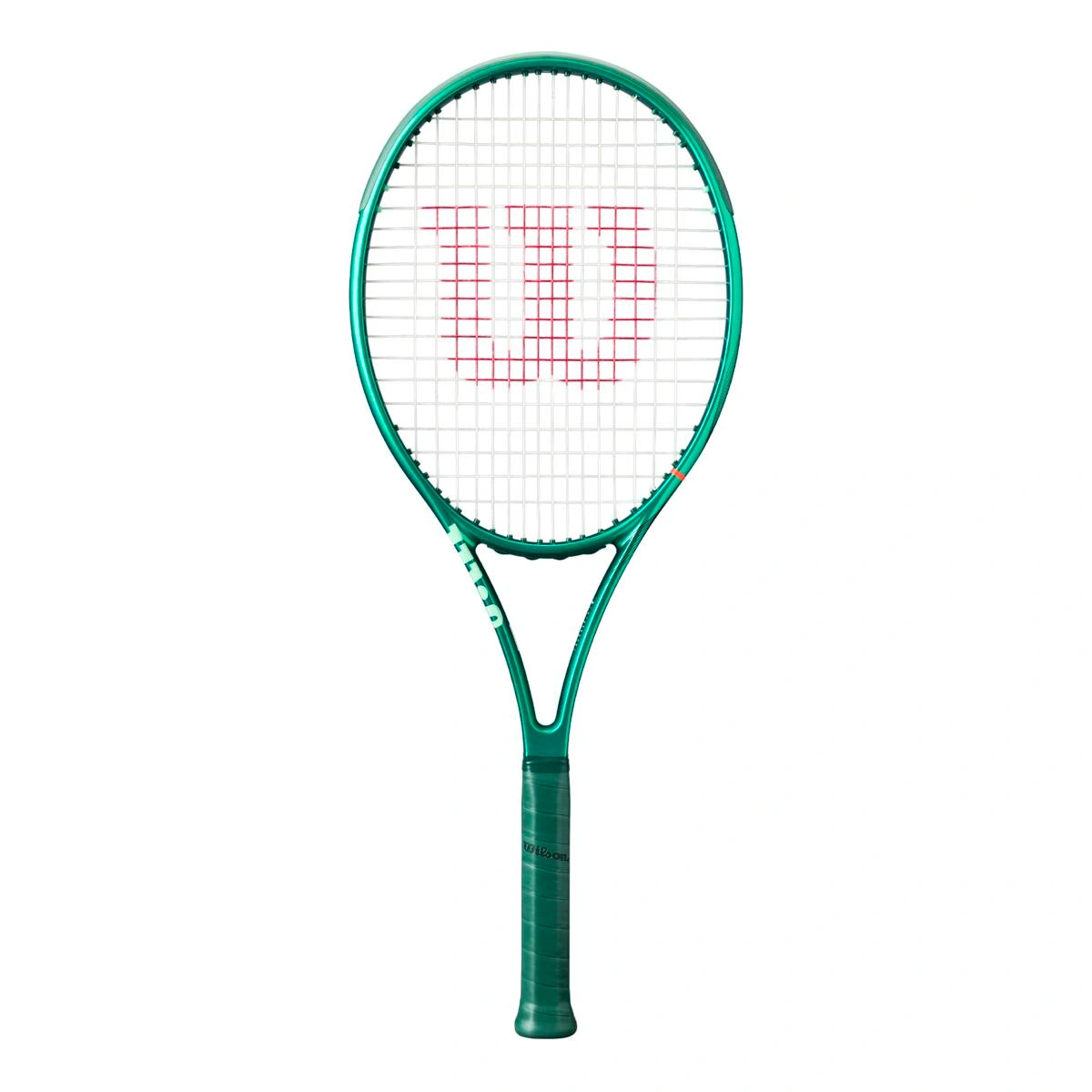
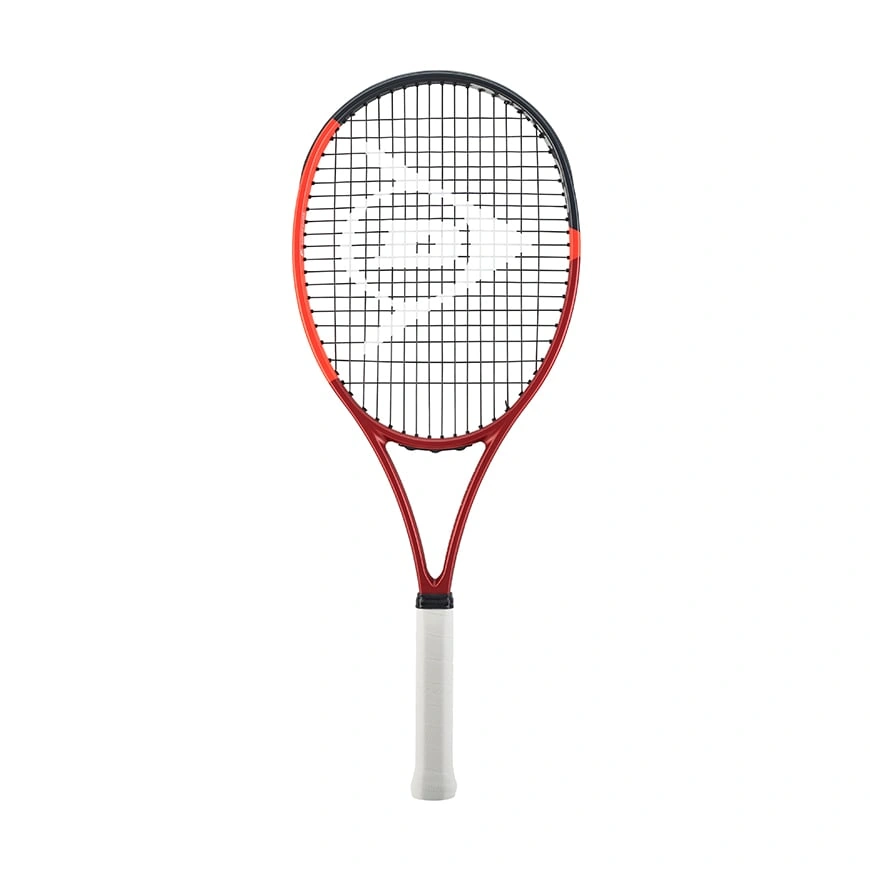
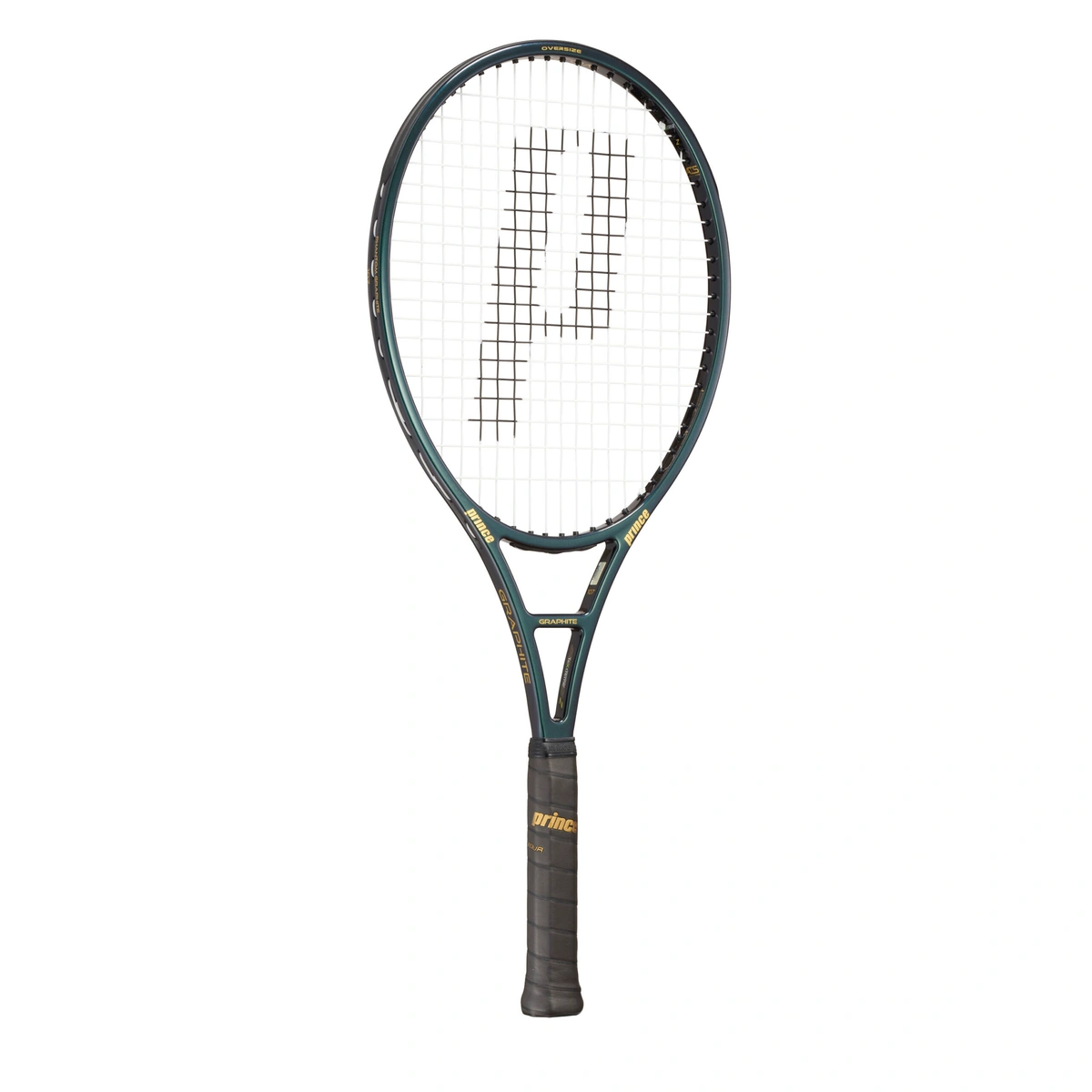
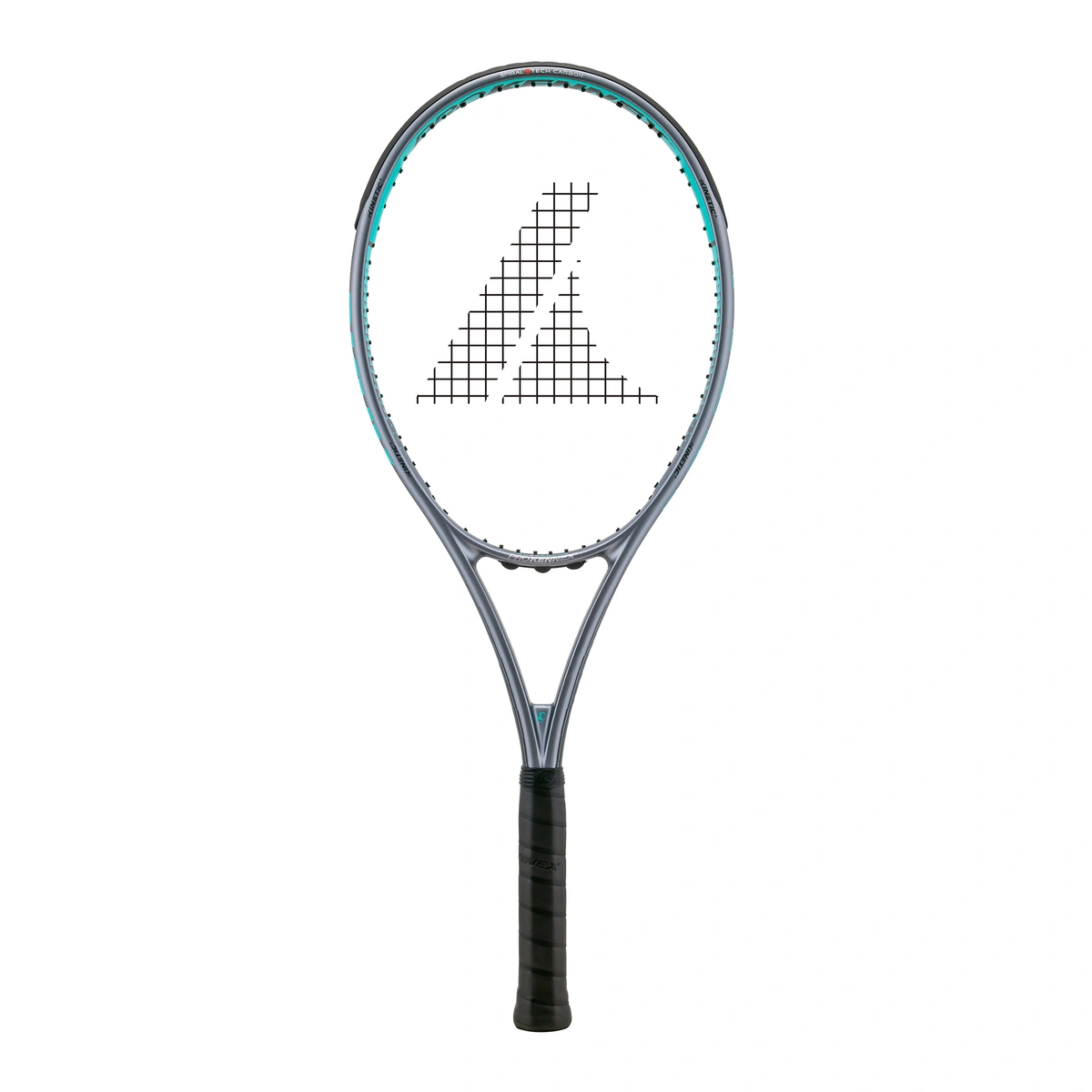
Racquets to compare
Numbers are suggested only when the maker publishes a tension range.
Reviewed sources
Solinco · View source ↗Similar strings
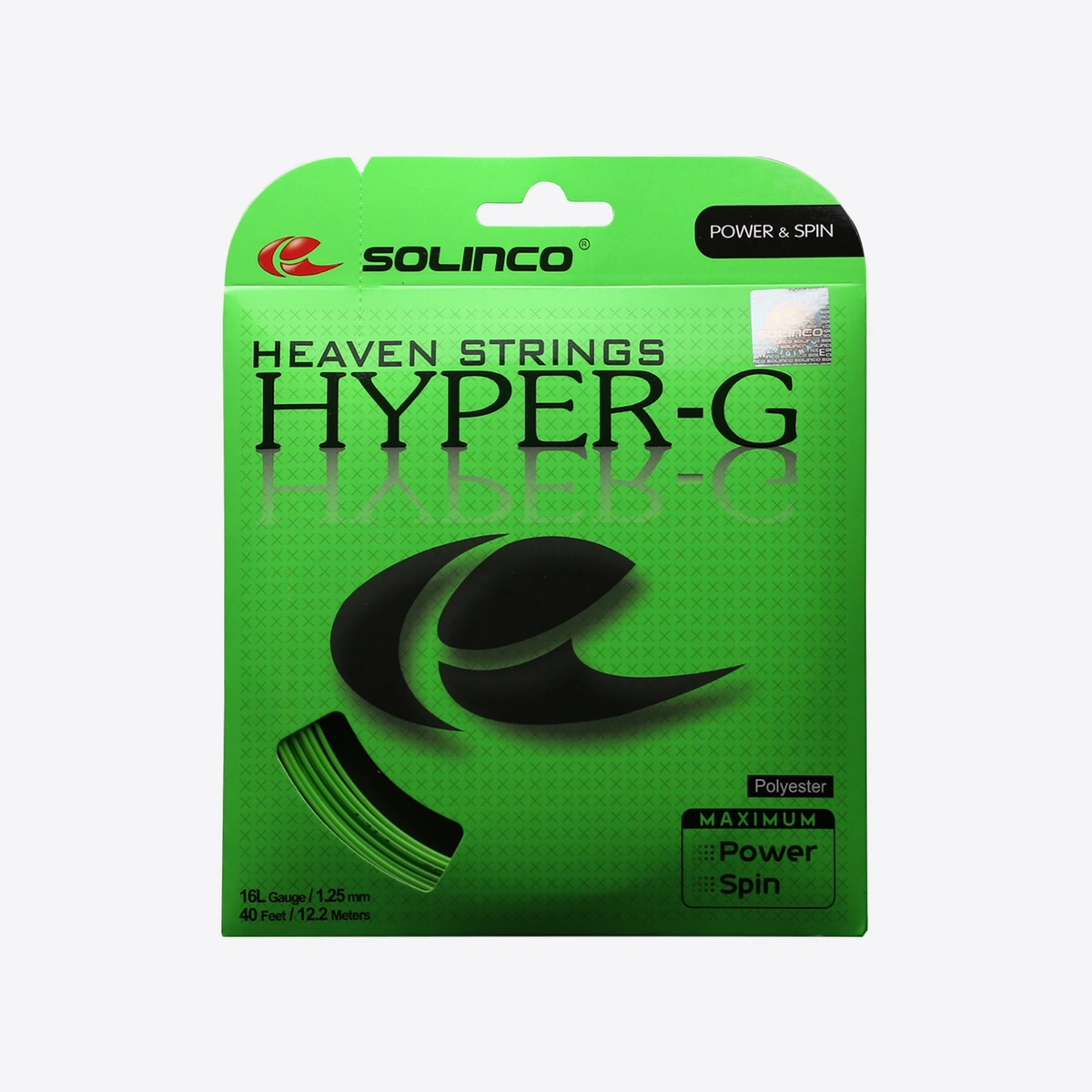 Solinco Hyper-GPolyester · 1.05 / 1.1 / 1.15 / 1.2 / 1.25 / 1.3 / 1.35 mm
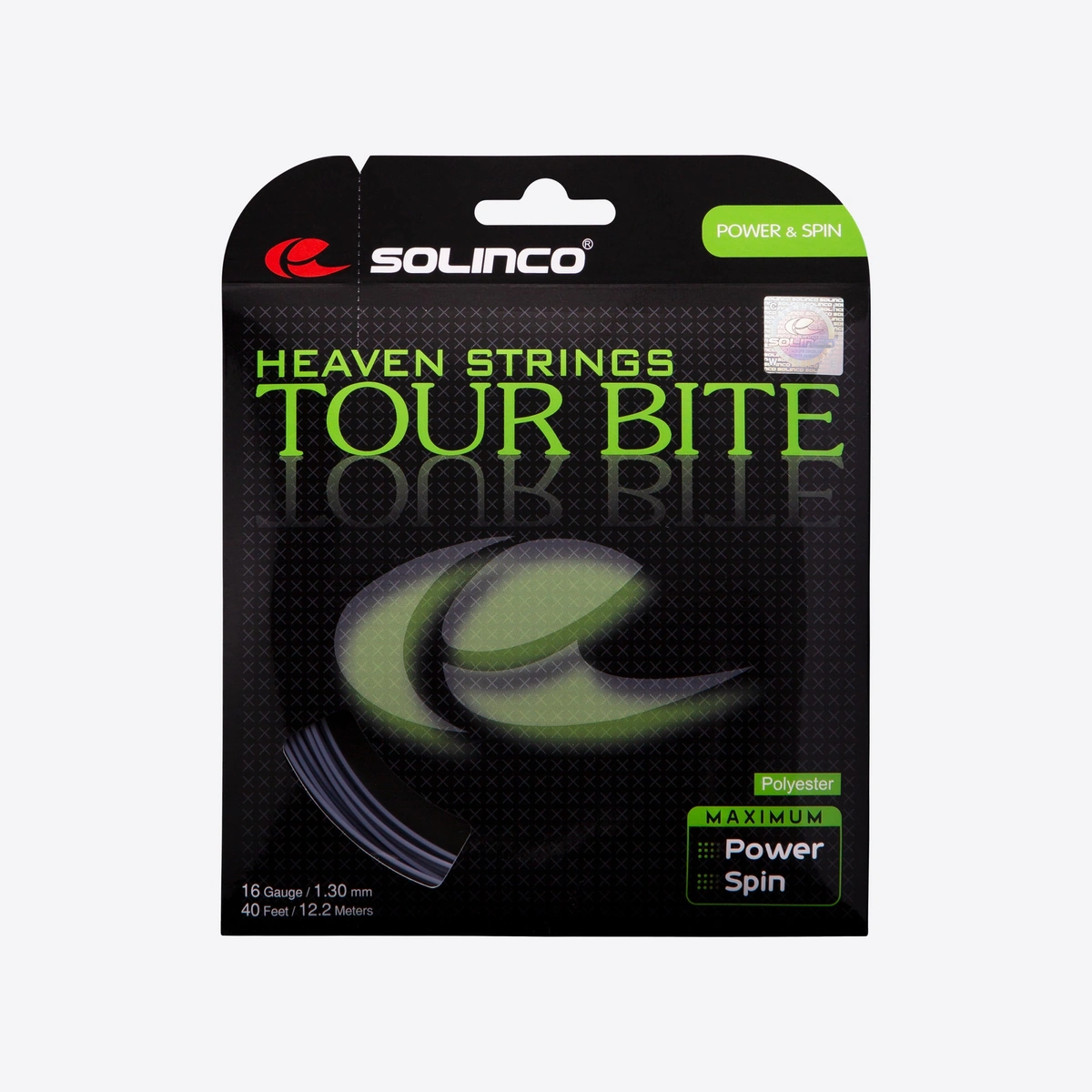 Solinco Tour BitePolyester · 1.05 / 1.1 / 1.15 / 1.2 / 1.25 / 1.3 / 1.35 mm
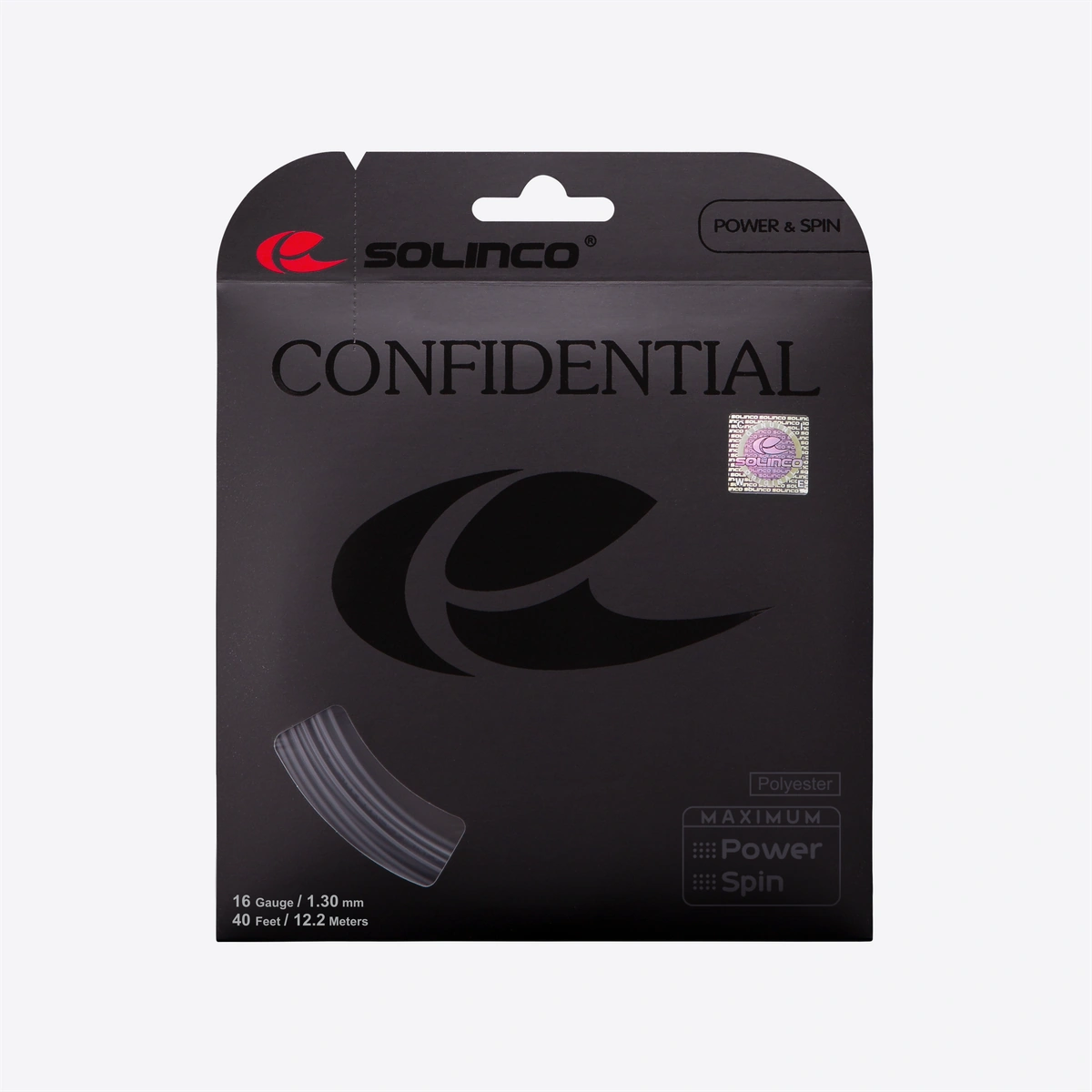 Solinco ConfidentialPolyester · 1.15 / 1.2 / 1.25 / 1.3 mm
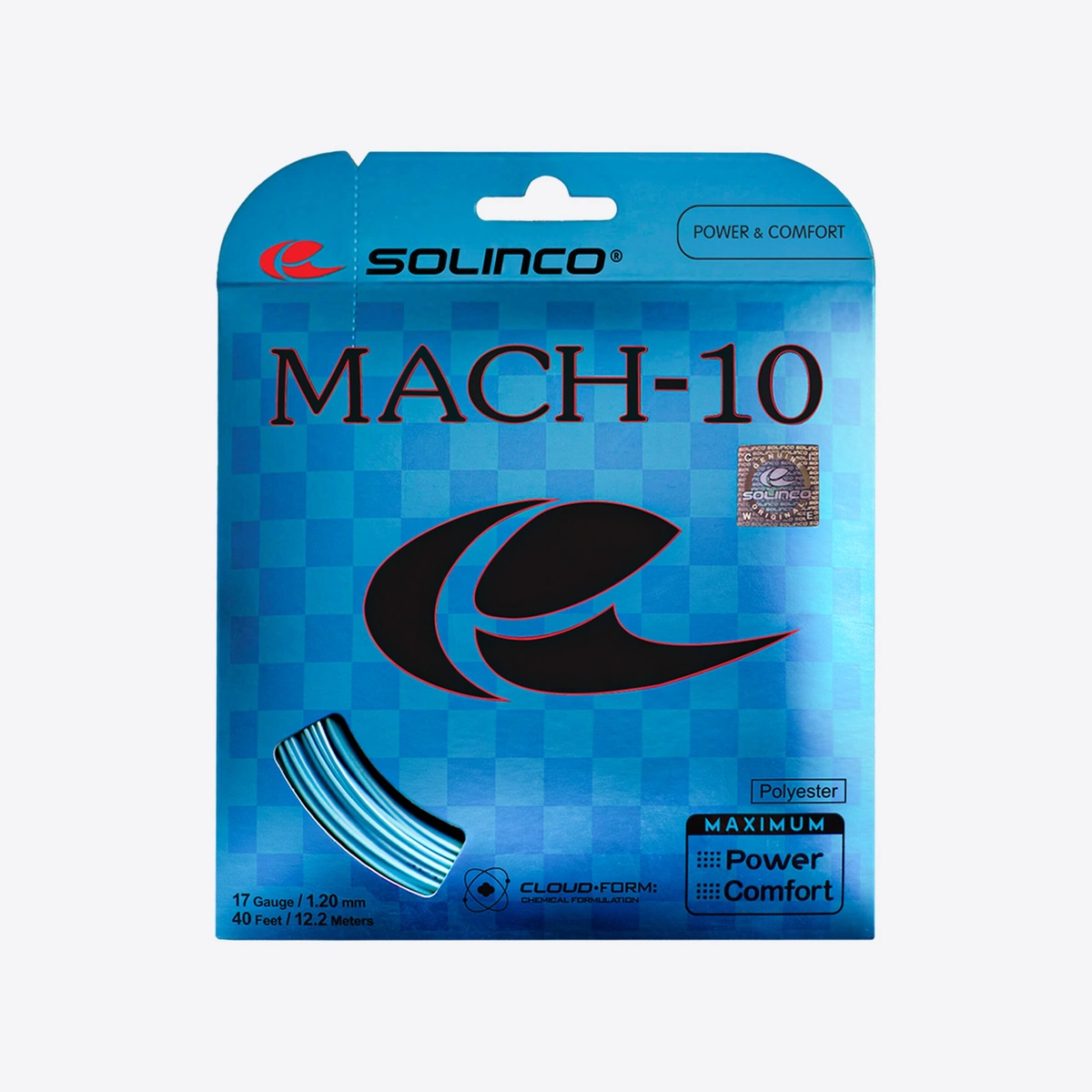 Solinco Mach-10Polyester · 1.15 / 1.2 / 1.25 / 1.3 mm
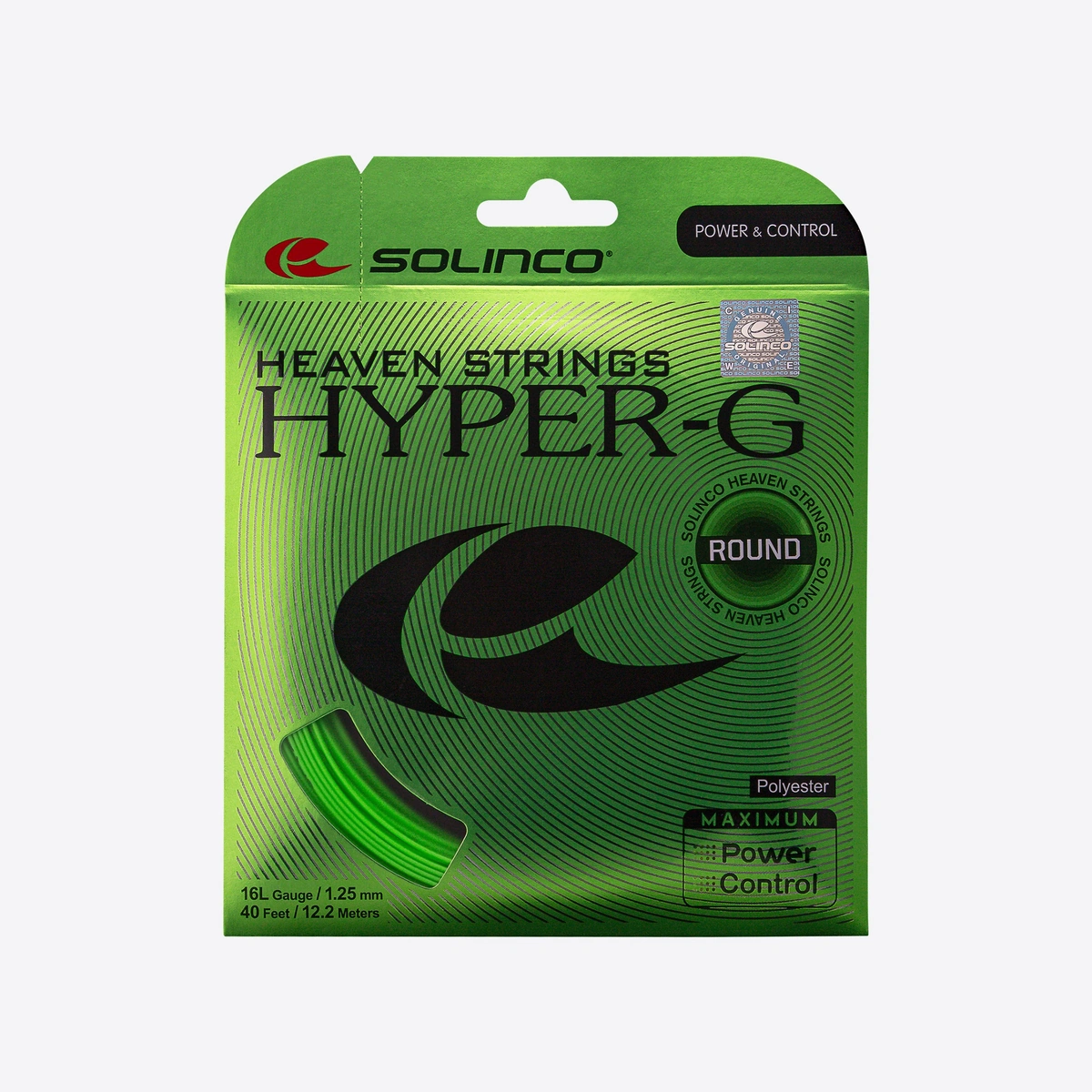 Solinco Hyper-G RoundPolyester · 1.15 / 1.2 / 1.25 / 1.3 mm
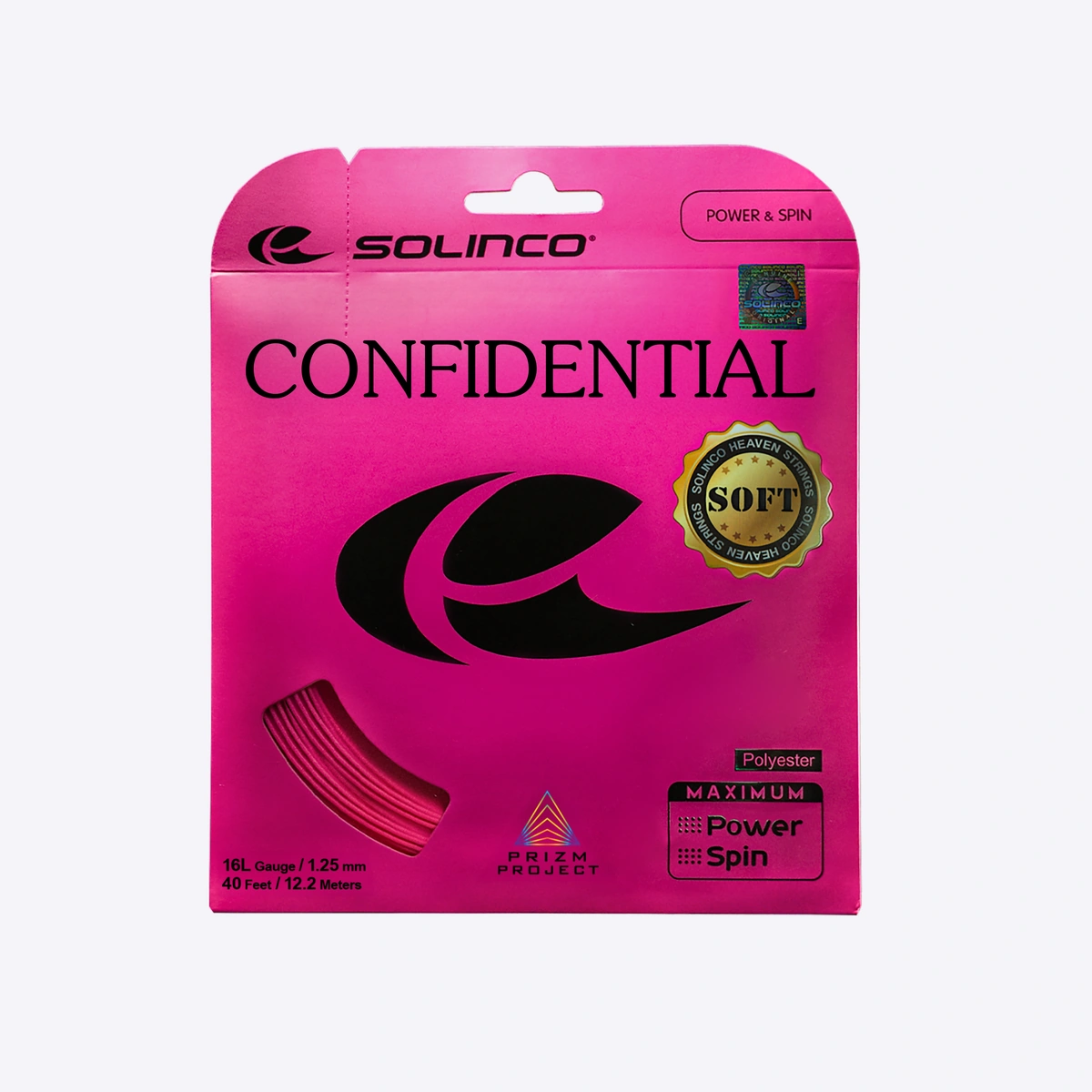 Solinco Confidential SoftPolyester · 1.15 / 1.2 / 1.25 / 1.3 mm
TENNIS TENSION LAB
Check your racquet’s tension today.
Get a high-precision tension reading in under 10 seconds. Tension Lab tracks changes from your first reading and helps you see when to restring.
- High-precision tension measurement. Ready in under 10 seconds.
- Track every change in feel. See the full story over time.
- Time to restring? Never leave it to guesswork.