Tecnifibre · Current range
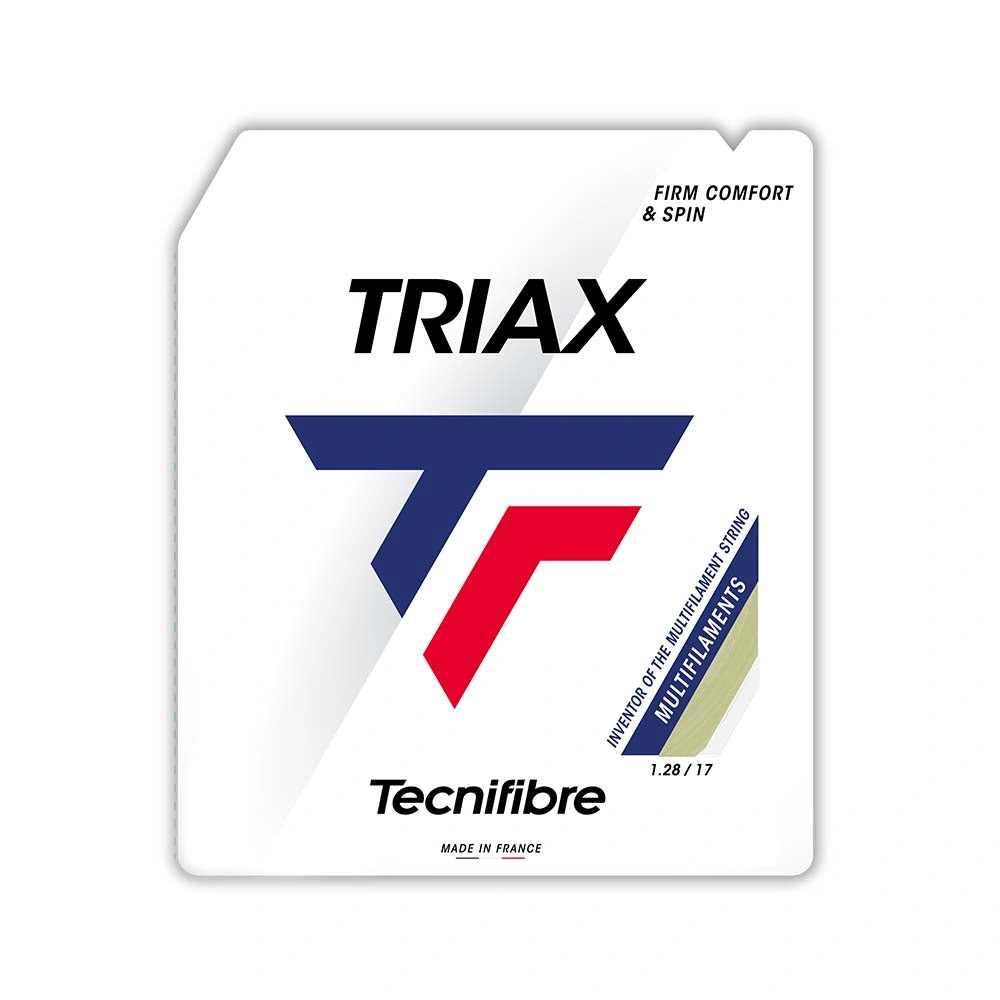
Tecnifibre Triax
Tecnifibre describes Triax as a multifilament construction incorporating co-polyester. That differs from installing two separate strings as mains and crosses. The precisely identified TWU test sample is 1.33 mm.
Product details
- Material
- Multifilament
- Gauge
- 1.28 / 1.33 / 1.38 mm
- Construction
- multifilament
- String cross-section
- Not published by the manufacturer
- Surface features
- Not published by the manufacturer
- Surface treatment / coating
- Not published by the manufacturer
- Product status
- Current range
- Stock status
- Stock not verified
Laboratory measurements
Lower stiffness means less resistance to deformation in this test. Tension loss is measured under a laboratory protocol, not a prediction of playing hours. Spin potential is a friction-based ratio, not ball RPM.
| Tested sample | Stiffness lb/in | Tension loss % | Spin potential ratio |
|---|---|---|---|
| Tecnifibre Triax 16 (1.33)Test conditions: 51 lb · Fast (TWU) | 161.7 | 25 | 5.8 |
The test tension is not a stringing recommendation. Compare the same gauge and test conditions; the racquet, stroke and stringing method also affect the result on court. On the source page, select All in the material filter to see results for every material.
Read the construction fields beyond the page title
The manufacturer page title contains monofilament, while its description, features and Strings type identify a multifilament. It also describes co-polyester and high-density polyurethane. One conflicting title word should not overwrite the detailed construction information.
Multiple materials within one finished string are different from a hybrid installation using separate products in the mains and crosses. A full bed of Triax still contains its internal material combination.
Separate the 1.33 mm test from the 1.28 mm retail page
TWU’s Triax 16 (1.33) records 161.7 lb/in stiffness, 25.0% loss and a 5.8 spin-potential ratio at 51 lb and Fast speed. The linked manufacturer page displays 1.28 mm, so these figures must not be presented as a 1.28 mm test.
The verified scope is one identified 1.33 mm sample. Claims of combining benefits from different string families cannot supply unmeasured stiffness for another gauge or a guaranteed durability multiple.
The question depends on what you are replacing
A polyester user may examine depth from short defensive preparation and changes in firmness. A multifilament user may examine wear and whether familiar length remains repeatable.
In both cases, compare against a documented setup in a familiar frame. An intermediate product description cannot establish universal suitability without knowing the response being changed.
Use wear records to examine durability claims
Record intersection notches, surface damage and hitting time, and compare the location where the previous string failed. Also track trajectory and the mains’ return after displacement.
The 25.0% laboratory loss is not a proportion of playing time. Combining construction information with observed wear helps identify what to change in the next installation.
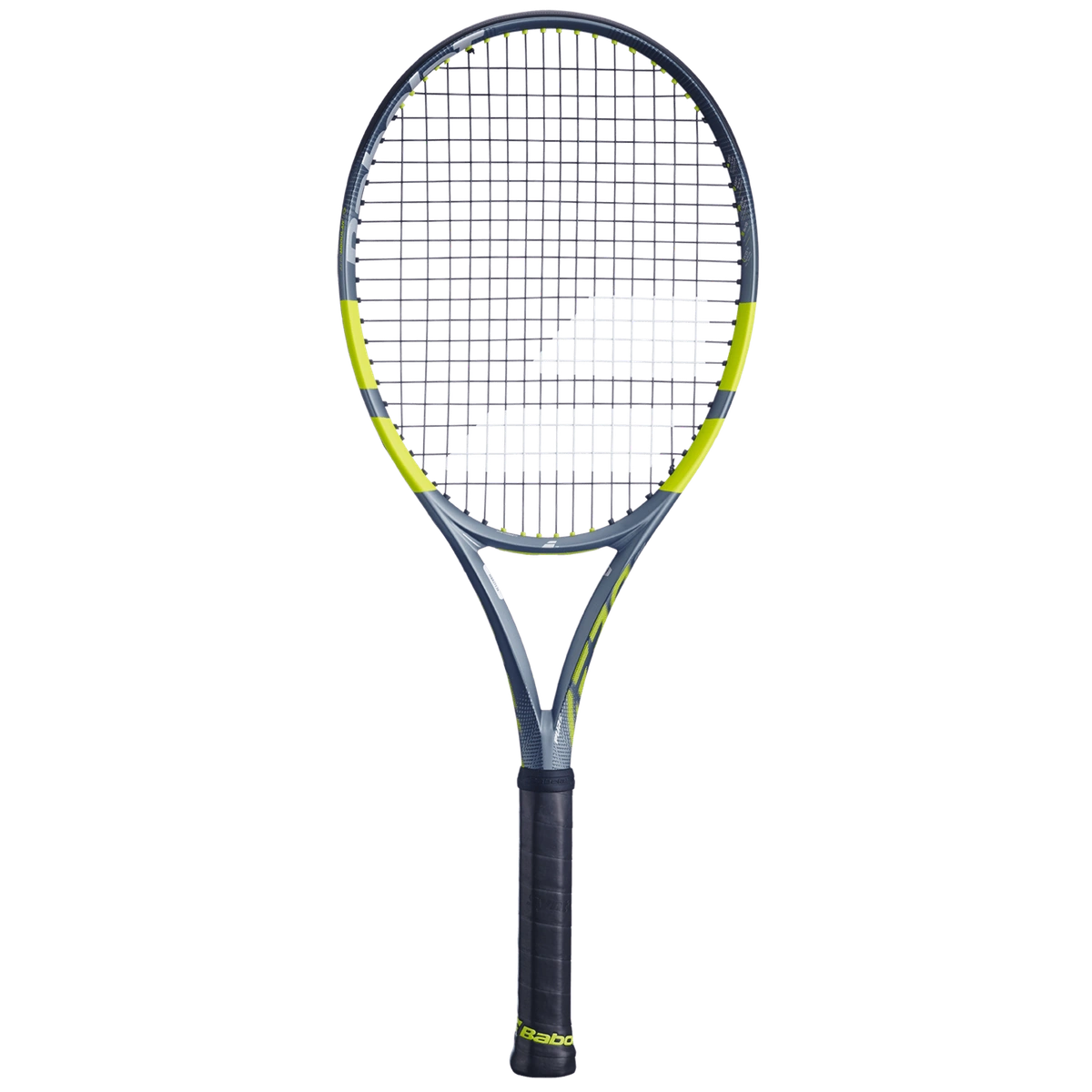
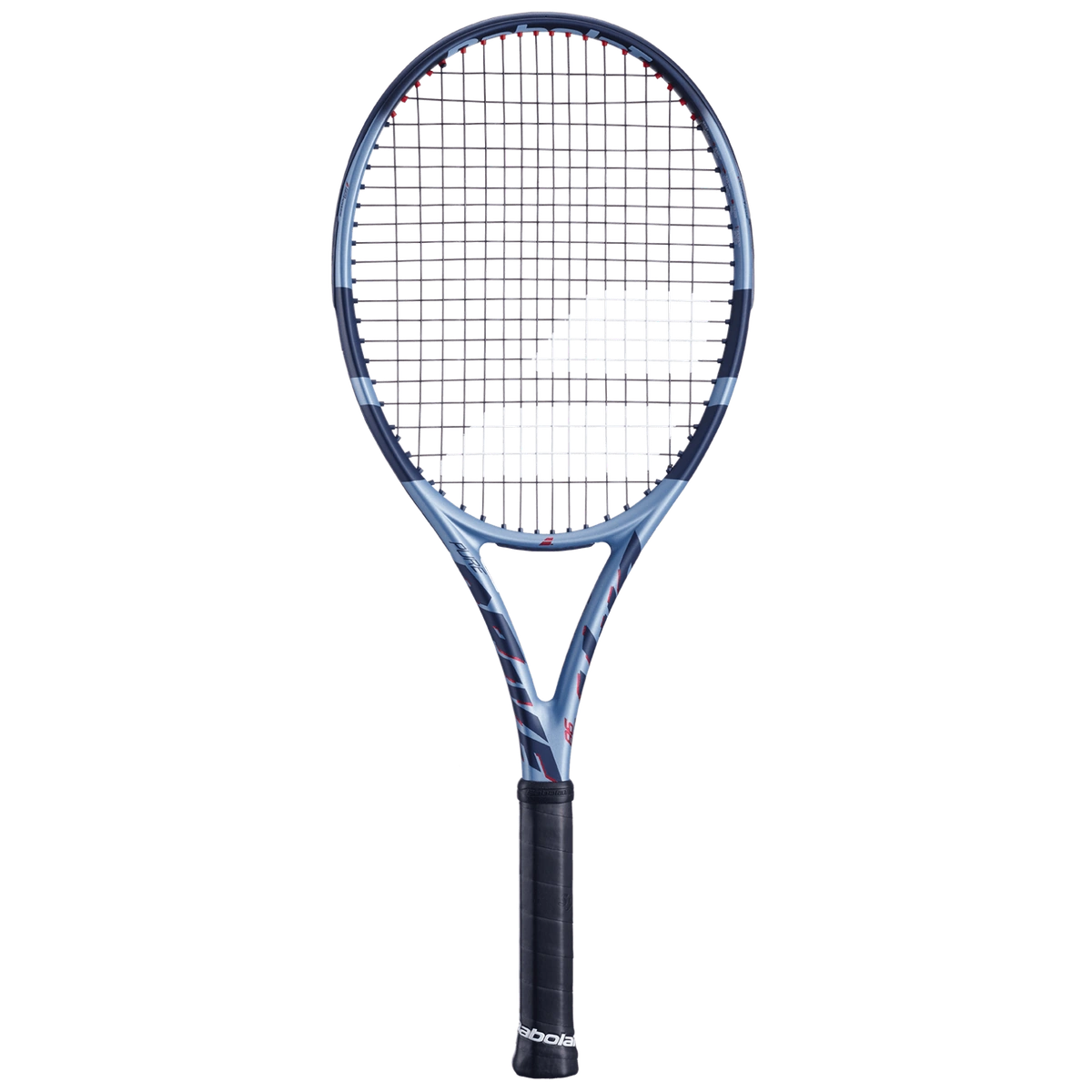
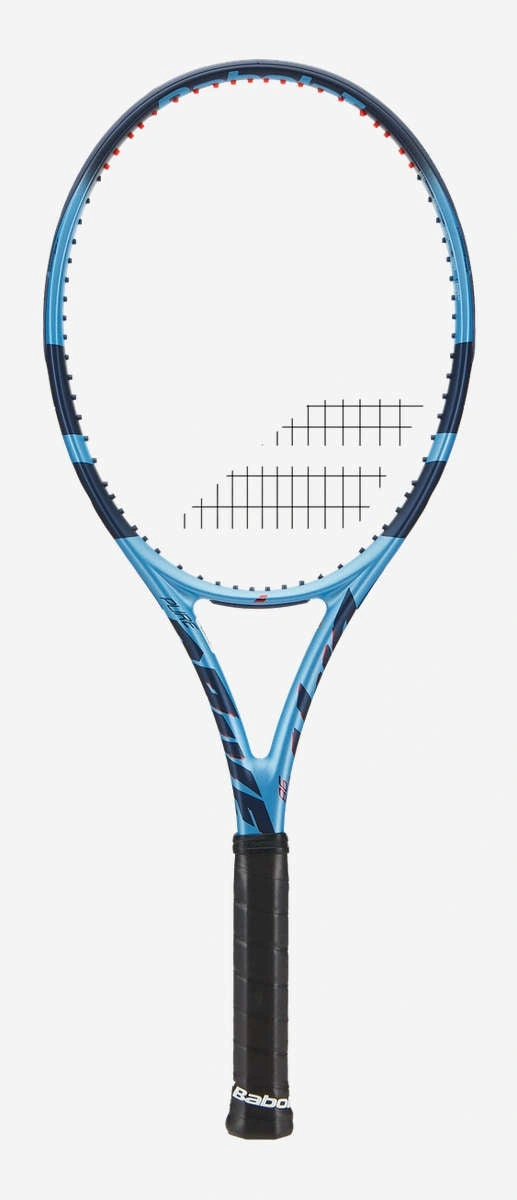
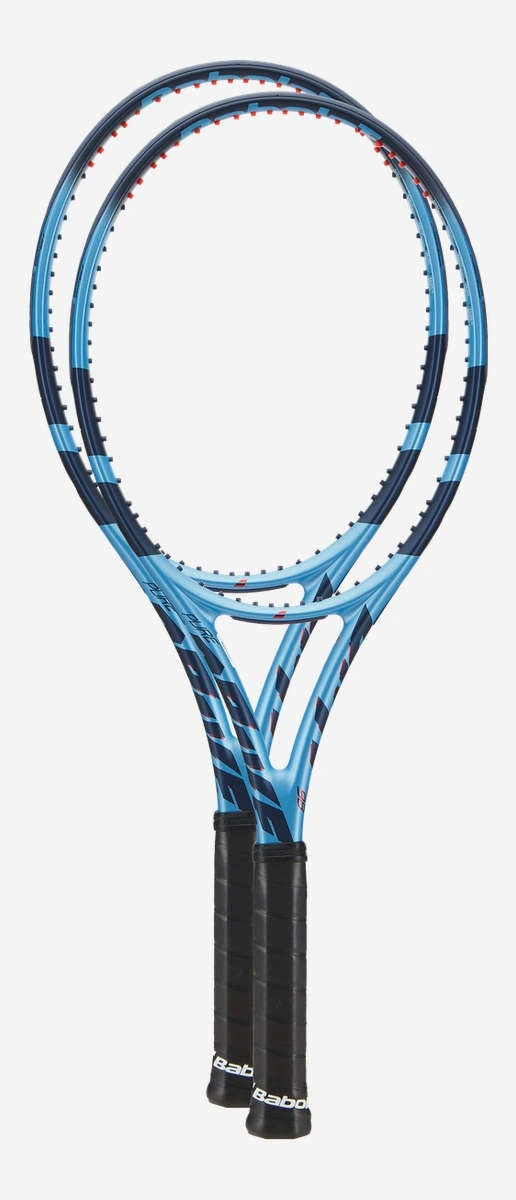
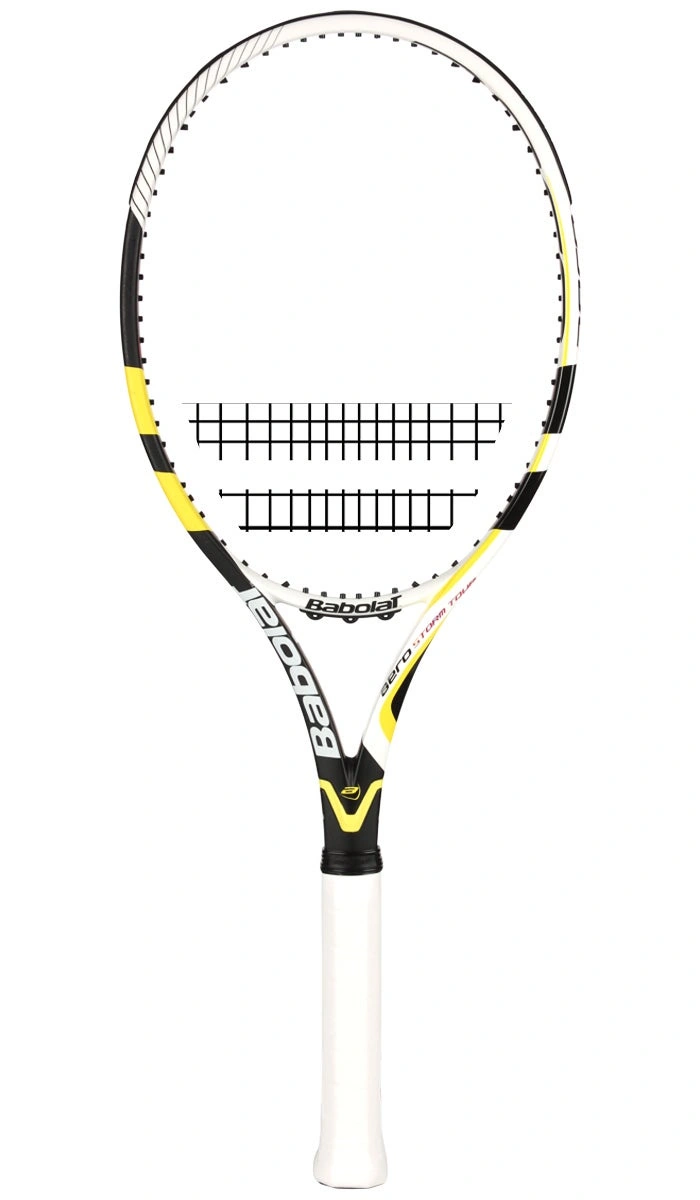
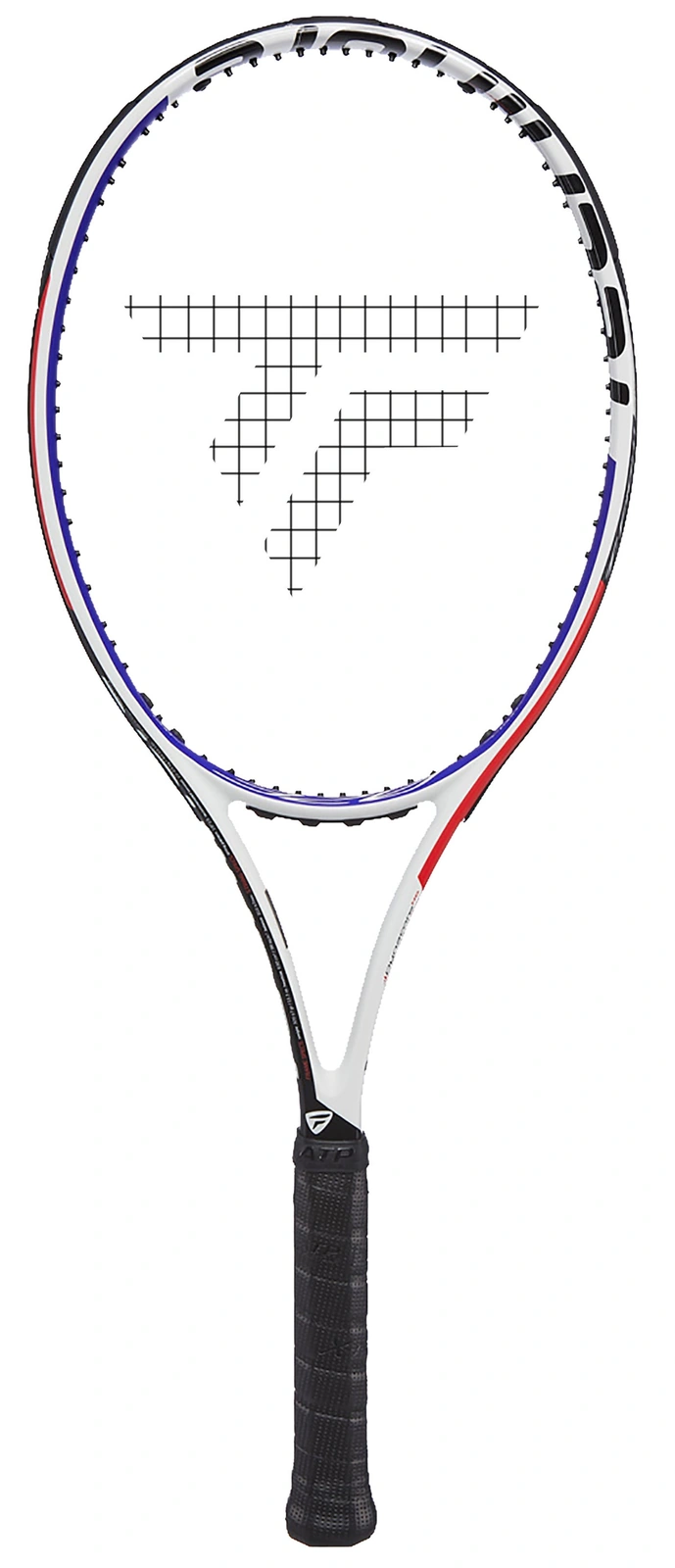
Racquets to compare
Numbers are suggested only when the maker publishes a tension range.
Reviewed sources
Tecnifibre · View source ↗Similar strings
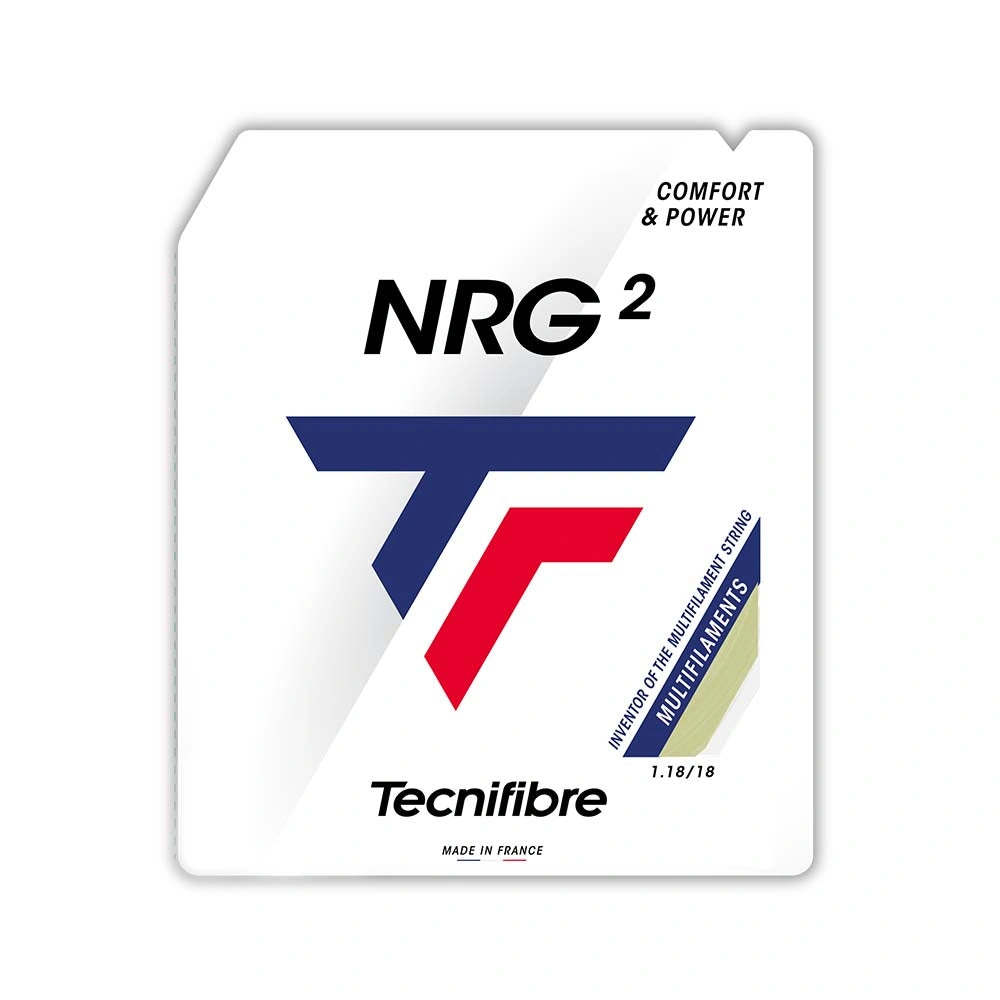 Tecnifibre NRG²Multifilament · 1.18 / 1.24 / 1.32 mm
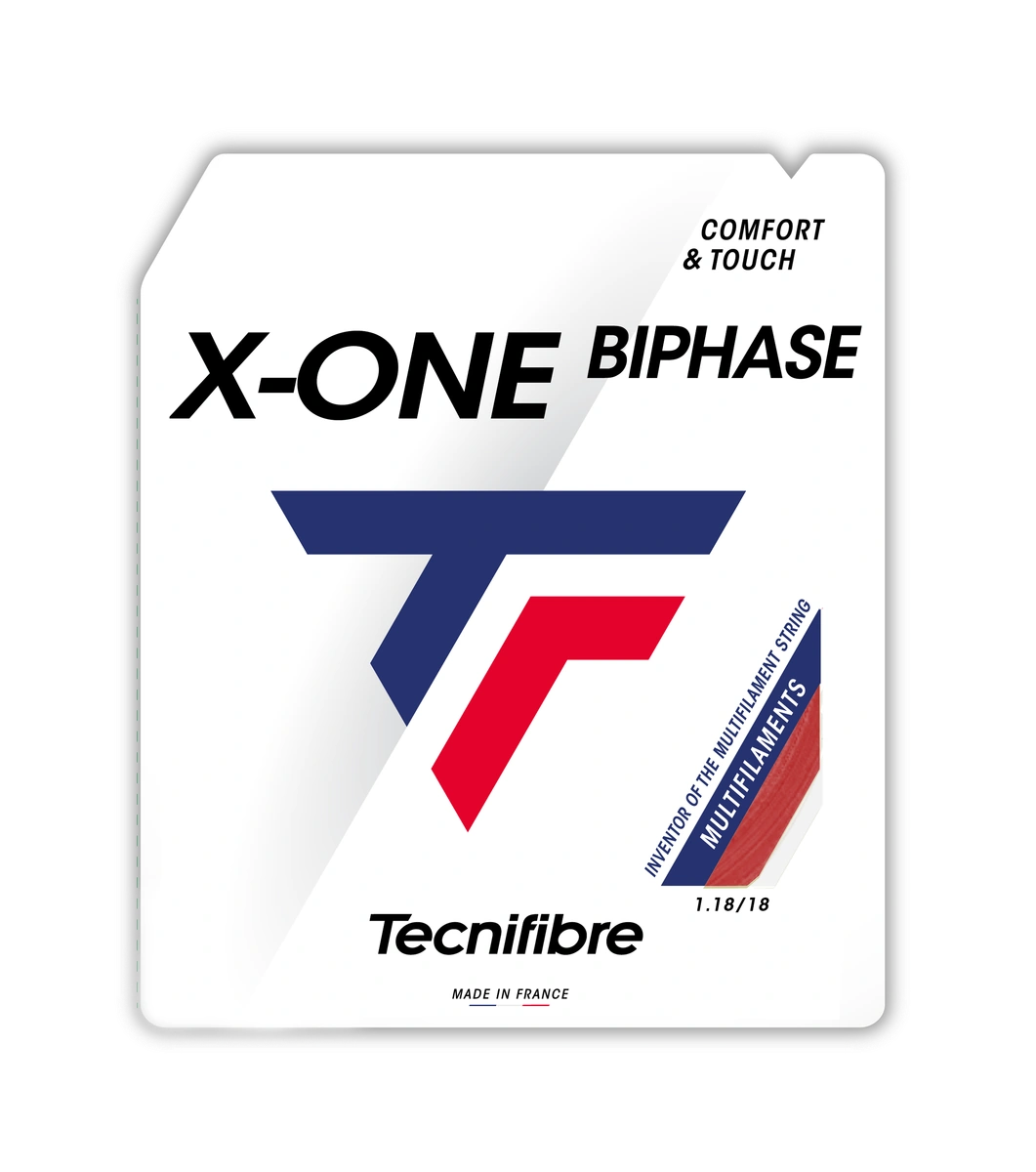 Tecnifibre X-One BiphaseMultifilament · 1.18 / 1.24 / 1.3 / 1.34 mm
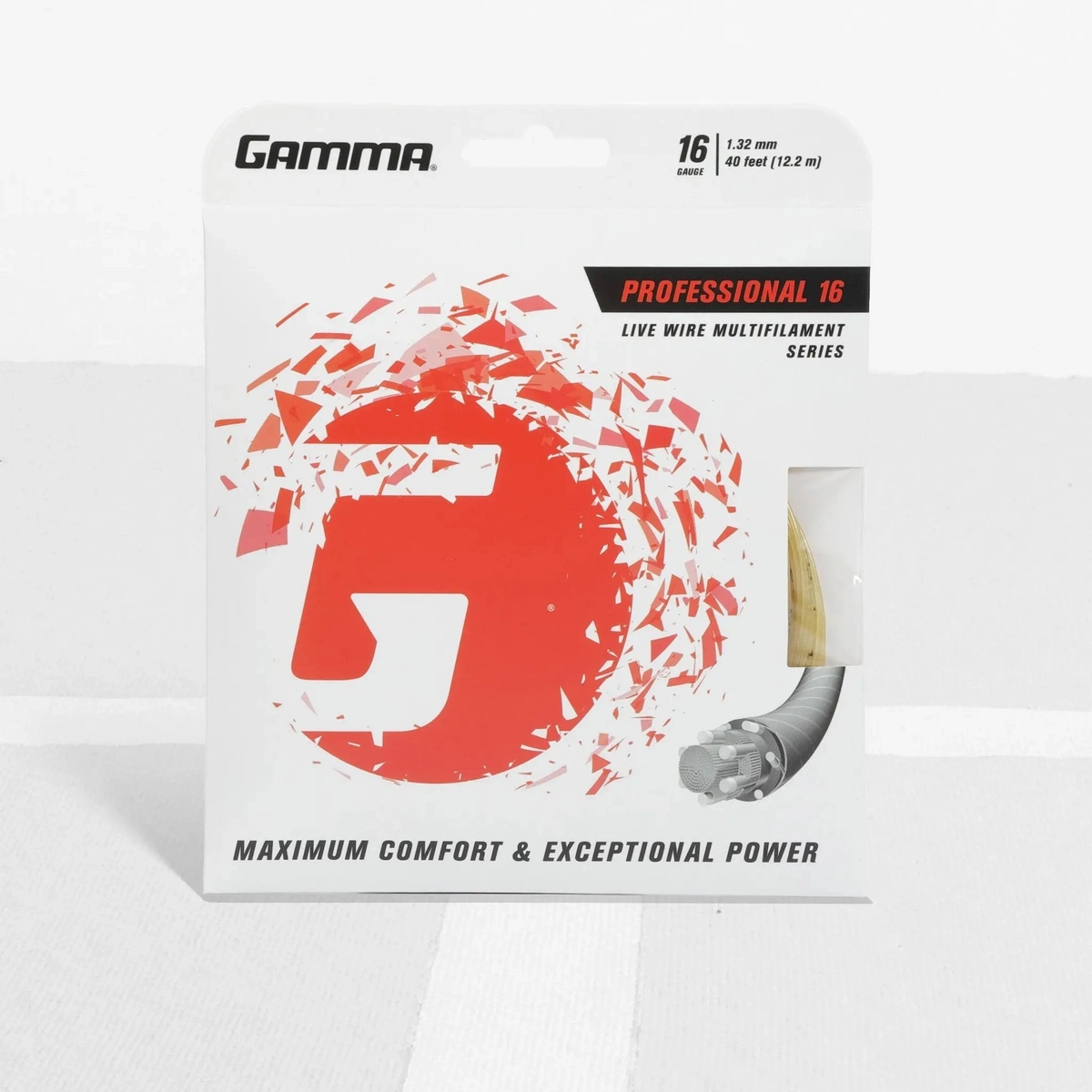 Gamma ProfessionalMultifilament · 1.22 / 1.27 / 1.32 mm
 Gamma Live WireMultifilament · 1.27 / 1.32 mm
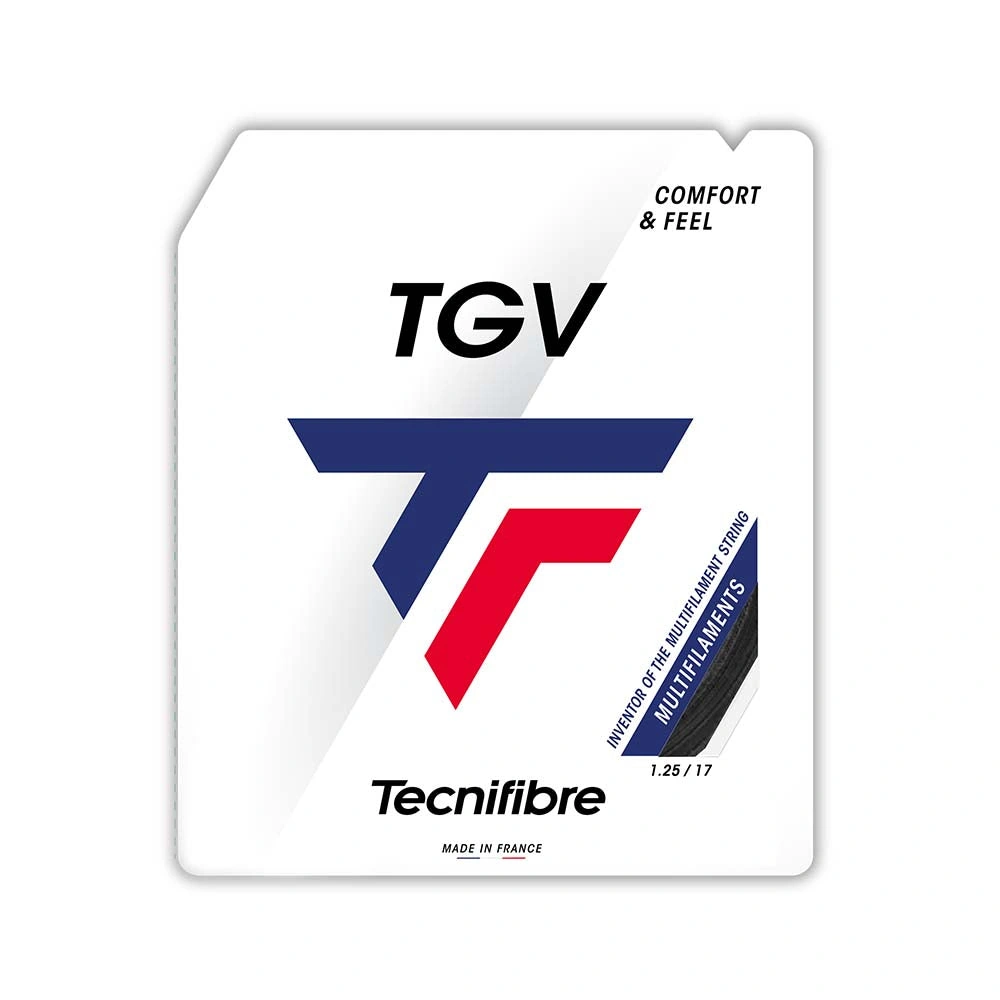 Tecnifibre TGVMultifilament · 1.25 / 1.3 / 1.35 / 1.4 mm
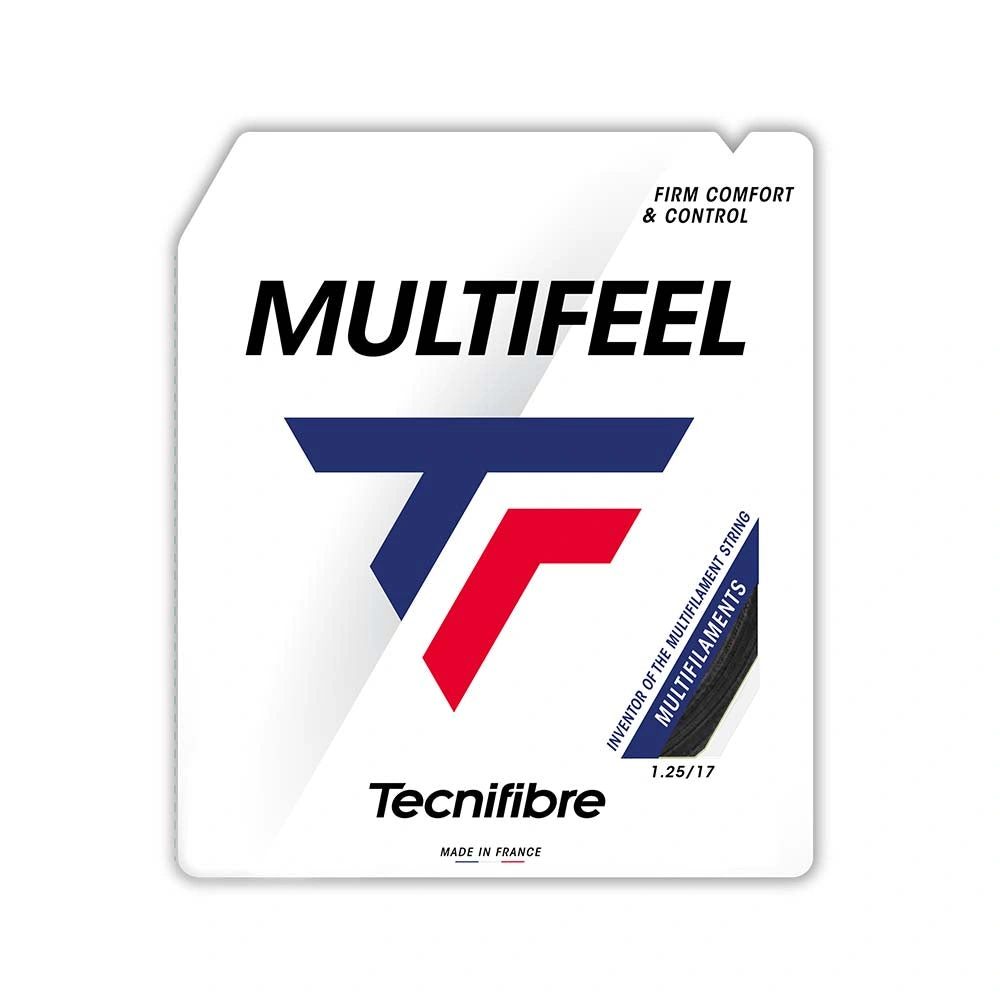 Tecnifibre MultifeelMultifilament · 1.25 / 1.3 / 1.35 mm
TENNIS TENSION LAB
Check your racquet’s tension today.
Get a high-precision tension reading in under 10 seconds. Tension Lab tracks changes from your first reading and helps you see when to restring.
- High-precision tension measurement. Ready in under 10 seconds.
- Track every change in feel. See the full story over time.
- Time to restring? Never leave it to guesswork.