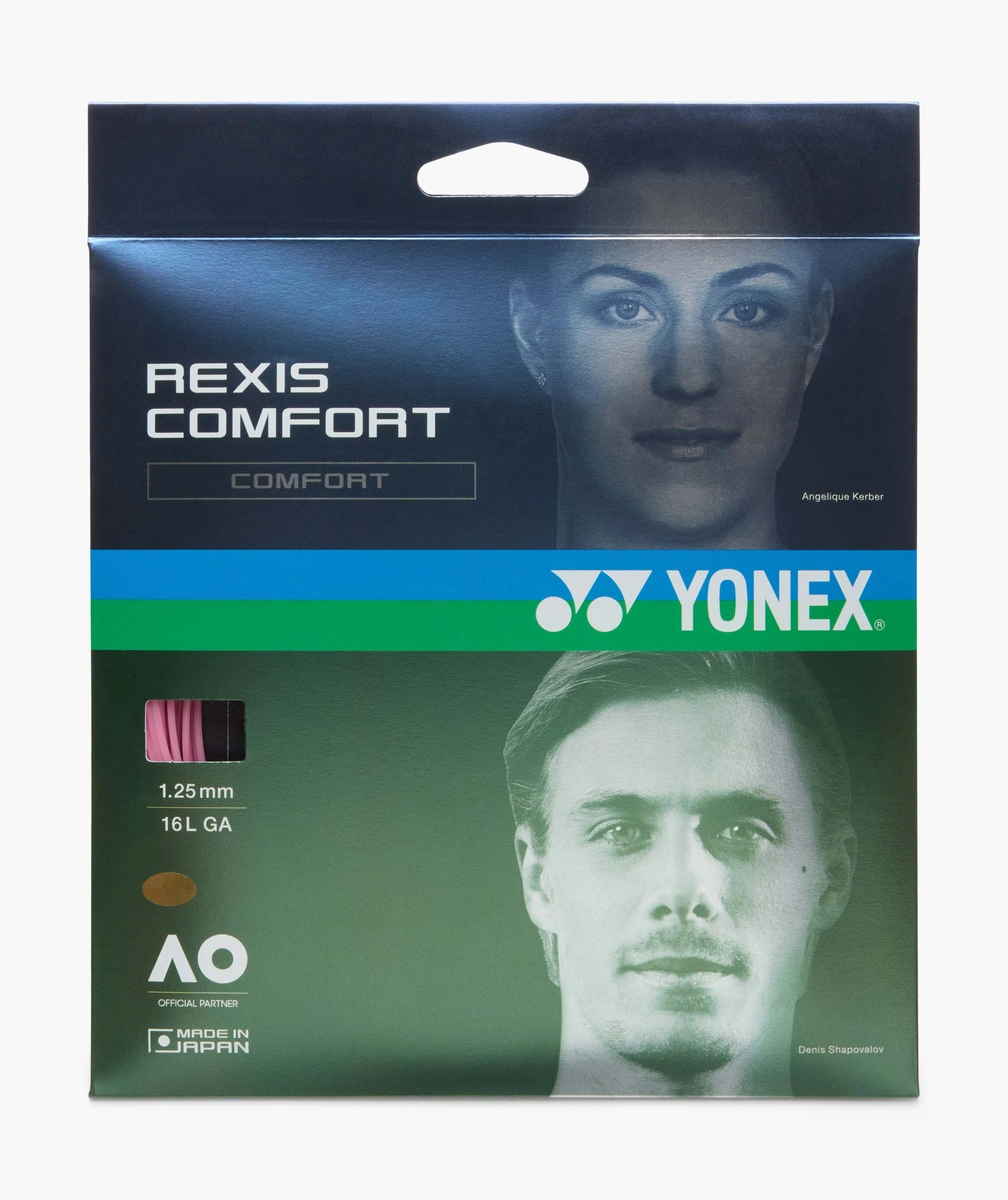
Yonex · Current range
Yonex REXIS COMFORT
TWU’s REXIS COMFORT 1.25 mm sample records 128.6 lb/in stiffness, 24.0% tension loss and a 6.4 spin-potential ratio. Comparing the same gauge of REXIS SPEED reveals distinctions the product names alone cannot explain.
Product details
- Material
- Multifilament
- Gauge
- 1.25 / 1.3 mm
- Construction
- multifilament
- String cross-section
- Not published by the manufacturer
- Surface features
- Not published by the manufacturer
- Surface treatment / coating
- Not published by the manufacturer
- Product status
- Current range
- Stock status
- Stock not verified
Laboratory measurements
Lower stiffness means less resistance to deformation in this test. Tension loss is measured under a laboratory protocol, not a prediction of playing hours. Spin potential is a friction-based ratio, not ball RPM.
| Tested sample | Stiffness lb/in | Tension loss % | Spin potential ratio |
|---|---|---|---|
| Yonex Rexis Comfort 16L (1.25)Test conditions: 51 lb · Fast (TWU) | 128.6 | 24 | 6.4 |
The test tension is not a stringing recommendation. Compare the same gauge and test conditions; the racquet, stroke and stringing method also affect the result on court. On the source page, select All in the material filter to see results for every material.
Compare samples tested under the same conditions
Up to three products with nearby measured stiffness, matching diameter, material and test conditions. This is a data comparison, not a ranking of suitability.
| Tested sample | Stiffness lb/in | Tension loss % | Spin potential ratio |
|---|---|---|---|
| Yonex Rexis Comfort 16L (1.25) | 128.6 | 24 | 6.4 |
| Yonex Rexis Speed 16L (1.25) | 125.7 | 29.1 | 5.6 |
| Head Reflex MLT 17 (1.25) | 141.2 | 19.4 | 4.7 |
| Head Velocity MLT 17 (1.25) | 153.2 | 14.7 | 5.5 |
COMFORT does not automatically mean the lowest stiffness
At 51 lb and Fast speed, SPEED 1.25 measures 125.7 lb/in and COMFORT 128.6 lb/in—a difference of only 2.9 lb/in. No repeatability interval is supplied here, so this small difference cannot establish which feels more comfortable.
Tension losses are 24.0% for COMFORT and 29.1% for SPEED, a 5.1 percentage-point difference. Low initial stiffness and limited tension change remain separate questions.
What to take from the construction description
Yonex’s linked 1.25 mm page specifies nylon multifilament and FORTIMO. FRF and PLASMA BONDING appear among the technologies, but those names do not quantify playing speed or service life.
Do not copy construction details between the two REXIS models. SPEED’s page also specifies polyester. Products within the multifilament category can still differ in their constituent materials.
The shots to compare when moving from polyester
Include a short defensive return and a low ball as well as a full attacking swing. Whether you need easier depth or less variation in length changes the test you should prioritise.
Large simultaneous changes in material and reference tension make the result difficult to explain. Equal machine settings do not match completed stiffness when the material changes.
Watch different kinds of multifilament wear
Separate surface fraying from notches at main–cross intersections. Fraying cannot establish the remaining number of hours, while remaining unbroken does not guarantee unchanged friction and response.
For hybrids, record the partner’s surface and placement. COMFORT’s low single-string stiffness is one part of the setup, not a direct description of the entire mixed stringbed.
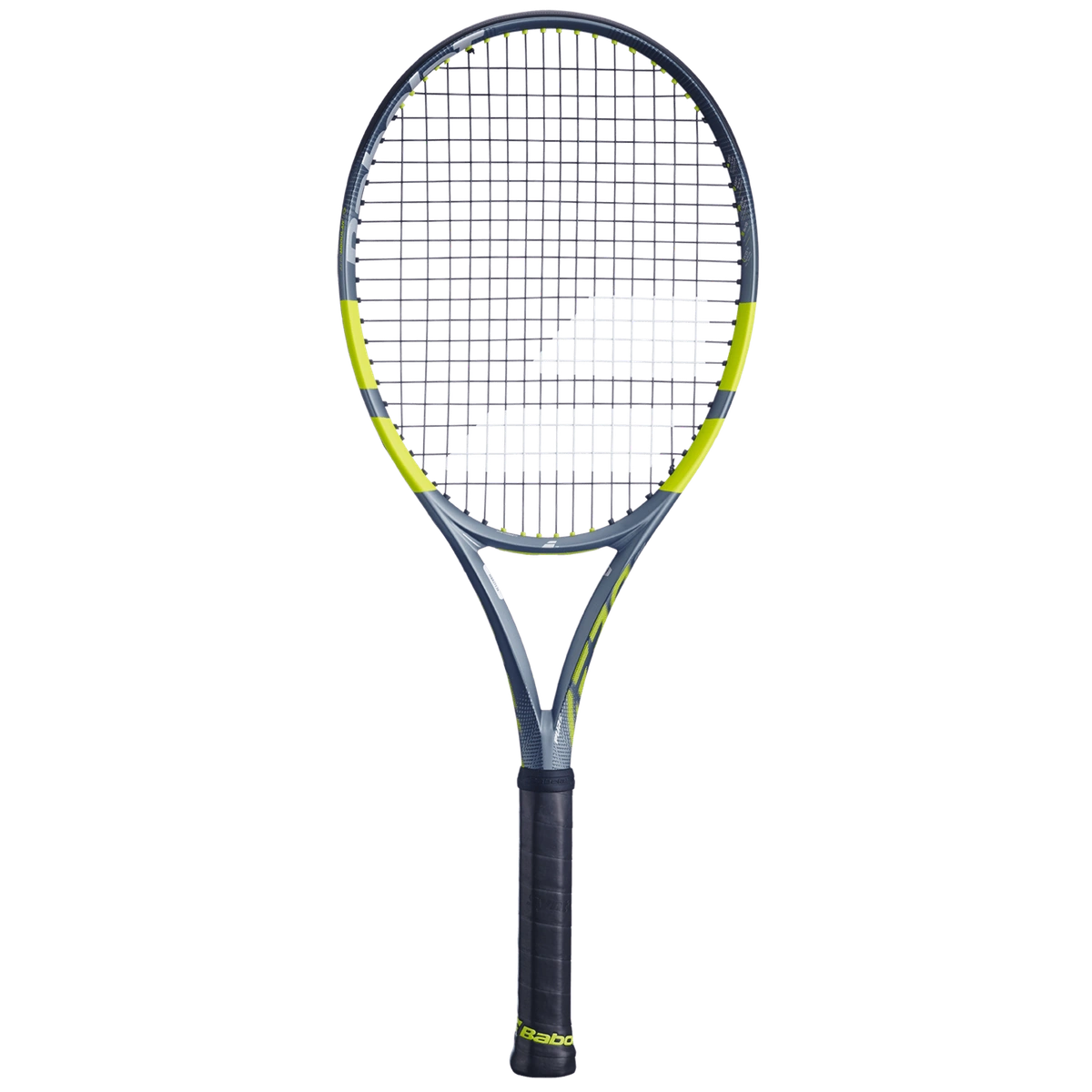
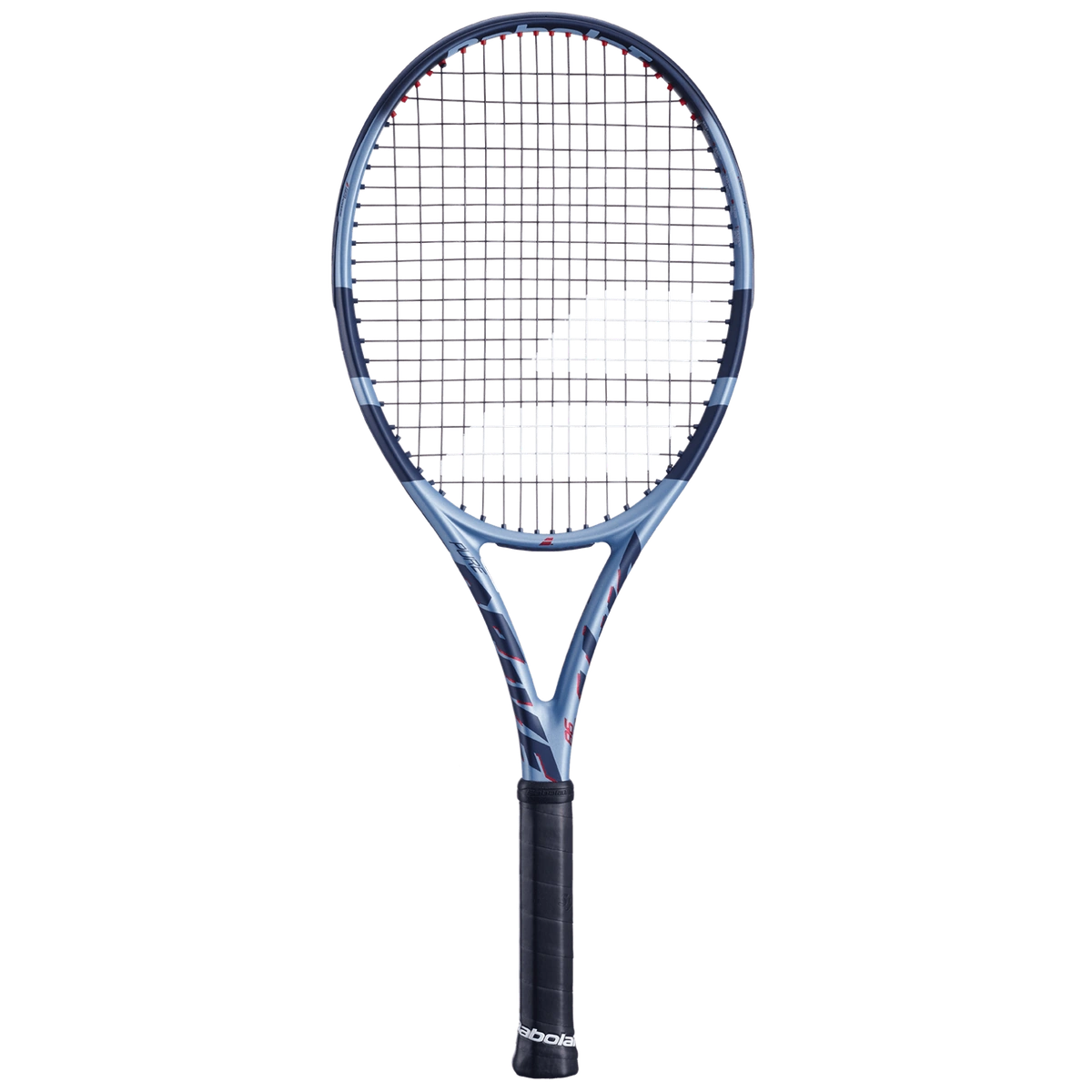
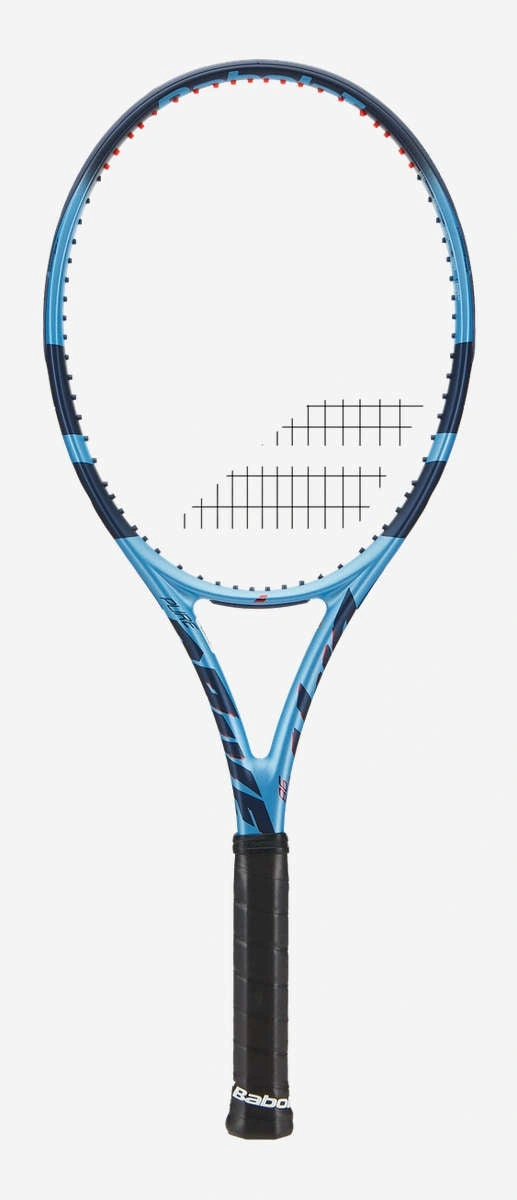
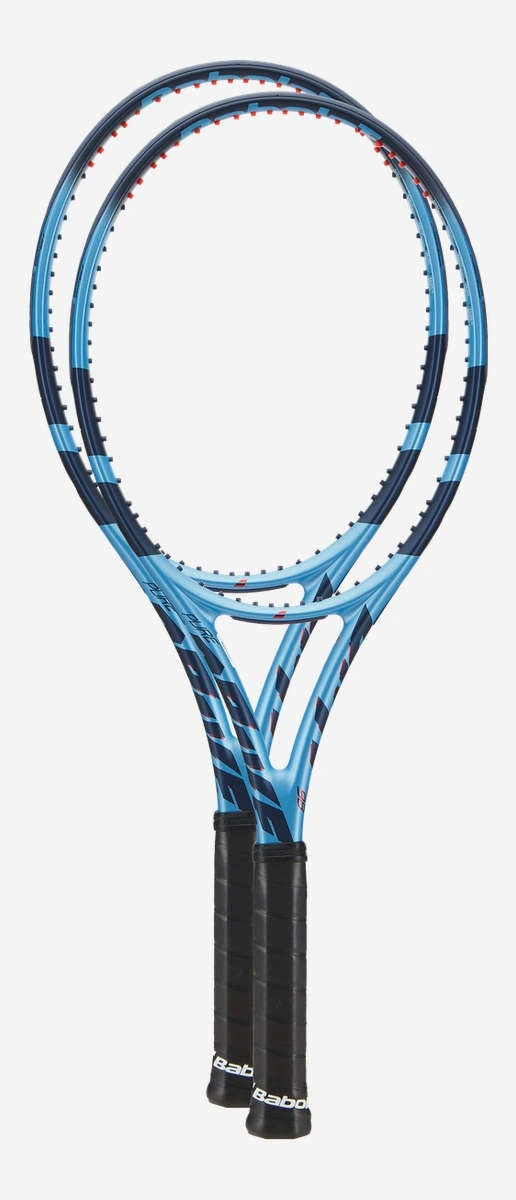
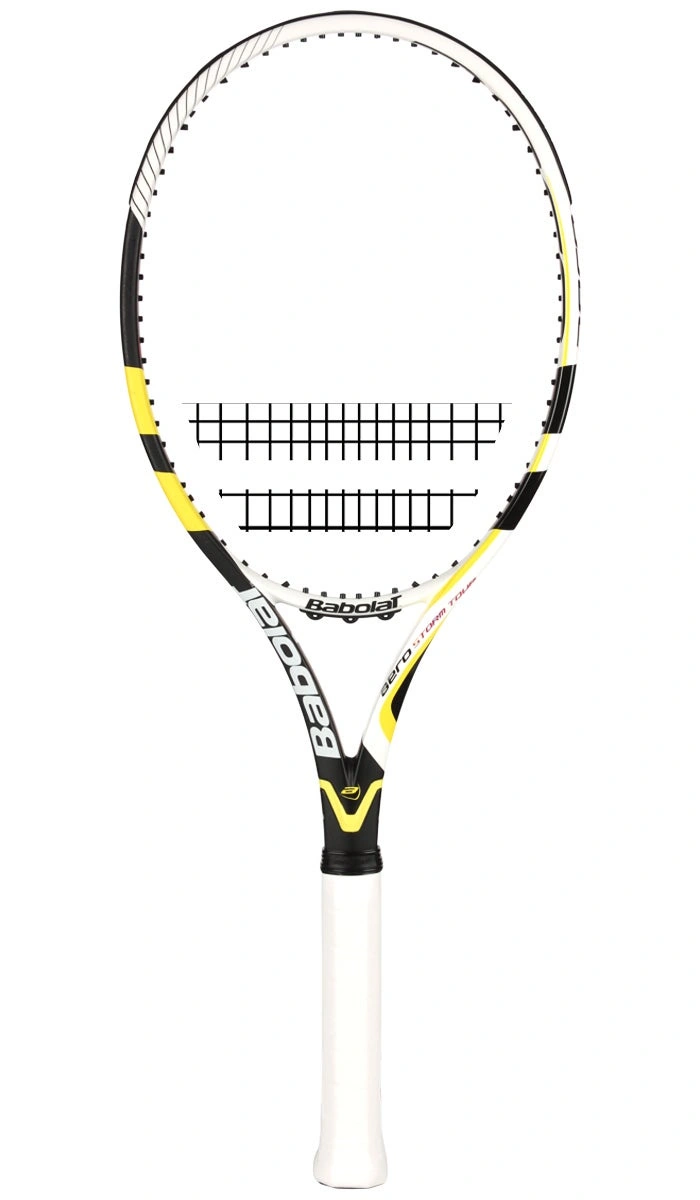
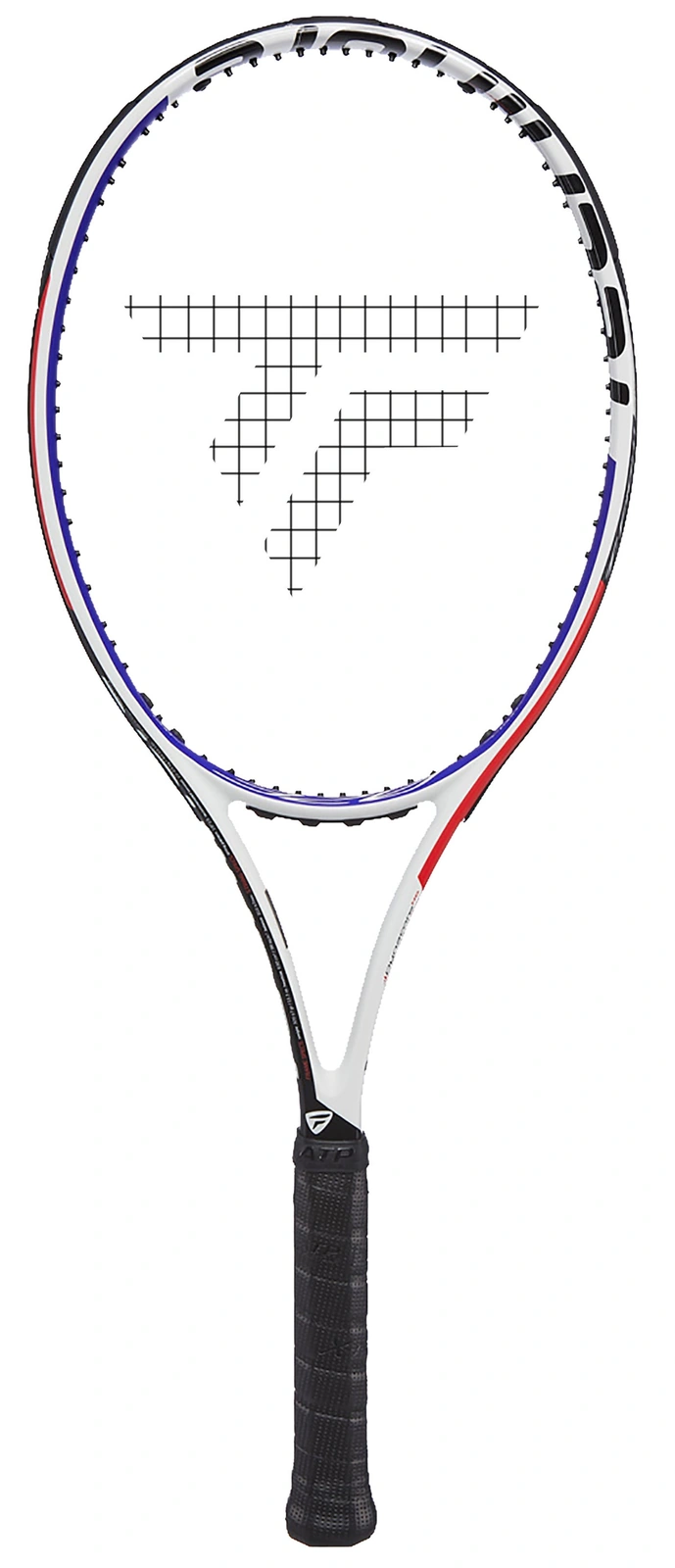
Racquets to compare
Numbers are suggested only when the maker publishes a tension range.
Reviewed sources
Yonex · View source ↗Similar strings
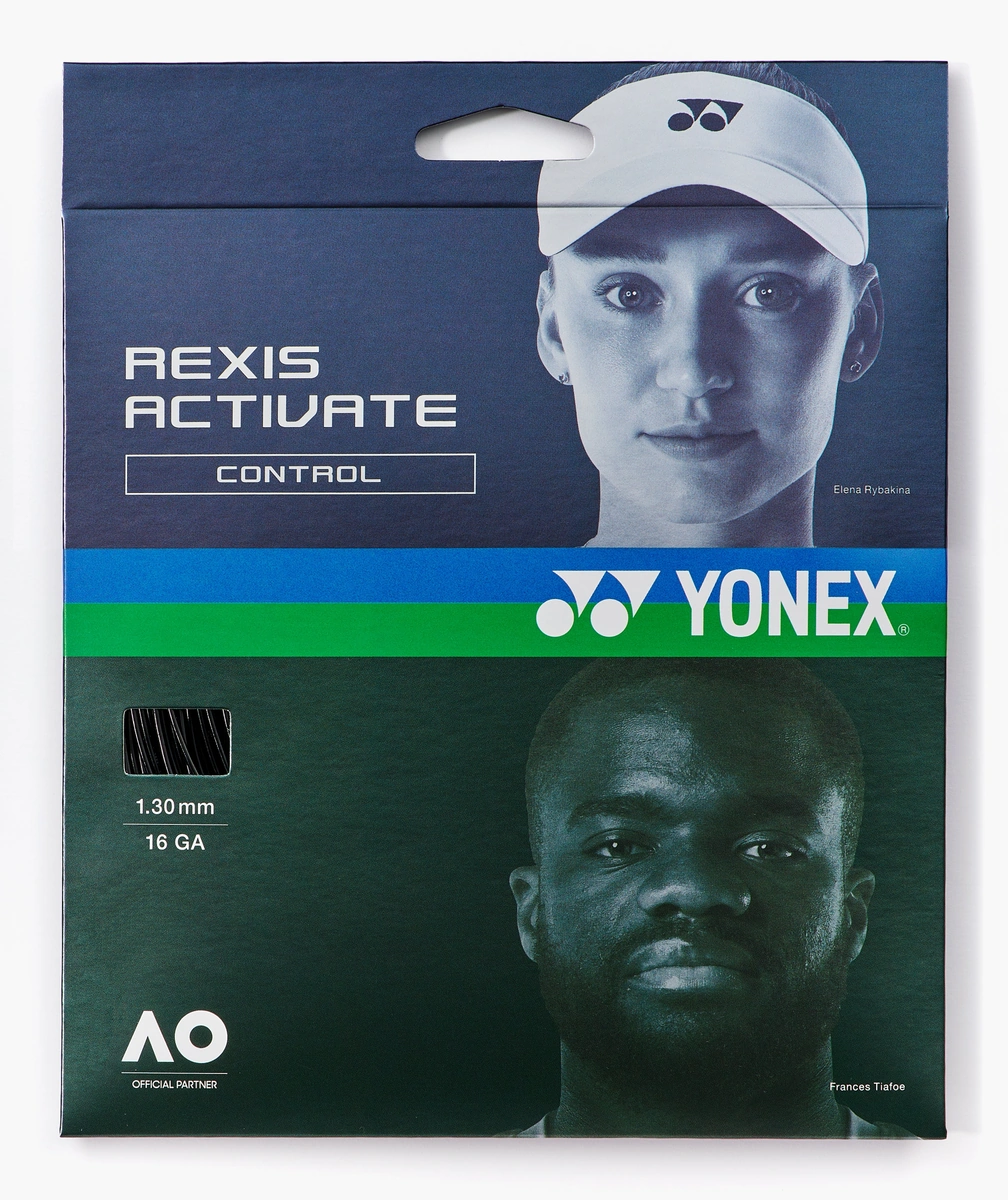 Yonex REXIS ACTIVATEMultifilament · 1.25 / 1.3 mm
 Yonex REXIS FEELMultifilament · 1.25 / 1.3 mm
 Yonex REXIS SPEEDMultifilament · 1.25 / 1.3 mm
 HEAD Velocity MLTMultifilament · 1.25 / 1.3 mm
 Tecnifibre X-One BiphaseMultifilament · 1.18 / 1.24 / 1.3 / 1.34 mm
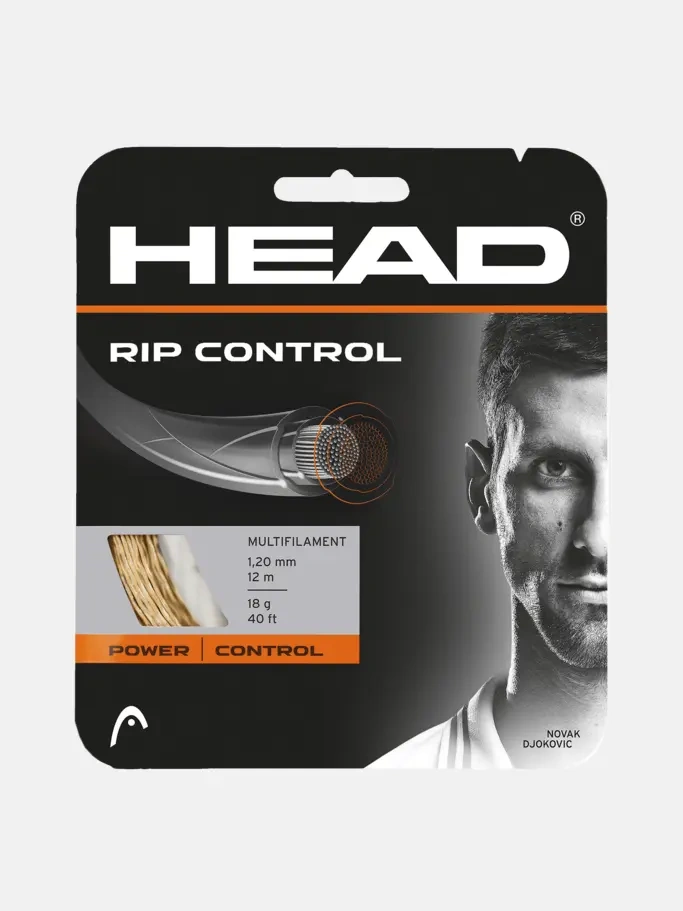 HEAD RIP ControlMultifilament · 1.2 / 1.25 / 1.3 mm
TENNIS TENSION LAB
Check your racquet’s tension today.
Get a high-precision tension reading in under 10 seconds. Tension Lab tracks changes from your first reading and helps you see when to restring.
- High-precision tension measurement. Ready in under 10 seconds.
- Track every change in feel. See the full story over time.
- Time to restring? Never leave it to guesswork.