HEAD · Current model
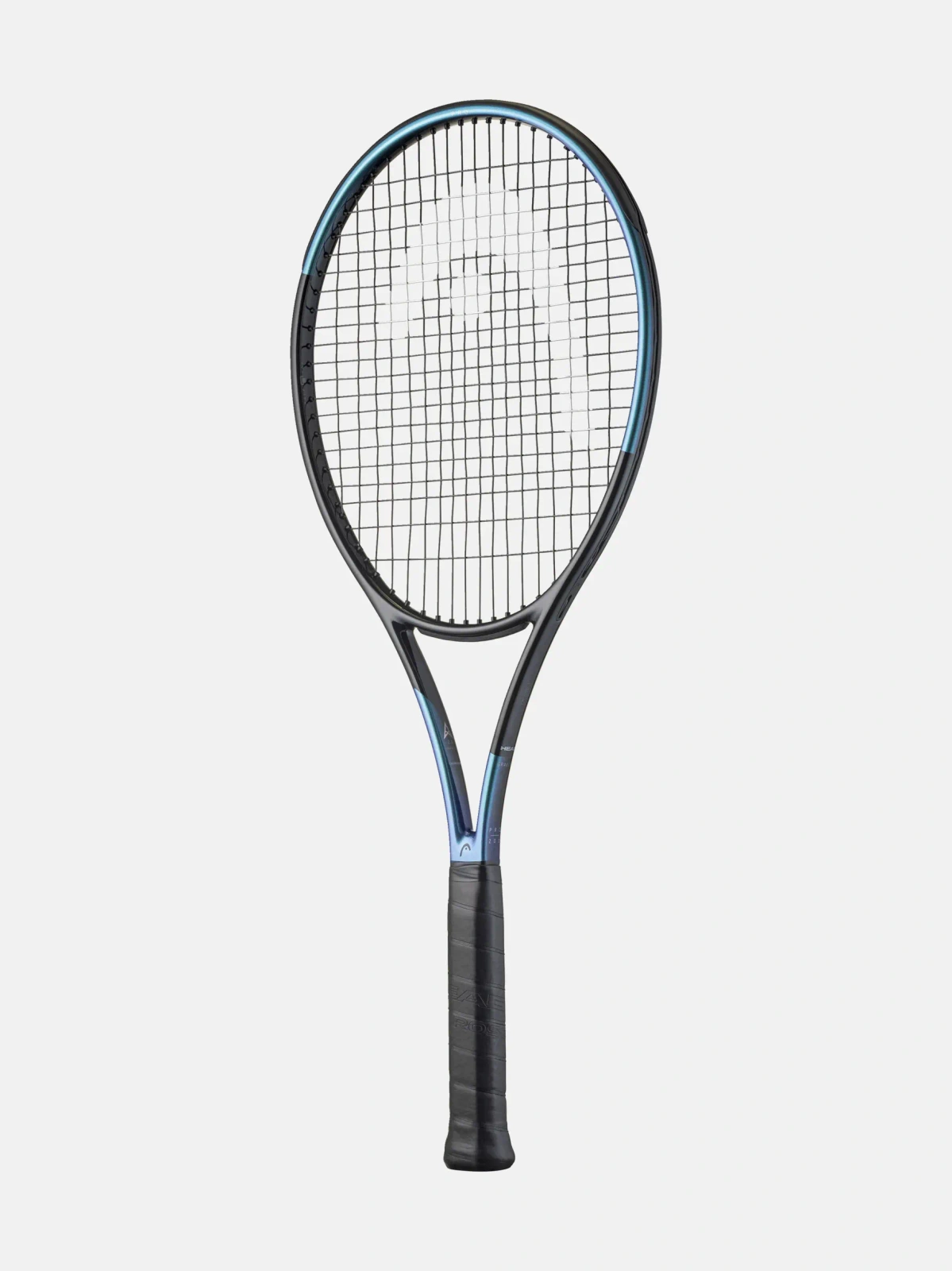
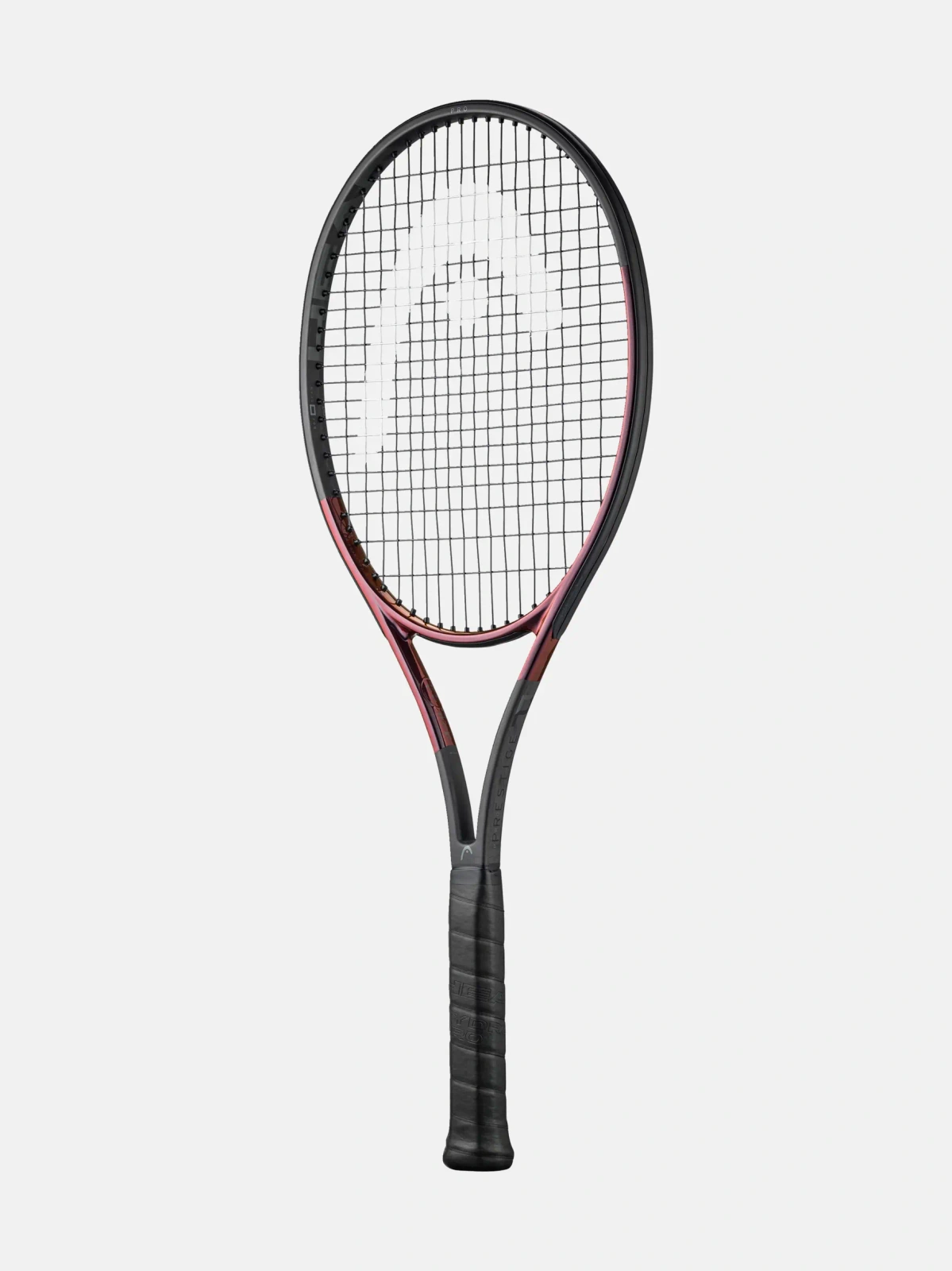
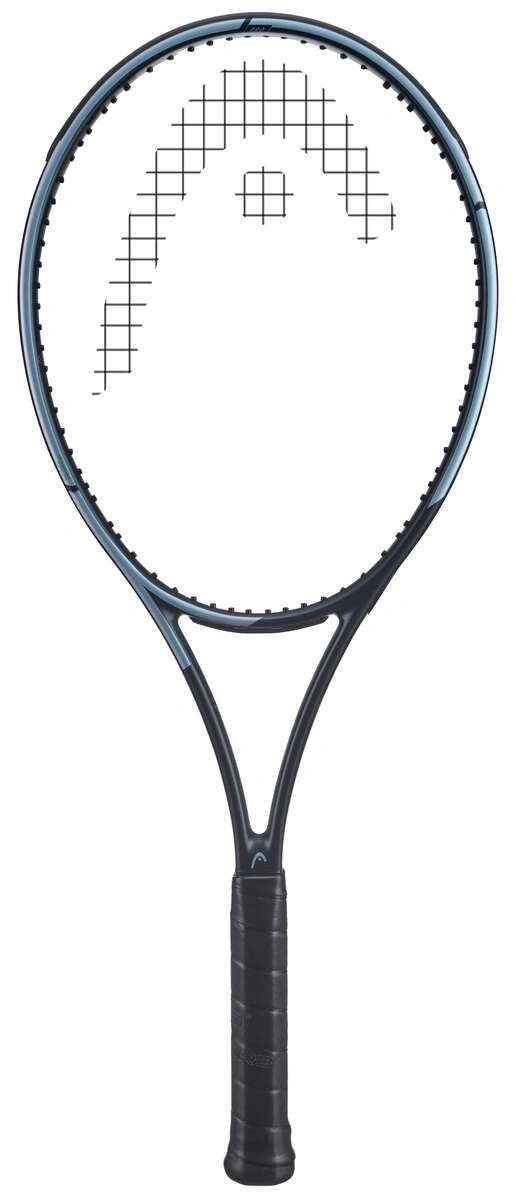
HEAD Gravity PRO 2025
TW lists the Gravity Pro 2025 at 332 g strung, 329 swingweight and 59 RA. It combines a 100 in² head, 20 mm beam and 18×20 pattern. A larger hitting surface does not remove the need to evaluate total mass and the acceleration required on rushed defensive balls.
Key specs
- Head size
- 100 in²
- String pattern
- 18 × 20
- Weight
- 315 g · Unstrung
- Length
- 27 in
- Frame profile
- 20 mm
- Balance
- 310 mm · Unstrung
- Status
- Current model
When comparing products
| Racquets | Head size in² | String pattern | Weight g | Swingweight | RA |
|---|---|---|---|---|---|
| HEAD Gravity PRO 2025 | 100 | 18×20 | 315 | — | — |
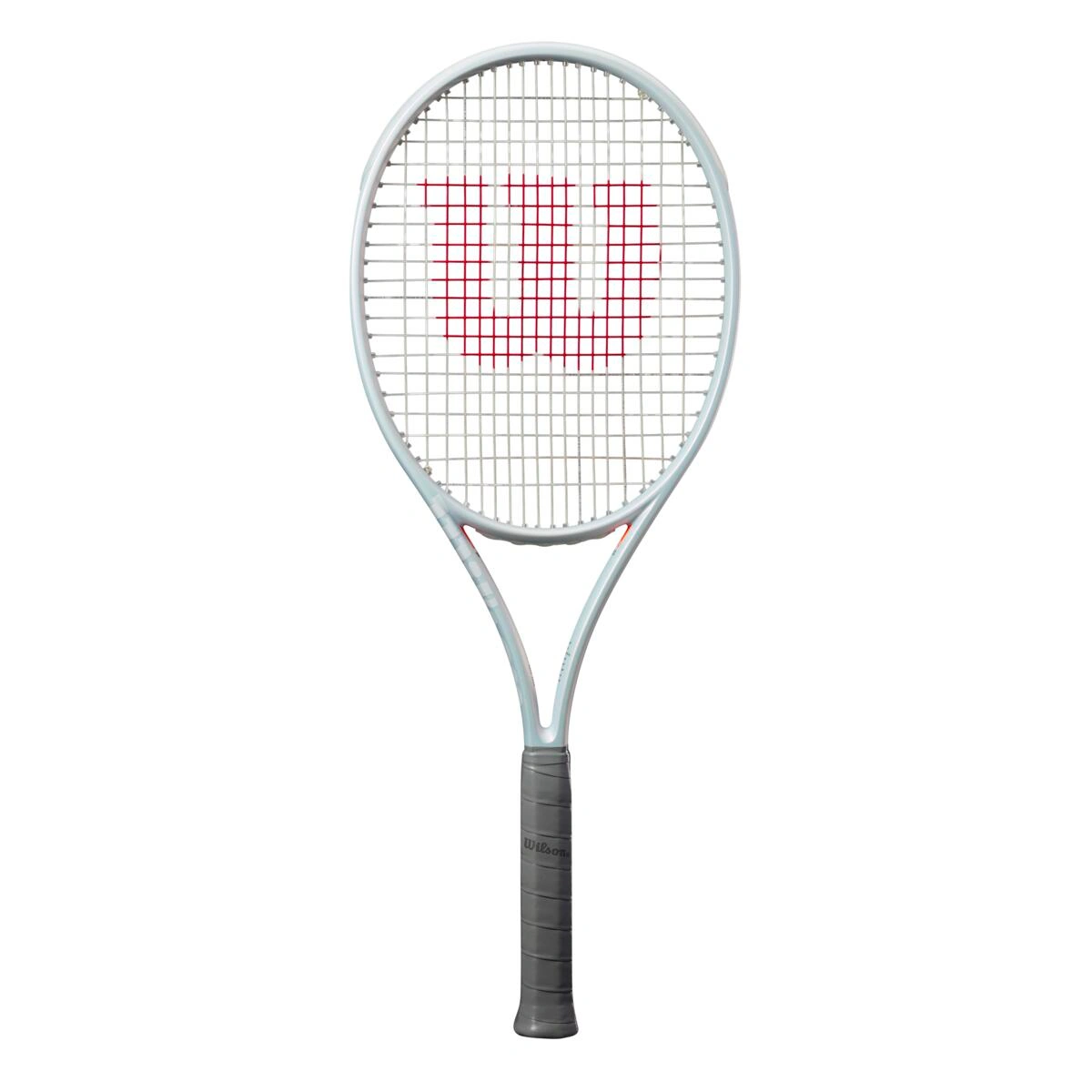
| Wilson SHIFT 99 PRO V1.0 | 99 | 18×20 | 315 | — | — |
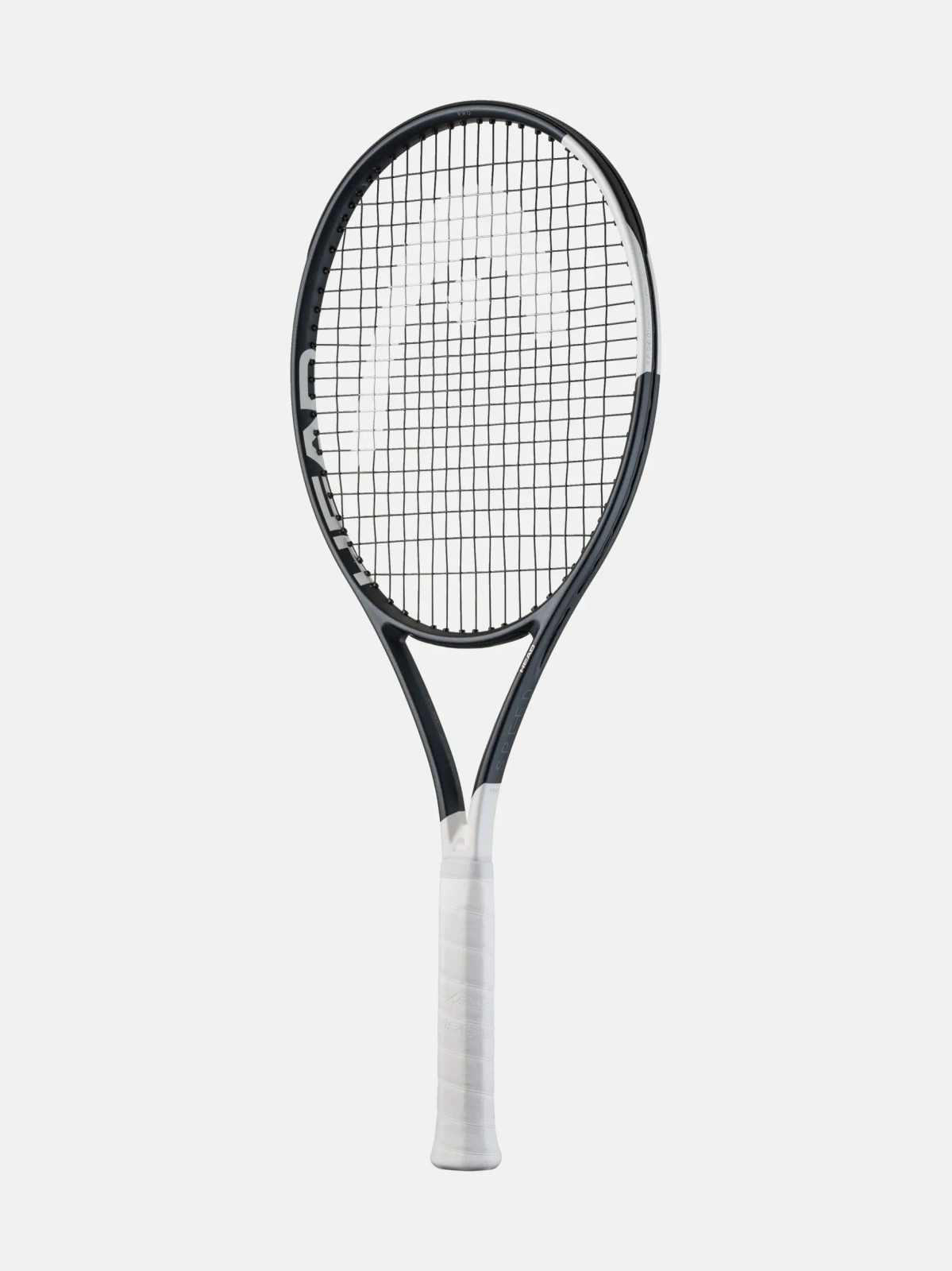
| HEAD Speed PRO 2026 | 100 | 18×20 | 310 | — | — |
| Tecnifibre TF-40 315 18M V3 | 98 | 18×20 | 315 | — | 40 |
A head-light balance does not remove the 332 g mass
TW's strung balance is 31.98 cm, closer to the handle than the MP's 33.48 cm. The Pro's 332 g against the MP's 312 g remains a real mass difference. Head-light balance does not stand in for total weight or every kind of movement demand.
Separate redirecting a fast serve with a short block from accelerating a low ball after defensive movement. Record situations where mass helps the collision alongside those where preparation becomes late. Both determine whether the added weight is useful.
The Gravity Tour changes head and pattern together
The 2025 Tour uses 98 in²/16×19, with TW values of 323 g and 328 swingweight. Swingweights are similar, but the Pro adds 9 g and combines its larger head with a denser pattern.
Compare variation in length on prepared drives first, then check depth on high balls and low defensive replies. If depth comes more easily with the Tour, examine string condition and contact changes before attributing the result to pattern alone.
Equal weight and swingweight do not make it a Radical Pro
TW lists both Pro models at 332 g strung and 329 swingweight. The Gravity combines 100 in², 18×20, a 20 mm beam and 59 RA; the Radical uses 98 in², 16×19, a 20/21.5/21 mm profile and 65 RA. Two matching numbers conceal different constructions.
Frame bending, string layout and response at different contact locations remain distinct. The table also lacks twistweight, so equal swingweight cannot be read as equal resistance to twisting on a lateral off-centre strike.
A flexible frame and a soft string setup are different things
The 59 RA figure is not string stiffness. Within TW's listed 48–57 lb range, material and gauge can still produce different stringbed responses. Treating aged polyester's response as a frame characteristic can send adjustments in the wrong direction.
Record string model, tension, installation date and actual use. If initially adequate defensive depth changes over time, that gives you a reason to inspect string changes before concluding that the frame must be replaced.
Revisit the decision after a set
Include high backhands after repeated serving and a forehand following defence. Substantial early contact is less valuable if contact repeatedly drifts behind you later. The required match performance needs to last through those sequences.
Adding handle mass can move balance towards the hand, but increases total mass. There is only limited room to remove weight from a finished frame. Establishing workable preparation and contact in the stock setup also keeps experimentation costs down.
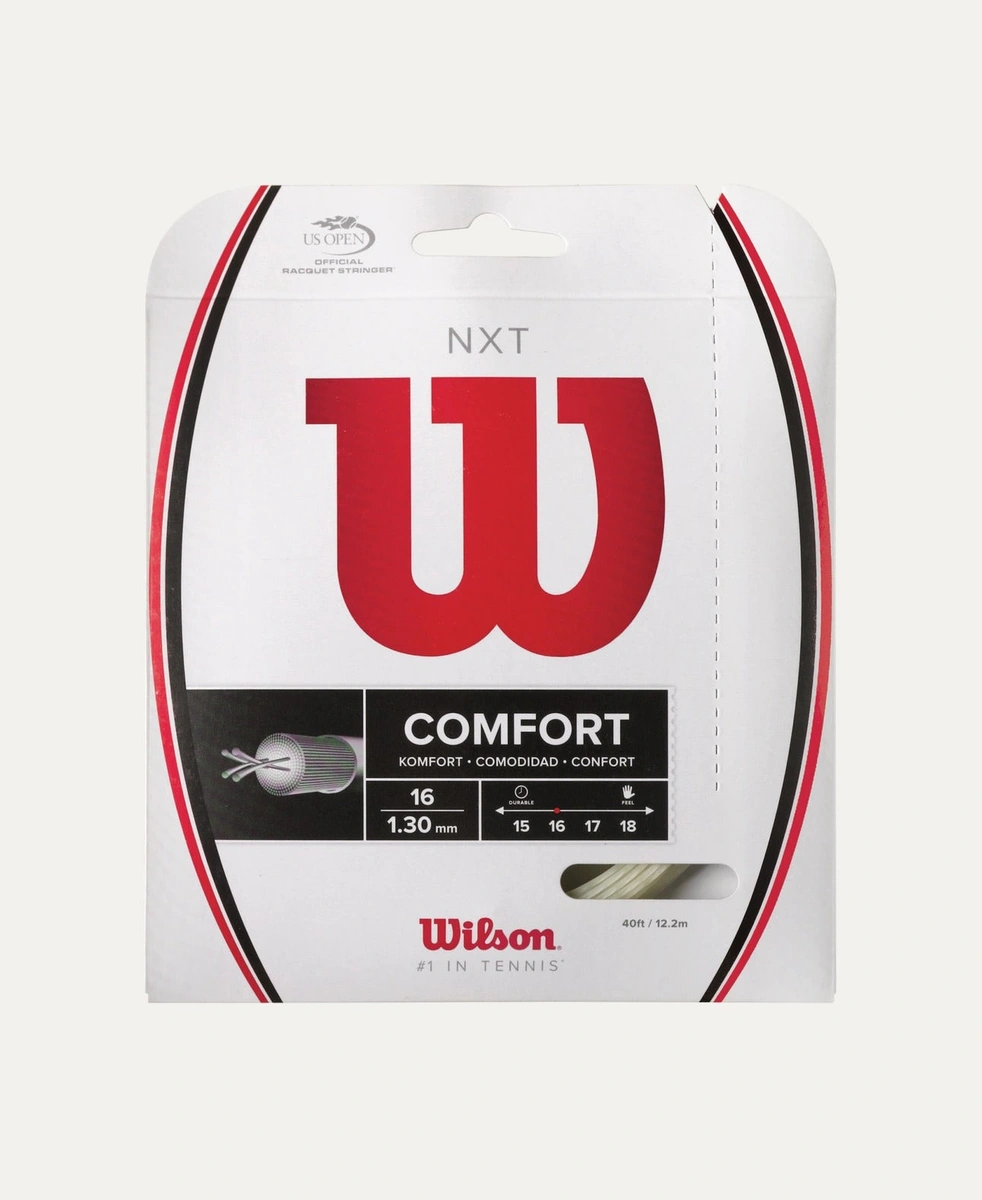
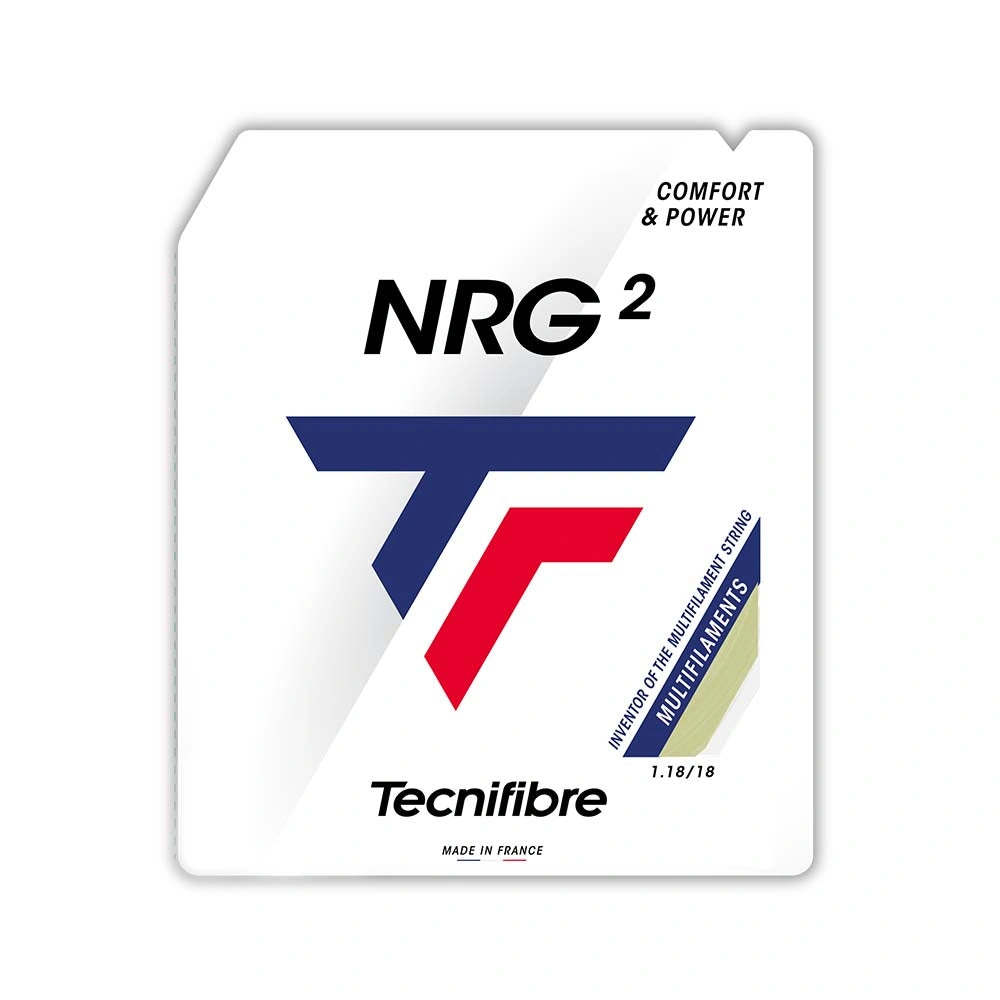
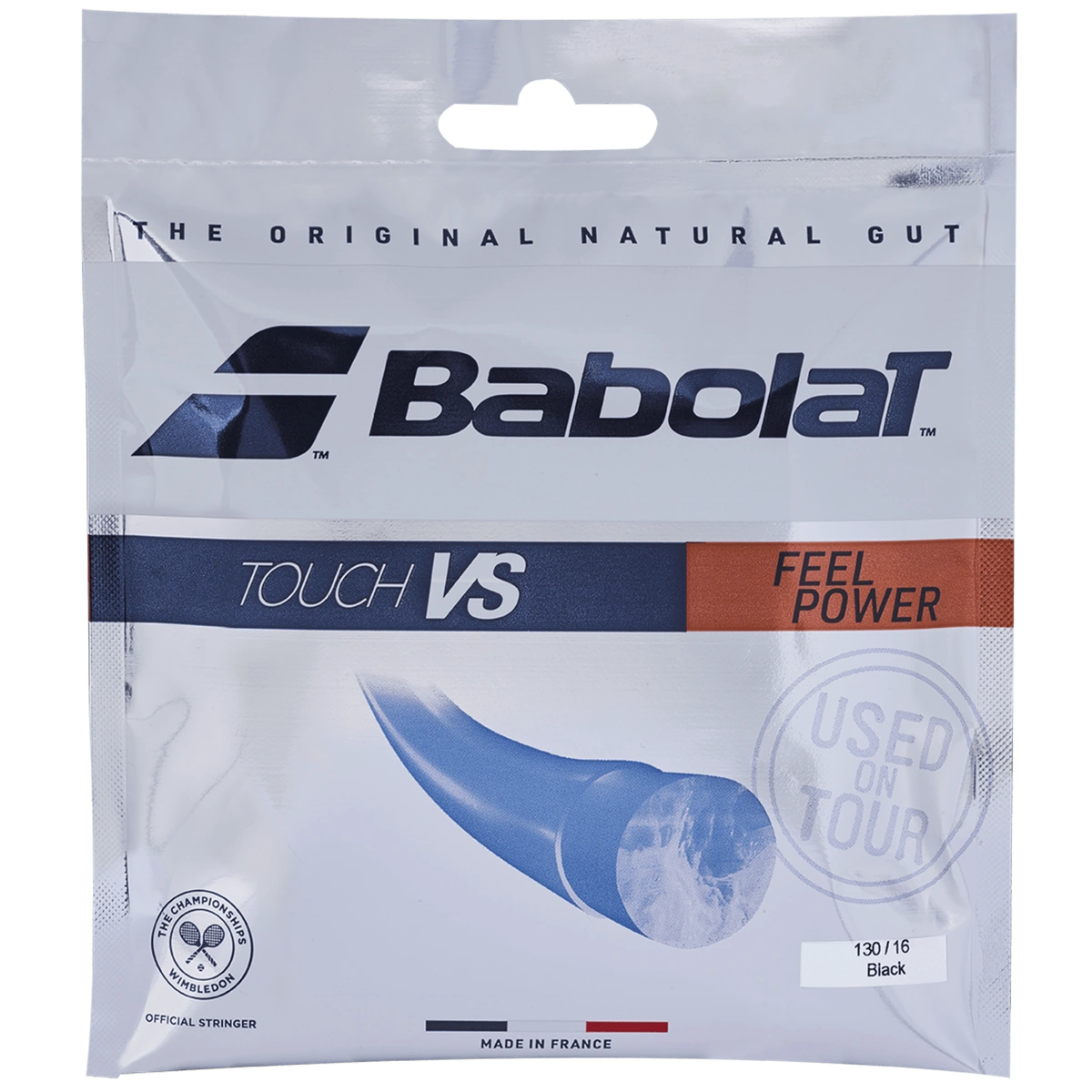
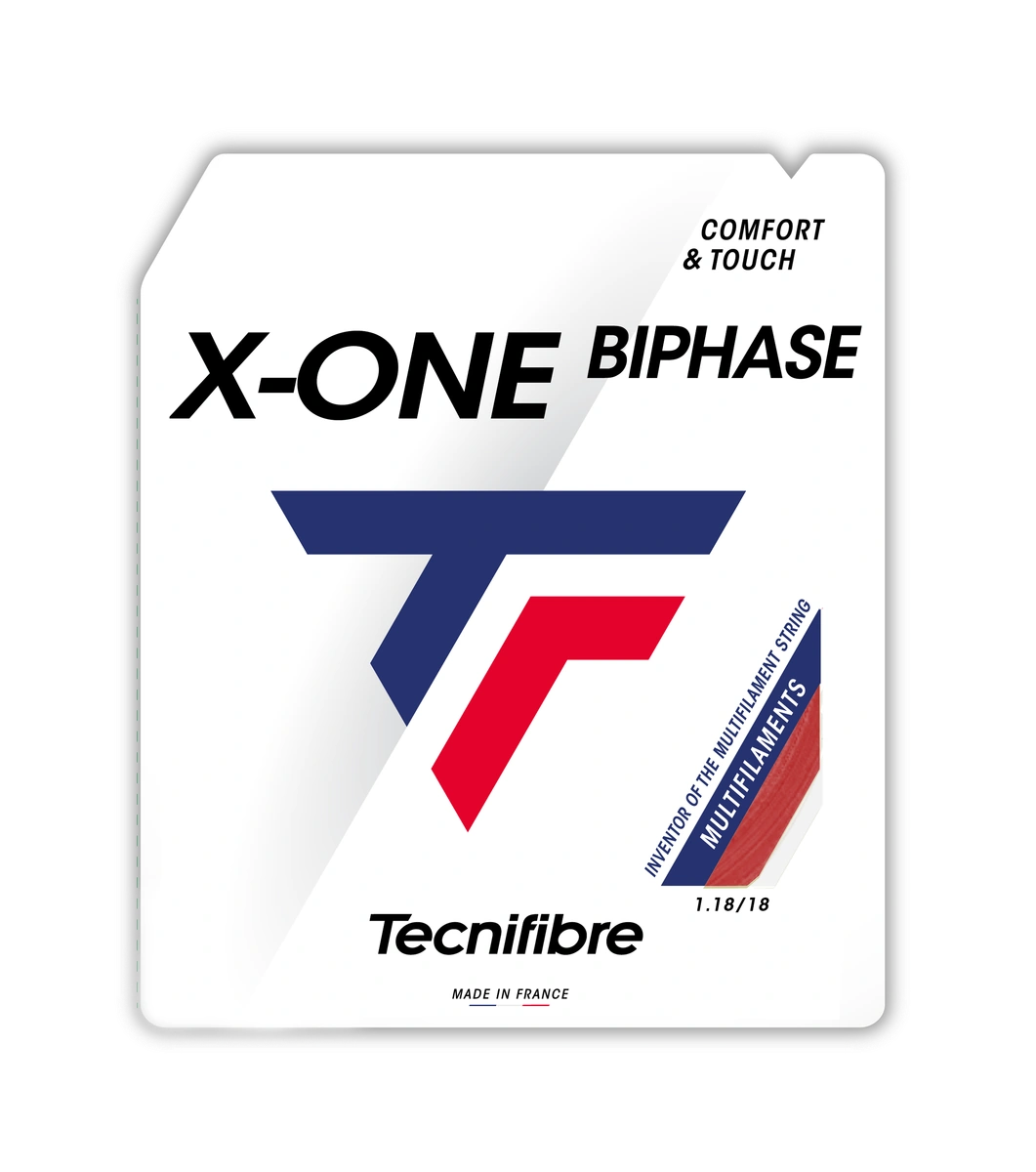
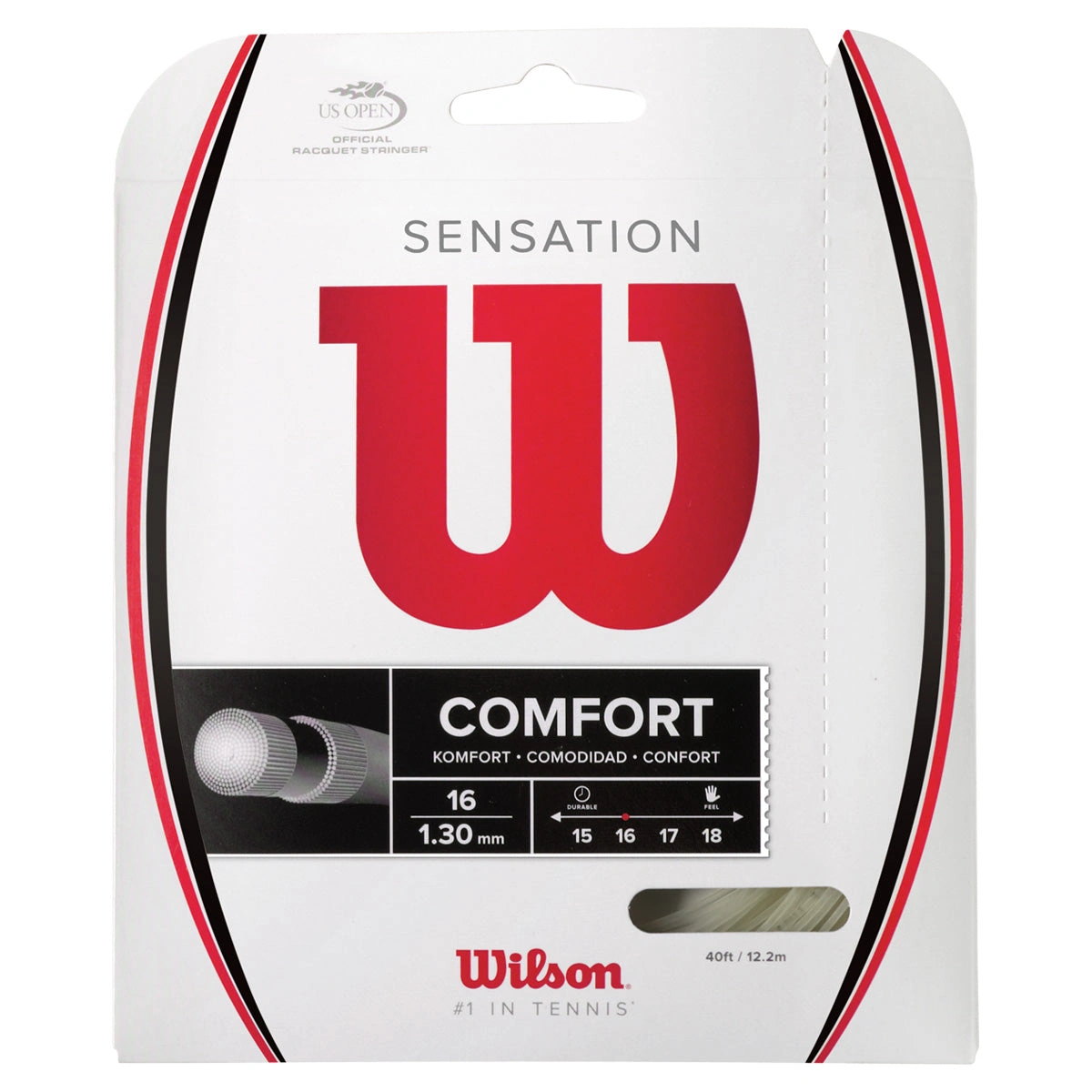
Strings to compare
A specs-based shortlist. Feel, fitness, and playing style still matter.

Reviewed sources
HEAD · View source ↗Similar racquets
TENNIS TENSION LAB
Check your racquet’s tension today.
Get a high-precision tension reading in under 10 seconds. Tension Lab tracks changes from your first reading and helps you see when to restring.
- High-precision tension measurement. Ready in under 10 seconds.
- Track every change in feel. See the full story over time.
- Time to restring? Never leave it to guesswork.