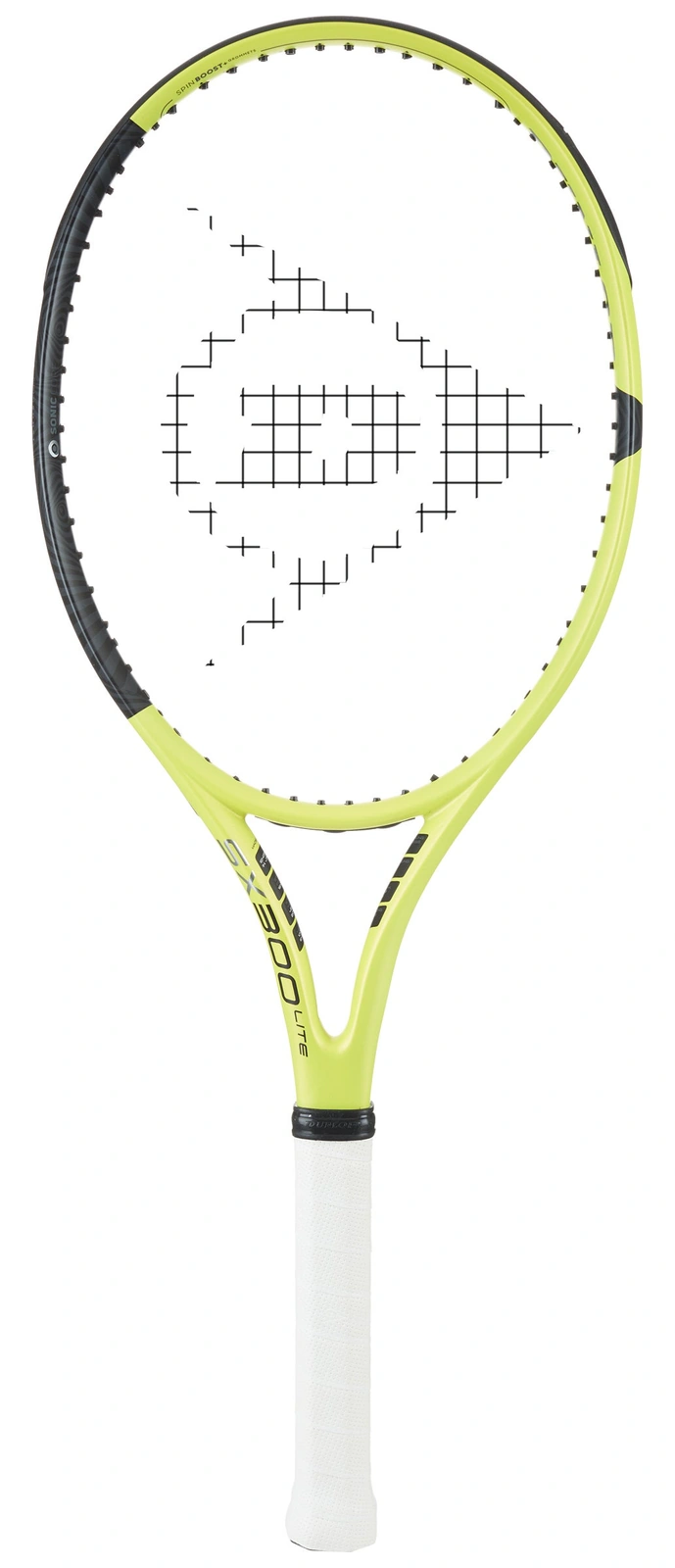
Dunlop · Archive model
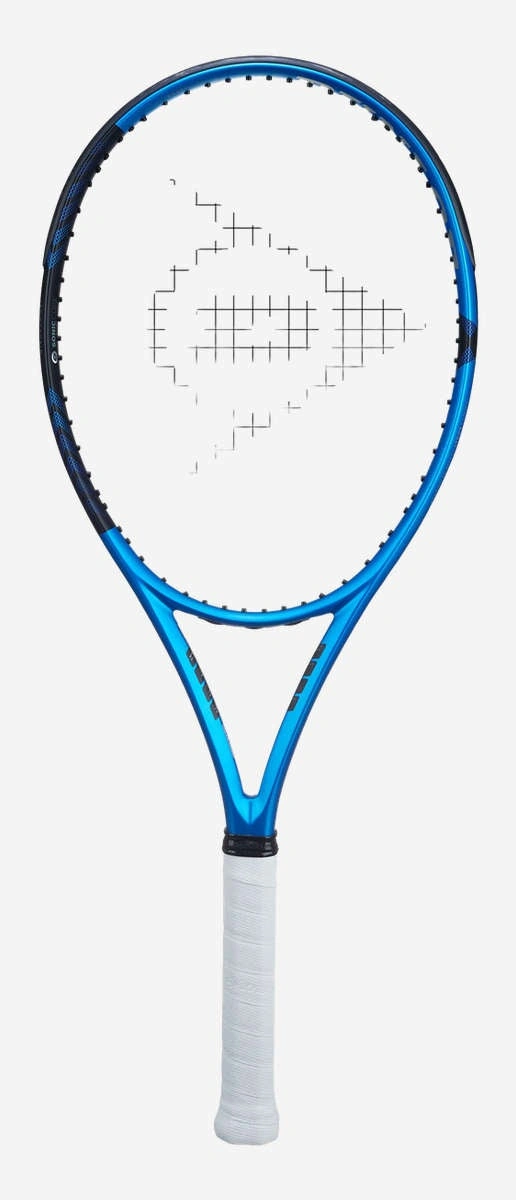
Dunlop SX 300 Lite - 2022
Dunlop SX 300 Lite - 2022 pairs a 100 in² head with a 16×18 string pattern, 283 g (Strung). Among the catalog traits we can compare, Maneuverability stands out most. Key specs: Length: 27 in · Frame profile: 26 mm / 23 mm · Swingweight: 299 · RA stiffness: RA 63 · Balance: 337 mm (Strung) · Recommended tension: 45 lb–65 lb.
Key specs
- Head size
- 100 in²
- String pattern
- 16 × 18
- Weight
- 283 g · Strung
- Length
- 27 in
- Frame profile
- 26 / 23 mm
- Swingweight
- 299 · Strung
- RA stiffness
- RA 63
- Balance
- 336.5 mm · Strung
- Recommended tension
- 45–65 lb
- Status
- Archive model
When comparing products
| Racquets | Head size in² | String pattern | Weight g | Swingweight | RA |
|---|---|---|---|---|---|
| Dunlop SX 300 Lite - 2022 | 100 | 16×18 | 283 | 299Strung | 63 |
| Dunlop FX 500 Lite - 2025 | 100 | 16×18 | 283 | 306Strung | 67 |
| Dunlop FX 500 Lite - 2023 | 100 | 16×18 | 283 | 301Strung | 68 |
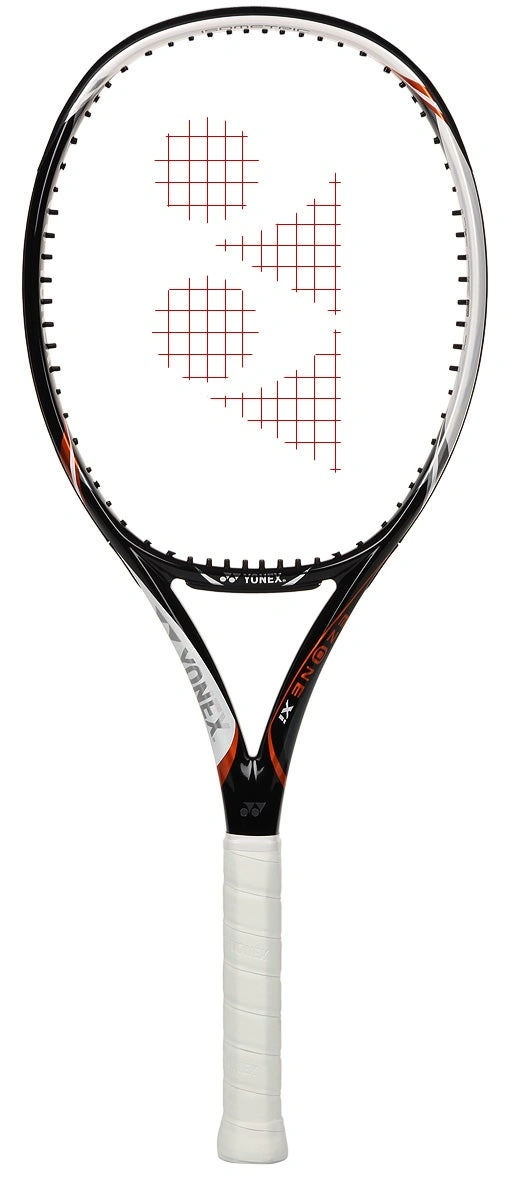
| Yonex EZONE 100SL - 2025 | 100 | 16×18 | 283 | 297Strung | 66 |
Weight, balance and swingweight describe different things
Static weight measures mass; swingweight measures resistance to rotation. Two frames can weigh the same yet require different effort to accelerate because their mass is distributed differently. A head-light balance does not guarantee low swingweight. Compare racquets in playing condition, including strings, overgrip and dampener.
What head size and pattern cannot tell you
Main and cross counts do not describe the spacing of the central strings. Two 16×19 frames can differ in head shape, spacing and string response. A larger head does not automatically produce a faster ball, nor does a denser pattern guarantee accuracy. Compare net clearance and landing depth with your normal swing.
Reading RA and beam measurements
RA describes frame bending stiffness under a particular test. It is not an arm-comfort rating and is not interchangeable with dynamic string stiffness. Beam thickness and RA alone cannot establish power or injury risk. Missing swingweight or stiffness figures should not be borrowed from a related model.
A useful demo protocol
Alternate with your current racquet using the same string, gauge and reference tension. Separate central-contact drives, short block returns and stretched defensive shots, then repeat late in the session. Record whether contact timing and depth remain consistent. A published tension range is not an individually optimal setting; change one setup variable at a time.
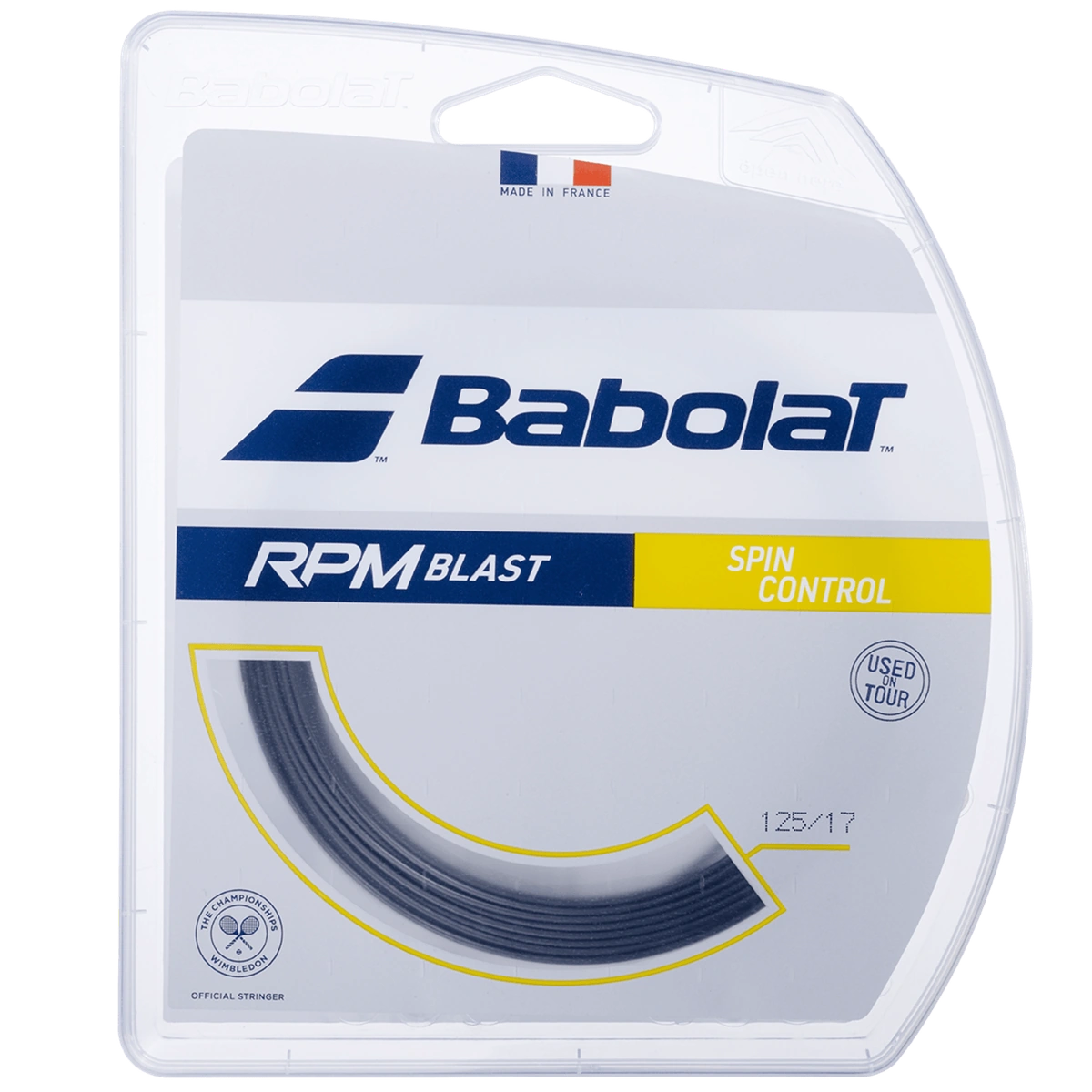
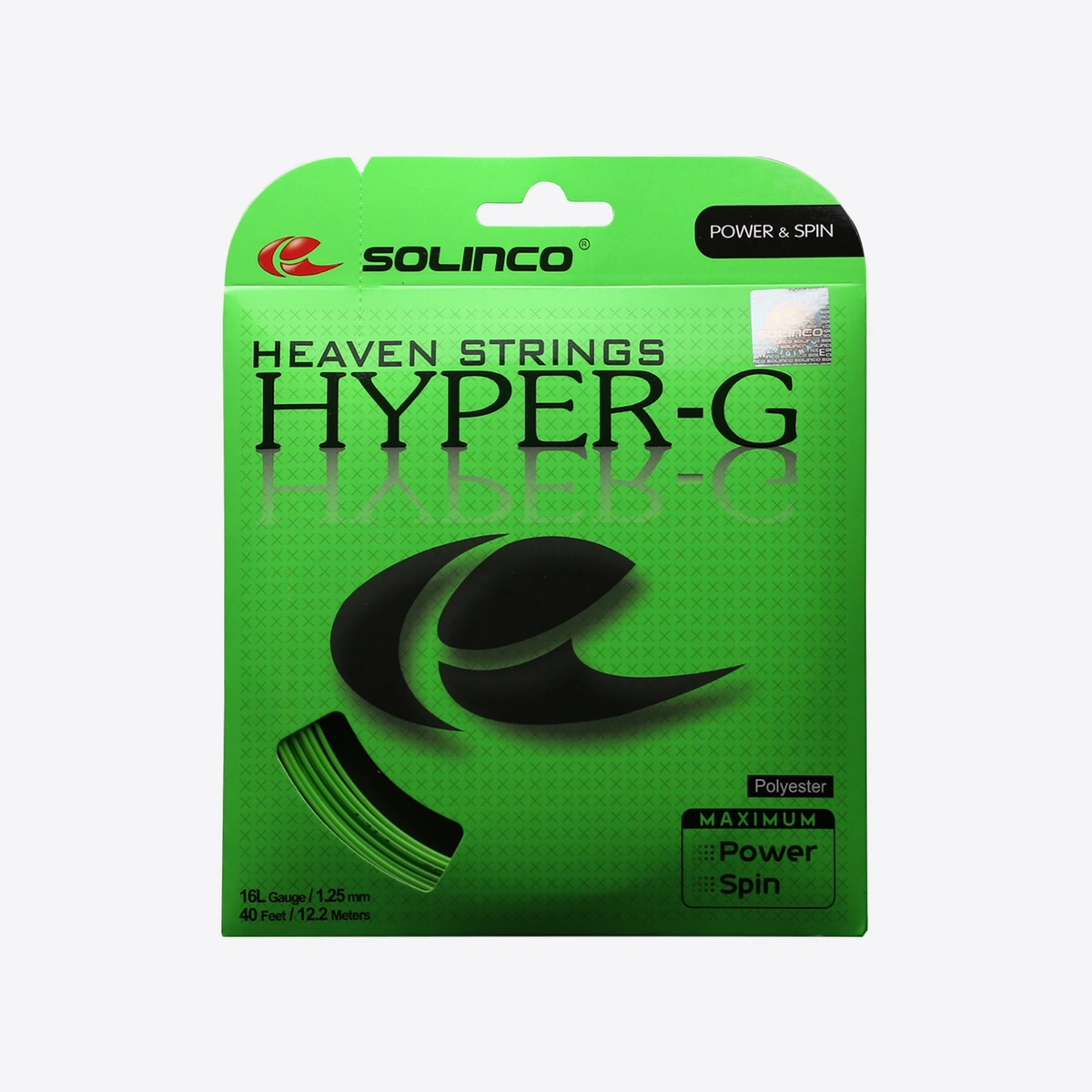
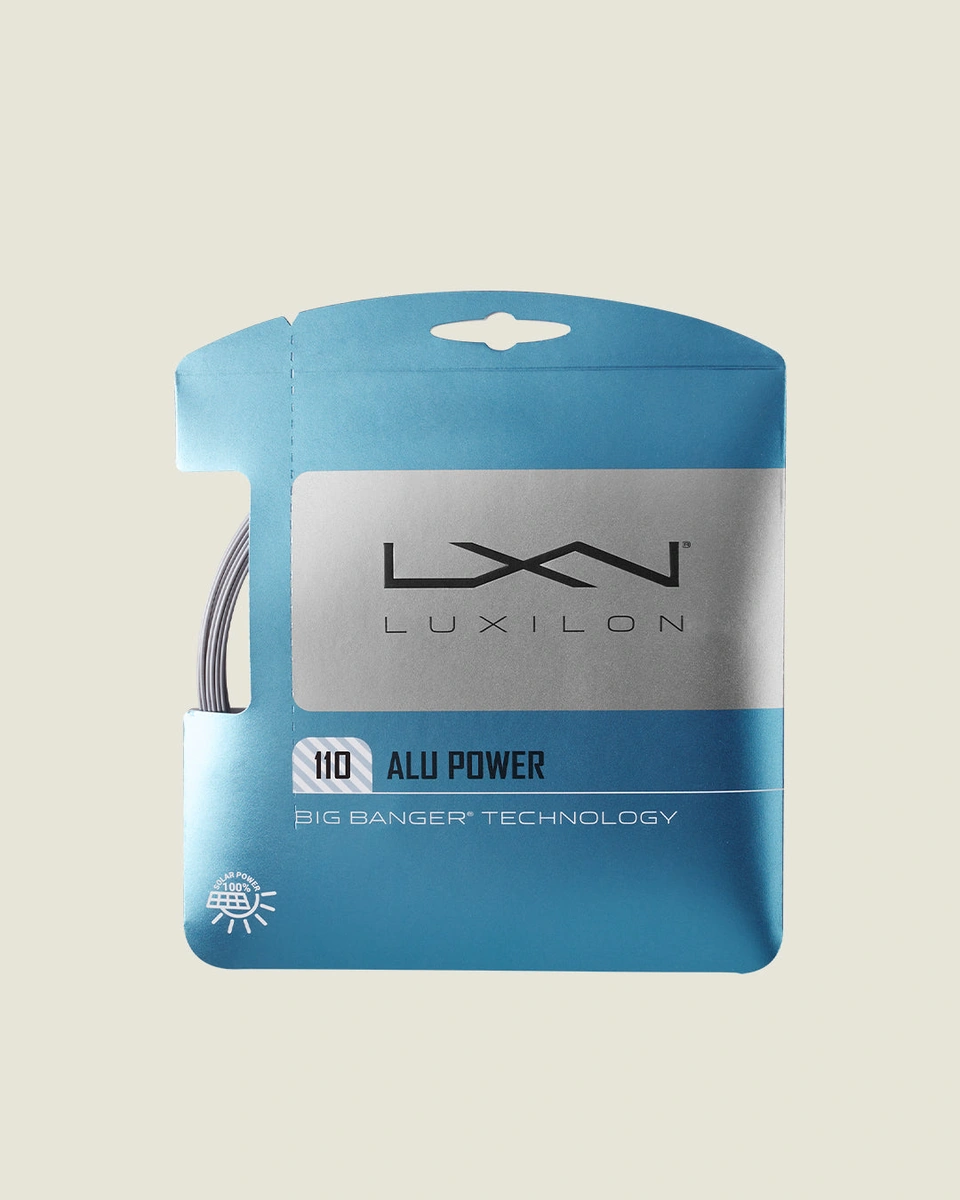
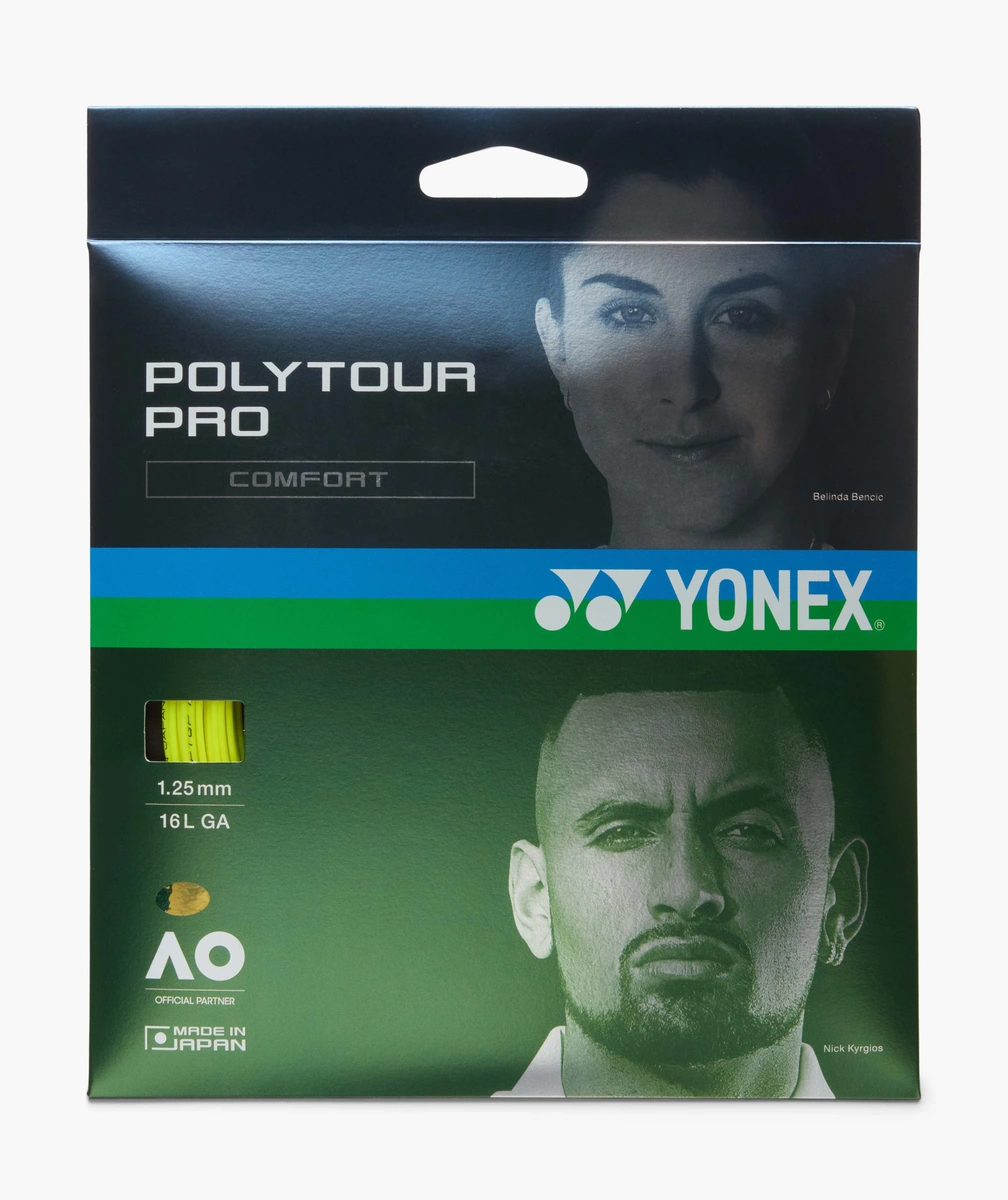
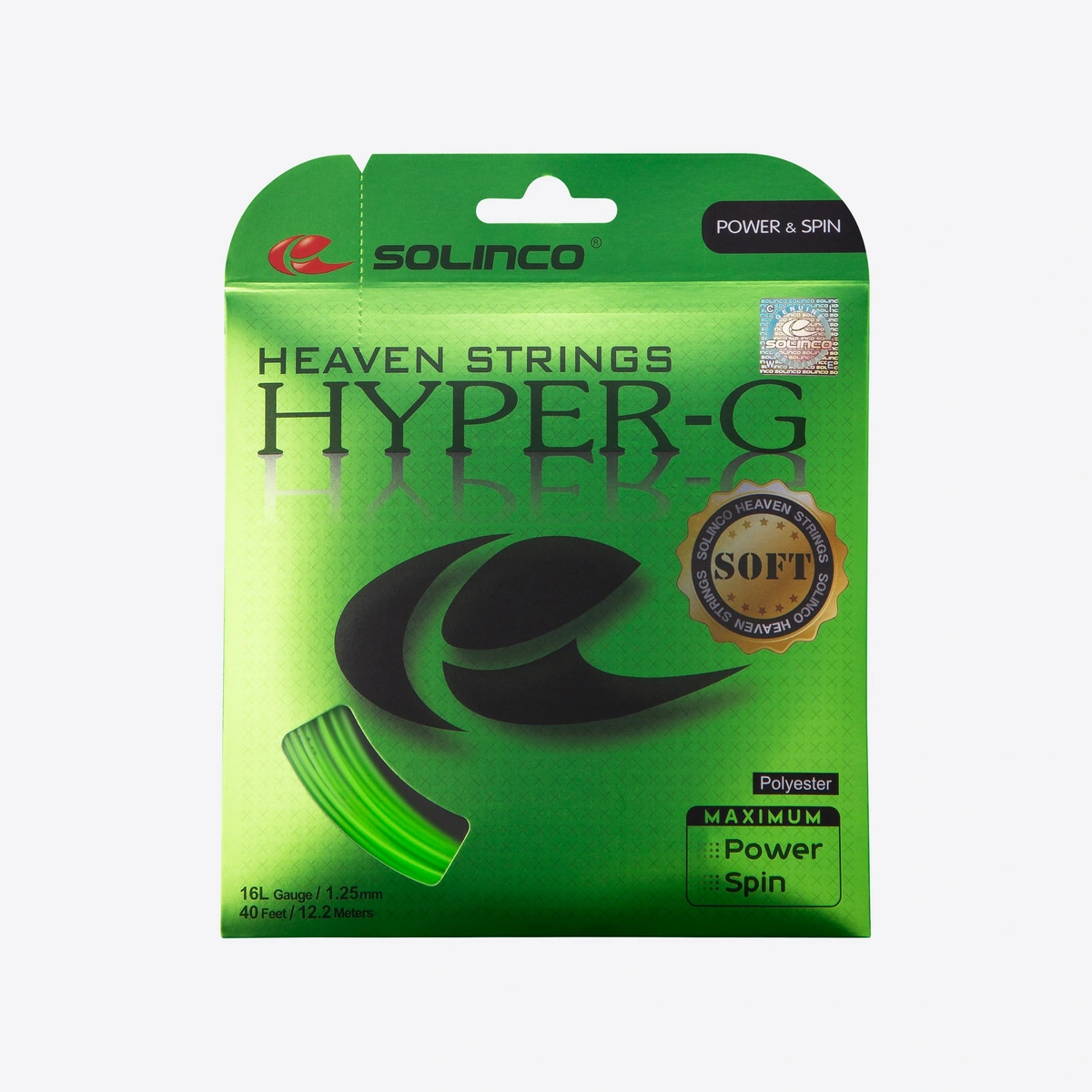
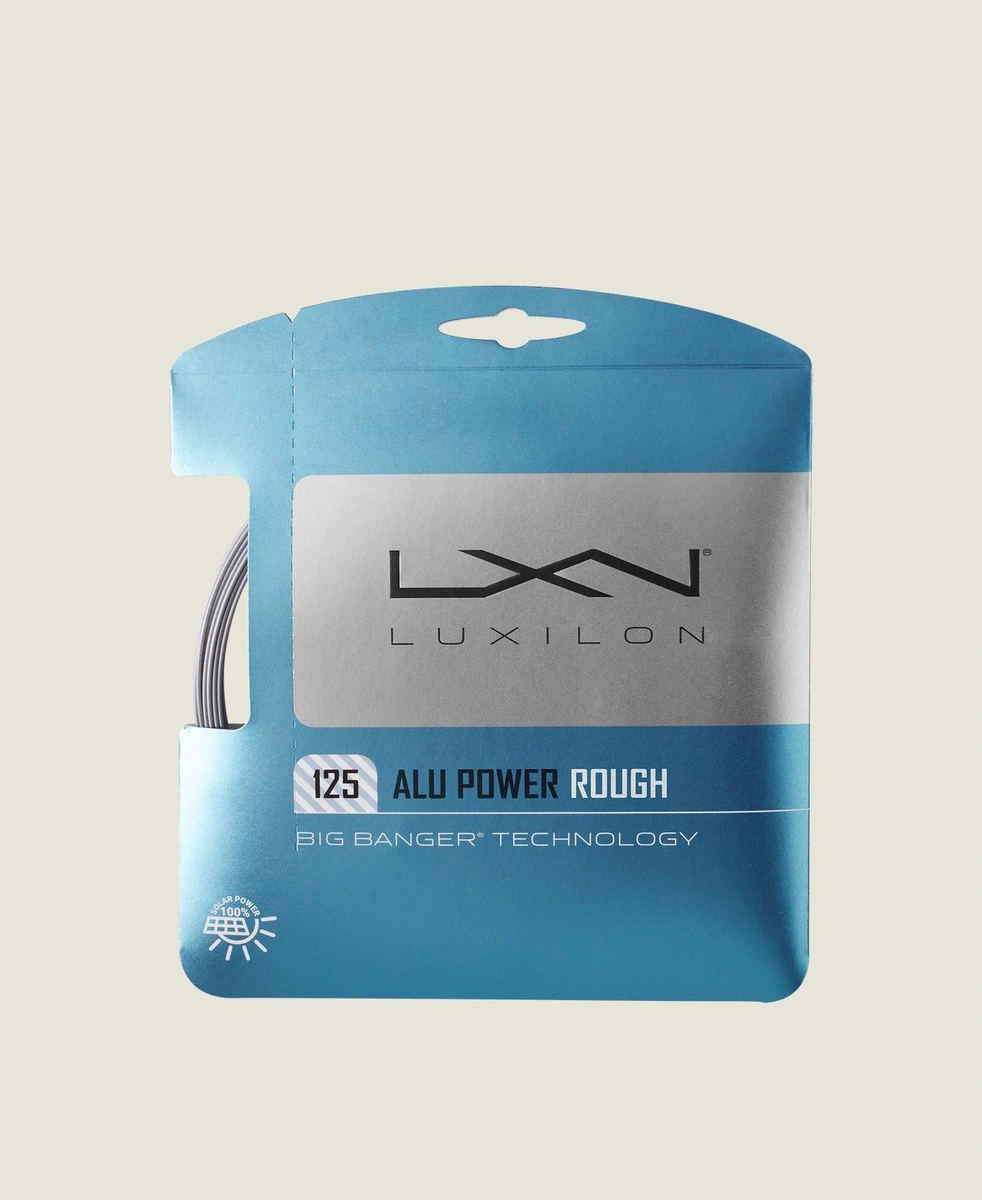
Strings to compare
A specs-based shortlist. Feel, fitness, and playing style still matter.
Reviewed sources
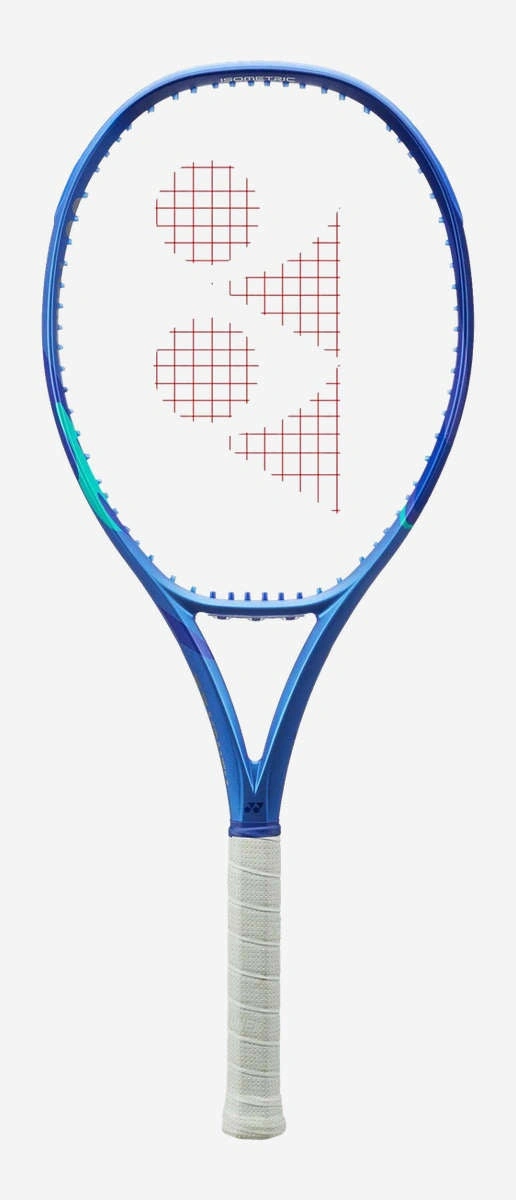
Tennis Warehouse RacquetFinder · View source ↗Similar racquets
TENNIS TENSION LAB
Check your racquet’s tension today.
Get a high-precision tension reading in under 10 seconds. Tension Lab tracks changes from your first reading and helps you see when to restring.
- High-precision tension measurement. Ready in under 10 seconds.
- Track every change in feel. See the full story over time.
- Time to restring? Never leave it to guesswork.