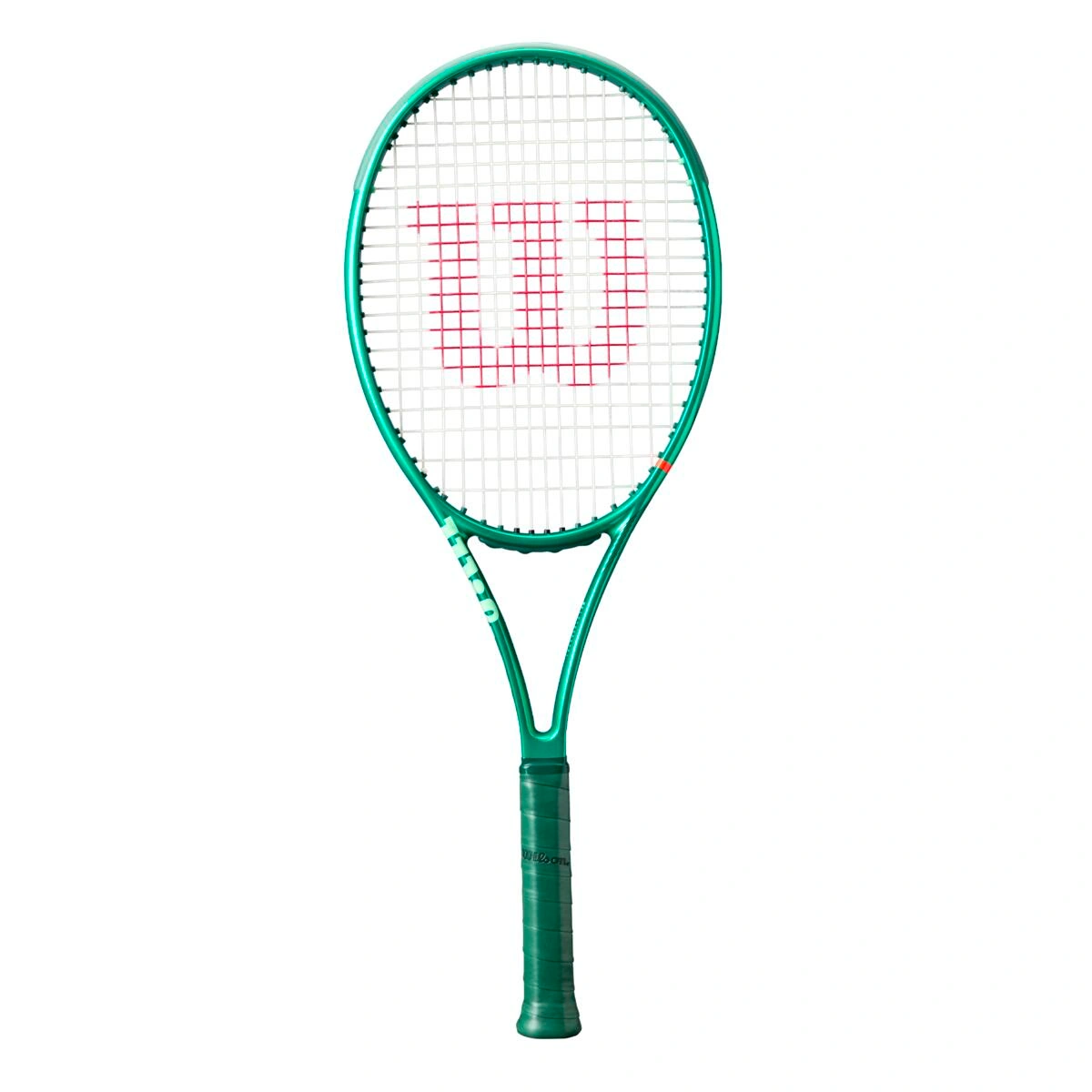
Wilson · Current model
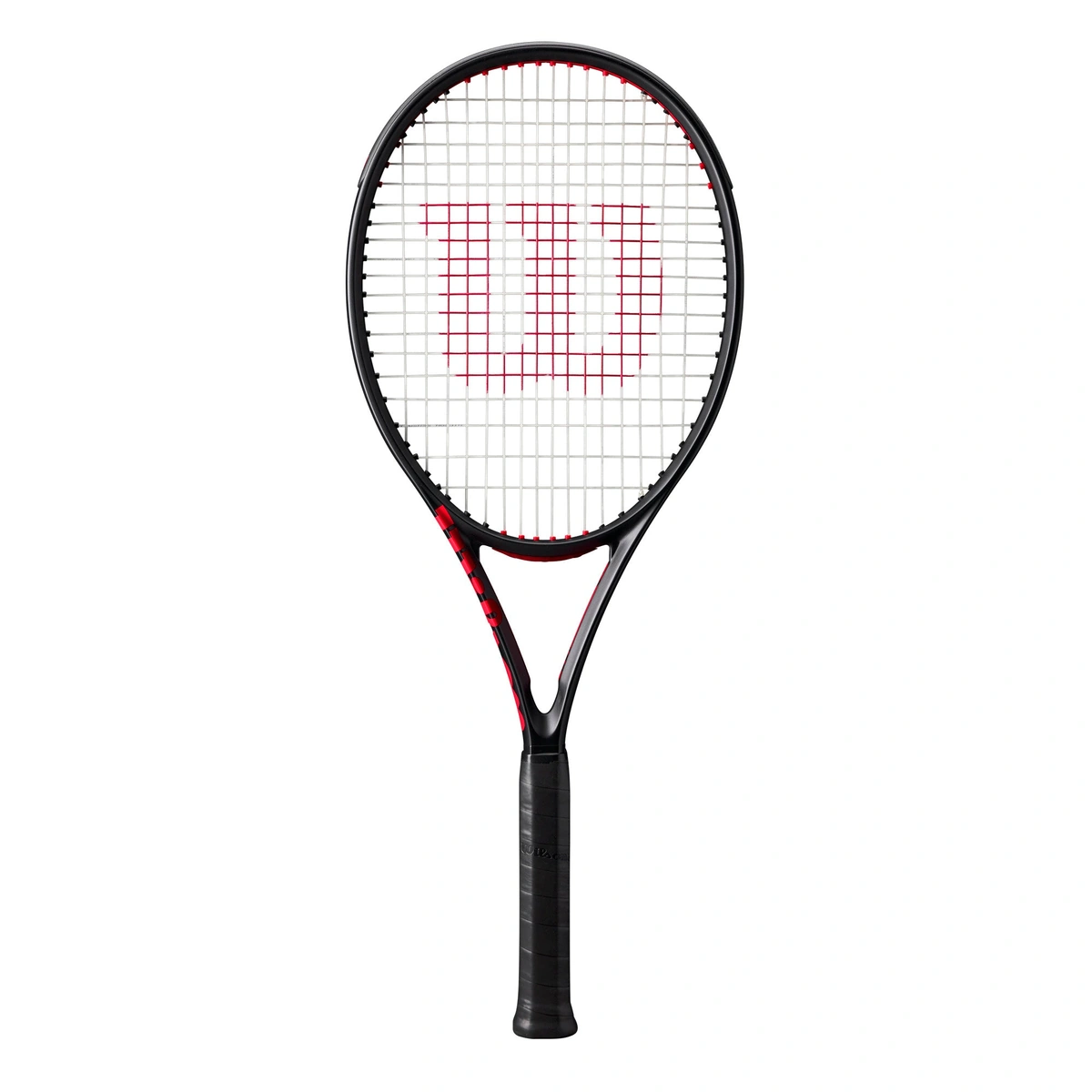
Wilson BLADE 100 PRO V10
The Blade 100 Pro V10 combines 295 g unstrung, 27.25 inches, 100 in² and 16×20. TW's strung references are 309 g, 318 swingweight and 68 RA. Lighter than the standard Blade 100 but longer and with a different bending value, it deserves a separate comparison.
Key specs
- Head size
- 100 in²
- String pattern
- 16 × 20
- Weight
- 295 g · Unstrung
- Length
- 27.25 in
- Balance
- 320 mm
- Status
- Current model
When comparing products
| Racquets | Head size in² | String pattern | Weight g | Swingweight | RA |
|---|---|---|---|---|---|
| Wilson BLADE 100 PRO V10 | 100 | 16×20 | 295 | — | — |
| Wilson ULTRA TOUR 98J V5 | 98 | 18×19 | 290 | — | — |
| ProKennex Black Ace 105 | 105 | 16×19 | 300 | — | — |
| Wilson ULTRA TOUR 98 V5 | 98 | 18×19 | 308 | — | — |
Read the physical combination before the Pro suffix
Wilson Japan specifies 295 g and a 32.0 cm balance unstrung. That is lighter than the standard Blade 100 V10 at 300 g and both 98 patterns at 305 g. TW's strung references are 309 g/318 swingweight for the 100 Pro and 318 g/319 for the standard 100.
The Pro name therefore does not identify a heavier step up for competition. Test whether the lower total mass helps repeated preparation and whether short returns against pace retain depth. The small difference between 318 and 319 is not a handling ranking guaranteed for every unit.
The extra quarter inch changes spacing and balance interpretation
The standard 100 is 27 inches long; the 100 Pro is 27.25 inches. The difference is 0.25 inches, or 6.35 mm. It does not imply a proportional gain in serve speed. It gives you a reason to check swing timing and ball-to-body spacing against a familiar 27-inch frame.
TW gives both a strung balance of 33.02 cm, yet lists four points head light for the standard 100 and five for the Pro. Head-light points use the midpoint of each racquet's length as the reference. Read actual balance distance alongside point counts when the lengths differ.
16×20 and 68 RA are not one control measurement
The 100 Pro uses 16×20 and a 23 mm beam, against the standard 100's 16×19 and 22 mm. TW lists bending references of 68 RA and 61 RA, respectively. Pattern describes string arrangement; RA concerns frame bending. They are not interchangeable scales.
TW describes the Pro as producing a more linear trajectory than the 16×19 Blade, but supplies no measured launch-angle difference. Compare high-clearance crosscourt balls and low defensive replies with the same string and gauge. A desirable attacking trajectory still needs to leave enough net clearance and depth from low contacts.
Separate the Steam 100 mold description from professional setups
TW describes this model as based on the Steam 100 mold. Its manufacturer SKU family is WR208111U; the Japanese catalog's WR208111U2 includes the grip-size suffix. The Steam connection provides design context, not proof that every racquet carrying a related name is the same product.
A retailer's reference to professional-tour use does not identify an individual player's actual weight, strings or tension. The 309 g and 318 swingweight in this article are TW references for the retail product. Paint in a photograph or a model name cannot establish a professional's complete setup.
Extend the demo beyond one serve to returns and first volleys
TW lists 47–57 lb. When comparing the longer frame and changed pattern for the first time, keep a familiar string and gauge to limit the variables. Check whether body-serve returns become cramped and whether preparation and contact align on the first volley after serving.
Continue through low defensive balls, reaction volleys and an attack after a long rally, recording depth and contact spacing. An initially light sensation or one strong serve does not settle the choice. Checking whether you can repeatedly reset the longer frame can reduce the adjustments needed after purchase.
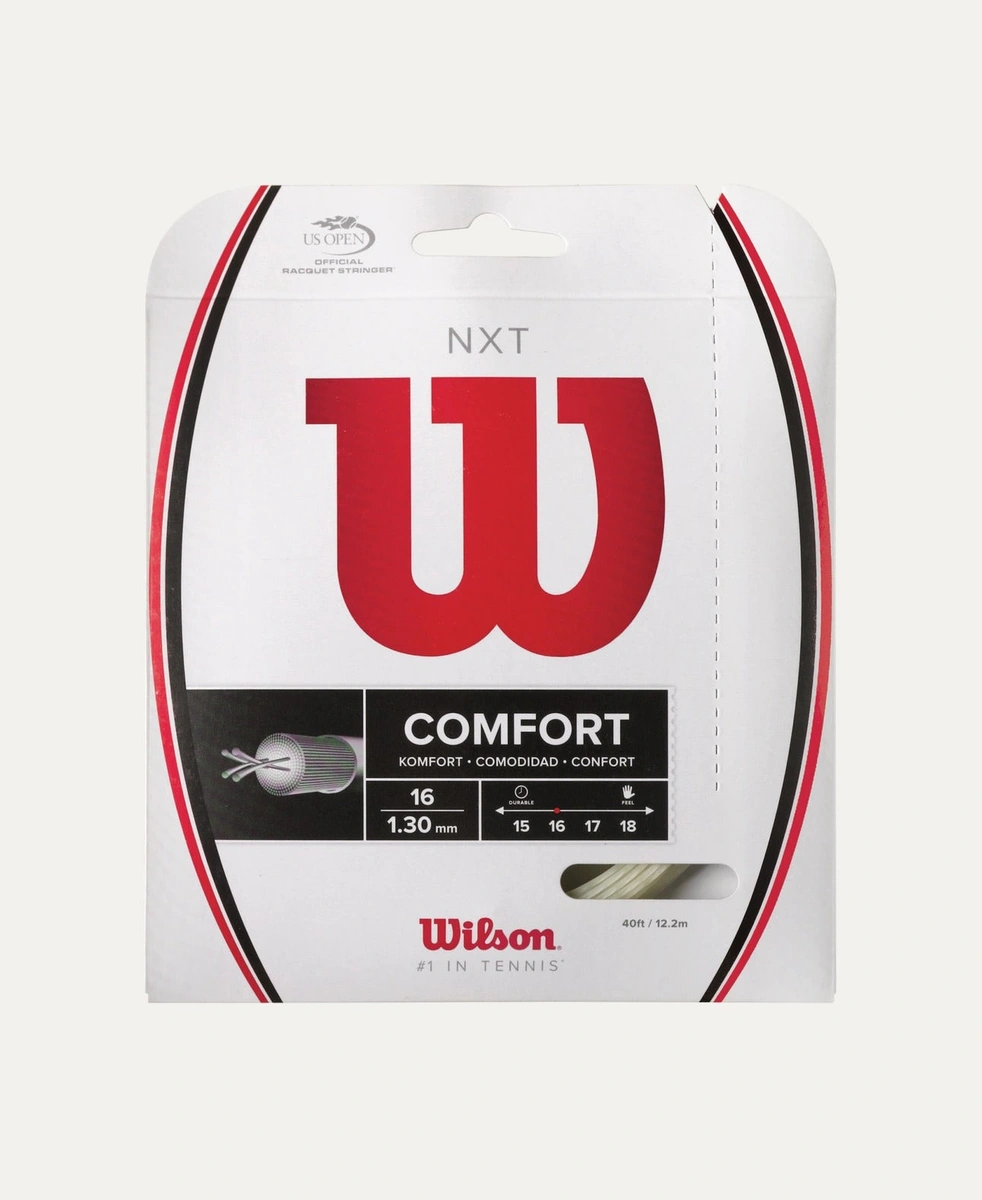
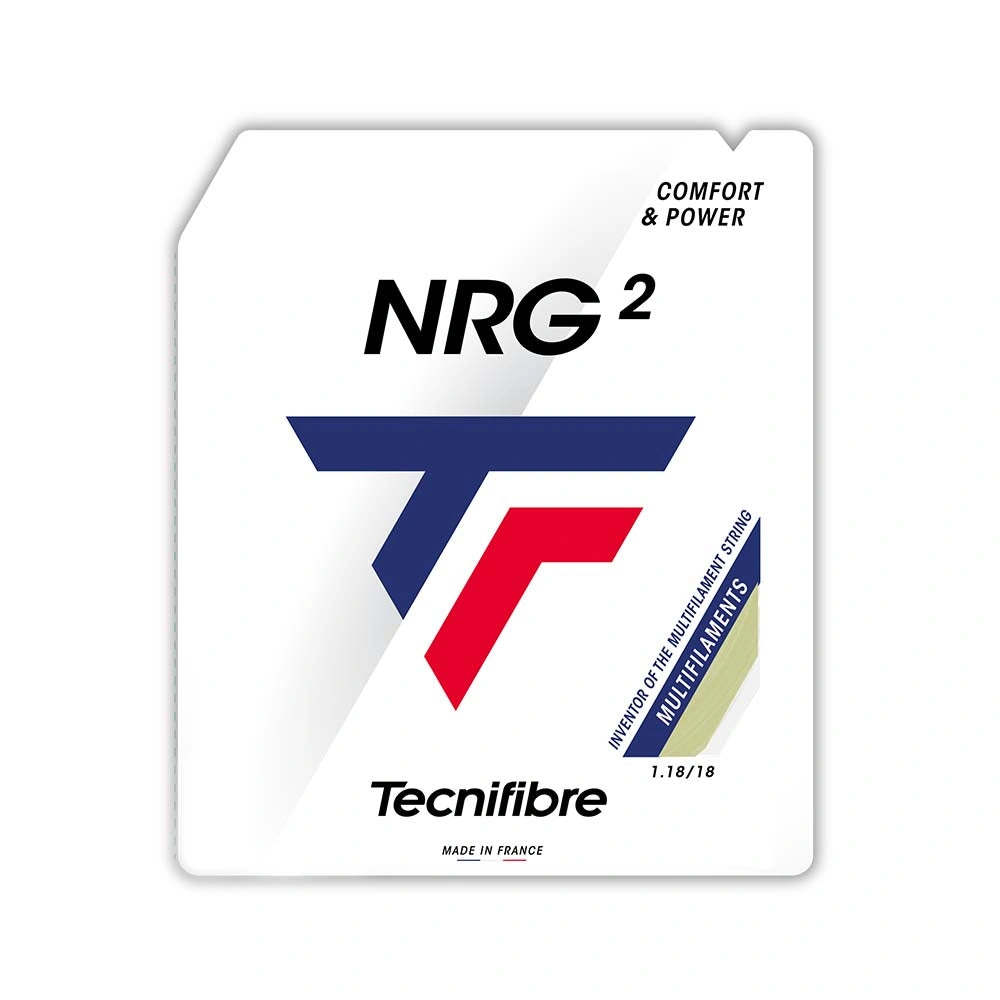
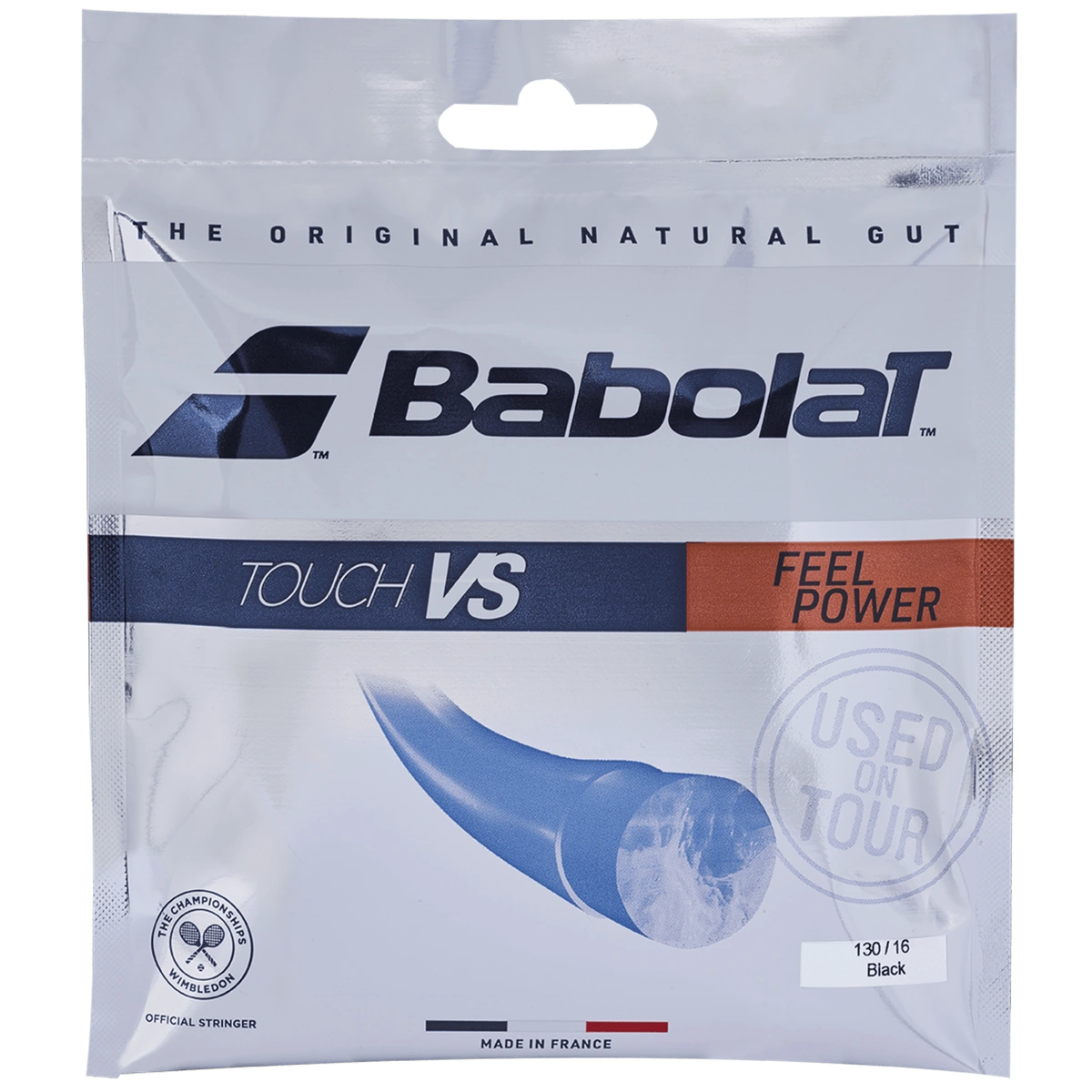
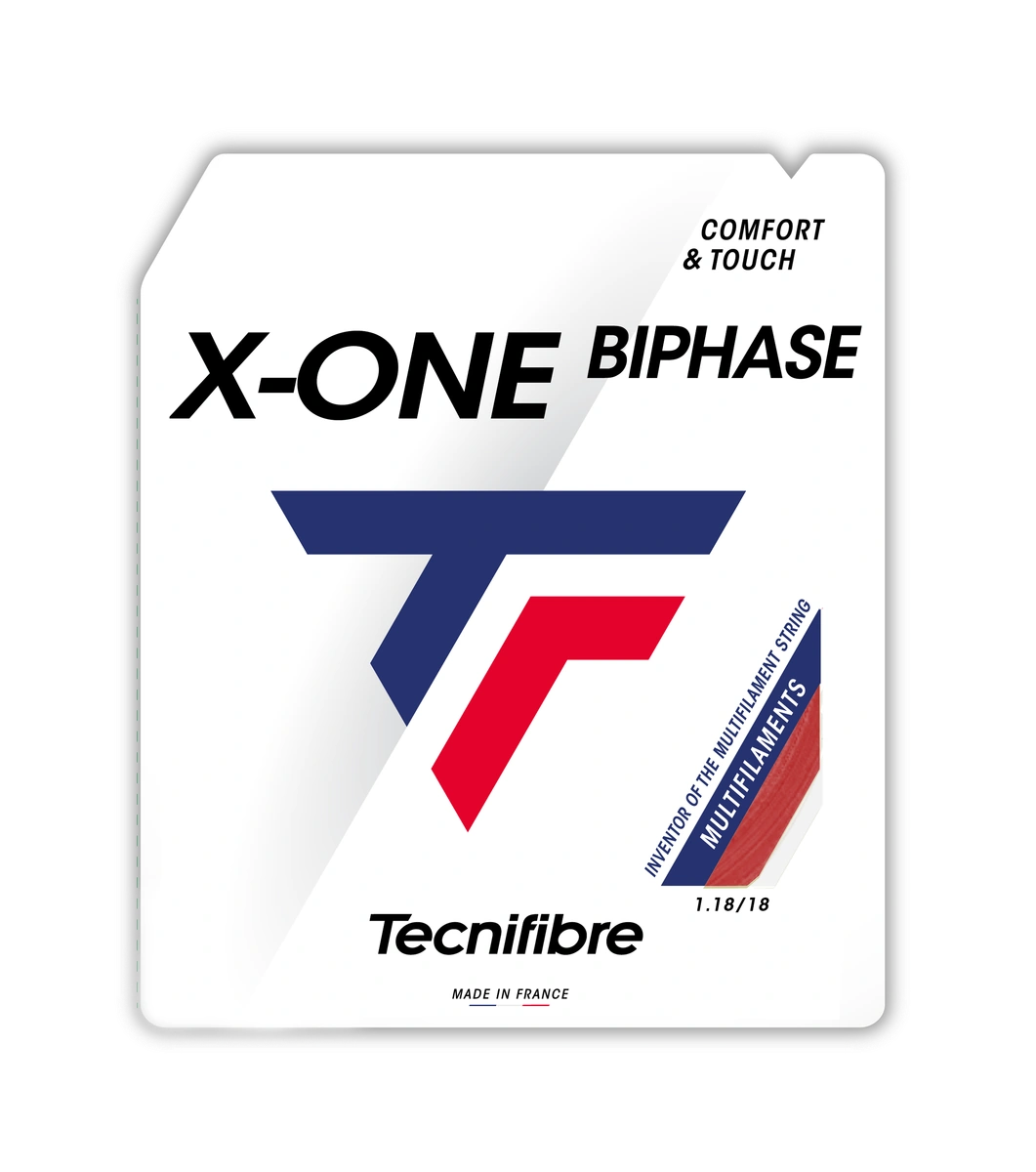
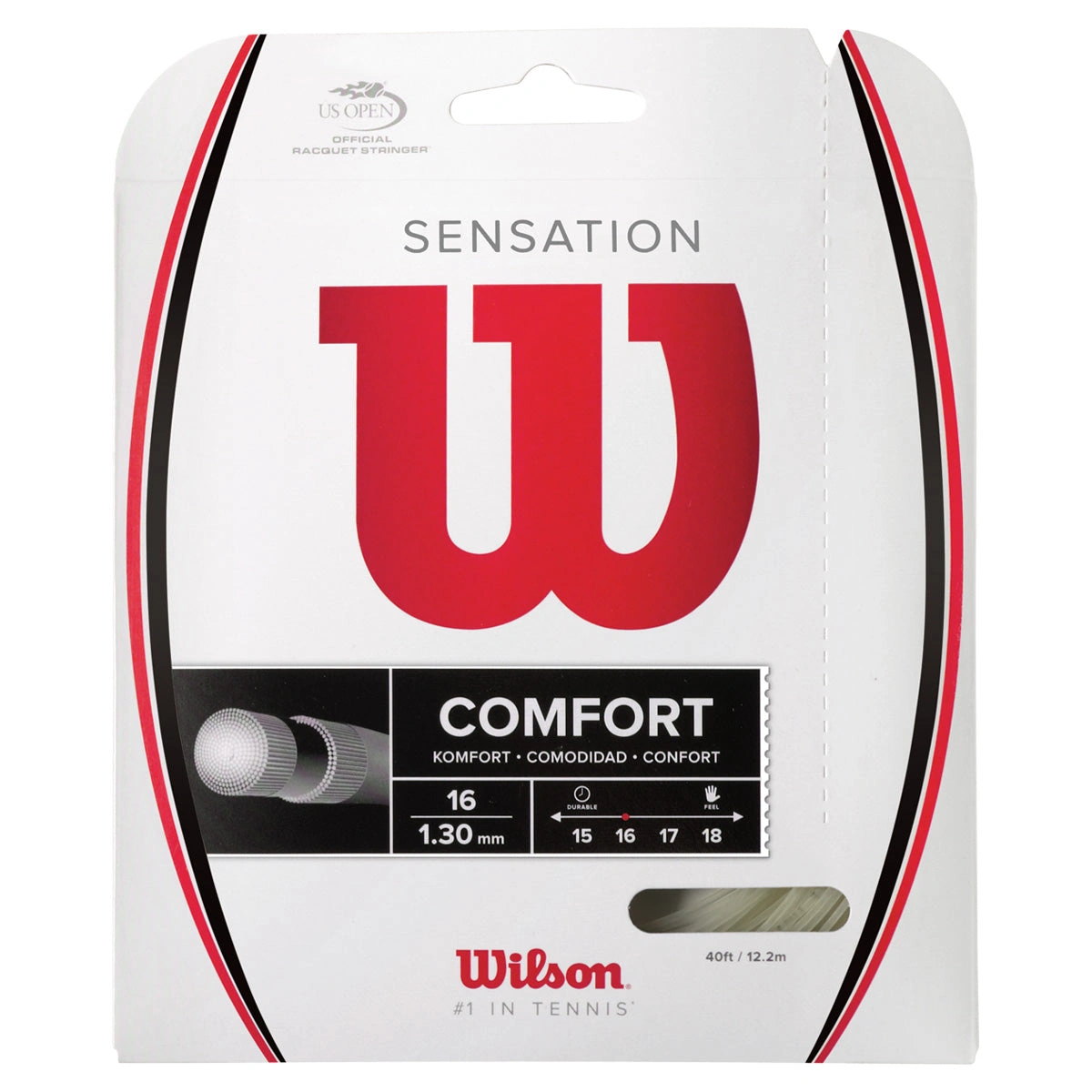
Strings to compare
A specs-based shortlist. Feel, fitness, and playing style still matter.

Reviewed sources
Wilson · View source ↗Similar racquets
TENNIS TENSION LAB
Check your racquet’s tension today.
Get a high-precision tension reading in under 10 seconds. Tension Lab tracks changes from your first reading and helps you see when to restring.
- High-precision tension measurement. Ready in under 10 seconds.
- Track every change in feel. See the full story over time.
- Time to restring? Never leave it to guesswork.