Dunlop · Current model
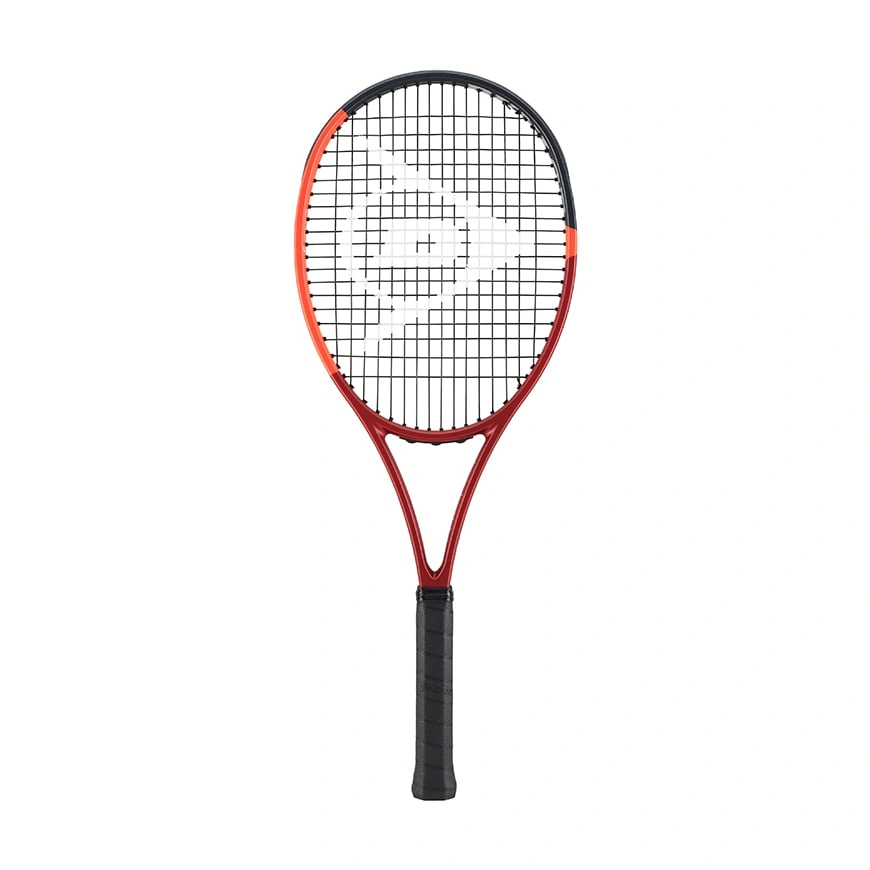
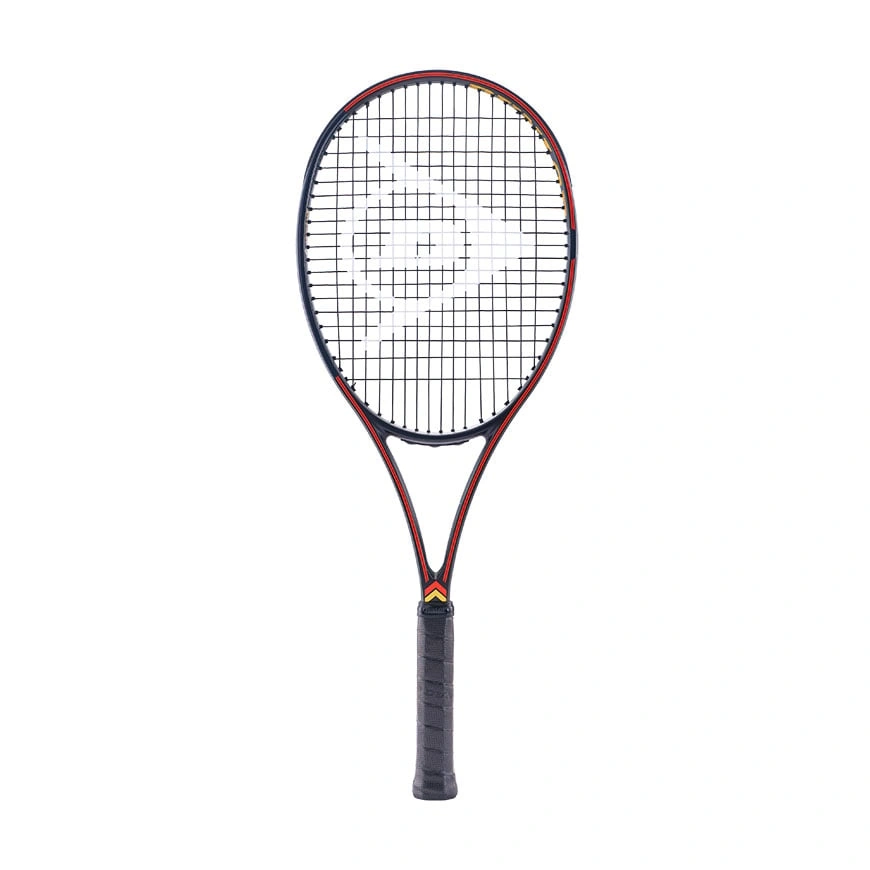
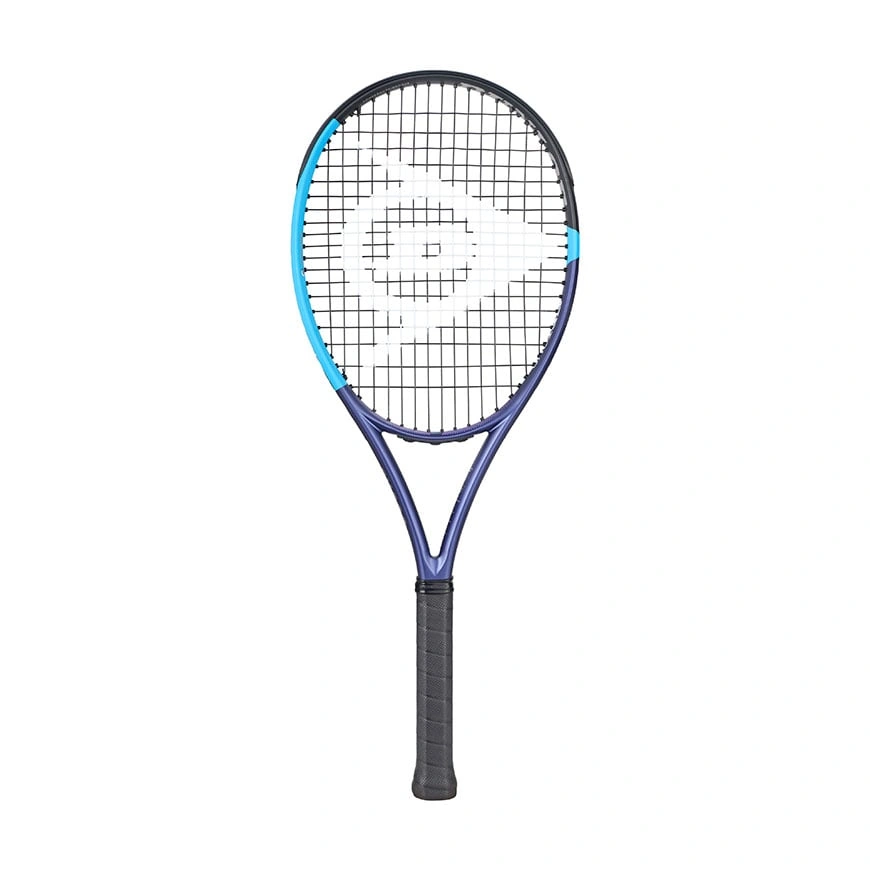
Dunlop CX 400 Tour
The CX 400 Tour combines a 100 in² head with a 300 g unstrung weight and a constant 23 mm beam. Its case is broader hitting room and accessible depth within the CX family. Assess that help on returns and moving contact, then check whether full swings still land where you intend.
Key specs
- Head size
- 100 in²
- String pattern
- 16 × 19
- Weight
- 300 g · Unstrung
- Length
- 27 in
- Frame profile
- 23 mm
- RA stiffness
- RA 68
- Balance
- 320 mm · Unstrung
- Status
- Current model
When comparing products
| Racquets | Head size in² | String pattern | Weight g | Swingweight | RA |
|---|---|---|---|---|---|
| Dunlop CX 400 Tour | 100 | 16×19 | 300 | — | 68 |
| Babolat Pure Drive Gen11 | 100 | 16×19 | 300 | — | 72 |
| Babolat Pure Strike 100 Gen4 | 100 | 16×19 | 300 | — | 68 |
| Dunlop CX 400 Tour Limited | 100 | 16×19 | 300 | — | 68 |
Tour does not mean the heaviest CX frame
Dunlop identifies CX400T-24 as 100 in², 300 g unstrung, 320 mm unstrung balance, 27 inches and 16×19, with a 23 mm beam and 68 RA. The Tour suffix distinguishes this model from CX 400; it does not mean a heavier or smaller-headed specification than every other CX.
Against CX 200, the head increases from 98 to 100 in², the beam from 21.5 to 23 mm and nominal unstrung mass decreases from 305 to 300 g. The added head area does not prove a measured sweetspot size. Its practical value is something to check on off-centre returns and balls contacted while moving.
A lighter total weight can still carry more inertia
TW’s strung reference is 318 g, 33.02 cm balance, 317 swingweight and 66 RA. The CX 200 reference is 320 g, 32.08 cm and 314. The 400 Tour is slightly lighter on the scale but balances 9.4 mm farther toward the head in those published examples. That is why comparing only the 300 g and 305 g labels misses an important part of handling.
A swingweight difference of 3 is not a guaranteed gap between the two frames you receive. Strings, accessories and individual units affect the completed setup. Keep Dunlop’s 68 RA separate from the retail 66; the sources do not document a paired before-and-after test. None of these values establishes a comfort score.
More open spacing asks for a trajectory check
TW describes wider cross-string spacing under Powergrid Stringtech+, a new mold and a more box-shaped beam section for 2024. Its account also separates a more flexible inner frame from a firmer face and describes Vibroshield and Sonic Core damping materials. Treat the account as design context, not a measured percentage improvement in power or spin.
On court, distinguish useful net clearance from unwanted depth. A high, deep ball produced with a compact defensive swing may be exactly what you need, while the same launch on an attacking approach can create a long miss. Keep the target and swing intention explicit before blaming the string pattern or raising tension.
Do not remove the depth you bought the larger head to gain
The retail range is 45–65 lb, and it does not choose a string material for you. Begin with a familiar string and gauge. If that is a 1.25 mm polyester at 22 kg, retain it for the first comparison; if you normally play a multifilament, keep that baseline instead. Different materials at one reference tension do not create equivalent stringbeds.
When centred full swings repeatedly fly long, a small trial from 22 to 22.5 kg with the same polyester can isolate the tension change. If blocked returns then become short and require extra effort, reassess the tradeoff. Judge a settled stringbed over repeated sessions and record its playing hours; do not compare an old demo string with a fresh restring as if only the frame changed.
Test stability before adding weight for its own sake
First check off-centre volleys and returns with the stock playing setup. Additional mass can increase resistance to the ball but also increase the effort needed to accelerate the racquet. Where the mass sits matters: an overgrip, side-of-hoop strips and tip weight are not interchangeable adjustments even when their total grams match.
The relevant sequence is a stretched first volley followed by recovery for the next ball, then repeated serves. Keep an addition only if both the contact and the next preparation improve or remain workable. A balance made more head-light with handle weight does not remove hoop inertia. Measure the finished racquet before trying to match a second one.
Use the CX 200 comparison to decide which help you actually need
Run the same crosscourt, compact-return, approach and first-volley sequence with both models. Keep strings, gauge and targets comparable. For the 400 Tour, look particularly at how often a slightly imperfect contact still reaches useful depth, and whether a full attacking swing demands a trajectory correction that you can repeat under pressure.
Choose it when the added hitting room and depth help your common situations without making full swings unpredictable. Choose the CX 200 when its more compact response makes precise contact easier for your game. TW lists two-piece stringing, mains skipping 8T and 8H, and no shared holes; identical skip counts alone do not establish that the models share grommet sets or tie-off instructions.
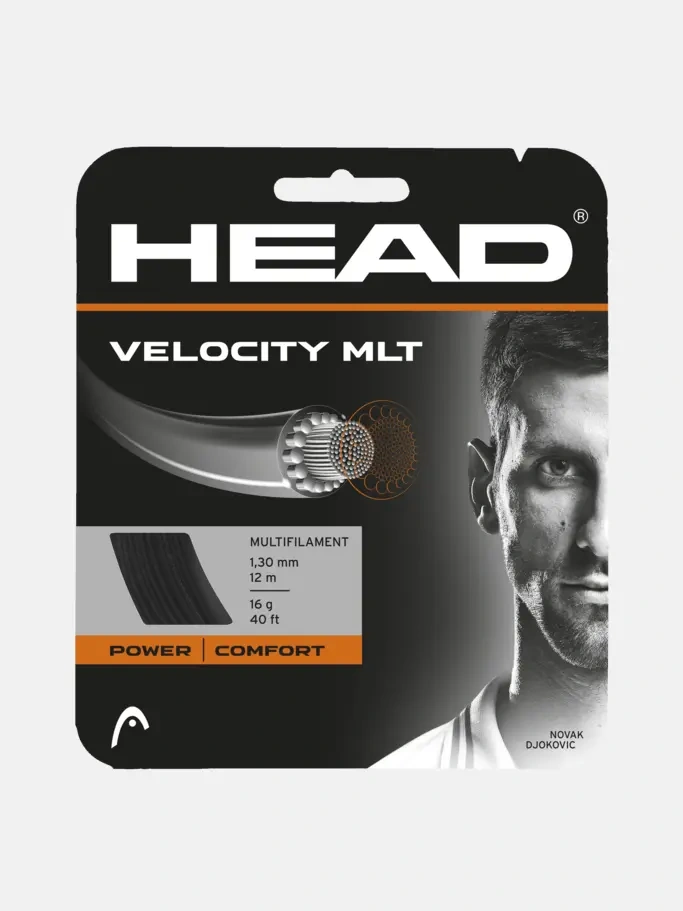
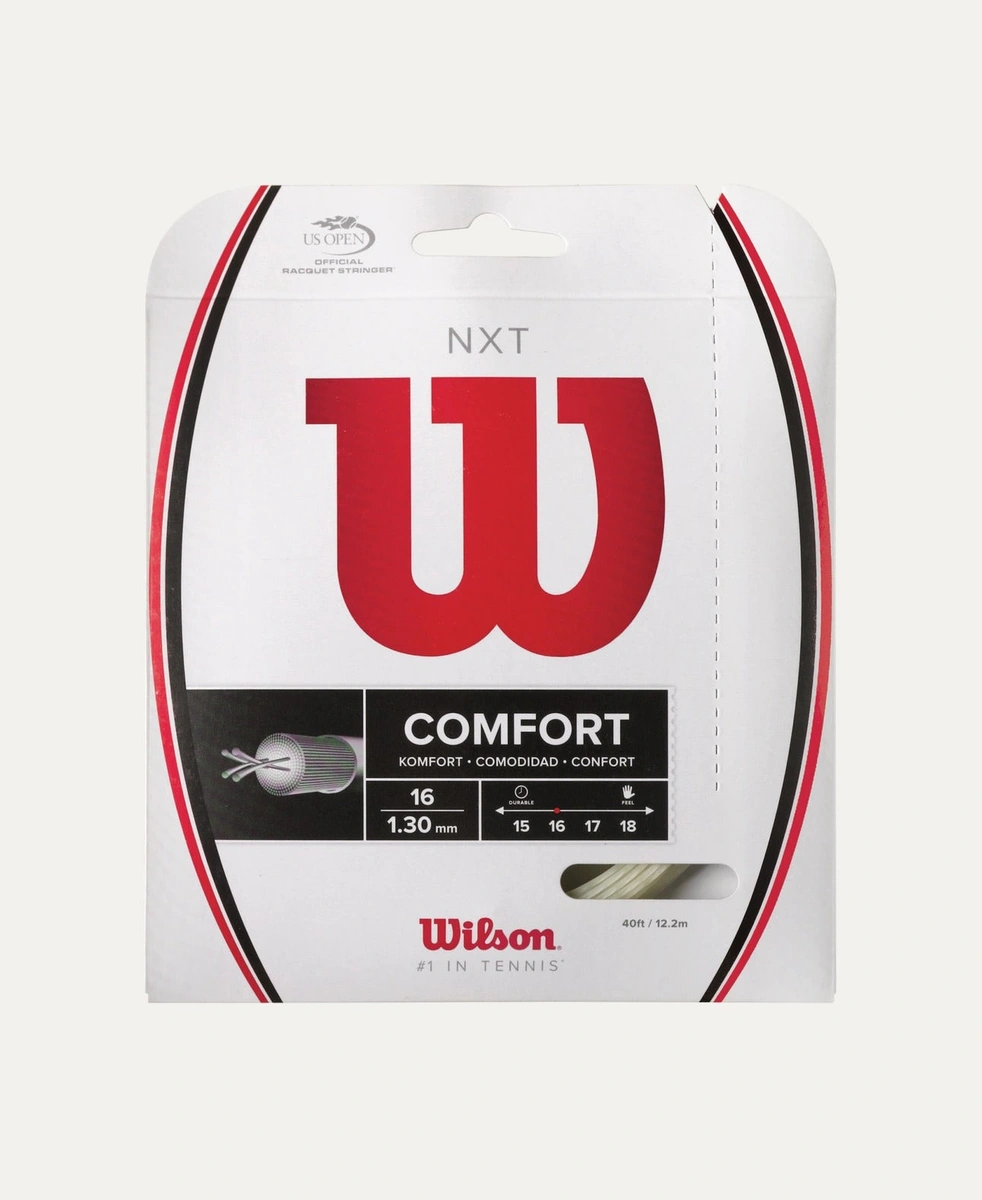
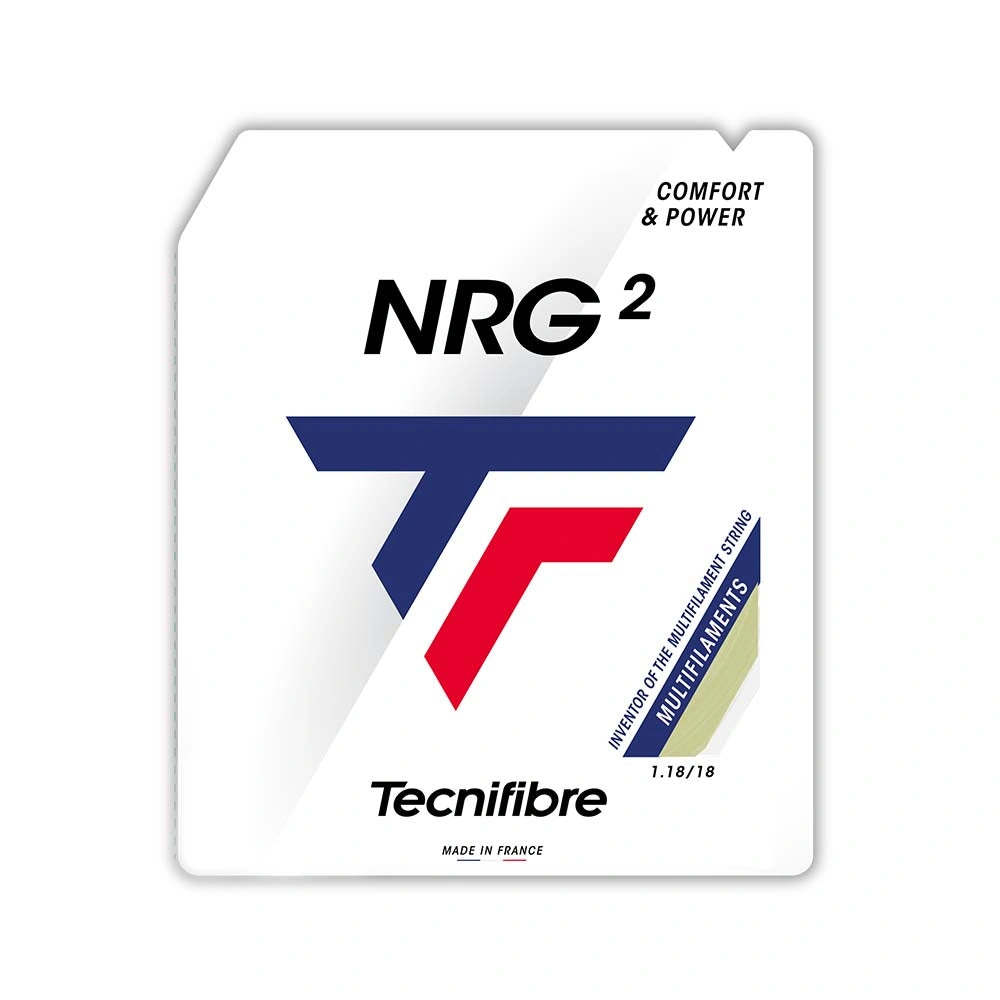
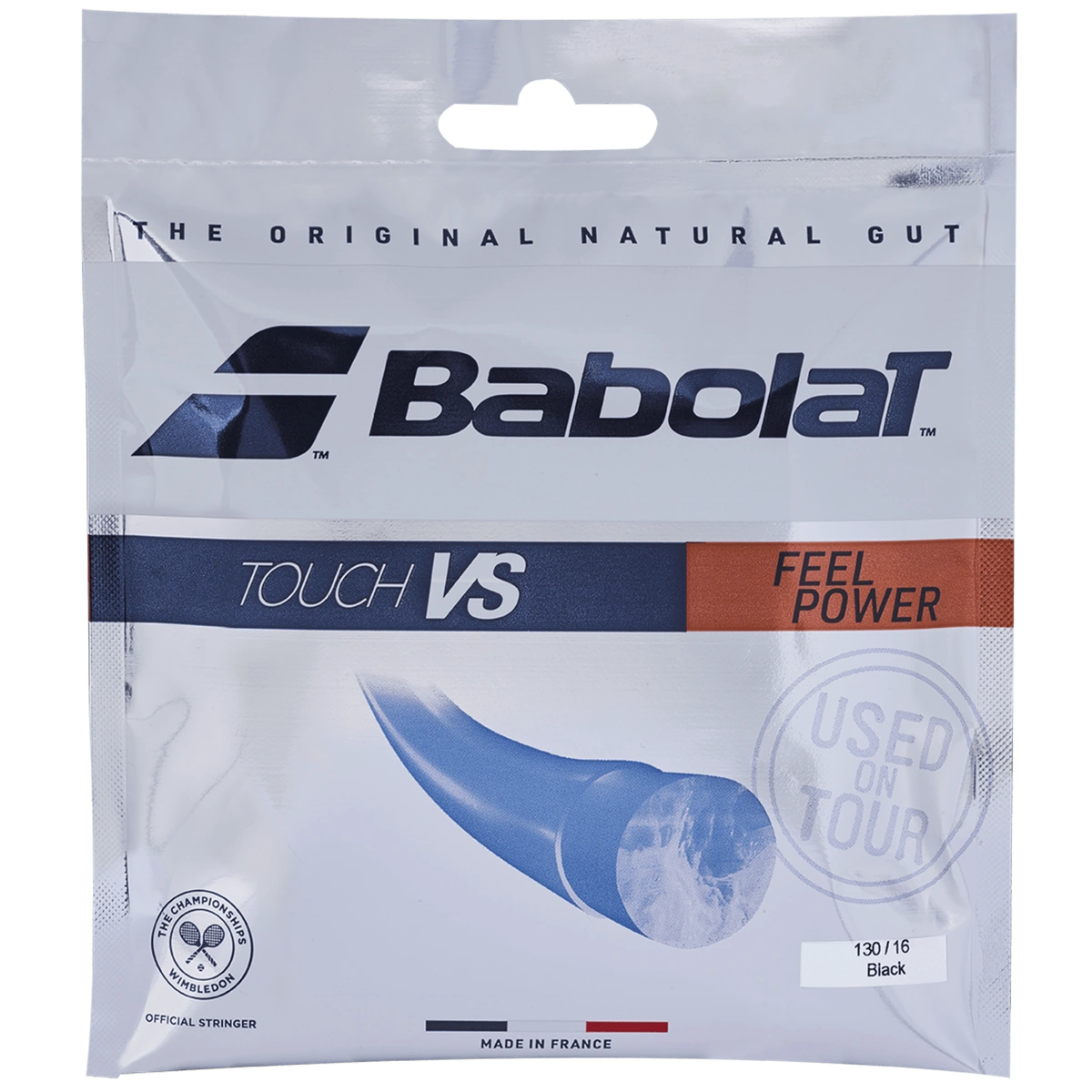
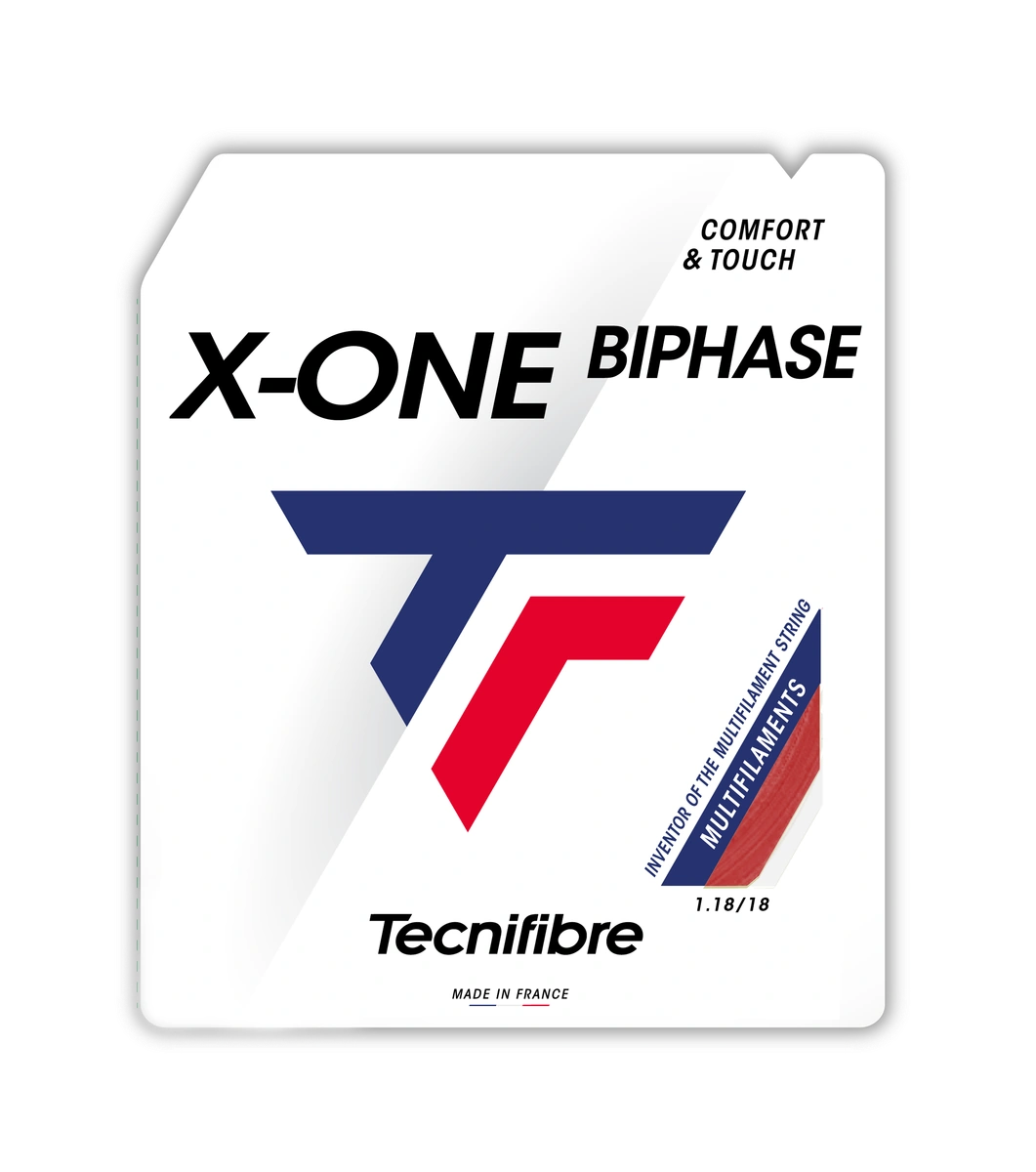
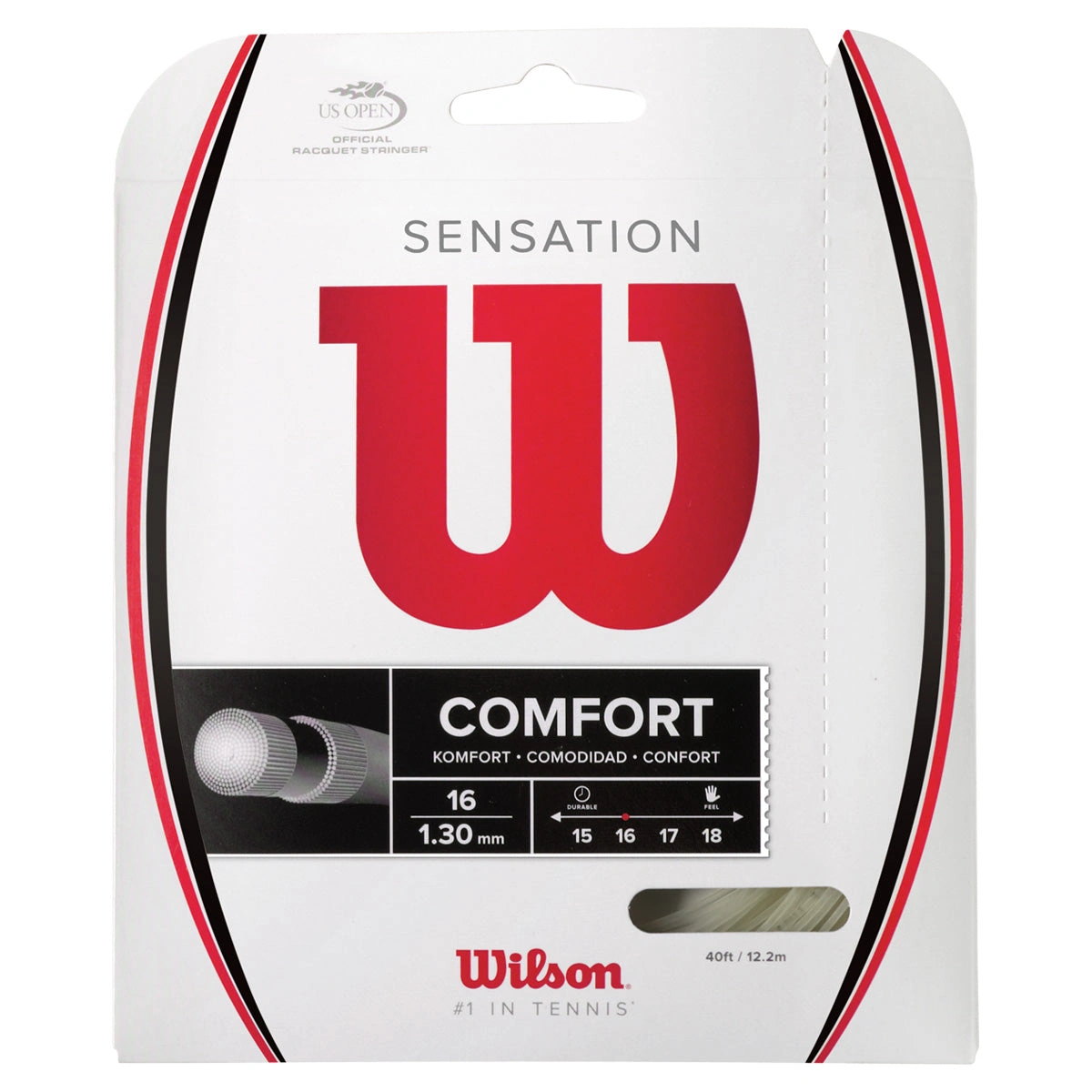
Strings to compare
A specs-based shortlist. Feel, fitness, and playing style still matter.
Reviewed sources
Dunlop · View source ↗Similar racquets
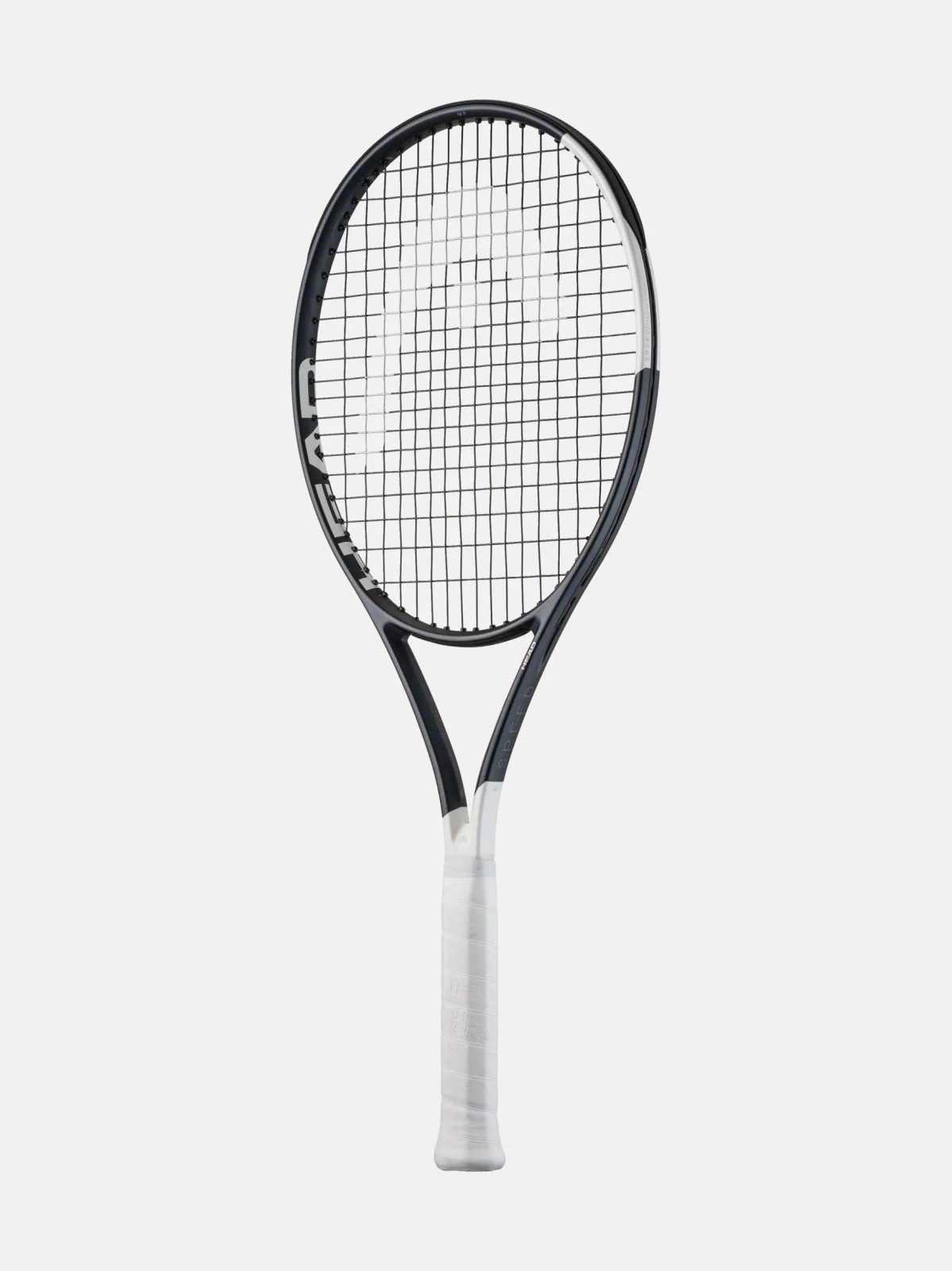
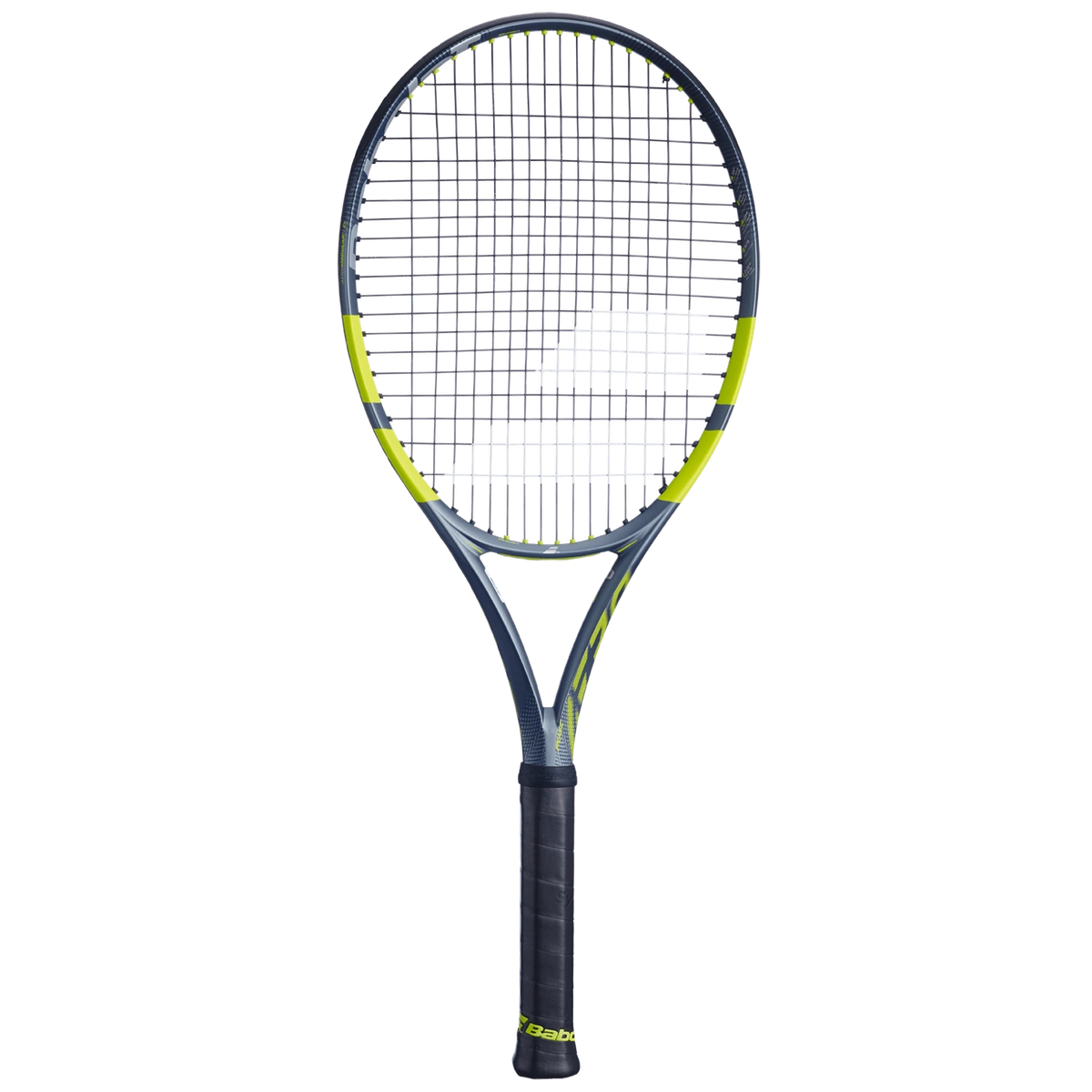
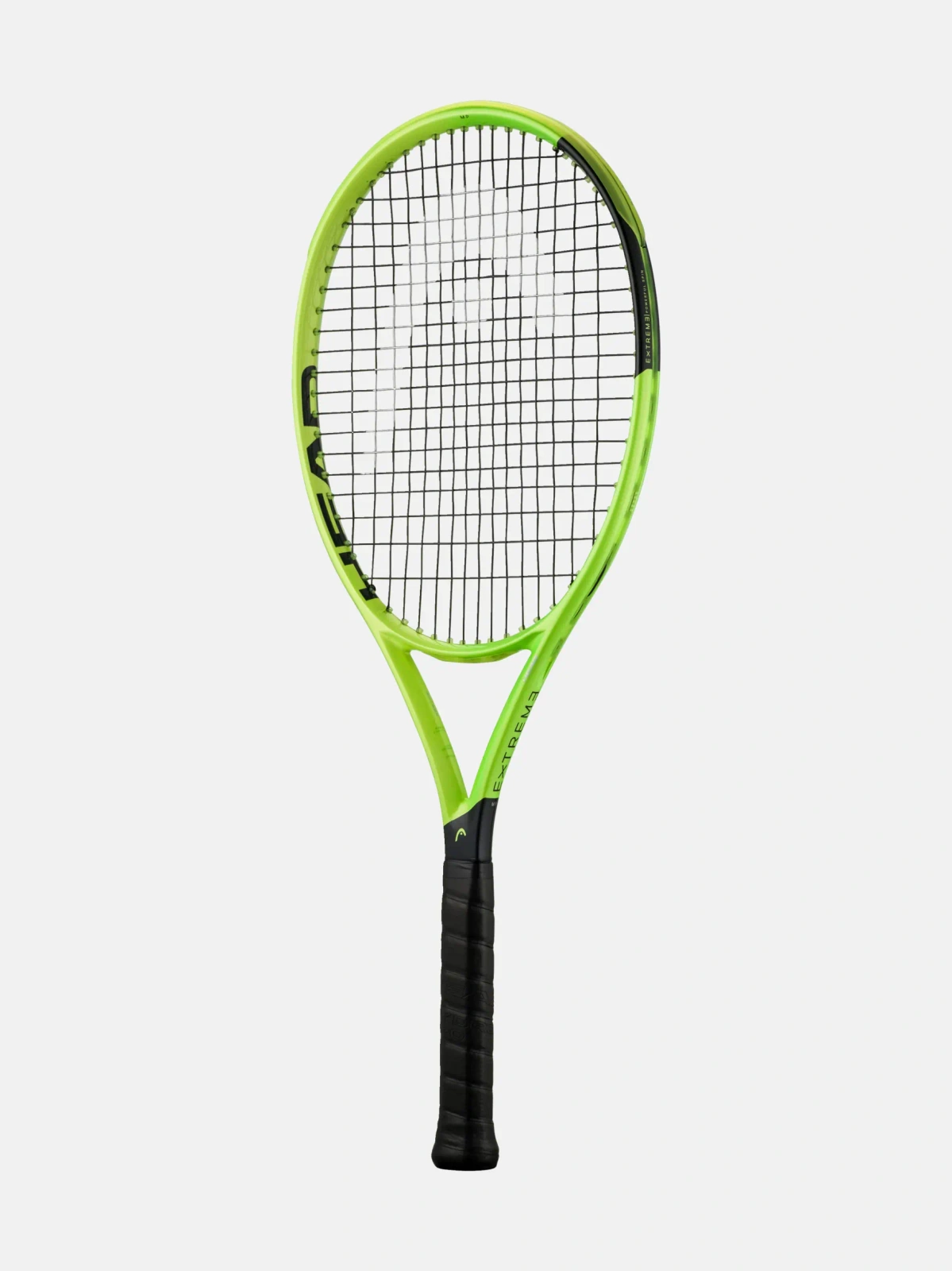
TENNIS TENSION LAB
Check your racquet’s tension today.
Get a high-precision tension reading in under 10 seconds. Tension Lab tracks changes from your first reading and helps you see when to restring.
- High-precision tension measurement. Ready in under 10 seconds.
- Track every change in feel. See the full story over time.
- Time to restring? Never leave it to guesswork.