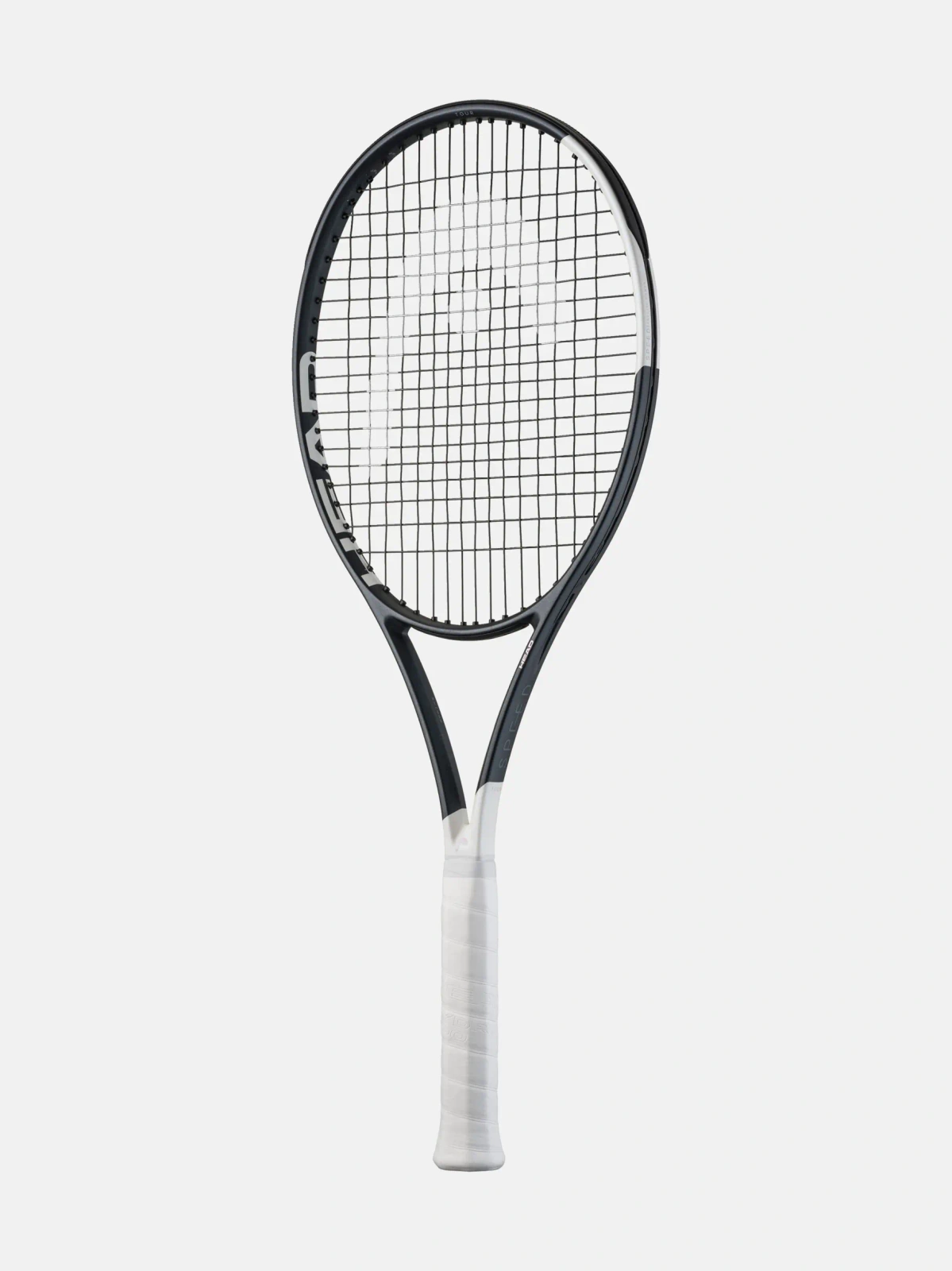
HEAD · Current model
HEAD Speed TOUR 2026
The Speed Tour 2026 uses a 97 in² head and 16×19 pattern. TW lists strung reference values of 323 g, 325 swingweight and 61 RA. Its position between MP and Pro in static weight matters less than maintaining your contact location on the smaller hitting surface.
Key specs
- Head size
- 97 in²
- String pattern
- 16 × 19
- Weight
- 305 g · Unstrung
- Length
- 27 in
- Frame profile
- 23 mm
- Balance
- 315 mm · Unstrung
- Status
- Current model
When comparing products
| Racquets | Head size in² | String pattern | Weight g | Swingweight | RA |
|---|---|---|---|---|---|
| HEAD Speed TOUR 2026 | 97 | 16×19 | 305 | — | — |
| ProKennex Black Ace Pro | 97 | 16×19 | 305 | — | — |
| Wilson ULTRA PRO 16X19 V4.0 | 97 | 16×19 | 305 | — | — |
| Babolat Pure Strike 16/19 Gen4 | 98 | 16×19 | 305 | — | 68 |
Compare all three Speeds on the same basis
TW's strung weight and swingweight pairs are 323 g/325 for the Tour, 318 g/329 for the MP and 326 g/328 for the Pro. The Tour is heavier than the MP but has the lower published swingweight. Mass distribution prevents a simple handling order based on weight or suffix.
These are not guaranteed specifications for an individual purchase. Differences of a few points deserve checking on the actual racquets. To reproduce a demo's quicker preparation, record the finished setup, including strings and accessories.
On 97 in², start with where your misses occur
Tour and Pro pair 97 in²/16×19 and 100 in²/18×20, respectively. Head area and pattern change together, so a change in length cannot be attributed to smaller area alone.
Log contact on running forehands and high backhands, not only stationary central hits. Check how much depth disappears off centre and whether frame contacts increase. A perceived gain in precision needs to survive the contact locations that recur in your matches.
The 323 g Gravity Tour is a different comparison
TW also lists 323 g for the Gravity Tour 2025, but with 98 in², 328 swingweight and a 22 mm beam. The Speed Tour combines 97 in², 325 and 23 mm. A shared Tour suffix and equal weight do not establish equal swing or impact behaviour.
Separate quick return preparation from an off-centre first volley when comparing them. The table does not provide torsional stiffness or twistweight, so the small beam-width difference cannot establish which better resists a lateral off-centre hit.
Match contact and string condition before adjusting tension
TW lists 48–57 lb. A 97 in² head does not imply a formula requiring a fixed reduction in pounds. Material, gauge, pattern and the depth you need all matter.
Large simultaneous changes in string material and tension mix string differences with head differences. Use a familiar string to establish contact consistency first, then adjust for the remaining problem in depth or variation in length.
Test quicker preparation through complete point sequences
Check the time needed to reset for a first volley after serving and for a body-serve return. If preparation becomes easier, confirm that contact remains repeatable on the very next ball too.
TW identifies Hy-Bor and Auxetic 2 as major construction features. Instead of making their names the conclusion, document the particular contact and preparation situations in which the Tour improves on the MP or Pro for you.
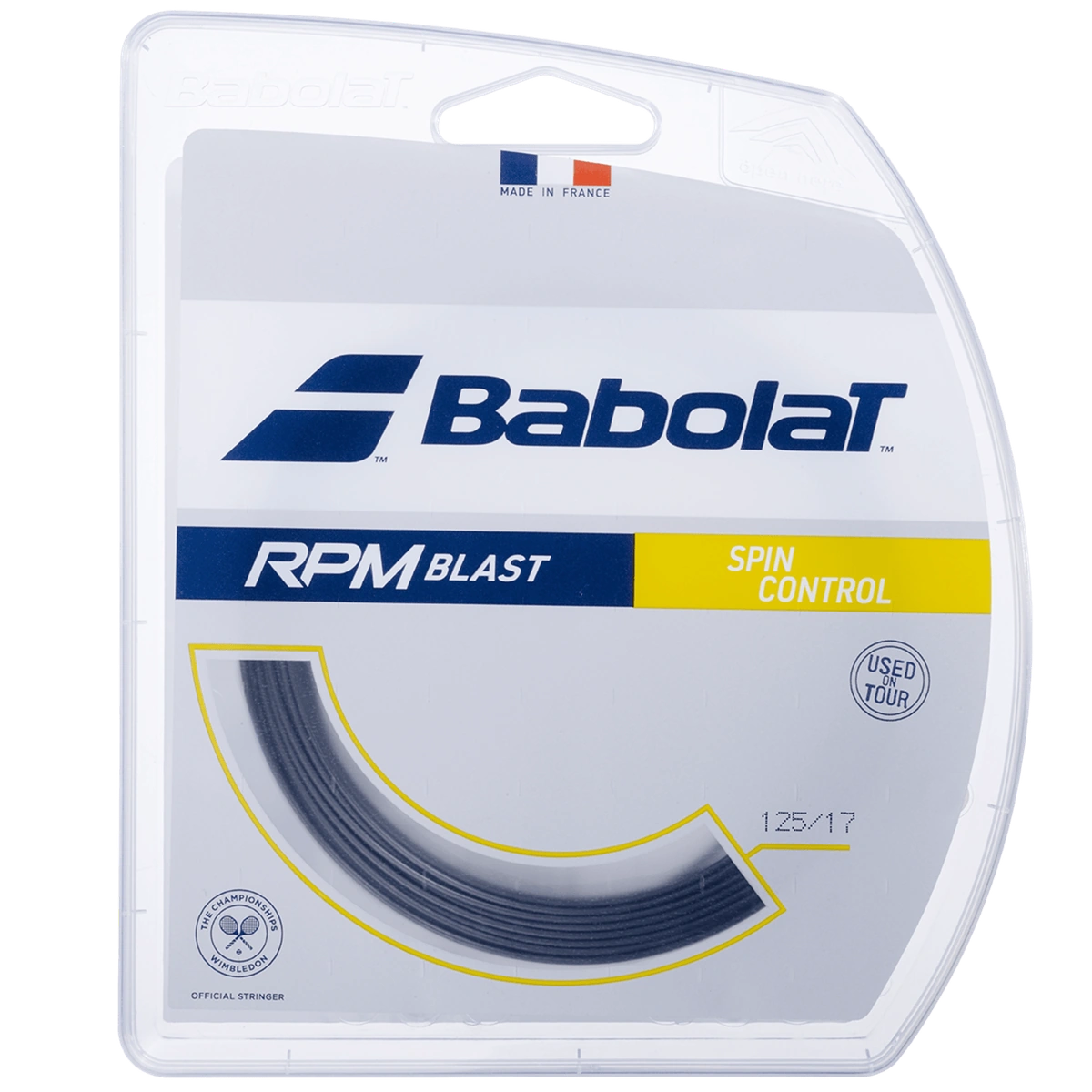
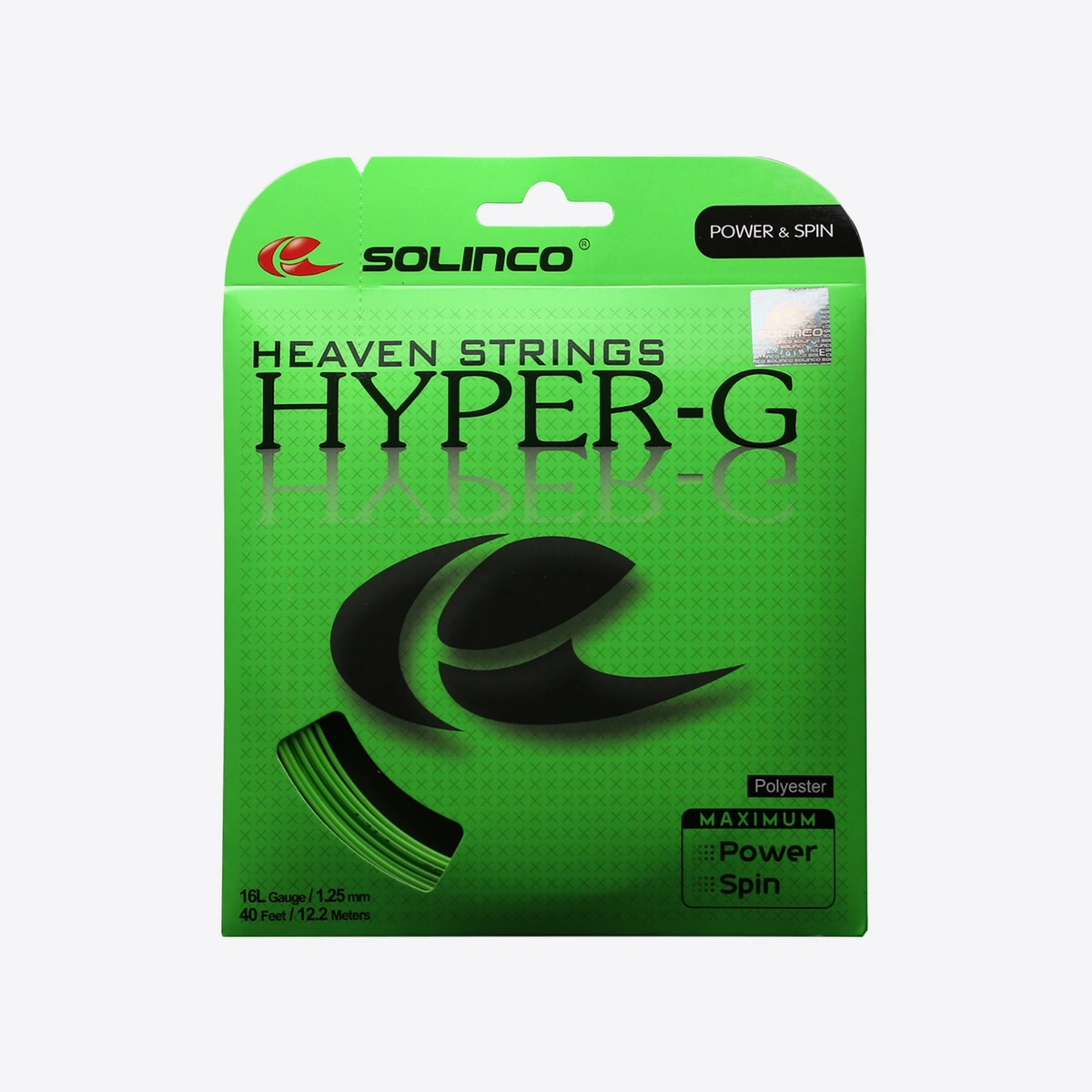
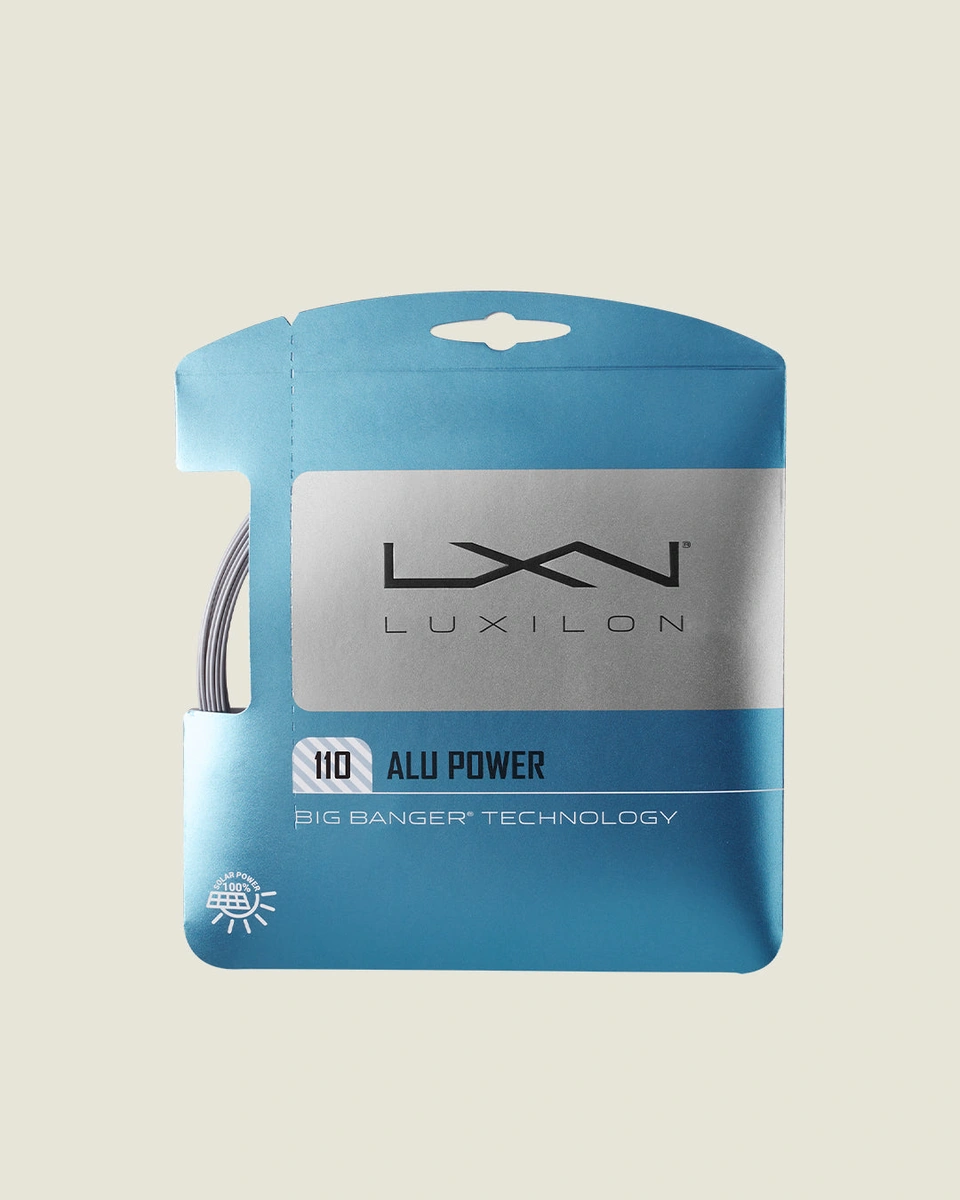
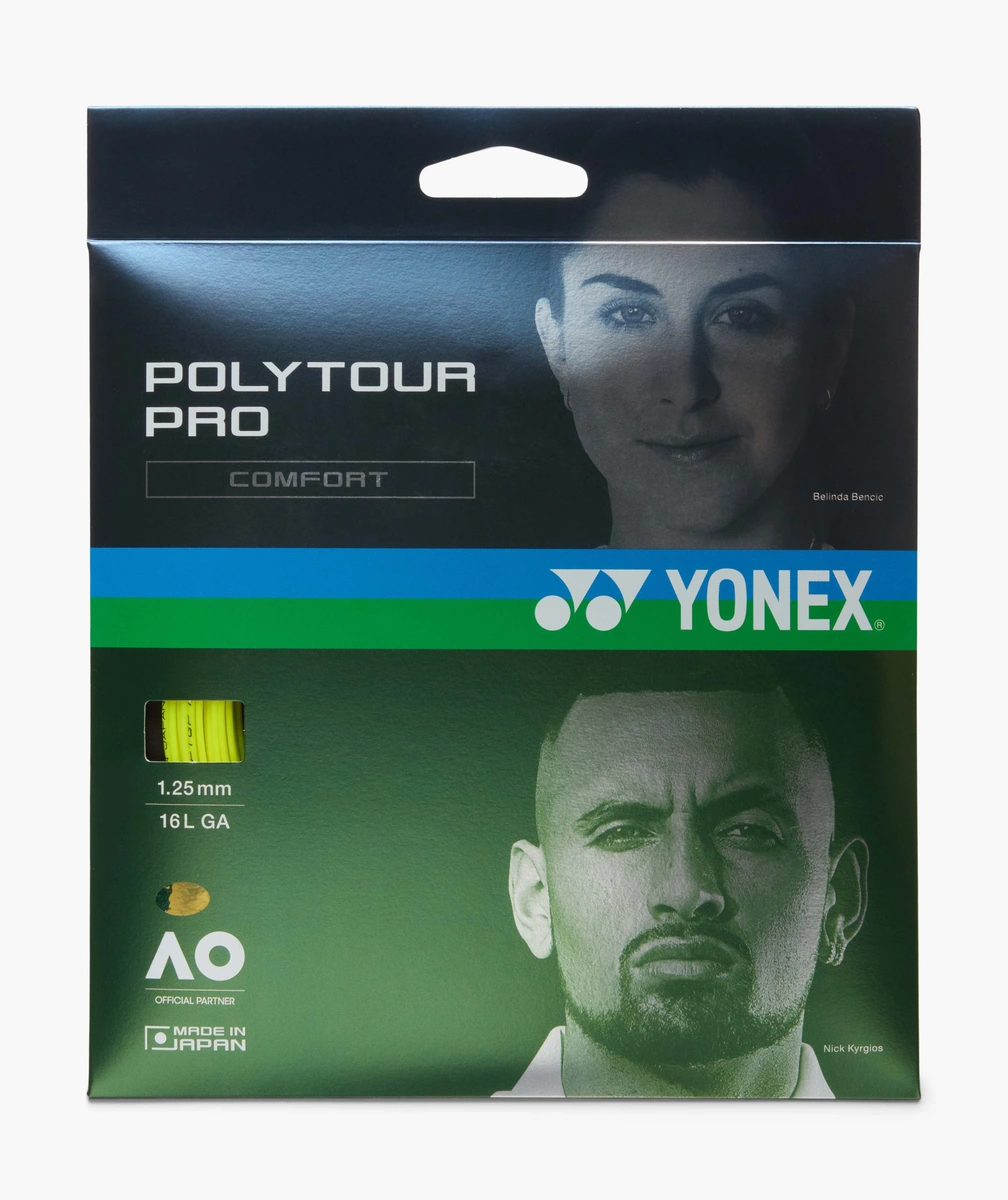
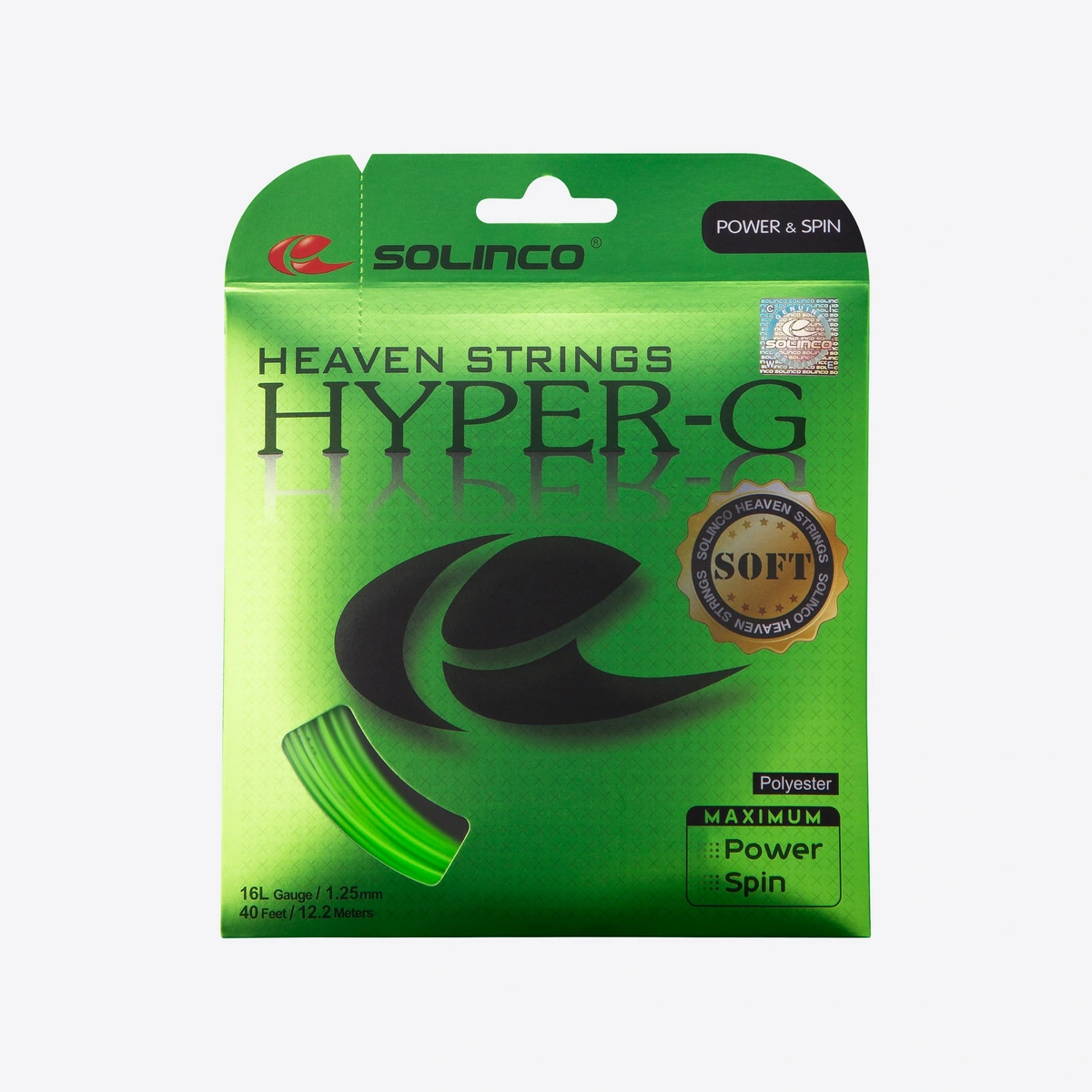
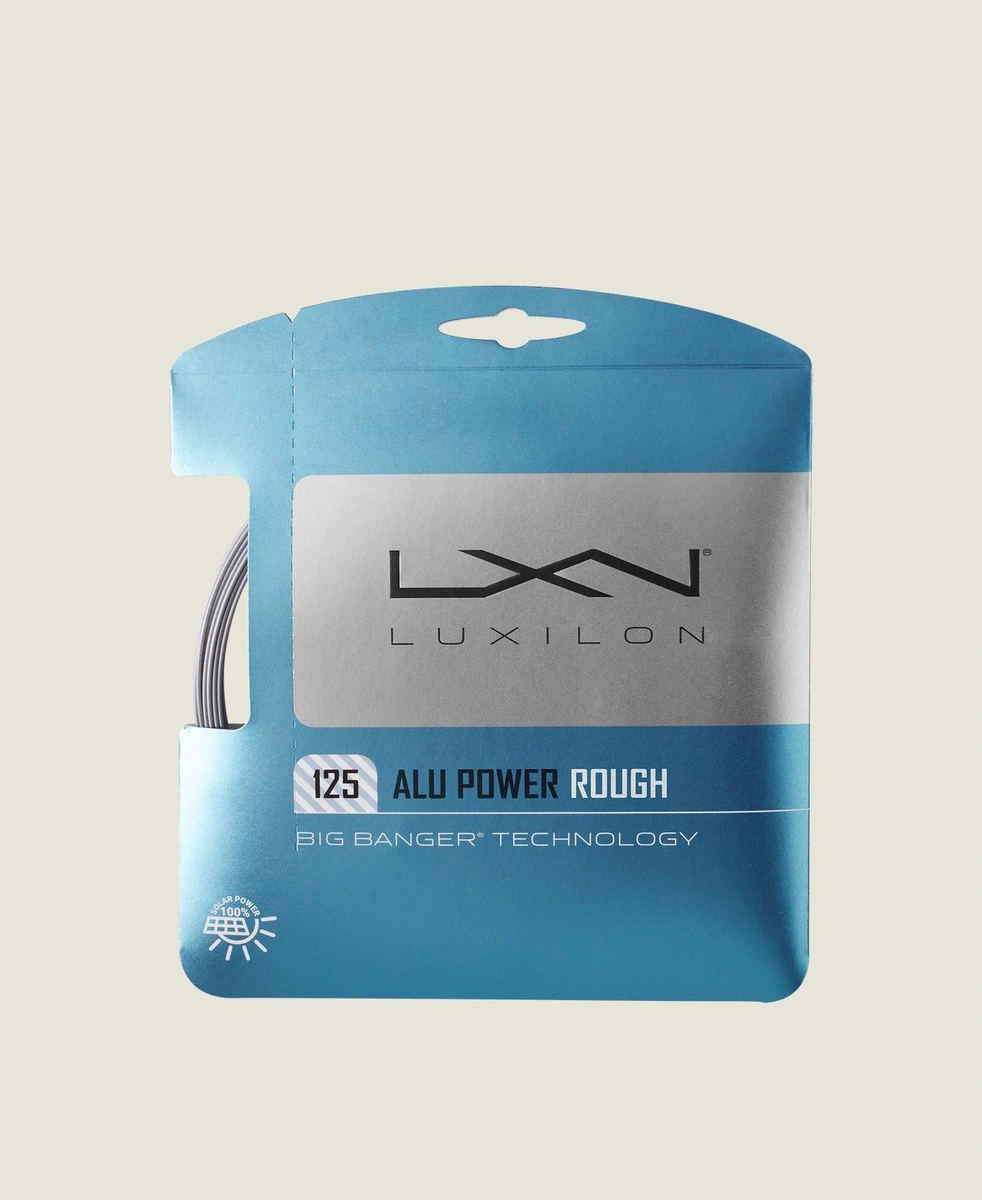
Strings to compare
A specs-based shortlist. Feel, fitness, and playing style still matter.
Reviewed sources
HEAD · View source ↗Similar racquets
TENNIS TENSION LAB
Check your racquet’s tension today.
Get a high-precision tension reading in under 10 seconds. Tension Lab tracks changes from your first reading and helps you see when to restring.
- High-precision tension measurement. Ready in under 10 seconds.
- Track every change in feel. See the full story over time.
- Time to restring? Never leave it to guesswork.