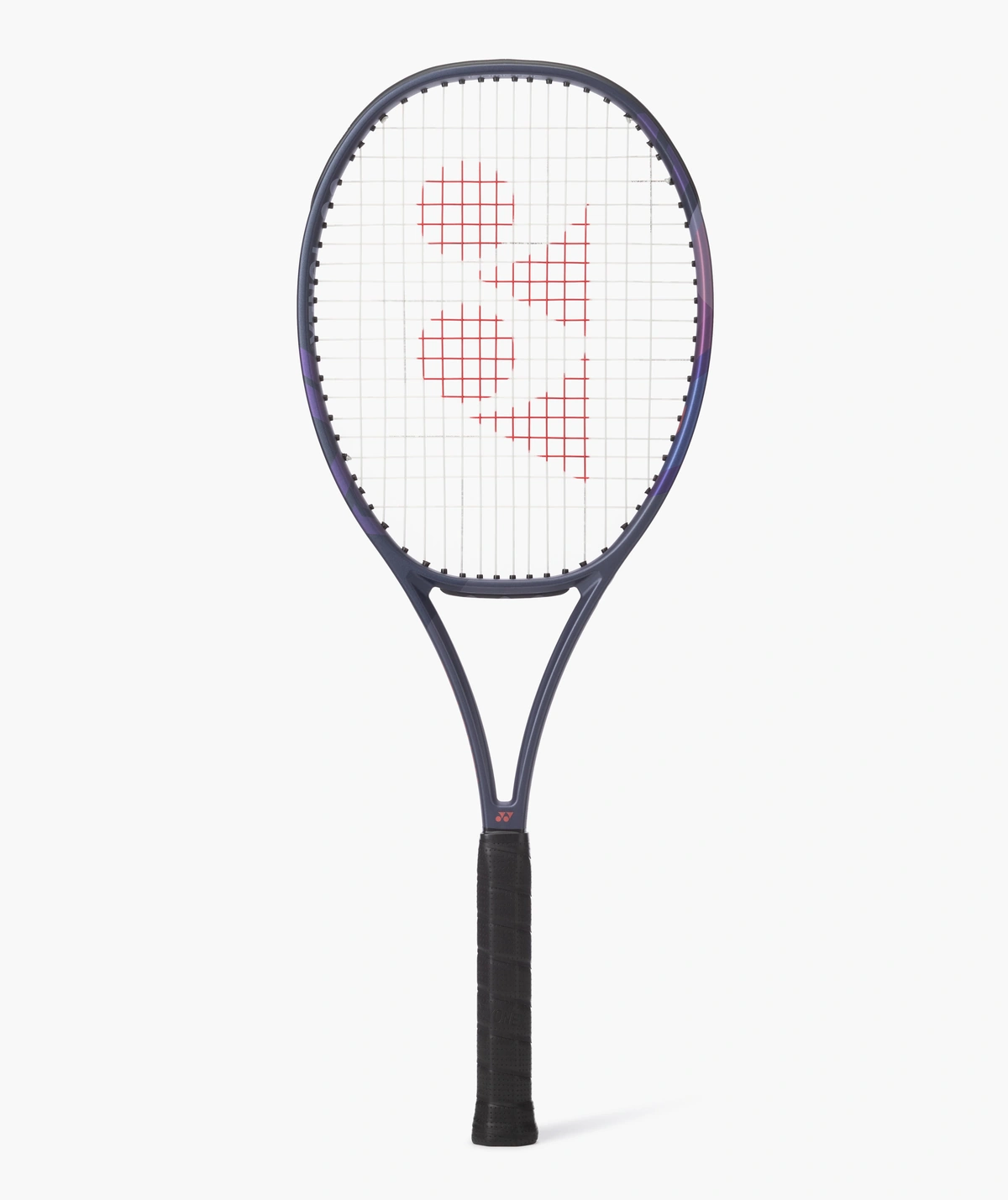
Yonex · Current model
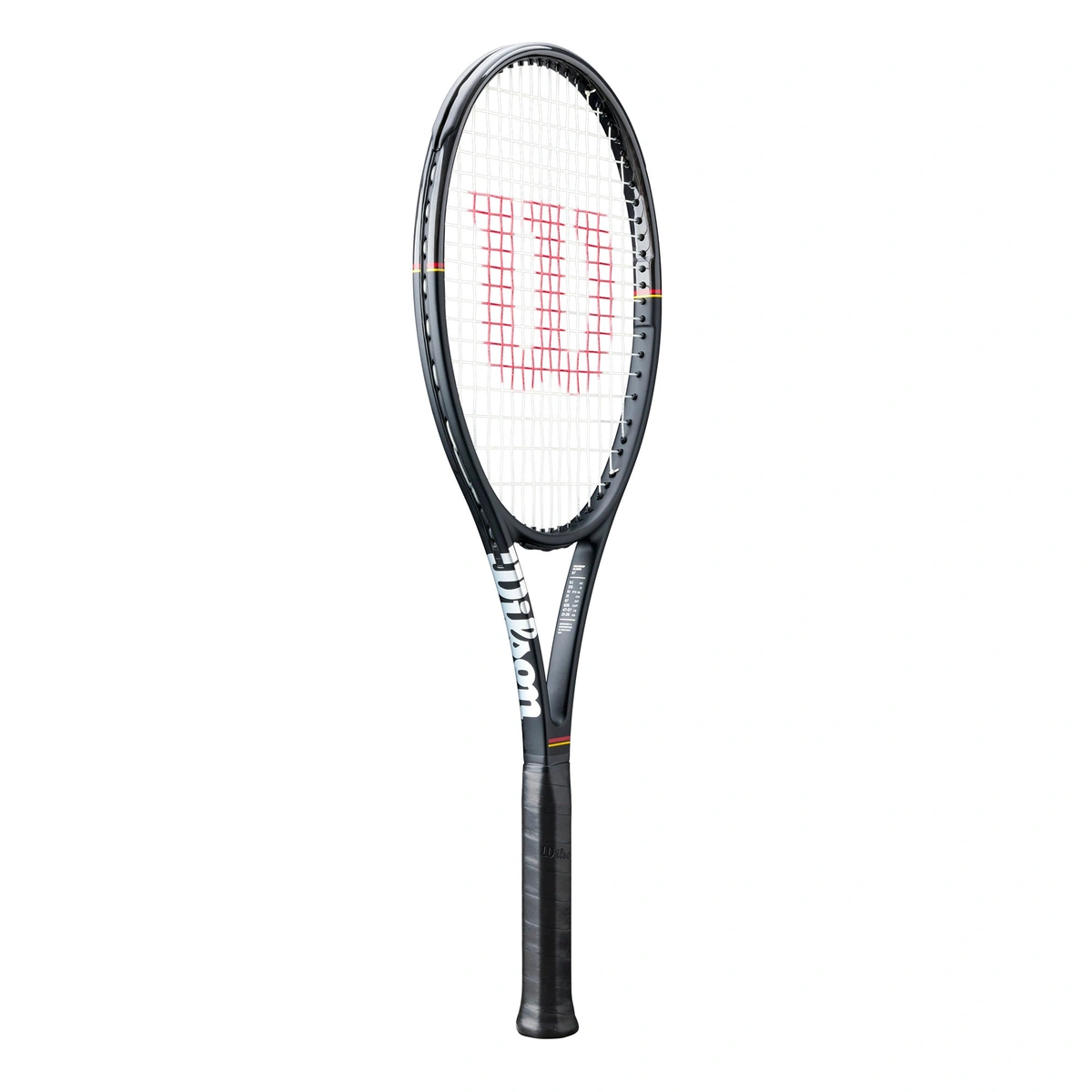
Yonex PERCEPT 97
The 97 in², 310 g PERCEPT 97 has a 16×19 pattern. Its differences from the 100, 97D and 97H involve mass or pattern as well as head size. Assess feel together with defensive depth and repeated preparation.
Key specs
- Head size
- 97 in²
- String pattern
- 16 × 19
- Weight
- 310 g · Unstrung
- Length
- 27 in
- Frame profile
- 21 / 21 / 21 mm
- Balance
- 310 mm · Unstrung
- Recommended tension
- 45–60 lb
- Status
- Current model
When comparing products
| Racquets | Head size in² | String pattern | Weight g | Swingweight | RA |
|---|---|---|---|---|---|
| Yonex PERCEPT 97 | 97 | 16×19 | 310 | — | — |
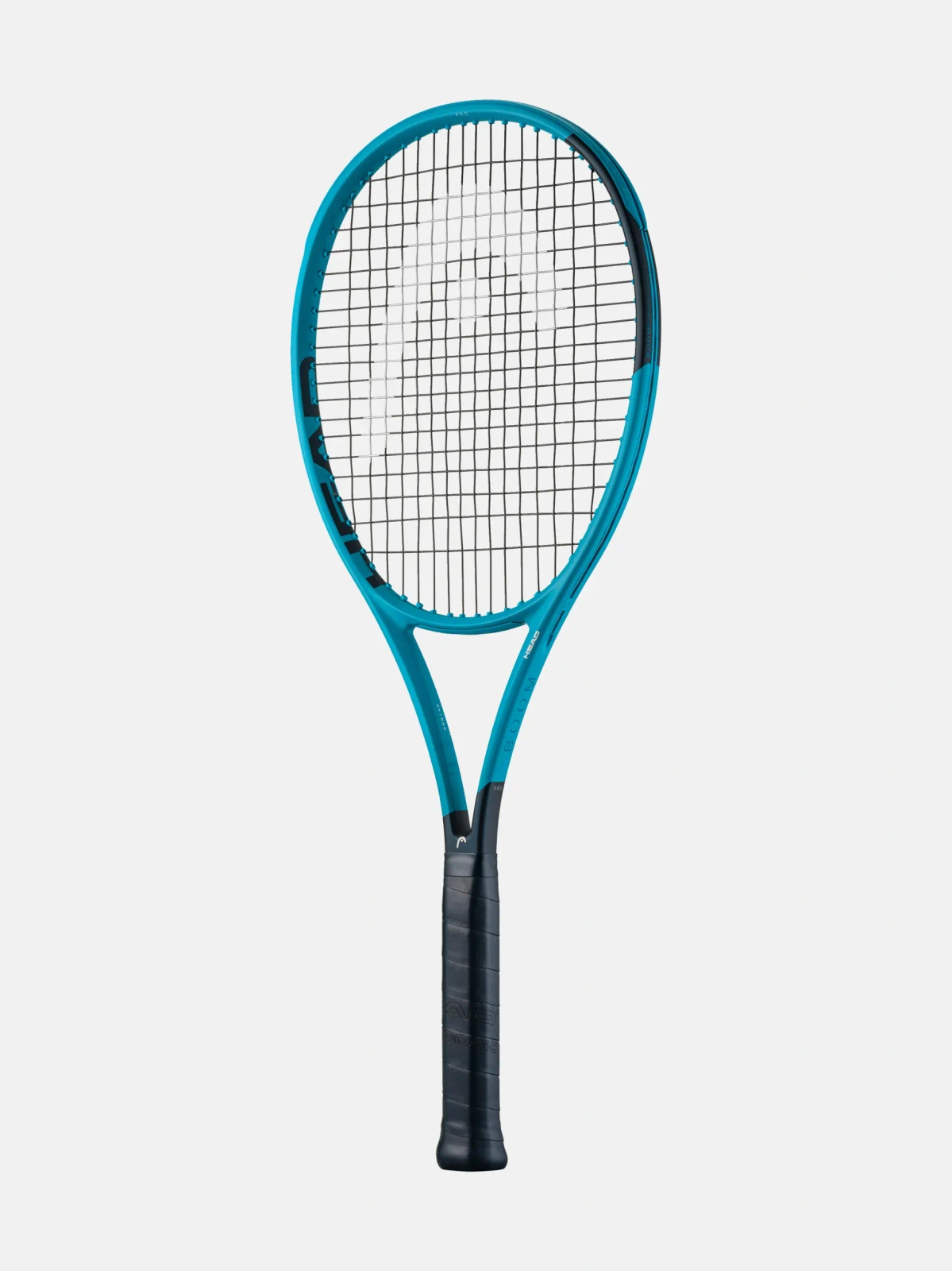
| HEAD Boom PRO 2026 | 98 | 16×19 | 310 | — | — |
| Völkl C10 EVO | 98 | 16×19 | 310 | — | — |
| Völkl C10 EVO 2025 | 98 | 16×19 | 310 | — | — |
Read 310 g, 310 mm and 21 mm as one specification
The 01PE97 manufacturer specification is 97 in², 310 g unstrung, 27 inches and 16×19. Its beam is 21–21–21 mm and its nominal balance is 310 mm. Against the PERCEPT 100's 300 g, 320 mm and 23 mm beam, mass, centre of mass and frame section change together.
Feeling light when held is different from the effort of repeated swings. Static mass and balance do not reveal the complete mass distribution and cannot substitute for measured swingweight. Include returns and serves with the playing strings and grip installed to assess the complete setup.
Separate pocketing sensation from face stability
FlexCon addresses shaft flexibility, while Stiff Racquet Face Design addresses face rigidity in Yonex's explanation. SERVO FILTER is an elastic film between graphite layers; alongside 2G-Namd Flex Force it is intended to influence frame deformation and recovery. A 21 mm beam alone does not establish uniform softness across the frame.
Vibration reaching the hand and the ball's direction are not the same measurement. Clear feedback does not prevent a late contact from missing the intended line. Read a pocketing sensation alongside how well you prepared the face and spacing before impact, rather than as extra time to change direction while the ball is on the strings.
Follow clean-contact feel with a defensive-depth check
Alternate prepared crosscourt and down-the-line shots, then try to retain the same depth on balls pulling you wide. This sequence tests how much margin the 97 in² head offers at your usual contacts and what changes when preparation time is reduced.
If attacking direction improves while deep incoming balls repeatedly produce netted replies, the fit is still an open question. Conversely, retaining direction and defensive depth after a set provides personal evidence that you can manage the 310 g specification in play. Both results matter beyond the best-feeling contact.
The 97D changes pattern; the 97H adds more mass
The official series table lists the 97D at 97 in², 320 g and 18×20, and the 97H at 97 in², 330 g and 16×19. Both have nominal 310 mm balance and 21 mm beams. Moving from the standard 97 to the D changes pattern and mass; moving to the H keeps the pattern while adding 20 g of nominal mass.
Decide which change you want to investigate before grouping the D and H as advanced-player upgrades. Testing more mains and crosses is a different question from testing another mass specification. An identical balance number does not establish identical swingweight or fatigue.
Match stringing age and include defensive situations
The recommended range is 45–60 lb. Start with a familiar material and gauge installed at a similar time in the comparison racquets. A change in string feel includes initial stiffness as well as tension changes with time and hitting.
Give the next setup a specific task, such as retaining crosscourt depth after a deep return, instead of asking only for better control. Change one of material, gauge, tension or added mass at a time and repeat the same situation. A manufacturer's athlete association does not establish that player's actual racquet mass or personal string tension.
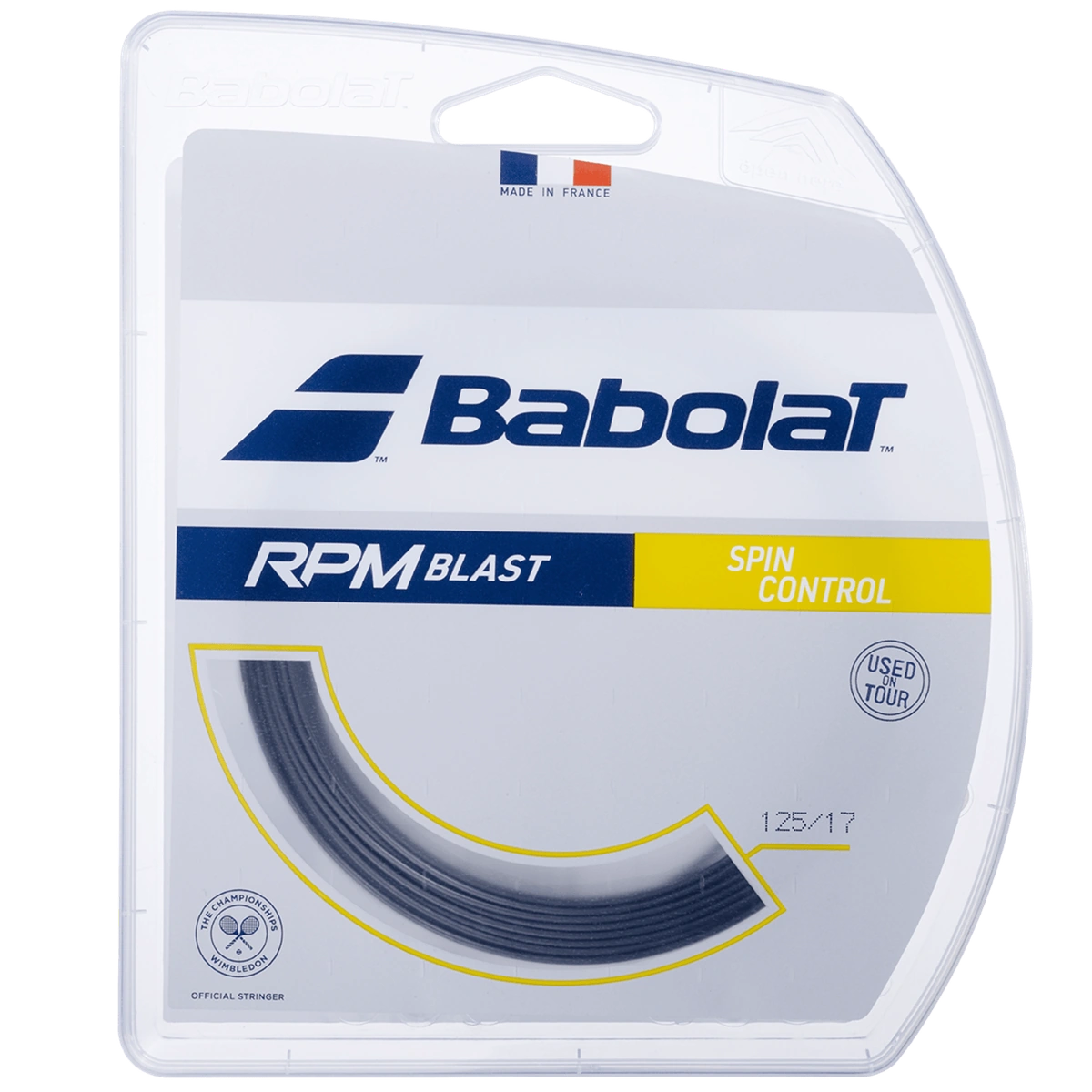
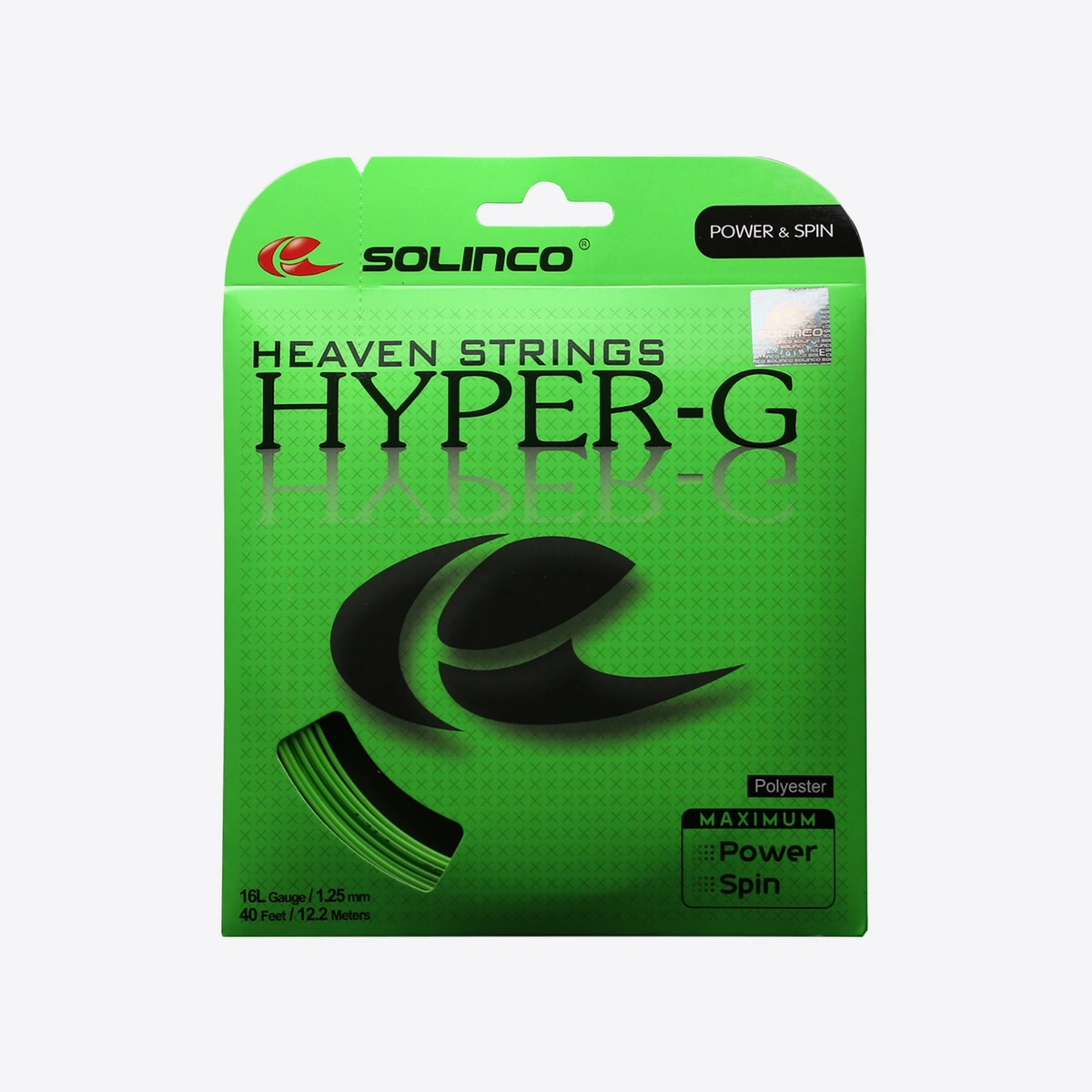
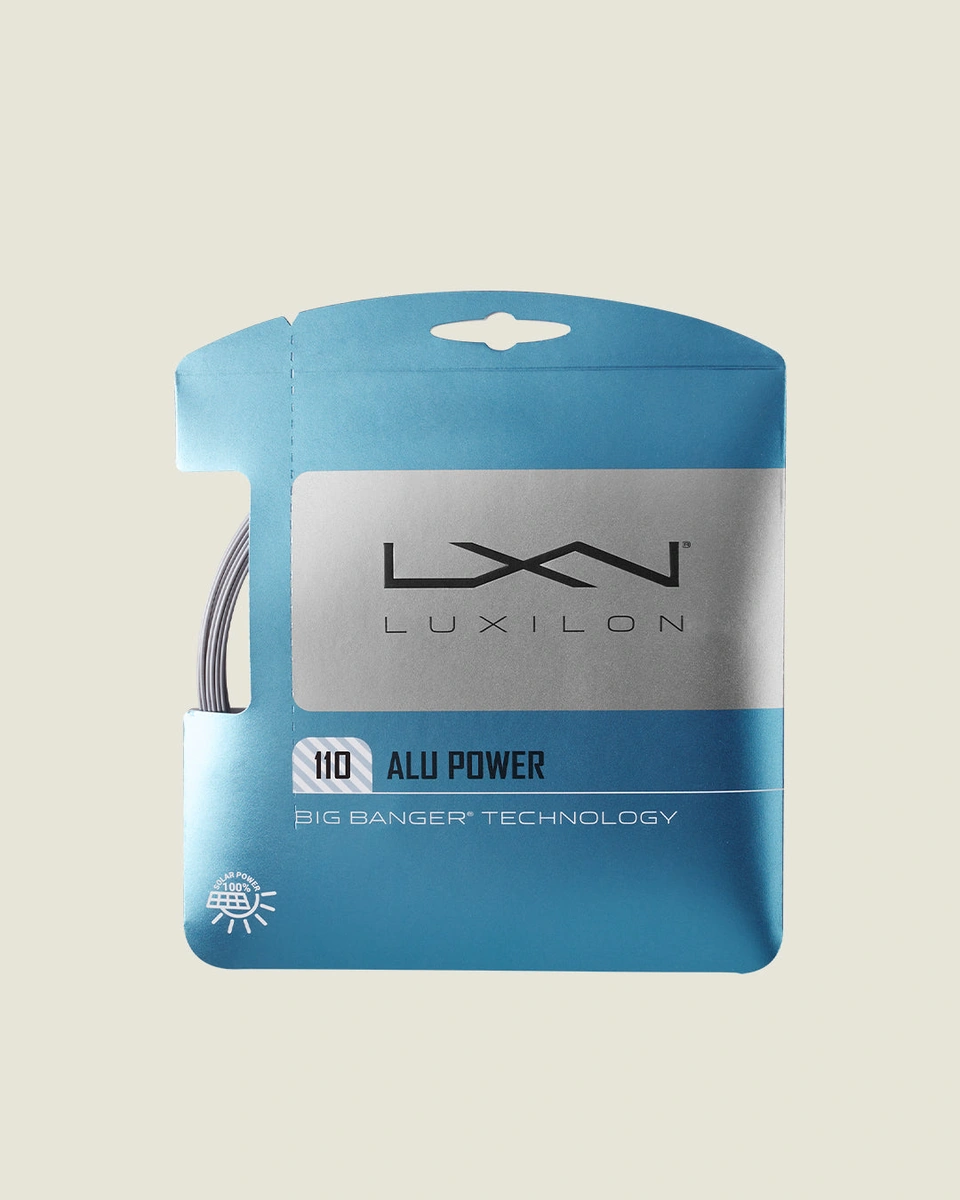
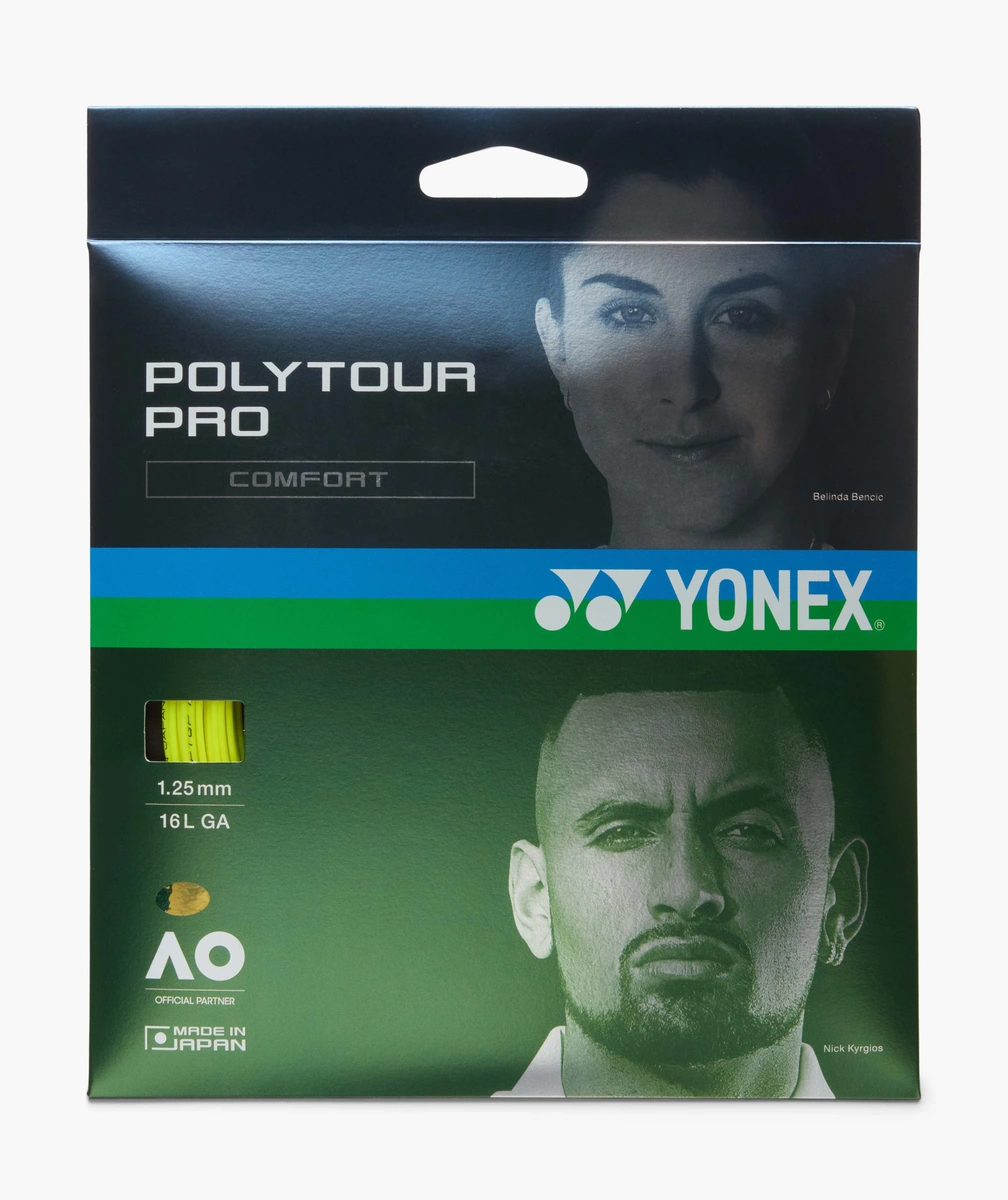
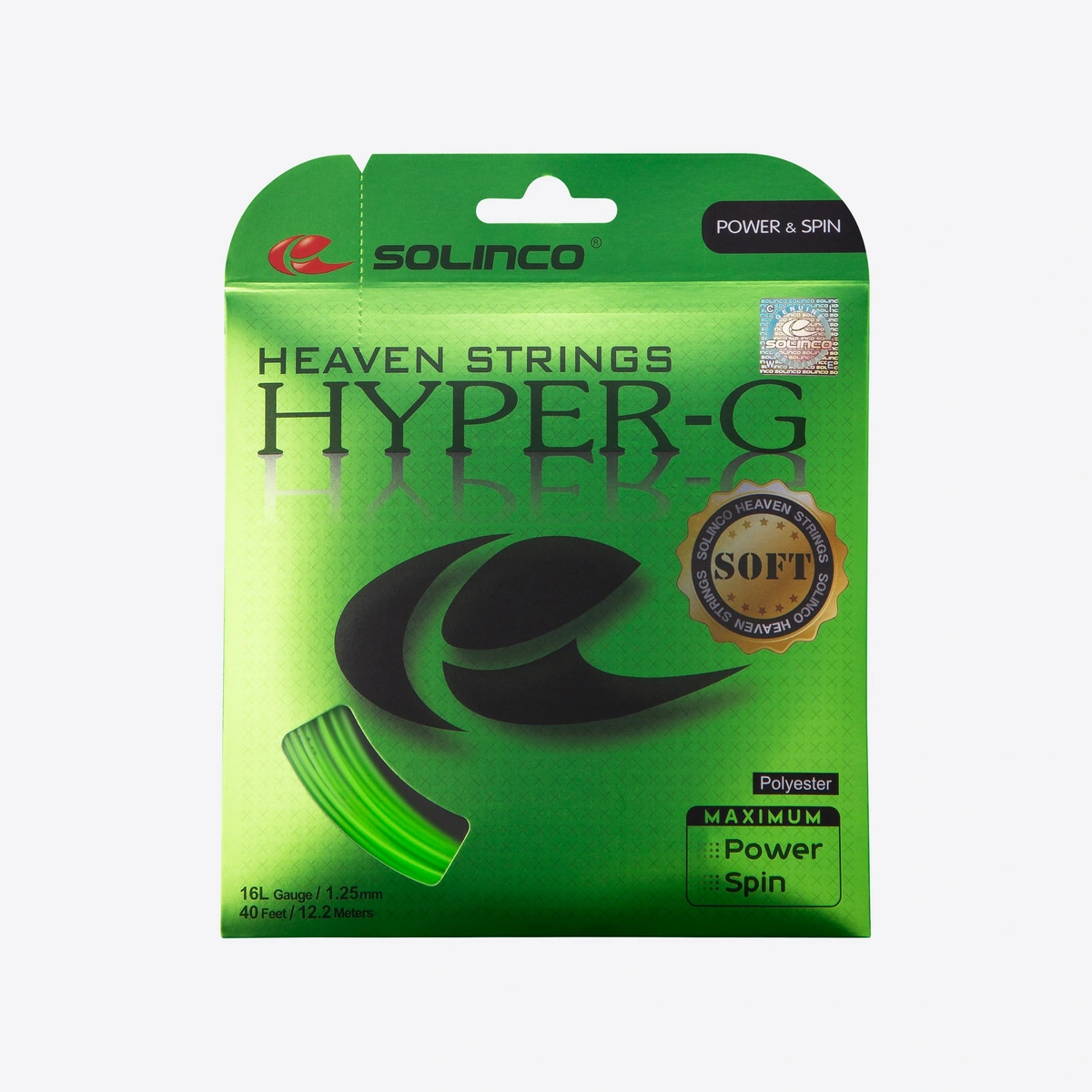
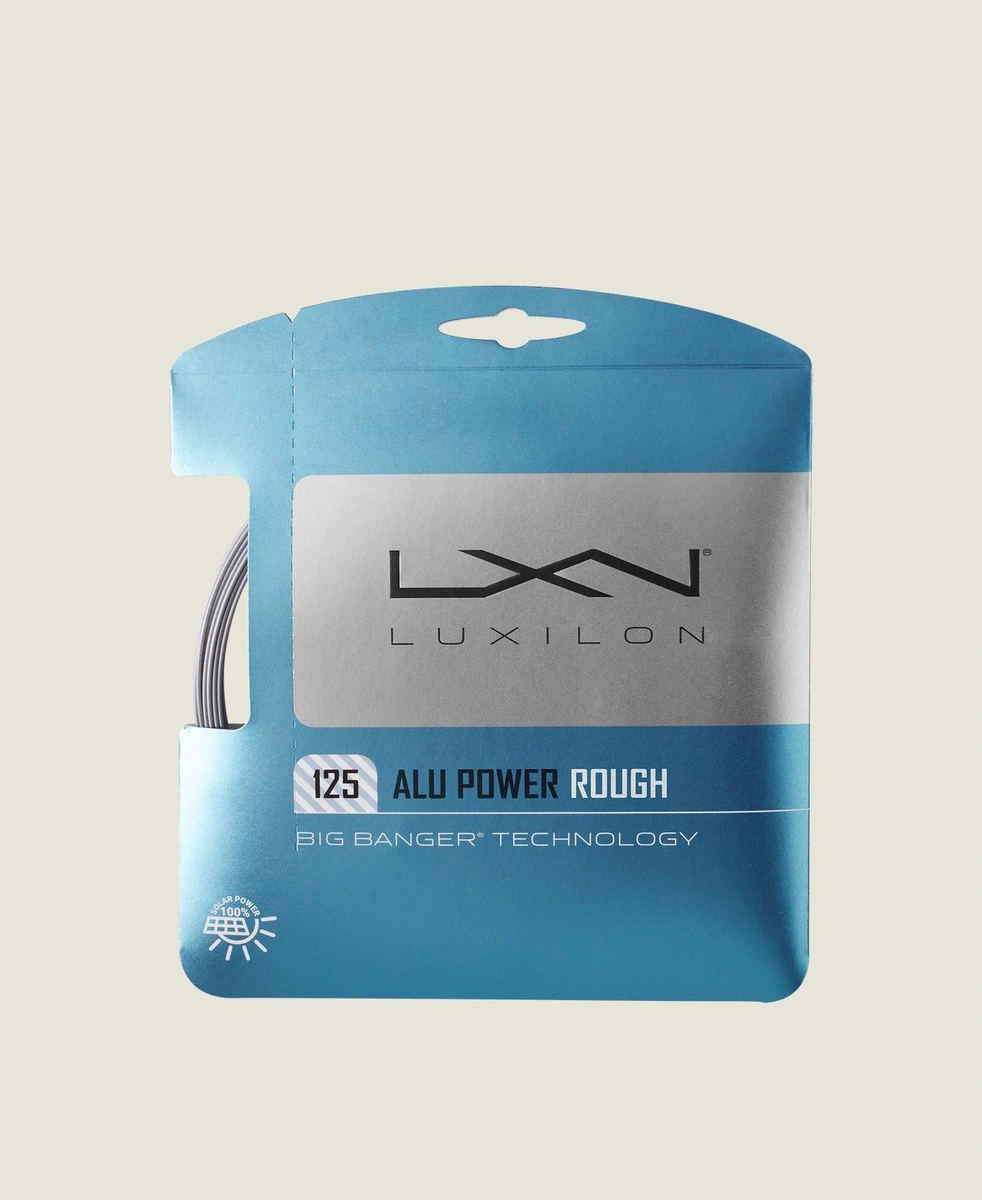
Strings to compare
A specs-based shortlist. Feel, fitness, and playing style still matter.
Reviewed sources
Yonex · View source ↗Similar racquets
TENNIS TENSION LAB
Check your racquet’s tension today.
Get a high-precision tension reading in under 10 seconds. Tension Lab tracks changes from your first reading and helps you see when to restring.
- High-precision tension measurement. Ready in under 10 seconds.
- Track every change in feel. See the full story over time.
- Time to restring? Never leave it to guesswork.