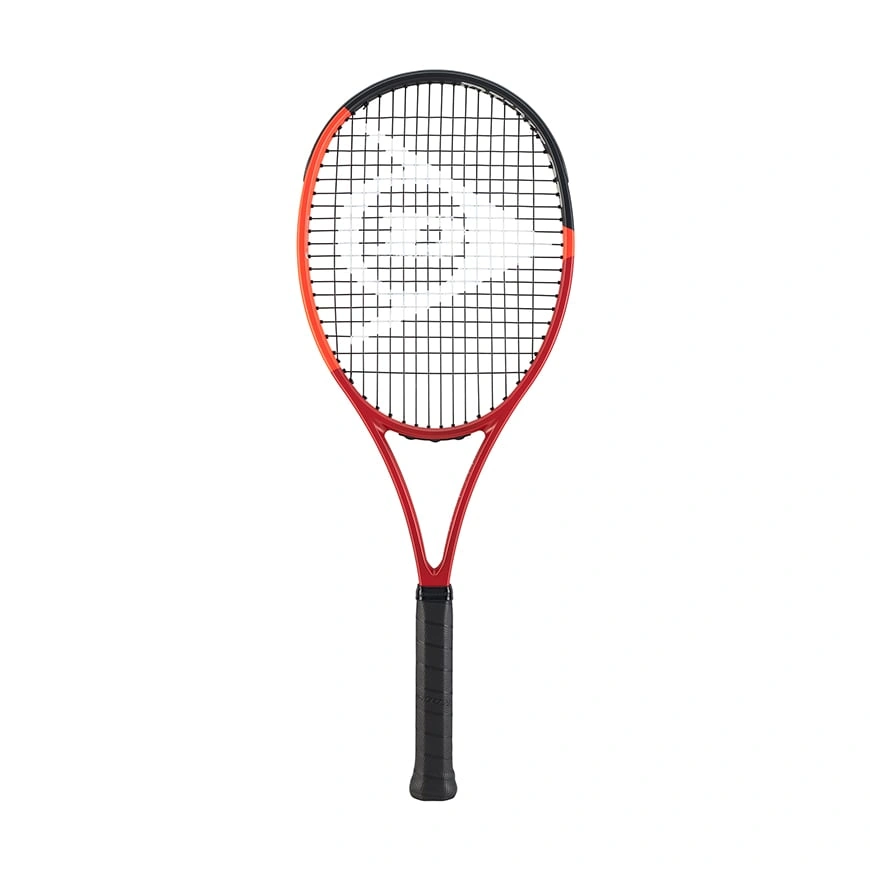
Dunlop · Current model
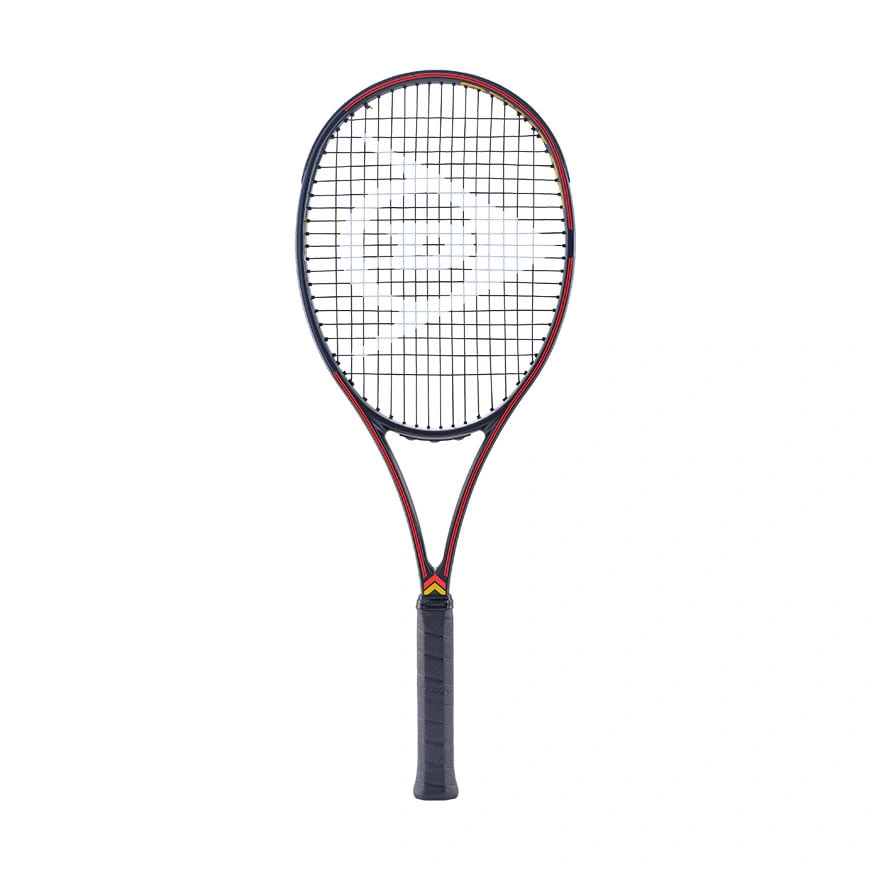
Dunlop CX 200
The 98 in² CX 200 is most interesting when you want to produce your own pace and keep preparation quick. Its thin beam and modest retail swingweight create a different decision from the larger CX 400 Tour; the useful question is which contact situations each frame makes easier.
Key specs
- Head size
- 98 in²
- String pattern
- 16 × 19
- Weight
- 305 g · Unstrung
- Length
- 27 in
- Frame profile
- 21.5 mm
- RA stiffness
- RA 65
- Balance
- 315 mm · Unstrung
- Status
- Current model
When comparing products
| Racquets | Head size in² | String pattern | Weight g | Swingweight | RA |
|---|---|---|---|---|---|
| Dunlop CX 200 | 98 | 16×19 | 305 | — | 65 |
| Babolat Pure Strike 16/19 Gen4 | 98 | 16×19 | 305 | — | 68 |
| Dunlop CX 200 Limited | 98 | 16×19 | 305 | — | 65 |
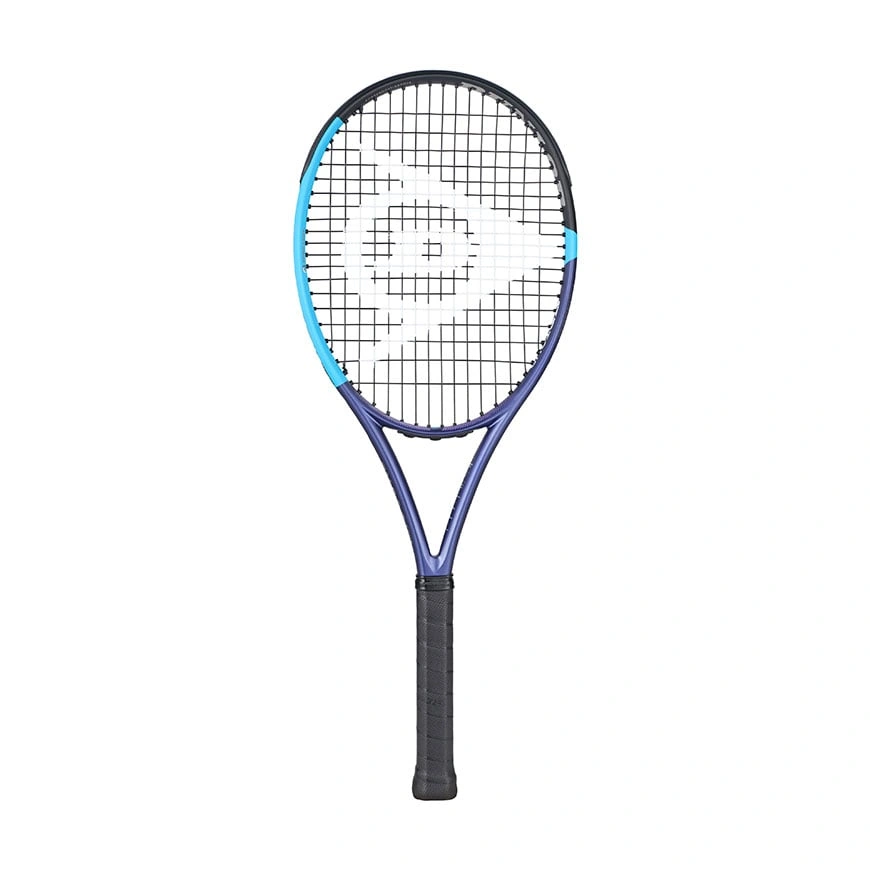
| Dunlop FX 500 TOUR | 98 | 16×19 | 305 | — | — |
Identify the 98, not just the CX 200 name
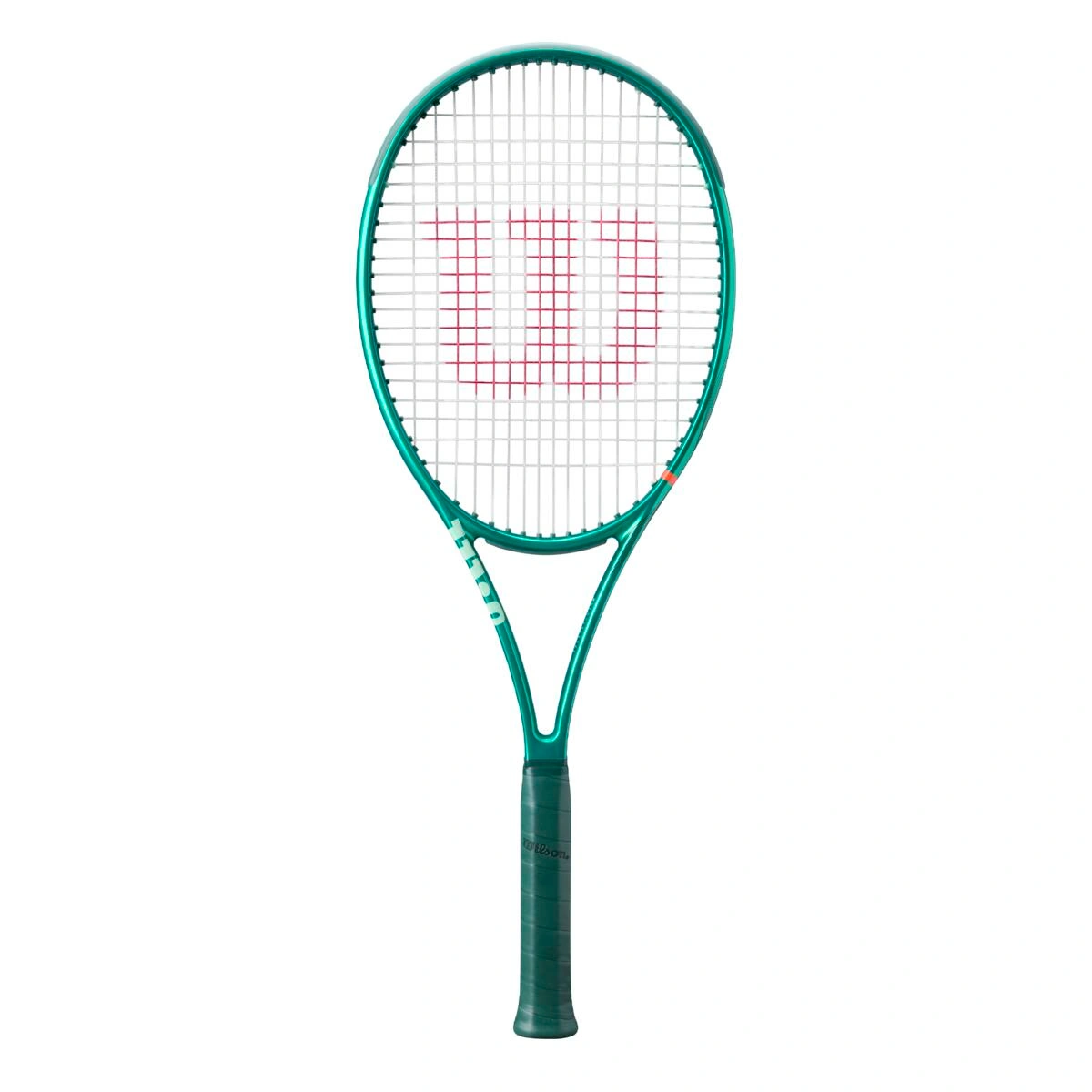
This is the red 2024 CX200-24: 98 in², 305 g unstrung, 315 mm unstrung balance, 27 inches and 16×19. Dunlop lists a single 21.5 mm beam width and 65 RA. It is not the smaller CX 200 Tour, nor the 18×20 Limited model. Check the head size and pattern when buying used or sourcing replacement parts.
The adjacent CX 400 Tour has a 100 in² head, 300 g unstrung weight and a 23 mm beam. These are different geometries, not a ranking of player ability. The 98 is worth testing when you can find the middle consistently but want clear feedback about face angle and contact quality.
314 swingweight describes a retail reference, not every frame
Tennis Warehouse lists 320 g strung, 32.08 cm balance, 314 swingweight and 64 RA. Keep those figures separate from the manufacturer’s unstrung mass and balance. The retailer prints 21.5 / 21.5 / 21.5 mm; that repeats the constant width rather than contradicting Dunlop’s single value. RA 65 versus 64 does not establish a measured change caused by stringing.
The retail reference has less inertia than the CX 400 Tour’s 317, despite slightly greater total mass. This can help explain why weight alone predicts handling poorly. Test a compact return and a rushed backhand: quick preparation is valuable only if the completed setup still holds direction against the incoming ball. Individual-frame variation is not quantified by these tables.
Open cross spacing and a box beam affect different parts of the response
TW describes a new mold, a more box-shaped section below the upper hoop and Powergrid Stringtech+ with wider cross-string spacing for 2024. It also describes Vibroshield and Sonic Core materials intended to modify vibration. These are the retailer’s design explanations, not our measurements of spin, dwell time or vibration reduction.
Do not read 16×19 as a complete map of the stringbed. Wider spacing can change launch and string movement even when the count stays the same. Separate the ability to drive a low approach from the ability to clear the net on a stretched defensive shot. A muted sound does not establish a softer stringbed.
Choose the string response before chasing a tension number
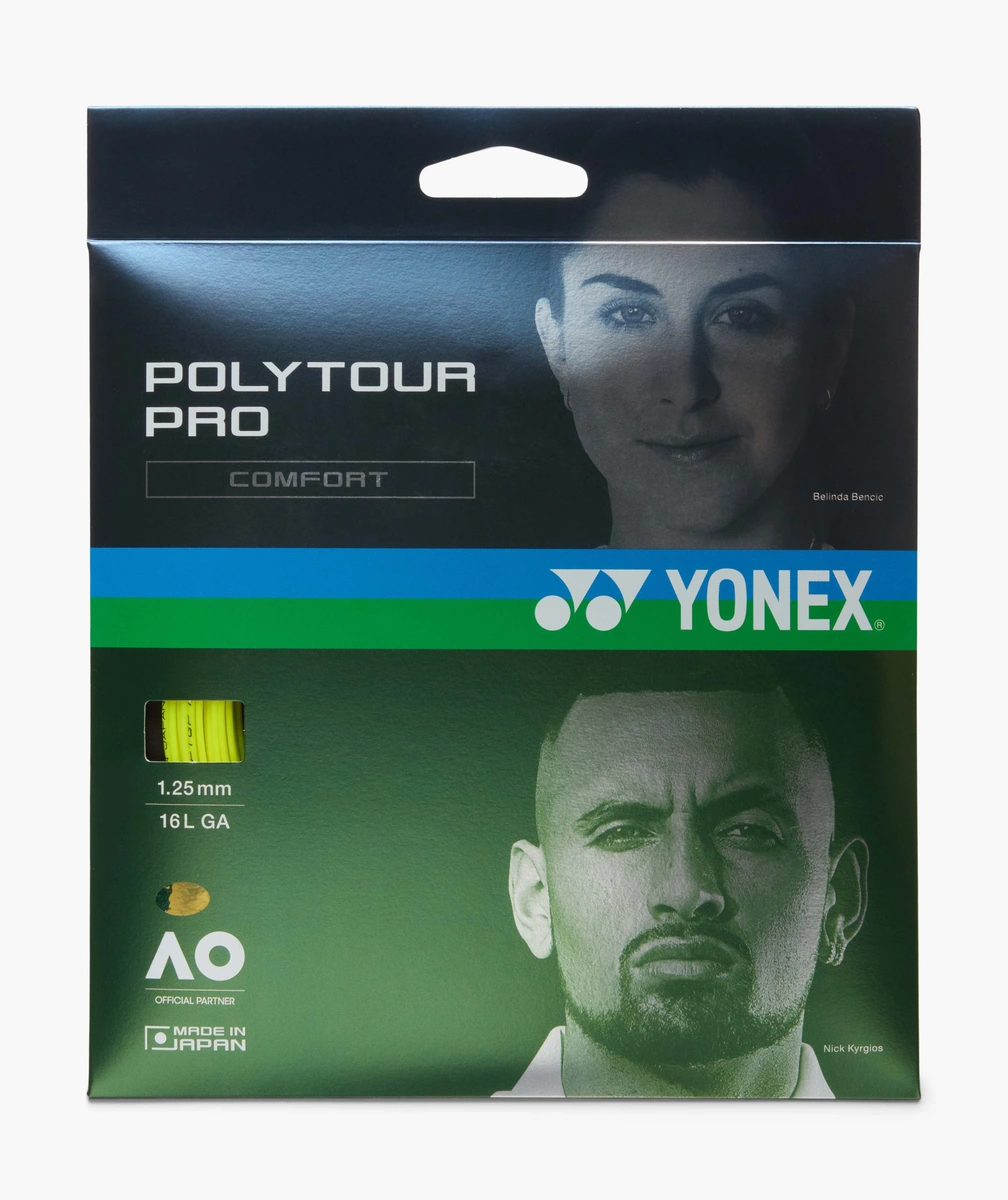
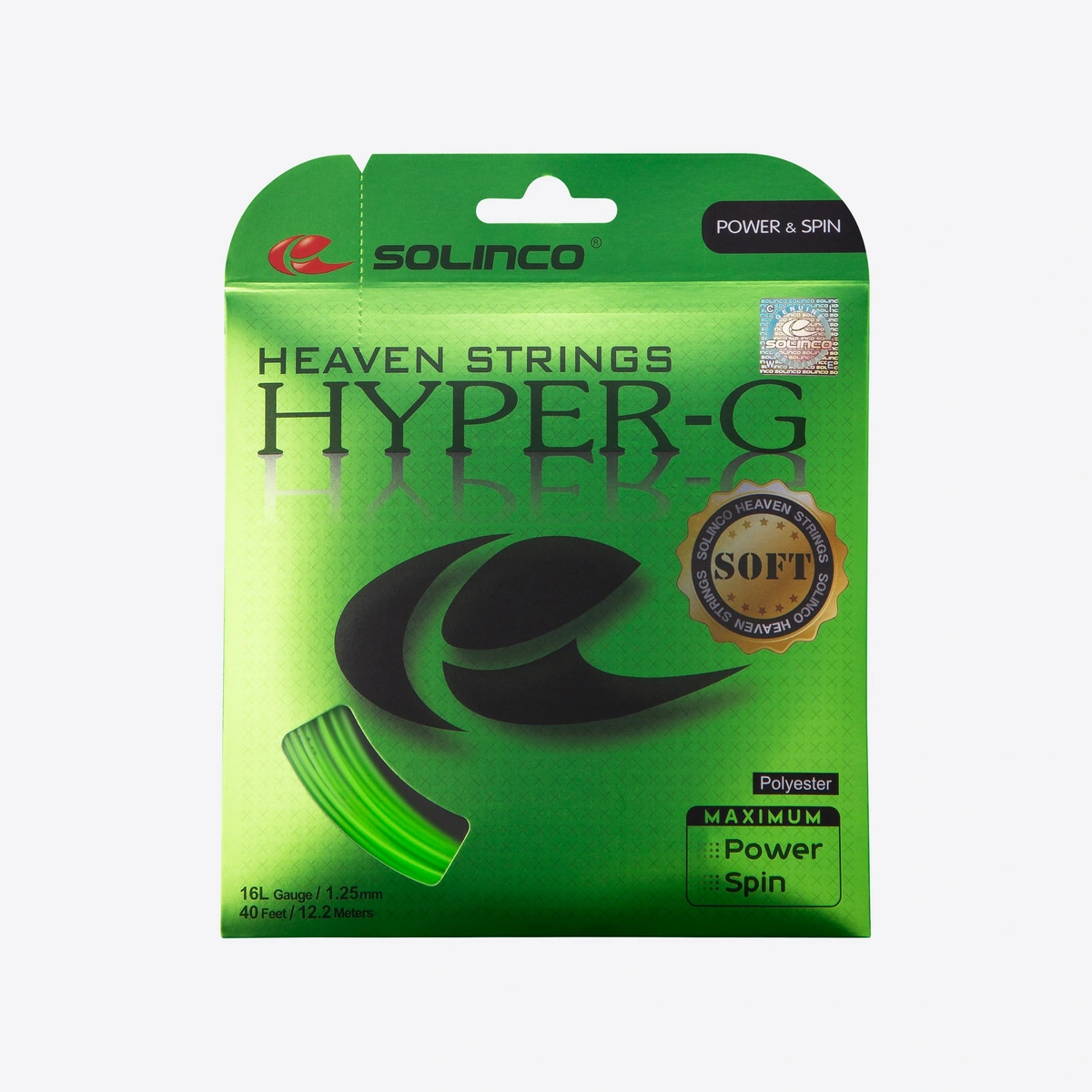
TW gives a broad 45–65 lb range. That is reference information, not evidence that a stiff polyester at the upper end suits this frame. If you already like a 1.25 mm polyester at 22 kg, use that familiar setup for the first comparison. It is a controlled example, not a universal starting prescription.
If centred attacking shots repeatedly finish long, try 22.5 kg with the same string and gauge after checking the condition of the current stringbed. If short depth accompanies a firm, unresponsive feel, consider a more elastic string instead of automatically increasing tension. Record hours played: a fresh string and a worn one are different comparison conditions.
Small additions at the tip can change the character quickly
Before adding weight, determine whether the problem is late preparation or insufficient stability on contact. Extra hoop mass may help the latter while worsening the former. A useful scale example is 2 g placed 58 cm from the standard 10 cm swingweight axis: 0.002 × 58² adds about 6.7 kg·cm². This is a point-mass calculation, not a measured modification to a particular CX 200.
Handle mass can move the balance toward the hand without cancelling the inertia added at the tip. Make one reversible change, then repeat the return and backhand sequence as well as serves. If a better stationary hit costs you repeated late contact, return to the previous setup. Do not copy a customer’s customized specification as a factory value.
A demo that makes the 98-versus-100 choice useful
Compare with CX 400 Tour using the same string model, gauge, ball condition and intended targets. Start with crosscourt drives, then alternate a short backswing return, a low approach and the first volley. Count long and short misses separately; a single impressive winner says little about the next service game.
Choose the CX 200 if its contact feedback and preparation speed improve your frequent shots while defensive depth remains manageable. If reaching the middle or maintaining depth under pressure takes too much effort, the 400 Tour deserves the same test. TW lists two-piece stringing, skipped mains 8T and 8H, and no shared holes; obtain the exact model’s tie-off instructions before restringing.
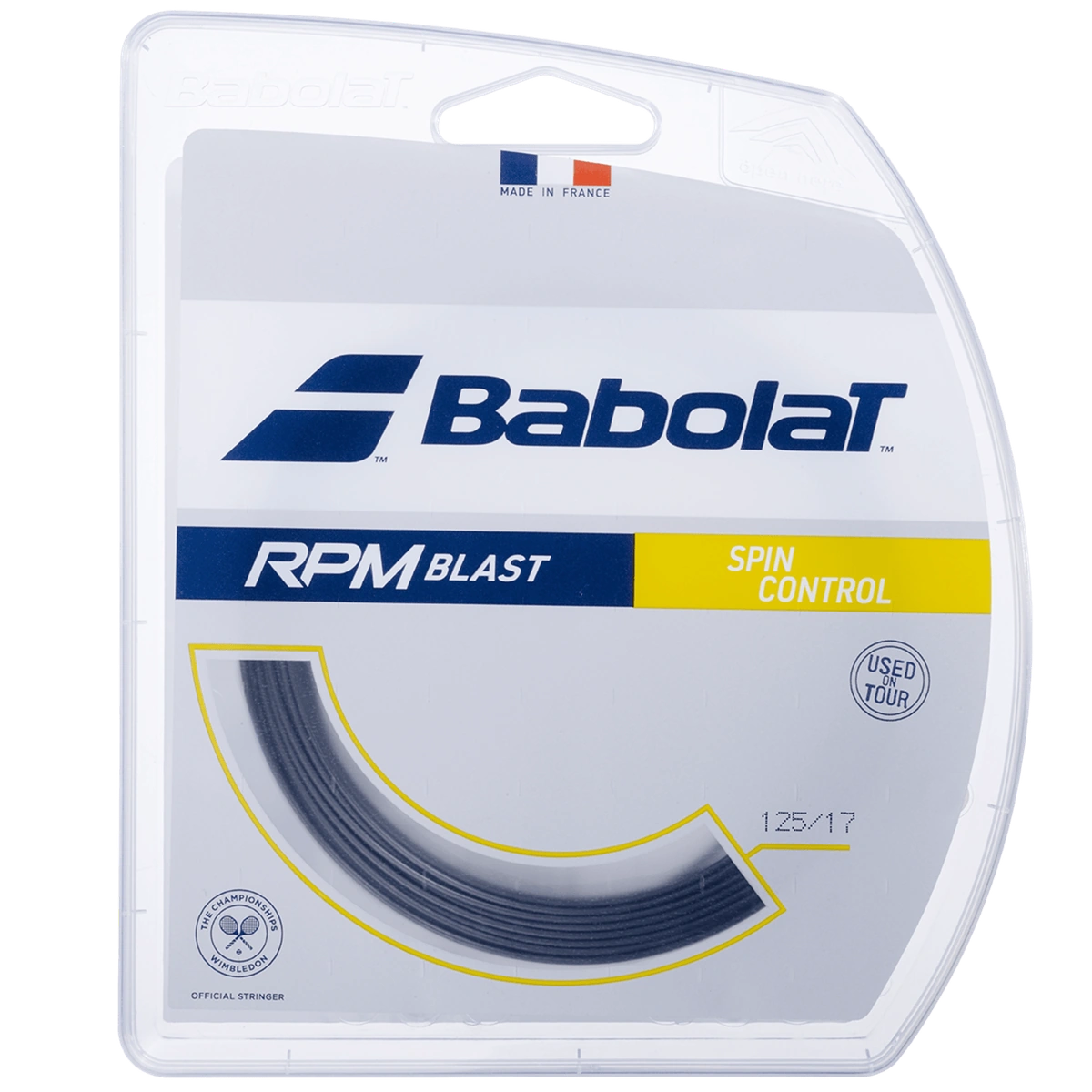
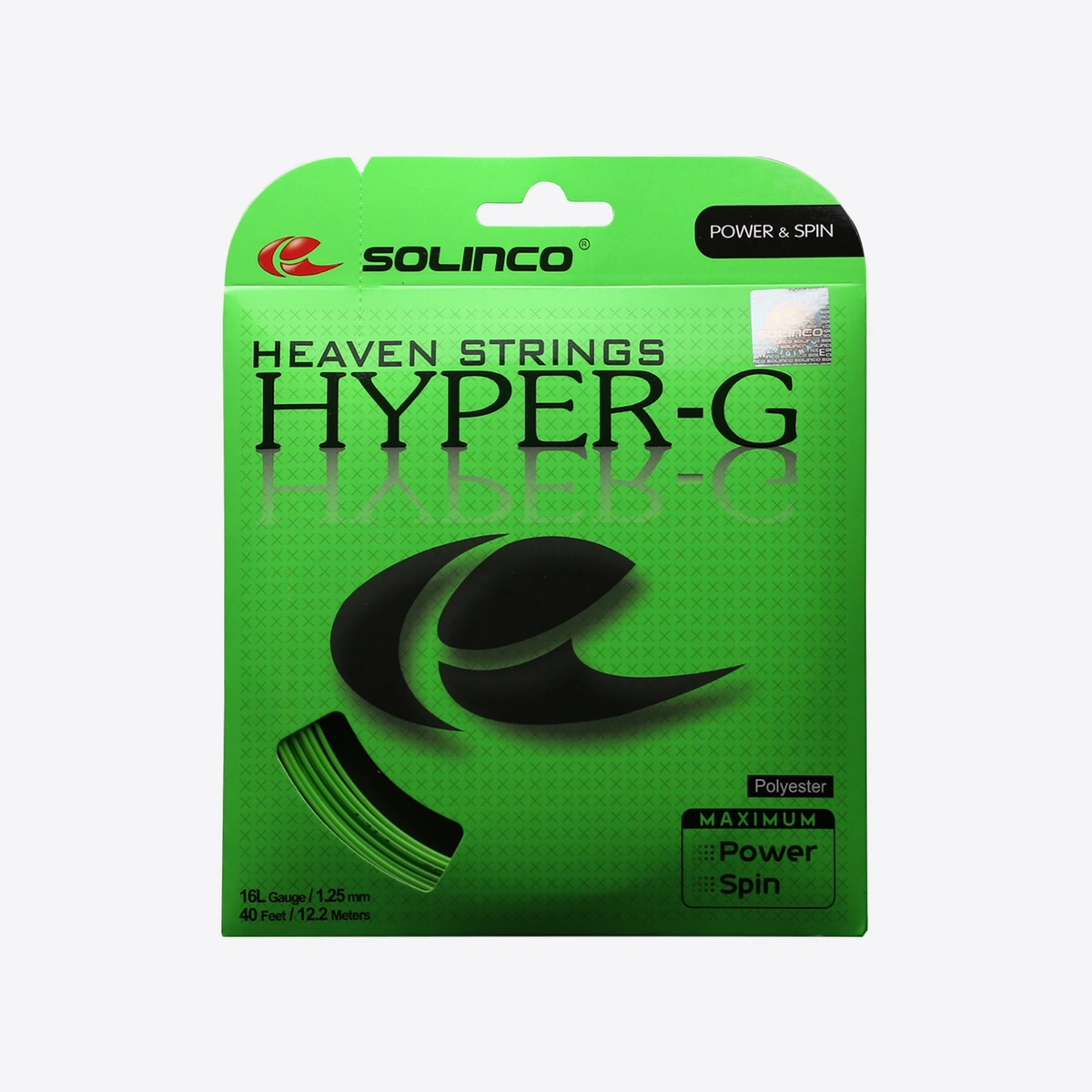
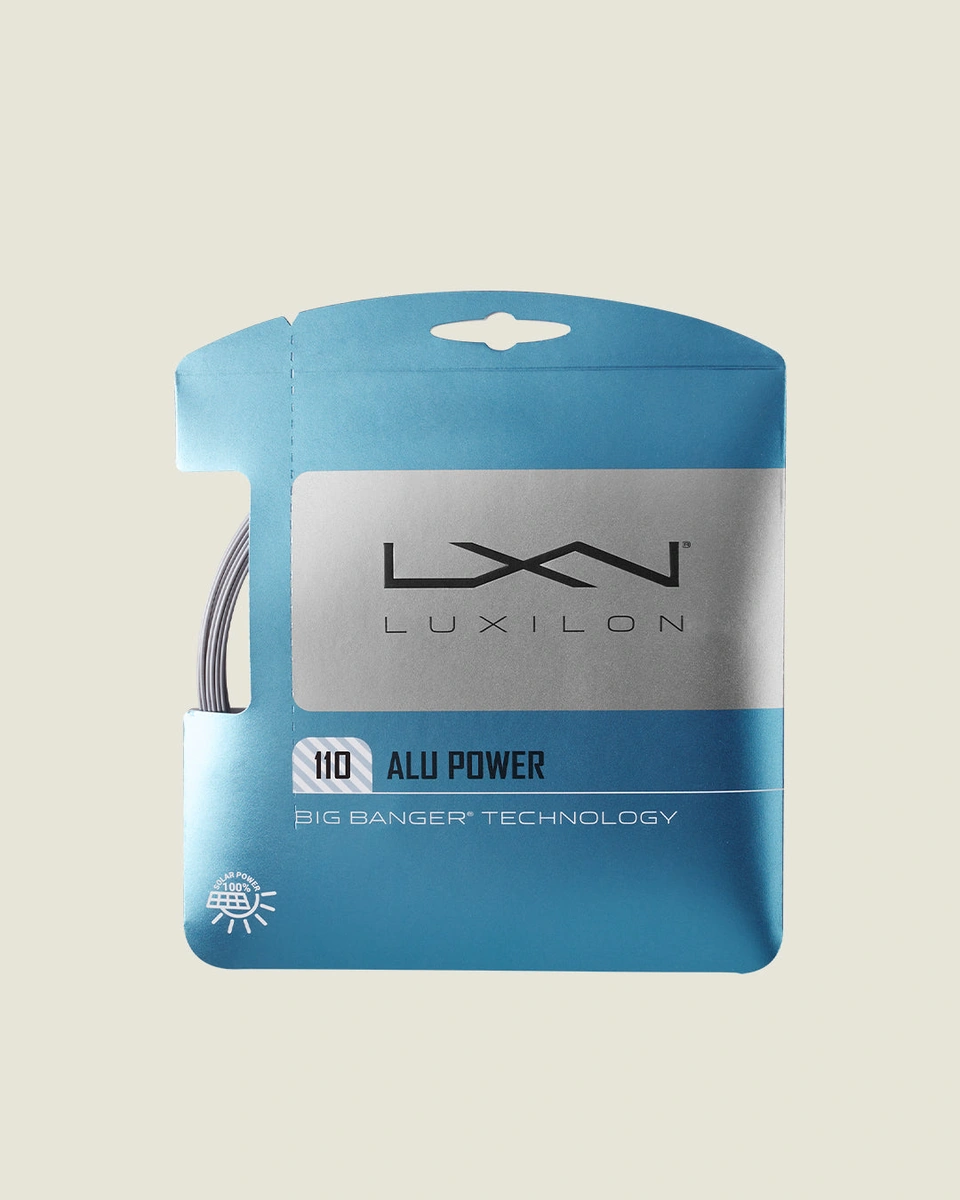
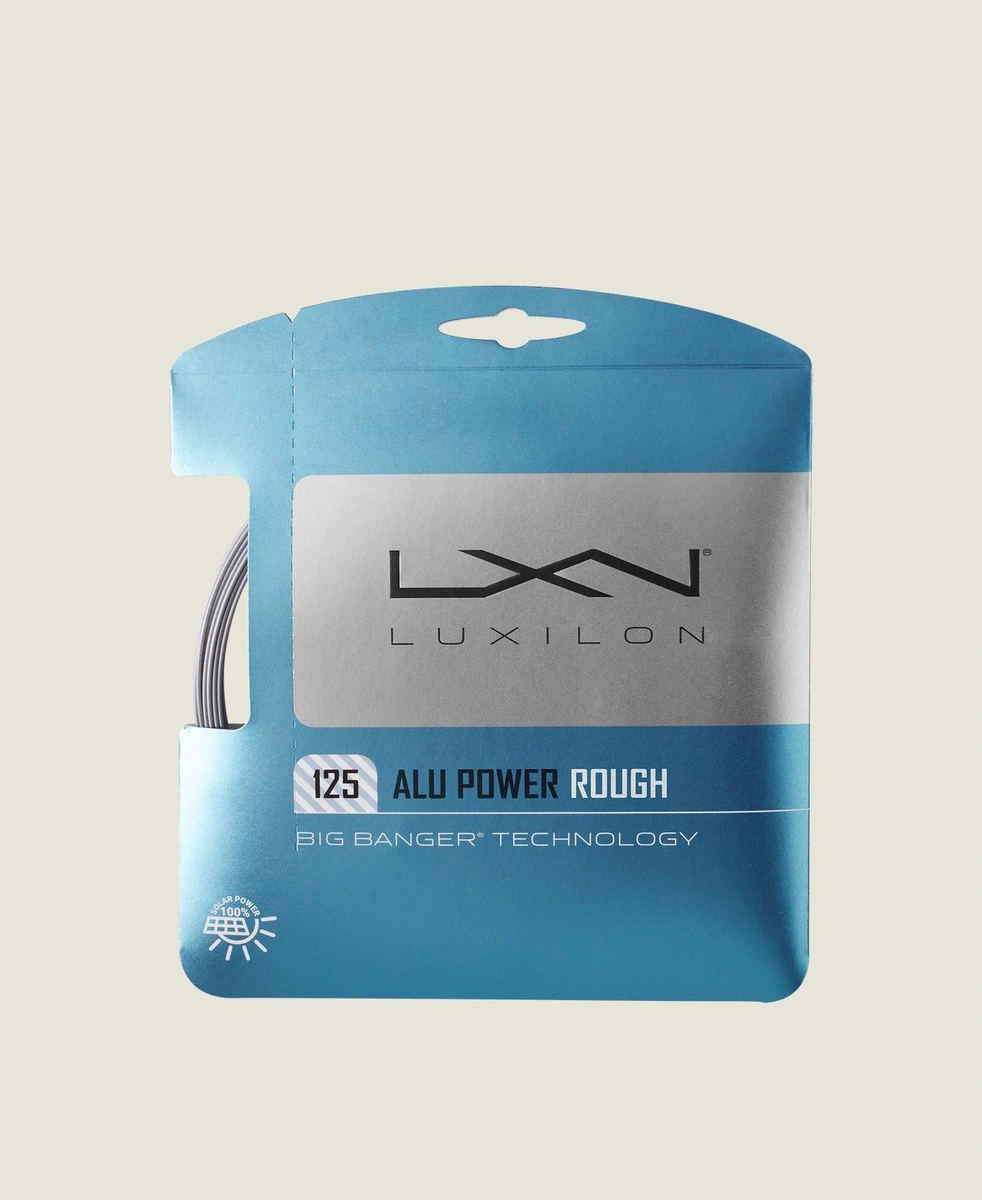
Strings to compare
A specs-based shortlist. Feel, fitness, and playing style still matter.
Reviewed sources
Dunlop · View source ↗Similar racquets
TENNIS TENSION LAB
Check your racquet’s tension today.
Get a high-precision tension reading in under 10 seconds. Tension Lab tracks changes from your first reading and helps you see when to restring.
- High-precision tension measurement. Ready in under 10 seconds.
- Track every change in feel. See the full story over time.
- Time to restring? Never leave it to guesswork.