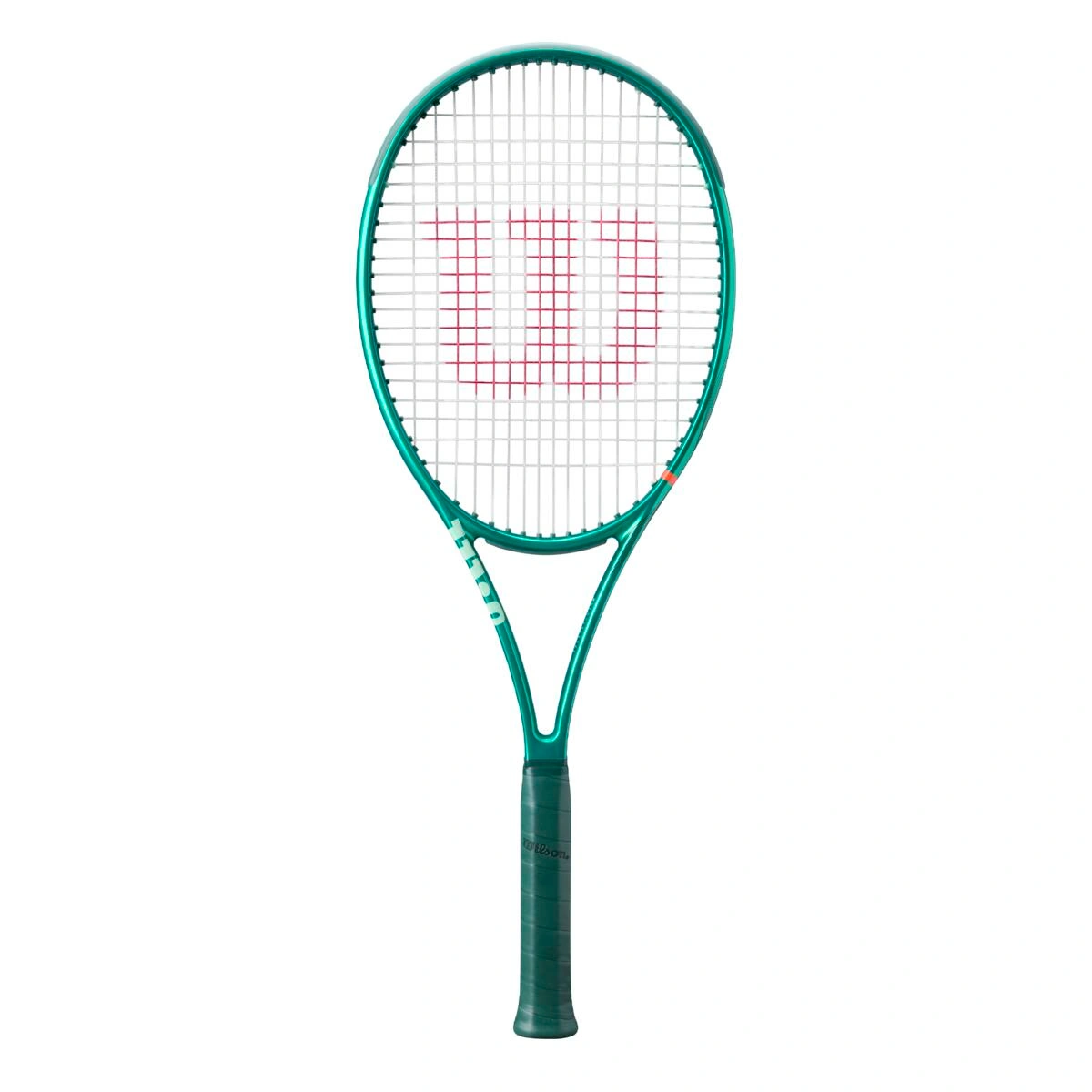
Wilson · Current model
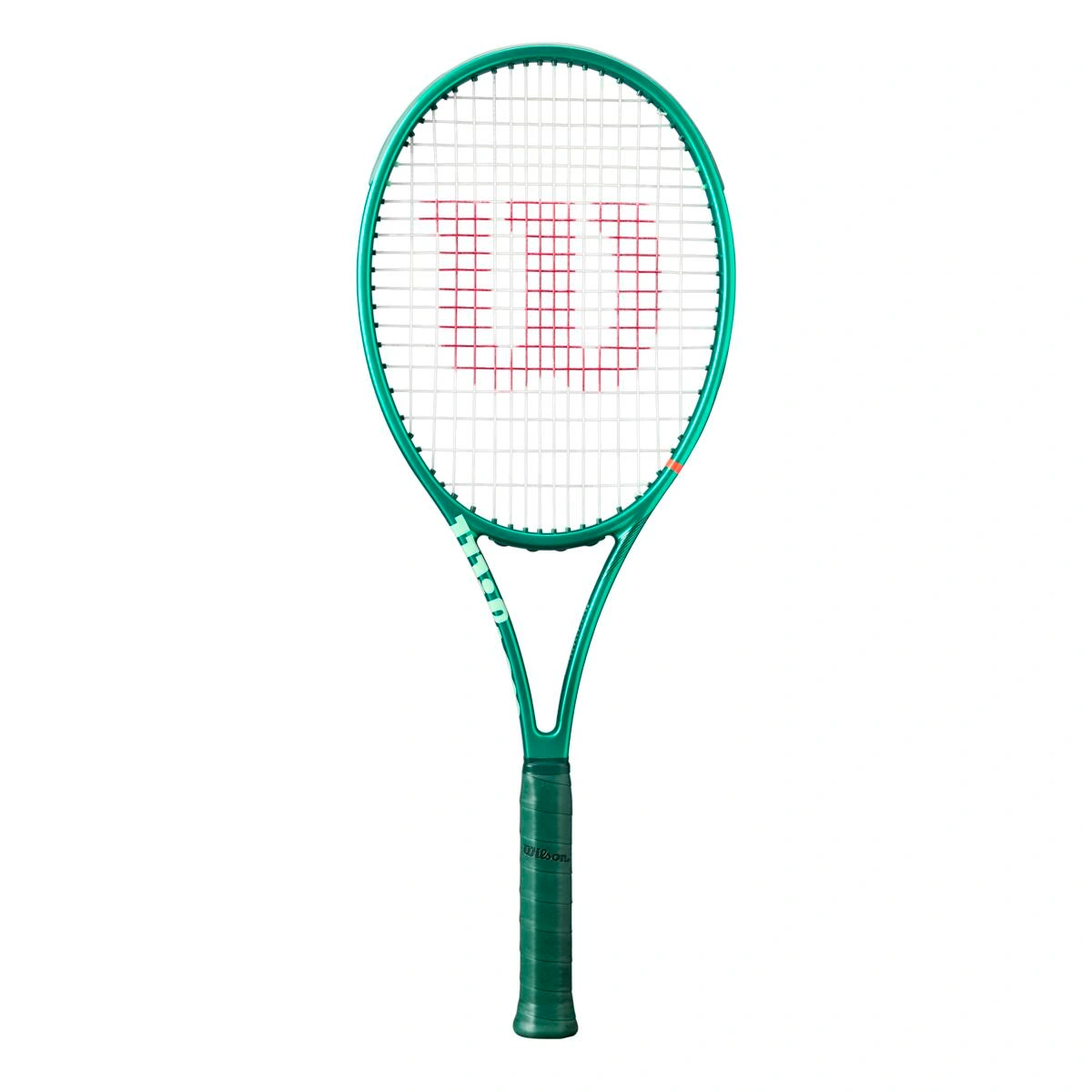
Wilson BLADE 98 16X19 V10
Wilson specifies 305 g unstrung and a 32.0 cm balance. Tennis Warehouse lists strung reference values of 323 g, 322 swingweight and 61 RA. Separate the specifications shared with the 18×20 from pattern differences, then check contact and preparation against the Blade 100.
Key specs
- Head size
- 98 in²
- String pattern
- 16 × 19
- Weight
- 305 g · Unstrung
- Length
- 27 in
- Frame profile
- 21.5 / 20.5 mm
- Balance
- 320 mm
- Status
- Current model
When comparing products
| Racquets | Head size in² | String pattern | Weight g | Swingweight | RA |
|---|---|---|---|---|---|
| Wilson BLADE 98 16X19 V10 | 98 | 16×19 | 305 | — | — |
| Babolat Pure Strike 16/19 Gen4 | 98 | 16×19 | 305 | — | 68 |
| Dunlop CX 200 | 98 | 16×19 | 305 | — | 65 |
| Dunlop CX 200 Limited | 98 | 16×19 | 305 | — | 65 |
305 g and 323 g describe different measurement conditions
Wilson Japan lists 98 in², 16×19, 27 inches, 305 g unstrung and a 32.0 cm balance. TW supplies strung references of 323 g, 33.02 cm and 322 swingweight. The 18 g difference is not a measurement of one particular string's mass. Manufacturer nominal specifications and retailer references are not a before-and-after experiment on the same unit.
To reproduce a demo, record finished weight and balance with strings, overgrip and dampener included. Weight in the hand and resistance to rotation during a swing are different quantities. Two nominally 305 g models can require different preparation when their mass is distributed differently.
Do not attribute every 18×20 difference to the pattern
Wilson also specifies the V10 18×20 at 305 g and 32.0 cm unstrung. TW's strung references match at 323 g, 33.02 cm and 61 RA, but its swingweight is 325 against the 16×19's 322. That does not establish that the extra strings caused the difference. The units and measurement variation are unknown, so the isolated pattern effect cannot be calculated here.
Using the same string and gauge, compare high-clearance crosscourt balls, short blocked returns and low defensive replies. If the 16×19 makes depth easier, check that short blocks remain manageable. If the 18×20 makes drives more repeatable, check that rushed defensive shots do not continually fall short.
Reading TURBO TAPER and StableFeel as construction information
Wilson describes a 21.5–20.5 mm taper; TW's table lists 21.5/21.5/20.5 mm. Replacing those values with one average thickness would hide the changing section. Wilson's updated StableFeel description and TW's StableFeel+ wording explain design intent; they are not torsional-stiffness measurements performed by this site.
The 61 RA value describes frame bending. It does not stand in for resistance to twisting at a lateral off-centre contact, stringbed stiffness or personal comfort. Separate clean-contact depth from off-centre direction changes to test whether the construction description helps explain situations you repeatedly encounter.
Against the Blade 100, check head area and preparation together
The Blade 100 V10 uses 100 in², 16×19 and 27 inches, with a manufacturer unstrung mass of 300 g. TW lists 318 g strung, 319 swingweight and 61 RA. It is lighter with a larger head, but the table cannot quantify a percentage reduction in your misses.
Compare actual contact on running forehands and high backhands. Note whether frame contacts decrease with the 100, and whether easier preparation is accompanied by a loss of depth against incoming pace. Stationary central hits alone do not settle the head-size choice.
Within 47–57 lb, begin with the problem you want to change
TW lists a 47–57 lb tension range. Its midpoint or another player's setting is not an individual optimum. Retain a familiar string model and gauge, then record fresh-string depth and actual playing time.
A return that runs long from the first session is different from a response that changes after repeated use. Changing material, gauge and tension together makes the useful adjustment hard to identify. When matching two racquets, finished swingweight and balance provide more information than nominal weight alone.
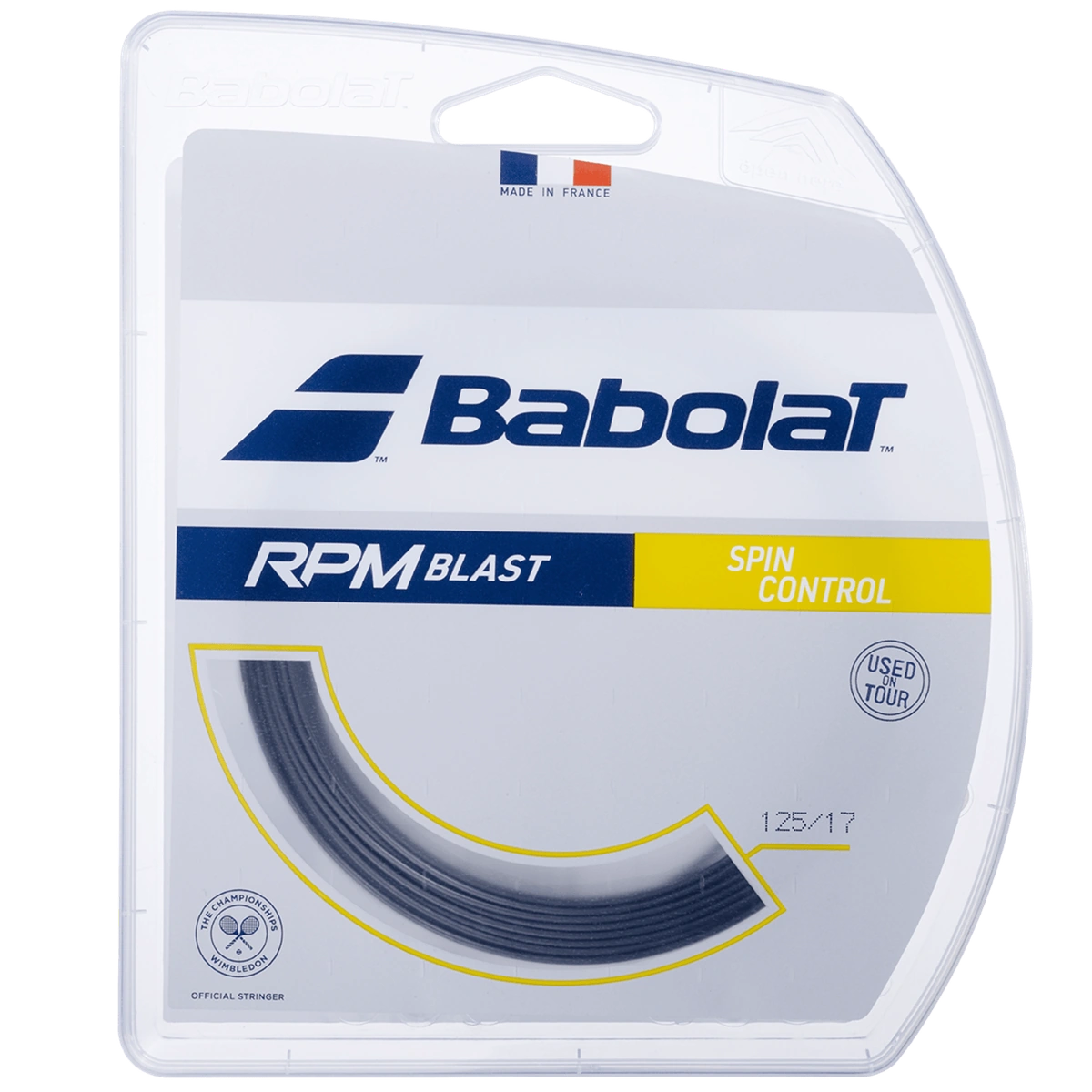
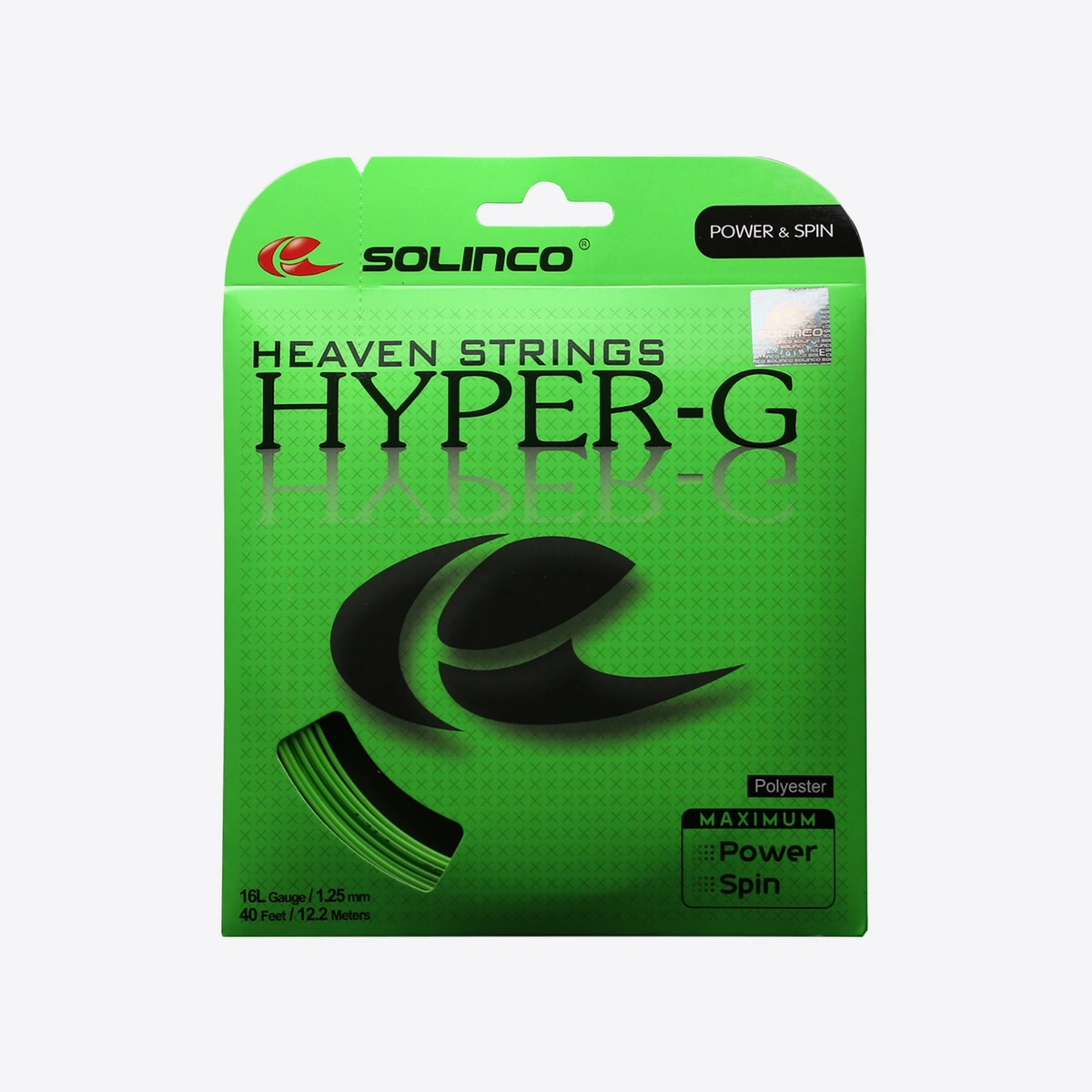
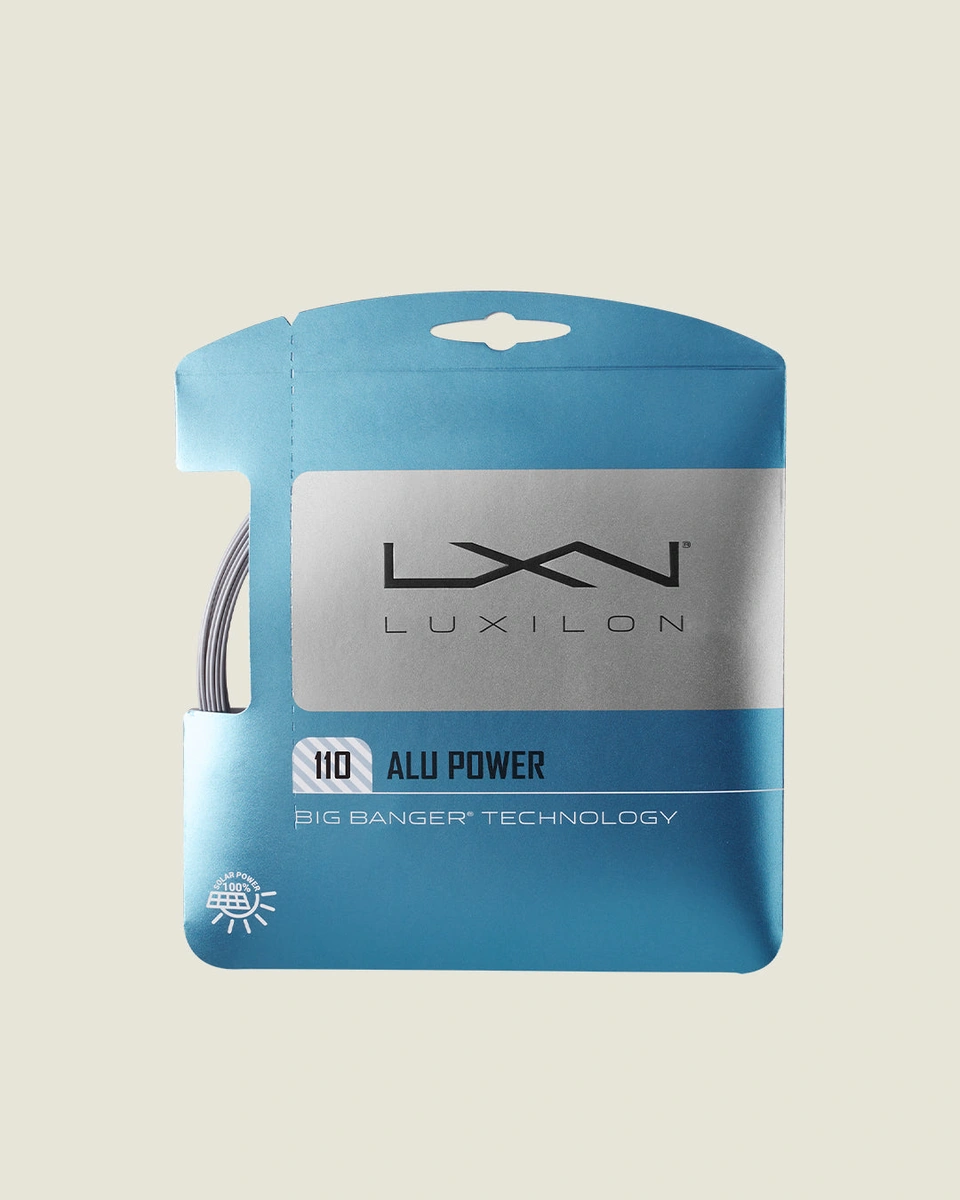
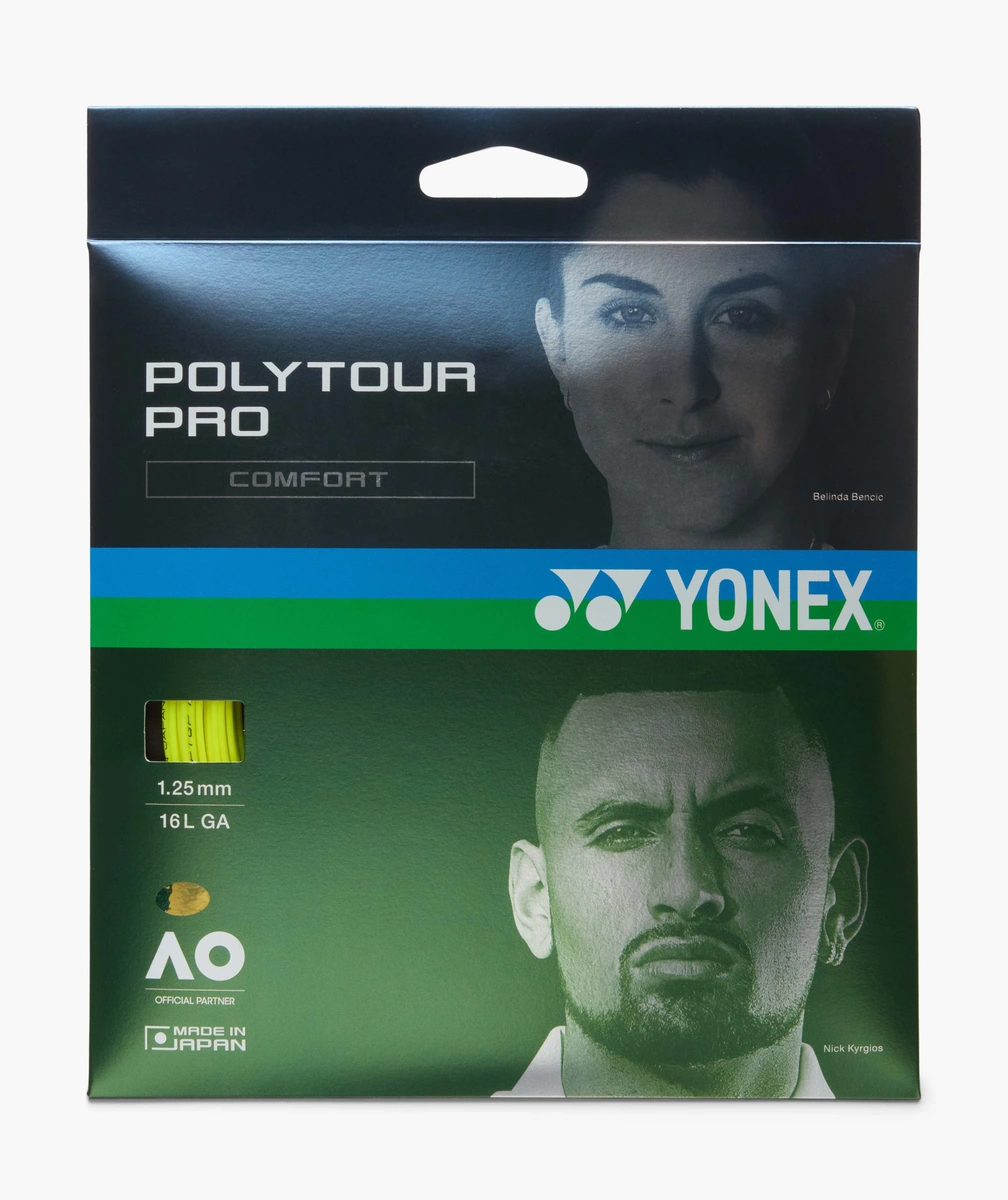
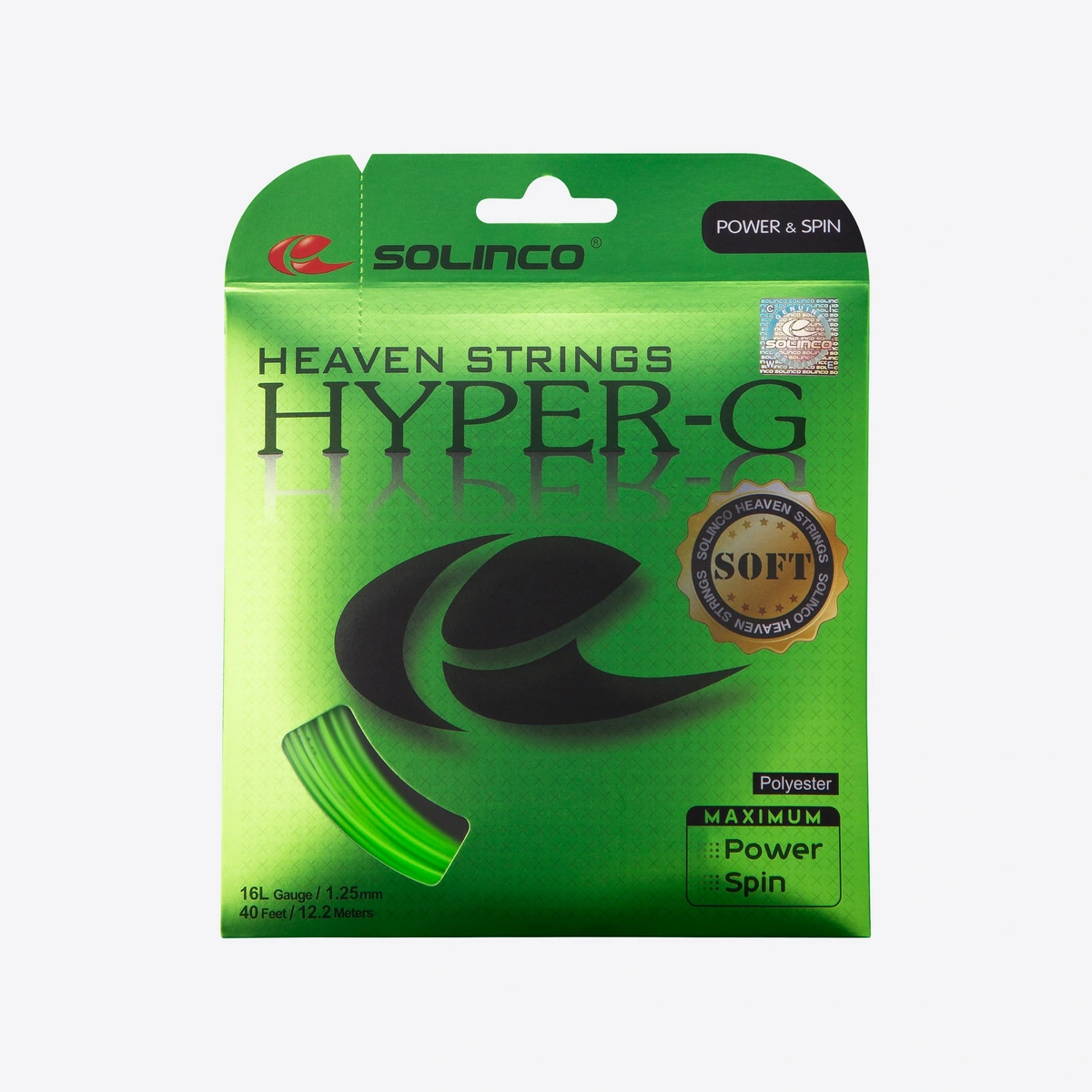
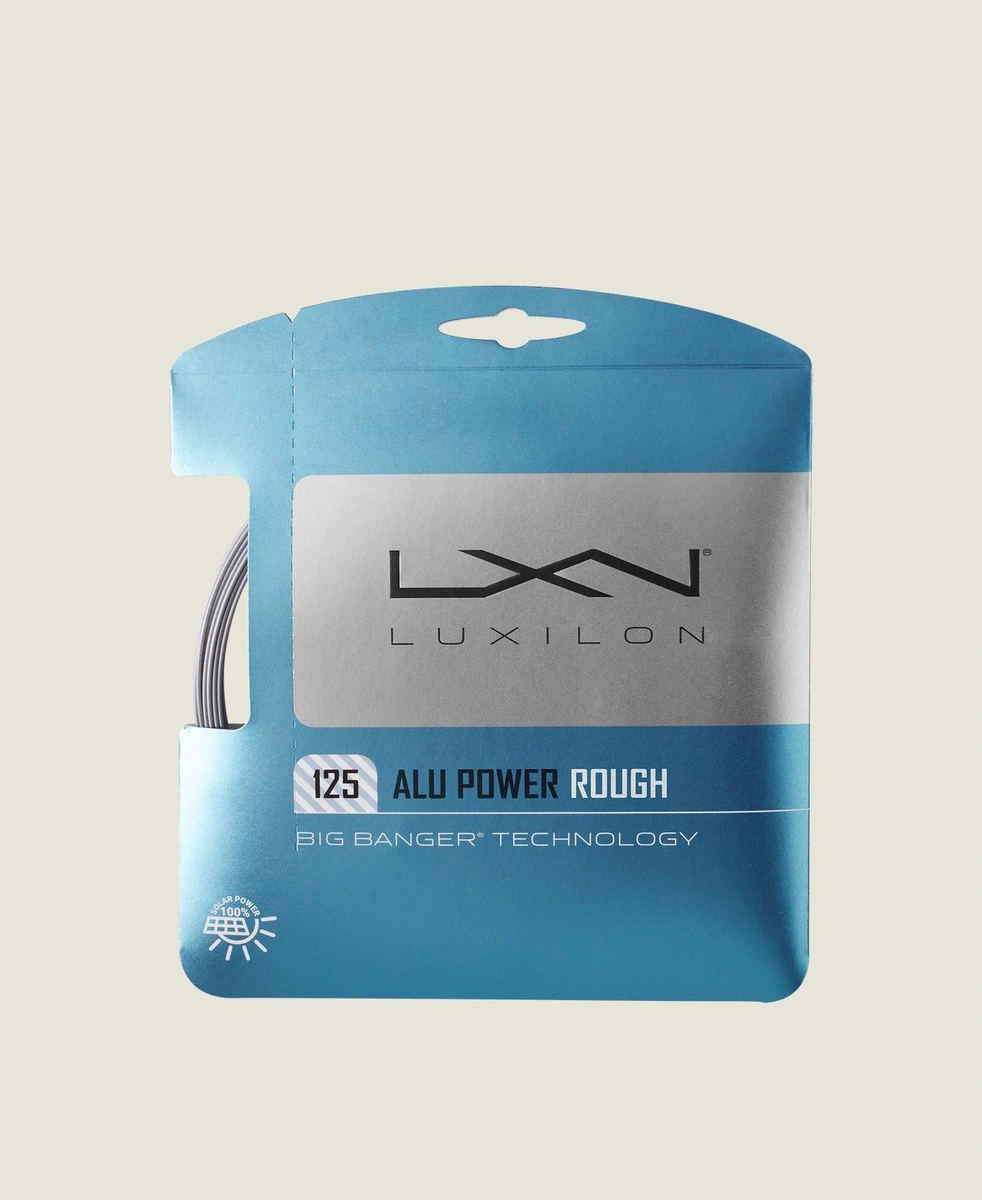
Strings to compare
A specs-based shortlist. Feel, fitness, and playing style still matter.
Reviewed sources
Wilson · View source ↗Similar racquets
TENNIS TENSION LAB
Check your racquet’s tension today.
Get a high-precision tension reading in under 10 seconds. Tension Lab tracks changes from your first reading and helps you see when to restring.
- High-precision tension measurement. Ready in under 10 seconds.
- Track every change in feel. See the full story over time.
- Time to restring? Never leave it to guesswork.