Yonex · Current model
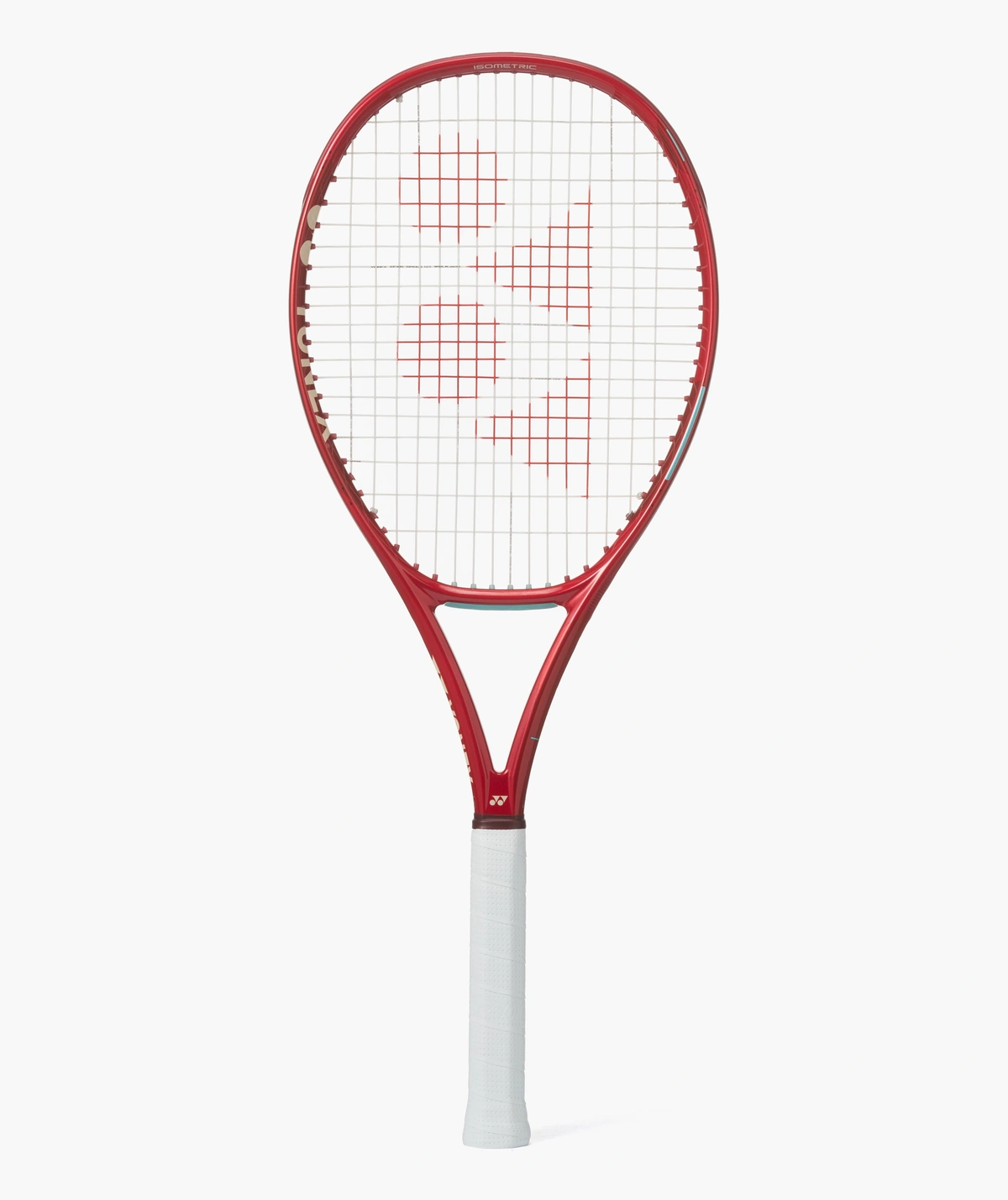
Yonex VCORE 100
The 100 in², 300 g VCORE 100 combines a 16×19 pattern with a 24–26–23 mm beam and a nominal 320 mm balance. Compare the complete specification with the 98, then separate a higher launch from added spin during a demo.
Key specs
- Head size
- 100 in²
- String pattern
- 16 × 19
- Weight
- 300 g · Unstrung
- Length
- 27 in
- Frame profile
- 24 / 26 / 23 mm
- Balance
- 320 mm
- Recommended tension
- 45–60 lb
- Status
- Current model
When comparing products
| Racquets | Head size in² | String pattern | Weight g | Swingweight | RA |
|---|---|---|---|---|---|
| Yonex VCORE 100 | 100 | 16×19 | 300 | — | — |
| Babolat Pure Drive Gen11 | 100 | 16×19 | 300 | — | 72 |
| Babolat Pure Strike 100 Gen4 | 100 | 16×19 | 300 | — | 68 |
| Dunlop CX 400 Tour | 100 | 16×19 | 300 | — | 68 |
The 100 and 98 differ in more than head size
The official specification for item 08VC100 is 100 in², 300 g unstrung, 27 inches and 16×19. The beam profile is 24–26–23 mm, with a nominal manufacturer balance of 320 mm. The 08VC98 has 98 in², 305 g, a 23–23.5–22 mm beam and 315 mm balance, so area, mass, section geometry and centre of mass change together.
Being 5 g lighter does not establish easier acceleration. Balance locates the centre of mass; swingweight describes resistance to rotation. The global table does not explicitly label the balance measurement as strung or unstrung. Its nominal value cannot replace measured swingweight for the two racquets with their playing strings and grips installed.
Read the four design goals without inventing a spin percentage
Yonex describes the eighth generation through four elements: sweet spot, snapback, speed and stability. The upper-frame shape and horizontally designed upper grommets address the hitting area and string movement; the aerodynamic frame addresses drag during the swing. These are design aims, separate from a particular player's resulting ball rotation.
The ISOMETRIC claim of a 7% larger sweet spot is a Yonex test comparison with a conventional round frame. It does not mean 7% more spin than the previous VCORE. Racquet speed and path, ball–string friction and string movement all contribute to spin. A higher flight path alone does not demonstrate an increase in rotation.
Track clearance and landing depth when changing strings
The recommended reference-tension range is 45–60 lb. At the same machine setting, material, gauge, string length and time in use can still produce different stringbed responses. Start a comparison with a familiar string and gauge, and avoid changing material and tension simultaneously if you want to identify the cause of a difference.
If balls are going longer, record net clearance separately from landing depth. Check for a more open face, later contact or a changed string setup before making an adjustment. Lowering the trajectory may solve one problem while creating another if defensive replies now repeatedly land short.
Choose a useful comparison: the 98 or the 100D
Against the 98, compare depth from both central and off-centre contacts under the same string conditions. Does the larger area help with your usual misses, or can you repeat your timing more reliably with the 98's different mass and beam? A smaller head is not an automatic accuracy upgrade.
The VCORE 100D is another option within 100 in². Yonex lists 305 g, 315 mm and 16×20: one more cross than the standard 100, together with different nominal mass and balance. A demo therefore compares several changes, rather than isolating string-pattern density alone.
Pair high crosscourt rallies with pressured returns
Choose a landing zone and send both higher and lower crosscourt trajectories into it. Then include fast serve returns and balls directed close to the body to see whether you retain depth with less preparation time. Comfortable topspin rallying is only the first part of this demo.
Every ten points, separate balls reaching the intended depth, balls going long and short replies caused by late preparation. Match stringing dates and ball condition across the racquets where possible. This is a personal selection exercise, not a measurement of racquet spin output or a universal performance score.
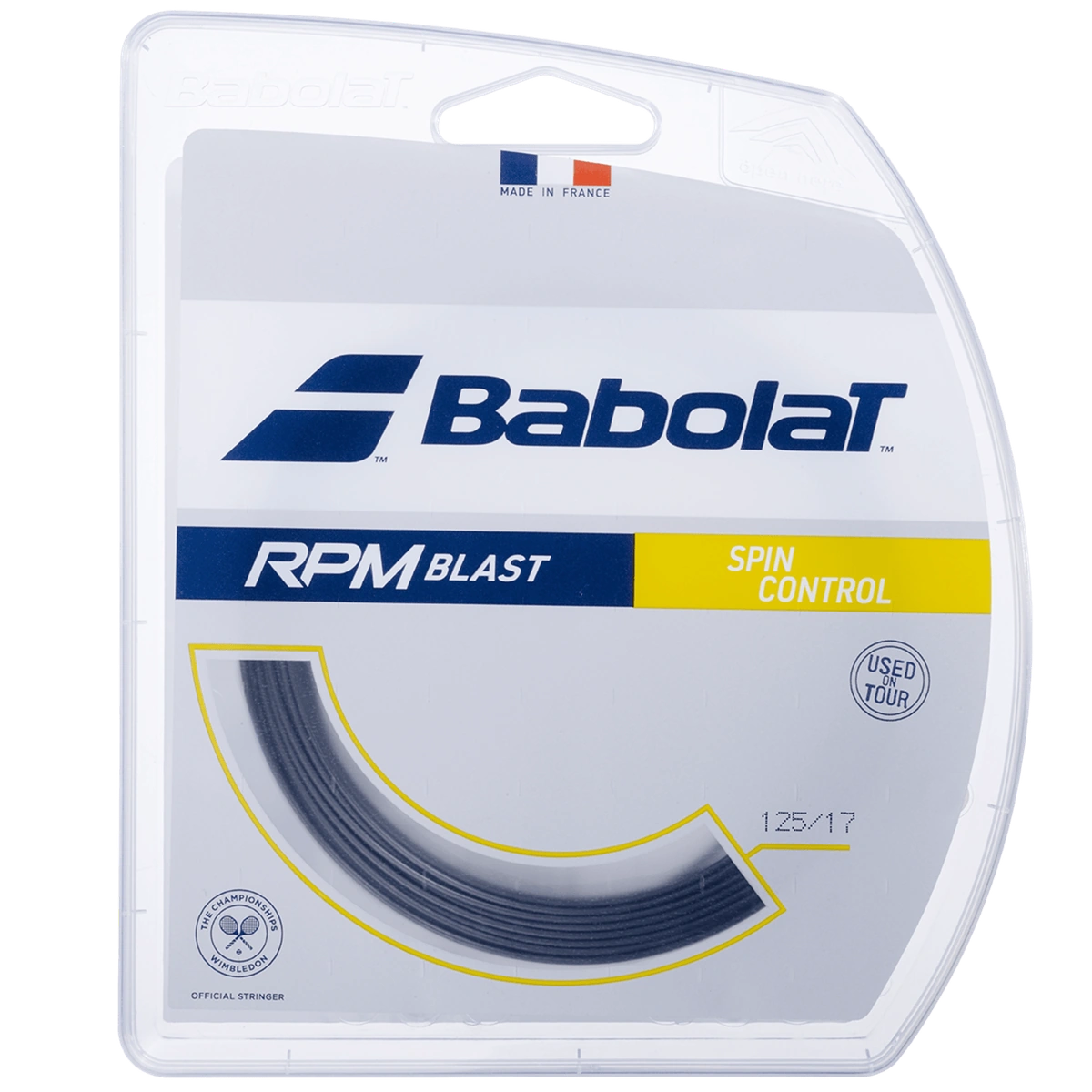
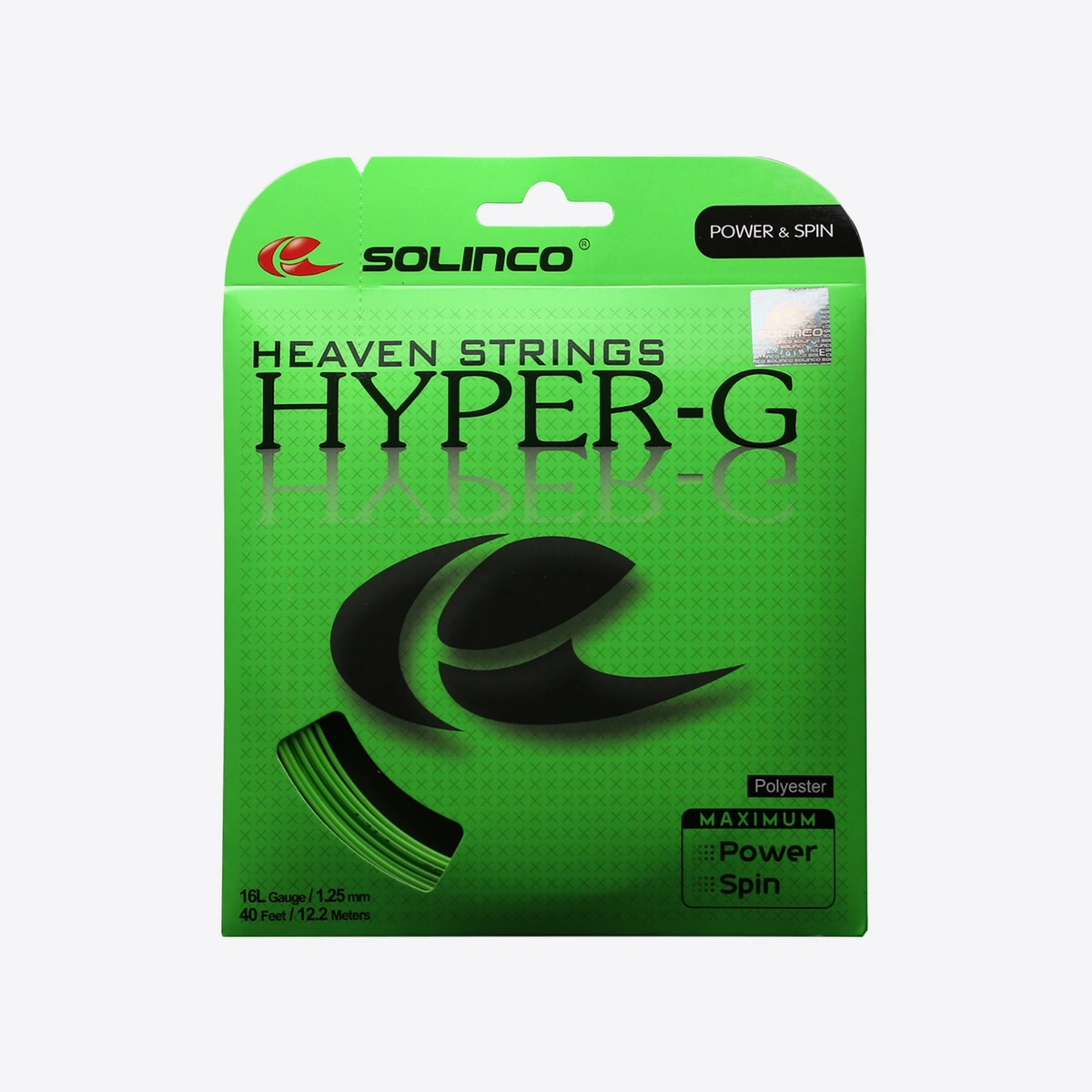
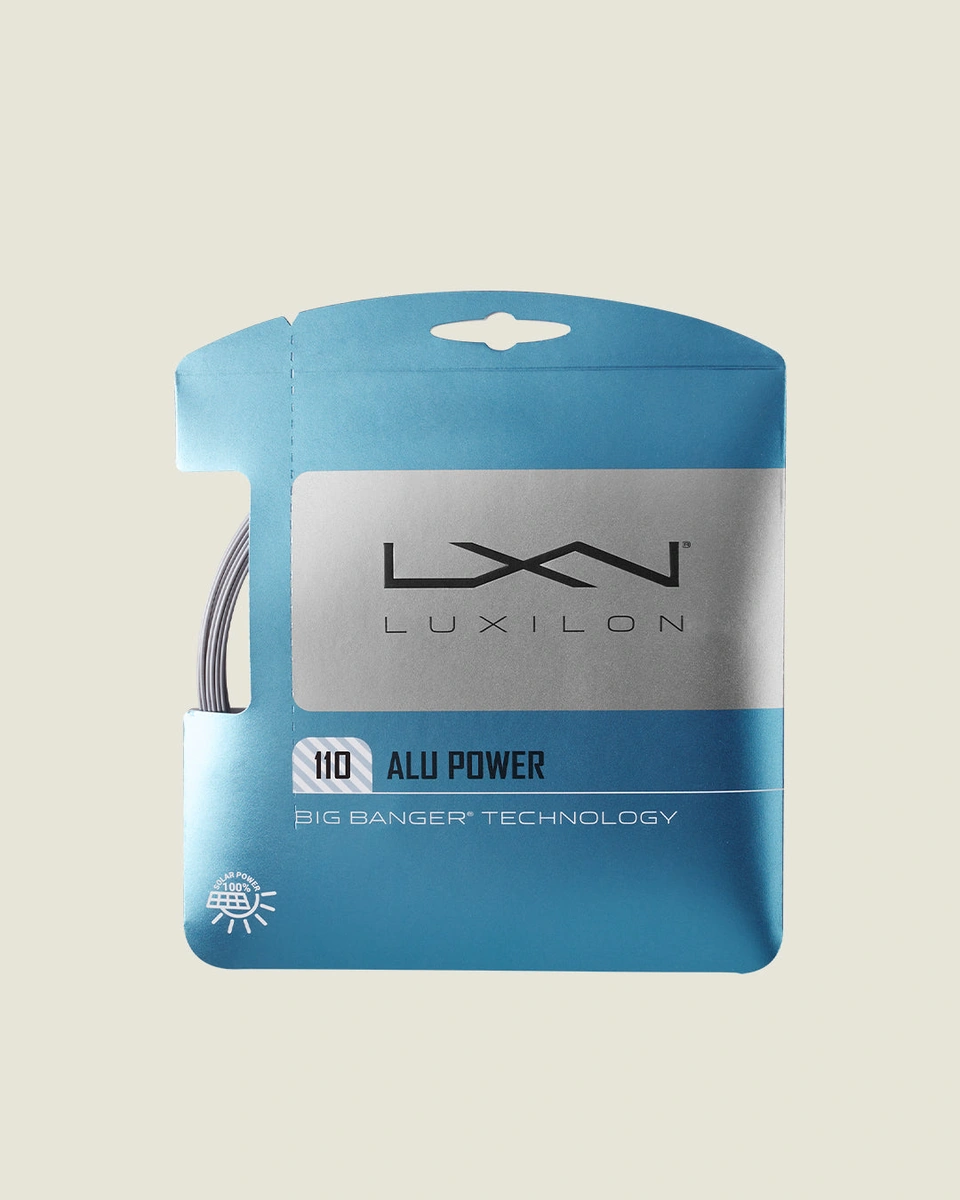
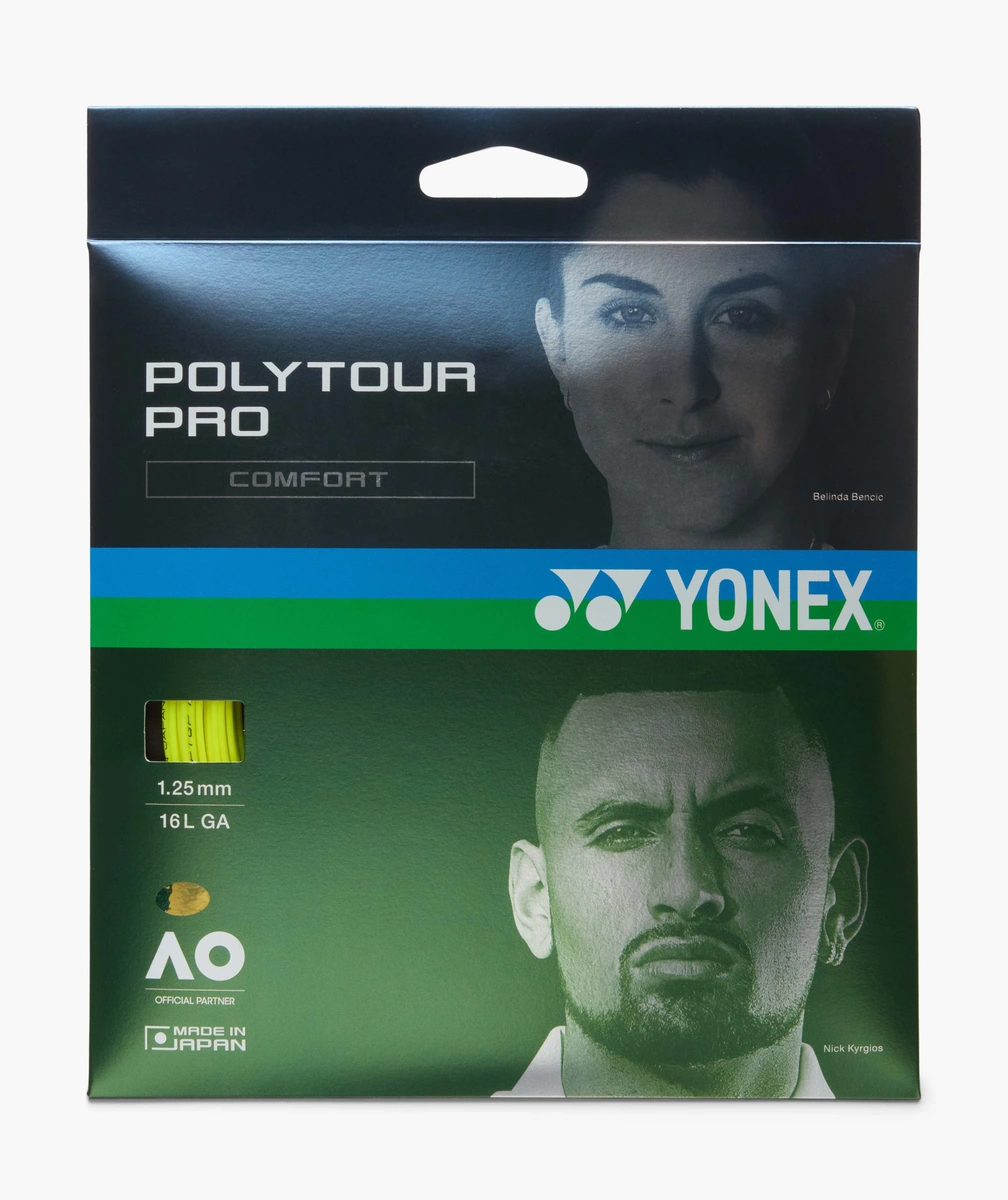
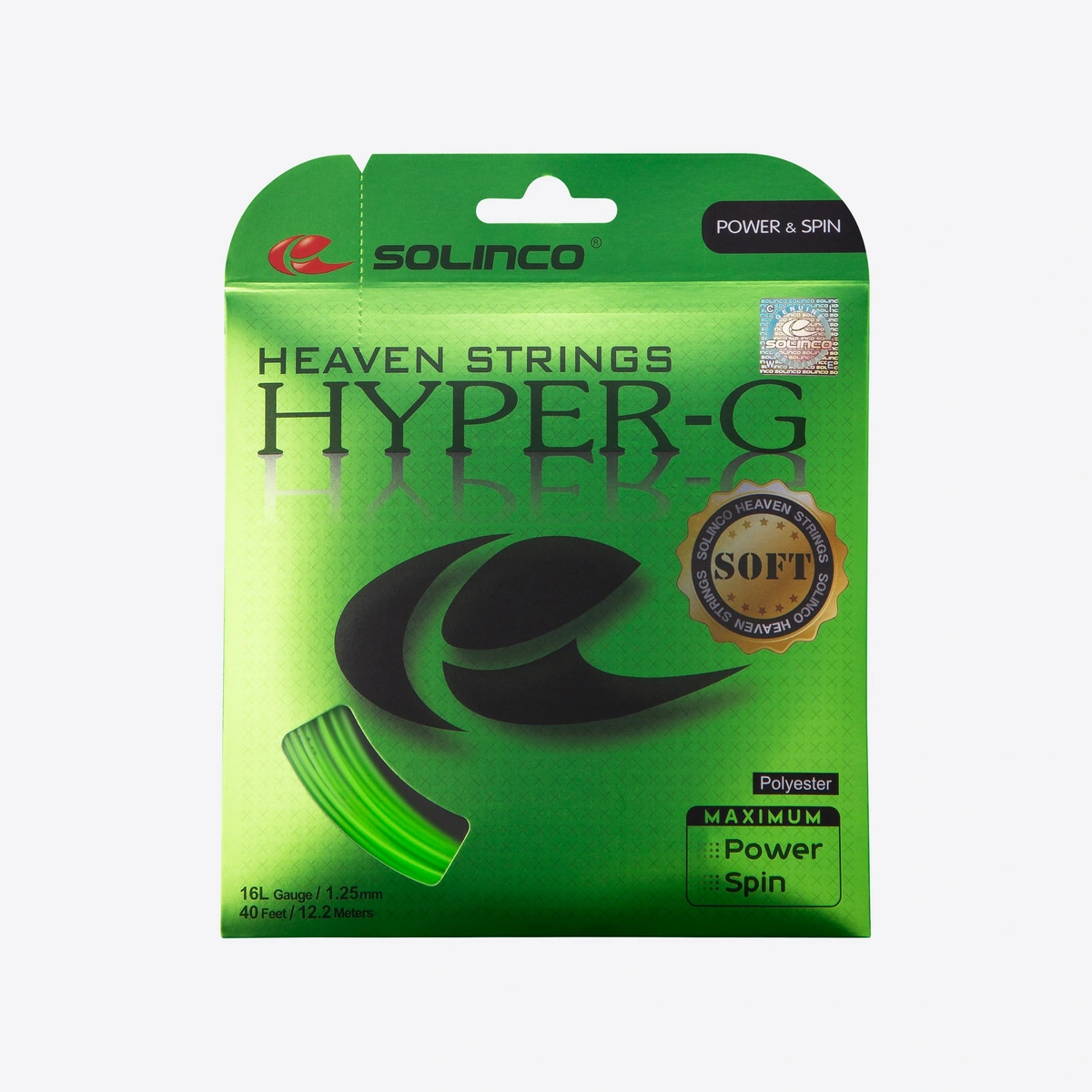
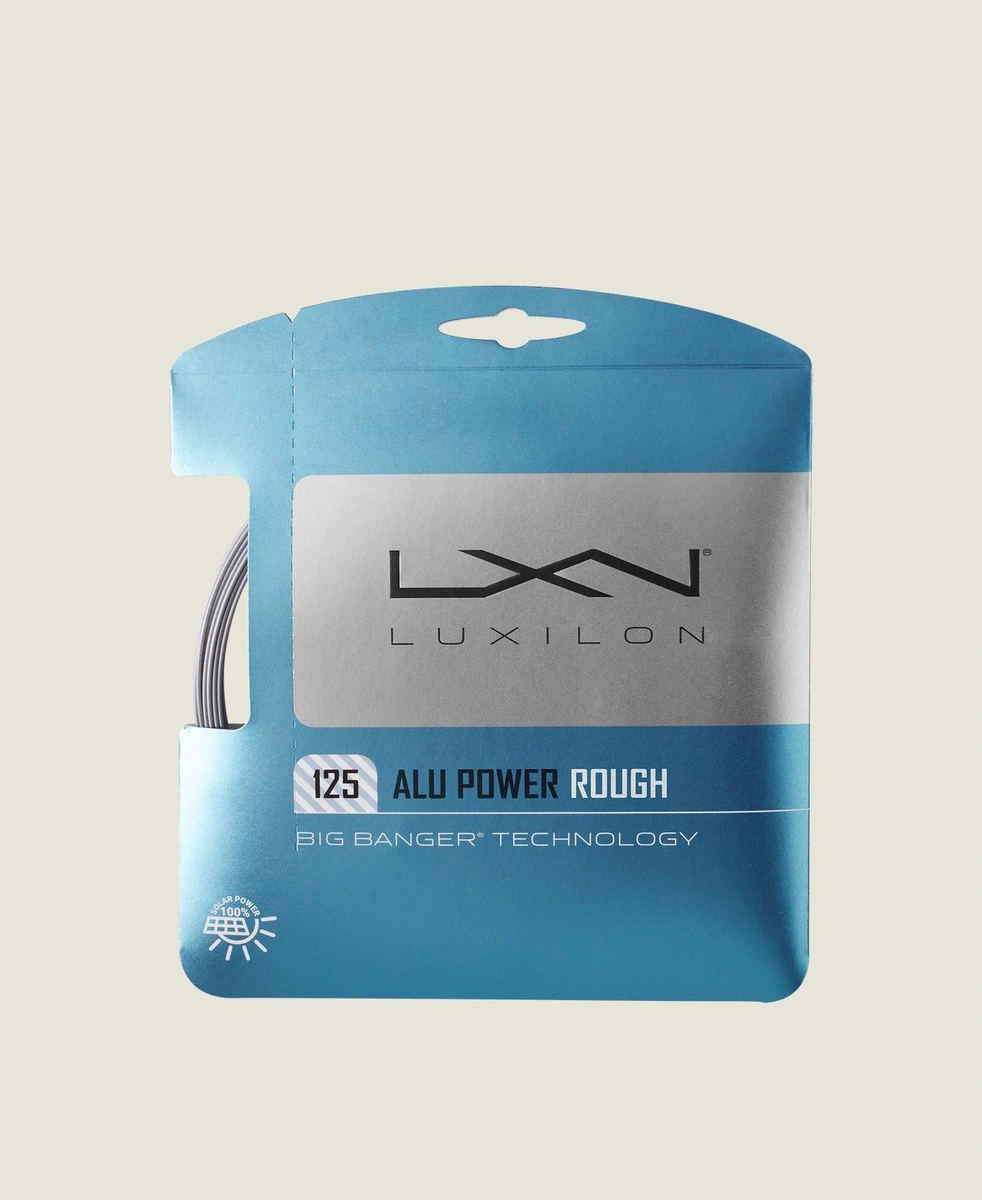
Strings to compare
A specs-based shortlist. Feel, fitness, and playing style still matter.
Reviewed sources
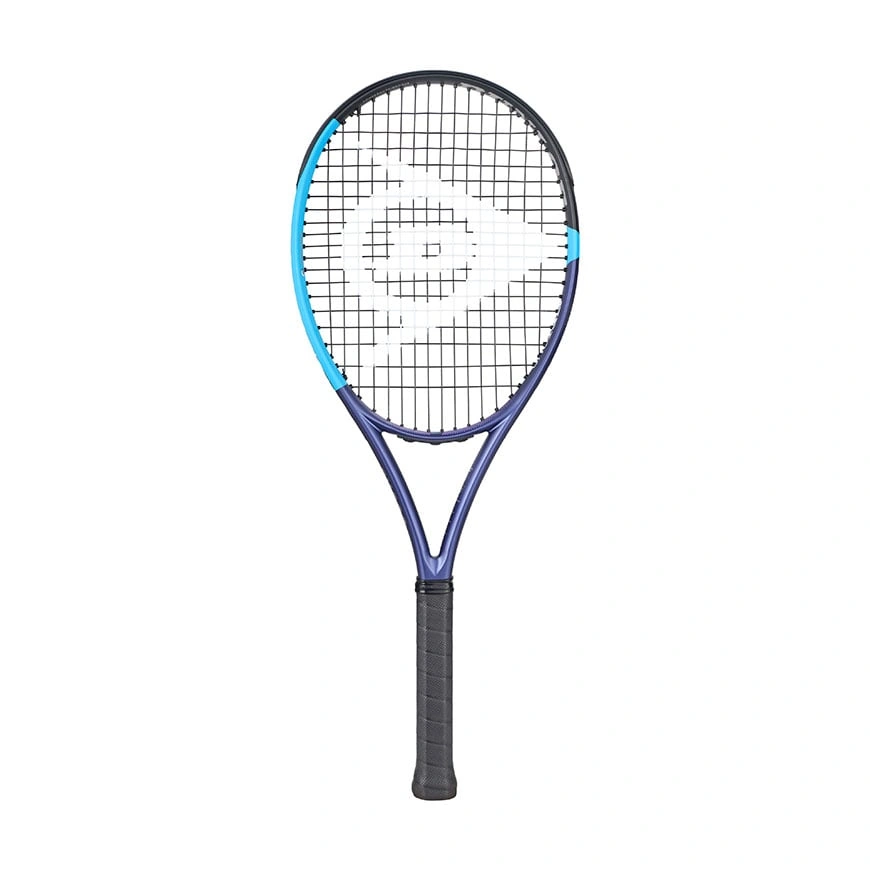
Yonex · View source ↗Similar racquets
TENNIS TENSION LAB
Check your racquet’s tension today.
Get a high-precision tension reading in under 10 seconds. Tension Lab tracks changes from your first reading and helps you see when to restring.
- High-precision tension measurement. Ready in under 10 seconds.
- Track every change in feel. See the full story over time.
- Time to restring? Never leave it to guesswork.