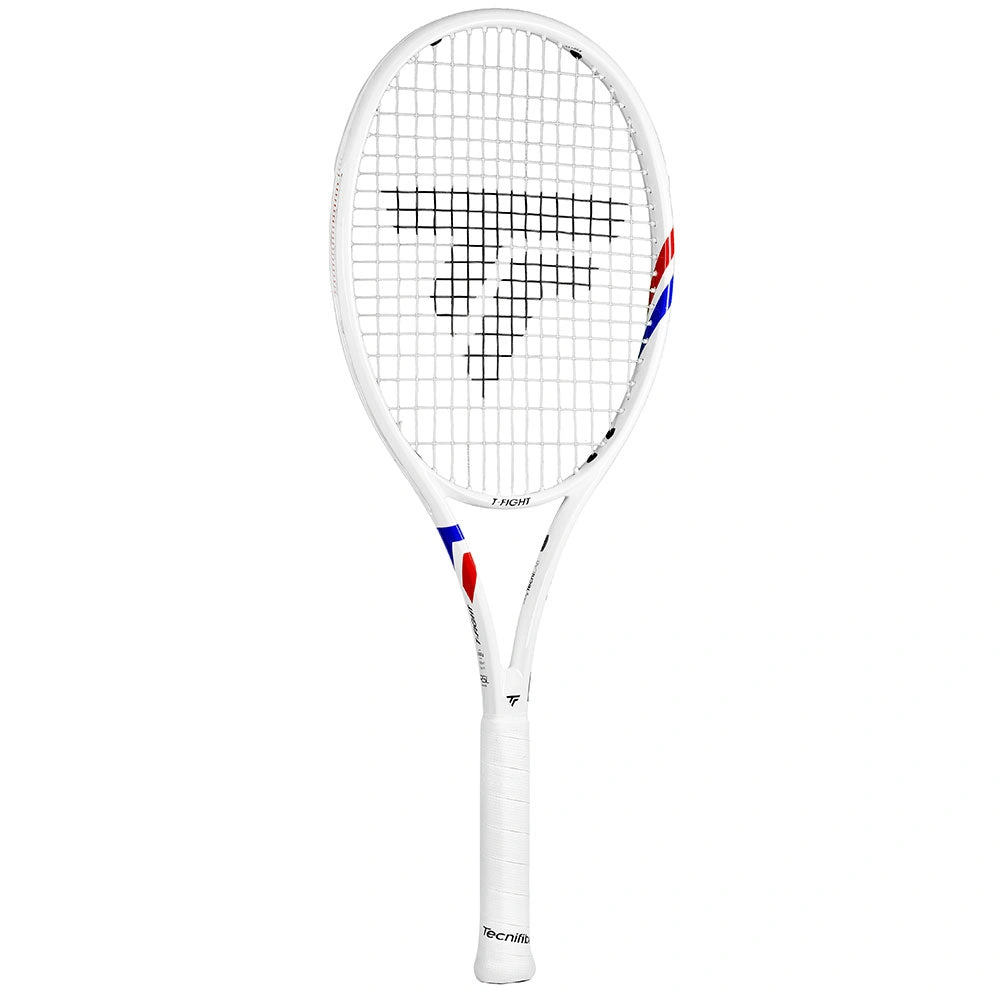
Tecnifibre · Current model
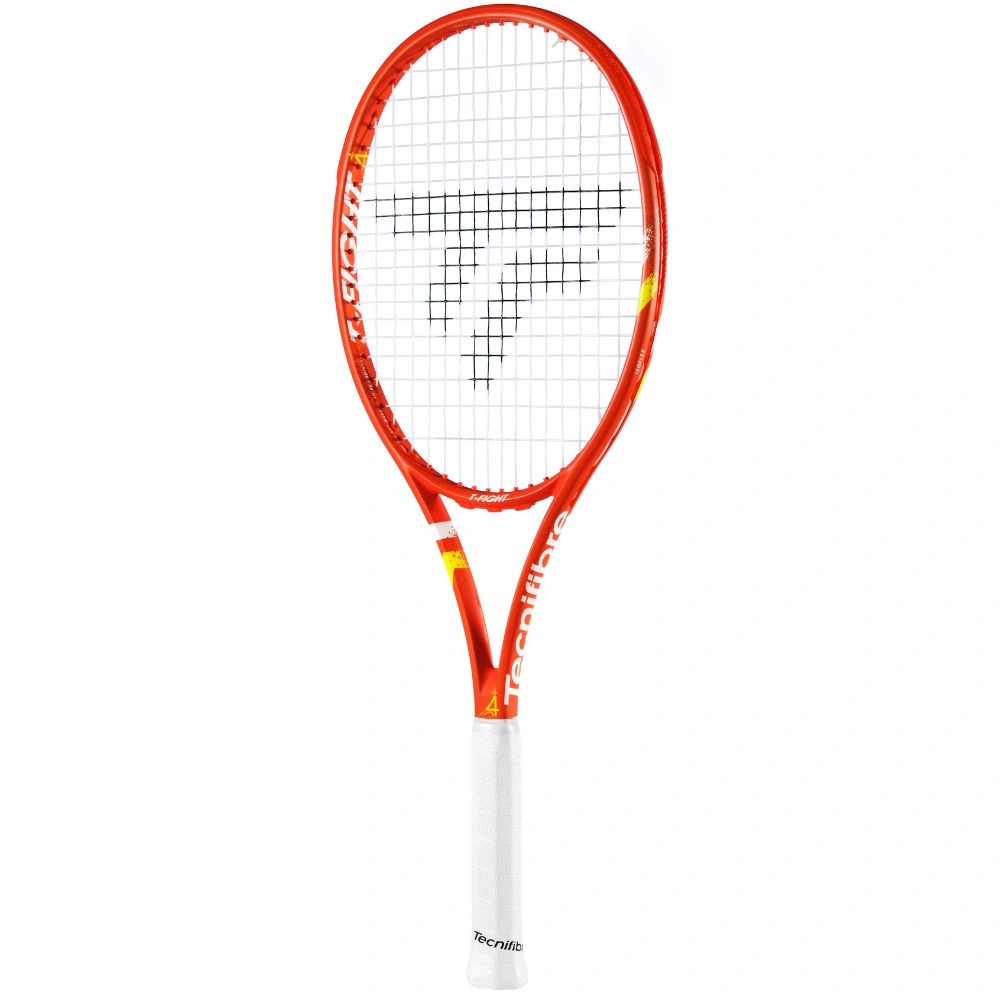
Tecnifibre T-FIGHT 300
The T-FIGHT 300 uses 100 in² and 16×19, with a manufacturer weight of 300 g. TW’s strung references are 318 g, 318 swingweight and 65 RA. The useful trial combines easy preparation with the depth and direction you retain against incoming pace.
Key specs
- Head size
- 100 in²
- String pattern
- 16 × 19
- Weight
- 300 g · Unstrung
- Length
- 27.01 in
- Frame profile
- 23 / 23.5 / 23 mm
- Balance
- 320 mm · Unstrung
- Status
- Current model
When comparing products
| Racquets | Head size in² | String pattern | Weight g | Swingweight | RA |
|---|---|---|---|---|---|
| Tecnifibre T-FIGHT 300 | 100 | 16×19 | 300 | — | — |
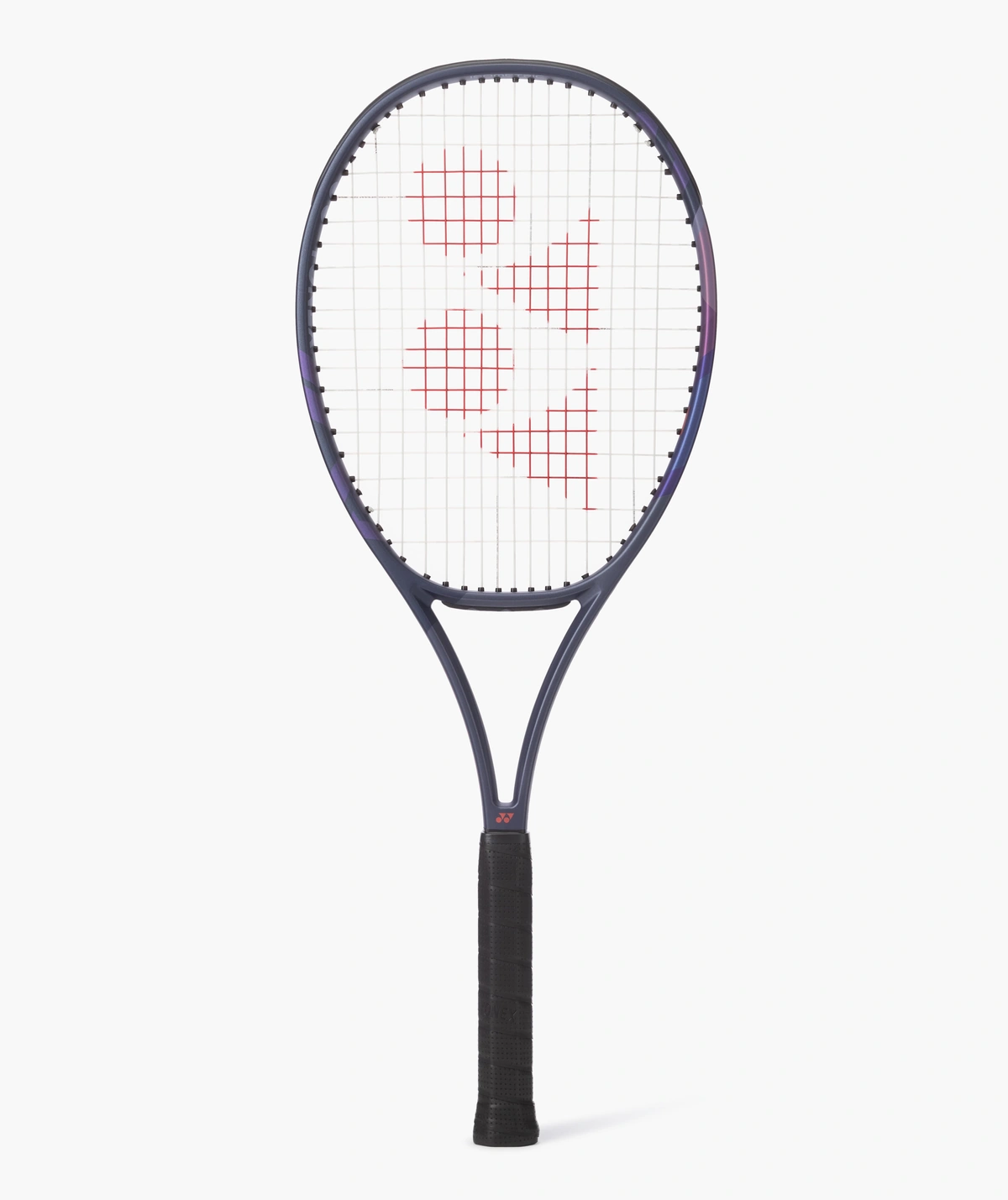
| Babolat Pure Drive Gen11 | 100 | 16×19 | 300 | — | 72 |
| Babolat Pure Strike 100 Gen4 | 100 | 16×19 | 300 | — | 68 |
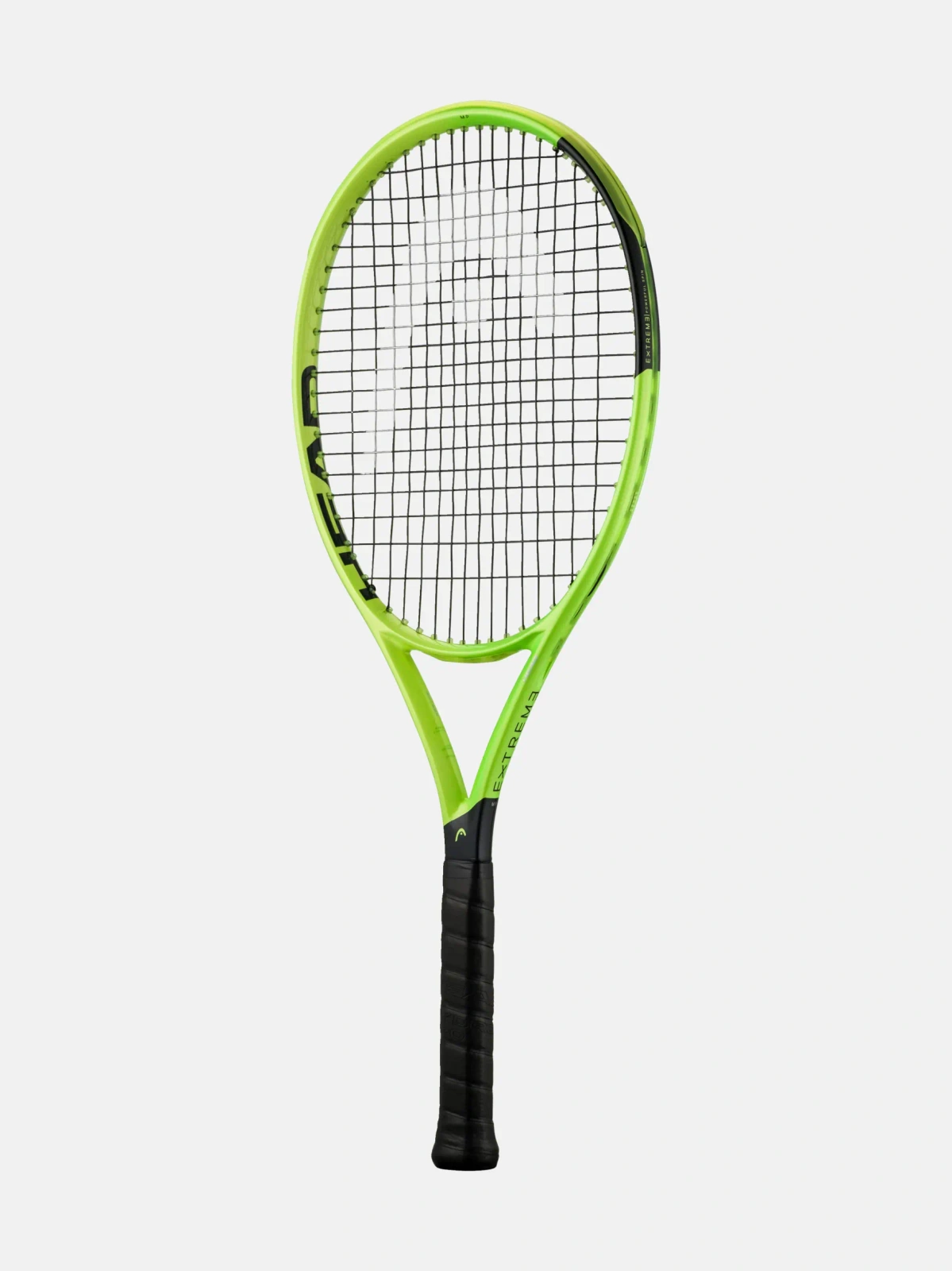
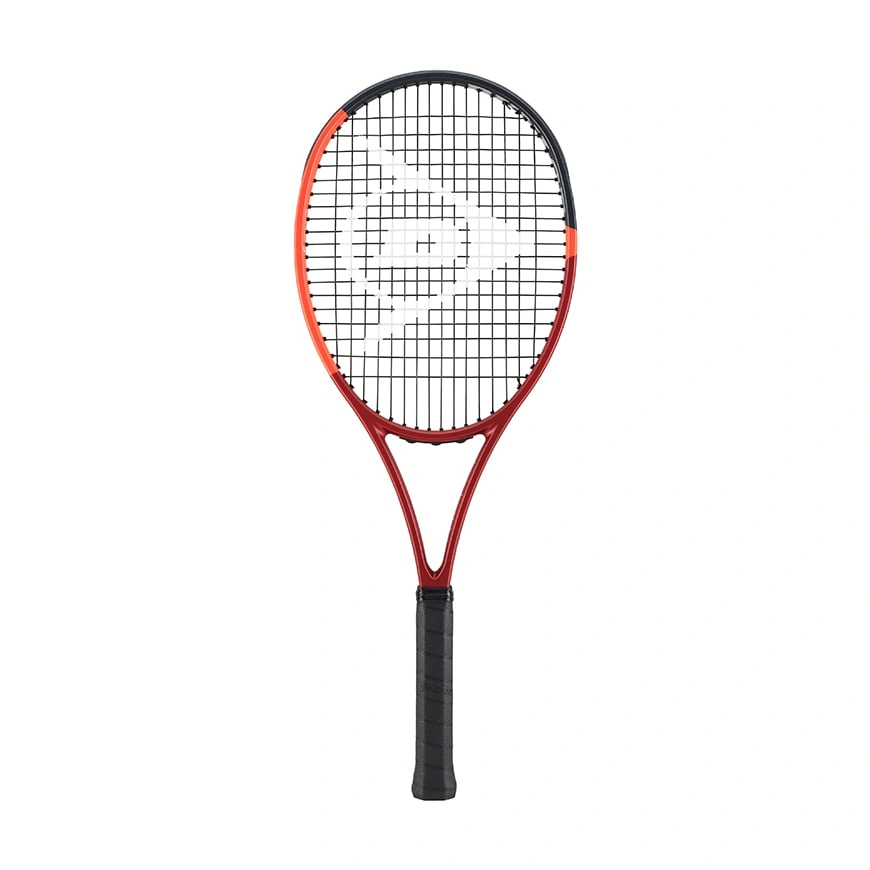
| Dunlop CX 400 Tour | 100 | 16×19 | 300 | — | 68 |
The missing S changes the head-size comparison
Tecnifibre’s product table gives the 300 a 645 cm²/100 in² head. The 300S table gives 630 cm²/98 in² while retaining 300 g and 16×19. They are separate products, even if a store shortens both names to T-FIGHT 300. The 300 retail SKU family 14FI300X5 matches the manufacturer’s 14FI300X51 grip variant.
The 305S also uses 98 in², but moves to 305 g and 18×19. Compare the 300S to examine a same-weight, same-pattern alternative with different head geometry; compare the 305S to examine head, mass and pattern together. Neither trial isolates every other variable automatically.
Preserve the manufacturer’s three-part beam profile
The manufacturer publishes 23–23.5–23 mm. The repeated 23 mm is part of the published three-section profile; reducing it to two distinct numbers would lose that geometry. TW’s separate table lists 22.5/22.5/22.5 mm for the same SKU family. That disagreement has not been resolved by an independent measurement.
Keep the manufacturer specification and retailer reference attached to their own sources rather than averaging them. A beam profile describes geometry, whereas TW’s 65 RA concerns bending. Neither the more detailed section nor the RA value provides a complete torsional-stability measurement.
Lower reference swingweight deserves a sequence-based trial
TW gives the 300 318 g strung, 32.99 cm balance and 318 swingweight; the 305S has 320 g, 32.49 cm and 324. The lighter 300 has its published balance farther towards the head but a lower swingweight. Total weight and balance alone cannot recover the distribution behind those values.
Include the first volley after serving and an attack after a long exchange. Check whether preparation remains timely and whether the next shot still reaches depth. If a fast incoming ball seems to displace the frame, separate a late contact from actual movement at collision before adding weight.
Use the 16×19 to ask about both attacking and defensive length
The current TW product page lists 49–55 lb. A 100 in² head does not require thick polyester or the upper end of the range. Material, gauge and usage influence stringbed response even when the machine setting is unchanged.
With a familiar setup, compare a full crosscourt swing, a short return and a low volley. If only the short strokes go long, record that specific problem rather than changing several parameters for a general request for more control. Track whether it was present immediately after stringing or developed later.
Separate design aims from your own measurable improvement
Tecnifibre describes redistributed mass, RS-section ergonomics and ISOFLEX’s progressive stiffness around the head. Its broader tour-generation statistics do not measure how many grams or swingweight points this particular 300 changed from your previous racquet.
Use a consistent target and count on-time contacts, deep replies and overlong balls during your demo. Keeping the stock setup long enough to establish those results can prevent spending on added mass or a full string reel before the actual problem is clear.
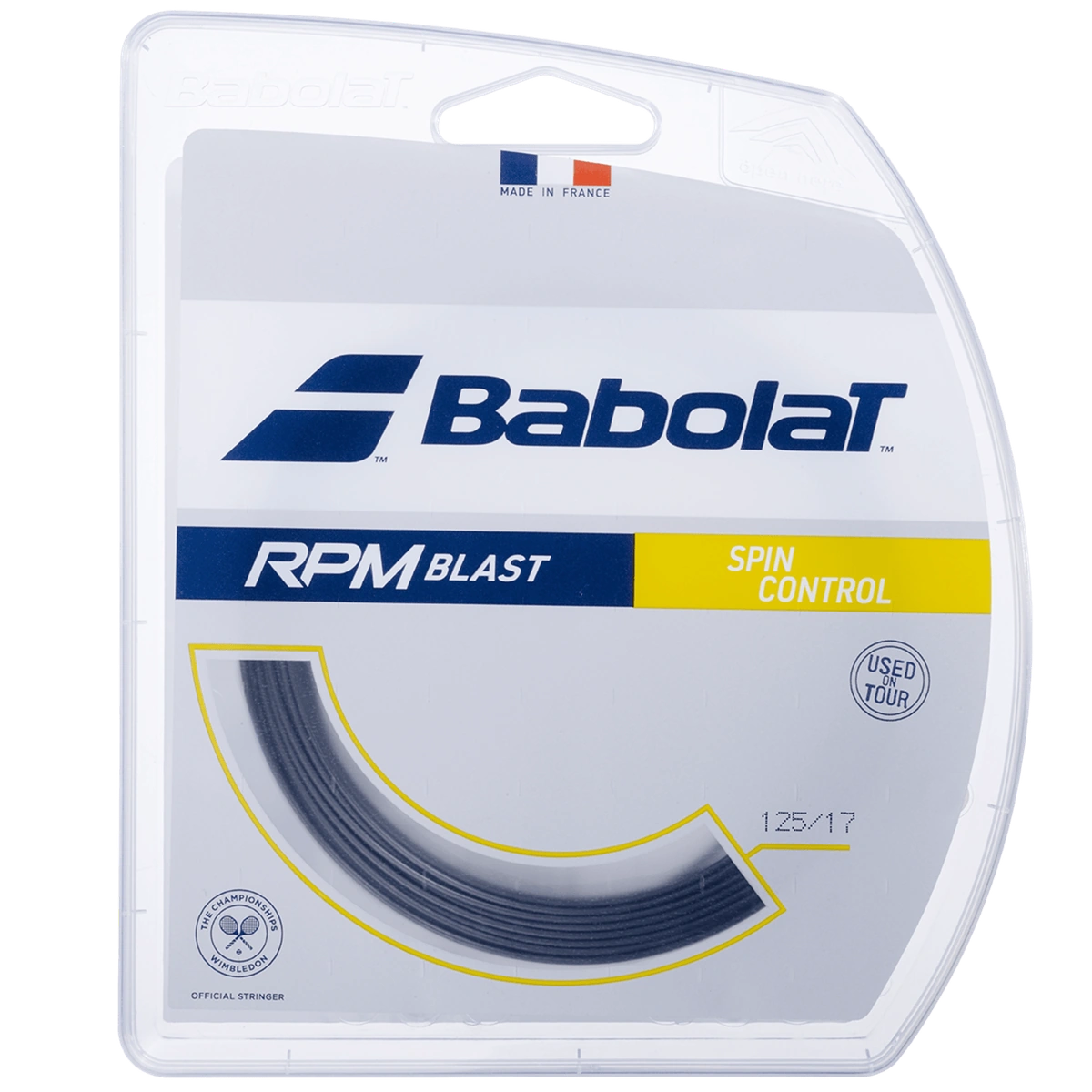
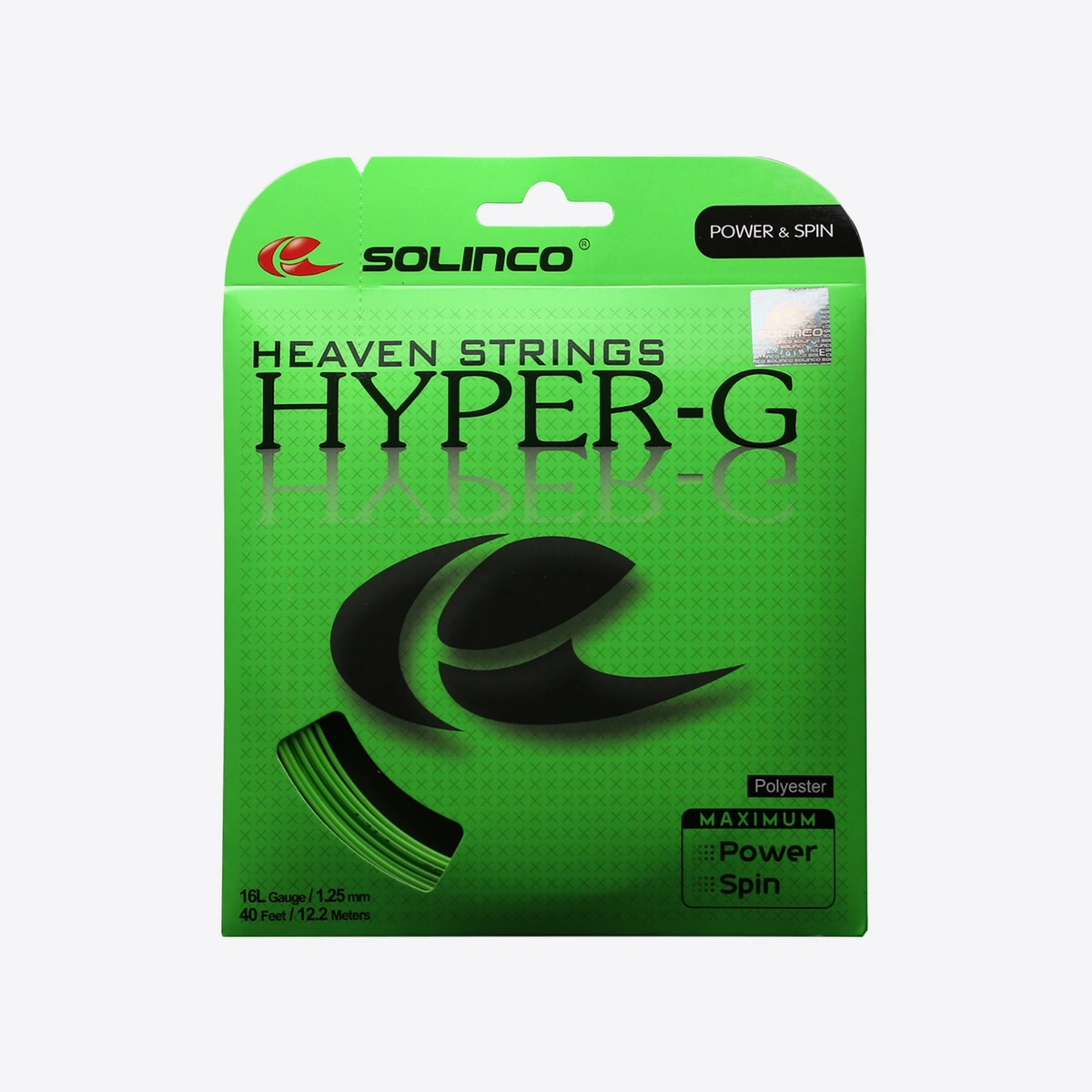
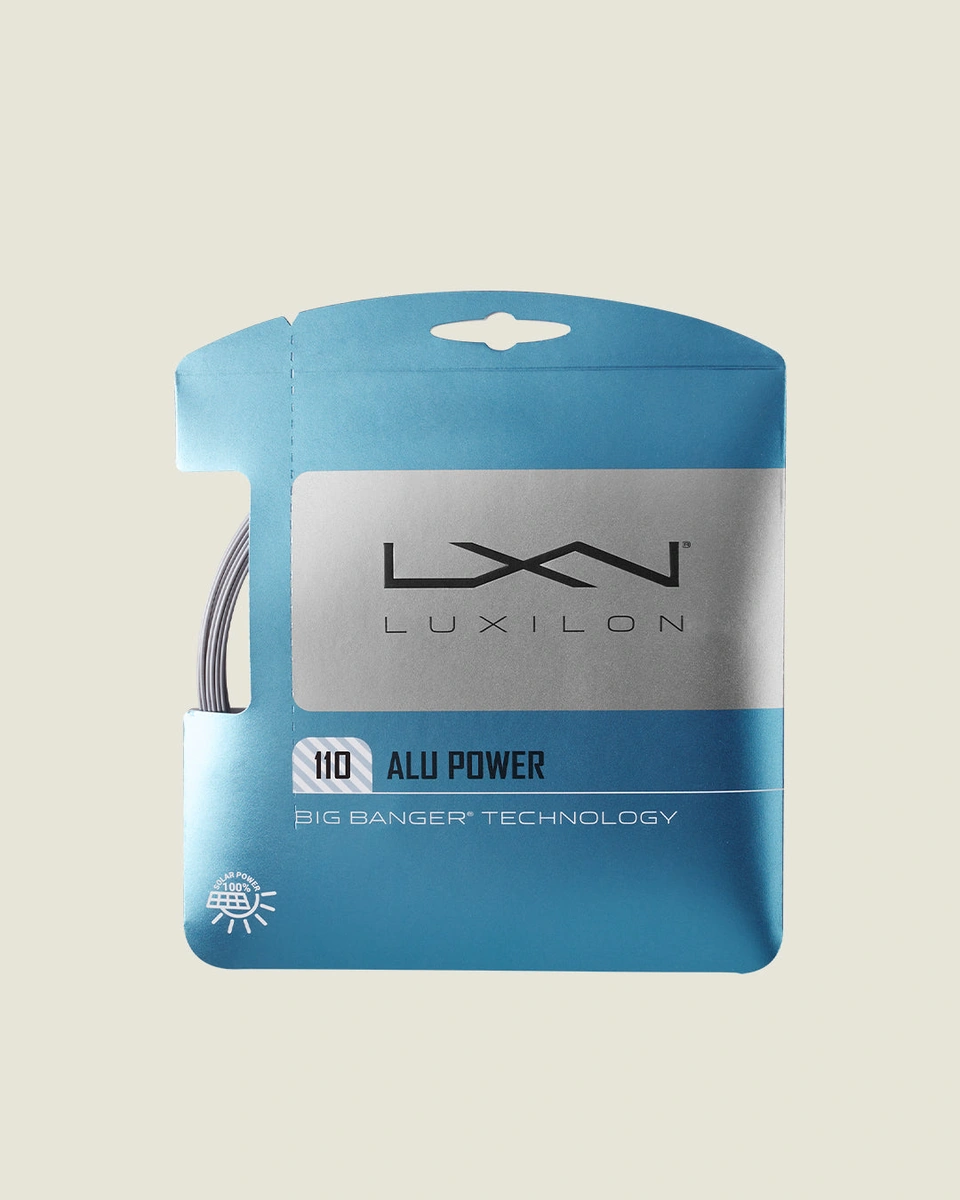
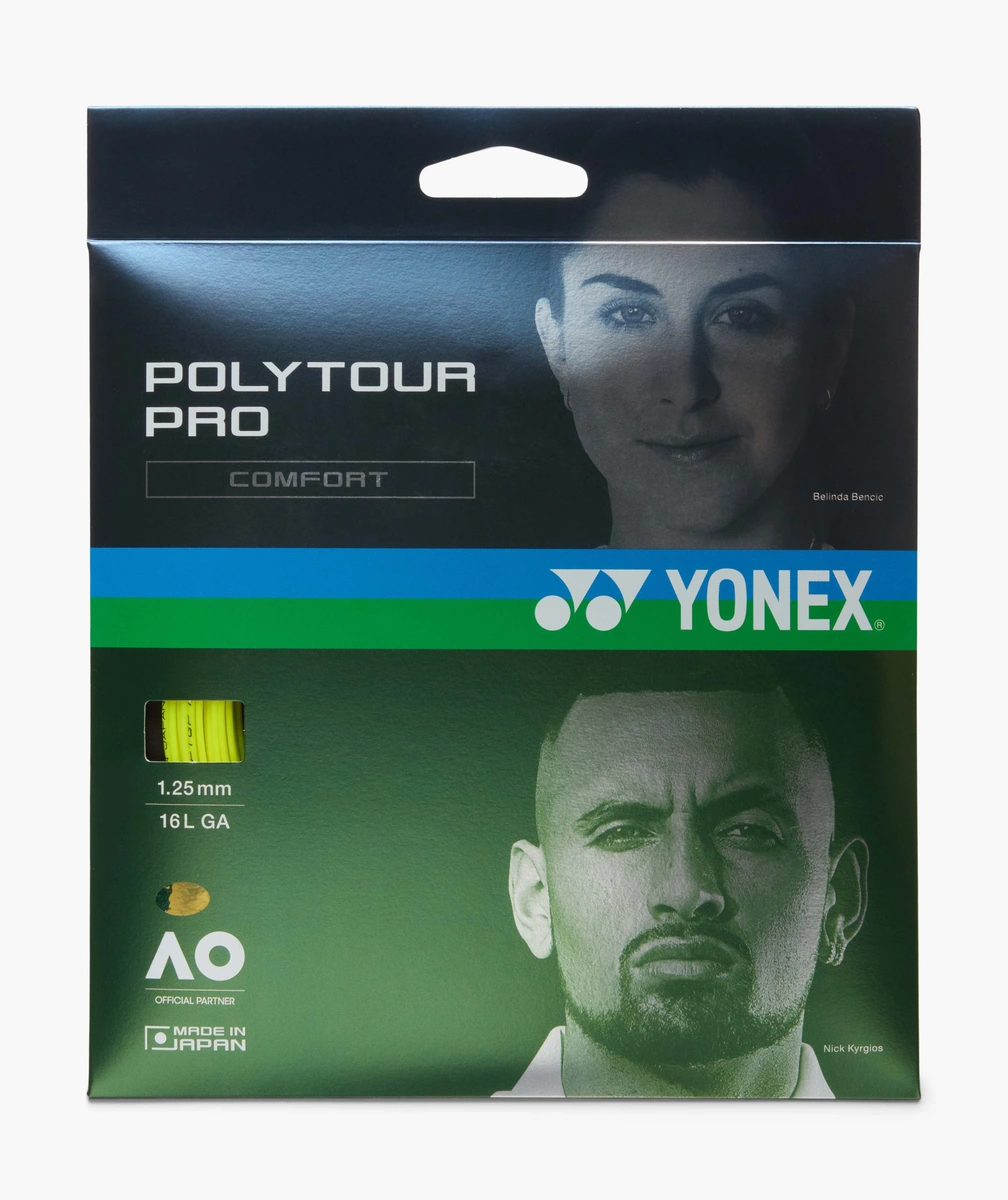
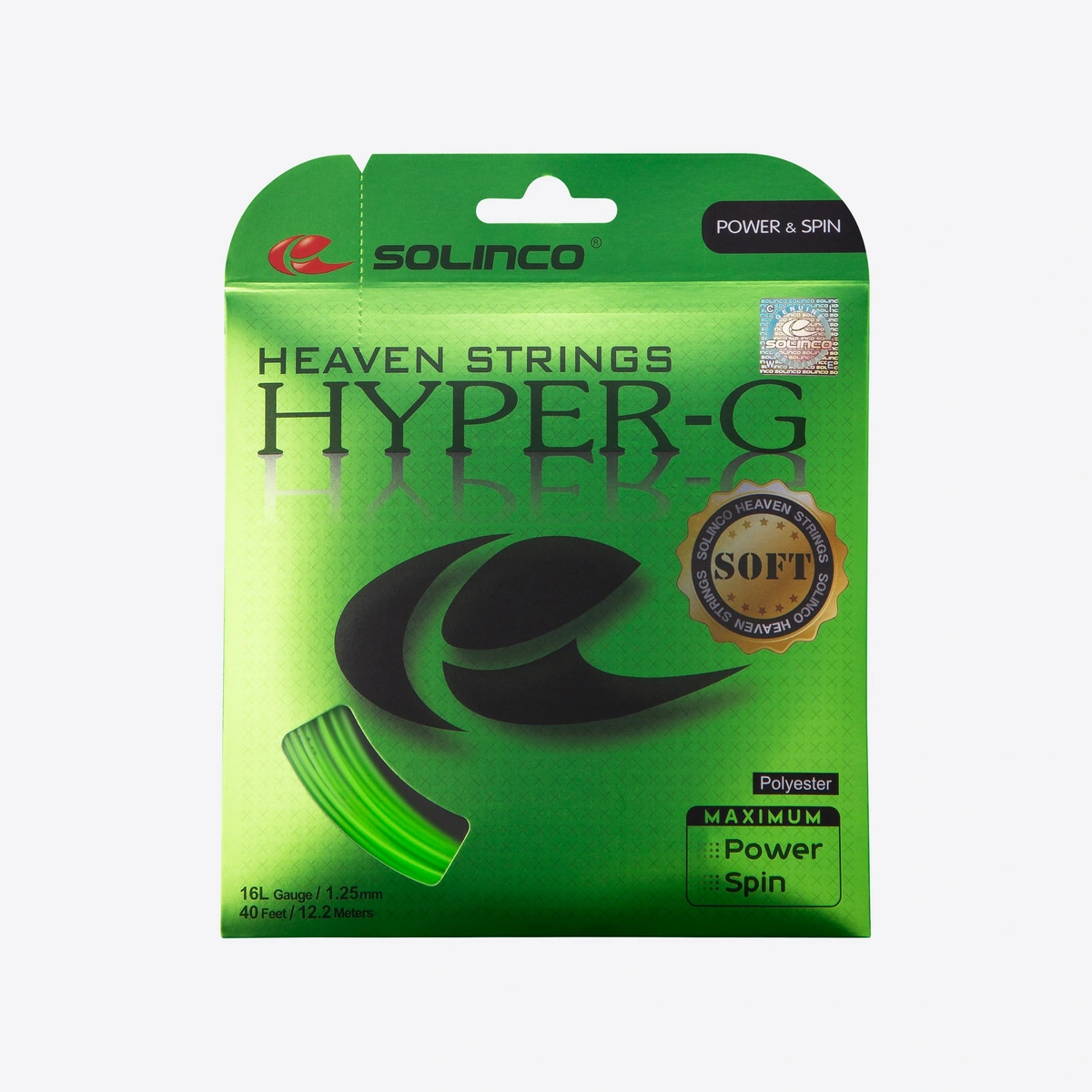
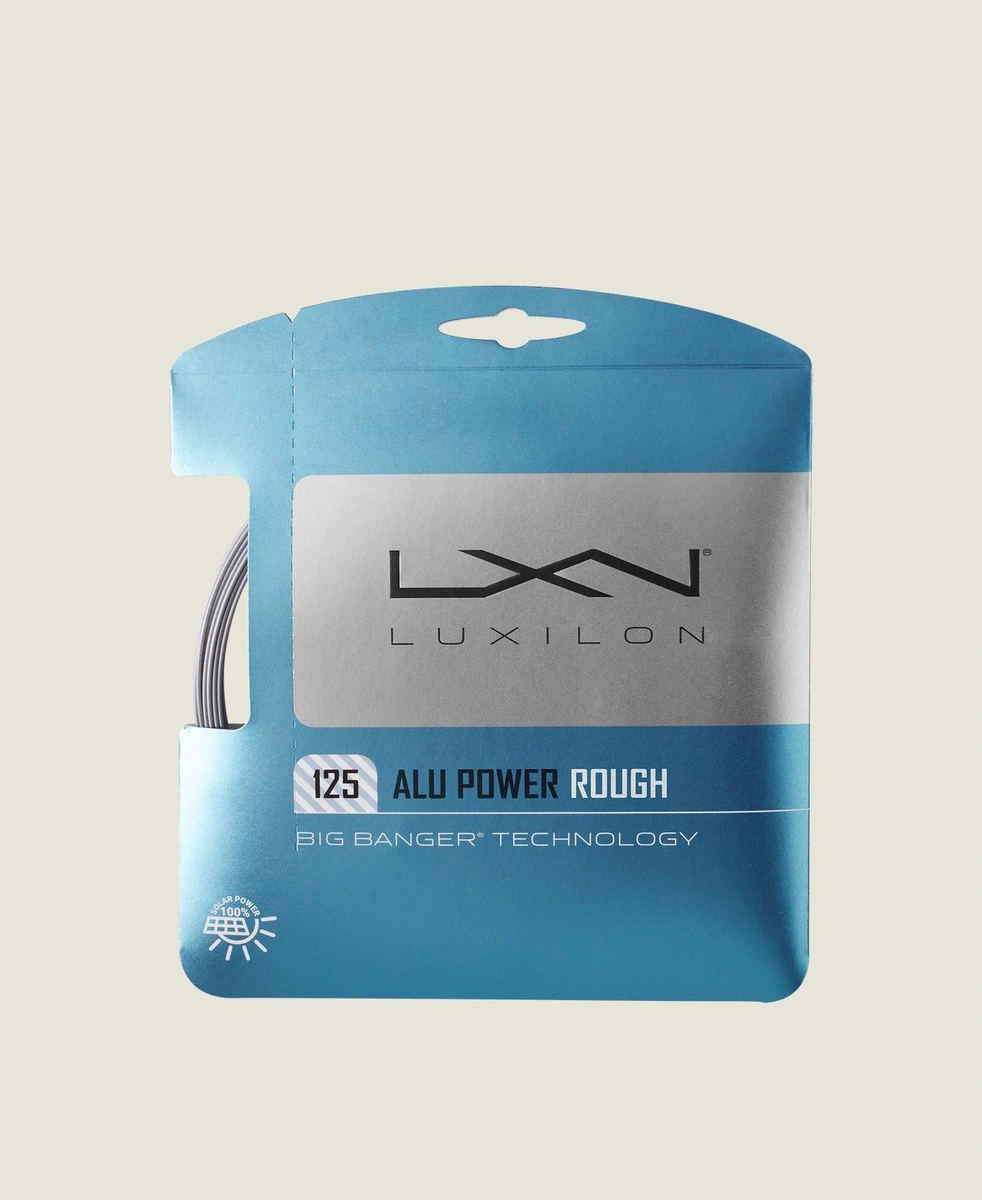
Strings to compare
A specs-based shortlist. Feel, fitness, and playing style still matter.
Reviewed sources
Tecnifibre · View source ↗Similar racquets
TENNIS TENSION LAB
Check your racquet’s tension today.
Get a high-precision tension reading in under 10 seconds. Tension Lab tracks changes from your first reading and helps you see when to restring.
- High-precision tension measurement. Ready in under 10 seconds.
- Track every change in feel. See the full story over time.
- Time to restring? Never leave it to guesswork.