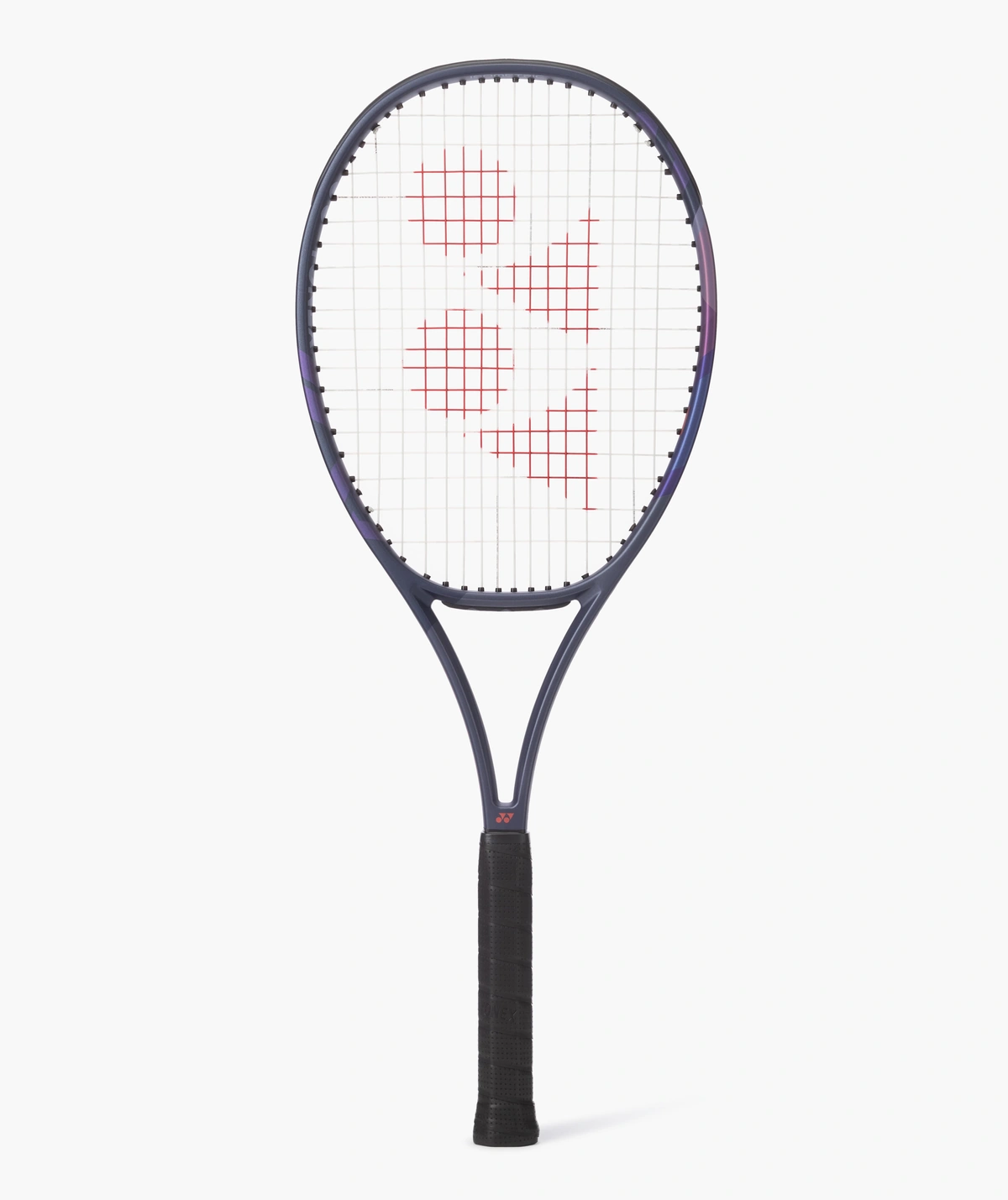
Yonex · Current model
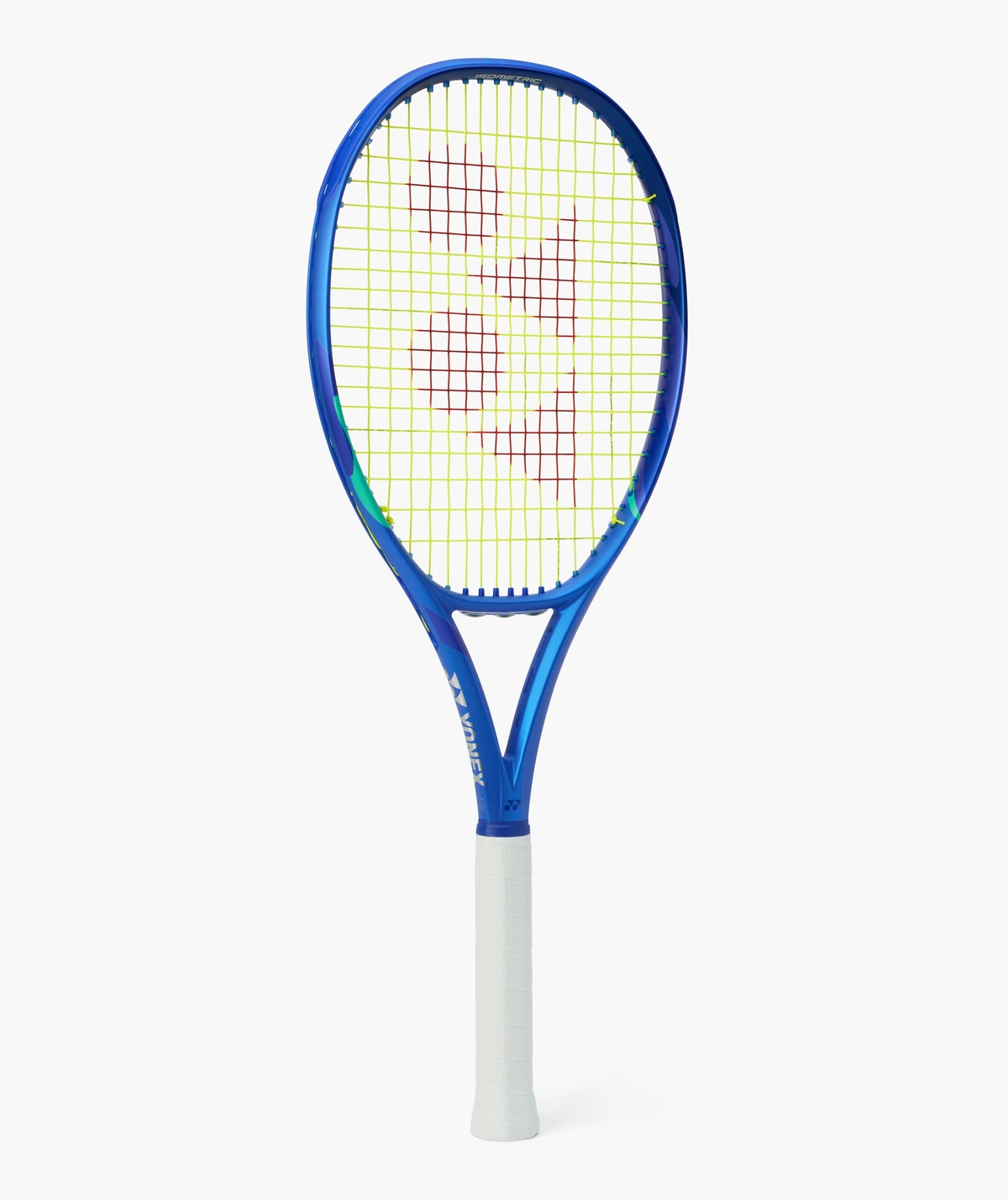
Yonex PERCEPT 100
The PERCEPT 100 pairs 100 in², 300 g and 16×19 with a 23 mm beam. Assess direction, depth and repeatable contact separately, and understand how a flexible shaft can coexist with a stiffer racquet face.
Key specs
- Head size
- 100 in²
- String pattern
- 16 × 19
- Weight
- 300 g · Unstrung
- Length
- 27 in
- Frame profile
- 23 / 23 / 23 mm
- Balance
- 320 mm · Unstrung
- Recommended tension
- 45–60 lb
- Status
- Current model
When comparing products
| Racquets | Head size in² | String pattern | Weight g | Swingweight | RA |
|---|---|---|---|---|---|
| Yonex PERCEPT 100 | 100 | 16×19 | 300 | — | — |
| Babolat Pure Drive Gen11 | 100 | 16×19 | 300 | — | 72 |
| Babolat Pure Strike 100 Gen4 | 100 | 16×19 | 300 | — | 68 |
| Dunlop CX 400 Tour | 100 | 16×19 | 300 | — | 68 |
Against the 97, area, mass and frame section all change
Yonex lists the 01PE100 at 100 in², 300 g unstrung, 27 inches and 16×19, with a 23–23–23 mm beam and nominal 320 mm balance. The PERCEPT 97 has 97 in², 310 g, a 21–21–21 mm beam and 310 mm balance. Head size alone cannot explain the complete comparison.
Check the practical effect of the 100's larger area and lower static mass with both frames ready to play. The 97 is heavier but has a nominal balance closer to the handle. Mass and balance remain separate from swingweight, so this table cannot quantify which will accelerate more easily or feel more stable in your hands.
A flexible shaft and a stiff racquet face are compatible ideas
Yonex describes FlexCon as a shaft-flex design and Stiff Racquet Face Design as an increase in face rigidity. They address deformation in different parts of the frame. SERVO FILTER is an elastic film between graphite layers, intended to alter vibration and sensory feedback.
The manufacturer's percentages for shaft flexibility, vibration and face stability refer to separate Yonex tests. They cannot be combined into one RA value or a personal accuracy gain. The sensation reaching your hand, outgoing direction and percentage of balls reaching your target depth are distinct things to check.
Divide control into direction, length and repeatability
First, can a prepared stroke reach the intended direction? Second, can similar swings maintain the intended depth? Third, how much of that result remains when your feet are late or contact moves away from the centre? One clean down-the-line winner cannot answer all three questions.
Set a broad landing zone beyond the service line and rally crosscourt before repeating the target while moving laterally. Distinguish balls that hold direction but land short from balls that have depth but scatter sideways. These are your demo results, not a numerical reconstruction of a manufacturer control rating.
Flexible-frame feel does not specify stringbed stiffness
The recommended reference tension is 45–60 lb. A flexible-frame description does not establish how a high-tension polyester setup will feel. Material and gauge still matter: at the same machine setting, string stiffness, length, pattern and time in use influence the complete stringbed response.
A sense of the ball staying on the strings does not give you time to steer it during impact. Contact is very brief, so the face and swing path need to be prepared beforehand. Recording contact location and outgoing direction alongside your description of feel makes the next setup decision more useful.
Choose the 100D or 97 according to the comparison you need
The 100D offers a denser pattern within the same 100 in² area. Yonex lists 18×19, 305 g and 315 mm, compared with the standard 100's 16×19, 300 g and 320 mm. Pattern is not the only variable: compare the swing needed for depth and available preparation time as well as launch.
The 97 reduces head area to 97 in² while increasing mass to 310 g and reducing beam width to 21 mm. Satisfaction at a central contact and depth during defence remain separate questions. If the 100's larger area helps your normal contacts while moving, a smaller head is not an obligatory progression.
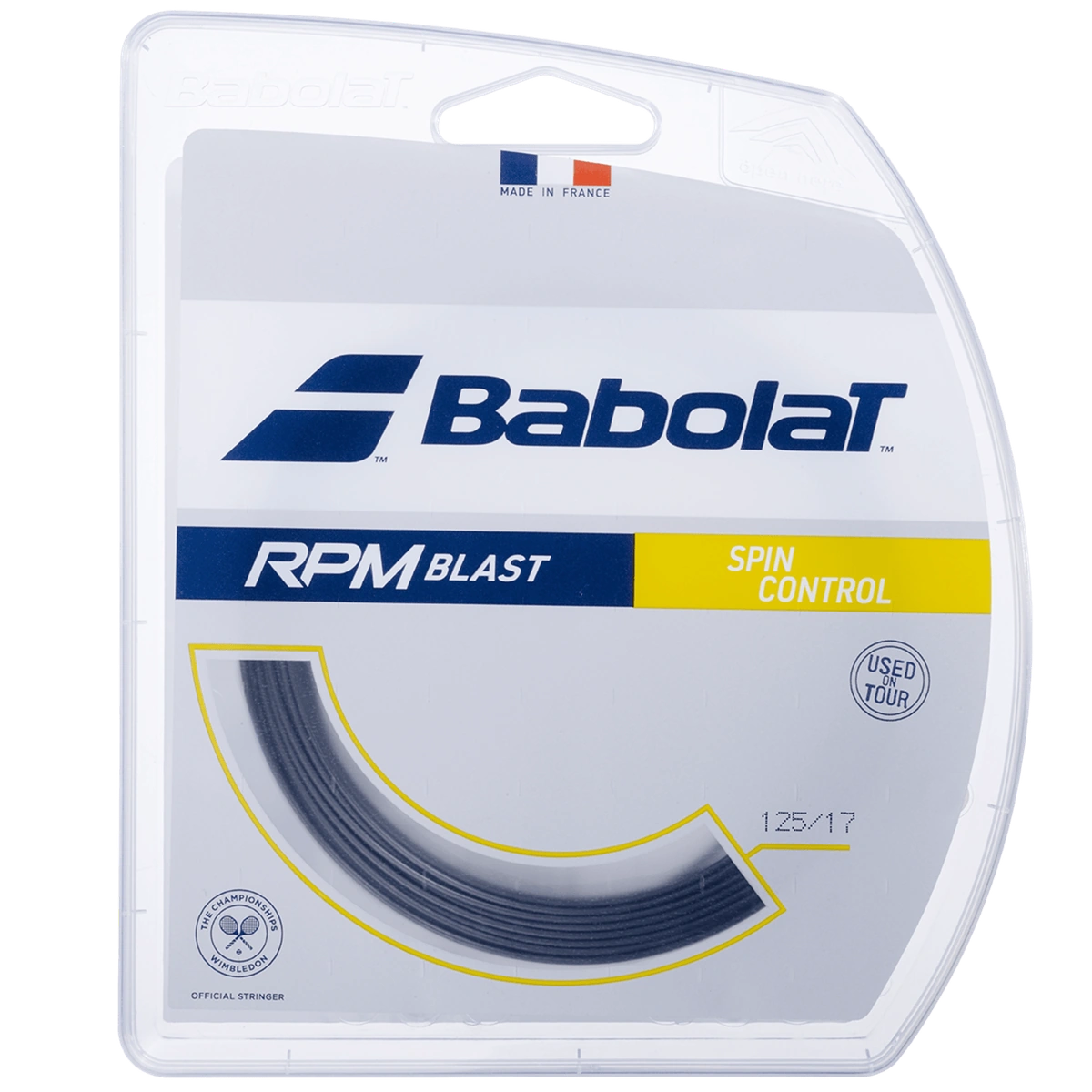
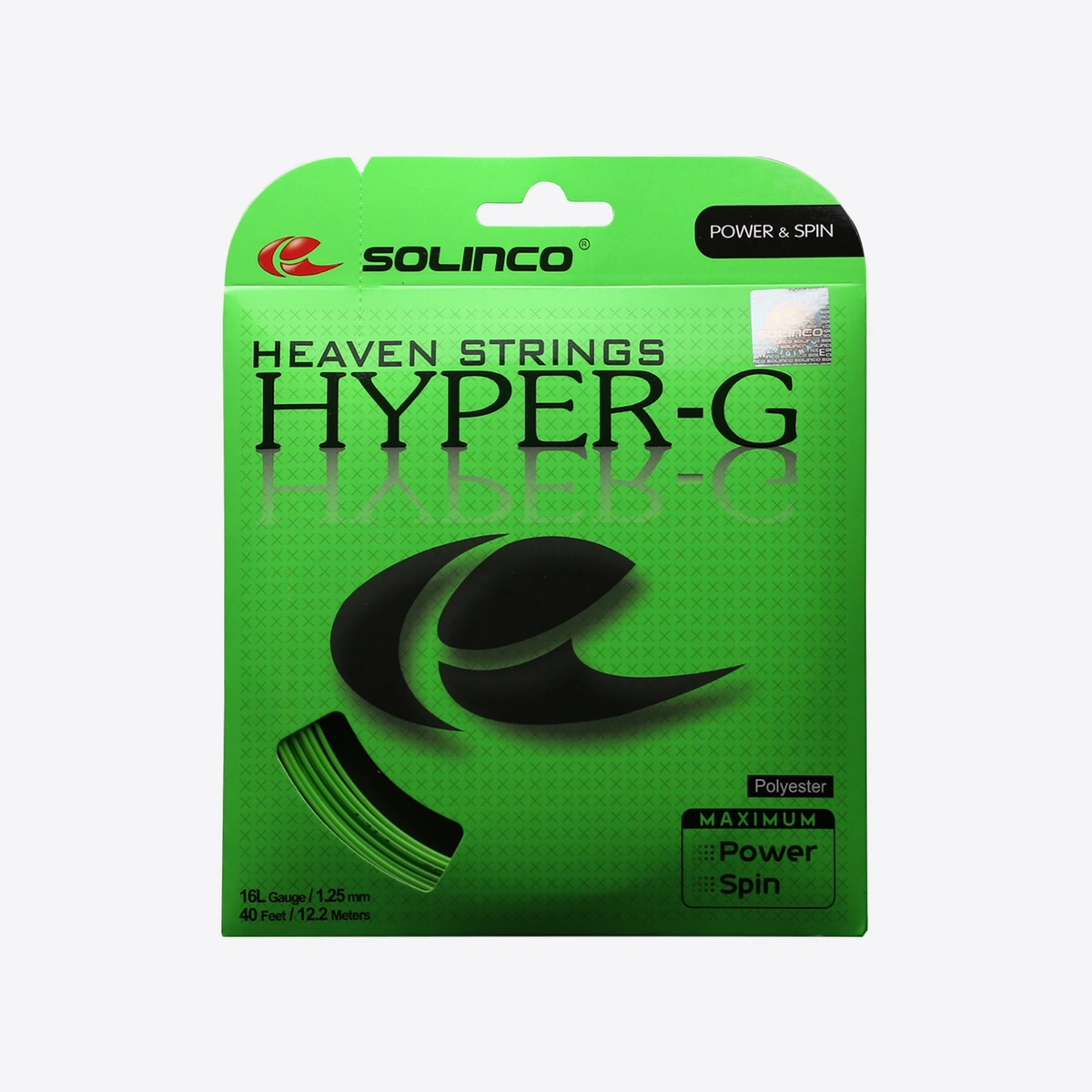
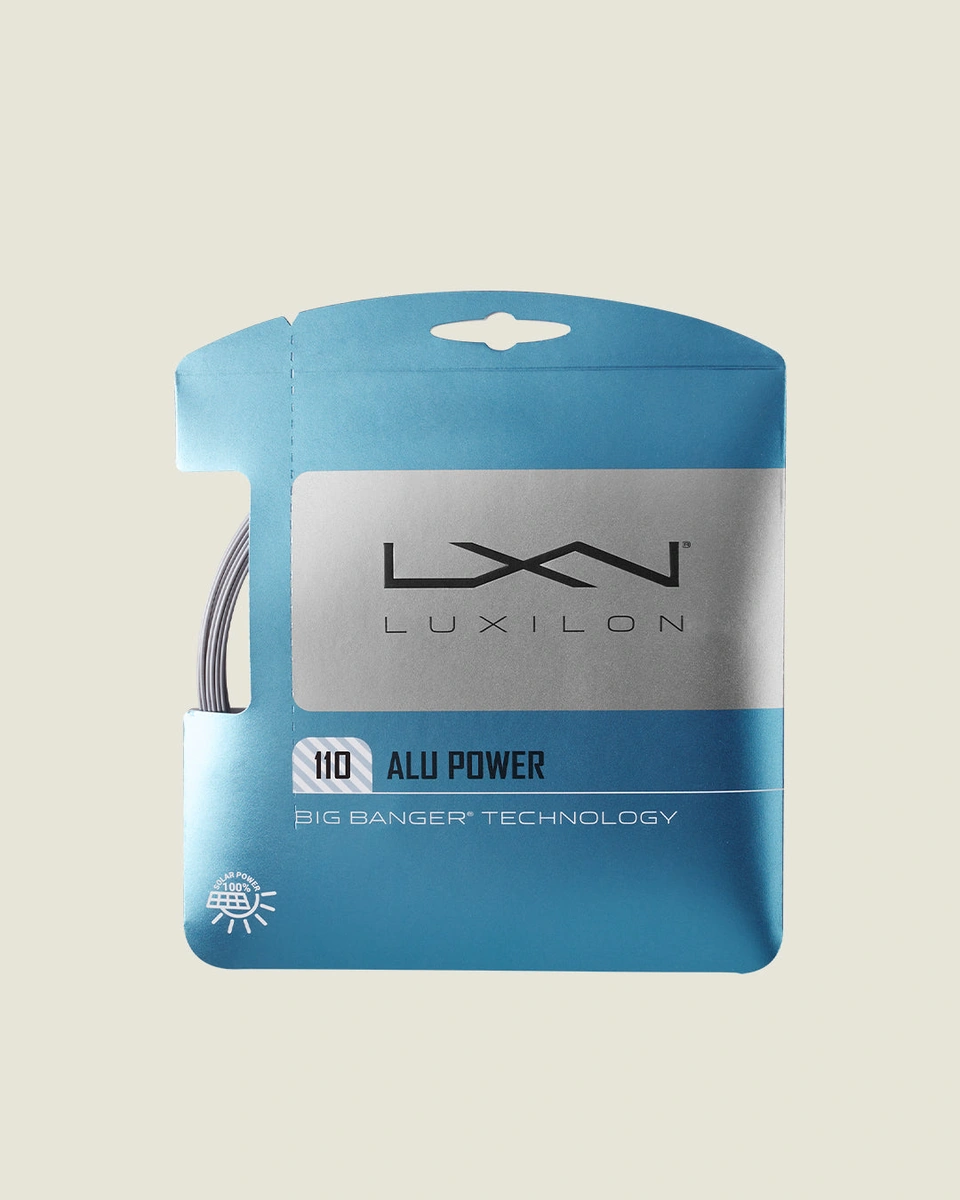
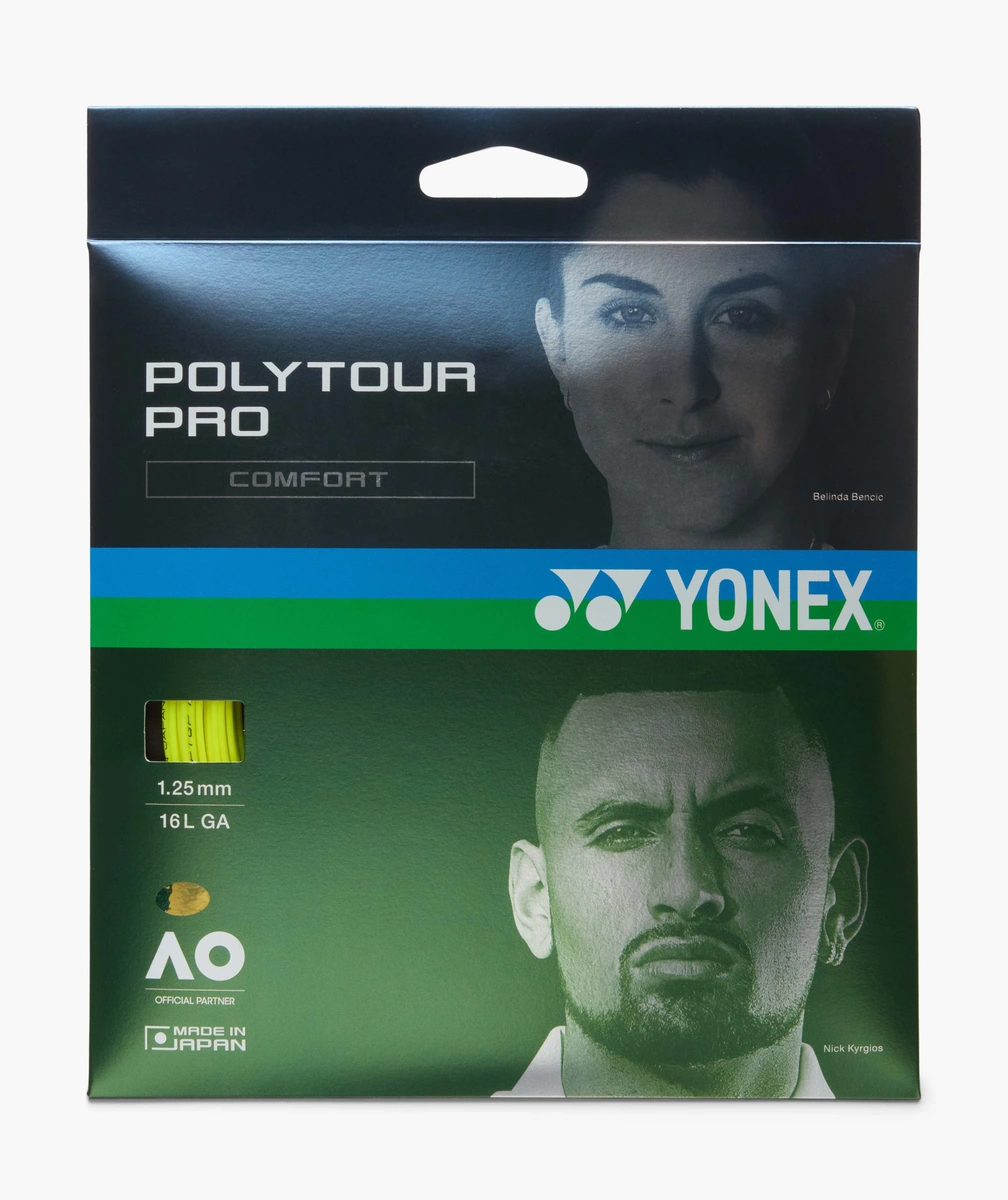
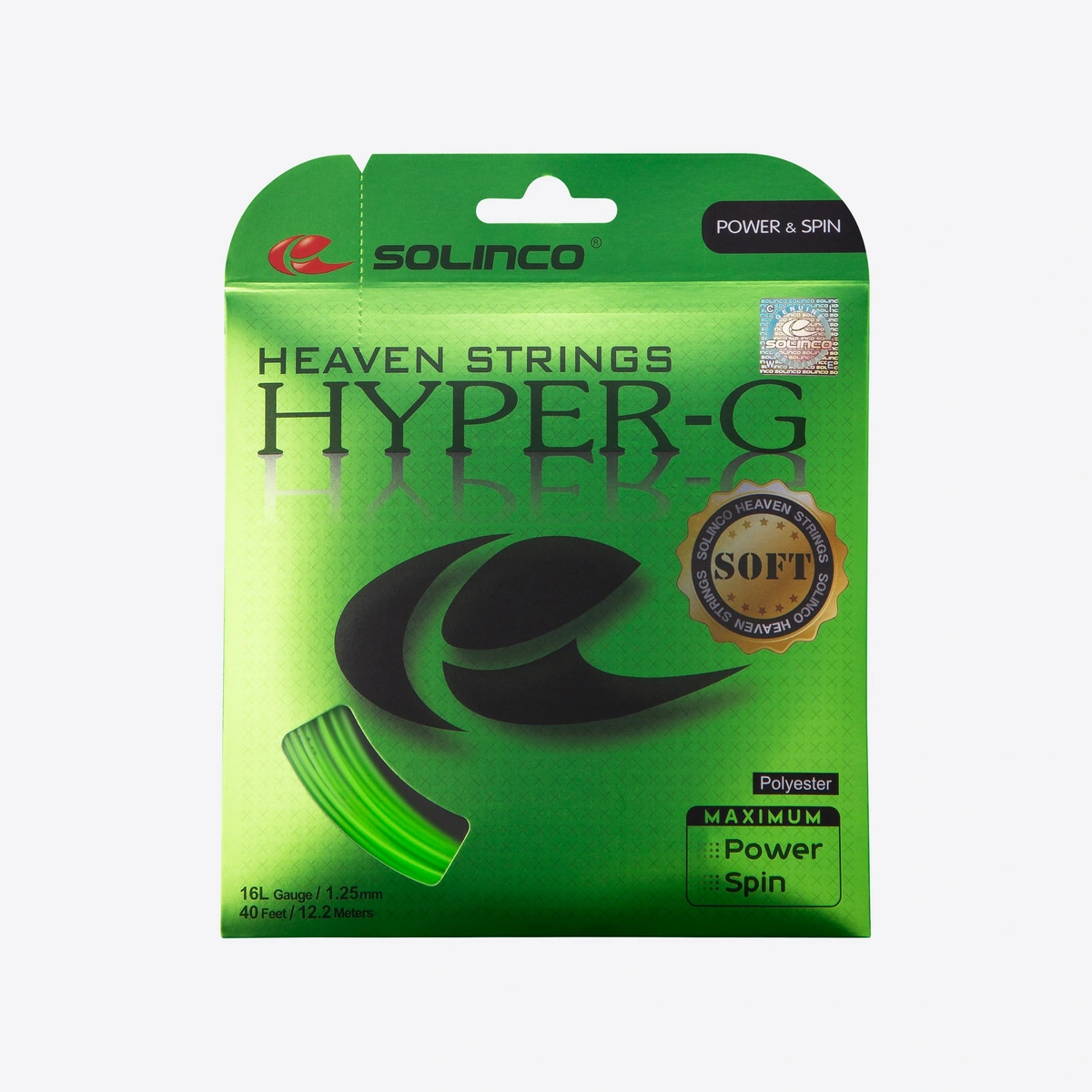
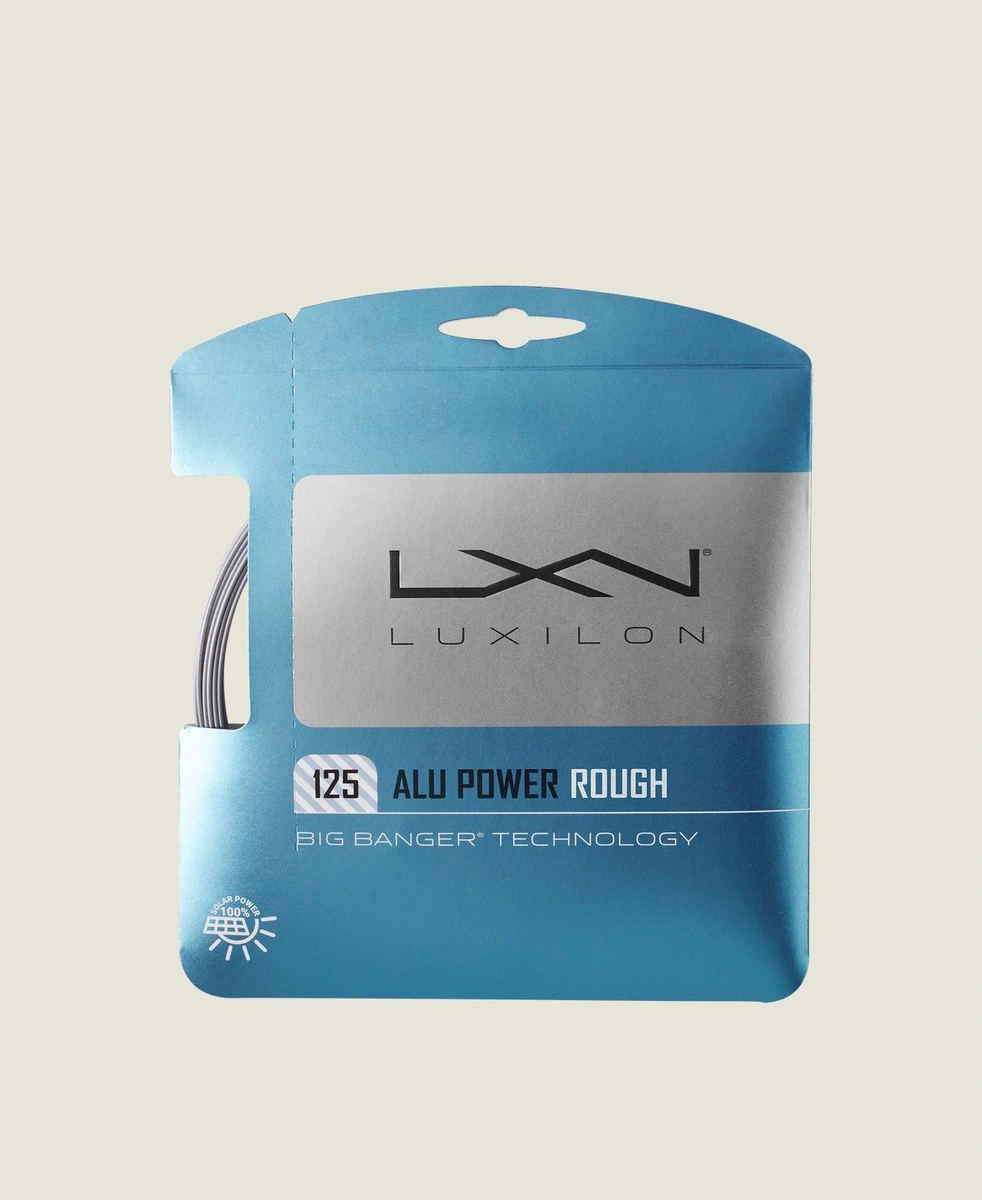
Strings to compare
A specs-based shortlist. Feel, fitness, and playing style still matter.
Reviewed sources
Yonex · View source ↗Similar racquets
TENNIS TENSION LAB
Check your racquet’s tension today.
Get a high-precision tension reading in under 10 seconds. Tension Lab tracks changes from your first reading and helps you see when to restring.
- High-precision tension measurement. Ready in under 10 seconds.
- Track every change in feel. See the full story over time.
- Time to restring? Never leave it to guesswork.