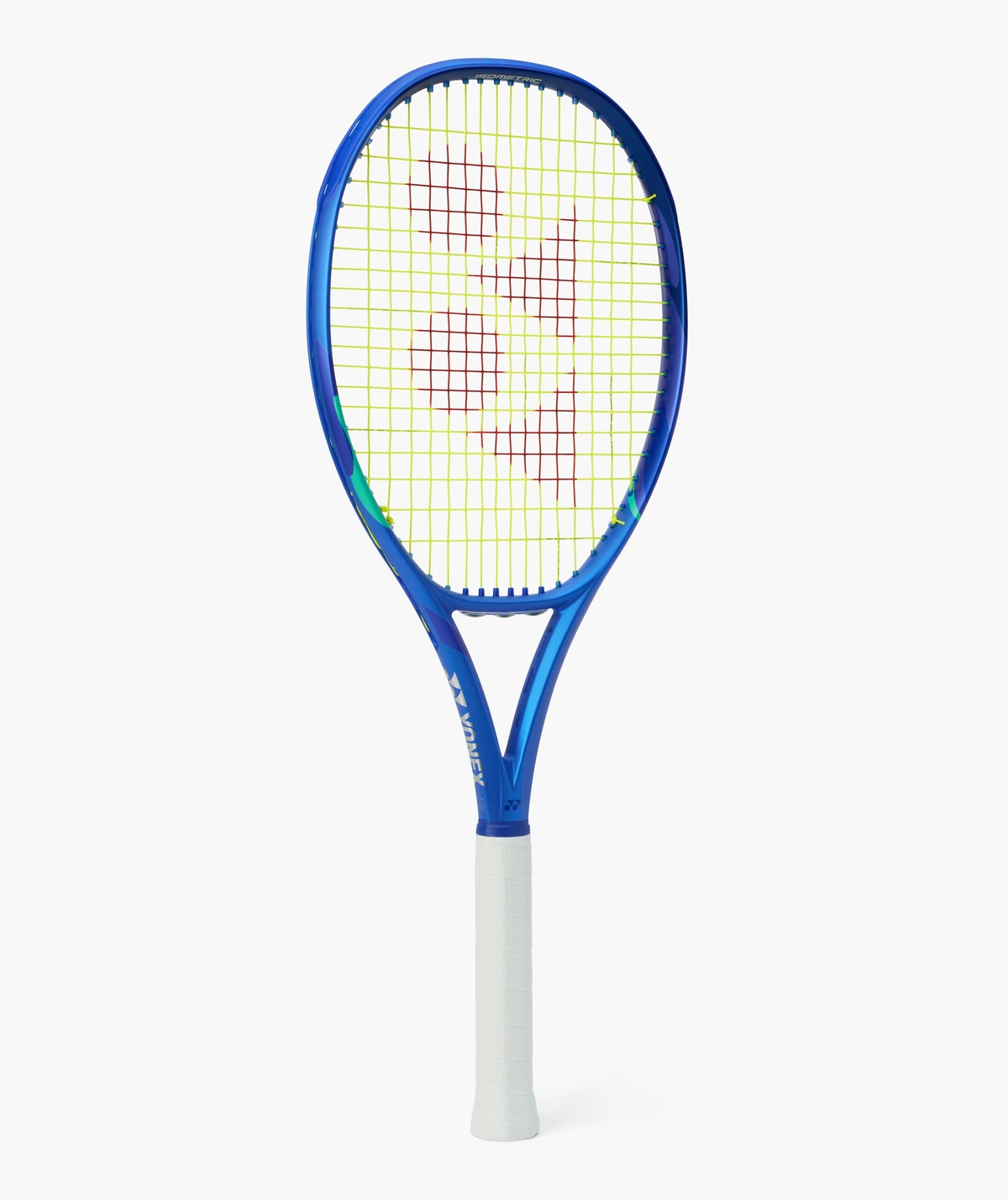
Yonex · Current model
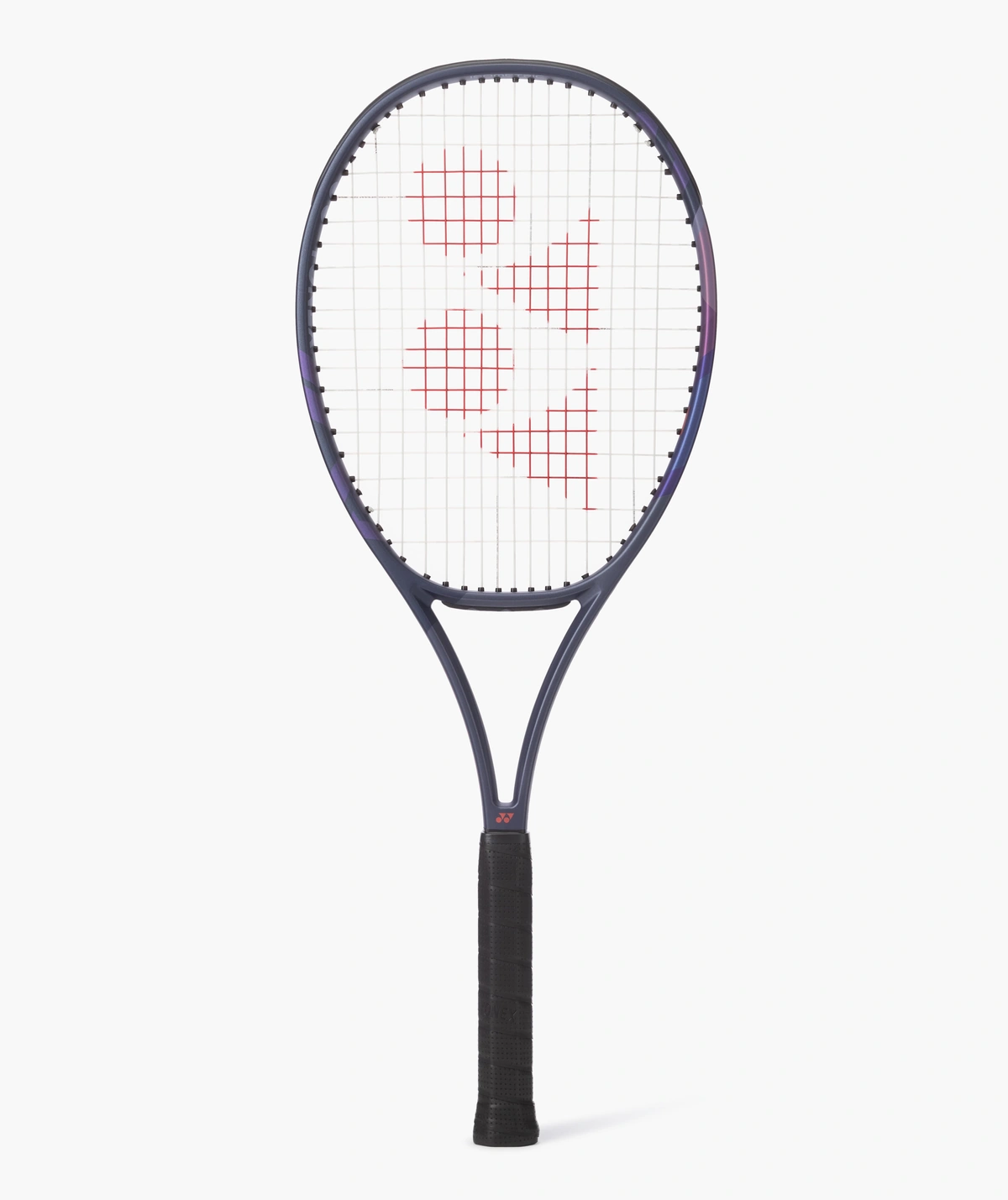
Yonex EZONE 100
The eighth-generation EZONE 100 combines a 300 g unstrung mass, 320 mm balance and 100 in² head. Against the corresponding 98, it is 5 g lighter but balances 5 mm farther towards the head. Those changes act differently, so static weight alone cannot settle handling.
Key specs
- Head size
- 100 in²
- String pattern
- 16 × 19
- Weight
- 300 g · Unstrung
- Length
- 27 in
- Balance
- 320 mm · Unstrung
- Recommended tension
- 45–60 lb
- Status
- Current model
When comparing products
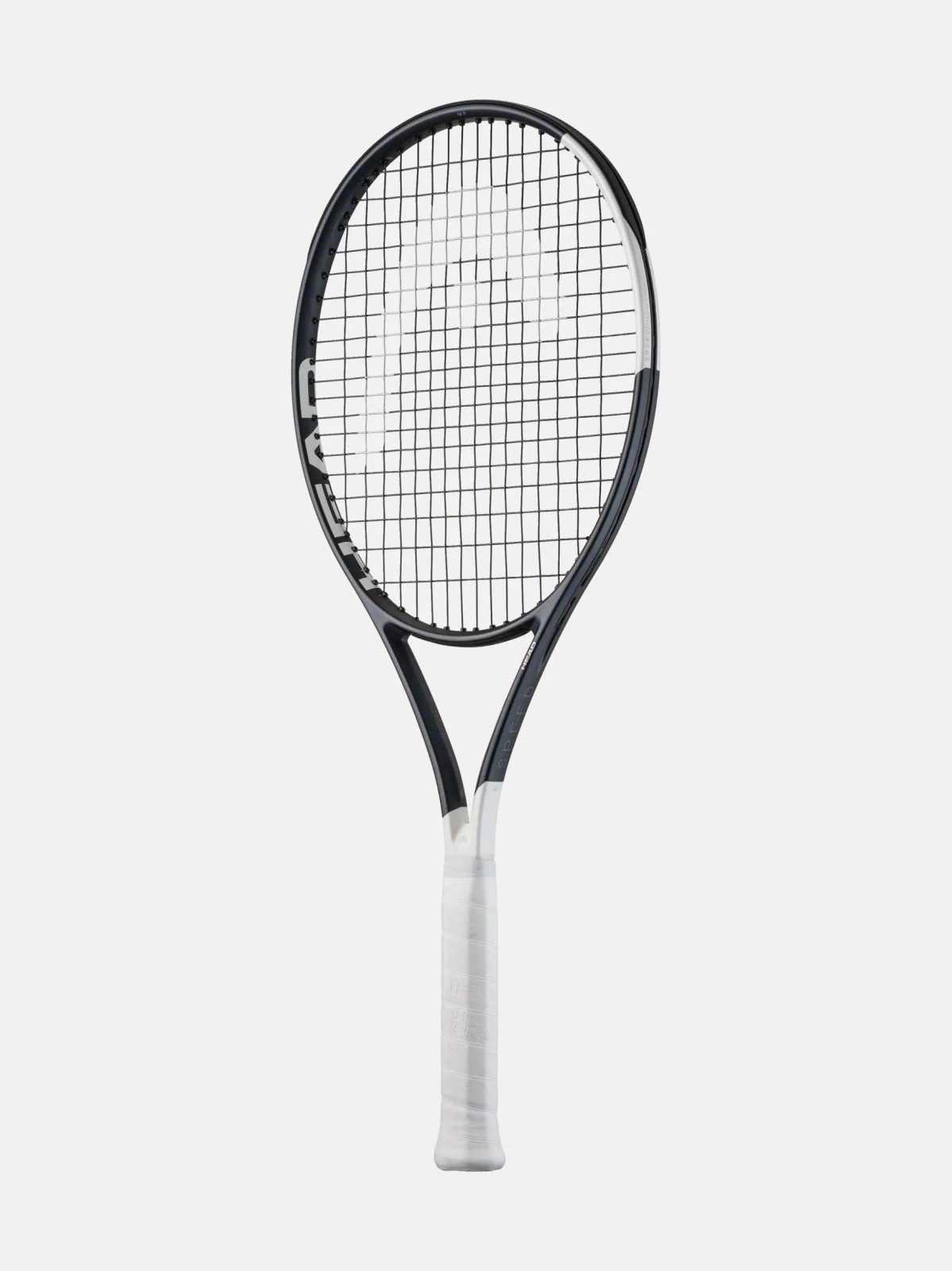
| Racquets | Head size in² | String pattern | Weight g | Swingweight | RA |
|---|---|---|---|---|---|
| Yonex EZONE 100 | 100 | 16×19 | 300 | — | — |
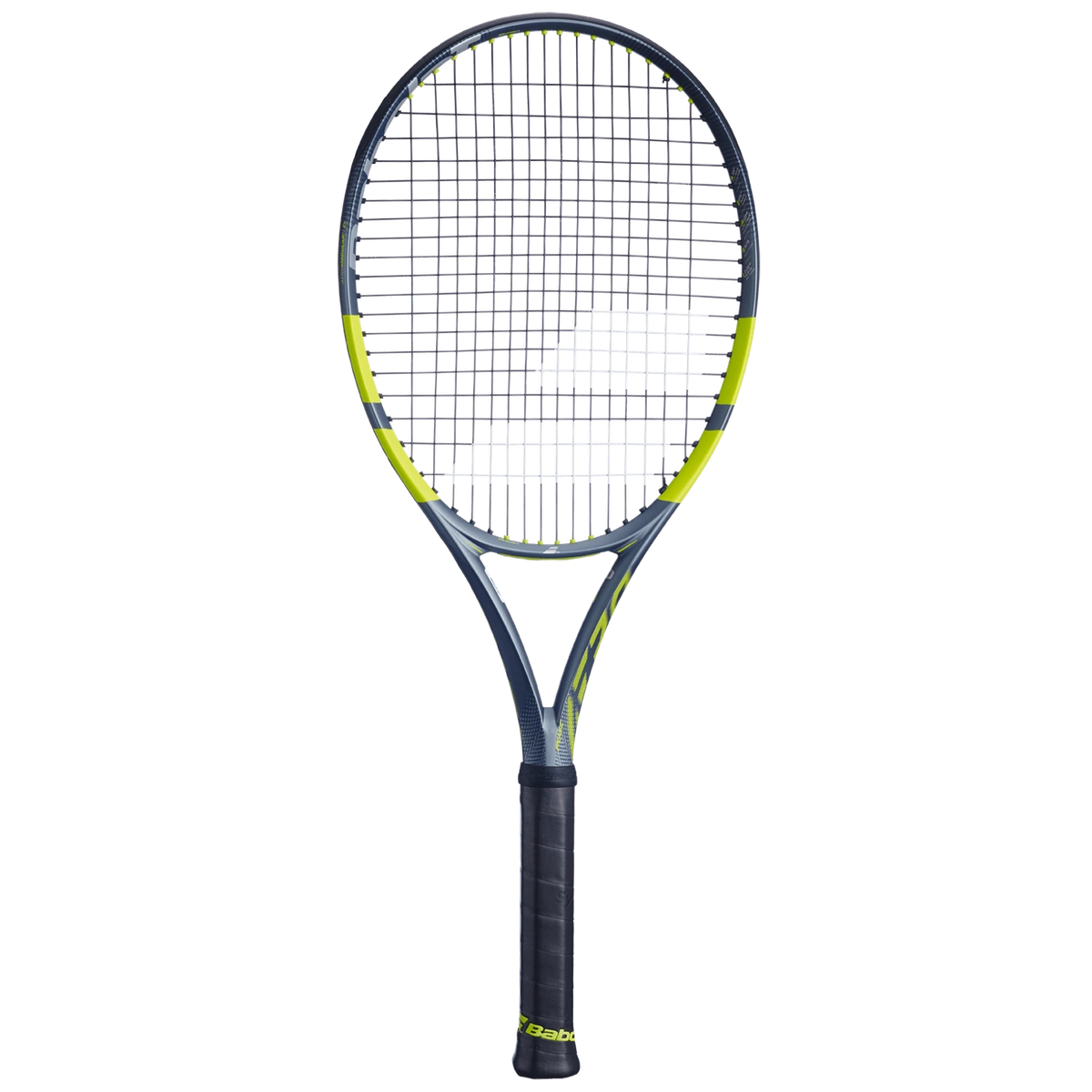
| Babolat Pure Drive Gen11 | 100 | 16×19 | 300 | — | 72 |
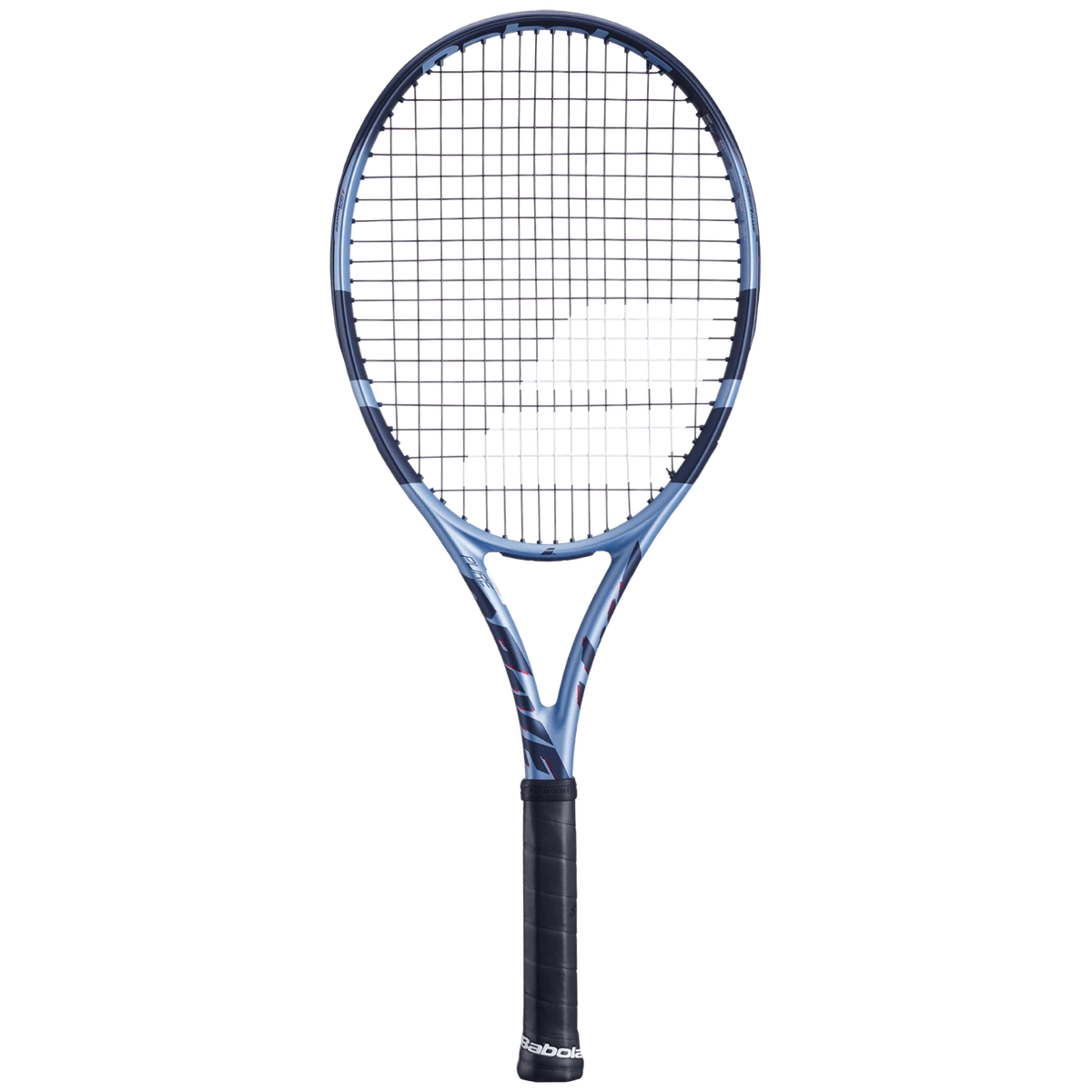
| Babolat Pure Strike 100 Gen4 | 100 | 16×19 | 300 | — | 68 |
| Dunlop CX 400 Tour | 100 | 16×19 | 300 | — | 68 |
Separate the three specification changes
The EZONE 98 lists 305 g, 315 mm and 98 in²; both models are 27 inches long with a 16×19 pattern. The 100 provides a larger hitting surface while the 98 has more static mass. These are design differences, not a measured verdict on which accelerates more easily. That requires comparable swingweight data.
Use the same string, gauge and reference tension for a demo. Otherwise, changes in the stringbed get attributed to head size. Compare how much depth you lose when contact drifts towards your usual miss location.
Treat technology names as design information
Yonex identifies ISOMETRIC geometry, MINOLON, 2G-Namd SPEED and VDM among this generation’s design features. They help identify the product, but their names do not quantify spin or arm comfort.
Keep the manufacturer’s intended response separate from your observations. A muted sensation at contact and adequate depth from a stretched defensive position are different outcomes and deserve separate notes.
Why 45–60 lb is a range, not a prescription
The manufacturer lists 45–60 lb. Its midpoint is not automatically optimal for every string or swing. Changing from polyester to a multifilament at the same machine setting does not produce an identical stringbed.
First distinguish balls that repeatedly land long from defensive shots that lack depth. Use a familiar string to establish the frame comparison before changing material and tension; this makes the cause of a change easier to identify.
The court situations that separate the options
If late preparation is your main problem, start with fast returns and body volleys. If contact location varies more, log depth on moving forehands and backhands. Maintaining contact timing after a set is more informative than a few powerful central hits at the start.
The 100-versus-98 decision should not be reduced to beginner versus advanced. Ask whether the larger hitting surface helps your actual misses, and whether the alternative mass and balance suit your timing.
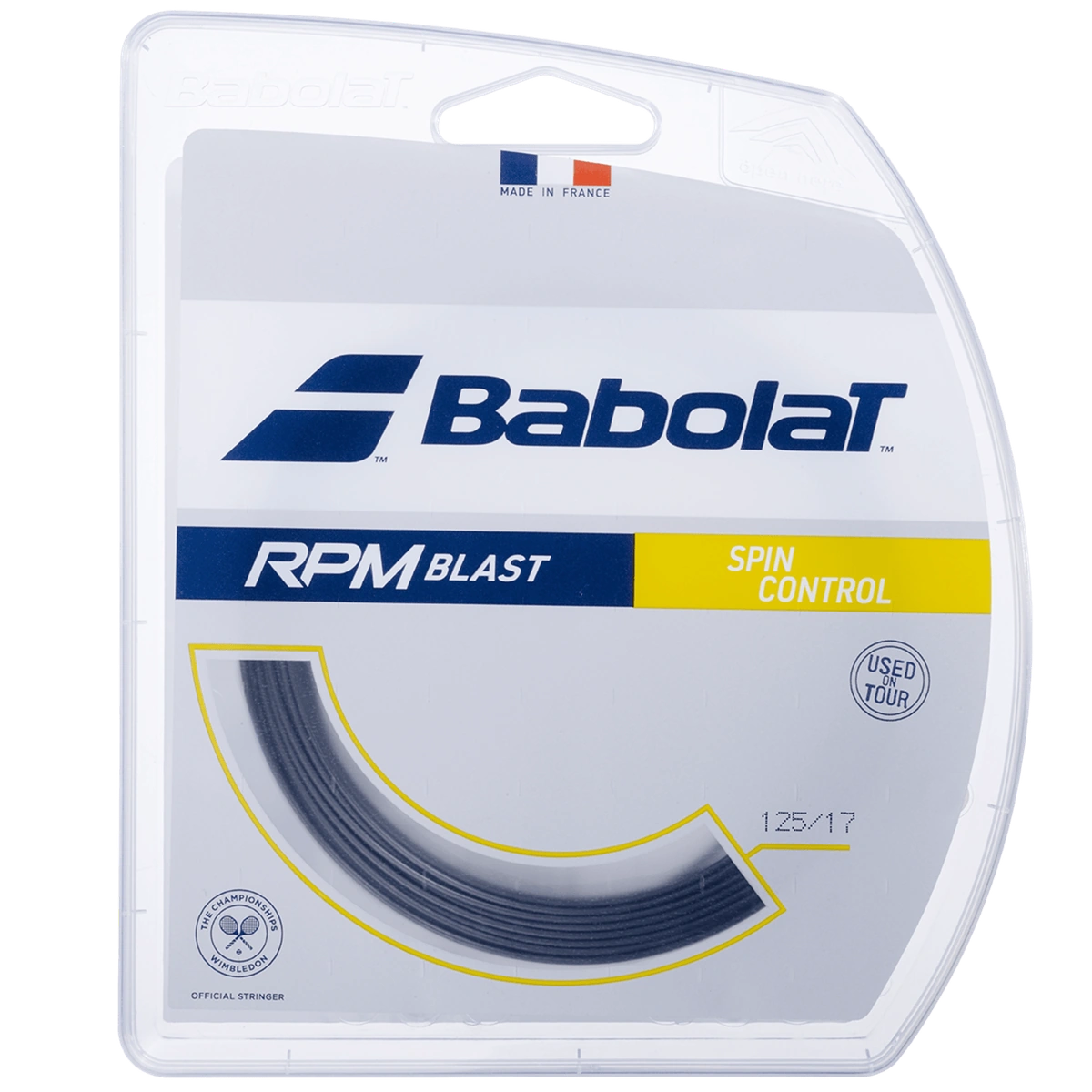
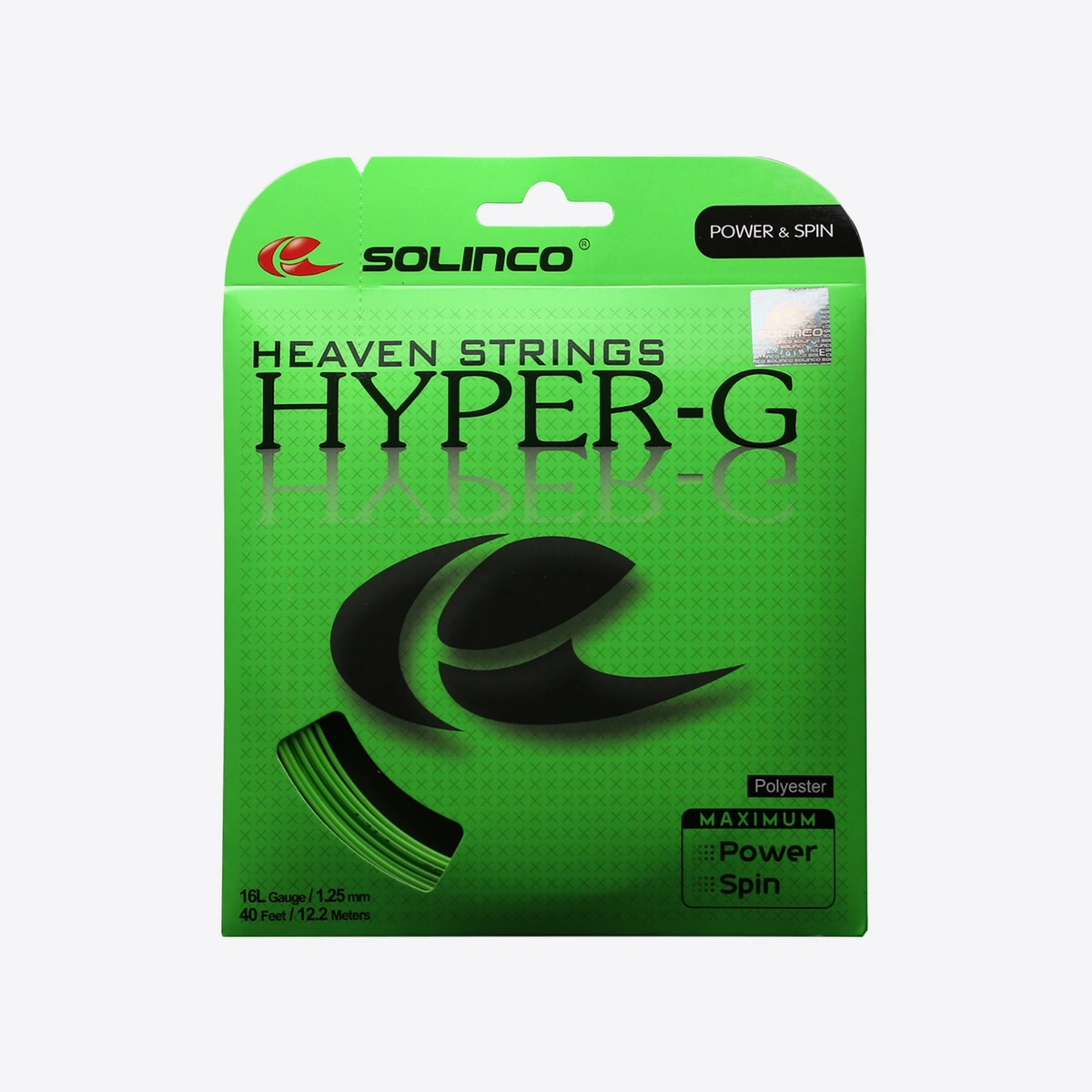
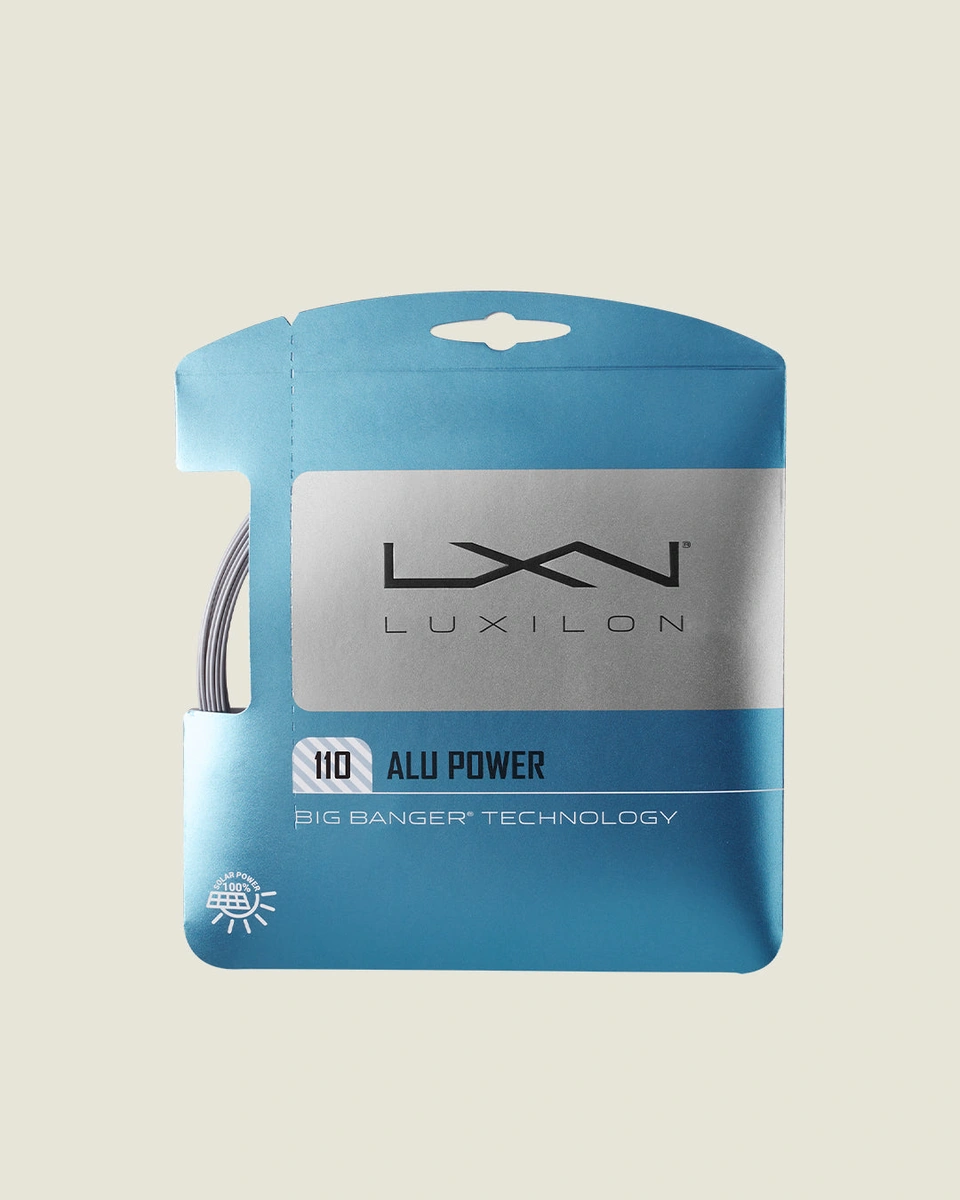
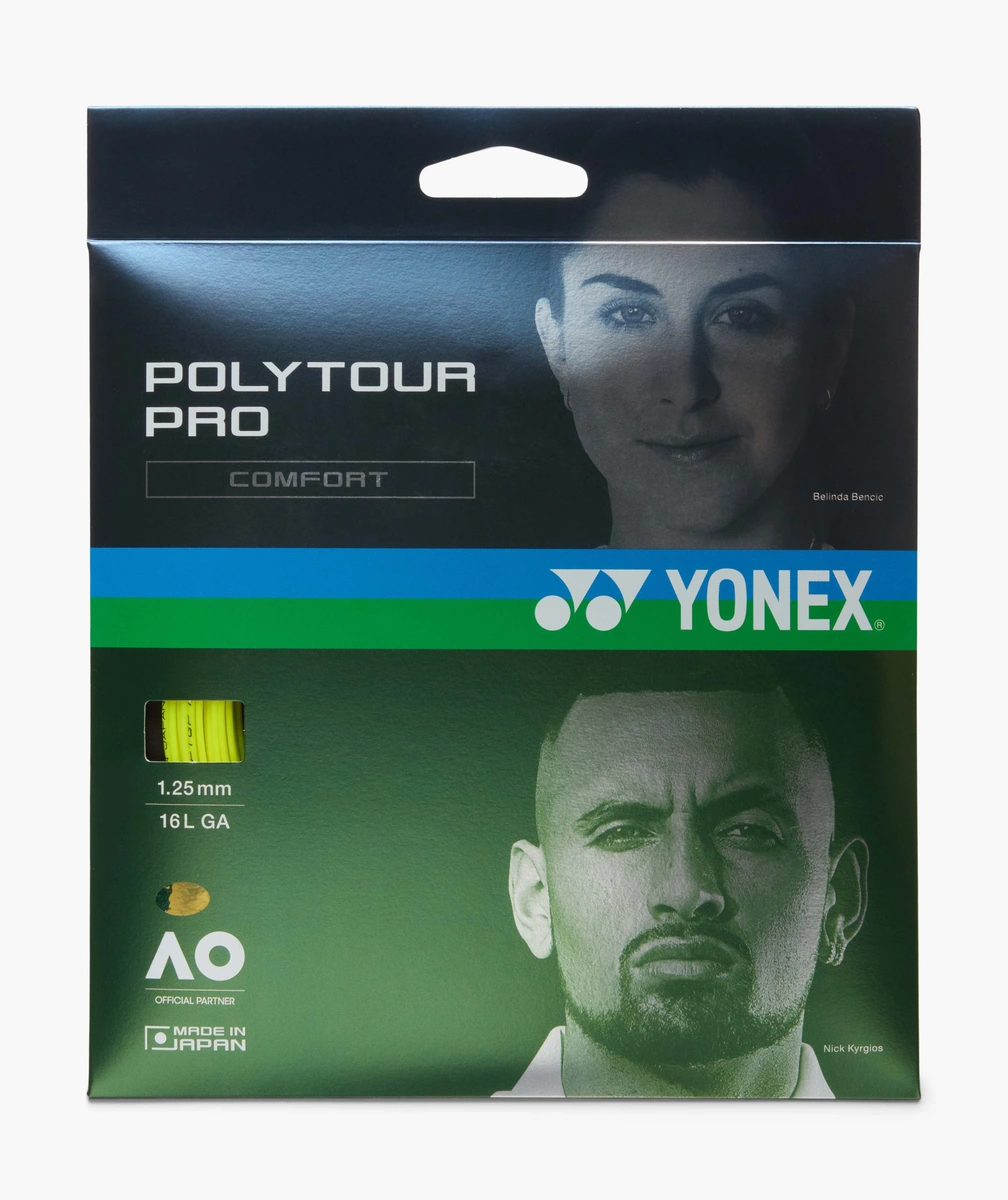
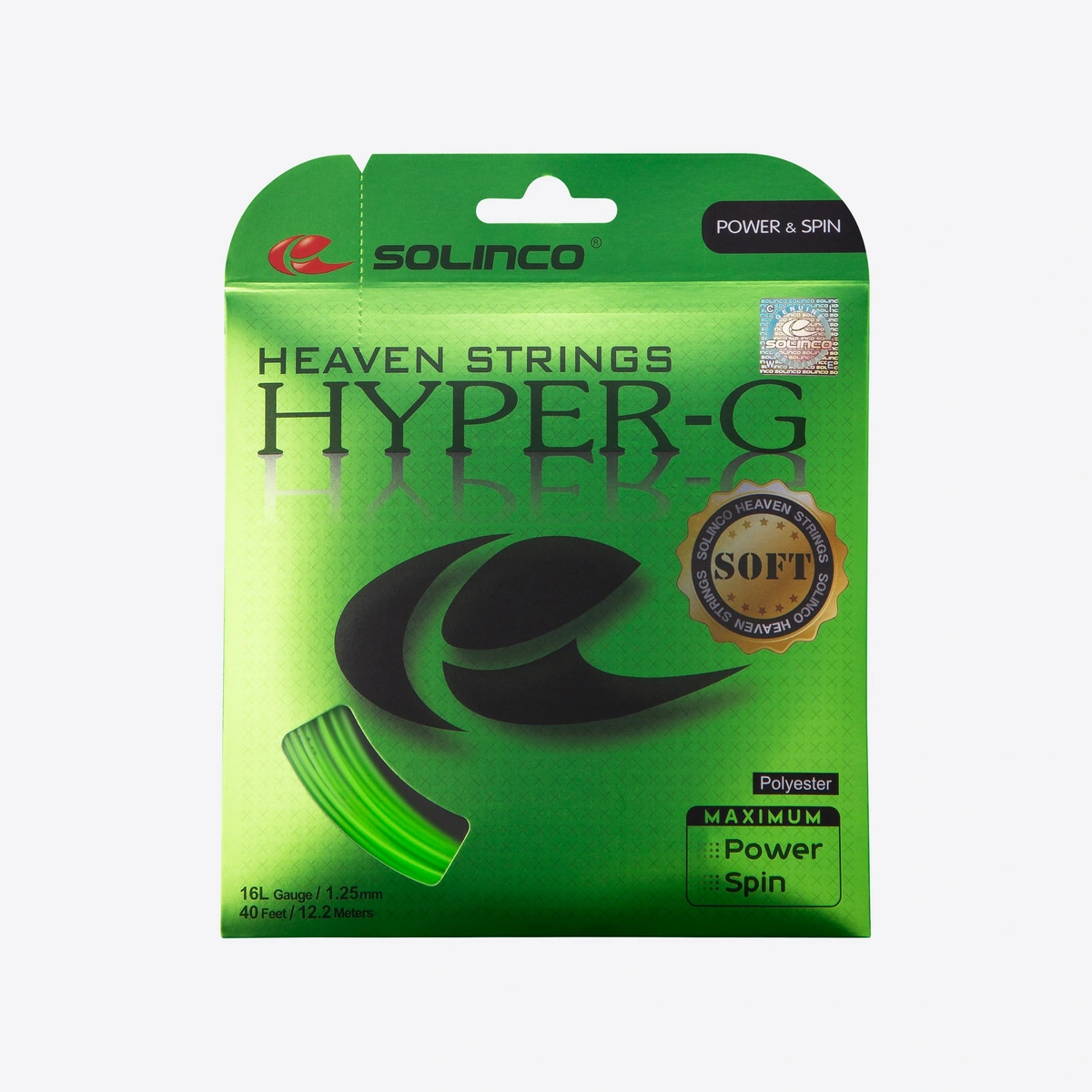
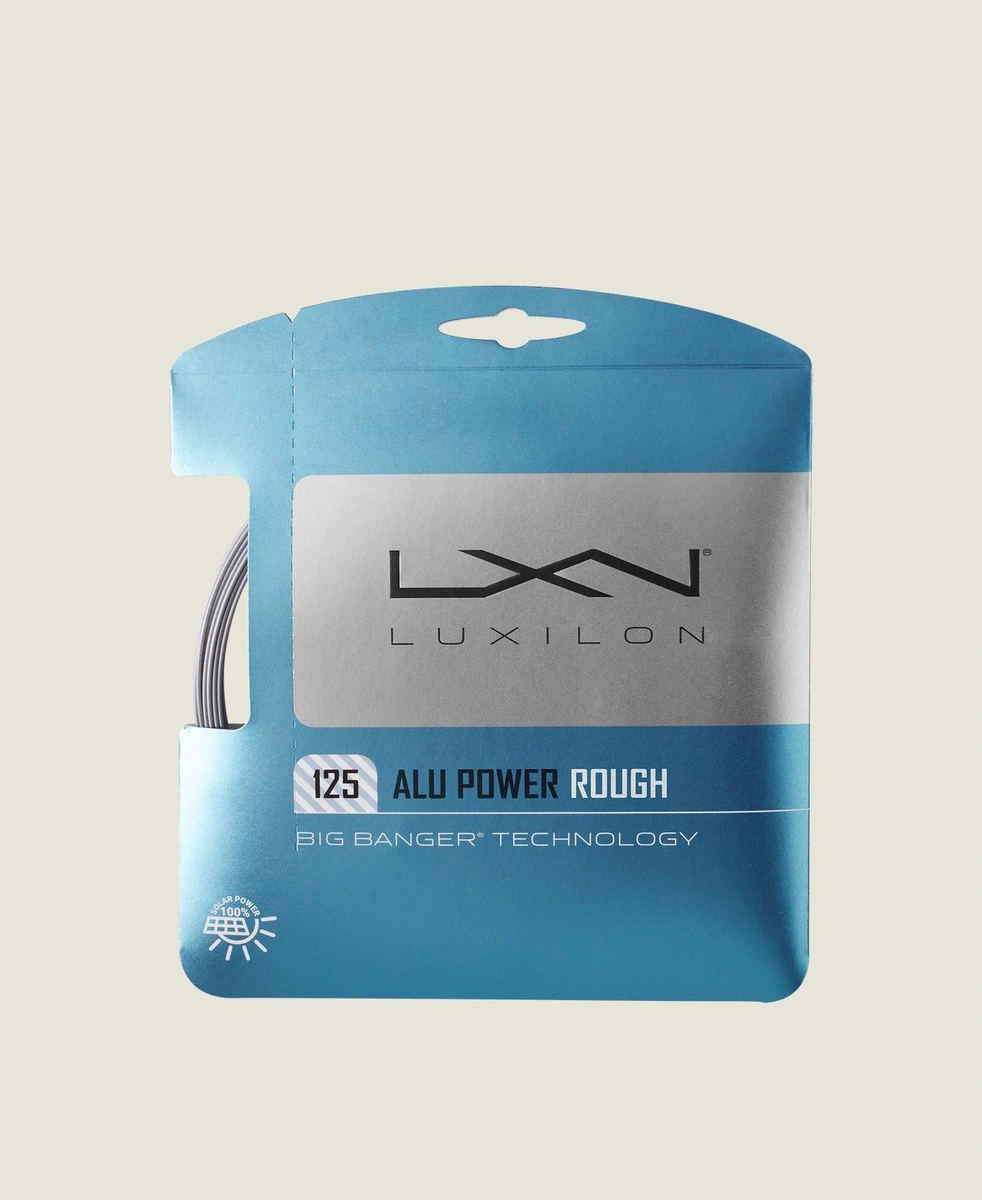
Strings to compare
A specs-based shortlist. Feel, fitness, and playing style still matter.
Reviewed sources
Yonex · View source ↗Similar racquets
TENNIS TENSION LAB
Check your racquet’s tension today.
Get a high-precision tension reading in under 10 seconds. Tension Lab tracks changes from your first reading and helps you see when to restring.
- High-precision tension measurement. Ready in under 10 seconds.
- Track every change in feel. See the full story over time.
- Time to restring? Never leave it to guesswork.